

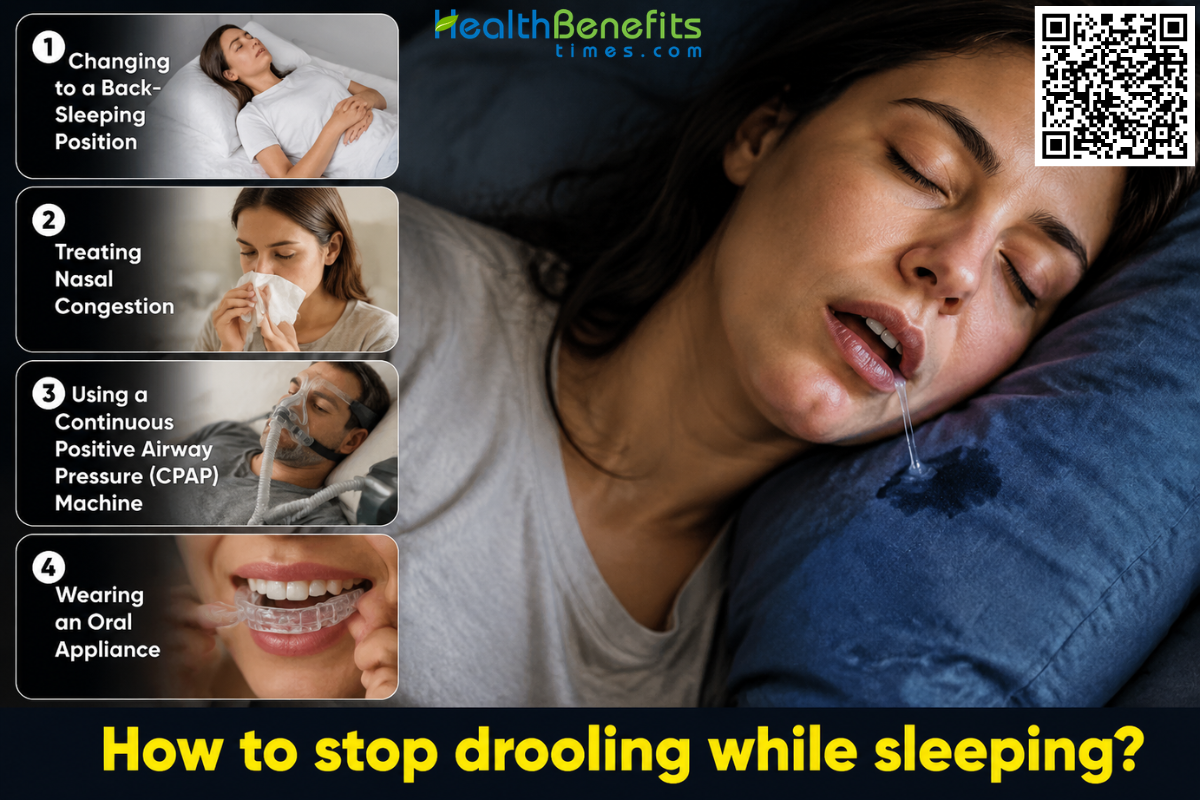
Drooling while sleeping, medically known as sleep sialorrhea, is the unintentional flow of saliva from the mouth during slumber. In most instances, it is a harmless physical response caused by gravity when a person sleeps on their side or stomach, which allows saliva to pool and escape instead of being swallowed. However, excessive nocturnal drooling can indicate underlying issues such as chronic mouth breathing, severe nasal congestion, or sleep-disordered breathing like obstructive sleep apnea 1. Furthermore, clinical evaluations establish that gastroesophageal reflux disease (GERD) and specific neurological conditions that weaken facial muscles or impair the swallowing reflex significantly contribute to abnormal saliva pooling 2. While occasional drooling is completely normal, sudden increases in volume alongside symptoms like loud snoring, choking, or difficulty swallowing may warrant medical evaluation to rule out secondary respiratory or neuromuscular disorders.
Causes of Drooling while sleeping
- Sleep Position: Sleeping on the side or the stomach allows gravity to pull saliva out of an open mouth, rather than allowing the saliva to be swallowed naturally as it would be while sleeping on the back.
- Obstructive Sleep Apnea (OSA): This sleep disorder causes intermittent upper airway blockages that force individuals to breathe through their mouths, frequently resulting in symptoms like loud snoring, choking, and nocturnal drooling 3.
- Gastroesophageal Reflux Disease (GERD): When stomach acid flows backward into the esophagus during sleep, it triggers a reflex that produces excess saliva in an attempt to clear and neutralize the acid irritation 4.
- Medication Side Effects: Certain prescription medications, particularly psychotropic drugs used for mental health conditions, directly stimulate the salivary glands and induce excessive saliva production as a clinical adverse effect 5.
- Neurological and Muscular Disorders: Conditions that affect the central nervous system, such as cerebral palsy or Parkinson’s disease, can weaken facial muscles and impair the natural swallowing reflex, causing saliva to pool and escape the mouth while lying down 6.
- Nasal Congestion: Chronic allergies, sinus infections, or colds block the nasal passages, which causes a person to instinctively breathe through an open mouth during sleep and makes it easier for saliva to drip out.
Symptoms of drooling while sleeping
- Wet Bedding: The most obvious physical sign is waking up with damp or stained pillows and bedsheets, which confirms that saliva is consistently escaping the mouth rather than being swallowed normally during the night.
- Skin Irritation and Cracking: Chronic moisture from escaped saliva breaks down the sensitive skin barrier around the mouth and chin. This constant dampness frequently results in redness, chapped lips, or painful inflammation at the corners of the mouth, a condition clinically termed angular cheilitis 7.
- Morning Dry Mouth: Because nocturnal drooling is heavily linked to sleeping with an open mouth, the oral cavity loses its protective layer of saliva. Individuals often wake up with a severely dry mouth, a state that significantly increases the risk of tooth decay and gum inflammation over time 8.
- Bad Breath (Halitosis): The combination of escaped saliva and continuous mouth breathing creates an excessively dry environment inside the mouth. This lack of circulating saliva allows odor-causing bacteria to multiply rapidly overnight, leading to distinct bad breath upon waking 9.
- Choking or Coughing Fits: If excess saliva pools at the back of the throat instead of flowing completely out of the mouth, it can accidentally enter the upper airway. This triggers a protective reflex, causing sudden coughing fits, choking sensations, and disrupted sleep cycles 7.
How to stop drooling while sleeping?
1. Changing to a Back-Sleeping Position
How it may help
Sleeping on the back, clinically known as the supine position, relies on gravity to manage oral fluids. Instead of pooling at the lips and escaping the mouth, saliva flows naturally toward the back of the throat. This positioning easily triggers the subconscious swallowing reflex, effectively preventing overnight drooling.
What research says
Clinical observations confirm that supine sleeping stops external saliva leakage. However, extensive research also demonstrates that sleeping on the back significantly increases the severity of obstructive sleep apnea by causing the tongue and soft palate to collapse backward, which physically blocks the upper airway 10.
How to use it safely
To safely transition to back sleeping, place a supportive pillow under your knees to ease lower back tension. Use a contoured cervical pillow to keep your head slightly elevated and properly aligned, preventing neck strain while maintaining a clear pathway for normal swallowing.
Potential precautions or side effects
Avoid sleeping on your back if you suffer from sleep apnea or severe snoring, as this position can dangerously worsen respiratory obstructions and interrupt your breathing cycles 10.
2. Treating Nasal Congestion
How it may help
Clearing a blocked nasal passage restores normal airflow through the nose, eliminating the physical need to sleep with an open mouth. By naturally keeping the mouth closed and the jaw properly positioned during sleep, the body instinctively swallows excess saliva rather than allowing it to leak onto bedding.
What research says
Clinical studies demonstrate that chronic nasal congestion forces individuals into habitual mouth breathing during sleep, disrupting normal oral resting posture. Medical management of nasal obstruction effectively restores nasal airflow, allowing the mouth to remain closed, which significantly reduces secondary nocturnal symptoms like drooling and snoring 11.
How to use it safely
To relieve congestion safely, flush your nasal passages with a sterile saline spray before bed or run a humidifier to moisten the bedroom air. If you choose over-the-counter medicated decongestant sprays, strictly limit their application to three consecutive days.
Potential precautions or side effects
Overusing medicated decongestant sprays causes severe rebound congestion, making the initial blockage worse. Furthermore, long-term application of prescription nasal corticosteroids may occasionally trigger minor nosebleeds or local irritation 12.
3. Using a Continuous Positive Airway Pressure (CPAP) Machine
How it may help
A CPAP machine delivers a continuous stream of pressurized air to keep the upper airway open during sleep. By preventing throat blockages, it eliminates the physical need to breathe through an open mouth. When paired with a properly fitted mask, it naturally encourages nasal breathing and keeps the mouth closed, effectively stopping saliva from leaking out.
What research says
Clinical research establishes that CPAP therapy is the primary treatment for obstructive sleep apnea. By continuously holding the airway open, CPAP significantly reduces apneic breathing pauses and forced mouth breathing, which directly resolves related secondary symptoms such as severe morning dry mouth and excessive nocturnal drooling 3.
How to use it safely
To use a CPAP machine safely, ensure your mask fits snugly without pressing painfully into your skin. You must wash the mask, tubing, and humidifier chamber regularly with mild soap and warm water to prevent harmful bacterial growth and respiratory infections 13.
Potential precautions or side effects
Poorly fitted CPAP masks often cause skin irritation, facial sores, or air leaks. Additionally, swallowing pressurized air during sleep may cause uncomfortable morning stomach bloating, medically known as aerophagia 13.
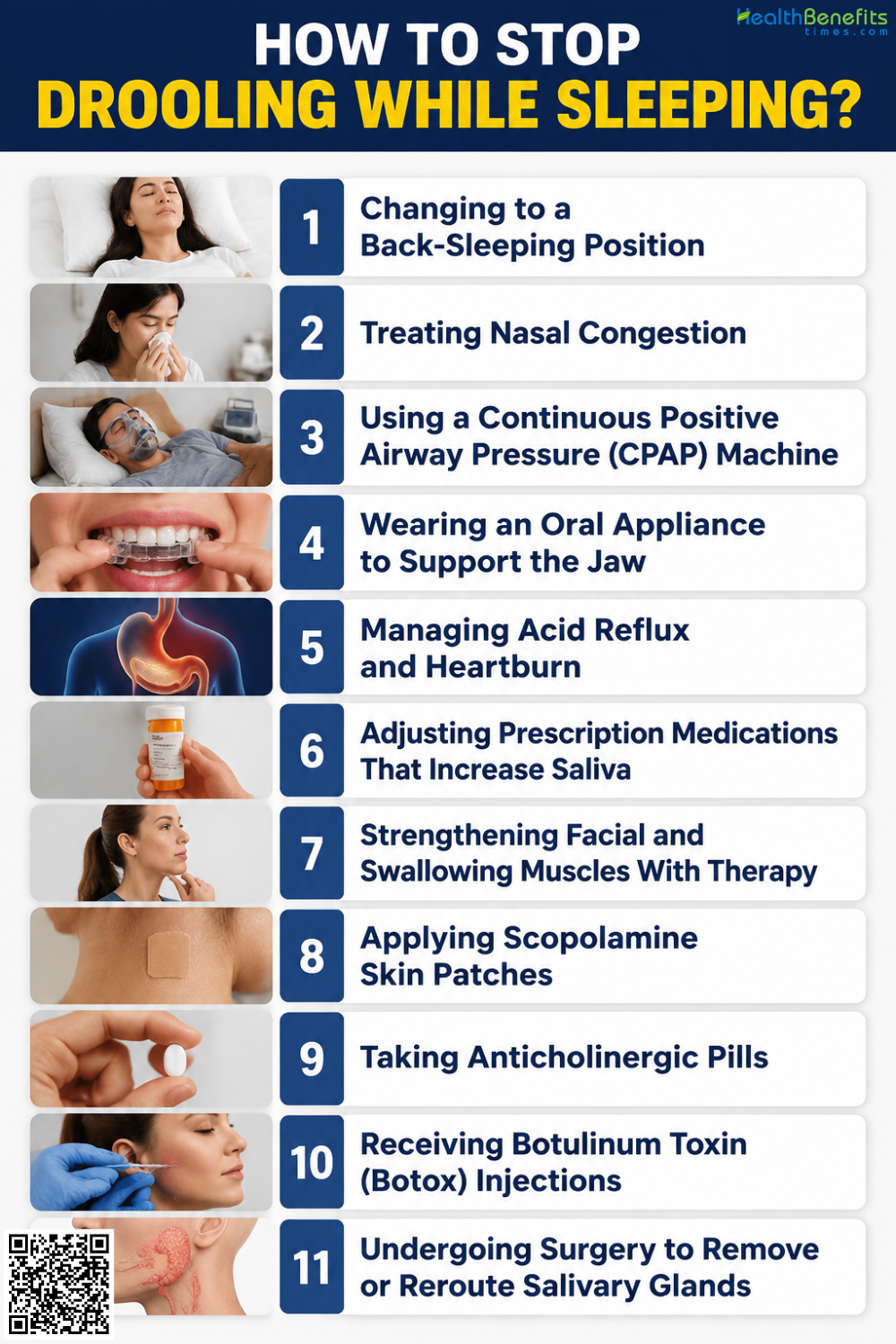
4. Wearing an Oral Appliance to Support the Jaw
How it may help
Custom-fitted oral appliances, such as mandibular advancement devices, physically support the lower jaw and prevent it from dropping open during slumber. By keeping the mouth securely closed and shifting the jaw forward, these devices promote continuous breathing through the nose and keep saliva contained for natural swallowing.
What research says
Clinical studies confirm that oral appliances effectively treat mild to moderate obstructive sleep apnea by stabilizing the upper airway. By firmly securing the jaw and preventing airway collapse, these devices significantly reduce forced mouth breathing, which directly eliminates the primary physical cause of nighttime drooling 14.
How to use it safely
To ensure proper airway alignment and prevent dental damage, you must have an oral appliance custom-fitted by a specialized dentist. Clean the device every morning using a soft toothbrush and mild soap to prevent harmful bacterial buildup and subsequent oral infections.
Potential precautions or side effects
Wearing a structural oral device frequently causes temporary jaw soreness, tooth discomfort, or minor bite shifting. Additionally, placing a new device in the mouth may initially stimulate excess saliva 15.
5. Managing Acid Reflux and Heartburn
How it may help
Treating gastroesophageal reflux disease (GERD) stops stomach acid from irritating the esophagus. When acid flows upward during sleep, it triggers the body to produce excess saliva to neutralize the irritation, a physical response known as water brash. Preventing this acid backflow directly stops the overproduction of nighttime saliva.
What research says
Clinical research establishes that acid reflux stimulates the esophagosalivary reflex, causing the salivary glands to rapidly produce large volumes of saliva. Studies confirm that successfully treating GERD with acid-suppressing medications effectively eliminates this reflex and significantly reduces nocturnal hypersalivation 4.
How to use it safely
To manage nighttime reflux safely, elevate the head of your bed by six inches and avoid consuming heavy meals within three hours of sleeping. If using over-the-counter antacids or prescribed proton pump inhibitors, closely follow the specific dosage instructions provided by your doctor.
Potential precautions or side effects
Long-term daily use of proton pump inhibitors can increase the risk of bone fractures, kidney disease, and severe nutrient deficiencies 16. Always consult a physician for chronic heartburn.
6. Adjusting Prescription Medications That Increase Saliva
How it may help
Certain prescription drugs, especially antipsychotic medications used for mental health, directly stimulate the nervous system to produce excessive amounts of saliva. Lowering the dosage or switching to an alternative medication safely removes this chemical trigger, allowing the salivary glands to return to normal production levels during sleep.
What research says
Clinical studies identify medications like clozapine as primary triggers for severe nighttime drooling. Research confirms that when physicians carefully reduce the drug dosage or substitute it with an alternative that lacks saliva-stimulating side effects, patients experience a significant and rapid decrease in abnormal saliva production 17.
How to use it safely
You must never stop taking or alter the dosage of your prescription medications on your own. Always schedule a consultation with your prescribing doctor to discuss your drooling symptoms. They can safely adjust your treatment plan while ensuring your underlying medical condition remains properly managed.
Potential precautions or side effects
Abruptly stopping psychiatric or neurological medications causes severe withdrawal symptoms and a dangerous relapse of the original medical condition 18. All adjustments require strict medical supervision.
7. Strengthening Facial and Swallowing Muscles With Therapy
How it may help
Orofacial myofunctional therapy strengthens the muscles of the lips, tongue, and jaw. By improving lip seal and retraining the subconscious swallowing reflex, these targeted exercises ensure the mouth remains closed during sleep, effectively directing saliva down the throat rather than letting it escape.
What research says
Clinical research demonstrates that oral motor therapy significantly improves swallowing efficiency and lip closure. Studies conclude that consistent muscle training effectively reduces the frequency and severity of drooling, particularly for individuals with weakened facial muscles, neurological conditions, or sleep-disordered breathing 19.
How to use it safely
To safely begin muscle therapy, consult a licensed speech-language pathologist for a proper clinical evaluation. They will create a customized routine of daily swallowing exercises. Perform these gentle movements exactly as instructed to prevent unnecessary strain on your jaw or throat.
Potential precautions or side effects
Overworking your facial muscles during new exercises may cause temporary jaw soreness or chewing fatigue. Additionally, muscle therapy requires months of consistent practice to effectively reduce nighttime drooling.
8. Applying Scopolamine Skin Patches
How it may help
Scopolamine skin patches deliver medication steadily through the skin and into the bloodstream. The medication actively blocks the specific nerve signals responsible for stimulating the salivary glands. By interrupting these signals, the patch significantly decreases saliva production, preventing excess fluids from pooling and escaping the mouth during sleep.
What research says
Clinical research confirms that scopolamine patches effectively reduce severe drooling, medically known as sialorrhea. Studies demonstrate that the continuous delivery of the medication significantly decreases salivary flow rates by inhibiting nerve receptors in the salivary glands, providing reliable and non-invasive relief for abnormal saliva pooling 20.
How to use it safely
You must obtain a prescription from a physician to use scopolamine. Apply a single patch to clean, hairless skin directly behind your ear. Always wash your hands thoroughly after handling the patch to prevent accidentally transferring the medication into your eyes.
Potential precautions or side effects
Scopolamine frequently causes extreme dry mouth, blurred vision, dizziness, and urinary retention. You should avoid using these patches if you suffer from glaucoma or an enlarged prostate 20.
9. Taking Anticholinergic Pills
How it may help
Anticholinergic pills work by blocking acetylcholine, the primary chemical messenger that instructs the salivary glands to produce saliva. By inhibiting these specific nerve signals, the medication effectively dries the mouth and significantly reduces the volume of saliva available to pool and leak during sleep.
What research says
Clinical research confirms that oral anticholinergic medications, such as glycopyrrolate, are highly effective at reducing pathological drooling. Studies demonstrate that these drugs significantly decrease salivary flow rates, providing a reliable medical treatment for individuals experiencing severe, persistent hypersalivation that fails to respond to conservative therapies 21.
How to use it safely
You must consult a doctor to obtain a prescription for anticholinergic pills, as they require careful dosing based on your medical history. Take the medication exactly as prescribed, typically before bedtime, and drink adequate water to manage the intended mouth-drying effects comfortably.
Potential precautions or side effects
Common adverse effects include excessive dry mouth, constipation, blurred vision, and urinary retention. Additionally, older adults may experience severe confusion or cognitive impairments when taking systemic anticholinergics 21.
10. Receiving Botulinum Toxin (Botox) Injections
How it may help
Injecting botulinum toxin directly into the major salivary glands temporarily blocks the nerve signals responsible for producing saliva. By paralyzing these specific nerves, the glands generate significantly less saliva, preventing excess fluid from pooling and escaping the mouth during sleep.
What research says
Clinical research demonstrates that ultrasound-guided botulinum toxin injections are highly effective for managing severe, treatment-resistant drooling. Studies confirm the procedure significantly decreases saliva production for three to six months, providing safe symptom relief without causing widespread systemic side effects 22.
How to use it safely
You must consult a specialized neurologist or otolaryngologist for this clinical procedure. Ensure the physician uses ultrasound imaging during the injection to accurately target the salivary glands, which prevents the medication from accidentally spreading to your surrounding facial muscles.
Potential precautions or side effects
The most common adverse effects include temporary swallowing difficulties, severely dry mouth, and mild facial weakness 22. The therapeutic effects are temporary and require readministration every few months.
11. Undergoing Surgery to Remove or Reroute Salivary Glands
How it may help
Surgical procedures either completely remove major salivary glands to permanently halt their production or reroute the salivary ducts to empty near the back of the throat. This actively redirects the saliva flow directly toward the swallowing reflex, preventing it from pooling in the mouth and escaping during sleep.
What research says
Clinical research establishes that surgical interventions provide a highly effective, permanent solution for severe drooling. Studies confirm that procedures like duct rerouting successfully reduce overall salivary flow and eliminate anterior leakage in patients who remain completely unresponsive to conservative medical therapies or medications 23.
How to use it safely
You should only consider surgery as an absolute last resort when all non-invasive treatments fail. Schedule a comprehensive consultation with an ear, nose, and throat (ENT) specialist to determine if your physical health and underlying anatomical structure safely allow for an invasive procedure.
Potential precautions or side effects
Surgical risks include permanent extreme dry mouth, severe dental decay, and potential injury to nearby facial nerves, which can cause permanent facial muscle weakness 24.
When to see Doctor when you struggle from drooling while sleeping
Signs of Sleep Apnea: Seek evaluation if nighttime drooling occurs alongside loud snoring, choking, or gasping for air, as these symptoms strongly indicate obstructive sleep apnea 3.
Sudden or Severe Onset: Consult a physician if excessive drooling begins suddenly. An abrupt loss of facial muscle control frequently signals a severe acute neurological event, such as a stroke 25.
Difficulty Swallowing While Awake: Schedule a clinical examination if you experience trouble swallowing food or liquids during the day, which indicates underlying muscle weakness or esophageal dysfunction 26.
Unexplained Bad Breath or Oral Pain: See a healthcare provider if drooling is accompanied by chronic bad breath, bleeding gums, or mouth pain, indicating severe dental infections requiring medical intervention 9.
Suspected Medication Side Effects: Visit your prescribing doctor if severe drooling begins shortly after starting a new prescription, especially psychiatric medications known to artificially stimulate salivary glands 5.