

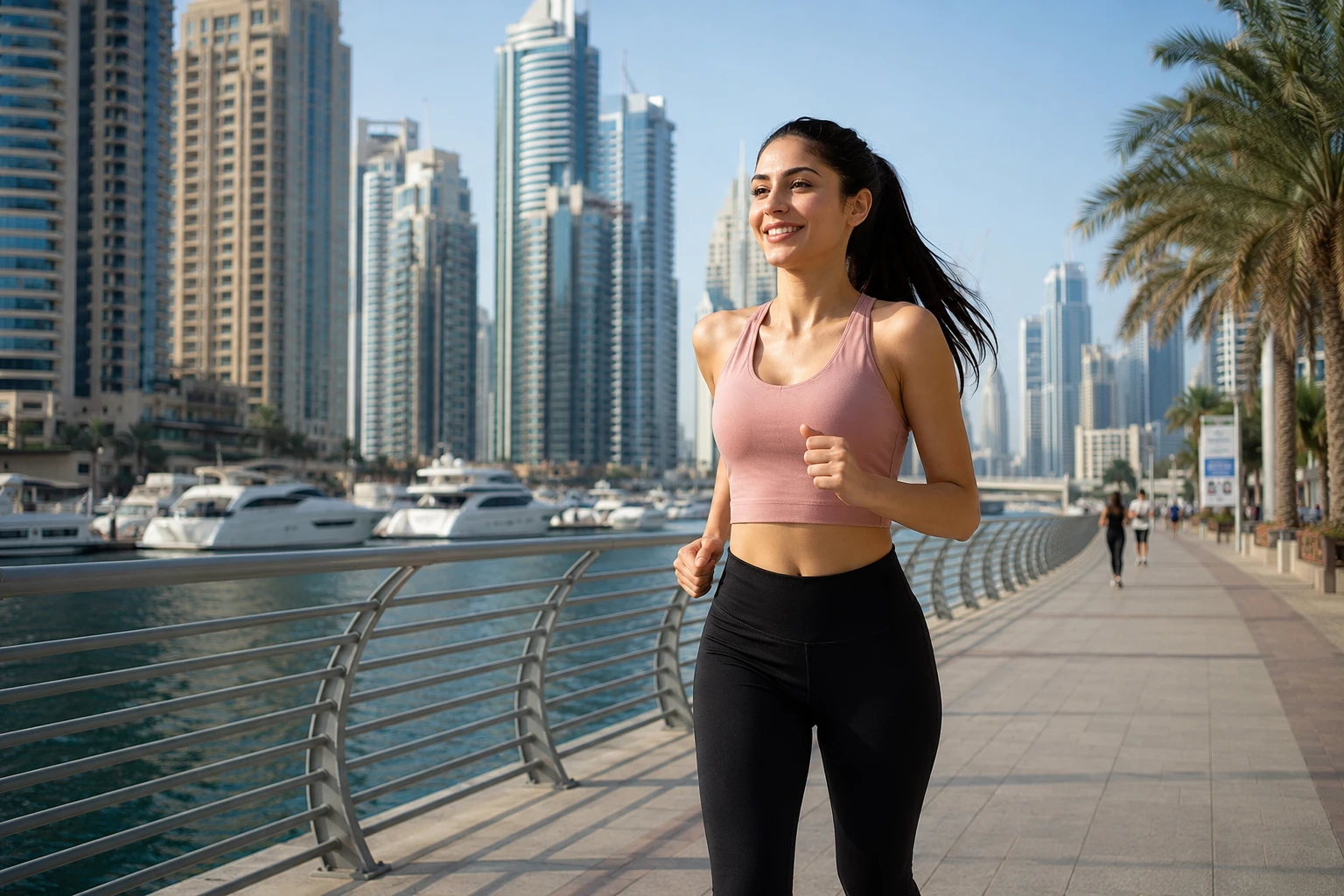
Living in Dubai for several weeks or months can be exciting, but adapting to the climate, distances, and daily routine requires planning. Choosing a car rental dubai monthly option can make it easier to reach fitness centres, supermarkets, beaches, medical facilities, and outdoor recreation areas. Reliable transport also helps residents organise their days efficiently while avoiding long periods outside during extreme heat.
Choose the Right Neighbourhood
Dubai consists of numerous districts, each offering a different balance of residential comfort, entertainment, and access to essential services. Selecting an area that matches your routine can reduce travel time and support healthier habits.
Popular neighbourhoods for extended stays include:
- Dubai Marina, with waterfront paths, gyms, and restaurants;
- Jumeirah Lake Towers, known for walkable clusters and community facilities;
- Downtown Dubai, close to offices, shops, and major attractions;
- Jumeirah Village Circle, offering parks and quieter residential streets;
- Al Barsha, with supermarkets, clinics, and convenient road connections;
- Dubai Hills, featuring green spaces and modern fitness facilities.
Before booking accommodation, check whether the building includes parking, a swimming pool, a gym, and shaded outdoor areas.
Stay Hydrated in Dubai’s Climate
Dubai’s warm climate increases the importance of proper hydration. During summer, high temperatures and humidity can cause the body to lose fluids quickly, particularly during exercise or extended time outdoors.
Practical hydration habits include:
- carrying a reusable bottle;
- drinking water throughout the day rather than waiting until you feel thirsty;
- increasing fluid intake before and after physical activity;
- limiting excessive consumption of sugary or caffeinated beverages;
- eating water-rich foods such as cucumbers, tomatoes, oranges, and watermelon;
- keeping drinking water available during longer drives.
Symptoms such as dizziness, unusual fatigue, headache, dry mouth, or muscle cramps may indicate dehydration or heat-related stress. Anyone experiencing severe or persistent symptoms should move to a cooler place and seek medical assistance.
Plan Outdoor Activities Carefully
Dubai offers beaches, parks, cycling tracks, desert landscapes, and waterfront promenades. However, the timing of outdoor activities is particularly important during warmer months.
Walking, jogging, and cycling are generally more comfortable early in the morning or after sunset. Midday outdoor exercise should be avoided when temperatures are especially high.
Suitable locations for an active lifestyle include:
- Kite Beach;
- Dubai Marina Walk;
- Al Qudra Cycling Track;
- Dubai Creek Harbour;
- Mushrif Park;
- Dubai Hills Park;
- Dubai Water Canal;
- running tracks around Jumeirah Lake Towers.
Wear breathable clothing, use sunscreen, and take regular breaks in shaded or air-conditioned areas. Even experienced athletes may need time to adapt to the local climate.
Create a Sustainable Exercise Routine
A long stay provides an opportunity to build consistent habits rather than treating every day as a holiday. Dubai has fitness facilities for different budgets and activity levels, including hotel gyms, community fitness centres, yoga studios, swimming pools, and specialist sports clubs.
A balanced weekly routine might include:
- Two or three strength-training sessions.
- Regular walking or moderate cardio.
- One or two swimming sessions.
- Stretching or mobility exercises.
- At least one full recovery day.
The routine should reflect your current fitness level. Increasing workout intensity too quickly, especially in hot weather, may lead to exhaustion or injury.
Residents who spend many hours driving or working at a desk should also take short movement breaks. Gentle stretching and brief walks can help reduce stiffness associated with prolonged sitting.
Make Nutritious Food Choices
Dubai’s restaurant scene includes cuisines from nearly every part of the world. This variety makes eating enjoyable, but frequent restaurant meals can also contain more salt, sugar, and calories than expected.
A practical approach is to combine dining out with simple meals prepared at home. Furnished apartments with kitchens make it easier to control ingredients and portion sizes.
Useful foods to keep at home include:
- fresh fruit and vegetables;
- eggs and lean proteins;
- whole grains;
- yoghurt or other fermented products;
- nuts and seeds;
- legumes;
- frozen vegetables;
- healthy cooking oils.
When eating out, choose grilled, baked, or steamed dishes more often than deep-fried options. Sauces and dressings can be requested separately, while vegetables or salads may replace some heavier side dishes.
Explore Dubai’s Markets and Supermarkets
The city has large international supermarkets as well as smaller stores specialising in regional ingredients. Shopping at different locations can help long-term visitors maintain a varied diet.
Traditional markets are useful for discovering herbs, spices, dates, nuts, and other ingredients. Larger supermarkets generally stock imported products alongside locally grown produce.
When shopping, pay attention to:
- nutrition labels;
- added sugar;
- sodium content;
- serving sizes;
- expiry dates;
- storage instructions.
Perishable groceries should not remain in a hot vehicle for long. Use insulated bags when necessary and return home promptly after shopping.
Select a Practical Vehicle
For an extended stay, comfort and efficiency are often more valuable than choosing the most impressive vehicle. The car should suit the number of passengers, typical driving distances, parking arrangements, and amount of luggage.
Compact cars can be economical and easy to park. Sedans provide additional comfort for commuting, while SUVs offer more room for families, sports equipment, or weekend trips.
Before booking, review:
- monthly mileage allowance;
- insurance coverage;
- security deposit conditions;
- maintenance arrangements;
- replacement-vehicle policy;
- fuel requirements;
- toll and parking charges;
- additional-driver rules.
A comfortable driving position is also important. Adjust the seat, mirrors, steering wheel, and head restraint before beginning regular journeys.
Reduce Stress While Driving
Dubai’s roads are modern, but multilane motorways and heavy traffic can feel demanding for new residents. Stress behind the wheel may affect concentration and overall well-being.
Drivers can make journeys calmer by:
- planning routes before departure;
- allowing extra time during peak hours;
- avoiding sudden lane changes;
- keeping a safe following distance;
- using navigation instructions without handling a phone;
- taking breaks during longer journeys;
- remaining patient in congested traffic.
Listening to quiet music, an audiobook, or a podcast may make routine journeys more pleasant, provided the volume does not interfere with awareness of surrounding traffic.
Protect Your Skin from the Sun
Sun protection is necessary throughout the year, not only during beach visits. Ultraviolet radiation can affect the skin even during relatively short periods outdoors.
Basic protective measures include:
- applying broad-spectrum sunscreen;
- reapplying it after swimming or heavy perspiration;
- wearing sunglasses with UV protection;
- using a hat and lightweight protective clothing;
- seeking shade during the strongest sunlight;
- protecting children’s skin carefully.
Sunlight can also enter through vehicle windows. People who drive frequently may consider additional protection for the face, arms, and hands.
Maintain Healthy Sleep Habits
New surroundings, travel schedules, late dinners, and evening entertainment can disrupt sleep. A consistent routine helps the body adapt during an extended stay.
Try to maintain similar sleeping and waking times each day. Keep the bedroom cool and dark, reduce screen use before bedtime, and avoid heavy meals immediately before sleeping.
Regular daytime exercise may support better sleep, although intense activity close to bedtime can have the opposite effect for some people. Caffeine consumption should also be monitored, particularly during the afternoon and evening.
Use Weekends for Active Exploration
Having regular access to transport makes it possible to explore destinations beyond central Dubai. Weekend activities can combine sightseeing with gentle physical activity and time in nature.
Possible destinations include:
- Hatta for hiking, cycling, and kayaking;
- Al Qudra for cycling and desert views;
- Ras Al Khaimah for beaches and mountain activities;
- Fujairah for swimming, snorkelling, and coastal scenery;
- Abu Dhabi for museums, parks, and waterfront walks;
- Sharjah for museums and heritage districts.
Check weather conditions before departure, carry sufficient water, and avoid unfamiliar off-road routes unless travelling with an experienced guide and an appropriate vehicle.
Keep Essential Health Information Available
Long-term visitors should know where to obtain medical assistance before they actually need it. Save the details of nearby clinics, pharmacies, and hospitals on your phone.
It is also sensible to carry:
- identification;
- insurance information;
- emergency contact details;
- a list of regular medications;
- copies of relevant prescriptions;
- information about allergies or medical conditions.
Prescription medicines should be stored according to their instructions and protected from excessive heat. Travellers bringing medication into the UAE should verify the applicable entry requirements in advance.
Balance Productivity and Rest
Many people stay in Dubai for remote work, temporary assignments, or business projects. It can be tempting to combine long working hours with constant sightseeing, but an overloaded schedule may quickly lead to fatigue.
Create boundaries between work and leisure by setting realistic hours and scheduling regular breaks. Reserve some evenings for quiet meals, reading, stretching, or simply resting at home. A sustainable routine makes it easier to enjoy Dubai’s attractions without compromising physical and mental well-being.