

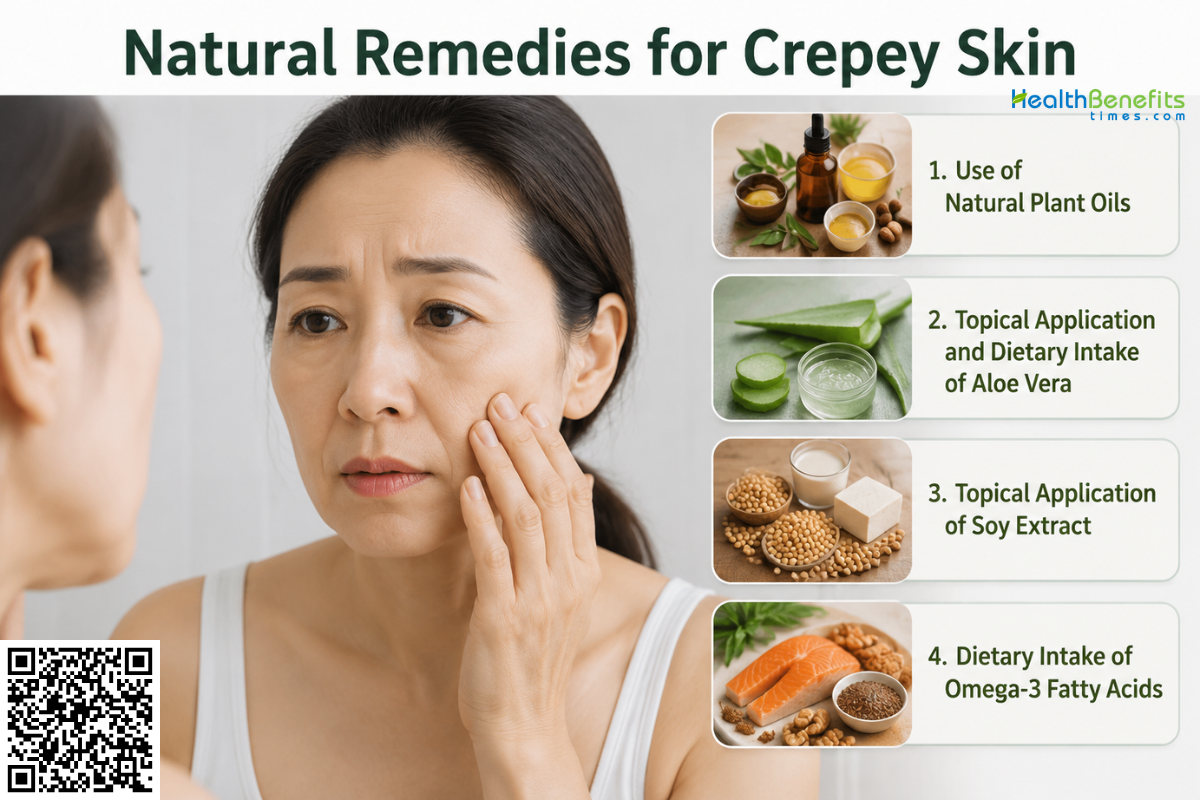
Crepey skin refers to skin that has become notably thin, fragile, and finely wrinkled, closely resembling the texture of crinkled tissue paper. This condition occurs due to a steady decline in collagen and elastin, the essential structural proteins that keep skin firm and resilient. While natural aging plays a role, environmental and lifestyle habits are the primary drivers. Extensive clinical data demonstrates that chronic sun exposure, air pollution, smoking, and poor nutrition significantly accelerate the breakdown of skin elasticity, leading to increased sagging and a rough surface texture 1. Unlike traditional wrinkles formed by repeated muscle contractions, crepey skin is a direct result of tissue thinning and structural volume loss over large areas, such as the neck, chest, arms, and legs 2. As the skin’s deeper layers weaken, it loses its ability to retain moisture and snap back, creating a widespread, delicate appearance.
Causes of Crepey Skin
1. Ultraviolet (UV) Radiation
Chronic sun exposure is the leading external factor responsible for skin thinning and premature aging. UV rays penetrate the skin’s dermal layer and actively break down collagen and elastin fibers, which are the proteins essential for keeping the skin firm and smooth. This cumulative damage structurally weakens the tissue, causing it to lose its elasticity and develop a crinkled texture 3.
2. Natural Aging Process
As individuals age, biological skin renewal slows down, resulting in a significant reduction in natural collagen and elastin synthesis. Aging skin also produces less hyaluronic acid and natural oils, leading to a diminished moisture barrier, decreased tissue density, and a highly delicate, tissue-paper appearance 4.
3. Significant Weight Fluctuations
Gaining and subsequently losing a large amount of weight stretches the skin extensively. Following substantial weight loss, the skin often lacks the underlying fat volume and necessary elasticity to retract properly, leaving behind redundant, loose, and crepe-like skin folds 5.
4. Tobacco Smoking
Smoking introduces toxins that constrict blood vessels in the outermost layers of the skin, chronically depriving it of oxygen and essential nutrients. Furthermore, tobacco smoke triggers the overproduction of enzymes called matrix metalloproteinases, which actively degrade existing collagen and rapidly accelerate the development of crepey skin 6.
5. Chronic Dehydration and Dryness
Optimal skin barrier function requires adequate hydration to maintain cellular volume and structural integrity. When the skin experiences prolonged moisture loss, the epidermal layers shrink and lose their plumpness, causing underlying structural weaknesses and fine lines to become highly visible and physically crepey 7.
Symptoms of Crepey Skin
- Tissue-Paper Texture: The skin becomes noticeably thin, delicate, and occasionally translucent, closely resembling the physical texture of finely crinkled tissue paper as the inner layers lose their overall thickness 8.
- Fine, Crisscrossing Lines: Unlike deep expression wrinkles on the face, crepey skin forms a wide network of very fine, shallow lines that cover larger areas of the body, particularly on the neck, chest, inner arms, and above the knees 2.
- Loss of Rebound and Firmness: The skin visibly sags and loses its natural ability to snap back into place when gently pinched or stretched, reflecting a severe depletion of underlying elastic fibers 4.
- High Fragility and Easy Bruising: Because the structural support of the skin is severely weakened, the tissue becomes exceptionally fragile. This makes the affected areas highly prone to surface scraping, tearing, and bruising, even from minor physical contact 9.
- Chronic Dryness and Rough Surface: The affected areas lose normal barrier function and struggle to hold onto moisture, leading to a persistently dry, dull, and rough outer surface that actively worsens the crinkled appearance 10.
Natural Remedies for Crepey Skin
1. Topical Application of Retinoids and Natural Vitamin A
How it may help:
Retinoids, which are derived from vitamin A, work by speeding up the rate at which the skin replaces old cells with new ones. They also signal the skin to produce more collagen and elastin. This process helps thicken the deeper layers of the tissue, effectively smoothing out the thin, crinkled texture associated with crepey skin.
What research says:
Clinical studies confirm that applying topical retinoids significantly improves the physical appearance of both naturally aged and sun-damaged skin. Research concludes that regular use increases internal collagen production, restores structural skin thickness, and reduces surface looseness, making it a highly effective treatment for crepe-like skin 11.
How to use it safely:
To minimize irritation, apply a pea-sized amount to dry skin two to three nights a week. Gradually increase frequency as your skin builds tolerance. Always follow with a heavy, hydrating moisturizer and apply broad-spectrum sunscreen every morning, as vitamin A makes your skin highly sensitive to sunlight.
Potential precautions or side effects:
Initial use often causes temporary redness, dryness, and peeling. Pregnant or nursing women must strictly avoid topical retinoids due to documented fetal health risks 12.
2. Topical Application of Vitamin C
How it may help:
Vitamin C acts as a powerful antioxidant that neutralizes damaging free radicals caused by sun exposure and pollution. It is also an essential building block required for natural collagen production. By supporting new collagen synthesis, it helps thicken fragile tissue and restores firmness to thin, crepey skin.
What research says:
Clinical evidence demonstrates that applying topical vitamin C significantly increases collagen production within the skin. Research concludes that regular use effectively reduces the appearance of fine wrinkles, improves overall skin texture, and helps repair underlying structural tissue damage caused by long-term sun exposure 13.
How to use it safely:
Apply a few drops of a vitamin C serum to clean, dry skin every morning before your standard moisturizer. For optimal results, use formulations containing 10 to 20 percent L-ascorbic acid. Always layer a broad-spectrum sunscreen over it to protect the skin and maintain the vitamin’s stability.
Potential precautions or side effects:
High concentrations may cause mild stinging, redness, or dryness, particularly in sensitive skin. Discontinue use if severe irritation occurs. Store the product in a dark, cool place to prevent degradation.
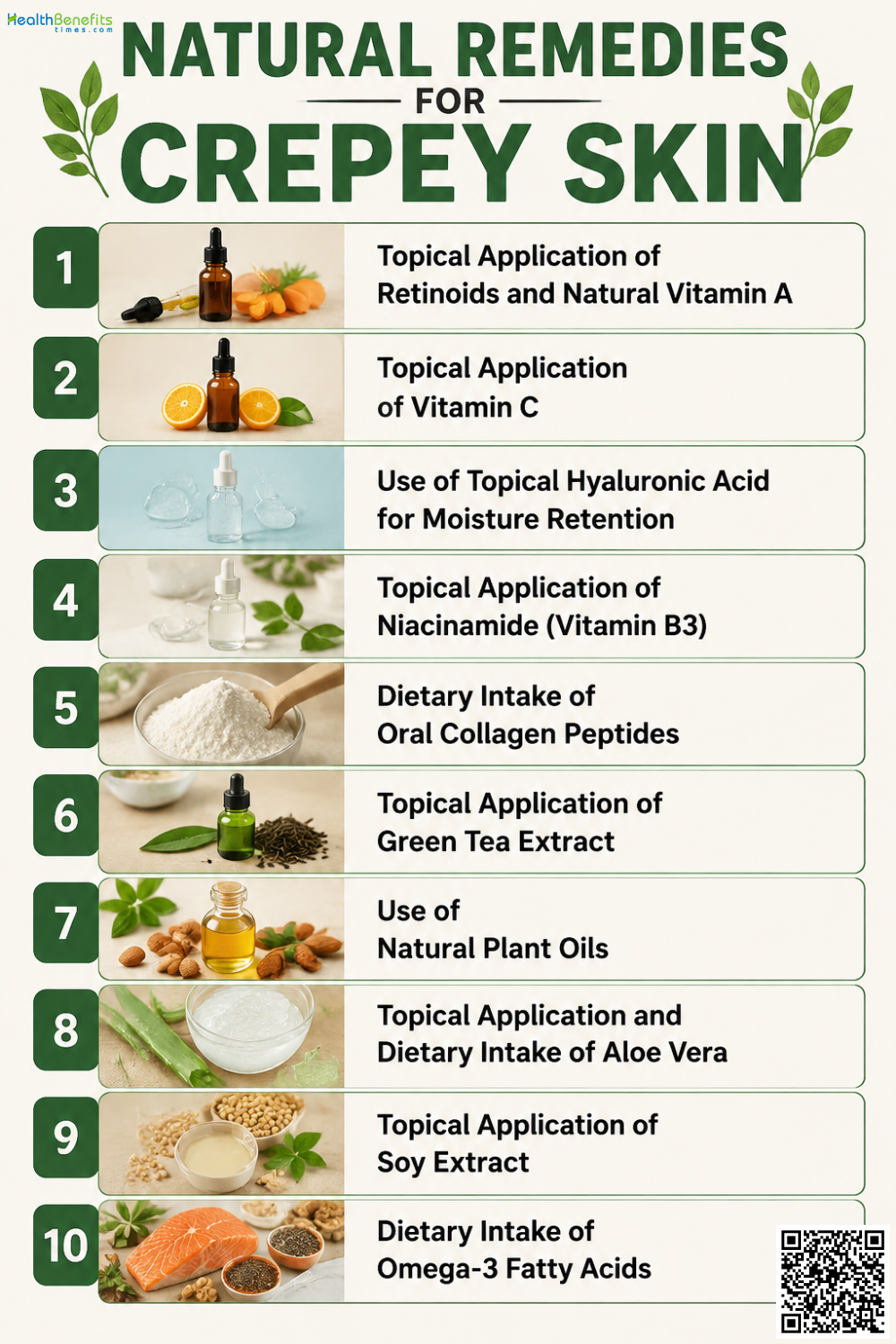
3. Use of Topical Hyaluronic Acid
How it may help:
Hyaluronic acid is a naturally occurring molecule that acts like a sponge, drawing and holding water within the skin. Applying it topically rapidly plumps the surface tissue and restores lost moisture. This intense hydration expands the skin layers, effectively smoothing out the thin, crinkled appearance typical of crepey skin.
What research says:
Clinical research demonstrates that topical hyaluronic acid significantly increases skin hydration and improves tissue elasticity. Studies conclude that regular application effectively reduces the depth of fine lines and enhances overall skin tightness, making it a proven method for restoring volume to fragile, aging skin 14.
How to use it safely:
For best results, apply a hyaluronic acid serum directly to damp skin immediately after washing. Because it draws in moisture, you must quickly seal it with a heavier daily moisturizer to prevent the water from evaporating and drying out your delicate skin.
Potential precautions or side effects:
The ingredient is broadly safe and well-tolerated. However, applying it in dry environments without a sealing cream can pull moisture from deeper tissue, unintentionally worsening skin dryness.
4. Topical Application of Niacinamide (Vitamin B3)
How it may help:
Niacinamide, an active form of vitamin B3, strengthens the skin’s protective outer barrier by increasing the production of natural fats called ceramides. This process helps the skin retain essential moisture. It also stimulates new collagen production, which restores underlying firmness and reduces the thin, crinkled texture of crepey skin.
What research says:
Clinical studies show that topical niacinamide significantly improves surface structure and elasticity in aging skin. Research concludes that regular application effectively reduces fine lines, red blotchiness, and moisture loss while visibly increasing the overall thickness and firmness of fragile, aging tissue 15.
How to use it safely:
Apply a serum or lotion containing 2 to 5 percent niacinamide to clean, dry skin once or twice daily. You can safely layer it with hydrating ingredients like hyaluronic acid. Consistently apply it to your neck, chest, or arms for the best tissue-firming results.
Potential precautions or side effects:
Niacinamide is generally very safe and well-tolerated. However, applying highly concentrated formulas above 10 percent can occasionally cause mild redness, itching, or temporary irritation, especially on sensitive skin.
5. Dietary Intake of Oral Collagen Peptides
How it may help:
When swallowed, collagen peptides break down into specific amino acids that enter the bloodstream and travel to the skin. These building blocks signal the body to create new collagen and elastin fibers. This internal process thickens fragile tissue, increases hydration, and rebuilds the structural support needed to smooth crepey skin.
What research says:
Clinical trials confirm that taking oral collagen peptides significantly improves skin elasticity and hydration. Research concludes that consistent daily intake over eight to twelve weeks visibly reduces wrinkle depth, restores internal skin density, and effectively reverses signs of age-related tissue thinning associated with crepey skin 16.
How to use it safely:
Consume 2.5 to 10 grams of high-quality collagen peptides daily for at least eight weeks to see noticeable changes. You can easily mix unflavored collagen powders into water, coffee, or smoothies. Choose products tested by third parties to ensure purity and avoid unwanted heavy metals.
Potential precautions or side effects:
Collagen supplements are widely safe but may occasionally cause mild bloating or an upset stomach. Always check the source; avoid marine collagen if you have a severe fish allergy.
6. Topical Application of Green Tea Extract
How it may help:
Green tea extract is rich in powerful antioxidants, particularly a compound called EGCG. When applied directly to the skin, it protects delicate tissue from environmental damage, specifically ultraviolet rays. It also blocks enzymes that actively destroy natural collagen, helping to preserve skin thickness and prevent a tissue-paper texture.
What research says:
Clinical research indicates that applying green tea extract reduces skin damage caused by sun exposure and improves overall tissue elasticity. Studies conclude that its active antioxidants effectively slow the breakdown of collagen fibers, resulting in smoother, firmer skin and a visible reduction in fine wrinkling over time 17.
How to use it safely:
Look for a daily lotion or serum containing concentrated green tea extract or EGCG. Apply it generously to clean, dry skin on your neck, chest, or arms every morning. Layering it directly under your daily sunscreen provides the best protective results against ongoing environmental damage.
Potential precautions or side effects:
Topical green tea is exceptionally safe for most skin types. Rarely, individuals with highly sensitive skin might experience mild redness or slight irritation when first using highly concentrated formulas.
7. Use of Natural Plant Oils
How it may help:
Natural plant oils, such as coconut, argan, and jojoba, contain essential fatty acids. When applied to the skin, they fill in the microscopic gaps between surface cells to repair a damaged moisture barrier. This deeply hydrates dry areas and plumps the tissue, instantly reducing the delicate, tissue-paper appearance.
What research says:
Clinical research demonstrates that applying specific natural plant oils significantly repairs the skin’s protective barrier. Studies conclude that these oils effectively prevent water loss, increase internal tissue hydration, and visibly improve the elasticity and smoothness of rough, aging skin by acting as a strong, protective seal 18.
How to use it safely:
Massage a few drops of cold-pressed, unrefined plant oil onto damp skin immediately after a shower. Applying it to wet skin effectively traps the moisture inside the tissue. You can use it alone or layer it over a standard lotion to lock in hydration on dry areas.
Potential precautions or side effects:
Avoid heavy oils like coconut if you are prone to body breakouts, as they may clog pores. Always test a small drop on your inner arm to check for allergies.
8. Topical Application and Dietary Intake of Aloe Vera
How it may help:
Aloe vera benefits the skin from both inside and out. When applied topically, it deeply hydrates the tissue and seals in surface moisture. When consumed orally, specific plant compounds in aloe stimulate the body to produce new collagen and hyaluronic acid, which helps rebuild internal skin structure.
What research says:
Clinical studies demonstrate that daily dietary aloe vera supplementation significantly improves wrinkles and overall elasticity by actively increasing natural collagen production [4]. Furthermore, topical application improves surface moisture retention, making this dual approach a proven method for repairing aging, sun-damaged, and crepey skin 19.
How to use it safely:
Apply pure aloe vera gel directly to clean skin daily to lock in moisture. For dietary benefits, consume small amounts of food-grade, decolorized aloe vera juice as directed on the label. Ensure any oral product you choose is explicitly marked safe for internal consumption.
Potential precautions or side effects:
Oral aloe vera can cause stomach cramps or act as a laxative. Avoid unpurified whole-leaf extracts. Topical use is broadly safe but may occasionally cause mild allergic skin reactions.
9. Topical Application of Soy Extract
How it may help:
Soy extract contains natural plant compounds called isoflavones, which mimic the tissue-plumping effects of estrogen. When applied directly to the skin, these compounds stimulate the production of new collagen and hyaluronic acid. This internal boost thickens fragile skin layers and restores natural elasticity, smoothing out crepey textures.
What research says:
Clinical research shows that topical soy extract significantly improves aging skin, particularly in postmenopausal individuals. Studies conclude that applying soy isoflavones regularly increases skin thickness, enhances deep hydration, and visibly reduces fine wrinkling by effectively rebuilding the structural proteins lost to natural aging 20.
How to use it safely:
Apply a body lotion or serum containing natural, unfermented soy extract to clean, dry skin daily. Focus on areas prone to thinning, such as your neck, chest, and arms. For optimal firming results, use the product consistently every morning and protect the area with broad-spectrum sunscreen.
Potential precautions or side effects:
Topical soy extract is highly safe for most individuals. However, if you have an active soy allergy, strictly avoid these products to prevent localized redness, itching, or allergic skin reactions.
10. Dietary Intake of Omega-3 Fatty Acids
How it may help:
Omega-3 fatty acids are essential fats that strengthen cell membranes throughout the body. When consumed, they help the skin hold onto water, preventing severe dryness. Additionally, these fats reduce internal inflammation, which actively slows down the biological breakdown of collagen, helping to maintain the skin’s structural firmness and thickness.
What research says:
Clinical research demonstrates that dietary omega-3 fatty acids significantly protect the skin from ultraviolet radiation damage and reduce widespread inflammation. Studies conclude that a consistent intake of these fats helps preserve existing collagen fibers, visibly improving skin barrier function, maintaining elasticity, and preventing premature tissue thinning 21.
How to use it safely:
To see benefits, you should consume foods rich in omega-3s, such as salmon, mackerel, walnuts, and flaxseeds, several times a week. If you choose fish oil or algae oil supplements, aim for a daily dose of 1,000 to 2,000 milligrams, taken with a meal to improve absorption.
Potential precautions or side effects:
High doses of omega-3 supplements can thin your blood. If you take blood-thinning medications or have an upcoming surgery, consult a doctor before starting a daily supplement routine.
Foods to Avoid When You Suffer from Crepey Skin
1. Sugary Foods and Sweets
Excess sugar triggers glycation, a process where sugar molecules damage collagen. This makes the skin’s structural proteins stiff and brittle, directly worsening a crepey appearance 22.
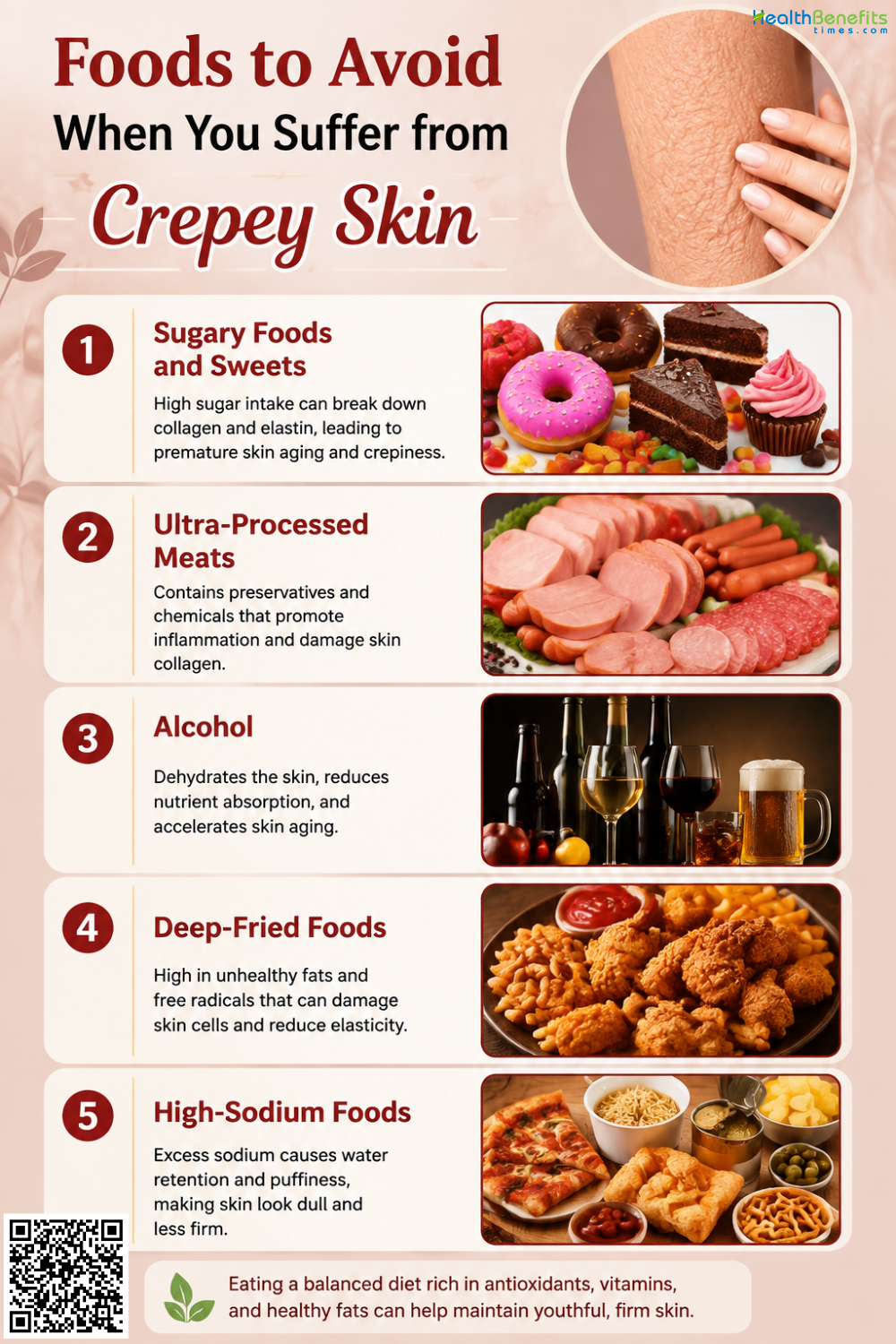
2. Ultra-Processed Meats
Meats like bacon contain advanced glycation end products (AGEs). These harmful compounds trigger inflammation that actively destroys collagen, reducing skin elasticity and worsening thin textures 23.
3. Alcohol
Alcohol acts as a strong diuretic, drawing essential water out of skin cells. Chronic dehydration flattens the tissue, making fine lines and crepey textures significantly more visible 24.
4. Deep-Fried Foods
Frying foods at high temperatures creates free radicals. These unstable molecules cause oxidative stress, which rapidly degrades healthy collagen and accelerates the formation of fragile skin 25.
5. High-Sodium Foods
Diets high in salt draw critical moisture away from the skin. This severe cellular dehydration shrinks underlying tissue, making thin, crinkled skin folds appear significantly more pronounced 7.
When to See a Doctor When You Struggle from Crepey Skin
1. Rapid Onset of Skin Thinning
If skin thinning occurs suddenly, consult a physician. This rapid change can indicate underlying hormonal disorders or adverse reactions to medications like topical corticosteroids 26.
2. Unexplained Bruising or Tearing
Seek medical care if the skin tears easily or bruises without obvious trauma. Severe tissue fragility requires professional evaluation to rule out underlying bleeding or connective tissue disorders 27.
3. Suspicious Spots or Lesions
Because crepey skin often results from chronic sun damage, any new, changing, or bleeding growths within the affected area must be evaluated promptly to rule out skin cancer 28.
4. Failure of At-Home Treatments
When natural remedies fail to improve texture, a dermatologist can prescribe stronger medical-grade retinoids or recommend clinical resurfacing procedures to effectively restore underlying skin thickness 11.