

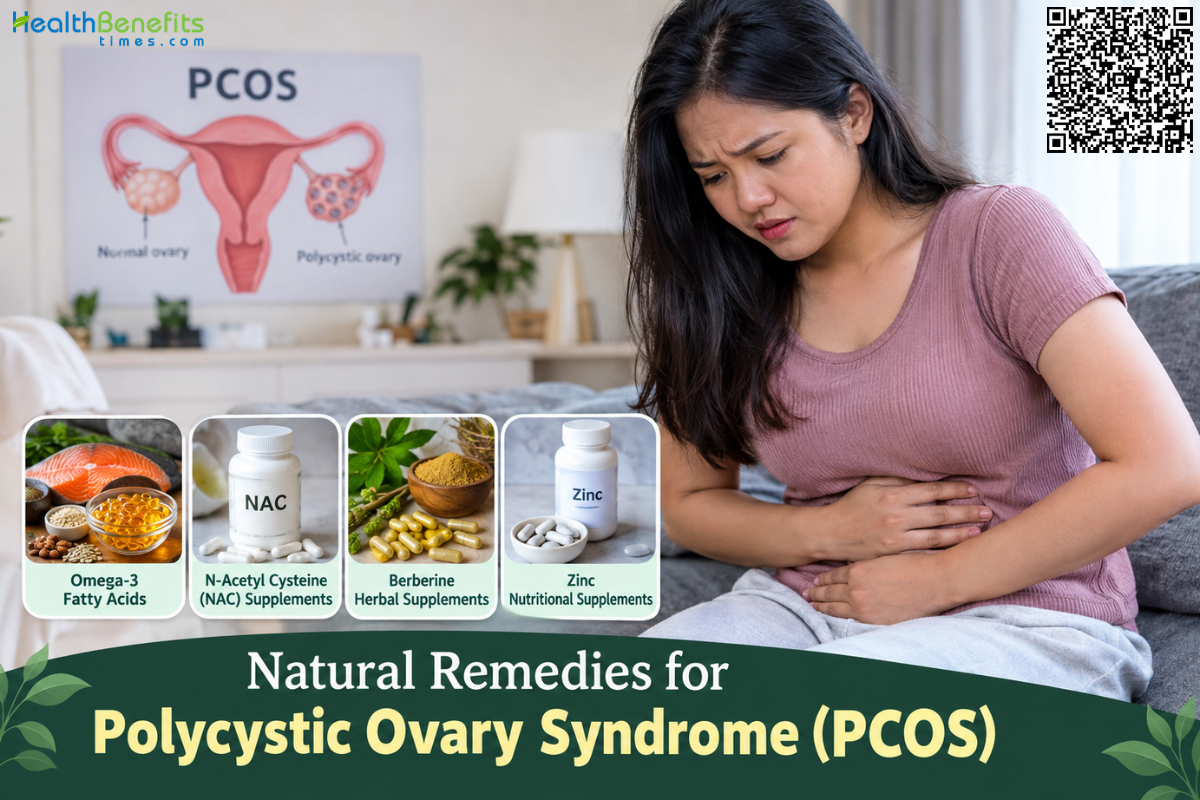
Polycystic Ovary Syndrome (PCOS) is a common hormonal and metabolic disorder that primarily affects women of reproductive age. The condition develops when the body produces unusually high levels of androgens, which are male reproductive hormones 1. This hormonal imbalance disrupts typical menstrual cycles, causing irregular or absent periods, ovulation failure, and often the formation of small, fluid-filled sacs on the ovaries 2. Due to these ongoing ovulation issues, PCOS is a leading cause of female infertility globally 3. It also triggers noticeable physical changes, including excessive facial and body hair growth, thinning scalp hair, and persistent acne 3. Beyond immediate reproductive and physical symptoms, PCOS significantly elevates severe long-term health risks; notably, more than half of affected women develop type 2 diabetes by age 40, alongside a highly increased likelihood of insulin resistance, obesity, and cardiovascular disease 1.
Causes of Polycystic Ovary Syndrome (PCOS)
1. Excess Insulin Production
Insulin is a vital hormone that helps the body process blood sugar into usable energy. When the body’s cells do not respond properly to insulin, blood sugar levels rise, forcing the body to produce excess insulin to compensate 1. These persistently high insulin levels stimulate the ovaries to produce abnormal amounts of male hormones, which directly disrupts the regular growth and release of eggs 4.
2. Elevated Androgen Levels
All women naturally produce very small amounts of androgens, which are typically classified as male reproductive hormones. However, abnormally high levels of these hormones block the ovaries from developing and releasing eggs during the menstrual cycle 4. This specific hormonal imbalance is the primary trigger for the physical signs of the condition, including missing periods, excessive facial hair, and severe acne 3.
3. Genetics and Family Inheritance
The disorder has a strong genetic link, meaning it frequently runs in families 1. A woman’s risk of developing the condition increases significantly if her mother, sister, or aunt has also been diagnosed, as researchers have identified inherited genetic patterns closely associated with the syndrome 3.
4. Persistent Low-Grade Inflammation
Many women with the condition experience a constant, low-level immune system response known as low-grade inflammation. This ongoing inflammatory state directly prompts polycystic ovaries to produce extra androgens, which worsens existing hormonal imbalances and increases the long-term risk of developing heart and blood vessel complications 5.
Symptoms of Polycystic Ovary Syndrome (PCOS)
1. Irregular Menstrual Cycles
Women with the disorder frequently experience missed, infrequent, or unusually prolonged menstrual periods. This occurs because the hormonal imbalance prevents the ovaries from regularly releasing eggs, disrupting the normal monthly cycle 3.
2. Excessive Hair Growth
Clinically referred to as hirsutism, up to 70% of affected women develop thick, dark hair on their face, chest, abdomen, and back due to abnormally elevated levels of male hormones 6.
3. Severe Acne and Oily Skin
Unusually high androgen levels cause the skin glands to overproduce oil. This frequently leads to deep, persistent acne breakouts on the face, chest, and upper back that often resist standard topical treatments 6.
4. Weight Gain and Obesity
A large majority of women with the condition struggle with unexpected weight gain or find it extremely difficult to lose excess body weight. This symptom is strongly linked to insulin resistance, which fundamentally alters how the body stores and uses energy 1.
5. Hair Thinning
The abnormal increase in male reproductive hormones can cause the hair on the scalp to become noticeably thin or fall out, mimicking a traditional pattern of male baldness 3.
6. Darkening of the Skin
Many individuals develop thick, dark, velvety patches of skin, particularly in body creases such as the back of the neck, armpits, or under the breasts. This physical marker is a direct physiological reaction to the body producing excessively high levels of insulin 6.
7. Infertility
Because the syndrome disrupts the regular development and release of mature eggs during ovulation, it remains one of the leading and most common preventable causes of female infertility worldwide 1.
Natural Remedies for Polycystic Ovary Syndrome (PCOS)
1. Weight Loss and General Weight Management
How It May Help
Losing just five to ten percent of excess body weight significantly improves how the body processes insulin. This metabolic shift directly lowers the overproduction of male hormones. Consequently, moderate weight reduction effectively helps restore regular menstrual cycles, promotes healthy ovulation, and visibly reduces external physical symptoms like excessive hair growth 1.
What Research Says
Clinical evidence establishes weight management as the primary medical intervention for overweight women with the condition. Research concludes that even modest weight reduction reliably decreases insulin resistance, restores hormonal balance, and drastically lowers the high lifetime risk of developing type 2 diabetes and serious cardiovascular diseases 7.
How to Use It Safely
You should pursue gradual, long-term weight reduction rather than rapid fixes. Aim to lose one to two pounds weekly through balanced nutrition and daily physical activity. Partner with your doctor or a registered clinical dietitian to design a safe, highly personalized weight management strategy 8.
Potential Precautions or Side Effects
You must avoid extreme calorie deficits and unverified fad diets. These extreme approaches cause dangerous nutritional deficiencies, metabolic slowdown, and inevitably lead to rapid weight regain 8.
2. Regular Physical Activity and Exercise
How It May Help
Regular physical activity directly improves how muscle cells respond to insulin, allowing the body to process blood sugar more efficiently. This crucial metabolic change reduces the overproduction of insulin. Consequently, lower insulin levels decrease the production of male hormones in the ovaries, which effectively helps restore normal menstrual cycles and significantly reduces visible physical symptoms 1.
What Research Says
Clinical research confirms that engaging in moderate aerobic exercise combined with strength training significantly reduces insulin resistance in women with the condition. Studies conclude that consistent physical activity reliably improves overall reproductive health, restores normal ovulation patterns, and drastically lowers the elevated long-term risks of developing type 2 diabetes and severe cardiovascular disease 7.
How to Use It Safely
You should begin with moderate activities like brisk walking or swimming, aiming for about thirty minutes daily. Gradually introduce light resistance training into your weekly routine. Always consult your primary healthcare provider before starting any new fitness program to establish a safe, highly personalized exercise schedule 9.
Potential Precautions or Side Effects
You must avoid sudden, high-intensity workouts if you are unaccustomed to physical strain, as this causes joint injuries. Stop immediately if you experience dizziness, unusual fatigue, or sharp pain 10.
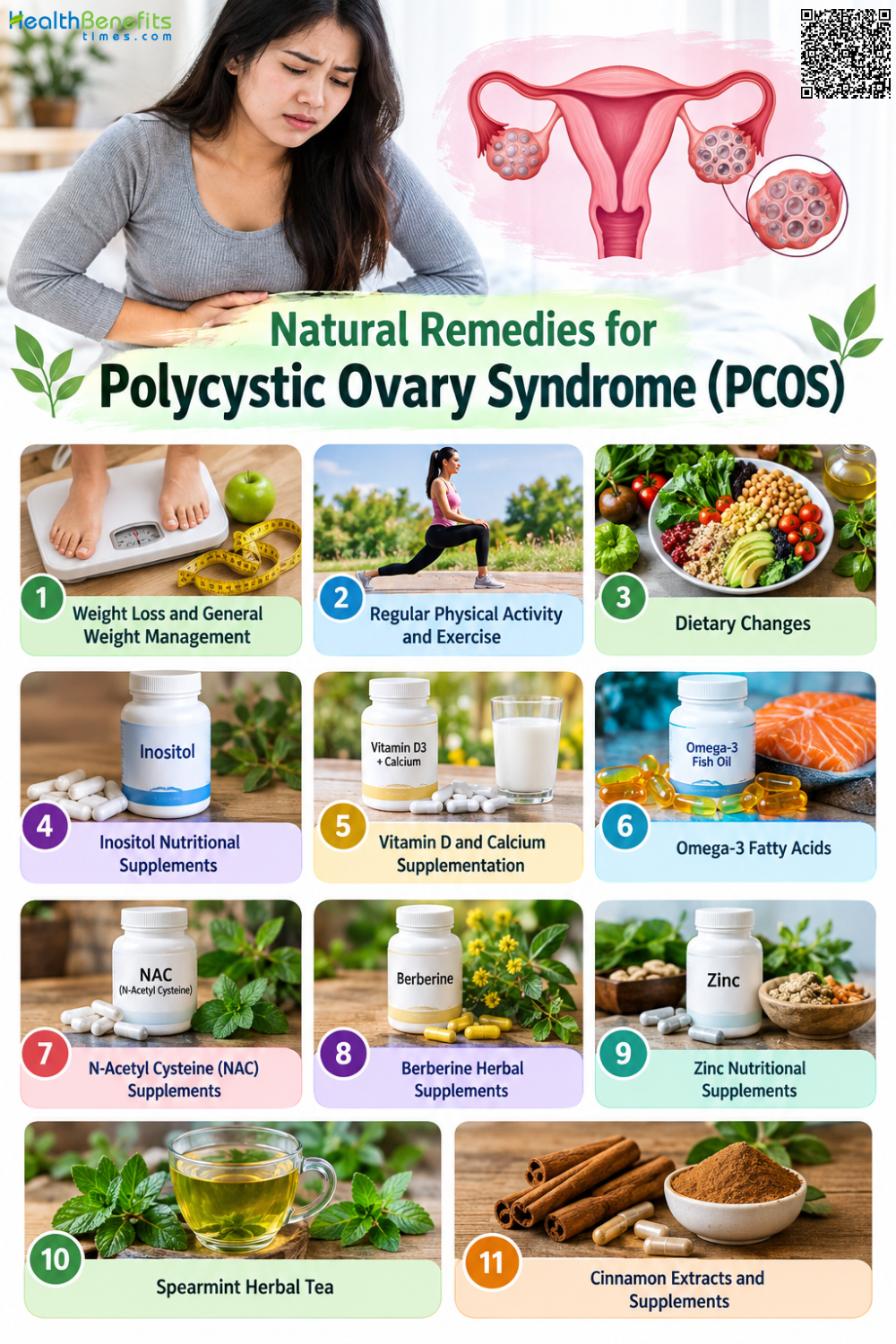
3. Dietary Changes
How It May Help
Consuming a balanced diet rich in whole foods and low in processed carbohydrates directly stabilizes blood sugar levels. This nutritional approach prevents sudden insulin spikes, which subsequently reduces the abnormal production of male hormones. Lower androgen levels effectively restore regular menstrual cycles and significantly diminish outward physical symptoms like excessive hair growth 11.
What Research Says
Clinical studies demonstrate that dietary interventions focusing on low glycemic index foods drastically improve insulin sensitivity in affected women. Research concludes that consistent nutritional modifications successfully lower excessive androgen production, promote healthy ovulation, and significantly reduce the elevated long-term risks of developing serious metabolic conditions, including type 2 diabetes 12.
How to Use It Safely
You should focus on eating lean proteins, high-fiber vegetables, and whole grains while strictly limiting refined sugars. Work directly with your primary doctor or a registered medical dietitian to create a sustainable, highly customized daily meal plan that safely meets your specific metabolic needs 13.
Potential Precautions or Side Effects
You must avoid extremely restrictive diets or eliminating entire food groups without medical supervision. Severe dietary limitations cause dangerous nutritional deficiencies, chronic fatigue, and unsustainable eating habits 14.
4. Inositol Nutritional Supplements
How It May Help
Inositol is a naturally occurring sugar that acts as a cellular messenger to improve how the body processes insulin. By enhancing insulin sensitivity, inositol directly reduces elevated blood sugar levels. This improved metabolic function lowers excessive androgen production in the ovaries, which effectively restores regular menstrual cycles and promotes healthy ovulation 15.
What Research Says
Clinical trials confirm that taking myo-inositol significantly restores normal ovarian function. Research concludes that this specific supplement therapy effectively decreases abnormally high male hormone levels, improves overall egg quality, and drastically increases clinical pregnancy rates for women struggling with related infertility, while simultaneously reducing underlying insulin resistance 16.
How to Use It Safely
You should take inositol supplements in the clinically recommended ratio of forty parts myo-inositol to one part D-chiro-inositol for optimal absorption. Always consult your primary doctor or gynecologist before starting supplementation to determine the exact daily dosage required for your specific metabolic condition 17.
Potential Precautions or Side Effects
You may experience mild digestive discomfort, such as nausea, gas, or diarrhea, when starting treatment. Reduce your daily dosage and contact your healthcare provider immediately if these symptoms persist 15.
5. Vitamin D and Calcium Supplementation
How It May Help
Vitamin D and calcium work together to support healthy follicle development in the ovaries and regulate insulin processing. When combined, these nutrients improve the body’s sensitivity to insulin, which directly lowers the abnormal production of male hormones and helps restore typical menstrual cycles in affected women 18.
What Research Says
Clinical studies confirm that co-supplementing vitamin D and calcium significantly improves metabolic and reproductive health in women with the disorder. Research concludes this combination successfully reduces insulin resistance, lowers excessive androgen levels, and noticeably enhances regular ovulation and follicle maturation compared to using no supplements 19.
How to Use It Safely
You should request a simple blood test from your doctor to check your baseline vitamin D levels before beginning supplements. Follow your healthcare provider’s exact prescribed daily dosage for both calcium and vitamin D3 to ensure safe absorption and correct underlying nutritional deficiencies effectively 20.
Potential Precautions or Side Effects
You must avoid taking excessive doses, as dangerously high calcium or vitamin D levels cause severe kidney stones, persistent nausea, and harmful calcium buildup in your blood vessels 21.
6. Omega-3 Fatty Acids
How It May Help
Omega-3 polyunsaturated fatty acids directly combat the chronic, low-grade inflammation frequently present in this metabolic condition. By actively lowering systemic inflammation and improving cell membrane health, omega-3s enhance cellular insulin sensitivity. This vital metabolic improvement subsequently reduces excessive ovarian androgen production and naturally supports regular menstrual cycles 22.
What Research Says
Clinical trials confirm that continuous omega-3 supplementation significantly reduces abnormal serum testosterone levels and improves insulin resistance in affected women. Research concludes that these specific fatty acids effectively lower elevated blood triglycerides, decrease long-term cardiovascular disease risk markers, and successfully promote more regular ovulation patterns 23.
How to Use It Safely
You should take high-quality fish oil or algae-based omega-3 supplements alongside a balanced meal to maximize absorption and minimize digestive discomfort. Always consult your primary physician to establish a personalized, safe therapeutic dosage, which typically ranges from one to two grams daily 24.
Potential Precautions or Side Effects
You may experience mild digestive side effects, including a fishy aftertaste or slight nausea. You must strictly avoid unprescribed high doses, as excessive consumption dangerously increases abnormal bleeding risks 24.
7. N-Acetyl Cysteine (NAC) Supplements
How It May Help
N-Acetyl Cysteine (NAC) is a powerful antioxidant that helps the body process insulin more effectively while reducing cellular oxidative stress. By improving how cells respond to insulin, NAC directly lowers abnormal blood sugar spikes. This essential metabolic shift subsequently reduces excessive male hormone production and supports the return of normal ovulation 25.
What Research Says
Clinical trials demonstrate that NAC significantly improves insulin sensitivity and reduces abnormal testosterone levels in affected women. Systematic reviews conclude that taking this supplement reliably improves menstrual regularity, enhances healthy egg quality, and boosts ovulation rates, performing similarly to common prescription metabolic medications without severe side effects 26.
How to Use It Safely
You should take oral NAC supplements in divided doses, typically around 600 milligrams three times a day. Always consult your primary doctor or an endocrinologist before beginning supplementation to ensure the correct dosage and to integrate it safely with your existing clinical treatment plan 25.
Potential Precautions or Side Effects
You may experience mild digestive discomfort, including nausea, diarrhea, or indigestion. You must consult your doctor if you take blood-thinning medications, as NAC can unexpectedly alter bleeding risks 27.
8. Berberine Herbal Supplements
How It May Help
Berberine is a natural plant extract that powerfully improves how the body regulates blood sugar. By directly activating cellular enzymes that control energy metabolism, it significantly reduces insulin resistance. This essential metabolic correction lowers abnormal male hormone production, which successfully helps restore regular menstrual cycles and promotes healthy ovulation 28.
What Research Says
Clinical trials demonstrate that berberine performs similarly to common prescription metabolic medications in managing this condition. Research concludes that the herbal extract effectively decreases elevated testosterone levels, significantly improves cellular insulin sensitivity, and successfully lowers unhealthy cholesterol and triglyceride levels in affected women without major complications 29.
How to Use It Safely
You should take berberine in divided doses, typically around 500 milligrams three times daily right before meals to maximize metabolic benefits. Always consult your primary doctor before starting this extract to ensure it will not dangerously interact with your existing blood sugar medications 30.
Potential Precautions or Side Effects
You may experience mild digestive issues like diarrhea, constipation, or cramps. You must strictly avoid berberine if pregnant, as it crosses the placenta and can harm the baby 30.
9. Zinc Nutritional Supplements
How It May Help
Zinc is an essential mineral that naturally supports blood sugar regulation and proper cellular insulin production. By improving how cells respond to insulin, zinc directly helps lower excessive male hormone levels. Additionally, this mineral specifically blocks the cellular enzymes responsible for worsening severe acne and unwanted facial hair growth 31.
What Research Says
Clinical trials demonstrate that routine zinc supplementation significantly reduces abnormal insulin resistance and lowers elevated testosterone levels. Research concludes that this targeted mineral therapy effectively improves persistent physical markers, noticeably decreasing excessive body hair growth and severe scalp hair thinning in affected women without major complications 31.
How to Use It Safely
You should take zinc supplements directly alongside meals to prevent severe stomach upset or sharp nausea. Always consult your primary doctor to determine your safest daily dosage, typically ranging from thirty to fifty milligrams, to properly address your specific metabolic and nutritional deficiencies 32.
Potential Precautions or Side Effects
You must strictly avoid dangerously high doses, as excessive zinc permanently blocks normal copper absorption and directly causes severe nerve damage, chronic fatigue, and significantly weakened immune function 32.
10. Spearmint Herbal Tea
How It May Help
Spearmint herbal tea directly acts as a natural anti-androgen, meaning it suppresses the body’s abnormal overproduction of male hormones. By naturally lowering active testosterone levels in the bloodstream, this specific herbal treatment targets and diminishes external physical symptoms, most notably excessive facial and body hair growth 33.
What Research Says
Clinical trials confirm that drinking spearmint tea twice daily significantly decreases abnormal free testosterone levels in affected women. Research concludes that this herbal intervention reliably restores healthy hormonal ratios and successfully reduces clinically assessed degrees of unwanted hair growth compared to placebo treatments 33.
How to Use It Safely
You should steep one teaspoon of dried spearmint leaves in boiling water and drink exactly two cups daily to replicate documented hormonal benefits. Always inform your primary healthcare provider before regularly consuming medicinal herbal teas to ensure they will not interfere with existing prescription medications 33.
Potential Precautions or Side Effects
You may occasionally experience mild stomach upset or heartburn. You must strictly avoid excessive daily consumption to prevent unintended stress on your liver or kidneys 33.
11. Cinnamon Extracts and Supplements
How it may help
Cinnamon supplements may help manage polycystic ovary syndrome by improving insulin sensitivity and regulating blood sugar levels. Because insulin resistance is a core factor in this condition, cinnamon’s active compounds help lower fasting glucose and support metabolic health 34.
What research says
Clinical studies and randomized controlled trials indicate that cinnamon supplementation can significantly improve menstrual cyclicity and reduce metabolic markers in individuals with polycystic ovary syndrome 35. Systematic reviews note promising benefits for lipid profiles and insulin regulation.
How to use it safely
When choosing supplements, you should look for standardized extracts and consult your healthcare provider to determine the appropriate dosage for your specific needs 35. Always follow professional medical guidance rather than relying solely on over-the-counter products.
Potential precautions or side effects
Excessive intake of certain cinnamon varieties can cause liver stress due to coumarin content. You should monitor for gastrointestinal discomfort and speak with a clinician 34.
Foods to Avoid When You suffer from Polycystic Ovary Syndrome (PCOS)
Polycystic ovary syndrome is a prevalent endocrine disorder characterized by hormonal imbalances, insulin resistance, and systemic inflammation. Dietary interventions serve as a primary clinical strategy for managing this condition and mitigating its long-term metabolic consequences. Consuming specific dietary components can exacerbate insulin resistance and elevate androgen levels, thereby worsening clinical symptoms such as irregular menstruation and weight gain. Clinical reviews confirm that eliminating pro-inflammatory and high-glycemic dietary patterns significantly reduces hyperandrogenism and improves ovulatory function 36.
1. Refined Carbohydrates
Foods like white bread and pastries digest rapidly, causing severe blood sugar spikes that worsen insulin resistance and disrupt hormonal balance 37.
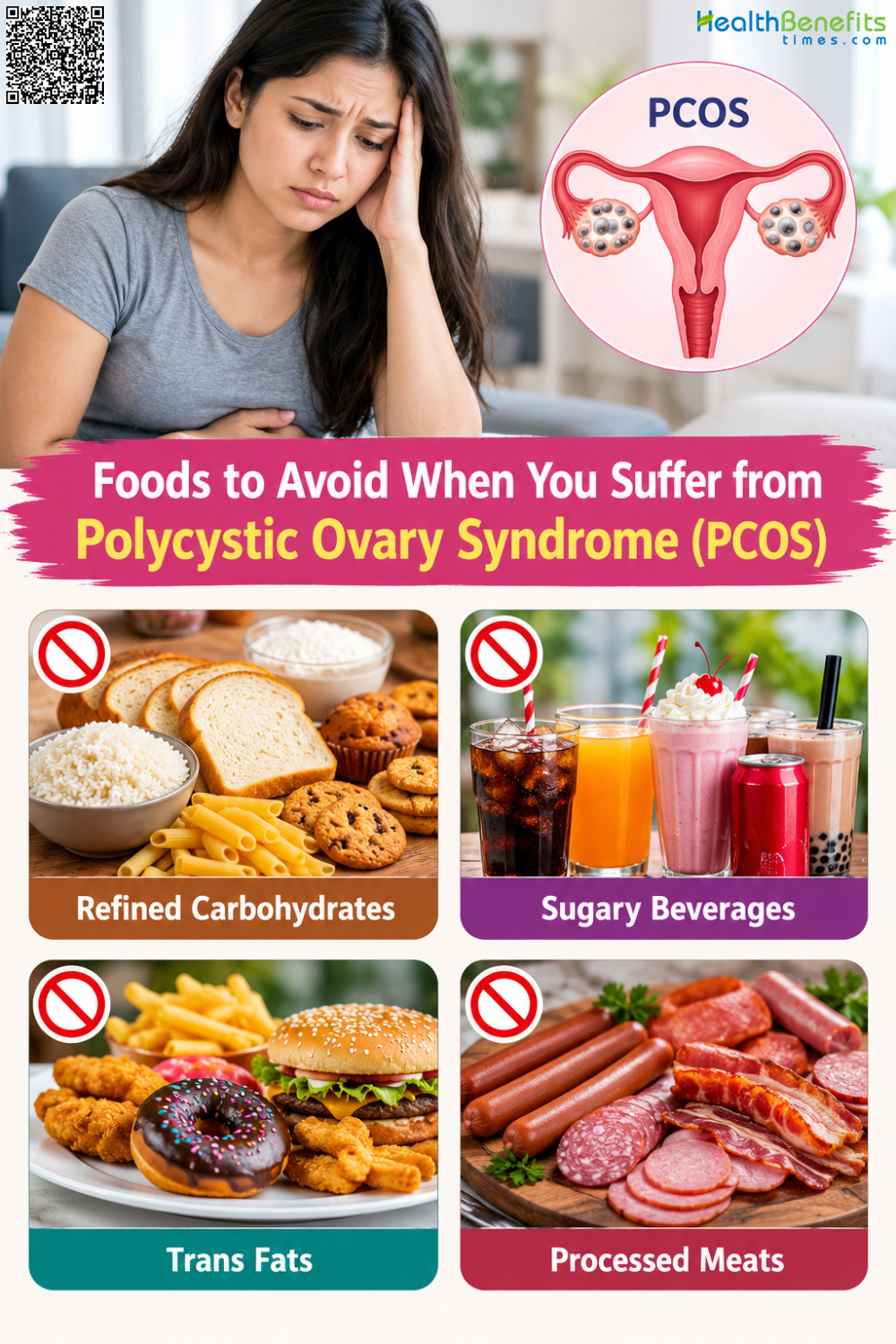
2. Sugary Beverages
Sodas and sweetened energy drinks provide empty calories that rapidly elevate glucose levels, contributing directly to weight gain and metabolic dysfunction 38.
3. Trans Fats
Artificial trans fats found in certain baked goods significantly increase systemic inflammation and are closely associated with ovulatory infertility and cardiovascular complications 39.
4. Processed Meats
Consuming high amounts of processed meats elevates inflammatory markers in the body, which can further aggravate hormonal irregularities and metabolic stress 36.
When to see Doctor when you struggle from Polycystic Ovary Syndrome (PCOS).
Polycystic ovary syndrome requires ongoing medical management to prevent severe long-term complications, such as type 2 diabetes and endometrial disorders. Clinical guidelines emphasize that early intervention and consistent medical monitoring are vital for controlling metabolic dysfunction and managing reproductive health issues 40. You must seek professional medical evaluation when symptoms escalate or fail to respond to standard lifestyle modifications, ensuring accurate diagnosis and targeted treatments.
- Irregular Menstrual Cycles: You should consult a doctor if you experience fewer than eight menstrual cycles a year, as prolonged cycle absence increases the risk of endometrial complications 40.
- Severe Pelvic Pain: Sudden or intense pelvic pain requires immediate medical evaluation to identify and treat potential ruptured ovarian cysts or other acute gynecological emergencies 41.
- Infertility Challenges: If you are actively trying to conceive without success for over twelve months, you should seek reproductive assistance to medically address chronic ovulation failure 42.
- Metabolic Changes: Noticeable, unexplained weight gain or darkened skin patches signal worsening insulin resistance, requiring prompt clinical assessment to prevent the onset of type 2 diabetes 43.
- Rapid Hyperandrogenism Symptoms: Sudden increases in excessive facial hair, severe acne, or male-pattern baldness indicate dangerously elevated androgen levels that necessitate specific pharmacological treatments to control 44.