

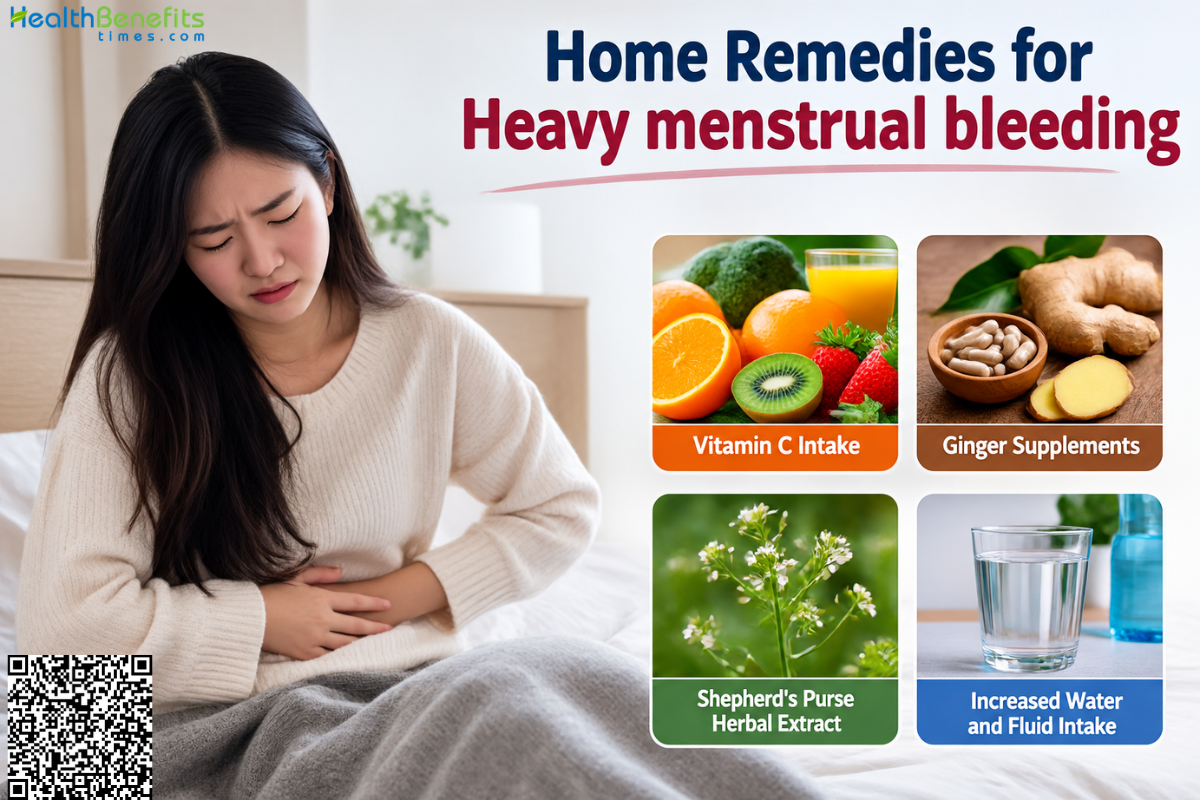
Heavy menstrual bleeding, clinically known as menorrhagia, is a condition characterized by abnormally heavy or prolonged menstrual periods. It is formally defined as bleeding that lasts longer than seven days or is severe enough to soak through a pad or tampon every two hours or less 1. Individuals with this condition may also experience the passage of large blood clots and flooding that significantly disrupts daily activities 2. If left untreated, chronic heavy bleeding often leads to significant blood loss, resulting in iron-deficiency anemia and persistent fatigue 1. While the exact cause is sometimes unidentified, it is frequently associated with underlying medical issues such as uterine fibroids, polyps, hormonal imbalances, or undiagnosed bleeding disorders like von Willebrand disease 1. Proper medical evaluation is essential to determine the root cause and implement effective interventions.
Causes of Heavy menstrual bleeding
- Hormonal Imbalances: Conditions that disrupt normal ovulation, such as polycystic ovary syndrome (PCOS) or thyroid problems, can cause the lining of the uterus to grow excessively thick, resulting in a heavy flow when it sheds 1.
- Uterine Fibroids and Polyps: Non-cancerous growths inside the uterus, such as muscular tumors called fibroids or small tissue growths called polyps, frequently alter the uterine cavity and cause heavy or prolonged periods 3.
- Adenomyosis: This condition occurs when the tissue that typically lines the inside of the uterus begins to grow improperly into the muscular wall of the uterus, often leading to an enlarged uterus, cramping, and severe bleeding 4.
- Bleeding Disorders: Inherited conditions that prevent blood from clotting properly, most commonly von Willebrand disease, are a frequent underlying cause of excessive menstrual blood loss 5.
- Pregnancy Complications: Sudden heavy bleeding during reproductive years may indicate a serious pregnancy-related complication, such as a miscarriage or an ectopic pregnancy, where a fertilized egg grows outside the uterus 1.
- Medications and Medical Devices: The use of blood-thinning medications, specific hormone therapies, or certain types of non-hormonal intrauterine devices (IUDs) can directly trigger heavier menstrual bleeding 4.
- Uterine or Cervical Cancer: Although less common, malignancies or precancerous cell changes affecting the uterus, endometrium, or cervix can present with abnormal and heavy vaginal bleeding 3.
Symptoms of Heavy menstrual bleeding
- Prolonged Menstruation: Experiencing a menstrual period that consistently lasts longer than seven days 1.
- Excessive Flow: Soaking through one or more sanitary pads or tampons every hour for several consecutive hours 1.
- Need for Double Protection: Requiring the use of multiple sanitary products at the same time, such as wearing two pads simultaneously, to prevent leakage and manage the volume of blood 1.
- Nighttime Disruptions: Needing to routinely wake up during the night to change sanitary pads or tampons due to the heavy volume of blood flow 1.
- Passing Large Clots: Releasing large menstrual blood clots that are the size of a quarter or larger during the menstrual cycle 1.
- Lifestyle Interference: Finding that the heavy menstrual flow physically restricts or prevents participation in normal daily activities, exercise, work, or social events 1.
- Signs of Anemia: Developing physical symptoms associated with significant blood loss and low iron levels, which frequently include persistent fatigue, weakness, pale skin, and shortness of breath 1.
Home Remedies for Heavy menstrual bleeding
1. Over-the-Counter Pain Relievers (NSAIDs)
How it may help
Over-the-counter nonsteroidal anti-inflammatory drugs (NSAIDs), such as ibuprofen, work by reducing the body’s production of prostaglandins. High levels of these chemicals in the uterus lead to severe cramps and increased blood flow. By lowering prostaglandin levels, NSAIDs can effectively decrease the overall amount of menstrual bleeding and provide relief from pelvic pain. 6
What research says
Clinical studies confirm that NSAIDs are highly effective for managing heavy periods. Research indicates that these medications can reduce menstrual blood loss by 20 to 50 percent in affected women. Medical guidelines recommend them as a reliable first-line, non-hormonal treatment option for those experiencing abnormally heavy menstrual flows. 7
How to use it safely
You should start taking NSAIDs on the first day of your period or as soon as heavy bleeding begins. Always take these medications with food or a glass of milk to prevent stomach upset, and strictly follow the daily dosage limits listed on the packaging. 8
Potential precautions or side effects
Common side effects include stomach pain and heartburn. Prolonged use may increase the risk of ulcers or kidney issues. Avoid NSAIDs if you have a diagnosed bleeding disorder. 9
2. Daily Iron Supplements and Iron-Rich Foods
How it may help
Heavy menstrual periods cause significant blood loss, often depleting the body’s iron stores and leading to anemia. Consuming iron-rich foods and taking daily iron supplements helps the body rebuild healthy red blood cells. While this treatment does not reduce menstrual flow, it effectively controls severe complications like extreme fatigue. 10
What research says
Clinical research highlights that a majority of women with heavy menstrual bleeding develop iron deficiency. Studies confirm that oral iron therapy significantly improves physical energy and restores normal ferritin levels. Medical guidelines strongly advise routine iron supplementation for individuals experiencing abnormally heavy periods to prevent severe anemia. 11
How to use it safely
You should consume iron supplements with vitamin C sources, like orange juice, to maximize absorption. Avoid taking iron with dairy products, antacids, or calcium supplements, as these block absorption. Include iron-rich foods like lean meats, beans, and dark leafy greens in your daily meals. 12
Potential precautions or side effects
Common side effects include constipation, nausea, stomach pain, and dark stools. High doses can be toxic, so always follow medical dosing guidelines and keep supplements away from children. 13
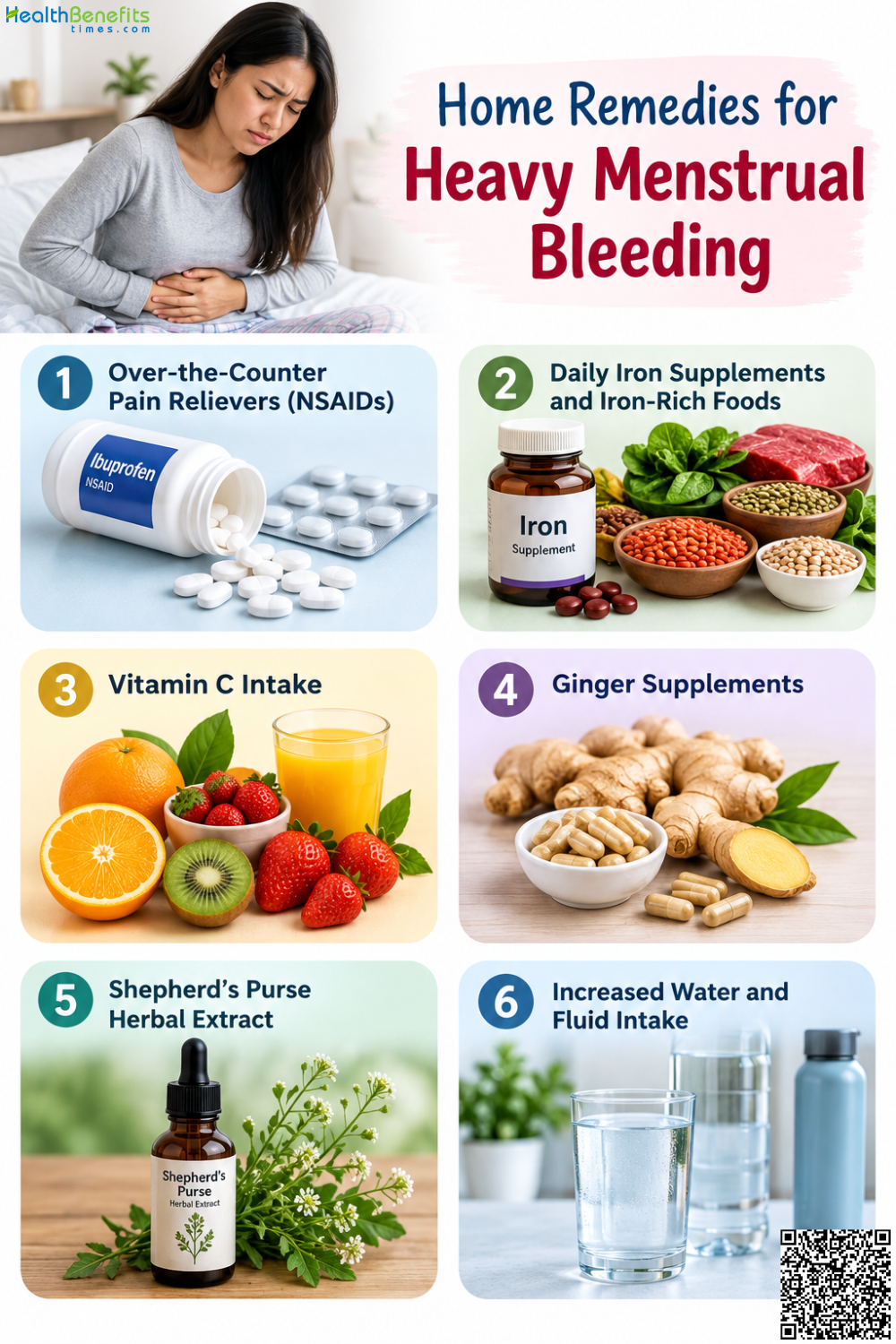
3. Vitamin C Intake
How it may help
Vitamin C plays a critical role in managing heavy menstrual bleeding by significantly enhancing the body’s ability to absorb iron. This mechanism is essential for preventing the severe anemia caused by extreme blood loss. Furthermore, this nutrient helps strengthen fragile blood vessels, which may naturally decrease excessive uterine bleeding. 14
What research says
Clinical studies confirm that pairing vitamin C with iron effectively restores normal hemoglobin levels in women with heavy periods. Additionally, scientific observations note that vitamin C therapy, particularly when combined with bioflavonoids, successfully reduces heavy menstrual flow by improving structural capillary strength within the uterine lining. 15
How to use it safely
You should take vitamin C supplements simultaneously with iron pills or iron-rich meals to maximize absorption benefits. You can also naturally increase your intake by consuming citrus fruits, tomatoes, and broccoli. Always adhere to the recommended daily dietary allowances to prevent unexpected gastrointestinal irritation. 16
Potential precautions or side effects
Consuming excess vitamin C frequently causes mild digestive issues, including stomach cramps, nausea, and diarrhea. Extremely high daily doses might also increase the risk of developing kidney stones. 16
4. Ginger Supplements
How it may help
Ginger acts as a natural anti-inflammatory agent by inhibiting the body’s production of prostaglandins. High prostaglandin levels typically drive severe uterine contractions and excessive menstrual flow. By decreasing these inflammatory chemicals, ginger effectively reduces overall menstrual blood loss and provides significant relief from severe pelvic cramps. 17
What research says
Clinical trials confirm that ginger supplementation significantly decreases menstrual blood volume. In randomized controlled studies, participants taking ginger capsules experienced a dramatic reduction in menstrual flow compared to placebo groups. Researchers conclude that ginger serves as a highly effective, accessible alternative therapy for managing abnormally heavy periods. 17
How to use it safely
You should begin taking ginger capsules the day before your period starts or on the first day of bleeding. Consume standard doses, typically around 250 milligrams, three to four times daily. Always take the supplement with water or food to minimize potential digestive irritation. 18
Potential precautions or side effects
Side effects are generally mild but include heartburn, diarrhea, and stomach discomfort. You must avoid ginger supplements if you take prescription blood thinners, as it may increase bleeding risks. 18
5. Shepherd’s Purse Herbal Extract
How it may help
Shepherd’s purse functions as a natural hemostatic agent, meaning it helps stop excessive bleeding. It contains active plant compounds that promote blood clotting and stimulate mild uterine contractions. This biological action effectively constricts blood vessels within the uterine lining, thereby decreasing abnormally high menstrual blood flow. 19
What research says
Clinical trials confirm that Shepherd’s purse extract significantly lowers menstrual blood volume. In randomized controlled studies, women taking the herbal capsules experienced a major reduction in bleeding duration and flow compared to placebo groups. Researchers conclude it is a reliable alternative therapy for managing heavy menstrual bleeding. 19
How to use it safely
You should take Shepherd’s purse in capsule or tincture form starting on the first day of heavy bleeding. Follow the manufacturer’s dosage instructions carefully. To ensure product safety, purchase extracts only from certified pharmacies or reputable health suppliers that conduct third-party testing. 20
Potential precautions or side effects
Avoid this herb entirely if you are pregnant, as it causes uterine contractions. It may also negatively interact with blood pressure drugs, thyroid medications, and central nervous system depressants. 19
6. Increased Water and Fluid Intake
How it may help
Heavy menstrual bleeding reduces overall blood volume, which frequently causes sudden drops in blood pressure, dizziness, and extreme fatigue. Drinking additional water helps maintain adequate blood volume and prevents dehydration. This stabilization directly supports cardiovascular function while the body actively replenishes lost fluids during heavy periods. 21
What research says
Clinical guidelines establish that while hydration does not reduce uterine bleeding, it is critical for managing the secondary symptoms of significant blood loss. Medical experts conclude that maintaining optimal fluid balance directly prevents sudden drops in blood pressure and the severe physical exhaustion associated with heavy periods. 22
How to use it safely
You should drink four to six extra cups of water daily during your heaviest flow days. To maintain essential electrolyte balance, you can also consume lightly salted broths or oral rehydration solutions. Always drink fluids gradually throughout the day. 23
Potential precautions or side effects
Drinking massive amounts of plain water too rapidly can cause hyponatremia, a dangerous drop in blood sodium levels. Seek immediate emergency medical care if severe dizziness or confusion persists. 24
Foods to Avoid When You Suffer From Heavy Menstrual Bleeding
1. Tannin-Rich Beverages
Black tea and coffee contain tannins that severely inhibit intestinal iron absorption, drastically accelerating the risk of dangerous anemia during heavy menstrual blood loss. 25
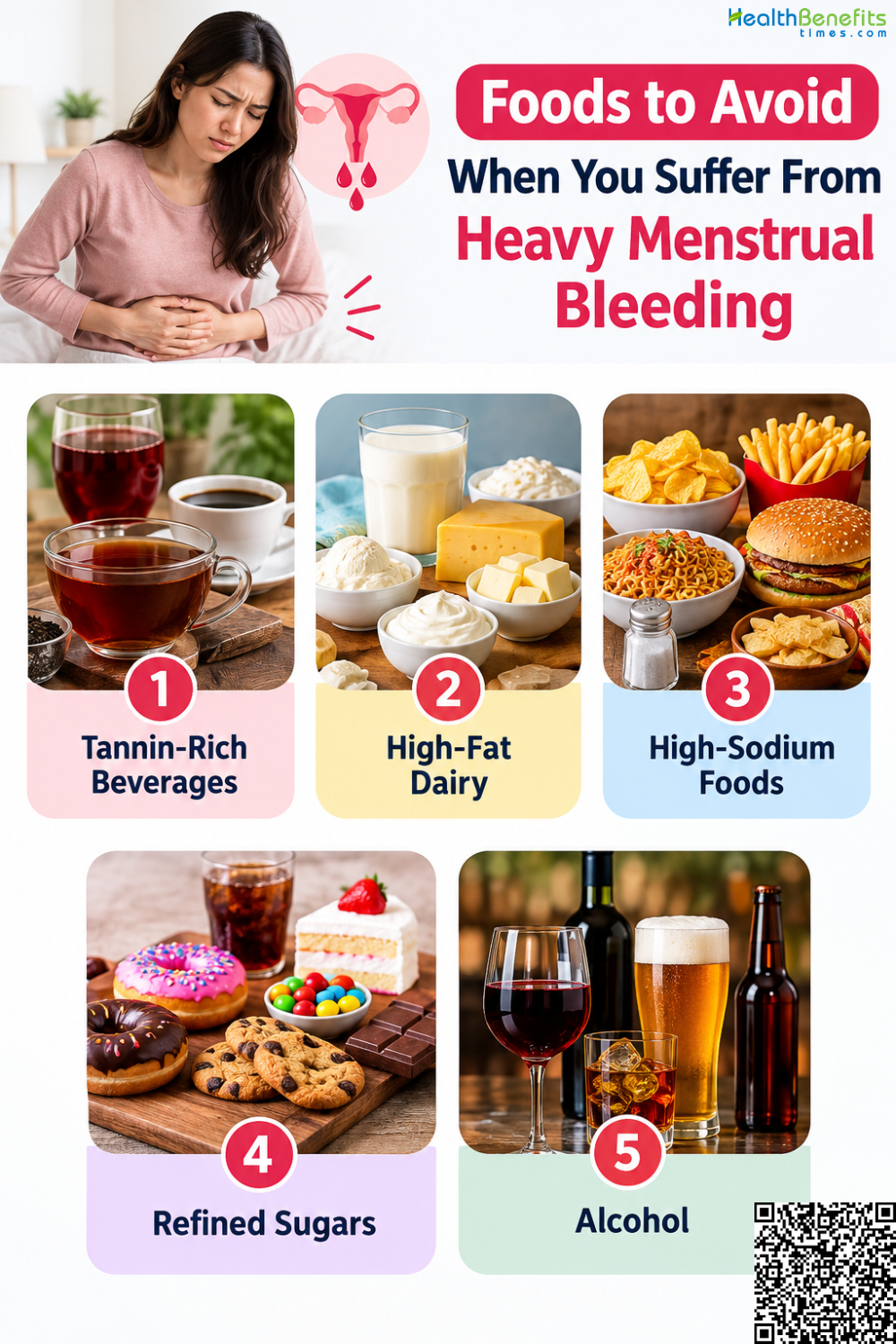
2. High-Fat Dairy
Dairy contains arachidonic acid, which stimulates excess prostaglandin production. High prostaglandin levels provoke intense uterine contractions and promote significantly heavier menstrual blood flow. 26
3. High-Sodium Foods
Processed foods contain excessive dietary sodium, causing severe water retention and pelvic bloating. This fluid accumulation directly amplifies physical pain and discomfort during heavy periods. 27
4. Refined Sugars
High sugar consumption rapidly spikes blood glucose, triggering systemic inflammation. This metabolic disruption alters hormonal balance, directly worsening uterine lining instability and excessive bleeding. 28
5. Alcohol
Alcohol consumption impairs healthy liver function, which remains essential for safely metabolizing estrogen. Elevated internal estrogen abnormally thickens the uterine lining, contributing to heavier bleeding. 29
When to See a Doctor When You Struggle From Heavy Menstrual Bleeding
- Rapid Pad or Tampon Saturation: You should seek immediate medical care if you consistently soak through one or more sanitary pads or tampons every hour for two or more consecutive hours. 6
- Prolonged Menstrual Bleeding: Contact a healthcare provider if your menstrual bleeding consistently lasts longer than seven days, as prolonged continuous blood loss severely depletes vital iron reserves. 11
- Passing Large Blood Clots: You must consult a doctor if you frequently pass blood clots that are larger than the size of a quarter during your menstrual cycle. 11
- Symptoms of Severe Anemia: Schedule a clinical evaluation if you experience persistent extreme fatigue, shortness of breath, or dizziness, as these indicate a dangerous drop in red blood cells. 30
- Irregular or Postmenopausal Bleeding: Seek prompt medical attention for any unpredictable vaginal bleeding between regular menstrual cycles or any bleeding that occurs after reaching menopause. 31