

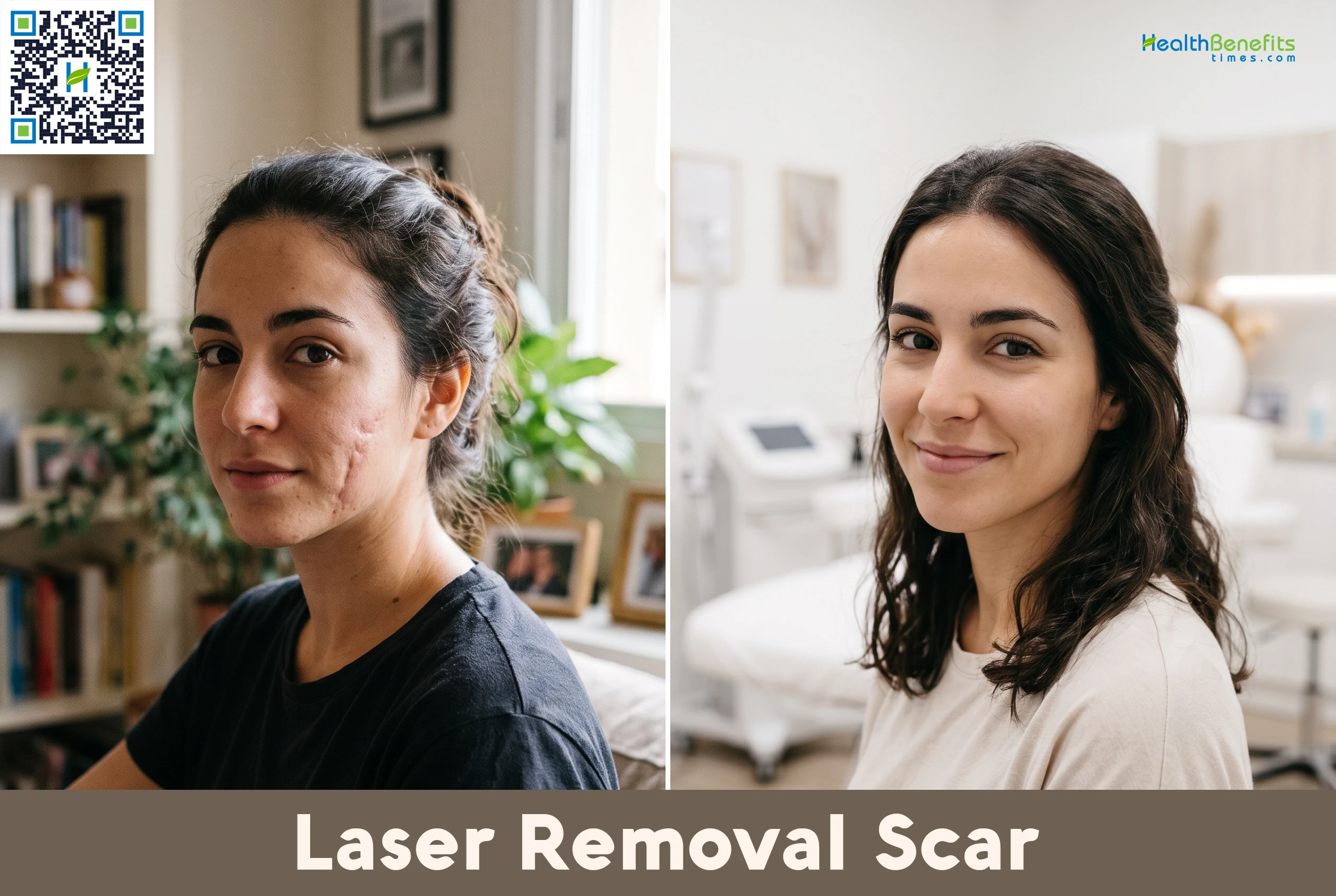
That dark spot of pigment left behind after a tattoo fades isn’t a scar from the ink itself — it’s usually a sign of how the skin was treated during or after the removal process. Laser tattoo removal, done correctly, breaks down ink particles without damaging the surrounding tissue. But things can go wrong, and understanding exactly what happens to your skin during treatment helps you avoid the outcomes you’re worried about.
How the laser actually interacts with your skin
Modern Q-switched and picosecond lasers work by sending short pulses of energy through the top layers of skin to shatter ink particles into smaller fragments. Your immune system then carries those fragments away through the lymphatic system over the following weeks. The laser is designed to target pigment specifically, which is why darker inks like black and navy respond faster than lighter colors like yellow or white.
The skin’s surface experiences a brief thermal reaction, often described as a rubber band snap, followed by a whitening or frosting effect that fades within 20 to 30 minutes. This frosting is a normal photochemical reaction, not damage. Properly calibrated equipment and correct settings mean the epidermis stays largely intact, which is a major reason scarring is rare when treatment is handled by a trained practitioner.
What actually causes scarring
Scarring from laser tattoo removal almost always traces back to one of a few causes: incorrect laser settings, too many passes in a single session, improper aftercare, or picking at scabs during healing. When energy levels are set too high for a person’s skin type, the laser can burn the epidermis instead of just targeting the ink below it. That burn, if deep enough, can leave a permanent mark.
Another common cause is impatience — either from the practitioner or the client. Sessions spaced too close together don’t give skin enough time to recover between treatments, which increases the risk of tissue damage. Picking, scratching, or exposing healing skin to sun or sweat before it’s fully closed also significantly raises the chance of a scar forming.
Who is more likely to scar
Certain skin types and conditions carry a higher risk. People with a history of keloid scarring, those with very dark skin tones (which require more careful laser calibration), and anyone with active skin conditions like eczema in the treatment area should discuss these factors upfront with a practitioner. Smokers also tend to heal more slowly, which can extend the vulnerable period where scarring is more likely.
Location on the body matters too. Areas with thinner skin, such as wrists, ankles, and fingers, scar more easily than fleshier areas like the upper arm or thigh. A practitioner who asks detailed questions about your skin history and the tattoo’s location before starting treatment is doing their job properly.
What a normal healing process looks like
Right after a session, expect redness, slight swelling, and sometimes small blisters, particularly if the tattoo was dense with ink. Over the next few days, the area may scab lightly. This scabbing is a sign the skin is working to clear out the fragmented ink, not a sign something has gone wrong.
Within one to two weeks, the surface skin should look mostly normal, though the treated tattoo itself will appear lighter and sometimes slightly raised. Full healing between sessions typically takes six to eight weeks, which is also roughly how long it takes for the immune system to clear a meaningful amount of ink before the next round of treatment.
How to protect your skin during the process
Aftercare instructions matter as much as the treatment itself. Keeping the area clean, avoiding direct sun exposure, and resisting the urge to pick at scabs are the three biggest factors within your control. Most practitioners recommend a fragrance-free moisturizer and a physical sunscreen once the skin has closed over, since UV exposure on healing skin increases the risk of hyperpigmentation and textural changes.
Avoid swimming pools, saunas, and intense exercise for the first 48 to 72 hours after a session, since sweat and bacteria can irritate newly treated skin. If you notice unusual swelling, pus, or a wound that isn’t closing within the expected timeframe, contact your practitioner rather than waiting it out.
Choosing a practitioner who prioritizes skin safety
The biggest variable in whether laser removal leaves a scar isn’t the technology — it’s the skill of the person operating it. A qualified practitioner adjusts laser settings based on your specific skin tone, ink density, and tattoo age rather than using a one-size-fits-all approach. Clinics offering affordable tattoo removal in Parramatta have built a reputation on exactly this kind of careful, individualized assessment, which is part of why local demand for the service has grown steadily. Ask about their experience with your skin type, how many sessions they estimate for your tattoo, and what their aftercare protocol looks like before committing.
Pricing that seems unusually low compared to everything else on the market can sometimes signal rushed sessions or outdated equipment, so weigh cost against consultation quality rather than price alone.
The bottom line on scarring risk
Scarring is the exception, not the rule, when laser tattoo removal is done with proper equipment, correct settings, and attentive aftercare. The real risk factors are rushed treatment schedules, poor technique, and neglecting the healing process afterward. If you choose a practitioner who takes time to assess your skin and gives clear aftercare guidance, your odds of walking away with clear, unscarred skin are very good.