

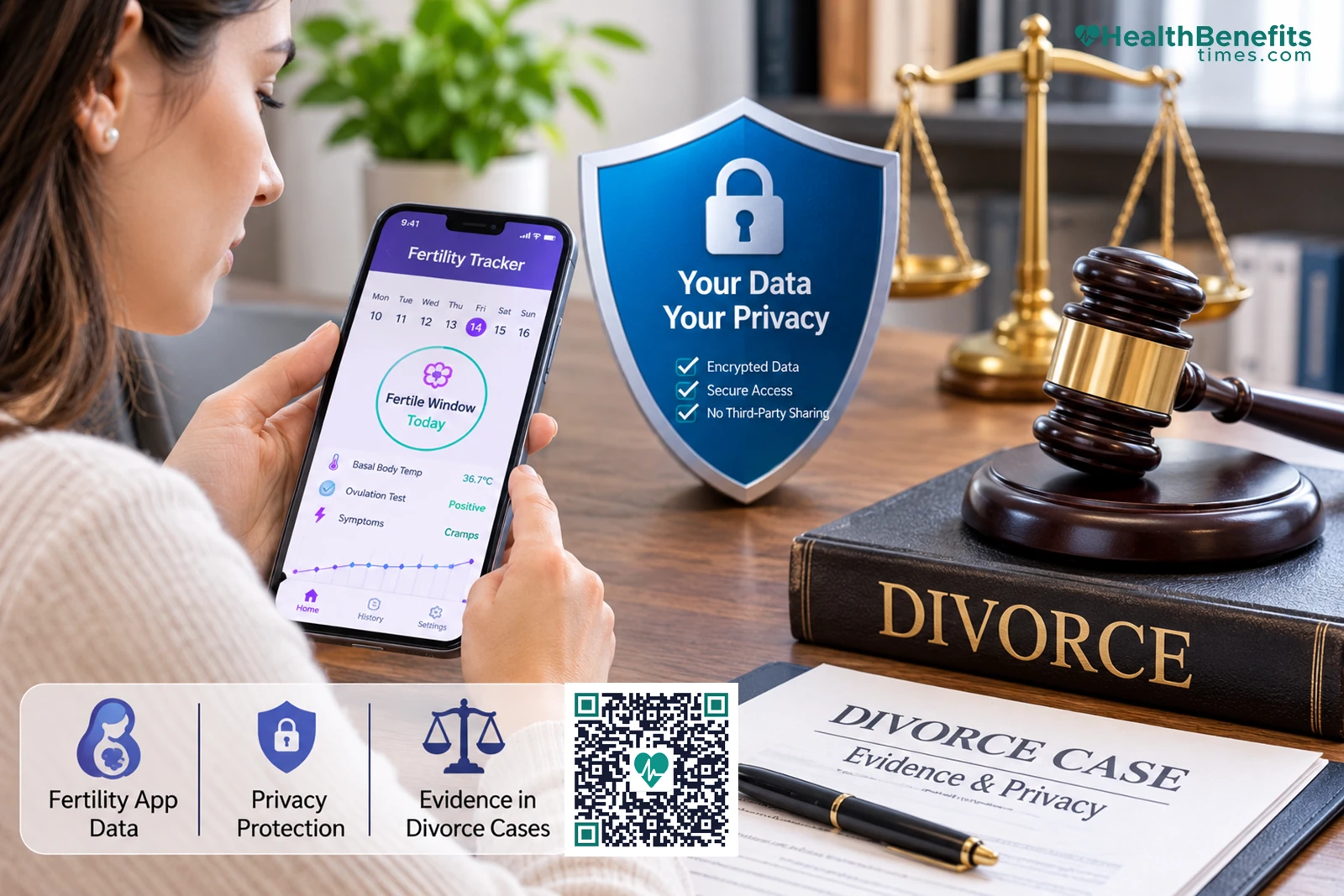
In 2024, a federal judge in California refused to dismiss certain wiretap and privacy claims brought by users of the Flo Health fertility app against Google. Plaintiffs alleged that sensitive information about menstrual cycles, sexual activity, and pregnancy intentions had been shared through embedded software without their knowledge. The case raised important questions about the privacy protections surrounding reproductive health data.
Those concerns can take on another dimension during divorce. Couples who once shared fertility tracking information, partner access, or device passwords may discover that intimate records remain accessible long after their relationship ends.
Understanding how these apps store, share, and preserve information is an important part of protecting digital privacy during separation.
Can Fertility App Records Be Used in Divorce Court?
Fertility tracking information is highly personal, but that doesn’t automatically make it exempt from legal discovery. Like text messages, location records, and other electronically stored information, fertility logs may become relevant when a disputed issue involves pregnancy timelines, parentage, or other circumstances directly connected to the case.
However, access isn’t automatic. Courts can consider relevance, proportionality, privacy interests, and applicable legal protections before permitting disclosure. A family law attorney can help determine whether a request for sensitive health information is justified and whether protective measures are appropriate.
What Happens to Fertility Data When You Delete an App?
Deleting a fertility tracking app from your phone doesn’t necessarily delete the information stored in your account. Depending on the service, records may remain on company servers, in backups, or in information previously shared with connected accounts and third-party services.
During divorce proceedings, deleting potentially relevant records can also create legal complications. When litigation is reasonably anticipated, parties may have obligations to preserve evidence. Before deleting an account or its contents, consult your attorney about how to protect your privacy while complying with those obligations.
Can a Former Partner Still Access Your Fertility Information?
Some fertility tracking apps offer partner-sharing features that allow another person to view selected cycle information, fertility windows, or other updates. If that access remains active after separation, a former partner may continue seeing information you assumed was private.
Even after sharing is disabled, previously saved screenshots or exported records may still exist. Review your account’s sharing permissions, connected devices, and login security to understand who can access your information. If divorce proceedings are underway, discuss any changes that could affect relevant evidence with your attorney.
Are Fertility Apps Protected by HIPAA?
Most standalone consumer fertility apps aren’t automatically covered by the Health Insurance Portability and Accountability Act (HIPAA). HIPAA generally applies to covered healthcare providers, health plans, healthcare clearinghouses, and their business associates, rather than every company that collects health-related information.
That doesn’t mean fertility app data has no legal protections. Other federal and state privacy laws may apply, and companies can have additional obligations under their privacy policies. A KFF Health News explainer examines how period-tracking apps handle sensitive information and respond to legal requests.
Understanding which protections apply can help users make informed decisions about what information they share and how they respond to requests for disclosure.
How Fertility Tracking Data Could Affect Custody or Support Disputes
In some divorce cases, fertility records may be relevant to disputed pregnancy or conception timelines, parentage questions, or statements made by either spouse. However, the existence of intimate health information doesn’t automatically make it admissible or significant in custody or support proceedings.
Courts generally focus on legally relevant issues, including the child’s best interests in custody matters and applicable financial considerations in support disputes. Attorneys may challenge requests for fertility data that are unnecessarily intrusive or unrelated to those questions.
If you’re separating, review your app’s privacy settings, document existing shared access, and speak with your attorney before deleting or exporting potentially relevant information. You can also consider using a separate, secure account for future health tracking while ensuring that any existing preservation obligations are respected.
Fertility apps can retain deeply personal information long after a relationship ends. Taking steps to understand who can access that information and how it may be handled during divorce can help protect both your privacy and your legal interests.