

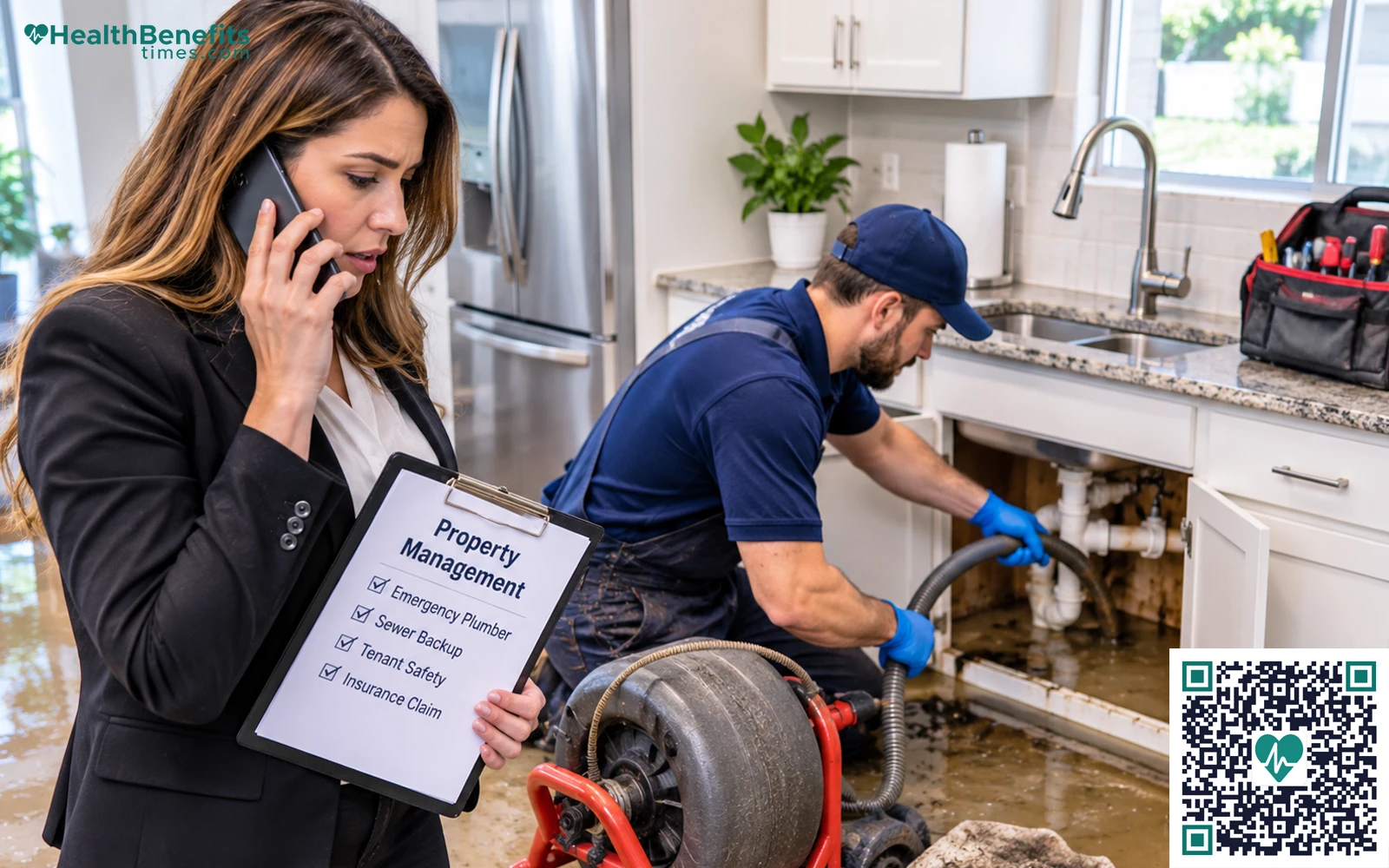
When a tenant in a Phoenix rental property reports sewage coming up through a shower drain or toilet, property managers know immediate action is required. Sewer backups are more than an inconvenience—they can result in property damage, health hazards, and even code violations if not handled quickly. Unlike minor plumbing issues, a sewer backup disrupts multiple units and can spread contaminants throughout a building. For these situations, Phoenix property managers rely on professionals who can contain and resolve the emergency before it escalates. The stakes are high: untreated backups can cause expensive repairs, lost rental income, and tenant dissatisfaction. Fast, skilled intervention is the difference between a contained problem and a disaster affecting the entire property.
Why Phoenix Property Managers Call an Emergency Plumber for Sewer Backups
Sewer backups demand a rapid and specialized response that goes beyond typical plumbing service calls. Phoenix property managers turn to an Emergency Plumber in Phoenix because these providers offer 24/7 availability and the equipment necessary for high-risk situations. Emergency sewer plumbers for Phoenix property managers arrive prepared to handle raw sewage, prevent further contamination, and document the incident for insurance or regulatory needs. These professionals use protective gear and specialized pumps to manage hazardous waste, which is not something most general maintenance staff are trained or equipped to handle. For property managers, relying on a qualified emergency plumber means ensuring compliance with local health codes and minimizing liability exposure in the event of a major backup. A quick call can save hours of downtime and thousands in potential damage to flooring, drywall, and personal property.
Common Sewer Backup Causes in Phoenix Rental Properties
Clay and cast iron sewer pipes, common in older Phoenix multifamily buildings, are especially vulnerable to tree root intrusion and corrosion. Tree roots grow toward underground moisture, often breaking through pipe joints or cracks and causing clogs that lead to backups. Another frequent cause is improper disposal of items like wipes, grease, or feminine hygiene products, which accumulate and block the main sewer line over time. In some neighborhoods, sudden summer storms can overwhelm city systems and force water back into property sewer lines, bringing debris and waste with it. Understanding how tree roots infiltrate sewer lines can help property managers schedule preventive inspections. By knowing the typical causes in Phoenix, property managers are better equipped to educate tenants and monitor for early signs of trouble before a backup occurs.
Warning Signs Property Managers Shouldn’t Ignore
Slow-draining sinks or tubs in multiple units, gurgling sounds from toilets, and foul odors from floor drains often signal a developing sewer backup. When these symptoms appear together, it typically means the main sewer line—not just an individual drain—is blocked. Water pooling near cleanouts or in parking areas after storms can also indicate a compromised sewer system. Phoenix property managers should treat these warning signs as urgent, because delays can result in sewage flooding common areas or multiple apartments. Reviewing local health department guidance on sewage backup response can clarify which situations require immediate professional intervention. Recognizing the early warning signs allows property managers to act before extensive contamination or property damage sets in.
How Emergency Plumbers Restore Sewer Lines and Protect Properties
When responding to a sewer backup, emergency plumbers start by locating the blockage using camera inspections inside the main line. This process identifies whether the problem is caused by roots, grease buildup, or pipe collapse. High-pressure water jetting—a technique that blasts away debris and obstructions—is often used to clear the line quickly and thoroughly. These plumbers also sanitize affected areas to prevent mold growth and eliminate health risks for tenants and staff. After clearing the blockage, many emergency sewer plumbers for Phoenix property managers provide a full report so property managers can plan repairs or improvements to prevent future incidents. Fast, targeted service is key to minimizing downtime and restoring building operations after a sewer emergency.
Conclusion
Promptly calling a qualified emergency plumber is the best way for Phoenix property managers to limit damage and restore safe conditions during a sewer backup. When signs of a backup appear, contact a professional with the right tools and expertise to resolve the problem and protect your investment.