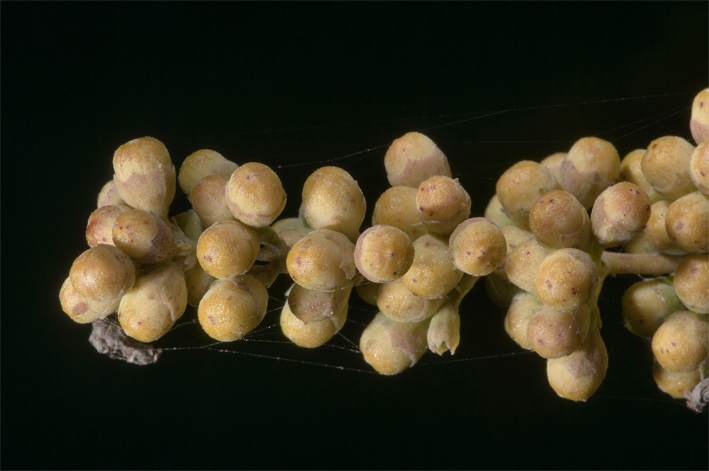
Native to tropical Eastern and Southern Africa and Asia.
Colors
Green when young turning to black or purple when ripe
Shapes
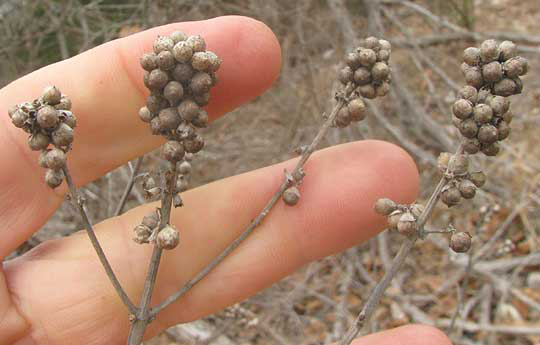
Succulent drupe, 4 mm (0.16 in) in diameter, rounded to egg-shaped.
Health benefits
Helps In Easing Painful Conditions Affecting Nervous System, Beneficial For Your Circulatory System, Good for Your Respiratory System, Useful for Assorted Digestive System Disorders, Cure For Inflammatory Health Conditions, Aids in Hair Growth, Lowers Menopause Symptoms, Clears Up Acne, May Promote Lactation, Treats Enlarged Prostate, Reduces Uterine Fibroids, Remedies Amenorrhea, Improves Female Fertility, Treatment for Endometriosis, Relieves PMS Symptoms
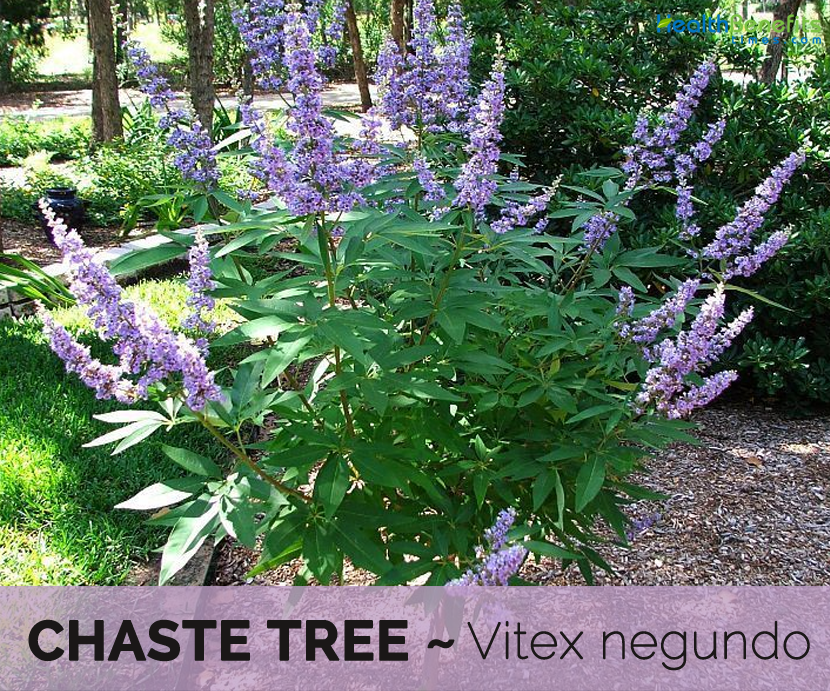
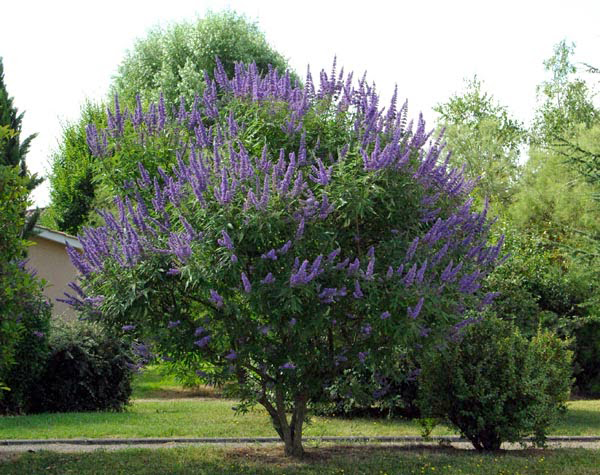
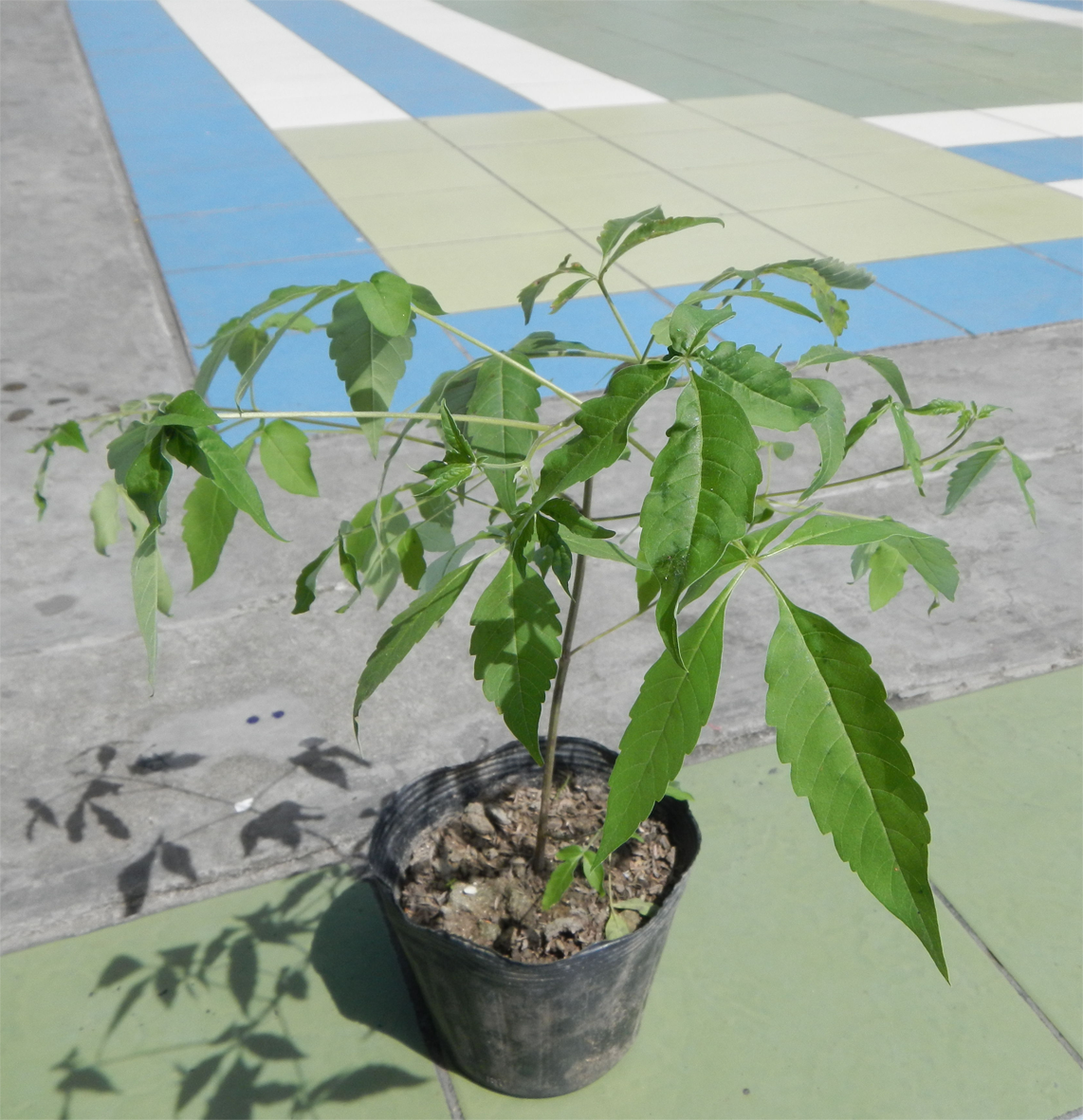
Vitex negundo, commonly known as the Vitex, Chinese chaste tree, five-leaved chaste tree, Huang Ping, horseshoe Vitex, is an erect shrub or small tree with quadrangular, densely whitish, tomentose branchlets and smooth, thin, reddish brown bark. It is widely used in folk medicine, particularly in South and Southeast Asia. Native to tropical Eastern and Southern Africa and Asia, but it can be found in areas with temperate and subtropical climate around the world today. Chaste tree quickly grows into a multi-trunked tree about 2 to 8 m (6.6 to 26.2 ft.) tall and wide with a broad, spreading habit. Despite many medical properties of this plant, it is mostly grown in ornamental purposes today.
Name “chaste tree” refers to the fact that this plant consists of substances that decrease libido (person who consumes chaste berry stays “chaste”). Chaste tree is also known as “monk’s pepper” because of the frequent usage of chaste berry in the control of sexual desire in the monasteries in the past. Based on flower types, there are two varieties of this plant – blue and white flowered. Blue flowered plant is called nirgundi (Vitex negundo), but the white flowered plant is called siduwar (Vitex trifolia).
Appearance
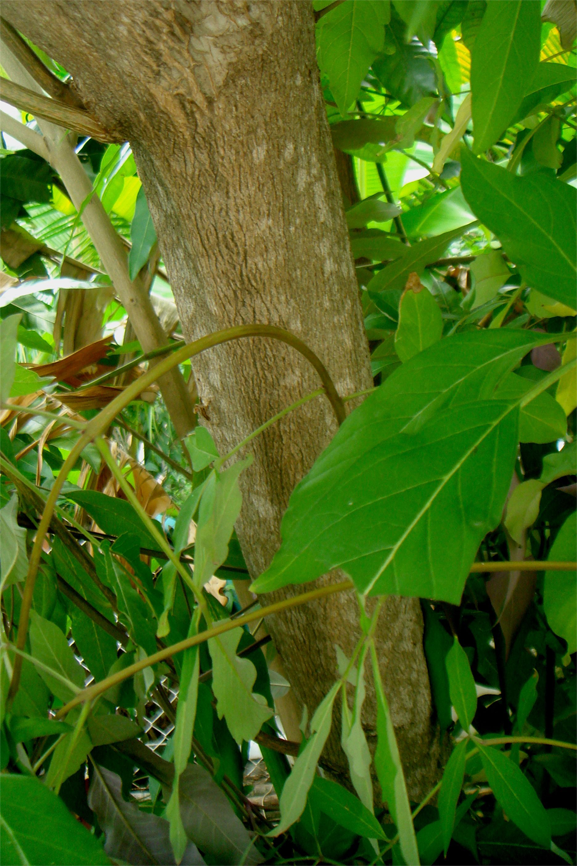
Chaste trees, which are considered shrubs or small trees, grow 15 to 20 feet tall with a spread of 10 to 15 feet. The plant need full sun and very well-drained soil. It’s best not to plant them in soil that is rich in organic matter because organically rich soils hold too much moisture close to the roots. Chaste trees do very well in xeric gardens where water is scarce. It is a multi-branch bushy plant covered with very fine hairs. The bark of stem is smooth, thin, reddish brown becoming blocky on older stems and quadrangular, densely whitish, tomentose branchlets.
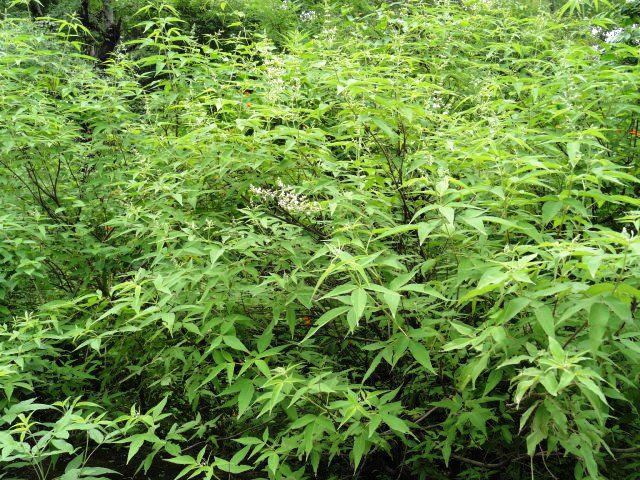
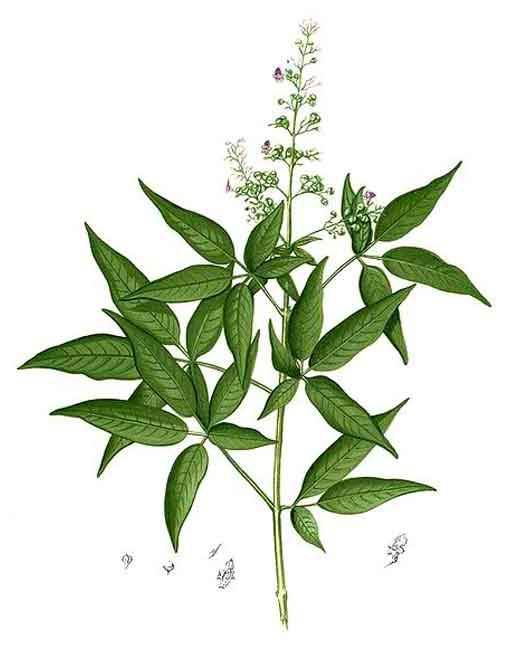
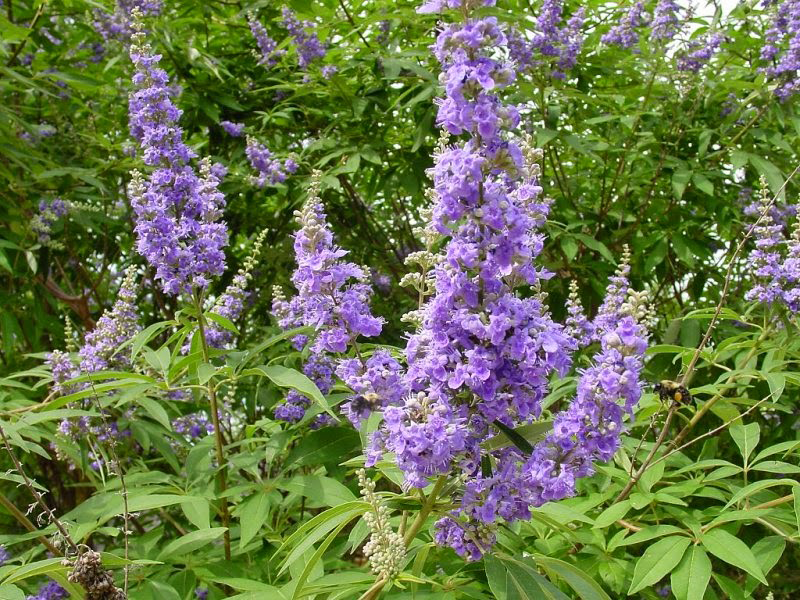
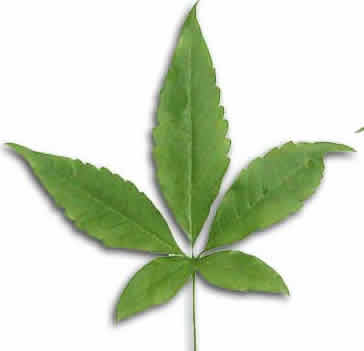
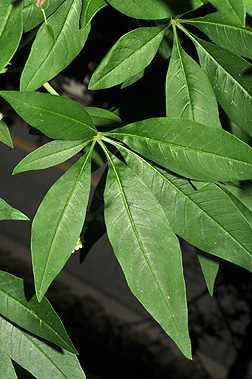
Leaves are opposite, palmately compound, 2 to 6 inches across, usually five leaflets per leaf (3-7), leaflets ovate, obovate or lanceolate with entire or toothed margins, light green above and pale pubescent below, very aromatic when crushed. Numerous flowers are borne in panicles 10 to 20 cm (3.9 to 7.9 in) in length. Each is around 6 to 7 cm (2.4 to 2.8 in) long and is white to blue in color. The petals are of different lengths, with the middle lower lobe being the longest. Both the corolla and calyx are covered in dense hairs.
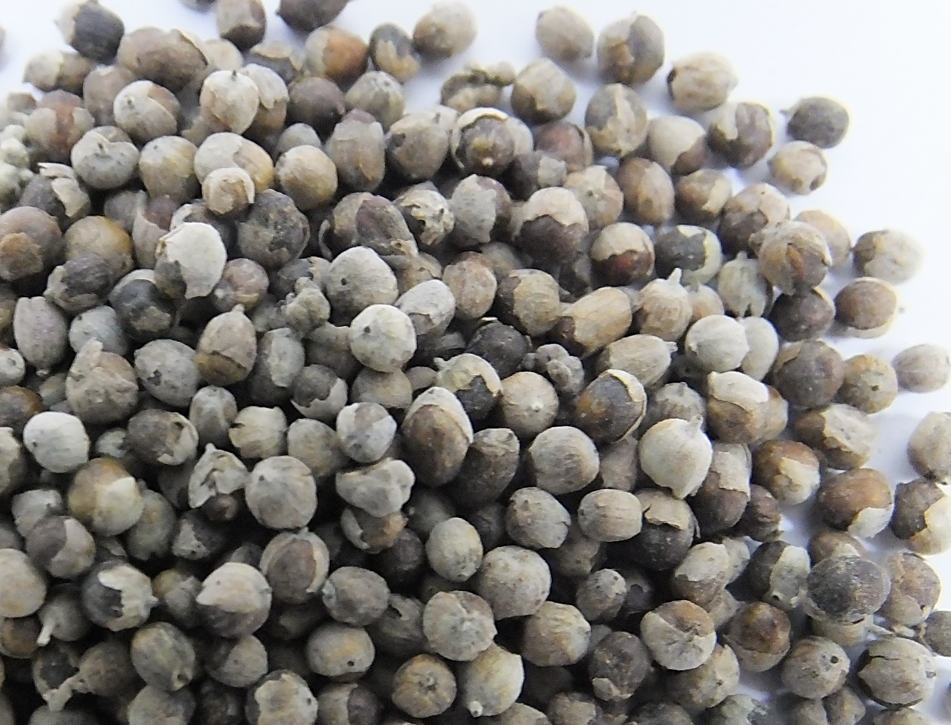
Fruit is succulent drupe, 4 mm (0.16 in) in diameter and is rounded to egg-shaped. They are green when young turning to black or purple when ripe. The fruit consists of small seeds that are 5–6 mm in diameter. Chaste tree is perennial plant with a lifespan of 15 to 40 years (depending on the climate).
History
Chaste tree species are native to the warm regions of the Old World. Vitex negundo grows naturally from the Mediterranean Sea eastward to central Asia. The leaves are composed of five to seven radiating leaflets. Vitex negundo, the five leaved chaste tree is colder hardy than the Agnus species. Vitex mainly occurs in Kenya, Tanzania, Mozambique, Madagascar (in Africa), and in Afghanistan, Bangladesh, Bhutan, Cambodia, China, India, Indonesia, Malaysia, Myanmar, Nepal, Pakistan, Philippines, Sri Lanka, Thailand, Taiwan and Vietnam (in Asia). It is also found in similar habitats along the seashore throughout Mauritius, Japan and southward through Malaya to tropical Australia and Polynesia.
The roots, fruits, flowers, leaves and bark of chaste tree have great medicinal value and are used for medicinal purpose externally as well as internally. Externally, chaste tree decoction is used for steam bath for arthritis, joint pains and sciatica. Particularly, chaste tree is very effective in alleviating the low back pain. The dried leaves when smoked are said to relieve catarrh and headache. Listed below are several health benefits of Chaste tree
1. Relieves PMS Symptoms
Nearly 75 percent of women are experiencing PMS; it’s certainly a health topic on a lot of minds. If you are suffering from PMS, then you experience a number of unpleasant physical and emotional symptoms each month that last between two to 14 days before your period. The symptoms of PMS can greatly be reduced or even eliminated by making an effort to get your hormones in proper balance. Vitex is one of the top herbal recommendations when it comes to natural PMS relief.
Vitex is believed to work well at reducing PMS symptoms because it destroys the release of prolactin from the pituitary gland.(1), (2)
2. Treatment for Endometriosis
Endometriosis is an unbearably painful situation described by the abnormal growth of endometrial cells in the uterus lining. These deposits normally trigger the formation of scarred tissues. Research recommends that this plant possesses the potential to ease the pain and other symptoms associated with this condition. 400 mg of this herb on an empty stomach in the morning at least for 6 weeks will help you combat the pain.
3. Improves Female Fertility
Vitex has been shown to improve fertility, mainly for women with luteal phase defect. These women have trouble because their ovaries don’t release enough progesterone.
In a research among 48 women (ages 23 to 39) who were diagnosed with infertility took chaste berry once daily for three months. During the three-month trial period, seven women became pregnant and 25 women experienced normalized progesterone levels, which can increase the chances for pregnancy.(3)
4. Remedies Amenorrhea
Amenorrhea is a medical condition in which a woman of reproductive age has her menstrual cycle stop suddenly. If you’re not pregnant and your period has stopped, it’s a solid indication that something isn’t right.
Amenorrhea can be caused by a number of factors with one possibility including having too much prolactin in your body, which can cause hypoestrogenism or estrogen deficiency. Vitex supplementation help to modulate prolactin and get a healthy balance of estrogen and progesterone back on track.(4)
5. Reduces Uterine Fibroids
Uterine fibroids are non-cancerous tumors found within the uterine walls, often resulting in a change in the size or shape of the uterus as well as several unfriendly symptoms. Best way to prevent and reduce uterine fibroids is to maintain a proper balance of hormones. Chaste berry can help to balance the ratio of estrogen to progesterone.
6. Treats Enlarged Prostate
Benign prostatic hyperplasia is an age-associated prostate gland enlargement that can cause urination difficulty. Research conducted by the Institute of Pharmaceutical Biology at the University of Basel in Switzerland showed that extracts of Vitex negundo fruits can be useful for the prevention and treatment not only of an enlarged prostate, but also prostate cancer. Data showed that Vitex consists of components that prevent proliferation and kills prostate cancer cells.(5)
7. May Promote Lactation
Chaste berry is one of the most highly praised herbs for promoting lactation in Europe. Research found that supplementation with a Vitex tincture could increase the amount of milk produced by mothers with or without pregnancy complications, as noted by the University of Michigan Health System. Herbs like Vitex promote or increase the breast milk flow known as Galactogogue. An older German research found that 15 drops of it in tincture form three times per day help to increase the amount of milk produced by mothers with or without pregnancy complications, as compared with mothers given vitamin B1 or nothing at all.
8. Clears Up Acne
Hormone imbalances and fluctuations are the main cause of acne, particularly in woman. If you experience acne, especially along your jawline and chin, Vitex might be a perfect acne natural remedy. It can balance your hormones, which help to reduce acne formation in women. Preliminary research suggests that it might help clear premenstrual acne, as well, possibly by regulating hormonal influences.(6)
9. Lowers Menopause Symptoms
Menopause is a permanent end of menstruation and fertility, defined as occurring 12 months after your last menstrual period. It can happen in your 40s or 50s, but the average age is 51 in the U.S. Vitex is often combined with other herbs, such as black cohosh or dong quai, for maximum benefits. Research found that a supplement containing Vitex as a key ingredient was able to reduce moderate to severe menopause symptoms.(7), (8)
10. Aids in Hair Growth
Oil made from the leaves of this tree can be used as a hair tonic. Regular application is known to rejuvenate the hair, prevent hair fall, and promote hair growth. Certain Ayurvedic practitioners prescribe nirgundi oil as a remedy for baldness too.
11. Cure For Inflammatory Health Conditions
Vitex is loaded with Vitamin C; it is one of the best natural antibiotic and anti-inflammatory agents found in nature. It peps up the immunity power and thwarts frequent recurrences of fever, orchitis, tonsillitis, and pharyngitis. You can use a decoction prepared from the leaves of this plant, thrice a day, as a gargle to obtain relief from tonsillitis and pharyngitis.
12. Useful for Assorted Digestive System Disorders
The herb is known to strengthen and enhance the functioning of the digestive system. It helps in improving digestion and stimulates appetite. It is equally effective in easing anorexia too. It also acts as an anthelmintic, and can be used as a digestive system cleansing agent.
13. Good for Your Respiratory System
Herbal tea made from the leaves of chaste tree is known to ease the phlegm accumulated in the respiratory tract. Thus, it clears the clogged passages, enhances the ventilation, and steadies the breath. This is one of the key reasons why these leaves are advised in Ayurveda as a remedy for bronchitis, asthma, pleurisy, and pneumonia.
14. Beneficial For Your Circulatory System
Leaves of chaste tree berry can be used to ease any kind of edema in the circulatory system. It is also beneficial for treating inflammatory conditions affecting the spleen and liver. Ayurvedic practitioners also suggest a mixture of cow’s urine and nirgundi leaf juice as cure for ascitis.
15. Helps In Easing Painful Conditions Affecting Nervous System
You can consume this herb internally to ease various nervous system conditions, right from mild headaches to rheumatoid arthritis, sciatica and synovitis. It also works as a wonderful brain tonic and helps in enhancing memory power.
Practical Uses of Vitex Negundo
Mental Disorders: It act as brain tonic and alleviates vata, thus useful in headache, sciatica, improves memory .It cures disorders of nasal passages and mental channels.
Ear Problems: It is used in ear problems. Put 1-2 drops of nirgundi oil mixed with honey, in the ear.
Asthma and Tuberculosis: It improves ventilation therefore used in Kapha dominant cough, asthma, pneumonia and pleurisy. It cures multi-nodular tuberculosis.
Teething in Children: Its root help in early teething in child.
Fever: It is used as a main drug in typhoid and malaria fever. It cures fever, chronic rhintis and deafness.
Chronic Arthritis: Its leaves are boiled in water or heated then tied over the affected part. It is useful in headache, scrotal swelling, and arthritic pain. It cures chronic rhinitis and arthritis.
Digestive Power enhancer and Antihelmintic action: It improves appetite and digestion. It is useful in loss of appetite, anorexia, ama- dosha and is anthelmintic. It enhances the digestion power and relieves the stomach pain. It helps to release the gas and cures swelling of the stomach caused by indigestion or accumulation of wind.
Menstrual Cycle: It improves menstrual flow therefore used in dysmenorrhea and obstetric conditions. In case of irregular or incomplete menstrual cycle give 2 gm. powder of its seeds every morning and evening. It regularizes the menstrual cycle.
Sprain: Heat fresh leaves. Apply poultice of it on sprained area.
Head ache: Take nirgundi leaves and grind with water to make paste. Apply this paste on forehead.
Abdominal gas and pain: Make decoction of its leaves and drink.
Fever, toothaches: Take Nirgundi leaves (6 tbsp) in water (2 glasses) and boil for 15 minutes. Filter the decoction and divide in three parts. Take thrice a day on gap of 4 hours.
Asthma, cough: Take 1/4th decoction three times a day (same as prepared for fever).
Ulcers, boils, wounds: Boil Nirgundi leaves in water and make decoction. Wash affected area with this decoction.
Mental Disorders: Give 2-4 gm. powder of its fruits, 2-3 times a day. It cures disorders of nasal passages and mind.
Multinodular Tuberculosis: Grind its paste and take its nasya. It cures multi-nodular tuberculosis.
Fever: Boil its 20 gm. leaves in 400 ml water till water is reduced to ¼. In the resulting decoction add 2 gm. Peepal powder and give 10-20 gm. of this decoction to the patient, 2- 3 times a day. It cures fever, chronic rhintic and deafness.
Chronic Rhinitis Arthritis: Boil its 10 gm. leaves in 100ml water and give this to the patient every morning and evening. It cures fever, chronic rhinitis and arthritis.
Digestion Power: In case of swelling of the stomach caused by indigestion or accumulation of wind and stomach pain, give 10 ml juice of its leaves with 2 black peppers and ajowan, every morning and evening. It enhances the digestion power and relieves the stomach pain. It helps to release the gas and cures swelling of the stomach caused by indigestion or accumulation of wind.
Menstrual Cycle: In case of irregular or incomplete menstrual cycle give 2 gm. powder of its seeds every morning and evening. It normalizes the menstrual cycle.
Diseases of Liver: In case of malaria fever if the liver of the patient enlarges, give 2 gm. powder of nirgudi with 1 gm. black myrobalan and 10 gm. cow urine or give 2gm Nirgudi powder with 500mg black kutki and 500mg rasot, every morning and evening.
Fever due to Cough and Swelling of Lungs: In case of fever due to cough and swelling of lungs, give juice of its leaves or give decoction of its leaves with 1gm peeper powder mixed in it, to the patient.
It helps to improve blood circulation process.
It is useful in dysuria and anuria. In gonorrheal infection it helps in passing urine smoothly.
It stimulates every part of the body; therefore it acts as a rasayan in body.
It is also used as a hair tonic.
It cures all mouth and throat related disorders like pharyngitis, tonsillitis.
It has cleansing action and helps in healing of wounds.
Its leave powder is used for endometritis, colitis and orchitis, in these conditions it reduces the obstruction of blood due to ama and kapha, increases perspiration, reduces edema and also relieves pain.
Other Traditional uses and benefits of Chaste Tree (Vitex)
Leave is made into paste, heated a little and applied externally to relieve headache, orchitis, rheumatoid and osteo-arthritis.
Decoction is used in medicinal baths for catarrhal and rheumatic affections.
Leaves and roots possess tranquilizing effect and form a constituent of many Ayurvedic preparations.
Roots are used in rheumatism and dyspepsia and as an anthelmintic.
Root is used as a demulcent in dysentery and piles.
Flowers also used in diarrhea, fever and liver complaints.
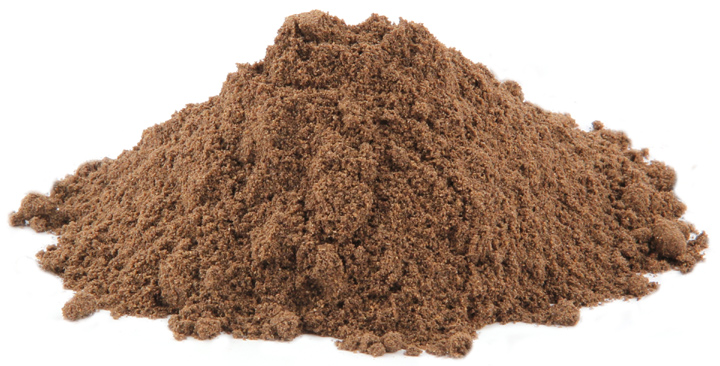
It can be ground into a powder and used as flour.
Tea is made from the roots and leaves.
It is the second most important treatment for chronic bronchitis.
They are useful in dispersing swellings of the joints from acute rheumatism and of the testes from suppressed gonorrhea.
Juice of the leaves is used for removing foetid discharges and worms from ulcers, whilst oil prepared with the leaf juice is applied to sinuses and scrofulous sores.
Decoction of the stems is used in the treatment of burns and scalds.
Fruit is used in the treatment of angina, colds, coughs, rheumatic difficulties etc.
Fresh berries are pounded to a pulp and used in the form of a tincture for the relief of paralysis, pains in the limbs, weakness etc.
Root is used in the treatment of colds and rheumatic ailments.
Plant is said to be a malarial preventative and is also used in the treatment of bacterial dysentery.
Extracts of the leaves have shown bactericidal and antitumor activity.
Chaste berry is used widely to treat infertility and for relief of premenstrual syndrome (PMS) symptoms.
Water decoction of Nirgundi is used for vaginal douche to relieve local inflammation.
Water decoction is used for mouth gargling to relieve throat pain and oral ulcers.
Dry leaves are burnt and fumes are inhaled to relieve headache and running nose.
Its oil is prepared with sesame oil and used in wound healing and grey hairs.
Pillow stuffed with leaves is placed under the head for relief of catarrh and headache.
Dried leaves when smoked also used to relieve catarrh and headaches.
Root juice is said to increases the growth of hair.
Leaves and seed of chaste tree have been used in treatment of bites of snakes and spiders in the past.
Other Facts
Young stems are used in basket making and for making wattles.
Leaves are used to repel insects in grain stores.
Extracts of the leaves have insecticidal activity.
Fresh leaves are burnt with grass as a fumigant against mosquitoes.
Plant is grown on slopes to counter landslides.
It is used for treating stored garlic against pests.
It is also used to control population of mosquitoes.
Stems are used as firewood, and the plant ash is used as an alkali in dyeing.
Its wood is used in building and as fuel and branches for wattle work.
Leaf juice is used for soaking metallic powders before converting them into pills.
Herbal shoes prepared from nirgundi wood are reported to be effective in the treatment of rheumatism, and the practice is popular in parts of Chhattisgarh.
It is used as a contour hedge in sandy arid areas for soil retention and moisture conservation.
In ancient times its inflorescence was used as an ornament.
How to Choose and Take Vitex
Vitex or chaste berry is available in many different forms in your local health store or online. The dried, ripe chaste berry is used to prepare liquid extracts or solid extracts that are put into capsules and tablets. If you’re not a fan of capsules or tablets, then the liquid extract is a great choice. You can also easily find Vitex in tea form on its own or combined with other herbs that promote hormonal balance. You can also order the dried berries and make your own tincture at home.
Here are the recommended doses for certain uses:
For PMS: 400 milligrams daily before breakfast
For uterine fibroids: 400 milligrams twice daily
For infertility: 160–240 milligrams daily
For acne: 160 milligrams daily
For endometriosis: 400 milligrams twice daily
For menopause: 160–240 milligrams daily
Chaste berry Facts
Vitex Negundo also called chaste berry is a large aromatic ,medicinal shrub found in India ,China and Philippines .It belongs to the family of Lamiaceae .It is a large aromatic shrub or small tree from a single trunk commonly found in road sides of Tamil Nadu .It is also known as the five leafed chaste tree in common, nochchi in Tamil ,vavil in Telugu ,nirgundi in Hindi ,karinochi in Malayalam and nila nirgundi in Sanskrit . It is a common herbal remedy and has been used for hundreds of years .More than 200 spices of this plant exist with 14 found in India.
Name
Vitex (Chaste Tree)
Scientific Name
Vitex negundo
Native
Native to tropical Eastern and Southern Africa and Asia.
Opposite, palmately compound, 2 to 6 inches across, usually five leaflets per leaf (3-7), leaflets ovate, obovate or lanceolate wih entire or toothed margins, light green above and pale pubescent below, very aromatic when crushed
Flower
Numerous flowers are borne in panicles 10 to 20 cm (3.9 to 7.9 in) in length. Each is around 6 to 7 cm (2.4 to 2.8 in) long and are white to blue in color. The petals are of different lengths, with the middle lower lobe being the longest. Both the corolla and calyx are covered in dense hairs.
Fruit Shape & Size
Succulent drupe, 4 mm (0.16 in) in diameter, rounded to egg-shaped.
Fruit Color
Green when young turning to black or purple when ripe
Seed
5–6 mm in diameter
Plant Parts Used
Leaf, root, seeds, tender stem, fruit
Lifespan
15-40 years
Culinary Uses
Seed occasionally used as a condiment.
It is a pepper substitute
Precautions
Chaste berry should be avoided by patients with hormone-sensitive diseases including certain types of cancers.
Do not take if you are pregnant or nursing.
Overdose of Chaste berry may cause headache, dizziness, nausea, upset stomach, rash, and itchiness.
It can interfere with some medications, including birth control, antipsychotics and estrogen supplements like those used with in-vitro fertilization treatments.
Health Benefits
Helps In Easing Painful Conditions Affecting Nervous System