| Cloudberry (bakeapple) Quick Facts |
| Name: |
Cloudberry (bakeapple) |
| Scientific Name: |
Rubus chamaemorus |
| Origin |
Rubus chamaemorus |
| Colors |
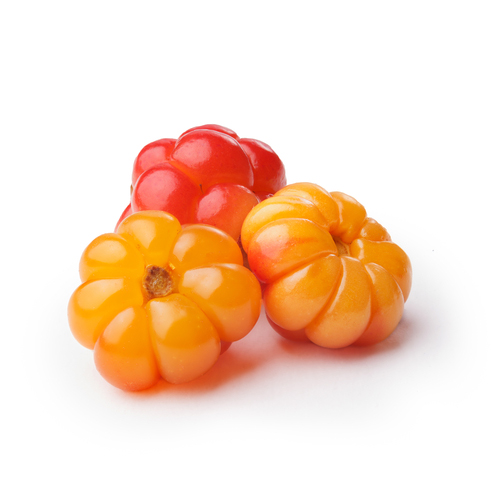
Amber, pale red, golden to yellow |
| Shapes |
Subglobose, 1 cm in diameter |
| Taste |
Tart |
| Calories |
51 Kcal./cup |
| Major nutrients |
Vitamin C (175.56%)
Iron (8.75%)
Carbohydrate (6.62%)
Vitamin B3 (5.63%)
Vitamin B2 (5.38%)
|
| Health benefits |
Strengthen immune system, Promotes circulation, Prevent heart problems, Eliminate toxins, Antioxidant activity |
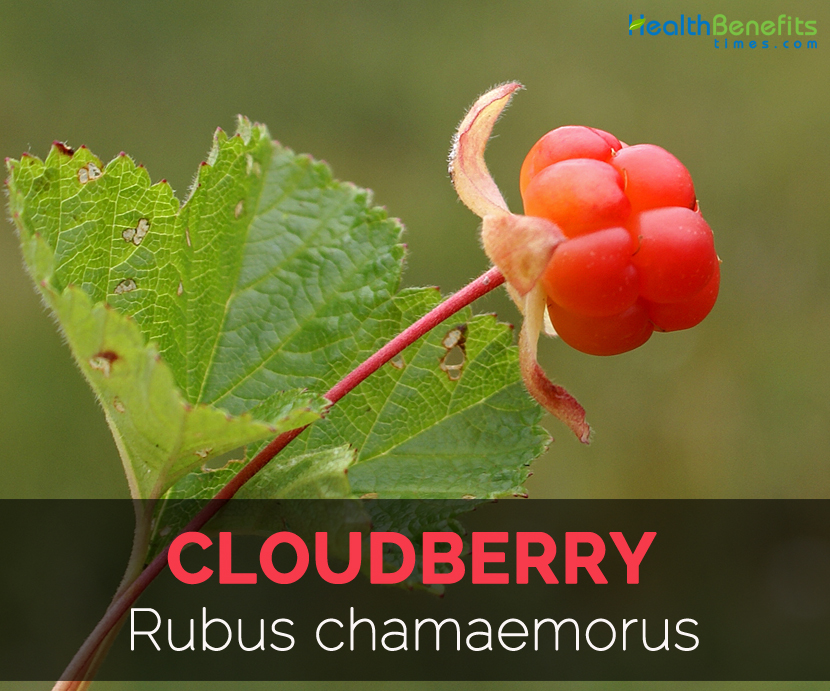
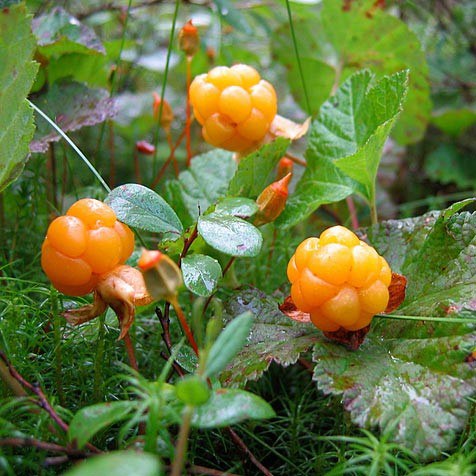
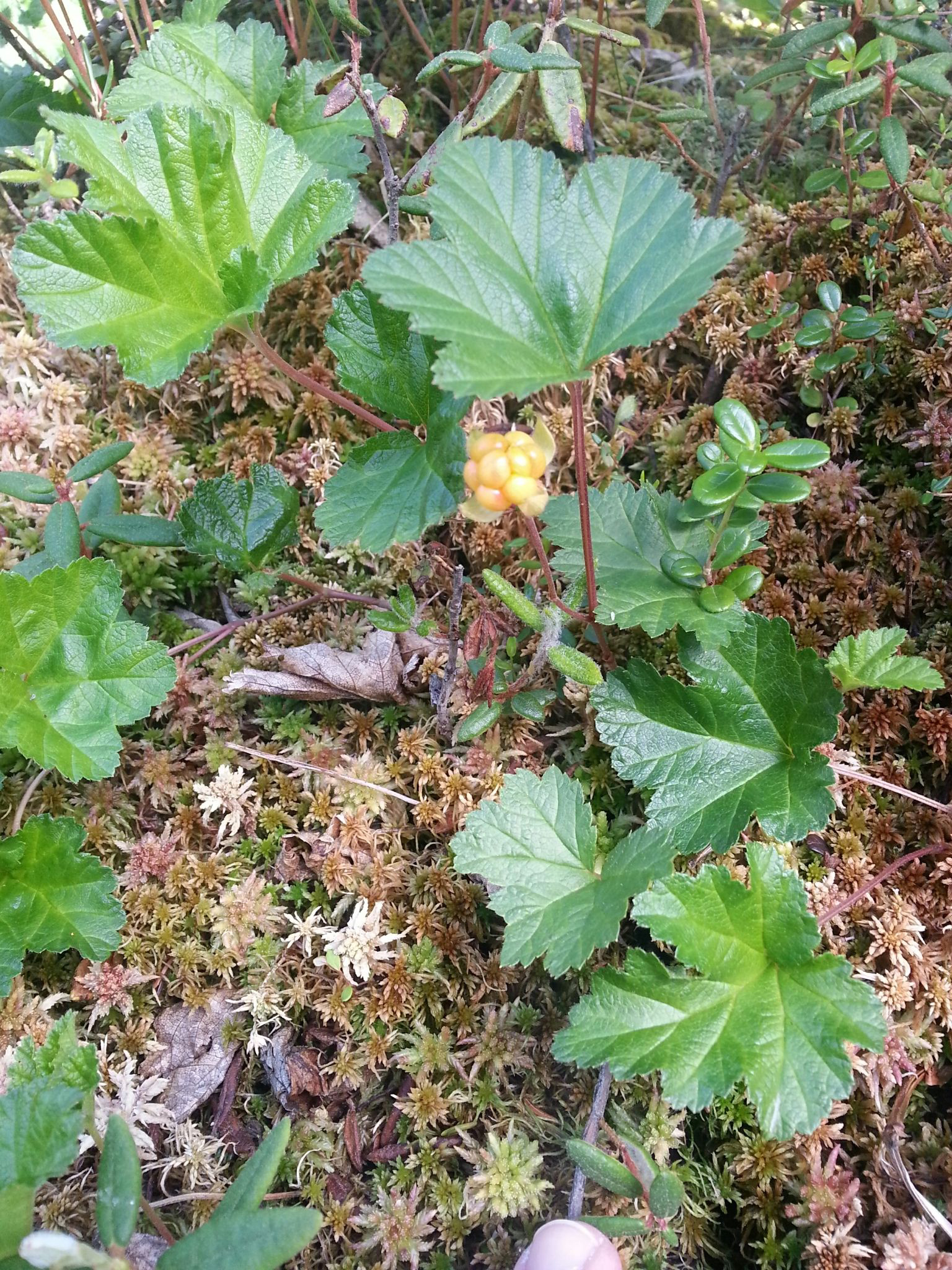
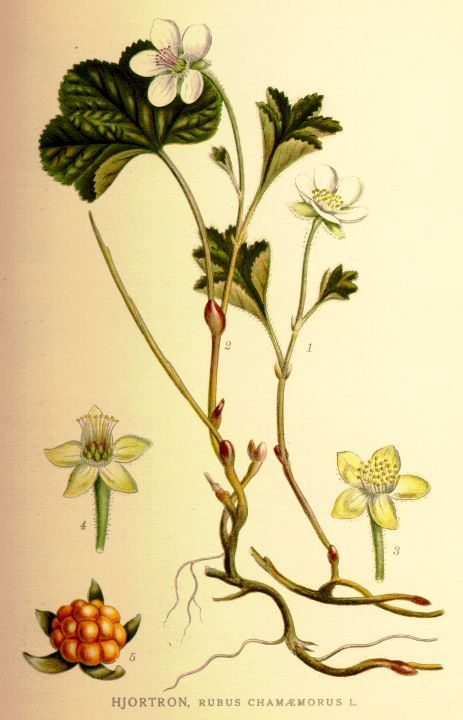
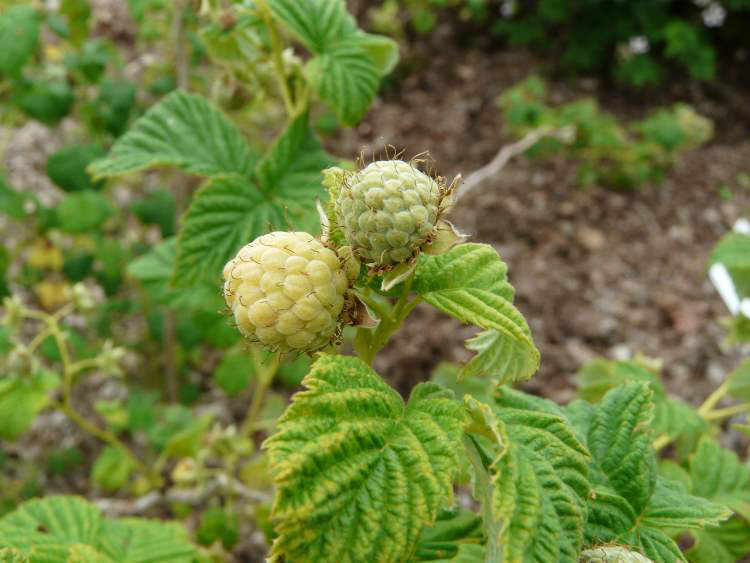
Cloudberry is a slow growing Rubus species that produces edible fruit. Botanically it is called Rubus chamaemorus which is derived from the Greek word chamai and morus which means dwarf and mulberry respectively. It belongs to rose family and is a close relative of raspberry, strawberry, apple and cherry. It is grown in alpine or arctic environment or boreal forest in Northern hemisphere. This plant is common in Northern Europe, Russia and Scandinavia. It is a perennial and low growing plant which grows in open tundra or boggy areas. The berry has six to eight drupelets that form a small and roundish berry. The unripe berries have sour taste, is red in color and hard. The berries are collected from July to August. It has delicious but slightly tart taste. These berries possess malic acid, citric acid, anthocyains, anthocyanins, α-tocopherol, β-carotene and provitamin A carotenoid. It also possesses sanguiin H-6 and ellagitannins lambertianin C. Cloudberries are a great source of Vitamin C. Cloudberries are used for the prevention of scurvy from early years. The leaves and roots are used for medicinal purposes.
The berries possess malic acid, citric acid, anthocyains, anthocyanins, α-tocopherol, β-carotene and provitamin A carotenoid. It also possesses sanguiin H-6 and ellagitannins lambertianin C. Cloudberries are a great source of Vitamin C. Cloudberries are used for the prevention of scurvy from early years. The leaves and roots are used for medicinal purposes. In Asia and Europe, it is found in Nordic countries, Ireland and moorlands of Britain, Northern Russia east, Baltic states and Pacific Ocean. It is usually found in marshes, bogs and wet meadows. The plant has the requirement of sunny exposures in acidic ground. It is sensitive to salt and dry conditions but can withstand cold temperatures below -40°C.
Geographic distribution and growing conditions
- Rubus chamaemorus, commonly known as cloudberry, exhibits a circumpolar distribution across the boreal and arctic regions of Europe, Asia, and North America, with genetically differentiated populations in the Krkonoše Mountains (Czech Republic), continental Norway, and Spitsbergen, indicating both restricted gene flow and occasional long-distance dispersal events (1).
- This species thrives in cold, acidic peatland habitats, often within Vaccinio-Piceetea plant communities, and is adapted to wet, nutrient-poor soils characterized by high organic matter and low pH (2).
- In hemiboreal Latvia, cloudberry occurs in open bogs and Sphagnum-dominated mires, where soil analyses reveal low mineral nutrient status, especially nitrogen and phosphorus, and mineral nutrition strategies that support perennial growth under short growing seasons (3).
Cloudberry’s preference for peat-forming wetlands with permafrost-influenced microclimates ensures a stable moisture regime and cool temperatures essential for flower and fruit development. The plant’s shallow root system exploits the thin, acidic organic layer, while its winter-evergreen leaves provide early-season photosynthesis. Successful cultivation requires mimicking these conditions: maintaining soil pH around 3.5–5.0, ensuring continuous waterlogging without stagnation, and providing full sunlight with protection from late spring frosts. Such specialized growing conditions underscore cloudberry’s sensitivity to habitat disturbance and the importance of conserving its peatland ecosystems for both ecological integrity and its health-promoting berries.
References
(1) https://onlinelibrary.wiley.com/doi/pdfdirect/10.1002/ece3.4101
(2) https://vestibio.belnauka.by/jour/article/view/825
(3) https://pmc.ncbi.nlm.nih.gov/articles/PMC9920050/
Plant
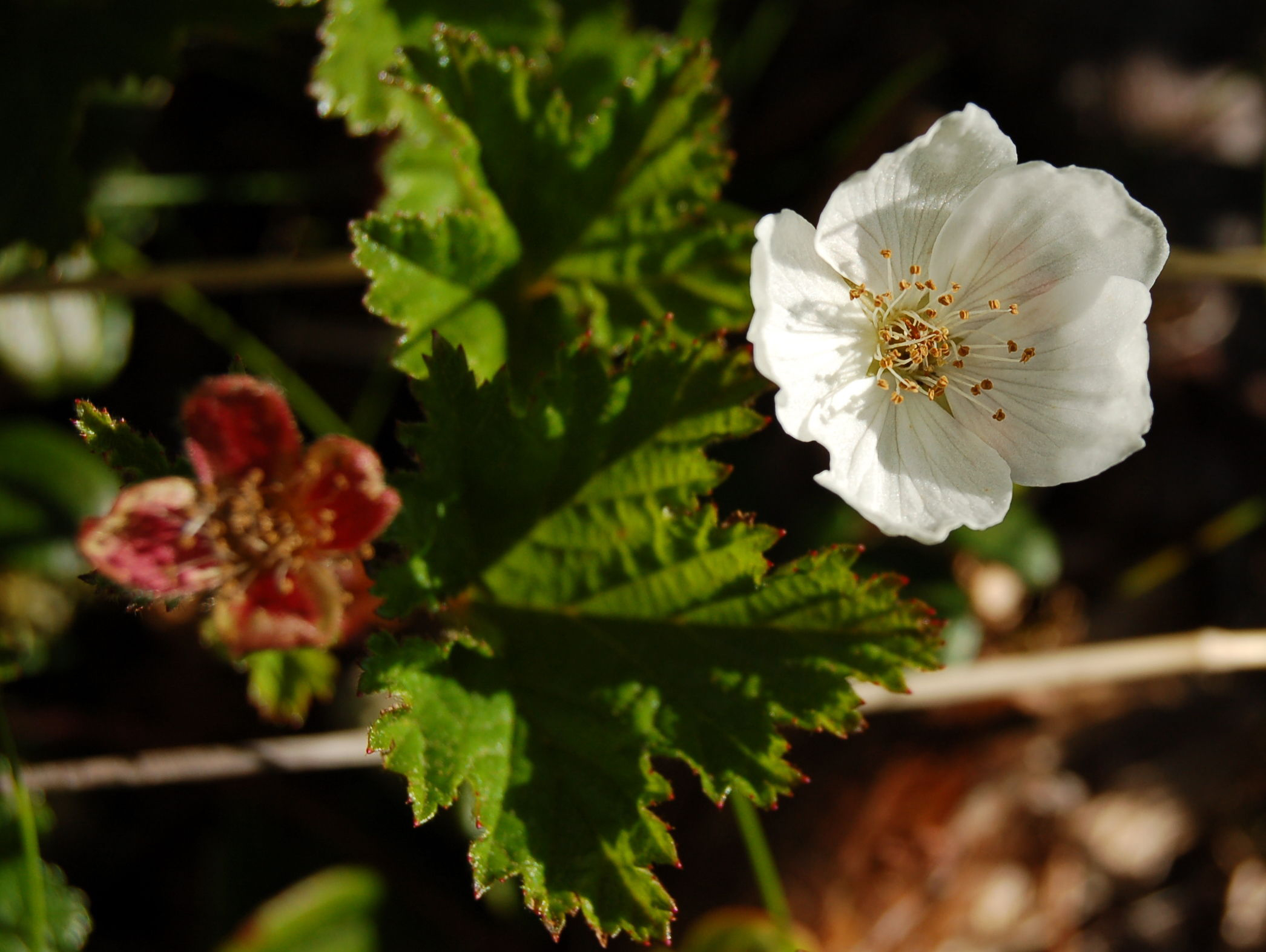
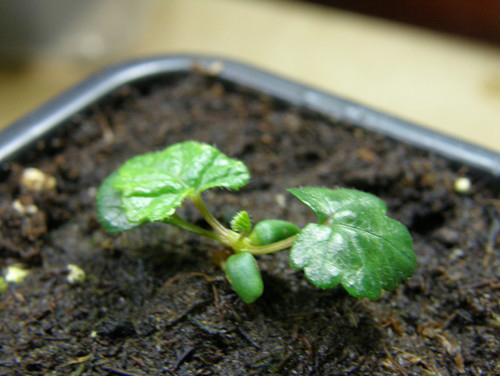
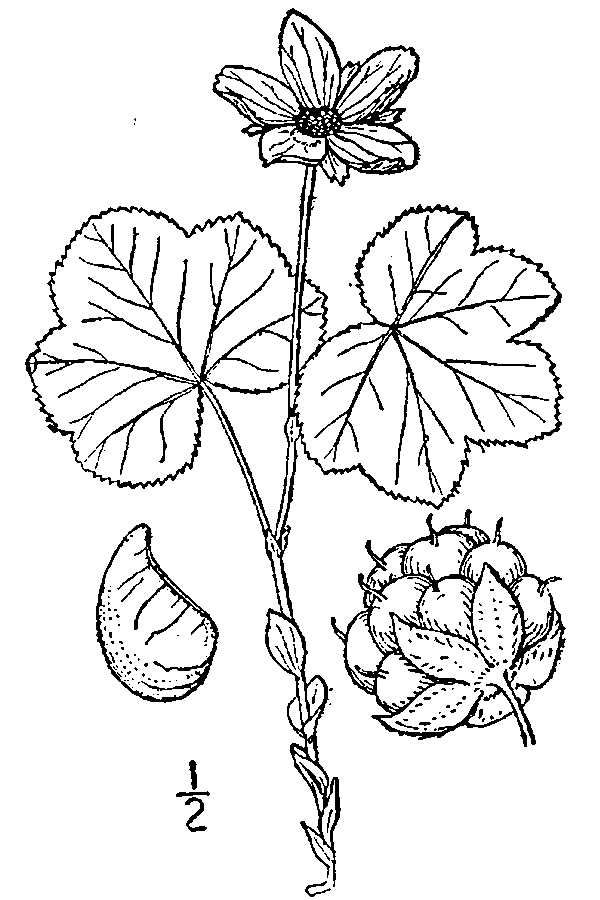
Cloudberry is a small plant with 5-20 cm high stem and leaves measuring of 3-7 cm long and 2-5 cm across. Stems are erect, simple and woody with pubscent leaves that have sparse and short glandular hairs. The alternate leaves have 3-6 cm petiole which are pubescent and possess short and glandular hairs in young. Leaves are pubescent, oblong, 5-10 × 4-7 mm in size and are brownish in color. It has orbicular or reniform, abaxially pubscent and is 4 to 9 cm in diameter. The inflorescences are terminal, one flowered and 3.5-6 cm pedicle. It has unisexual flowers measuring 2-3 cm in diameter having staminate larger than pistillate. The abaxially pubscent calyx and 1.5-2 mm tube. It has 4 or 5 sepals, erect, oblong and is 0.8–1.2 cm × 4–6 mm in size. The stamens are shorter in comparison to petals. Fruit is orange to red that becomes yellowish brown. It is glabrous, subglobose, 1 cm in diameter.
Health Benefits of Cloudberry
Coming Soon
Traditional uses
- Leaves are used for the preparation of herbal tea.
- In Scandinavian herbal medicine, it is used to the treatment of urinary tract infections.
- The fruits are believed to treat hypo-vitaminosis C.
- Due to rich content of Vitamin C and Vitamin A, it helps to maintain immune system as it promotes white blood cells.
- It counteracts free radicals in the body.
- It slows down aging and prevents the breakdown of eyes and skin.
- It also promotes the circulation of blood as well as red blood cells production.
- It promotes urination with the elimination of toxins.
- It assist in alleviation of cramping, constipation, bloating and digestive conditions such as gastric.
- The root decoction is used by barren women to become pregnant.
- Roots are also used for treating fevers and coughs.
- It is used for the prevention of osteoporosis.
Precautions
- Allergic people should not use it.
- If allergic reaction occurs then discontinue to use and consult the doctor immediately.
How to Eat
- It could be made into juice, jams, liqueurs and tarts.
- Cloudberries are used in Sweden as toppings for pancakes, ice cream and waffles.
- In Norway, these berries are mixed with sugar and whipped cream and are served as a dessert named Multekrem.
- In Canada, Labrador and Newfoundland, it is used to make jam or Bakeapple Pie.
- In Nordia, Cloudberry is used to make traditional liqueurs known as Lakkalikööri.
- It is also used in preserves and pies.
- The leaves are used as a substitute for tea.
- It is consumed as a fresh fruit.
Other Facts
The leaves of Cloudberry are a food for caterpillars and moth.
References:
https://www.itis.gov/servlet/SingleRpt/SingleRpt?search_topic=TSN&search_value=24850#null
https://npgsweb.ars-grin.gov/gringlobal/taxonomydetail.aspx?id=32286
http://www.pfaf.org/user/Plant.aspx?LatinName=rubus+chamaemorus
https://simple.wikipedia.org/wiki/Cloudberry
http://www.deplicque.net/the-history-of-the-cloudberry.html
https://hort.purdue.edu/newcrop/CropFactSheets/cloud_berry.html
https://www.uaf.edu/files/ces/publications-db/catalog/hec/FNH-00108.pdf
http://www.herbs2000.com/herbs/herbs_cloudberry.htm
http://articles.mercola.com/herbs-spices/cloudberry.aspx
http://www.herbalpedia.com/cloudberry.pdf
http://wikiwel.com/wikihealing/index.php?title=Cloudberry
https://www.organicfacts.net/health-benefits/fruit/cloudberry.html
Comments
comments