

[php snippet=1]
Asthma, a condition that occurs in both adults and children capable of leading to a serious life-threatening situation as it involves the blockage of the airway of the lungs by extra mucus. Asthma is also called bronchial asthma, as it affects over 1.5million persons per year, it is treatable by medical professionals which require a proper diagnosis before treatment can commence.
This medical condition could be minor or chronic which may last for years or it could be lifelong. Asthma is a serious disease that may lead to death if not treated properly, a large study had shown that most people that died of asthma were diagnosed with mild asthma.
Causes and Risk Factors of Asthma
Asthma has no actual cause but is defined by the inflammation of the airways that allow for air into and out of the lungs. While there is a chance of having this disease due to allergies, it does not translate to genetic predisposition. Genes do not give asthma, it only transfers allergies from parents to offspring.
Allergies and asthma may be similar in that allergies are triggers for asthma. Asthma is not genetic, there are various triggers of asthma, they stimulate the bronchitis inflammation: allergies – dust mites, smoke, cold air, animal fur are all stimulants of asthma under allergies, infections, medications, smoking, heartburn, and exercise.
The major classification of asthma is mild and persistent. The mild intermittent; mild persistent; moderate persistent; and severe persistent. Although there are a couple of things that could skyrocket the chances of asthma in any person, it does not in any way guarantee asthma. The risk factors of Asthma are;
- Obesity – overweight individuals stand at a risk of facing asthma
- Having a blood relative that has asthma
- Smoking – being a smoker or second-hand smoking (in areas of high pollution) considerably increases the chances of asthma.
- Having another allergy
- Can food trigger asthma? Yes, actually it can. Some of these foods are – Eggs, Peanuts, Wheat, Soy, Fish, Salad.
Currently, inhalers are the most common and effective treatments used for asthma attacks. They are lightweight and when used can lead to very quick relieves. So, is using an asthma inhaler safe?
Is an Asthma Inhaler Safe for Use?
Asthma inhalers are very safe for adults and children to use. However, some may have some side-effects. To avoid or minimize these side-effects, contact your doctor before getting an inhaler. Your doctor will prescribe an inhaler with a dose that will cause the lowest side-effects.
Side-Effects of Using Inhalers
Inhalers may be the best invention for asthma patients, but it is not without its side-effects. These side-effects are usually mild and short-lived. You should tell your doctor if any of the following side-effects become severe or don’t go away:
- Coughing
- A headache
- Irritation in the throat or Thrush
- Muscle or bone pain
- Nausea
- Nervousness
- Vigorous shaking of a part of the body
- Vomiting
What Happens When You Use Too Much?
Sometimes, when the attacks are severe, we may feel the urge to take more puffs from an inhaler than a doctor has prescribed. Taking too much from an inhaler is harmful. The amount that was taken and the type of inhaler also determines to a large extent the effects that will be felt.
If you take too many puffs of your inhaler, you may have a fast heartbeat, feel shaky or have a headache. You may also have increased acid in the blood, which may cause an increased rate of breathing.
What are the Types of Asthma Inhalers?
There are a number of very effective inhalers, of course with the aid of a medical professional to walk you through the best possible options that you could choose from –
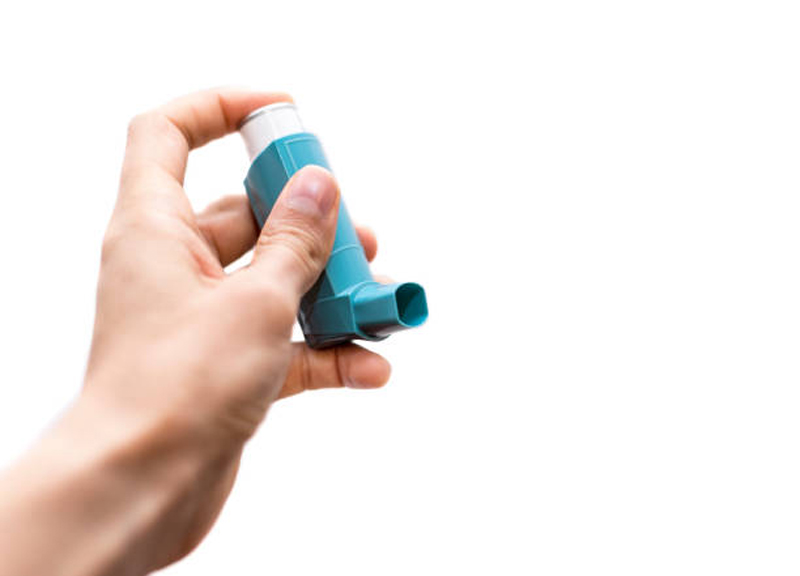
- Metered Dose Inhalers (MDI): These inhalers majorly involve pushing a canister to release medication into the boot-shaped mouthpiece while others release the medication immediately you inhale through the mouthpiece without pushing a canister. This administers the medication a prescribed number of puffs but with a spacer, it is possible to inhale the full dose.
Infants and young children unable to use the standard metered dose inhaler are provided with other alternatives – a device that has a spacer with a face mask, although, the MDI become difficult to carry about when it has a spacer attached to it, unlike the standard MDI.
- Dry Powder Inhalers: Unlike the MDI, there are no canisters in the DPIs, no requirement for a spacer and very easy to carry about, the medication is released to the lungs through rapid deep breaths after intake of the medication accidentally breathing out can cause the medication to blow away. This inhaler should be kept in a cool and dry place as high humidity can result in the clumping of the medication.
- Ventolin Asthma Evohaler: This is a device that easily relieves asthma symptoms. It contains an ingredient known as salbutamol sulfate which belongs to a group of fast-acting bronchodilators. The constituent of this inhaler makes it a lot easier for air to move in and out of the lungs.
- Nebulizers: A nebulizer is a device that converts the asthma medication to a fine mist. Nebulizers are designed to be worn over the nose and release medication whenever the child inhales. The nebulizers release large doses of medication at once.
- Respimat Soft Mist Inhaler: Soft Mist inhalers represent a new category of inhaler devices. It is a novel, multi-dose, propellant-free, hand-held liquid inhaler. These devices are currently being tested before an FDA approval can be issued.
These different types of inhalers work differently – some faster than others, but that doesn’t make it the best type of inhaler. The best inhaler you can get would be after a meeting with the doctor. Your condition and other medical factors will determine the best inhaler for you.
Inhalers are used to control symptoms of asthma and other lung diseases, but they do not cure them. You should not stop taking your medication or using your inhaler without first talking to your doctor.