Health Benefits
    Facebook Twitter Instagram
    Friday, December 5
    Facebook Twitter Pinterest
    Health Benefits
    • Home
    • Dental Health
    • Mental Health
    • Weight Loss
    • Health Wiki
    • Nutrition
    • Healthy Recipe
    • BMI Calculator
    Health Benefits
    Home»Herbs and Spices»Facts about Velvet Leaf
    Herbs and Spices

    Facts about Velvet Leaf

    By SylviaMarch 24, 2019Updated:March 24, 2019No Comments7 Mins Read
    Facebook Twitter Pinterest LinkedIn Tumblr Email

    Facts about Velvet Leaf

    Abutilon theophrasti, Velvet leaf or Chinese jute is an annual plant of the genus Abutilon Mill. belonging to Malvaceae (Mallow family).  The plant is native to Mediterranean or to a wider area including temperate Asian and European countries. It is cultivated and occasionally naturalized in Europe, Asia, America and Australia. In Malesia only recorded in Indonesia (Sumatra, Java, Sumbawa and Sulawesi). The plant has got several common names including Abutilon-hemp, Abutilon hemp, American jute, American velvet leaf, Butter print, Butter print velvetleaf, Butterweed, China-jute, Ching ma jute, Ching ma lantern, Cotton weed, Flower of an hour, Indian hemp, Indian-mallow, King ma jute, Pie maker, Swamp Chinese lantern, Tientsin-jute, Velvetleaf, Velvet weed, Velvet-leaved jute, Wild cotton, Button weed, Velvetleaf Indian mallow and Velvet leaf abutilon. Roots, seeds and leaves of abutilon theophrasti are considered important herbs in traditional Chinese medicine (CTM).

    Its common name comes from the soft leaves which are covered in short hairs, making a velvety feel. Also known as butter print and China jute, A. theophrasti comes originally from India and tropical Asia and is in the mallow family (Malvaceae). It is a rather tall and lanky plant with large leaves. It is easy to identify because there is really nothing else in our area that resembles it. It is considered to be a noxious weed in several states, including Colorado, Iowa, Oregon and Washington.

    Plant Description

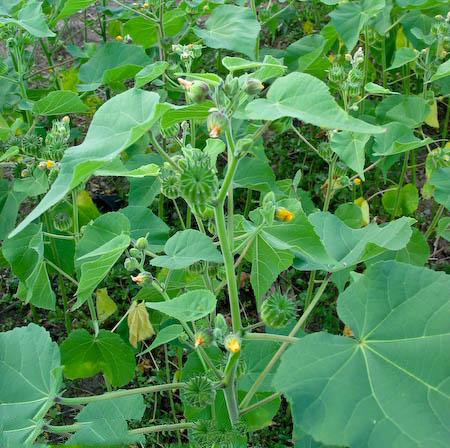
    Velvet Leaf is an erect, herbaceous, annual sub shrub-like herb that grows up to 8 feet tall, but most plants are in the 2-4 foot tall range. The plant is found growing in wasteland, vacant lots, gardens and cultivated fields, especially maize and soybean fields, along fence rows, abandoned fields, construction sites, roadsides, ditches, hillside slopes, riverbanks, disturbed areas, and crop fields. Normally the plant prefers sandy, loamy and clay soils and requires well-drained soil. The plant prefers acid, neutral and basic soils and can grow in very alkaline soil. It requires dry or moist soil. The plant has erect stems that are much branched in the upper part. The surface of the stem is smooth with short velvety hairs. The stem and twigs are covered with fine hairs.

    Leaves

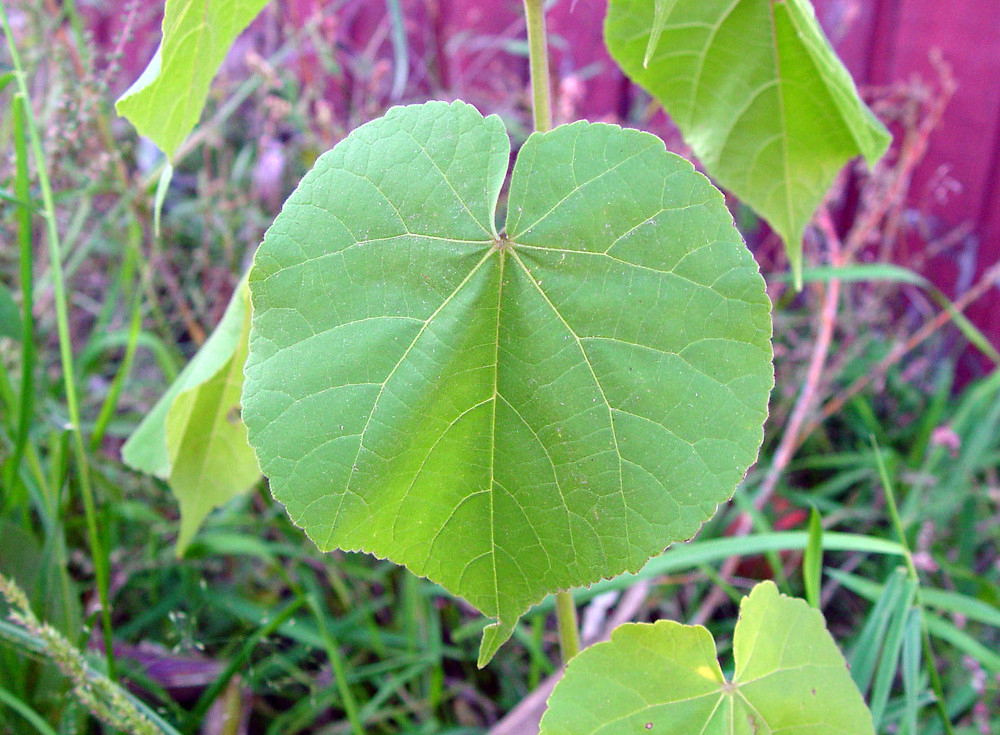
    Sixteen to sixty-three leaves per plant are alternately produced with long petioles, and a broadly heart-shaped blade. The width of the leaf blade is 7-20 cm and the leaf area ranges from 300 to 470 cm. it has a distinct odor when crushed. All parts of the plants except the petals are covered with short, dense velvety hairs.

    Flower

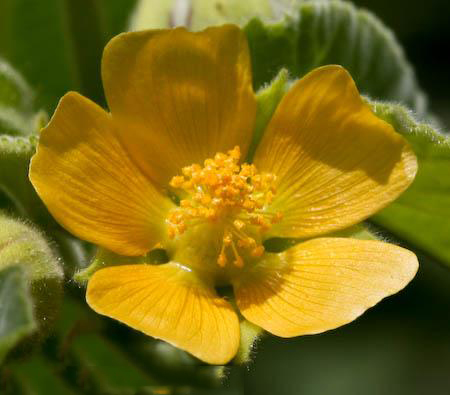
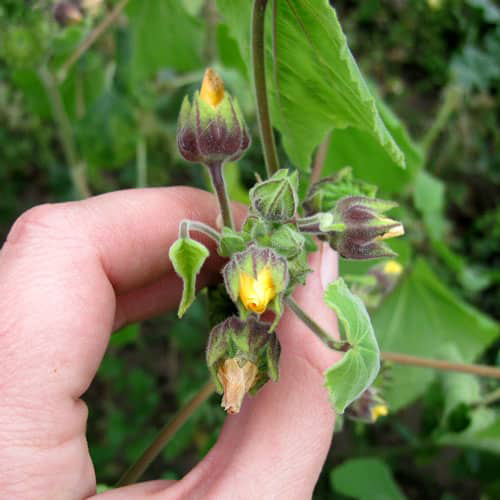
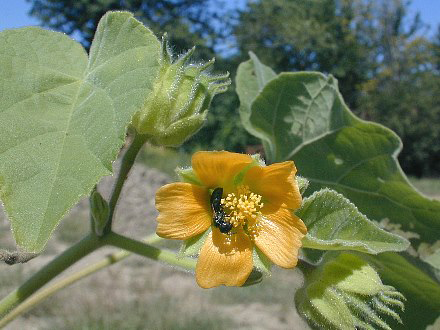
    Short-stalked flowers are borne singly or in clusters at the leaf axils. The mellow, orange-yellow flowers are about ½ to ¾ inch across with 5 squarish petals and a dense cluster of orange colored stamens and styles at the center. Calyx has five lance-like lobes about ¾ the length of the petals. The calyx surfaces and flower stalks are densely hairy. Flowering normally takes place from July to August.

    Fruit

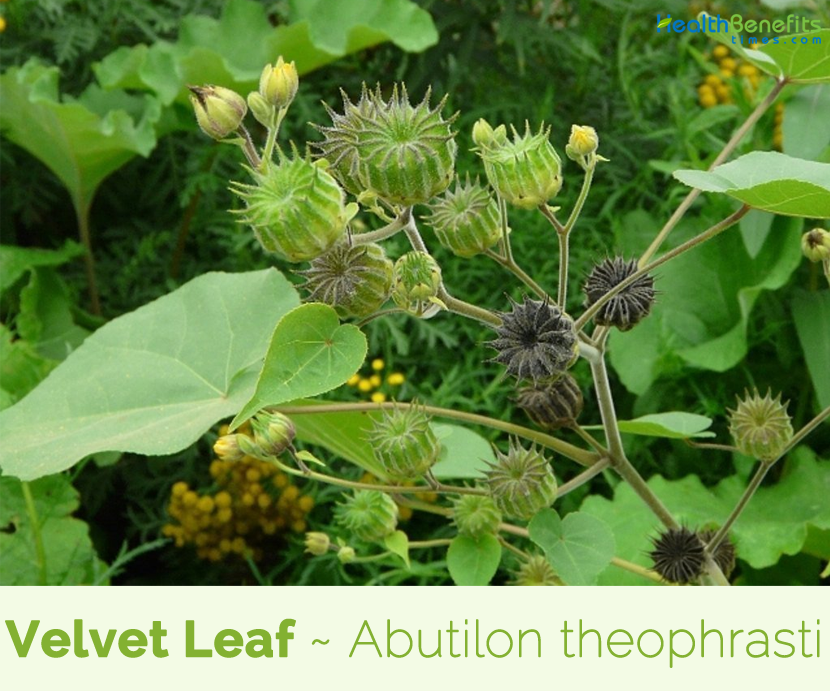
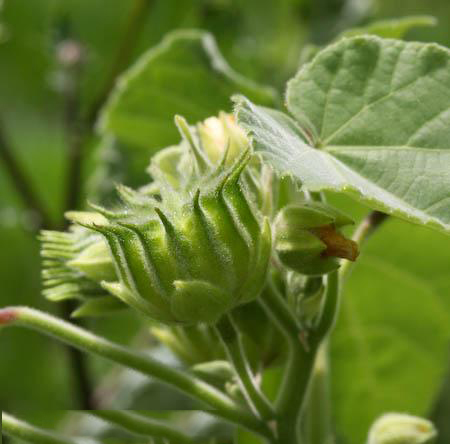
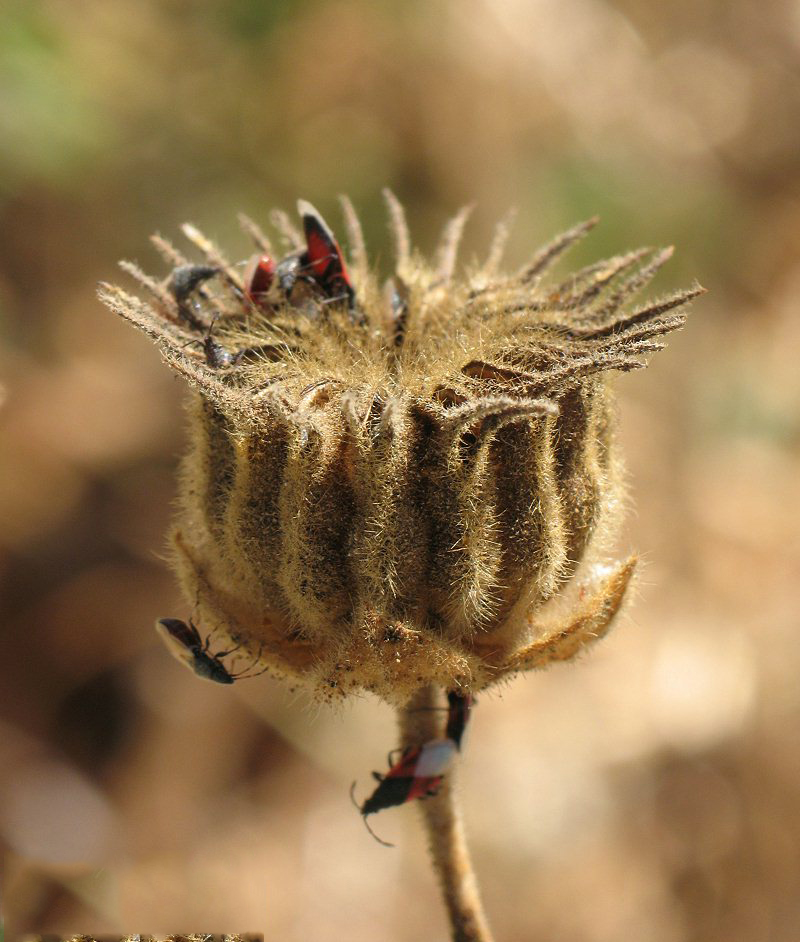
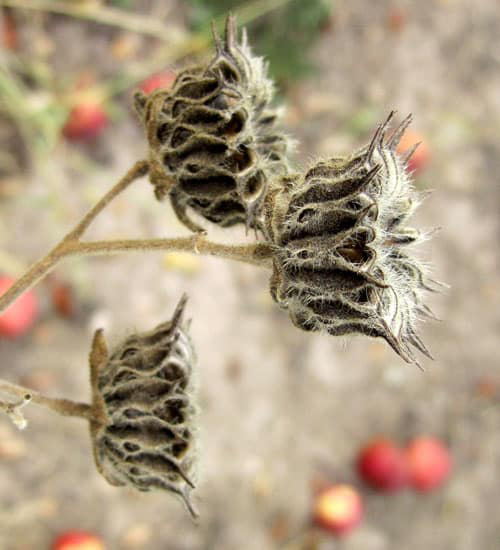
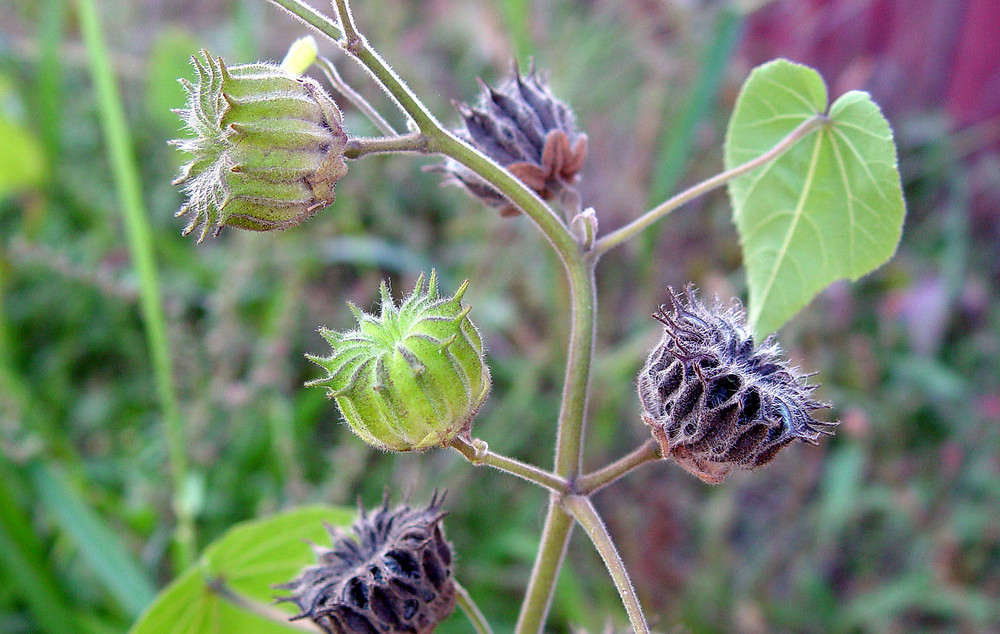
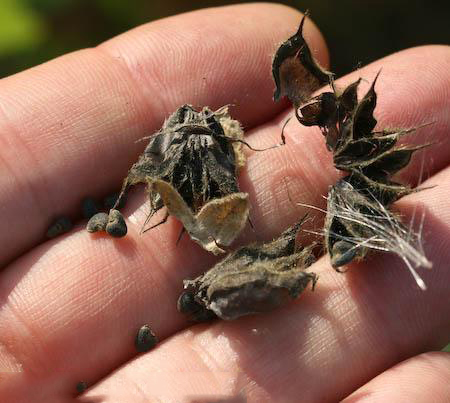
    Fertile flowers are followed by thick, round button-like seed pods or capsules, made up of 12 to 15 seed compartments (carpels) about 1.3-2.5 cm long and 2.5 cm wide, each with a sharp spiny beak at its outer tip, and densely covered in velvety hairs. Each compartment contains up to 15 seeds. A mature plant can produce 17,000 seeds. Seeds can remain viable in the soil for over 50 years.

    Seed

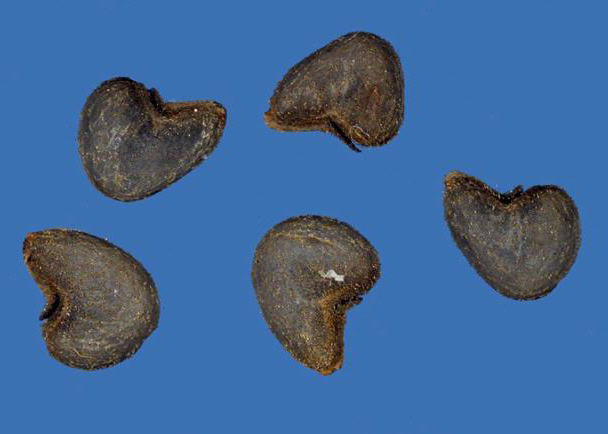
    Seeds are kidney-shaped to nearly triangular in outline, prominently notched along margin where hilum occurs, compressed (thickened along the margin opposite the hilum and usually with a rounded, concave area on each face, creating a bilobed cross-section), 2- 4 mm long, 2.2–3.2 mm wide and 1.5–1.9 mm thick. Surface is dull, purplish-gray to brown or black, minutely honeycombed, typically sparsely covered (thicker around notch) with tiny branched hairs with orangish bases.

    Velvet Leaf Image Gallery
    Leaf-of-Velvet Leaf -plant Leaf-of-Velvet Leaf -plant
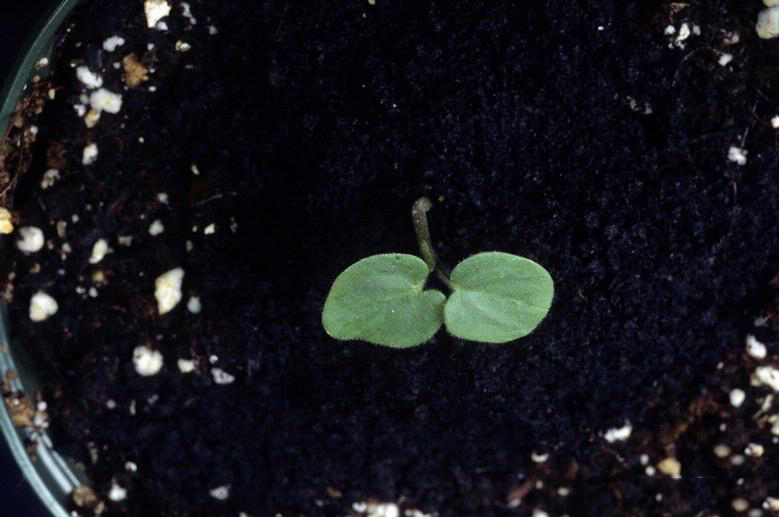
    Young-Velvet Leaf -Plant Young-Velvet Leaf -Plant
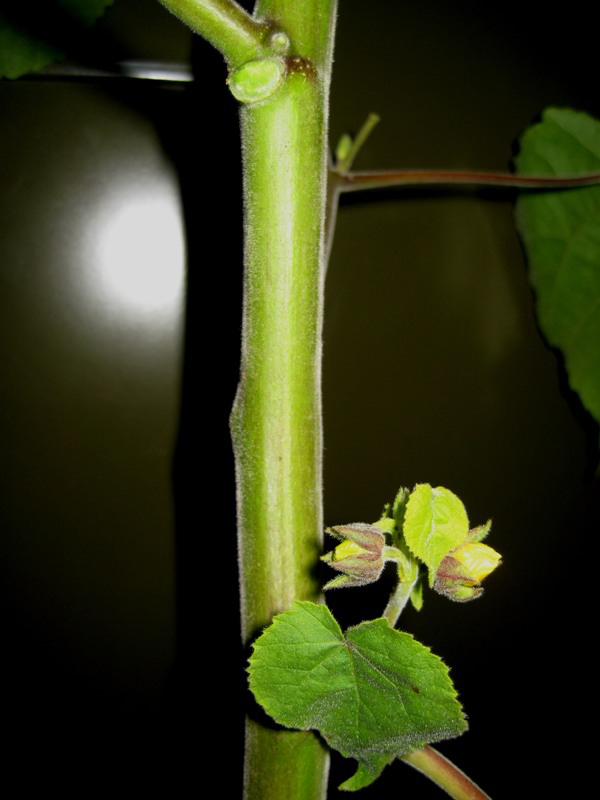
    Stem-of-Velvet Leaf -plant Stem-of-Velvet Leaf -plant
    Small-saplings-of-Velvet Leaf -plant Small-saplings-of-Velvet Leaf -plant
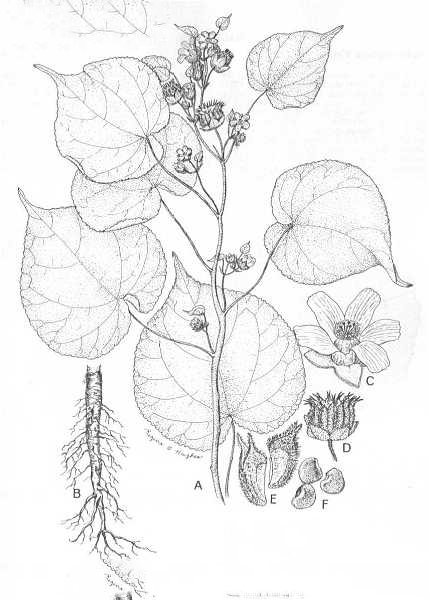
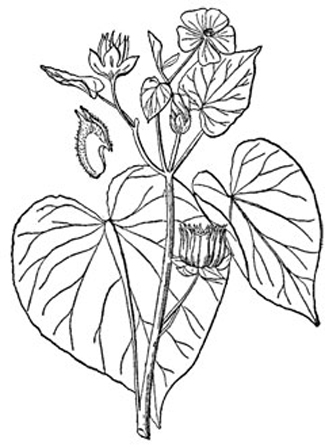
    Sketch-of-Velvet Leaf -plant Sketch-of-Velvet Leaf -plant
    Seeds-of-Velvet Leaf -plant Seeds-of-Velvet Leaf -plant
    Ripe-seed-pod-broken-apart-to-show-the-seeds Ripe-seed-pod-broken-apart-to-show-the-seeds
    Ripe-and-unripe-fruits-of-Velvet Leaf -plant Ripe-and-unripe-fruits-of-Velvet Leaf -plant
    Plant-Illustration-of-Velvet Leaf -plant Plant-Illustration-of-Velvet Leaf -plant
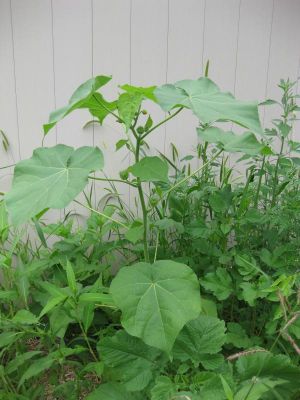
    Velvet Leaf -Plant Velvet Leaf -Plant
    Fruits-of-Velvet Leaf Plant Fruits-of-Velvet Leaf Plant
    Flower-of-Velvet Leaf -plant Flower-of-Velvet Leaf -plant
    Flowering-buds-of-Velvet Leaf -plant Flowering-buds-of-Velvet Leaf -plant
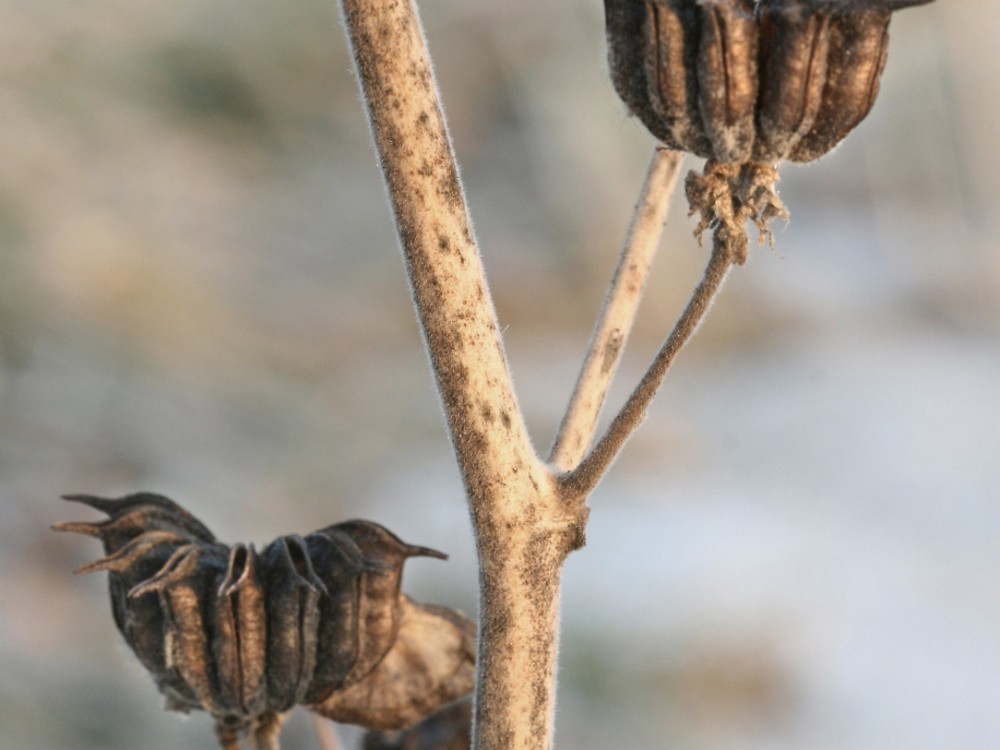
    Dried-stem-of-Velvet Leaf -plant Dried-stem-of-Velvet Leaf -plant
    Closer-view-of-mature-fruits-of-Velvet Leaf -plant Closer-view-of-mature-fruits-of-Velvet Leaf -plant
    Closer-view-of-immature-fruit-of-Velvet Leaf -plant Closer-view-of-immature-fruit-of-Velvet Leaf -plant
    Closer-view-of-flower-of-Velvet Leaf -plant Closer-view-of-flower-of-Velvet Leaf -plant
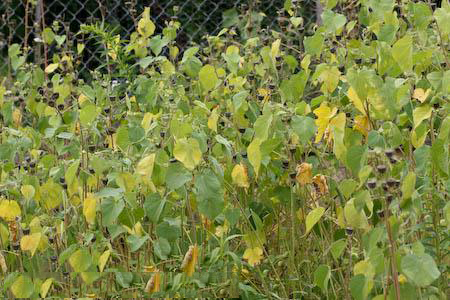
    Velvet Leaf -Plant-growing-wild Velvet Leaf -Plant-growing-wild
    Traditional uses and benefits of Velvet Leaf

    • It is used in the treatment of dysentery and opacity of the cornea.
    • Leaves consist of 0.01% rutin and are used as a demulcent.
    • Tea made from the dried leaves is used in the treatment of dysentery and fevers.
    • Poultice of the leaves is applied to ulcers.
    • The bark is astringent and diuretic.
    • Tea made from the dried root is used in the treatment of dysentery and urinary incontinence.
    • It is also used to treat fevers.
    • Seed is powdered and eaten in the treatment of dysentery, stomach-aches etc.
    • It is demulcent, diuretic, emollient, laxative and stomachic.
    • It is an herbal treatment for Fever and Diarrhea.
    • It is a good herbal treatment with the ophthalmic attribute.
    • It helps in curing Eye related ailments like Cataract.
    • It is effective in curing digestive ailments and helps in increasing one’s Appetite. It is also helpful in treating Stomach pain and Loose Motions.
    • It acts an astringent; therefore it is effective in ceasing the oozing of blood from cuts.
    • It softens the skin and heals cuts and bruises. It has sanitizing properties, helping in keeping things clean and hygienic.
    • It is an effective pain killer. It is beneficial in relieving inflammation and swelling.
    • It is a good herbal remedy for improving the urine flow and bowel movement. Thus, it helps in proper expulsion of toxins from the human body.

    Culinary uses

    • Seeds can be consumed raw or cooked.
    • They can be eaten raw when they are under-ripe.
    • Ripe seed is dried and ground into a powder then used in soups, bread etc.

    Other Facts

    • Fiber obtained from the stems is used as a jute substitute.
    • It is coarse but flexible and strong.
    • It is also used in rope-making.
    • It takes dyes well.
    • Fiber is also used for making paper; the stems are harvested in the summer, the leaves removed and the stems steamed in order to remove the fibers.
    • Seeds contain about 19% of semi-drying oil.
    • Bast fiber of China Jute was used to make rope, cordage, bags, coarse cloth, fishing nets and paper stock, and for caulking boats, in China since 2000 B.C.
    • Velvet Leaf is also used in paper making and for caulking.
    • In a pinch, the soft leaves can be used as a toilet paper substitute.
    • It is a source of semi-wet oil which is used in making soaps, polish.
    • Each plant produces 700 to 17,000 viable seeds.
    • Seeds can remain viable in soil for over 50 years.

    Prevention and Control

    Cultural Control

    Sato et al. (2000) noted that a living mulch of Italian ryegrass reduced yield loss in the late spring sowing of maize in Japan. Lueschen and Andersen recommended that intensive tillage could decrease the seed population.

    Mechanical Control

    Hand-pulling can be effective on young seedlings but is impractical in large fields of maize, soybeans and cotton in intensive agriculture. Machine intertillage in row crops is also effective only in relatively small fields.

    Chemical Control

    Effective herbicides include metribuzin, atrazine, 2, 4-D, bentazone, bromoxynil, cyanazine, dicamba, linuron, halosulfuron-methyl and fluthiacet-methyl. However, triazine-resistant biotypes of A. theophrasti have been reported in Maryland, Wisconsin and Minnesota, USA.

    Biological Control

    Niesthrea lousianica, Fusarium lateritium and Colletotrichum coccodes have been considered as potential agents for biological control or mycoherbicides. In field tests, pre-emergence applications of F. lateritium in granular formulation gave 46 and 35% control of A. theophrasti in 1982 and 1983, respectively.

    Integrated Control

    Because A. theophrasti germinates throughout the season, diverse practices are required to sustain effective control of A. theophrasti infestations, including crop rotation, multiple herbicide applications and cultivations. Bussan and Boerboom modeled the integrated management of A. theophrasti in a maize-soybean rotation. Wilt disease or mechanical treatment by inter-row cultivation could reduce the herbicide rate needed to reduce the A. theophrasti seed bank only when initial seed bank density was low.

    Precautions

    • Do not consume during pregnancy and while breast feeding.
    • Person with loose stool problem due to spleen deficiency or cold should take the herb in consultation with a doctor.
    • Excess intake may cause Hallucinations, speech disorders, diplopia and mild excitation.

    References:

    https://www.itis.gov/servlet/SingleRpt/SingleRpt?search_topic=TSN&search_value=21674#null

    https://davesgarden.com/guides/pf/go/792/

    http://www.hear.org/pier/species/abutilon_theophrasti.htm

    https://npgsweb.ars-grin.gov/gringlobal/taxonomydetail.aspx?id=757

    https://pfaf.org/User/Plant.aspx?LatinName=Abutilon+theophrasti

    https://www.cabi.org/ISC/datasheet/1987

    http://www.floracatalana.net/abutilon-theophrasti-medik

    https://plants.usda.gov/core/profile?symbol=ABTH

    http://www.theplantlist.org/tpl1.1/record/kew-2611008

    https://uses.plantnet-project.org/en/Abutilon_theophrasti_(PROSEA)

    78%
    78%
    Awesome

    Comments

    comments

    C Herbs and Spices
    Share. Facebook Twitter Pinterest LinkedIn Tumblr Email
    Previous ArticleFacts about Yellow Rocket cress
    Next Article Essential healthcare equipment for home

    Related Posts

    Uses of Monkey Pitcher plant

    April 16, 2024

    Traditional uses and benefits of Wild Marigold

    March 21, 2024

    Traditional uses and benefits of Drooping fig

    March 12, 2024

    Comments are closed.


    Velvet Leaf Facts

    Velvet Leaf Quick Facts
    Name: Velvet Leaf
    Scientific Name: Abutilon theophrasti Medik
    Origin Mediterranean or to a wider area including temperate Asian and European countries
    Colors Initially light green, but rather quickly turns brown or black as they matures
    Shapes Seed pods or capsules with circular clusters of 12-15 carpels (seed pods) are cup shaped, 1.3-2.5 cm long and 2.5 cm wide, hairy and beaked
    Taste Bitter, Sweet, bland
    Health benefits Beneficial for dysentery, fevers, ulcers, urinary incontinence, urinary incontinence, inflammation, swelling, Cataract, heals Cuts and Bruises
    Name Velvet Leaf
    Scientific Name Abutilon theophrasti Medik
    Native Mediterranean or to a wider area including temperate Asian and European countries. Cultivated and sometimes naturalized in Europe, Asia, America and Australia. In Malesia only recorded in Indonesia (Sumatra, Java, Sumbawa and Sulawesi)
    Common Names Abutilon-hemp, Abutilon hemp, American jute, American velvet leaf,  Butterprint, Butterprint velvetleaf, Butterweed, China-jute, Chingma jute, Chingma lantern, Cotton weed, Flower of an hour, Indian hemp, Indian-mallow, Kingma jute, Pie maker, Swamp Chinese lantern, Tientsin-jute, Velvetleaf, Velvetweed, Velvet-leaved jute, Wild cotton, Buttonweed, Velvetleaf Indian mallow, Velvetleaf abutilon
    Name in Other Languages Arabic:   Abu tilun (ابو طيلون) Abu taylun,  jawt almanshuri (جوت المنشوري)  Jût el manshûri,  shuk alghanam (شوك الغنم)   Shawk el ghanam
    Bosnian: Njemačka loza
    Catalan: Abútilon
    Chinese:   Qing ma,  Qing Ma ZI, Dong Kui ZI, Bai ma,  Tang ma, meng ma (莔麻)
    Croatian: Veliki sljez, Duga konoplja, Duga konopljika, Žuti sljez, Žutošljez, Krstati sljez, Mračnjak
    Danish: Abutilonhamp, Kinajute
    Dutch: Abutilonhennep, Chinese jute, Fluweelblad
    English: Abutilon-hemp, Abutilon hemp, American jute, American velvet leaf,  Butterprint, Butterprint velvetleaf, Butterweed, China-jute, Chingma jute, Chingma lantern, Cotton weed, Flower of an hour, Indian hemp, Indian-mallow, Kingma jute, Pie maker, Swamp Chinese lantern, Tientsin-jute, Velvetleaf, Velvetweed, Velvet-leaved jute, Wild cotton, Buttonweed, Velvetleaf Indian mallow, Velvetleaf abutilon
    French:  Abutilon, Abutilon ordinaire,  Abutilon à pétales jaunes , Abutilon d’Avicenne, Chanvre d’abutilon, Fausse guimauve, Fausse guimauve jaune, Guimauve jaune, Jute de Chine, Jute de Manchourie, Jute de Tien-Tsin, Abutilon de Théophraste
    German: Abutilonhanf, Bastardeibish, Chinajute, Chinesischer Hanf , Chinesische Jute, Lindenblättrige Schönmalve,  Samtpappel,   Schmuckmalve, Schönmalve, Sommer-Schönmalve, Tien-Tsin Jute, Chinesische Samtpappel
    Greek:  Gioúta tis Kínas (γιούτα της Κίνας)
    Italian:  Abutilo ordinario,  Canapa d’abutilon, Canapa d’abutilone,  Juta di Cina, Juta di Tien-Tsin, Malva gialla tessile
    Japanese: Ichibi (イチビ), Kiri asa (キ リアサ), Kusa giri (クサギ), Hinaha giri (ヒ ナハギ リ)
    Portuguese:  Cânhamo de abutilon, Juta da China, Juta de Tien-Tsin, Malvão, falsa juta
    Russian:  Dzhut kitayskiy (джут китайский), Kanatnik teofrasta (Канатник теофраста)
    Serbian: Želudarka, Žuti slez, Lipica
    Slovenian: Baržunovec, Podslnečník Theofrastov, Rumeni slez
    Spanish:  Cáñamo de abutilón,  Malva blanca, Malva de terciopelo, Malva grande, Yute de China, Yute de la China, Yute de Tien-Tsin, Yute de King-Ma, Yute de Ching-Ma
    Swedish:  Lindmalva
    Turkish: Hind keneviri, Mançurya keneviri, Sarı hitmi, Talyun
    Plant Growth Habit Erect, herbaceous, annual subshrub-like herb
    Growing Climates Wasteland, vacant lots, gardens and cultivated fields, especially maize and soybean fields and along fence rows, abandoned fields, construction sites, roadsides, ditches, hillside slopes, riverbanks, disturbed areas, and crop fields
    Soil Prefers sandy, loamy and clay soils and requires well-drained soil. The plant prefers acid, neutral and basic soils and can grow in very alkaline soil. It requires dry or moist soil
    Plant Size Up to 8 feet tall, but most plants are in the 2-4 foot tall range
    Stem Erect, 1-4 m, much branched in the upper part. The surface of the stem is smooth with short velvety hairs
    In Leaf May to October
    Leaf Sixteen to sixty-three leaves per plant are alternately produced with long petioles, and a broadly heart-shaped blade. The width of the leaf blade is 7-20 cm and the leaf area ranges from 300 to 470 cm. it has a distinct odor when crushed
    Flowering season July to August
    Flower Yellow, up to 1 inch (2.5 cm) in diameter, with five petals that are fused at the base. Flowers grow on stalks and are found singly or in clusters where the leaf stalk meets the stem
    Fruit Shape & Size Seed pods or capsules with circular clusters of 12-15 carpels (seed pods) are cup shaped, 1.3-2.5 cm long and 2.5 cm wide, hairy and beaked. Each carpel contains 1-3 seeds
    Fruit Color Initially light green, but rather quickly turns brown or black as they matures. Mature capsules differ in color between plant types.
    Seed Purplish-brown, kidney-shaped, notched, flattened, 1 mm thick and 2-3 mm long
    Propagation By seed
    Taste Bitter, Sweet, bland
    Plant Parts Used Root, leaf, flowers
    Season September to October

    Velvet Leaf Scientific Classification

    Scientific Name: Abutilon theophrasti

    Rank Scientific Name & (Common Name)
    Kingdom Plantae (Plants)
    Subkingdom Tracheobionta (Vascular plants)
    Infrakingdom Streptophyta  (land plants)
    Superdivision Streptophyta  (land plants)
    Division Magnoliophyta (Flowering plants)
    Subdivision Spermatophytina  (spermatophytes, seed plants, phanérogames)
    Class Magnoliopsida (Dicotyledons)
    Subclass Dilleniidae
    Superorder Rosanae
    Order Malvales
    Family Malvaceae (Mallow family)
    Genus Abutilon Mill. (Indian mallow)
    Species Abutilon theophrasti Medik. (velvetleaf)
    Synonyms
    • Abutilon abutilon (L.) Rusby
    • Abutilon abutilon (Linnaeus) Huth
    • Abutilon avicennae Gaertner
    • Abutilon avicennae f. nigrum Skvortsov
    • Abutilon avicennae var. chinense Skvortsov
    • Abutilon behrianum F.Müll.
    • Abutilon commune Oken
    • Abutilon pubescens Moench
    • Abutilon theophrasti var. chinense (Skvortsov) S.Y.Hu
    • Abutilon theophrasti var. nigrum (Skvortsov) S.Y.Hu
    • Abutilon tiliifolium Sweet
    • Abutilon vesicarium Sweet
    • Malva abutilon (L.) E.H.L.Krause
    • Sida abutilifolia Moench
    • Sida abutilifolia Moench ex Steud.
    • Sida abutilon L.
    • Sida tenax Salisb.
    • Sida tiliaefolia Fisch., 1808
    • Sida tiliifolia Fisch.
    • Sida tiliifolia Fisch. ex DC.
    • Side abutila St.Lag.
    Categories
    • Beverages (78)
    • Dairy (28)
    • Dental Health (15)
    • Equipment (5)
    • Essential OIls (196)
    • Facts (2,939)
    • Foods (255)
    • Fruits (516)
    • Giveaway (1)
    • Grains and Cereals (36)
    • Health & Beauty (763)
    • Herbs and Spices (1,249)
    • Medicines (9)
    • Mental Health (19)
    • Nutritional value (27)
    • Nuts and seeds (73)
    • Oils (81)
    • Pets (4)
    • Poultry & Seafoods (67)
    • Pulses and Beans (16)
    • Reviews (25)
    • supplement (2)
    • Vegetables (304)
    • Weight Loss (22)

    What is Lupin Bean Flour?

    Science Backed Health Benefits of Durian (Durio zibethinus)

    Science Backed Health Benefits of Feijoa (Pineapple Guava) (Acca sellowiana)

    Science Backed Health Benefits of Gac Fruit (Momordica cochinchinensis)

    Science Backed Health Benefits of Amaranth Leaves (Amaranthus spp)

    Science Backed Health Benefits of Arrowhead (Sagittaria sagittifolia)

    ABOUT
    Home
    About us
    Contact us
    Privacy Policy
    Terms & conditions
    Disclaimer
    Direct Communication
    e-mail: [email protected]
    Gmail: [email protected]
    Whatsapp: +977-9841146511
    Viber: +977-9841146511
    Useful
    Health Wiki
    Nutrition
    Facebook Twitter Pinterest
    © 2025 www.healthbenefitstimes.com All rights reserved.

    Type above and press Enter to search. Press Esc to cancel.

    ×

    Log In

    Forgot Password?

    Not registered yet? Create an Account