

[php snippet=1]
More than 130 million people visit hospital emergency rooms each year according to reports from the medical sector. While some of those visits aren’t classified as true emergencies, many of them are legitimate medical crises that require immediate intervention. For situations in the latter category, emergency departments must be fully prepared to offer proper assistance. Emergency crash carts are crucial components in this regard.
Understanding the Value of Emergency Crash Carts
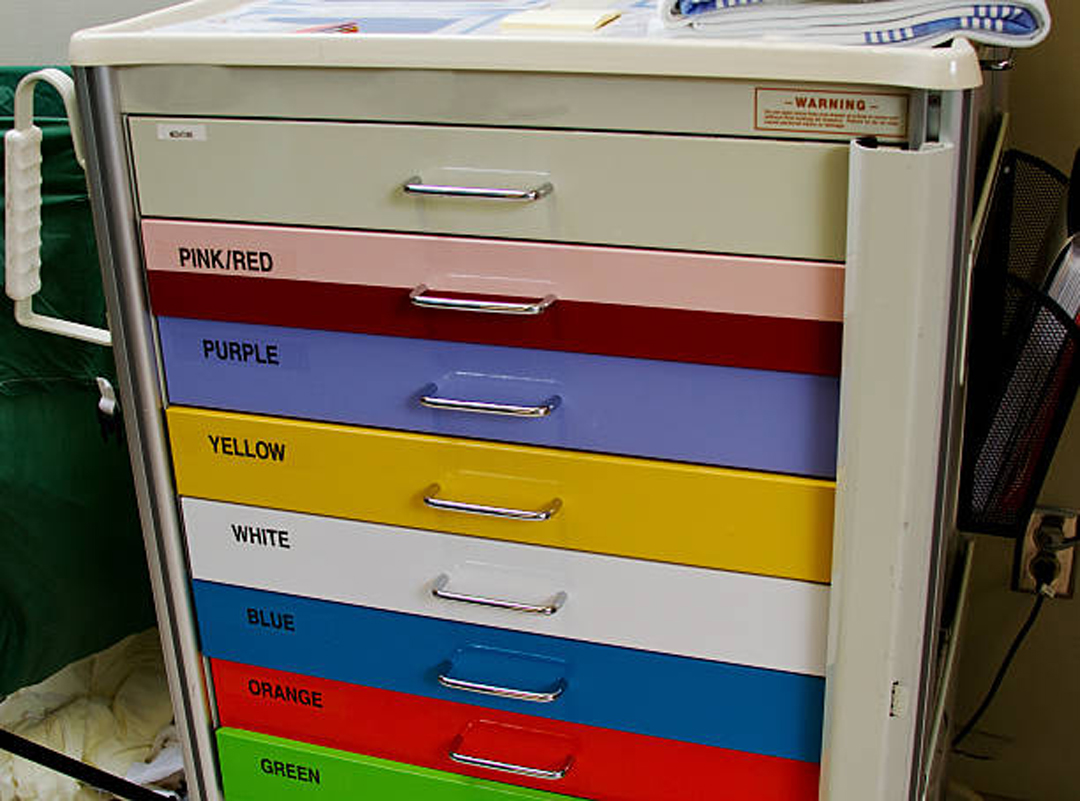
An emergency crash cart is essentially a mobile nerve center for emergency room medical personnel. It’s an inclusive tool designed to house much of the equipment needed to successfully intervene during a medical emergency. Several types of crash carts are on the market, each with a different layout and varying features. For healthcare workers, choosing an ER crash cart that best melds with their unique needs is essential. Equipping it with all the right tools and accessories is equally vital.
Stocking a Crash Cart with the Right Items
Medical emergencies take on numerous forms. From cardiac issues and respiratory problems to broken bones and severe lacerations, any number of issues can arise in hospital emergency departments. It’s not possible to predict exactly which medical needs may come into play at any given time, but it’s certainly possible to be prepared for many potential eventualities. That entails stocking crash carts with the proper equipment and medications to treat a variety of issues.
Regarding Equipment
Equipment is a major aspect of emergency treatment. Several common medical issues are bound to come through emergency departments, making certain types of equipment crucial for crash carts. Among those are tools for starting and maintaining intravenous treatments. That includes alcohol prep wipes, flexible materials for making tourniquets, IV start packs, tubing, saline flush syringes, and saline among other implements.
Additionally, crash carts should be stocked with various equipment designed to treat respiratory issues. Those could include Magill forceps, endotracheal tubes, laryngoscopes, nasal cannulas, Ambu bags, and oxygen masks. For cardiac emergencies, a monitor and defibrillator or AED should be included in standard crash cart equipment. Those are some of the main tools that should be kept in a crash cart, but this isn’t an all-inclusive list by any means.
In Terms of Medications
Having the right tools readily available for emergency treatment is certainly crucial, but an array of basic medications should also be included in a crash cart. Low-dose aspirin and nitroglycerin for potential cardiac emergencies are a couple of the most important. Adenosine for tachycardia and other problems, diltiazem for chest pain and arrhythmia, amiodarone, and procainamide for similar issues should be included in a well-stocked crash cart as well.
At the same time, many experts recommend keeping on hand other medications, like metoprolol for elevated blood pressure, lidocaine, and atropine sulfate. People are bound to visit emergency rooms for extreme allergic reactions, so being prepared for those is also advised. That means stocking crash carts with Benadryl, epinephrine, and other medications for such situations. Furthermore, crash carts should be equipped to handle drug overdoses and a variety of other emergencies.
Covering Patients of All Ages
Being prepared for a full array of emergency medical needs is important, but medical personnel should also keep other factors in mind. Those include the range of patients who visit emergency departments for help. People of all ages and sizes experience emergencies from newborns to the elderly. Because of that, keeping varying doses of medications and different sizes of equipment on hand is advised for those who handle general medical emergencies.
Of course, that concept may not be applicable in all scenarios. Some facilities may only treat the elderly. In such a case, pediatric medications and equipment may not be necessary. On the other hand, pediatric units may not need to stock their crash carts with adult dosages and equipment.
Further, facilities or departments that only handle cardiac emergencies may not need to keep certain allergy medications in their crash carts. Those that deal primarily with respiratory issues may be able to omit cardiac implements. Medical personnel should keep the scope of their treatments in mind when equipping their crash carts.
Maintaining Organization
Keeping crash carts stocked with the proper medications and equipment isn’t the only element to consider. Maintaining organization is also critical. Everything should have a place in a crash cart, and everything should be kept in its designated space. That allows faster, easier access for the personnel who are using the crash cart.
In the field of emergency treatment, a few seconds could mean the difference between saving a life and losing one. Having to search for the necessary tools and medications for treatment could easily translate into those few vital seconds. That’s one of the reasons maintaining organization is so important. Organization can also aid in reducing treatment errors.
Restocking As Needed
On top of those considerations, keeping crash carts fully stocked is likewise essential. As equipment and medications are used, they should be replaced. As part of the process, keeping a crash cart stocked with more than one of each necessary tool and accessory is a general rule of thumb. Still, that’s only one measure needed to foster patient care.
Keeping the right equipment and medications on hand may seem like a simple matter, but it’s not always easy to keep up with. Emergency rooms are often hectic with medical personnel quickly moving from one patient to the next and administering treatments in rapid succession. That makes keeping carts equipped and organized somewhat difficult. As noted, though, keeping up with those aspects could mean the difference between successful treatments and unsuccessful ones.
Setting Up Emergency Departments for Success
Crash carts have become fundamental tools for emergency departments as well as other medical facilities. They’re only as effective as the measures used to maintain them, though. It’s important to stock them with all the right equipment and medications to treat a variety of emergencies. Those could vary depending on the type of facility in question and the medical issues and patients it serves, but the need for inclusiveness, organization, and restocking is universal.