

Blisters are fluid-filled elevations of the skin that can vary in size and severity. They are typically classified based on their size: vesicles are less than 0.5 cm wide, while bullae are larger than 0.5 cm. Blisters can form due to various causes, including friction, burns, infections, and autoimmune disorders. For instance, friction blisters result from excessive frictional trauma, leading to the separation of epidermal cells and fluid accumulation. In the context of fractures, fracture blisters are tense vesicles or bullae that develop on swollen skin overlying a fracture, often within 24-48 hours of injury. Blisters can also be associated with more severe conditions such as autoimmune blistering diseases, where autoantibodies target structural proteins of the skin, leading to blisters and erosions. The fluid within blisters is typically a sterile transudate, although ruptured blisters can become colonized by skin pathogens. Proper management and treatment of blisters depend on their cause and severity, ranging from simple protective measures to more complex medical interventions.
Types of Blisters
Understanding the different types of blisters can help in identifying the underlying cause and determining the appropriate treatment. Here’s a quick guide to the various types of blisters you might encounter, each with its own unique characteristics and causes.
- Autoimmune Blisters
- Fracture Blisters
- Tape Blisters
- Blisters from Wound Dressings
- Friction Blisters
- Epidermolysis Bullosa Blisters
- Infective Blisters
- Drug-Related Blisters
- Physical and Environmental Blisters
- Tire Mark Blisters
- Blood blisters
- Heat blisters
- Cold blisters
- Allergic blisters
- Genetic blisters
Common Causes of Blisters

Blisters can appear suddenly and for various reasons, some of which might be more obvious than others. Understanding the common causes of blisters can help in preventing them and knowing how to treat them effectively. Here’s a rundown of some of the most frequent culprits behind blister formation.
- Infective agents (bacteria, viruses, fungi, infestations)
- Genetic disorders (epidermolysis bullosa, incontinentia pigmenti)
- Autoimmune disorders (pemphigus, bullous pemphigoid, linear IgA bullous dermatoses)
- Inflammatory conditions
- Drug-related causes
- Physical and environmental factors
- Friction
- Wound dressing components
- Burns
- Cold exposure
- Chemical exposure
- Allergic reactions
- Insect bites
Top Herbs for Blisters
Using herbs to care for blisters instead of conventional medication offers several advantages, particularly due to their natural healing properties and accessibility. Medicinal plants such as Aloe Vera and Calendula Officinalis have been shown to significantly reduce pain and accelerate the regeneration of mucocutaneous tissue, thereby speeding up the healing process of superficial skin wounds, including blisters. Additionally, herbs like Chamomile possess antibacterial and healing activities, which can prevent infection and promote faster recovery. Herbal therapy is also a cost-effective alternative, making it a viable option for low-income populations or areas with limited access to healthcare services. While there are concerns about the potential for adverse reactions, such as those observed with certain Chinese herbs, the overall benefits of using herbs for blister care, including reduced economic burden and decreased reliance on pharmaceutical drugs, make them an attractive option for many individuals.
1. Green Tea
Green tea, renowned for its rich antioxidant content, offers potential benefits for managing blisters. The polyphenols in green tea, particularly epigallocatechin gallate (EGCG), possess anti-inflammatory and antimicrobial properties that can aid in reducing swelling and preventing infection in blistered areas. Applying a cooled green tea bag or a diluted green tea solution topically may provide soothing relief and promote faster healing of the skin. Additionally, green tea’s ability to enhance skin regeneration and protect against oxidative stress makes it a valuable natural remedy for skin irritations. While more research is needed to fully understand its efficacy specifically for blisters, the general skin health benefits of green tea make it a promising option for those seeking alternative treatments. As always, it’s important to ensure there are no allergic reactions by testing a small area first and consulting a healthcare provider if necessary.
What Research Says?
- Based on research carried out by The Journal of Nutritional Biochemistry, Green tea catechins and their metabolites are present in skin biopsies and blister fluid after consumption of green tea, indicating their bioavailability in these tissues.
How to Use
For topical application, steep a green tea bag in hot water for a few minutes, then allow it to cool. Once cooled, gently press the tea bag onto the blistered area for about 10 to 15 minutes. This method can help soothe the skin and reduce inflammation due to the tea’s antioxidant properties. Alternatively, you can brew a pot of green tea, let it cool, and use a clean cloth to apply the tea directly to the skin. Drinking green tea regularly can also support overall skin health by providing antioxidants that help combat inflammation from within. Aim to consume 2-3 cups of green tea daily, but ensure it is not too hot to avoid further irritation.
Potential Side Effects of Green Tea
While green tea is generally considered safe for most people when consumed in moderation, excessive intake can lead to several side effects. The caffeine content in green tea can cause issues such as insomnia, anxiety, irritability, nausea, and upset stomach in individuals sensitive to caffeine. Additionally, green tea can increase stomach acid due to its tannin content, potentially leading to digestive problems like acid reflux and constipation.
Who Should Avoid Green Tea
Certain individuals should avoid green tea due to its potential health risks. People with caffeine sensitivity, anxiety disorders, or insomnia may experience exacerbated symptoms from green tea consumption. Those with stomach ulcers or acid reflux should also steer clear, as green tea can increase acidity and worsen these conditions. Pregnant and breastfeeding women are advised to limit their intake due to caffeine’s potential effects on fetal development and infant health. Individuals with bleeding disorders, anemia, or liver disease should consult a healthcare provider before consuming green tea, as it may interfere with blood clotting and iron absorption.
Interaction with Medications
Green tea can interact with various medications, potentially altering their effectiveness. It may reduce the efficacy of blood thinners like warfarin due to its vitamin K content, which can increase blood clotting. Additionally, green tea can interact with certain blood pressure medications, statins, and chemotherapy drugs, potentially leading to increased side effects or reduced drug efficacy. Caffeine in green tea can also interact with medications such as benzodiazepines and beta-blockers, potentially increasing blood pressure and reducing sedative effects.
2. Castor Oil
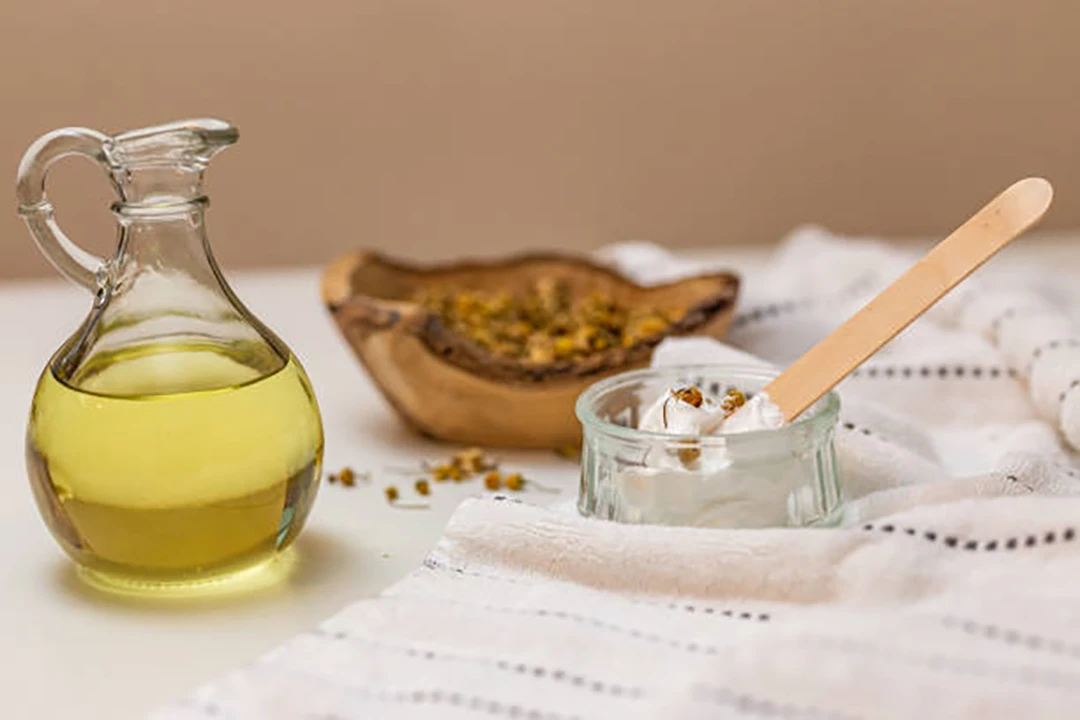
Castor oil, known for its rich emollient properties, can be highly beneficial in treating blisters. Its thick consistency creates a protective barrier over the affected area, helping to keep it moisturized and preventing further irritation. The anti-inflammatory and antimicrobial properties of castor oil can aid in reducing swelling and minimizing the risk of infection, promoting a faster healing process. Applying a small amount of castor oil directly to the blister can soothe discomfort and support skin regeneration. Additionally, castor oil’s ability to penetrate deep into the skin makes it effective in nourishing and repairing damaged tissue. While it is generally safe for topical use, it is advisable to perform a patch test to ensure there are no adverse reactions and consult with a healthcare professional if necessary.
What Research Says?
- As per studies undertaken by Clinical and Experimental Optometry, Castor oil has strong anti-inflammatory, anti-microbial, and wound healing properties, which are beneficial for treating various skin conditions, including blisters.
- According to studies performed by The Ocular Surface, Topical application of castor oil has been shown to significantly improve symptoms and clinical signs in patients with blepharitis, such as reducing eyelid margin thickening and eyelash crusting.
How to Use
To use castor oil for treating blisters, it is best applied topically rather than consumed. Begin by cleaning the affected area gently with mild soap and water, then pat it dry. Apply a small amount of castor oil directly onto the blister using a clean cotton swab or your fingertips, ensuring that the entire area is covered. The oil’s thick consistency will help protect the blister and keep it moisturized, which can aid in the healing process. For best results, cover the treated blister with a sterile bandage to prevent dirt and bacteria from entering. Reapply the castor oil and change the bandage at least once a day until the blister heals.
Potential Side Effects of Castor Oil
Castor oil, while beneficial for various uses, can cause several side effects, particularly when consumed in large quantities. Common gastrointestinal side effects include diarrhea, abdominal cramps, nausea, and vomiting due to its strong laxative properties. These effects can lead to dehydration and electrolyte imbalances if not managed properly. Additionally, some individuals may experience dizziness and low blood pressure.
Who Should Avoid Castor Oil
Certain individuals should avoid using castor oil due to potential health risks. Pregnant women should steer clear of castor oil, as it can induce premature labor by stimulating uterine contractions. People with gastrointestinal conditions such as appendicitis, bowel obstruction, inflammatory bowel disease, or rectal bleeding should also avoid castor oil, as it can exacerbate these conditions.
Interaction with Medications
Castor oil can interact with a variety of medications, potentially altering their effects. It is known to interact with 216 medications, including commonly used drugs like aspirin, lorazepam, and amoxicillin. These interactions are mostly moderate and can affect the efficacy or increase the side effects of the medications involved. For instance, castor oil may decrease the therapeutic efficacy of certain drugs like benzotropine and alfentanil.
FAQs
- Can blisters be prevented, and if so, how?
Yes, blisters can often be prevented by reducing friction, using protective coverings on high-risk areas, and wearing appropriate footwear. Keeping skin moisturized and using barrier creams can also help prevent blisters.
- What are the signs that a blister might be infected?
Signs of an infected blister include increased pain, redness, swelling, warmth around the blister, pus or fluid that is yellow or green, and a fever.
- Is it safe to pop a blister at home?
Generally, it is not recommended to pop a blister, as this can lead to infection. However, if a blister is painful or likely to burst on its own, it should be done carefully with sterilized equipment and proper aftercare.
- How long does it typically take for a blister to heal?
The healing time for a blister depends on its cause and size but generally takes about 1 to 2 weeks. Proper care and avoiding further irritation can speed up the healing process.
- Are there any herbs or natural remedies that should be avoided when treating blisters?
Some natural remedies, like certain Chinese herbs, may cause adverse reactions or interact with medications. It is important to consult with a healthcare provider before using any new herbal treatments.
- Can blisters be a sign of a more serious underlying condition?
Yes, blisters can sometimes indicate underlying conditions such as autoimmune diseases, genetic disorders, or infections. If blisters are persistent, recurrent, or associated with other symptoms, medical advice should be sought.
- What should I do if my blister bursts on its own?
If a blister bursts on its own, it’s important to clean the area with mild soap and water, apply an antibiotic ointment, and cover it with a sterile bandage to prevent infection.
- How does green tea compare to other herbal remedies for blister care?
Green tea is noted for its anti-inflammatory and antioxidant properties, which may help reduce swelling and promote healing. However, its effectiveness compared to other herbal remedies like Aloe Vera or Calendula has not been extensively studied.
- Can castor oil be used for all types of blisters?
Castor oil may be beneficial for many types of blisters due to its moisturizing and protective properties. However, it’s always best to consult a healthcare provider, especially for blisters caused by medical conditions like autoimmune diseases.
- Is it okay to use multiple herbal remedies at once for blister treatment?
While some herbal remedies can be combined, it’s important to ensure they do not interact negatively. Consulting with a healthcare professional before combining treatments is recommended.