

Food additives are substances added to food to preserve flavor, enhance taste, appearance, texture, or other qualities. They can be either natural or synthetic and are used for various purposes such as preserving food from chemical and microbiological attack, improving nutritional value, and enhancing sensory attributes like color and flavor. While food additives offer significant benefits, including increased food safety and extended shelf life, they also pose potential health risks, particularly when used excessively or in toxic forms. The regulatory landscape for food additives varies globally, with strict controls and rigorous safety testing in place to ensure their safe use. However, there is ongoing debate and concern about the long-term health effects of certain additives, especially in vulnerable populations like children. As consumer awareness grows, there is a rising preference for natural additives over synthetic ones, despite the challenges and limitations associated with their use.
Common types of food additives
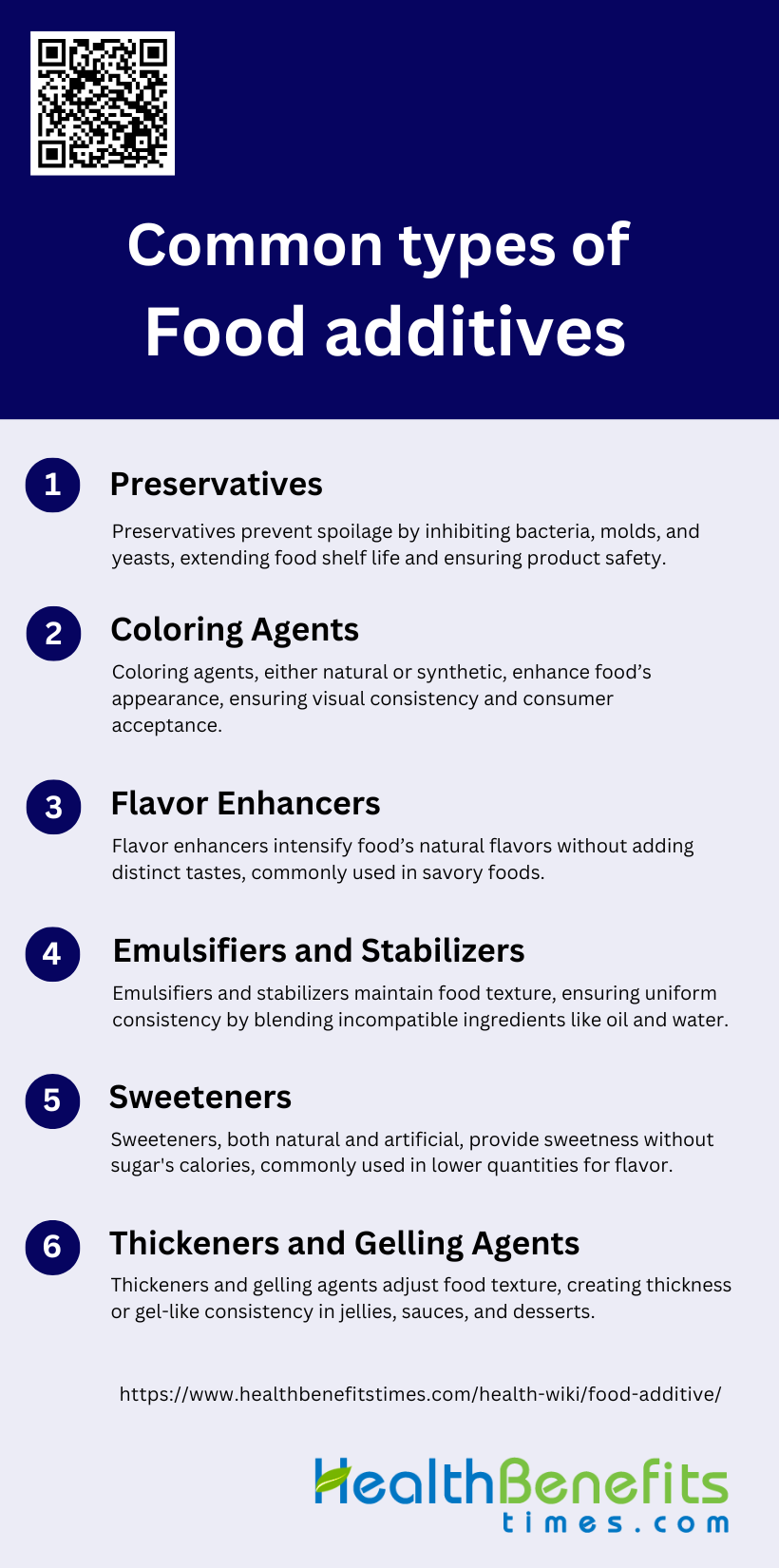
Food additives are substances added to food to enhance its flavor, appearance, texture, or shelf life. They play a crucial role in modern food production, ensuring that products remain safe and appealing to consumers. Below are some common types of food additives:
1. Preservatives
Preservatives are substances added to food to prevent spoilage and extend shelf life by inhibiting the growth of bacteria, molds, and yeasts. Common examples include sodium benzoate and butylated hydroxyanisole (BHA). These additives are crucial for maintaining the safety and quality of food products over time.
2. Coloring Agents
Coloring agents are used to enhance the appearance of food, making it more appealing to consumers. They can be natural or synthetic, with artificial colors like Red 40 and Yellow 5 being widely used. These agents help in maintaining the visual consistency of food products, which is important for consumer acceptance.
3. Flavor Enhancers
Flavor enhancers, such as monosodium glutamate (MSG), are added to food to intensify its natural flavors without adding a distinct taste of their own. These additives are particularly common in savory foods and are used to improve the overall taste experience.
4. Emulsifiers and Stabilizers
Emulsifiers and stabilizers, like lecithin and xanthan gum, are used to maintain the texture and consistency of food products. Emulsifiers help blend ingredients that typically do not mix well, such as oil and water, while stabilizers prevent the separation of ingredients, ensuring a uniform texture.
5. Sweeteners
Sweeteners can be either artificial or natural and are used to provide sweetness to food without the calories of sugar. Artificial sweeteners like aspartame and sucralose are much sweeter than sugar and are used in smaller quantities, while natural sweeteners like stevia are derived from plants and offer a more natural alternative.
6. Thickeners and Gelling Agents
Thickeners and gelling agents, such as gelatin and pectin, are used to alter the texture of food, making it thicker or giving it a gel-like consistency. These additives are essential in products like jellies, sauces, and desserts to achieve the desired mouthfeel and stability.
Purpose of Food Additives
Food additives are used in food production for various reasons, including improving the organoleptic qualities such as color, flavor, appearance, taste, and texture, as well as enhancing the nutritional value and ensuring the safety of the food. They play a crucial role in extending the shelf life of food by acting as preservatives, which prevent microbial spoilage and maintain product consistency. Additives such as antioxidants and antimicrobial agents help in preserving the natural characteristics of food, thereby increasing its shelf value for long-term storage. Additionally, food additives improve the appearance of food by providing color, enhancing flavor, and ensuring a smooth and consistent texture, which makes the food more appealing to consumers. Despite their benefits, it is important to use food additives within regulated limits to avoid potential health risks.
Potential Harmful Effects of Food Additives
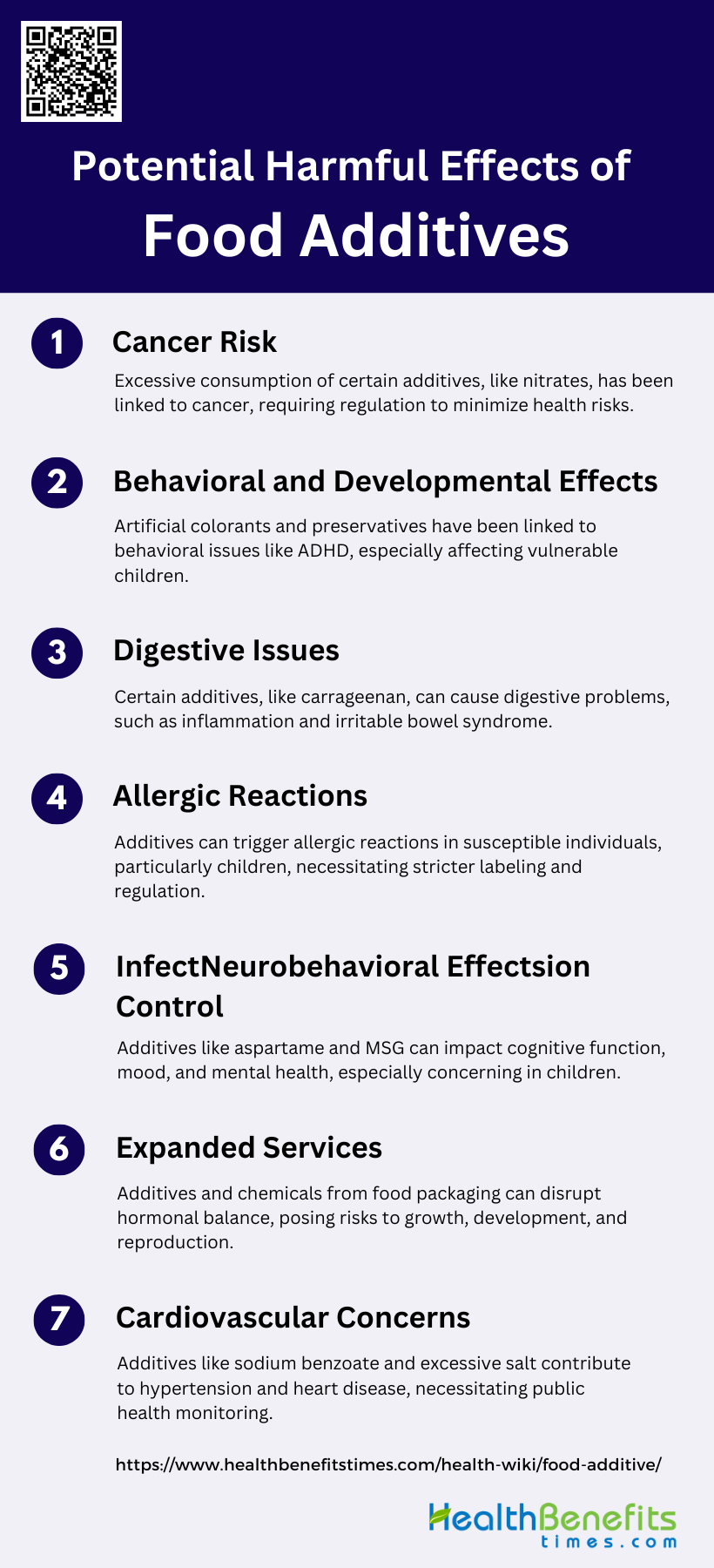
Food additives are substances added to food to enhance flavor, appearance, or shelf life. However, some additives have been linked to significant health risks. Below are some potential harmful effects of food additives:
1. Cancer Risk
Food additives have been linked to an increased risk of cancer, particularly when consumed in amounts exceeding the Acceptable Daily Intake (ADI). Studies have shown that certain artificial colorants and preservatives can contribute to the development of cancerous cells. For instance, nitrates and nitrites, commonly used in processed meats, have been associated with an elevated risk of gastrointestinal cancers. Additionally, some additives like carrageenan have been implicated in promoting inflammation and potentially leading to cancerous changes in the intestines. Therefore, it is crucial to monitor and regulate the intake of these additives to mitigate cancer risks.
2. Behavioral and Developmental Effects
Food additives, especially artificial colorants and preservatives, have been associated with behavioral and developmental issues in children. Research indicates a link between these additives and conditions such as attention deficit hyperactivity disorder (ADHD). Children are particularly vulnerable due to their developing metabolic systems, which can be more sensitive to the adverse effects of these chemicals. The consumption of food additives has been shown to exacerbate symptoms of hyperactivity and inattention, necessitating further investigation and stricter regulatory measures to protect children’s health.
3. Digestive Issues
Certain food additives have been found to cause significant digestive issues, including inflammation, altered gut microbiota, and increased intestinal permeability. Additives like carrageenan and carboxymethylcellulose have been extensively studied for their adverse effects on the intestines, leading to conditions such as irritable bowel syndrome (IBS) and other inflammatory bowel diseases. These additives can disrupt the normal functioning of the digestive system, causing symptoms like bloating, diarrhea, and abdominal pain. Therefore, it is essential to limit the use of such additives in food products to prevent digestive health problems.
4. Allergic Reactions
Food additives are known to trigger allergic reactions in susceptible individuals. Common symptoms include urticaria, eczema, rhinitis, and gastrointestinal disturbances. Artificial colors, sweeteners, and preservatives are often the culprits behind these hypersensitivity reactions. Children, in particular, are at a higher risk of developing allergies due to their lower body weight and higher relative intake of these additives. The prevalence of allergic reactions to food additives underscores the need for better labeling and regulation to protect vulnerable populations.
5. Neurobehavioral Effects
Neurobehavioral effects of food additives have been a growing concern, particularly in relation to cognitive functions and mental health. Studies have shown that additives like aspartame and monosodium glutamate (MSG) can affect neurotransmitter function, potentially leading to mood disorders, headaches, and cognitive impairments. These neurobehavioral effects are especially concerning in children, whose developing brains are more susceptible to chemical exposures. Continued research and stricter regulations are necessary to understand and mitigate these risks.
6. Endocrine Disruption
Endocrine disruption is another significant concern associated with food additives. Chemicals such as bisphenols and phthalates, often found in food packaging, can leach into food and disrupt hormonal balance. These endocrine disruptors can interfere with growth, development, and reproductive health, posing long-term risks to both children and adults. The increasing documentation of endocrine disruption by food additives calls for urgent reforms in regulatory practices to ensure food safety.
7. Cardiovascular Concerns
Certain food additives have been linked to cardiovascular issues, including hypertension and heart disease. Additives like sodium benzoate and high levels of salt and sugar can contribute to elevated blood pressure and other cardiovascular problems. The consumption of these additives in processed foods can lead to an increased risk of heart disease, necessitating public health interventions to reduce their intake. Monitoring and regulating the use of cardiovascular-risk additives is crucial for maintaining heart health and preventing related diseases.
Controversies Surrounding Food Additives
Debates on Safety
The safety of food additives such as monosodium glutamate (MSG) and aspartame has been a subject of ongoing debate. Some studies have shown that these additives can induce adverse effects in animal models. For instance, research has demonstrated that MSG and aspartame can cause significant histopathological changes in the hippocampus and liver of rats, including increased immunoreactivity for GFAP and Caspase 3, elevated levels of TNF-α, and decreased levels of GSH. Additionally, combinations of these additives have been shown to produce neurotoxic effects at dosages considered safe when tested individually. However, other studies have found no clear evidence of widespread public health hazards associated with aspartame, suggesting that adverse reactions may be limited to specific cases. This dichotomy in findings underscores the complexity of assessing the safety of food additives and highlights the need for more focused clinical studies.
Public Perception and Misinformation
Public perception of food additives is often influenced by misinformation and a lack of understanding of scientific risk assessments. Many consumers are skeptical about the safety of food additives, despite rigorous testing and regulatory measures in place to ensure their safety. For example, a study found that informing consumers about the scientific risk assessment of food additives through educational videos significantly improved their knowledge and acceptance of these substances. Myths and misconceptions, such as the belief that all artificial sweeteners cause cancer, persist despite evidence to the contrary. While some studies have suggested a potential link between artificial sweeteners like aspartame and increased cancer risk, these findings are not universally accepted and are often subject to limitations such as potential selection bias and residual confounding. Increasing public literacy about the presence and potential risks of food additives through continuous education and active monitoring can help dispel myths and enable consumers to make informed decisions.
How to Avoid Harmful Food Additives
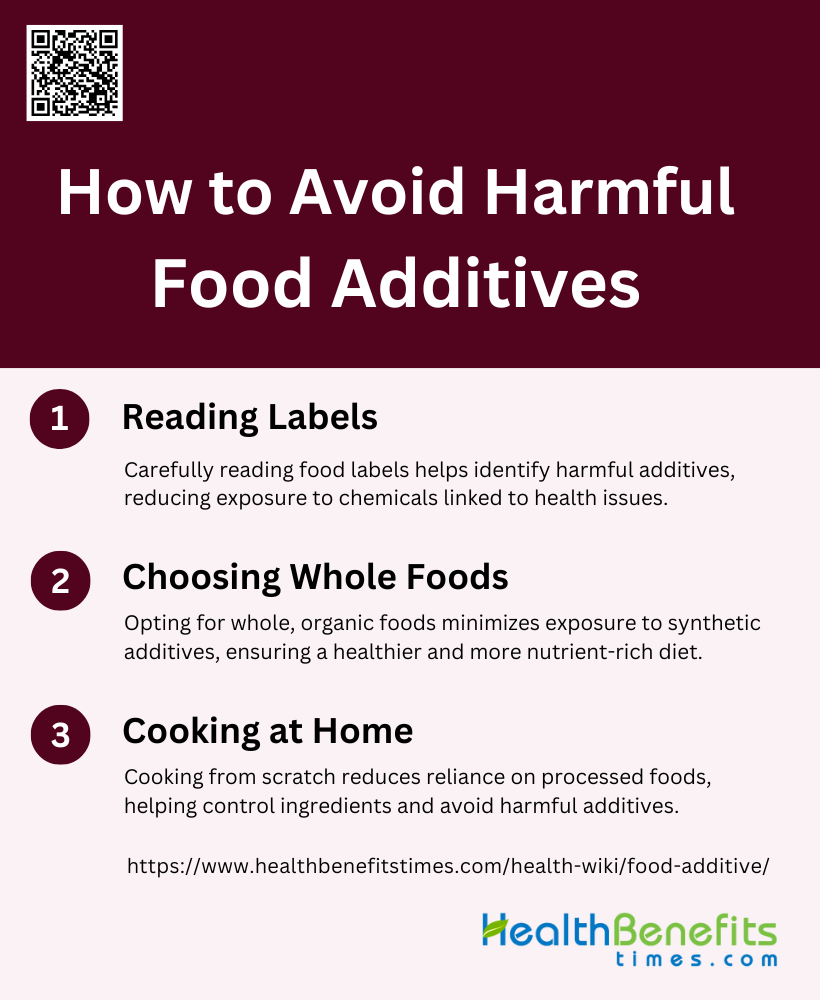
Avoiding harmful food additives is essential for maintaining good health and well-being. By making informed choices about what we eat, we can significantly reduce our exposure to these potentially dangerous substances. Here are some practical steps to help you avoid harmful food additives:
1. Reading Labels
Reading food labels is crucial for identifying and avoiding harmful additives. Labels often list ingredients in descending order by weight, so the first few ingredients are the most significant. Look for common harmful additives such as bisphenols, phthalates, perfluoroalkyl chemicals, and artificial food colors, which have been linked to adverse health effects, especially in children. Nutritional labels can also provide information on calorie content, which can help in making healthier choices. Increasing literacy about food labels through continuous education can significantly reduce the risk of exposure to harmful additives.
2. Choosing Whole Foods
Opting for whole foods can significantly reduce exposure to harmful additives. Whole foods, such as fruits, vegetables, grains, and meats, are minimally processed and free from synthetic chemicals used to enhance flavor, color, or shelf life. Organic options are even better as they are grown without synthetic pesticides and fertilizers, further reducing the risk of exposure to harmful substances. A diet rich in whole foods not only minimizes the intake of potentially harmful additives but also provides essential nutrients that promote overall health and well-being.
3. Cooking at Home
Cooking at home is an effective way to control what goes into your food and reduce exposure to harmful additives. By preparing meals from scratch, you can avoid processed foods that often contain synthetic chemicals and preservatives. Home-cooked meals allow you to use fresh, whole ingredients, ensuring a healthier diet. Encouraging families to cook together can also be a fun and educational activity, promoting better eating habits and awareness of food safety. This practice can be particularly beneficial for children, who are more vulnerable to the negative effects of food additives.
FAQs
1. Are food additives always synthetic, or can they be natural?
Food additives can be both synthetic and natural. Natural additives, such as vinegar or citric acid, are derived from natural sources, while synthetic additives, like artificial coloring agents or preservatives, are created through chemical processes.
2. Are there food additives that can be beneficial to health?
Yes, some food additives can provide health benefits. For example, certain vitamins and minerals are added to food to fortify nutritional value, like vitamin D in milk or folic acid in bread, which helps prevent nutrient deficiencies.
3. How can I know if a food additive is harmful or safe?
Food safety authorities, like the FDA and EFSA, rigorously test food additives before approving them for use. Reading ingredient labels and understanding which additives have controversial safety records can help, but most additives approved by regulatory bodies are considered safe within prescribed limits.
4. Are food additives in organic products different from those in conventional foods?
Yes, organic foods are typically subject to stricter guidelines regarding additives. Only certain natural or minimally processed additives are allowed in certified organic products, and synthetic additives are largely prohibited.
5. Can food additives affect the environment?
Yes, food additives and the processes involved in their production, particularly synthetic ones, can have environmental impacts. The production of artificial additives may involve harmful chemicals that contribute to pollution or require non-renewable resources.
6. What food additives should I avoid during pregnancy?
During pregnancy, it is wise to limit consumption of certain additives, such as artificial sweeteners (like aspartame), nitrates/nitrites, and preservatives (like sodium benzoate). Consulting with a healthcare provider for specific recommendations is advised.
7. Are there any food additives that are illegal in certain countries?
Yes, some food additives are banned in certain countries due to health concerns. For instance, some artificial food colorings and preservatives like potassium bromate are banned in the European Union but are still allowed in other regions like the U.S.
8. Do food additives contribute to antibiotic resistance?
Some studies suggest that additives used in food packaging or processing, like antimicrobial agents, may contribute to antibiotic resistance. However, more research is needed to fully understand this link.
9. Can food additives alter the taste of food in ways we may not notice?
Yes, many additives, such as flavor enhancers like MSG, alter the taste subtly to make food more appealing. These additives can mask the natural flavors of food, which may encourage overeating or reduce awareness of ingredient quality.
10. Are there food additives that interact with medications?
Certain additives, such as sulfites, may interact with medications or exacerbate conditions like asthma. If you are on medication, it’s recommended to check with your doctor or pharmacist regarding possible interactions with food additives.