

| Cinchona Quick Facts | |
|---|---|
| Name: | Cinchona |
| Scientific Name: | Cinchona officinalis |
| Origin | Wet montane forests in Colombia, Ecuador, Peru and Bolivia |
| Shapes | Oblong capsule, 1.5–2 cm. long, ovoid to cylindrical or ellipsoid |
| Taste | Bitter |
| Health benefits | Beneficial for fevers, digestive problems, infections, acute feverish conditions, sore, infected throats, arthritis, sciatica and dysentery |
| Name | Cinchona |
|---|---|
| Scientific Name | Cinchona officinalis |
| Native | Wet montane forests in Colombia, Ecuador, Peru and Bolivia |
| Common Names | Lojabark, Quinine, red cinchona, cinchona bark, JesuitÕs bark, loxa bark, JesuitÕs powder, countess powder, Peruvian bark |
| Name in Other Languages | Arabic: Liha’ shajar alkiina (لحاء شجر الكينا) , alkina almukhzania ( الكينا المخزنية) Azerbaijani: Aptek kinə ağacı Bengali: Ku’inina bākala (কুইনিন বাকল), Sinakōnā aphisinālisa (সিনকোনা অফিসিনালিস) Brazilian Portuguese: Quinquina Chinese: Zhèng jī nà shù (正鸡纳树) Czech: Chinovník lékařský Dutch: Quininebast, kinaboom English: Brown Peru bark, China loxa, Crown bark, Jesuits’ bark, Ledger bark, Lojabark, Loxa bark, Quinine Bark tree, Yellow bark, Yellow cinchona, Crown peru-bark, Quinine tree, red cinchona, cinchona bark, Jesuit’s powder, countess powder, Peruvian bark Finnish: Kiinankuori French: Arbre à quinine, Ecorce brune du Pérou, Quinquina gris, Quinquina officinal, Quinquina gris-brun Galician: Quina German: Chinarinde, Chinarindenbaum Greek: Kiníni Kiníni (Kινήνη Kiní̱ni̱), Kinchóni i farmakeftikí (Κιγχόνη η φαρμακευτική) Hindi: Kunīna (कुनीन), Kunīna vr̥kṣa kī chāla (कुनीन वृक्ष की छाल), Sinakōnā āphisinailisa (सिनकोना आफिसिनैलिस ), Sinakōnā bārka (सिनकोना बार्क) Italian: Chinino, Albero di chinina Japanese: Kinahi (キナ皮) Kannada: Barkina Malayalam: Koyina, Sinkona Netherlands: Kinaboom Polish: Chinowiec lekarski Portuguese: Quinquina Quechua: Kinakina Russian: Tsinkhona lekarstvennaya (Цинхона лекарственная), Khinnoye derevo (Хинное дерево) Sanskrit: Sinkona, Kunayanah, Kunayaka Spanish: Kina-kina (Peru), Qinchona, Uritusinga, quina, cascarilla, cargua cargua, corteza coja Swedish: Kinaträd, Kinin Tamil: Ciṅkōṉā (சிங்கோனா), Oruvita maruntucceṭi (ஒருவித மருந்துச்செடி), Koyiṉā (கொயினா), Koyiṉāmarappaṭṭai (கொயினாமரப்பட்டை), Koyiṉācceṭi (கொயினாச்செடி) Telegu: Jvarapatta Turkish: Kınakına ağacı, Kınakına Ukrainian: Khinne derevo (Хінне дерево) Urdu: Kanakana Vietnamese: Canhkina xám, Vỏ canh ki na, Vỏ cây Peru |
| Plant Growth Habit | Evergreen shrub or small tree |
| Soil | Requires a well-drained, moist soil and a position in full sun or partial shade |
| Plant Size | About 6 – 20 m tall |
| Bark | Reddish |
| Stipules | Lanceolate or oblong, acute or obtuse, glabrous |
| Leaf | Lanceolate to elliptic or ovate, usually about 10 centimetres (3.9 in) long and 3.5–4 centimetres (1.4–1.6 in) wide |
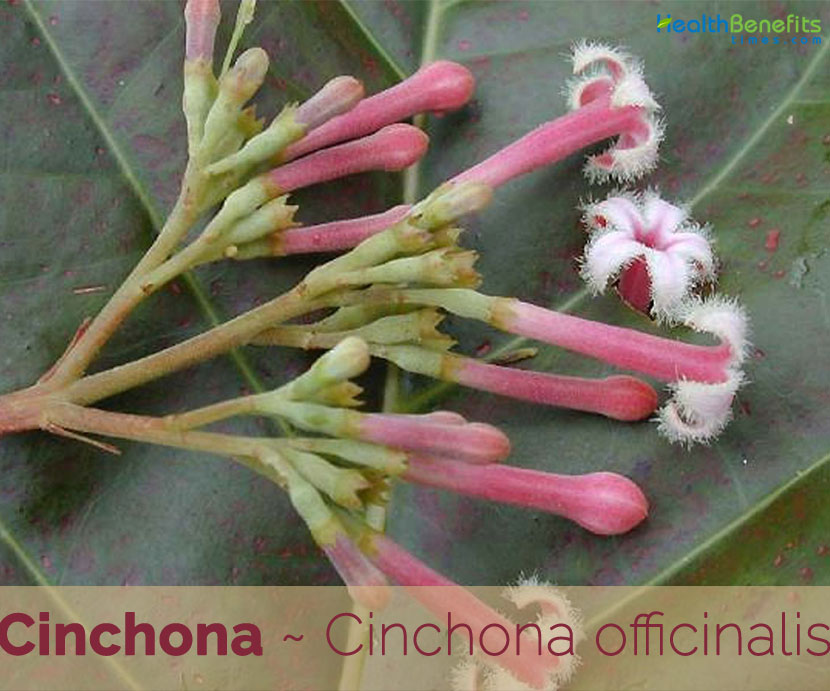
| Flower | Tubular flowers are small and usually creamy white or rose in color. The flowers are borne in terminal clusters, and the petals have characteristically hairy margins. The lobes are ovate, acute and corolla tube is about 1 cm long |
| Fruit Shape & Size | Oblong capsule, 1.5–2 cm. long, ovoid to cylindrical or ellipsoid, septicidally dehiscent into 2 valves from base or sometimes from apex with valves then loculicidal through septum |
| Seed | Numerous, medium-sized, ellipsoid to fusiform and somewhat flattened with membranous marginal wing and elliptic central seed portion |
| Taste | Bitter |
| Plant Parts Used | Bark |
| Available Forms | Tablets, liquid extracts, tinctures and powders |
| Culinary Uses |
|
| Other Facts |
|
Plant Description
Cinchona is an evergreen shrub or small tree that normally grows about 6 – 20 m tall. The plant requires a well-drained, moist soil and a position in full sun or partial shade. The plant has reddish bark and stipules are lanceolate or oblong, acute or obtuse and glabrous. Leaves are lanceolate to elliptic or ovate, usually about 10 centimeter (3.9 in) long and 3.5–4 centimeter (1.4–1.6 in) wide; acute, acuminate, or obtuse tip. Base is rounded to attenuate; coriaceous, glabrous above and often lustrous; glabrous beneath or puberulent or short-pilose, especially on the veins.
Flowers and fruits
The tubular flowers are small and usually creamy white or rose in color. The flowers are borne in terminal clusters, and the petals have characteristically hairy margins. The lobes are ovate, acute and corolla tube is about 1 cm long. Fertile flowers are followed by oblong capsule, 1.5–2 cm. long, ovoid to cylindrical or ellipsoid, septicidally dehiscent into 2 valves from base or sometimes from apex with valves then loculicidal through septum, stiffly papery to woody, often lenticellate, with calyx limb persistent. Seeds are numerous, medium-sized, ellipsoid to fusiform and somewhat flattened with membranous marginal wing and elliptic central seed portion.
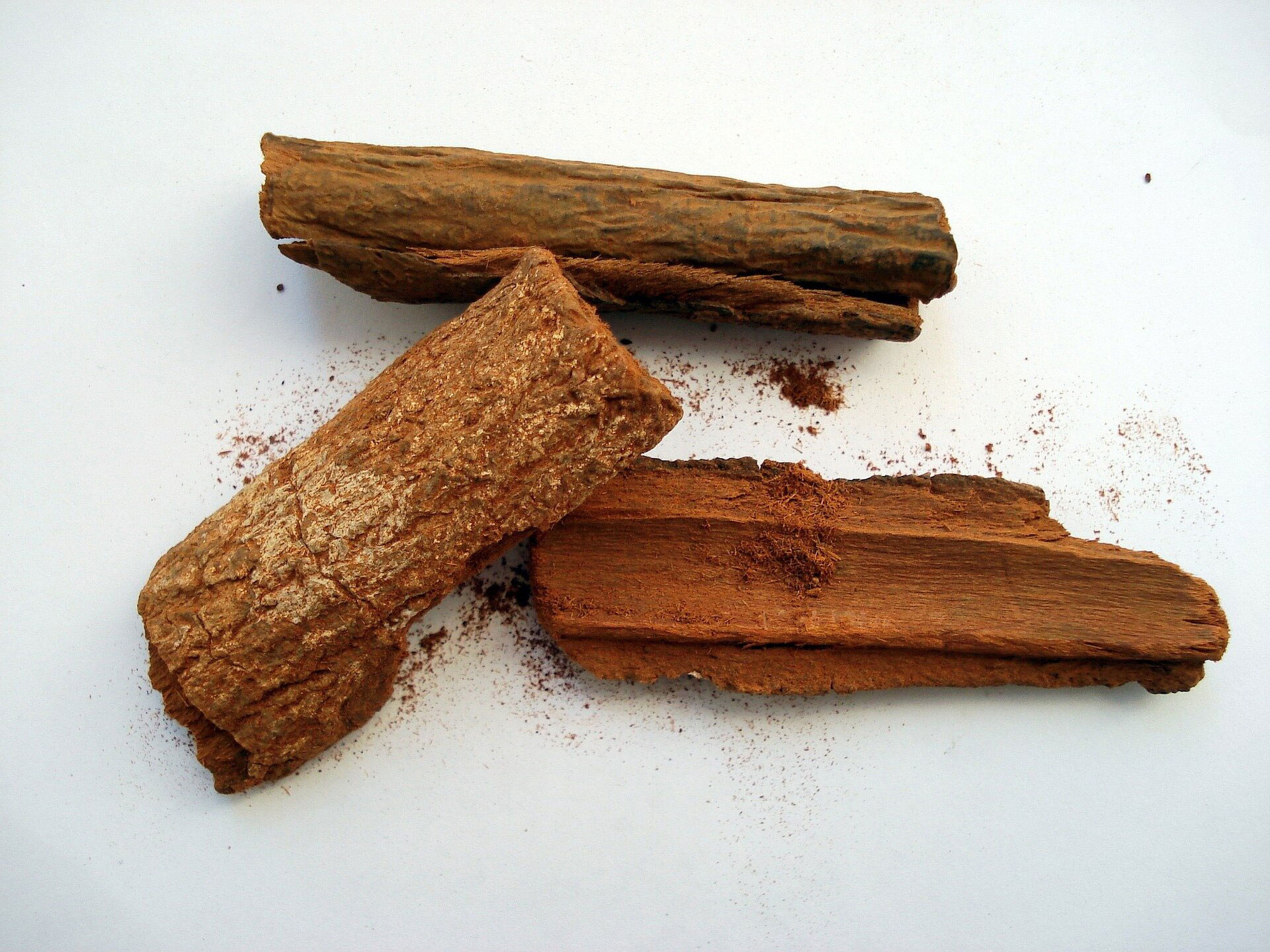 Cinchona-bark
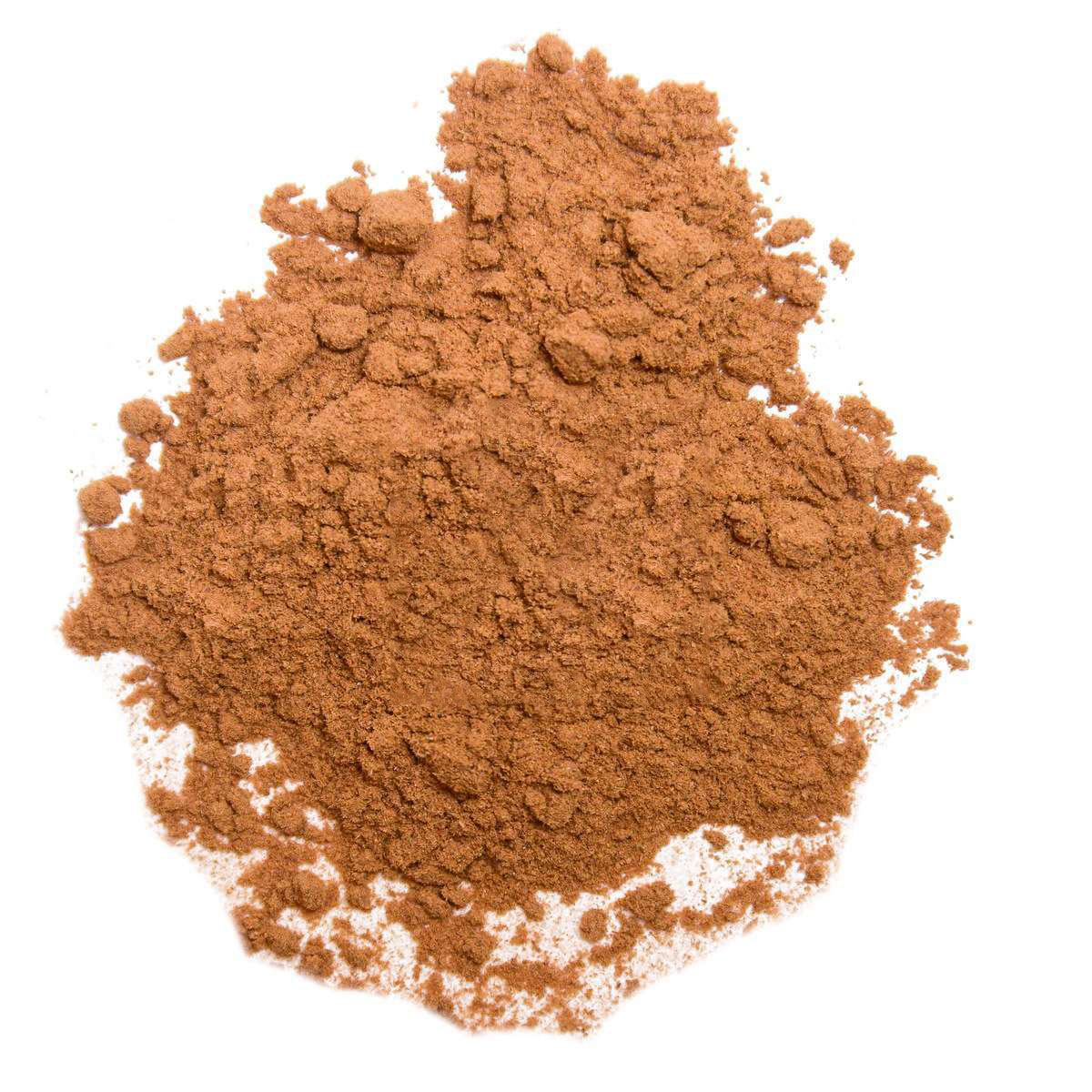 Cinchona-bark-powder
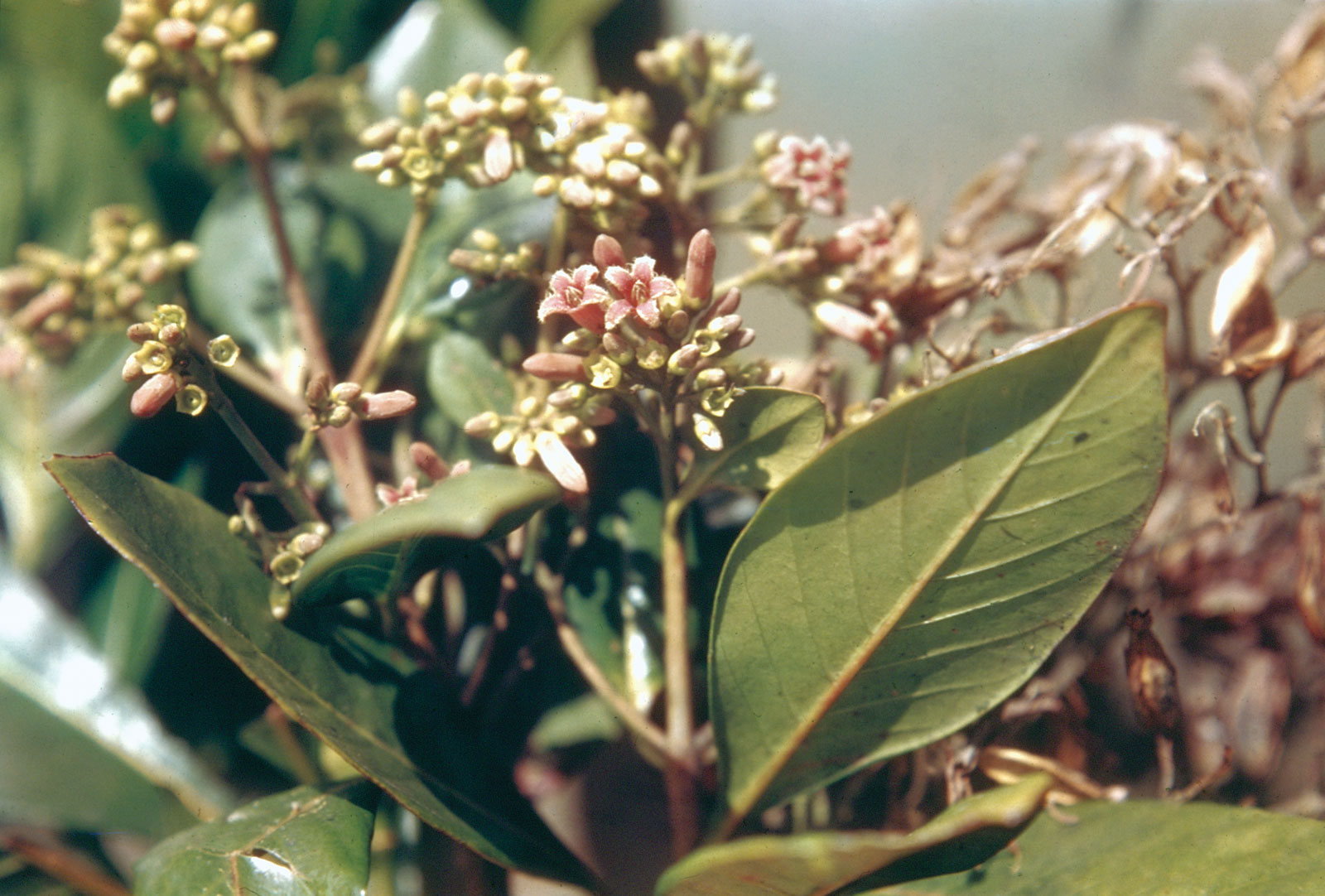 Cinchona-plant
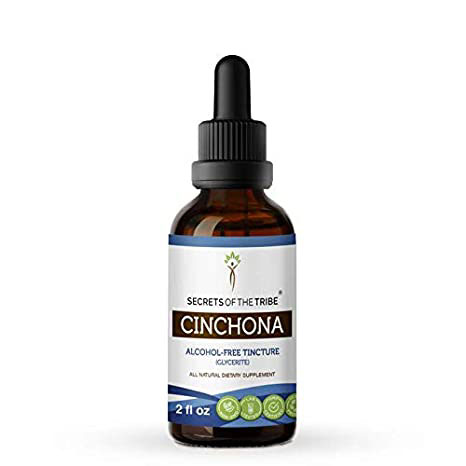 Cinchona-tincture
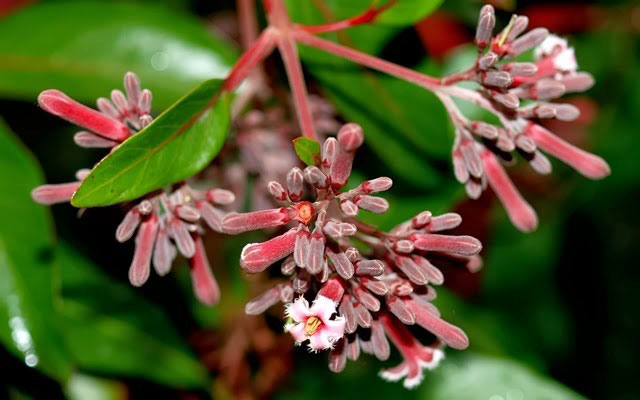 Flowering-buds-of-Cinchona
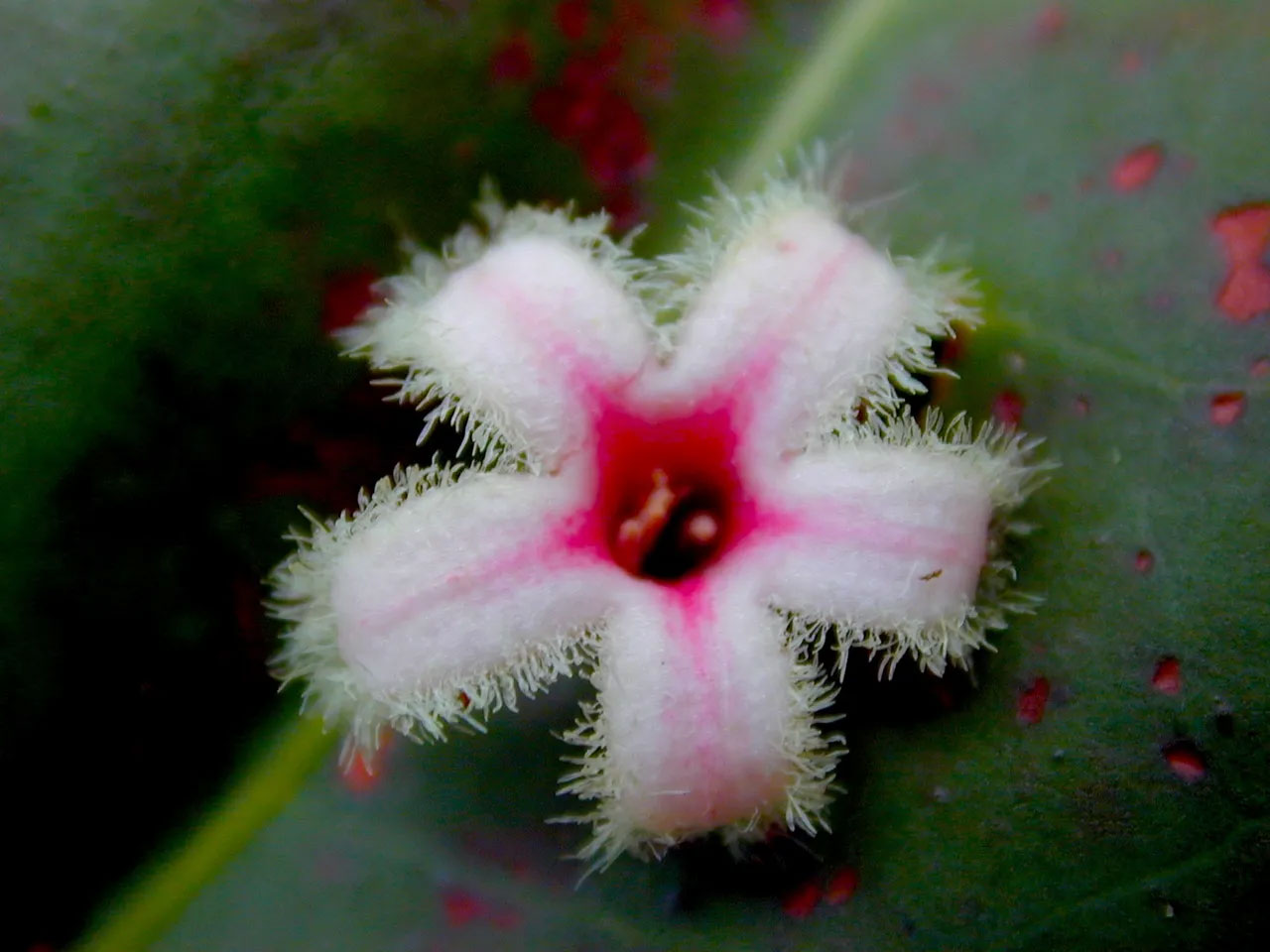 Flower-of-Cinchona-plant
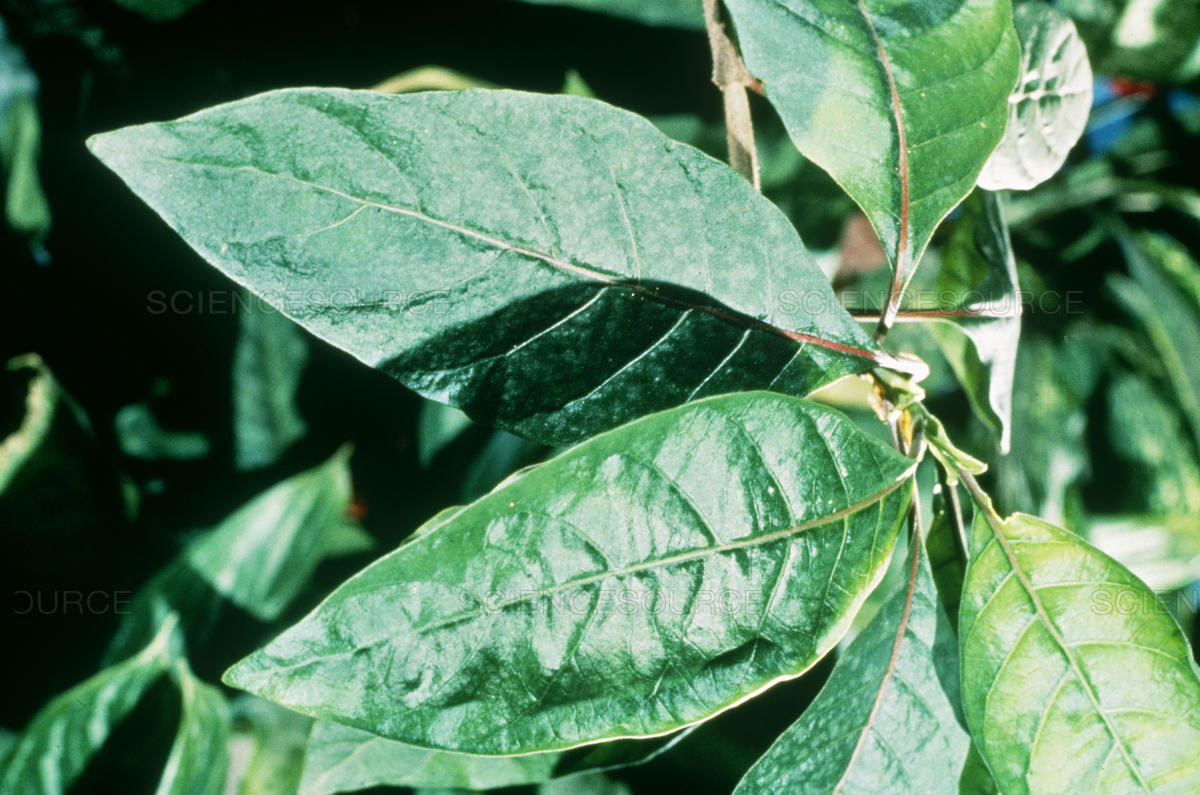 Leaves-of-Cinchona
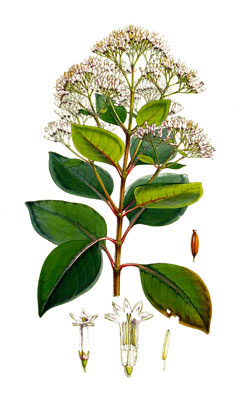 Plant-illustration-of-Cinchona
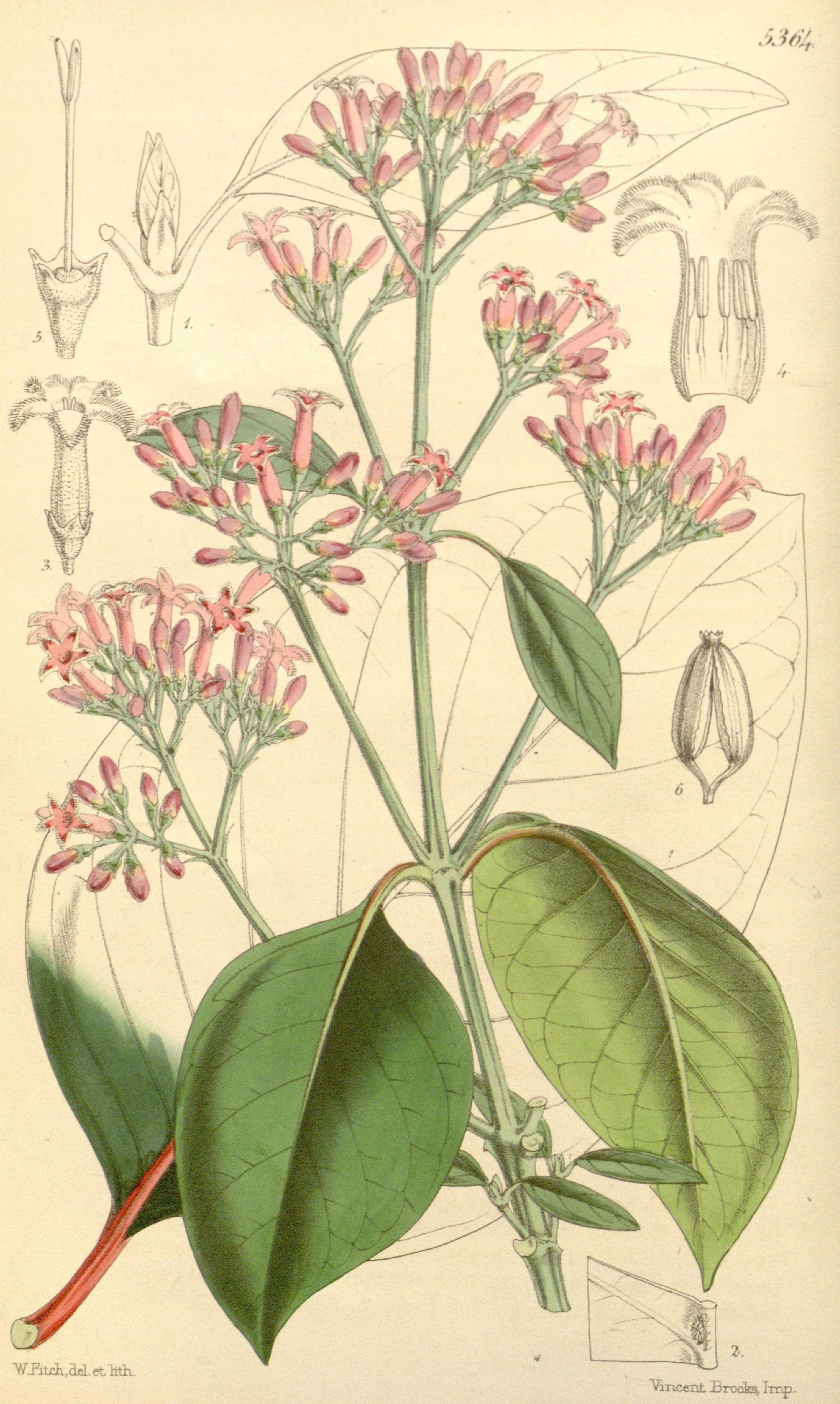 Sketch-of-Cinchona
Health benefits
Cinchona is both strongly antimalarial and antibacterial. Like the other alkaloids, it is antispasmodic. The bitter constituents in cinchona, including the alkaloids and quinovin, produce a reflex stimulation of the digestion as a whole, increasing stomach secretions. It is known to reduce heart rate and improve irregularity of heartbeat. The indigenous people of Peru have taken cinchona for many centuries, and it is still a well- used remedy for fevers, digestive problems, and infections. It is also used to treat other acute feverish conditions.
As a bitter tonic, cinchona stimulates saliva, digestive secretions, and the appetite, and improves weak digestive function. Apart from that Cinchona is useful as a gargle for sore, infected throats. The herb is used in herbal medicine for cramps, especially night cramps. It also relieves arthritis. Indian remedy In India, cinchona is used to treat sciatica and dysentery, as well as problems associated with kapha.
Traditional uses and benefits of Cinchona
- It has long been used by native people in the treatment of fever and malaria.
- Bark is also used in the treatment of neuralgia, muscle cramps and cardiac fibrillation.
- Modern research has shown it to be a very effective treatment for fevers, and especially as a treatment and preventative of malaria.
- Bark is a bitter, astringent, tonic herb that lowers fevers, relaxes spasms, is antimalarial (the alkaloid quinine) and slows the heart (the alkaloid quinidine).
- Bark is used internally in the treatment of malaria, neuralgia, muscle cramps and cardiac fibrillation.
- It is an ingredient in various proprietary cold and influenza remedies.
- The liquid extract is useful as a cure for drunkenness.
- It is also used as a gargle to treat sore throats.
Dosage and Administration
Traditional way of preparing the medicine was to grind the dried bark into a powder, prepare a decoction (boiling the powder) and then either drinking as a bitter tea or mixing with wine or other alcohol.
There are suggested dosages given in several herbalist reference books. It should be stressed that the alkaloids contained in cinchona bark are powerful drugs and thus no one should self-administer a cinchona decoction without consulting a medical doctor.
Tonic water, which consists of a much lower concentration of quinine than what is recommended for malaria treatment, is considered safe.
Precautions
- Care must be taken in the use of this herb since excess can cause a number of side effects including cinchonism, headache, rash, abdominal pain, deafness and blindness.
- The herb, especially in the form of the extracted alkaloid quinine, is subject to legal restrictions in some countries.
- Large and too constant doses must be avoided, as they produce headache, giddiness and deafness.
References:
https://www.itis.gov/servlet/SingleRpt/SingleRpt?search_topic=TSN&search_value=506063#null
https://pfaf.org/user/Plant.aspx?LatinName=Cinchona+officinalis
https://plants.usda.gov/core/profile?symbol=CIOF
https://www.cabi.org/isc/datasheet/13483
https://npgsweb.ars-grin.gov/gringlobal/taxonomydetail.aspx?id=410877
https://en.wikipedia.org/wiki/Cinchona_officinalis
http://www.theplantlist.org/tpl1.1/record/tro-27900157
https://indiabiodiversity.org/species/show/265163
https://gd.eppo.int/taxon/CIHOF