Health Benefits
    Facebook Twitter Instagram
    Friday, December 5
    Facebook Twitter Pinterest
    Health Benefits
    • Home
    • Dental Health
    • Mental Health
    • Weight Loss
    • Health Wiki
    • Nutrition
    • Healthy Recipe
    • BMI Calculator
    Health Benefits
    Home»Herbs and Spices»Climbing Nettle facts and benefits
    Herbs and Spices

    Climbing Nettle facts and benefits

    By s mAugust 26, 2019Updated:August 26, 2019No Comments2 Mins Read
    Facebook Twitter Pinterest LinkedIn Tumblr Email

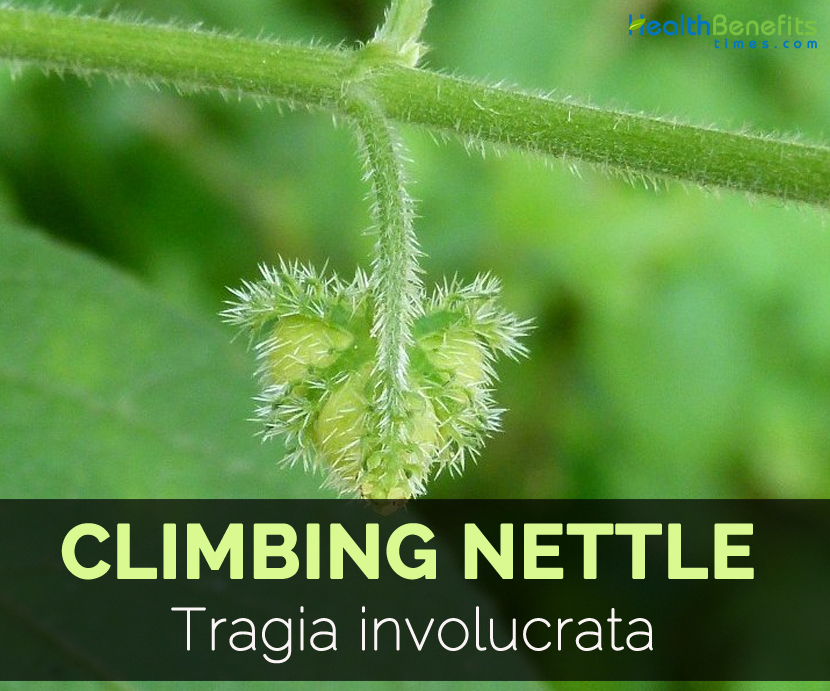
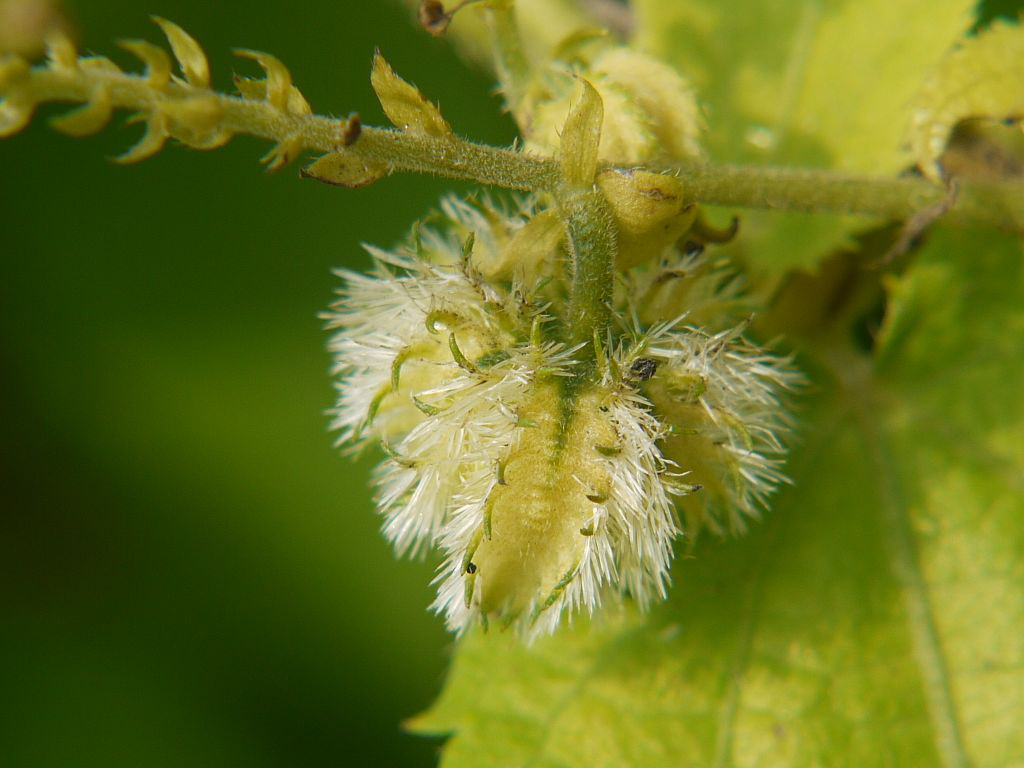
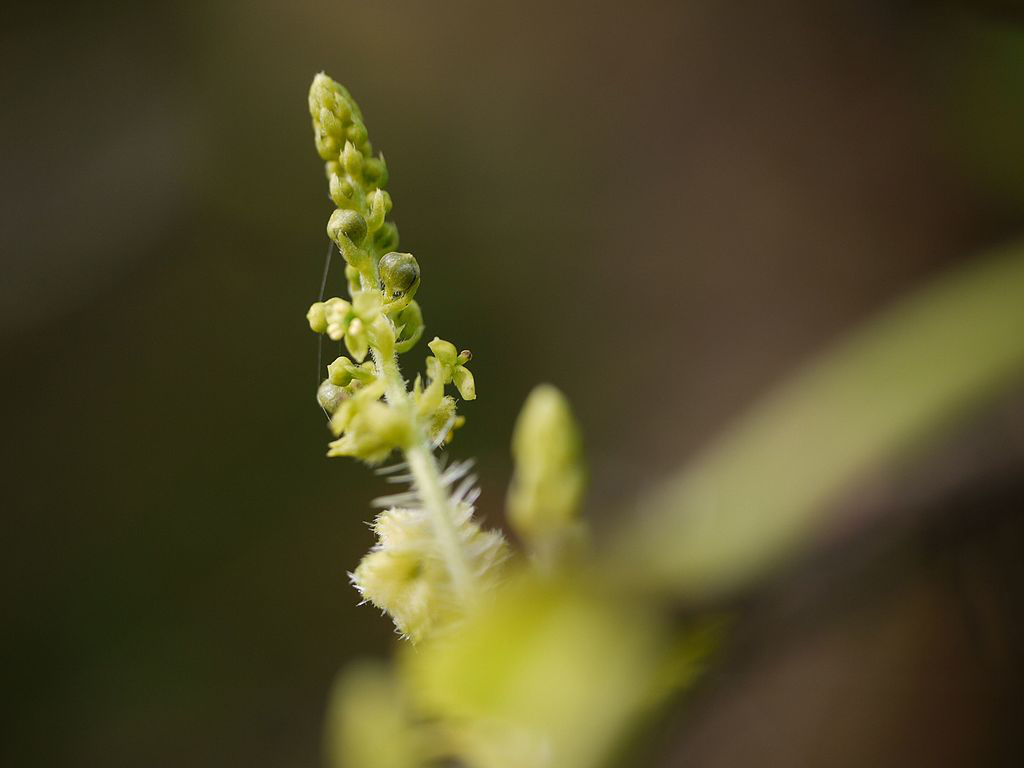
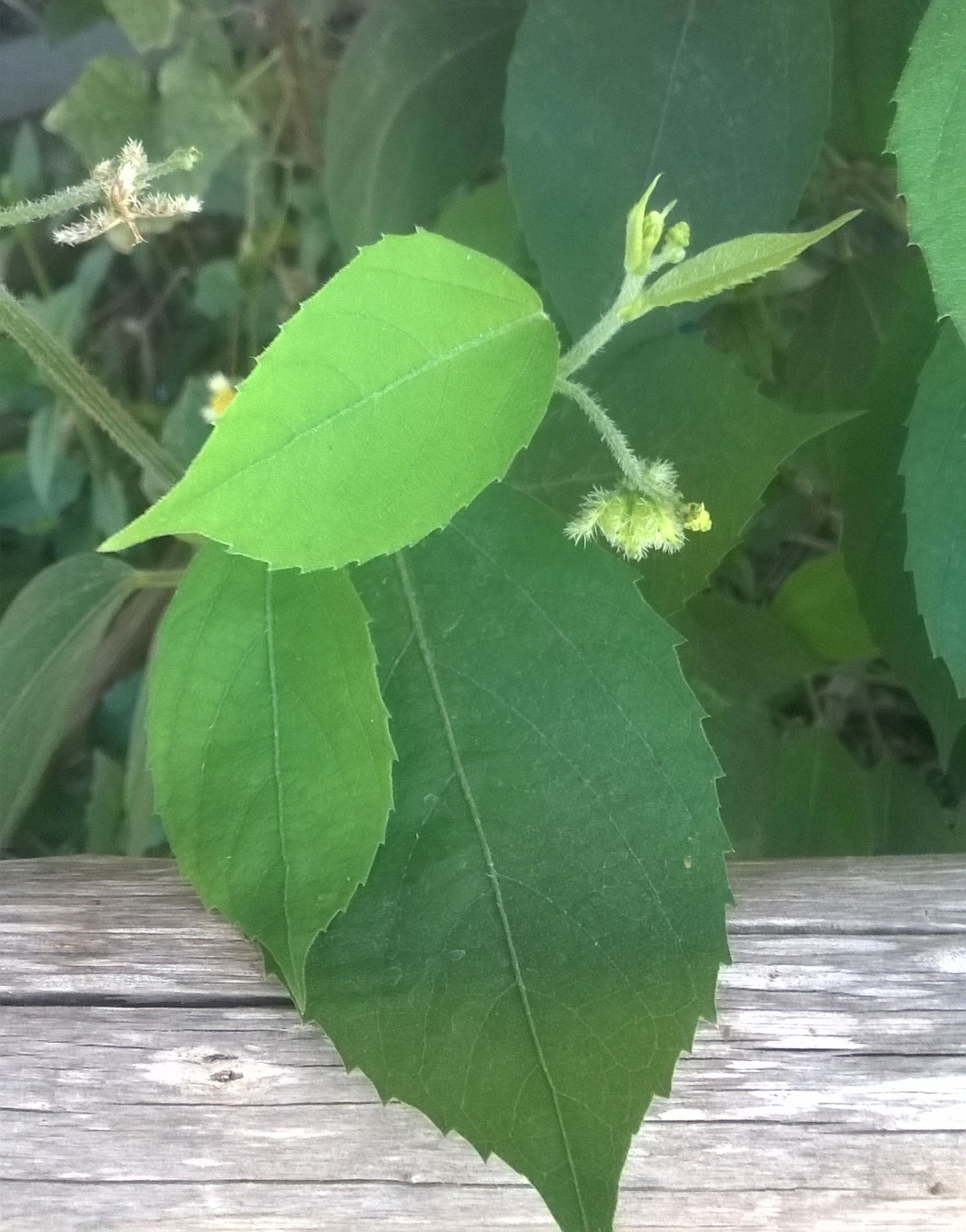
    Tragia involucrata L. also commonly known as Indian stinging nettle, is a perennial evergreen climbing herb having scattered stinging hair, elongate and slender stem. Leaves are simple, alternated and twining. Leaves are not cordate at base and are acute in uppermost. Flowers are shortly pedicellate, male flowers are many in upper part and female flowers are few in lower part. Flowers form in racemes in leaf axils. Fruit is a 3 lobed capsule that encompasses of smooth and globose seeds. The plant is native to outer Himalayan ranges eastwards to Assam, southwards to Travancore, throughout warmer regions of India.

    Tragia involucrata roots extracted in methanol extract glared significant wound healing effect. The tribal or non-tribal people of Andhra Pradesh used Tragia involucrate to manage asthma. The roots are used to control skin diseases by Kani tribals in Kouthalai region of Tirunelveli hills and Tamil Nadu state of India. Roots possess larvicidal and oviposition deterrence activity. The present studies are conducted to figure out antibacterial potential of the plant in various gradient extracts.

    Flower Flower-bud Leaves
    [Show thumbnails]
    Traditional uses

    • The plant is used for treating skin eruption, cephelgia and diabetes.
    • The tea prepared from leaves is helpful to treat intestinal worms.
    • The plant is also helpful for treating malaria, fever and urinary tract infections.
    • Apply the root paste to eliminate guinea worms and leprosy.
    • Use the root decoction to provide relief from bronchitis and attendant fever.
    • In Western Ghats of India, Malaiali tribes use the plant for treating wounds and skin infections.
    • Leaves are used as a cure for headache and roots are used to treat fever.
    • Root paste is used to eliminate worms.
    • The mixture of paste with Ocimum sanctum leaf juice is used for treating veneral and skin diseases.
    • Rub the fruit extracts on head for treating baldness.
    • Leaves extract is used for treating rheumatic disorders and scurvy.
    • It is helpful for treating stomach disorders.
    • It is helpful in arthritis and allergic rhinitis.
    • Apply the leaves juice on scalp to promote hair growth and reduce dandruff.
    • It is effective for urination problems.
    • Use the leaves extract on skin for rheumatic disorders.

    Precautions

    • When the skin comes in contact with plant, it causes itching.
    • It is better to consult the health practitioner before treating health problems.
    • With an experience of allergic reactions, consult the doctor immediately.

    References:

    https://www.itis.gov/servlet/SingleRpt/SingleRpt?search_topic=TSN&search_value=1027280#null

    https://en.wikipedia.org/wiki/Tragia_involucrata

    http://www.phytojournal.com/vol4Issue1/Issue_may_2015/4-1-35.1.pdf

    https://pdfs.semanticscholar.org/bb2a/c3df8bc45721a4db5410ed00d230f67bfd2c.pdf

    https://vasanai.wordpress.com/2017/01/17/tragia-involucrata%E0%AE%95%E0%AE%BE%E0%AE%9E%E0%AF%8D%E0%AE%9A%E0%AF%8A%E0%AE%B1%E0%AE%BFindian-stinging-nettle-uses/

    https://healthyliving.natureloc.com/kodithoova-kodithuva-choriyanam-climbing-nettle-medicinal-plant/

    72%
    72%
    Awesome

    Comments

    comments

    C Herbs and Spices
    Share. Facebook Twitter Pinterest LinkedIn Tumblr Email
    Previous ArticleHealth benefits of Indian Madder
    Next Article The Harmful Effects of Sleep Deprivation on Your Body

    Related Posts

    Uses of Monkey Pitcher plant

    April 16, 2024

    Traditional uses and benefits of Wild Marigold

    March 21, 2024

    Traditional uses and benefits of Drooping fig

    March 12, 2024

    Comments are closed.


    Climbing Nettle Quick Facts
    Name: Climbing Nettle
    Shapes 0.6 x 1 cm, 3-lobed, hispid
    Name Climbing Nettle
    Common/English Name Indian stinging nettle
    Name in Other Languages Malayalam: kodithoova, choriyanam;
    Assamese: Dumuni Chorat;
    Bengali: Bichuti (বিছুটি);
    English: climbing nettle, Indian stinging nettle, canchorie root-plant;
    Hindi: Pit Parni (पीत पर्णी), Barhanta (बढन्त);
    Kannada: Turike Balli (ತುರಿಕೆ ಬಳ್ಳಿ);
    Malayalam: Kodithumba, Choriyanam, Cherukodithuva, Coriyanam (ചൊറിയണം), Kodithoova;
    Marathi: Aagya (आग्या), Laghumedhshingi (लघुमेडशिंगी), Aag Paan (आग पान), Kallaavi (कळलावी);
    Nepali: Ut Kateri (उट कटेरी);
    Odia: Bichhuati (ବିଛୁଆତି), Kasalakku;
    Sanskrit: Duhsparsha (दुःस्पर्ष), Vrischikacchad (वृश्चिकाच्छद), Vrischikapatri (वृश्चिकापत्री), Vrischikali (वृश्चिकाली), Aagmavarta (आगमावर्ता), Kashagnih (कषाग्निः);
    Tamil: Kanchori (காஞ்சொறி), Senthatti (செந்தட்டி);
    Telugu: Telukondicettu (తేలుకొండిచెట్టు)
    Plant Growth Habit Perennial, evergreen climbing herb
    Stem Slender, elongate
    Leaf 6-10 x 3-5.5 cm, ovate or elliptic
    Flower White to yellowish
    Fruit shape & size 0.6 x 1 cm, 3-lobed, hispid
    Seed Globose, smooth

    Climbing Nettle Scientific Classification

    Scientific Name: Tragia involucrata

    Rank Scientific Name & (Common Name)
    Kingdom Plantae (Plants)
    Subkingdom Viridiplantae  (Green plants)
    Infrakingdom Streptophyta  (Land plants)
    Superdivision Embryophyta
    Division Tracheophyta  (Vascular plants, tracheophytes)
    Class Magnoliopsida
    Order Malpighiales
    Family Euphorbiaceae  (Spurge, euphorbes)
    Genus Tragia L. (Noseburn)
    Species Tragia involucrata L.
    Synonyms
    • Croton urens L.
    • Tragia cordata B.Heyne
    • Tragia cordata B.Heyne ex Benth.
    • Tragia cordata B.Heyne ex Wall.
    • Tragia involucrata var. genuina Müll.Arg
    • Tragia involucrata var. rheediana Müll.Arg.
    • Tragia trifida Benth.
    • Tragia trifida Wall
    Categories
    • Beverages (78)
    • Dairy (28)
    • Dental Health (15)
    • Equipment (5)
    • Essential OIls (196)
    • Facts (2,939)
    • Foods (255)
    • Fruits (516)
    • Giveaway (1)
    • Grains and Cereals (36)
    • Health & Beauty (763)
    • Herbs and Spices (1,249)
    • Medicines (9)
    • Mental Health (19)
    • Nutritional value (27)
    • Nuts and seeds (73)
    • Oils (81)
    • Pets (4)
    • Poultry & Seafoods (67)
    • Pulses and Beans (16)
    • Reviews (25)
    • supplement (2)
    • Vegetables (304)
    • Weight Loss (22)

    What is Lupin Bean Flour?

    Science Backed Health Benefits of Durian (Durio zibethinus)

    Science Backed Health Benefits of Feijoa (Pineapple Guava) (Acca sellowiana)

    Science Backed Health Benefits of Gac Fruit (Momordica cochinchinensis)

    Science Backed Health Benefits of Amaranth Leaves (Amaranthus spp)

    Science Backed Health Benefits of Arrowhead (Sagittaria sagittifolia)

    ABOUT
    Home
    About us
    Contact us
    Privacy Policy
    Terms & conditions
    Disclaimer
    Direct Communication
    e-mail: [email protected]
    Gmail: [email protected]
    Whatsapp: +977-9841146511
    Viber: +977-9841146511
    Useful
    Health Wiki
    Nutrition
    Facebook Twitter Pinterest
    © 2025 www.healthbenefitstimes.com All rights reserved.

    Type above and press Enter to search. Press Esc to cancel.

    ×

    Log In

    Forgot Password?

    Not registered yet? Create an Account