Health Benefits
    Facebook Twitter Instagram
    Sunday, December 14
    Facebook Twitter Pinterest
    Health Benefits
    • Home
    • Dental Health
    • Mental Health
    • Weight Loss
    • Health Wiki
    • Nutrition
    • Healthy Recipe
    • BMI Calculator
    Health Benefits
    Home»Fruits»What is Cloudberry (Bakeapple)
    Fruits

    What is Cloudberry (Bakeapple)

    By s mSeptember 19, 2017Updated:August 17, 2025No Comments5 Mins Read
    Facebook Twitter Pinterest LinkedIn Tumblr Email

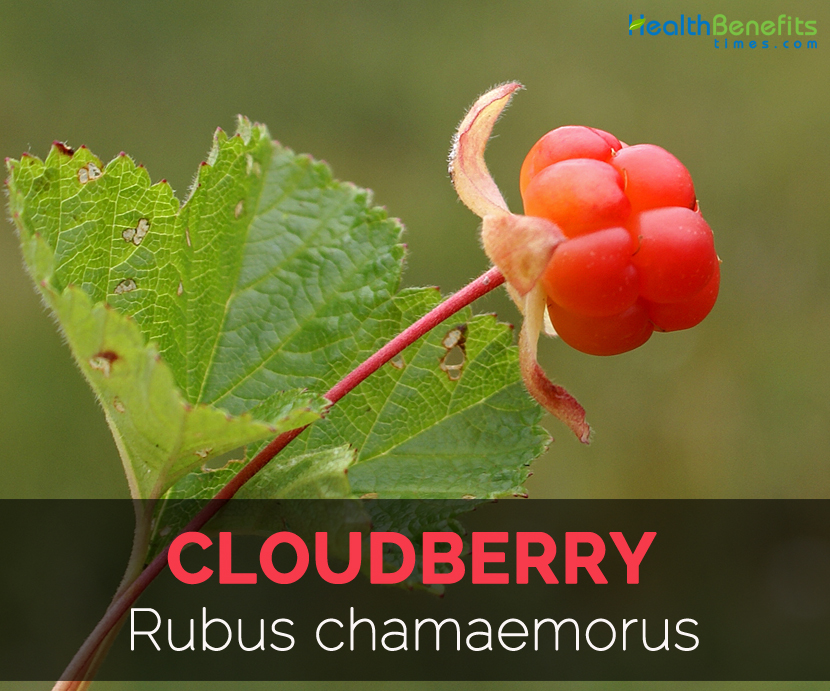
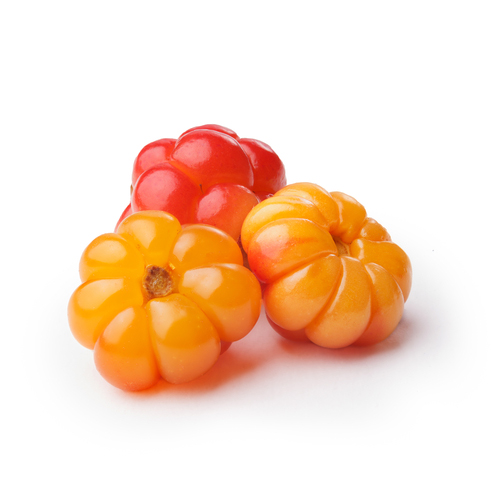
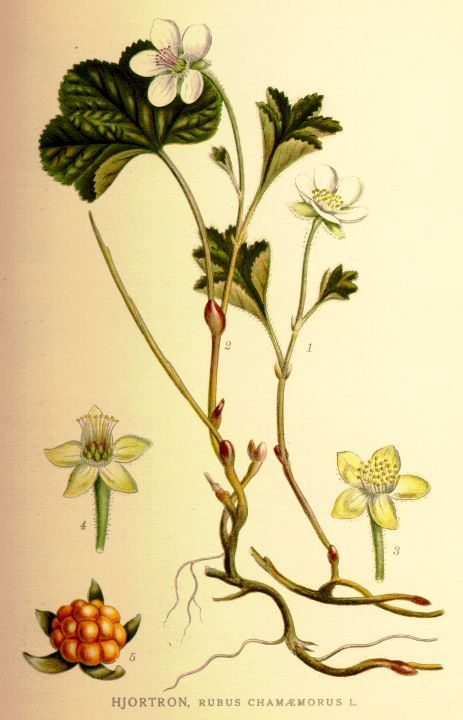
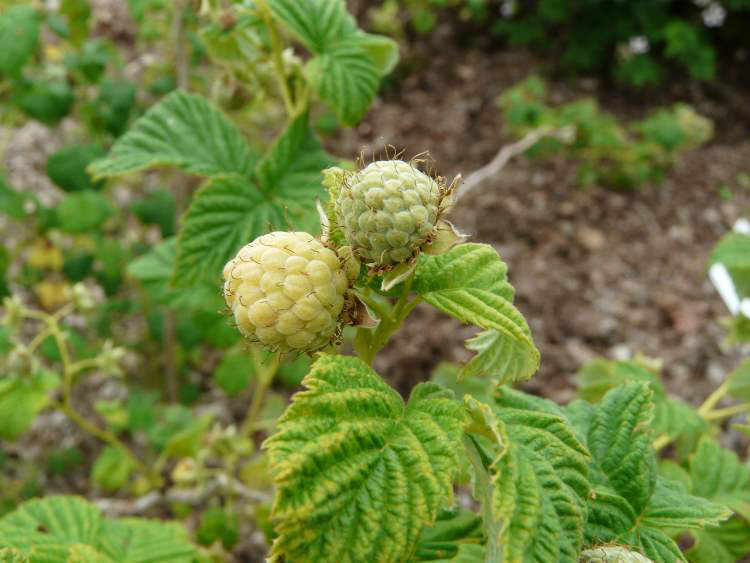
    Cloudberry is a slow growing Rubus species that produces edible fruit. Botanically it is called Rubus chamaemorus which is derived from the Greek word chamai and morus which means dwarf and mulberry respectively. It belongs to rose family and is a close relative of raspberry, strawberry, apple and cherry. It is grown in alpine or arctic environment or boreal forest in Northern hemisphere. This plant is common in Northern Europe, Russia and Scandinavia. It is a perennial and low growing plant which grows in open tundra or boggy areas. The berry has six to eight drupelets that form a small and roundish berry. The unripe berries have sour taste, is red in color and hard. The berries are collected from July to August. It has delicious but slightly tart taste. These berries possess malic acid, citric acid, anthocyains, anthocyanins, α-tocopherol, β-carotene and provitamin A carotenoid. It also possesses sanguiin H-6 and ellagitannins lambertianin C. Cloudberries are a great source of Vitamin C. Cloudberries are used for the prevention of scurvy from early years. The leaves and roots are used for medicinal purposes.

    The berries possess malic acid, citric acid, anthocyains, anthocyanins, α-tocopherol, β-carotene and provitamin A carotenoid. It also possesses sanguiin H-6 and ellagitannins lambertianin C. Cloudberries are a great source of Vitamin C. Cloudberries are used for the prevention of scurvy from early years. The leaves and roots are used for medicinal purposes. In Asia and Europe, it is found in Nordic countries, Ireland and moorlands of Britain, Northern Russia east, Baltic states and Pacific Ocean. It is usually found in marshes, bogs and wet meadows. The plant has the requirement of sunny exposures in acidic ground. It is sensitive to salt and dry conditions but can withstand cold temperatures below -40°C.

    Geographic distribution and growing conditions

    • Rubus chamaemorus, commonly known as cloudberry, exhibits a circumpolar distribution across the boreal and arctic regions of Europe, Asia, and North America, with genetically differentiated populations in the Krkonoše Mountains (Czech Republic), continental Norway, and Spitsbergen, indicating both restricted gene flow and occasional long-distance dispersal events (1).
    • This species thrives in cold, acidic peatland habitats, often within Vaccinio-Piceetea plant communities, and is adapted to wet, nutrient-poor soils characterized by high organic matter and low pH (2).
    • In hemiboreal Latvia, cloudberry occurs in open bogs and Sphagnum-dominated mires, where soil analyses reveal low mineral nutrient status, especially nitrogen and phosphorus, and mineral nutrition strategies that support perennial growth under short growing seasons (3).

    Cloudberry’s preference for peat-forming wetlands with permafrost-influenced microclimates ensures a stable moisture regime and cool temperatures essential for flower and fruit development. The plant’s shallow root system exploits the thin, acidic organic layer, while its winter-evergreen leaves provide early-season photosynthesis. Successful cultivation requires mimicking these conditions: maintaining soil pH around 3.5–5.0, ensuring continuous waterlogging without stagnation, and providing full sunlight with protection from late spring frosts. Such specialized growing conditions underscore cloudberry’s sensitivity to habitat disturbance and the importance of conserving its peatland ecosystems for both ecological integrity and its health-promoting berries.

    References
    (1) https://onlinelibrary.wiley.com/doi/pdfdirect/10.1002/ece3.4101
    (2) https://vestibio.belnauka.by/jour/article/view/825
    (3) https://pmc.ncbi.nlm.nih.gov/articles/PMC9920050/

    Plant

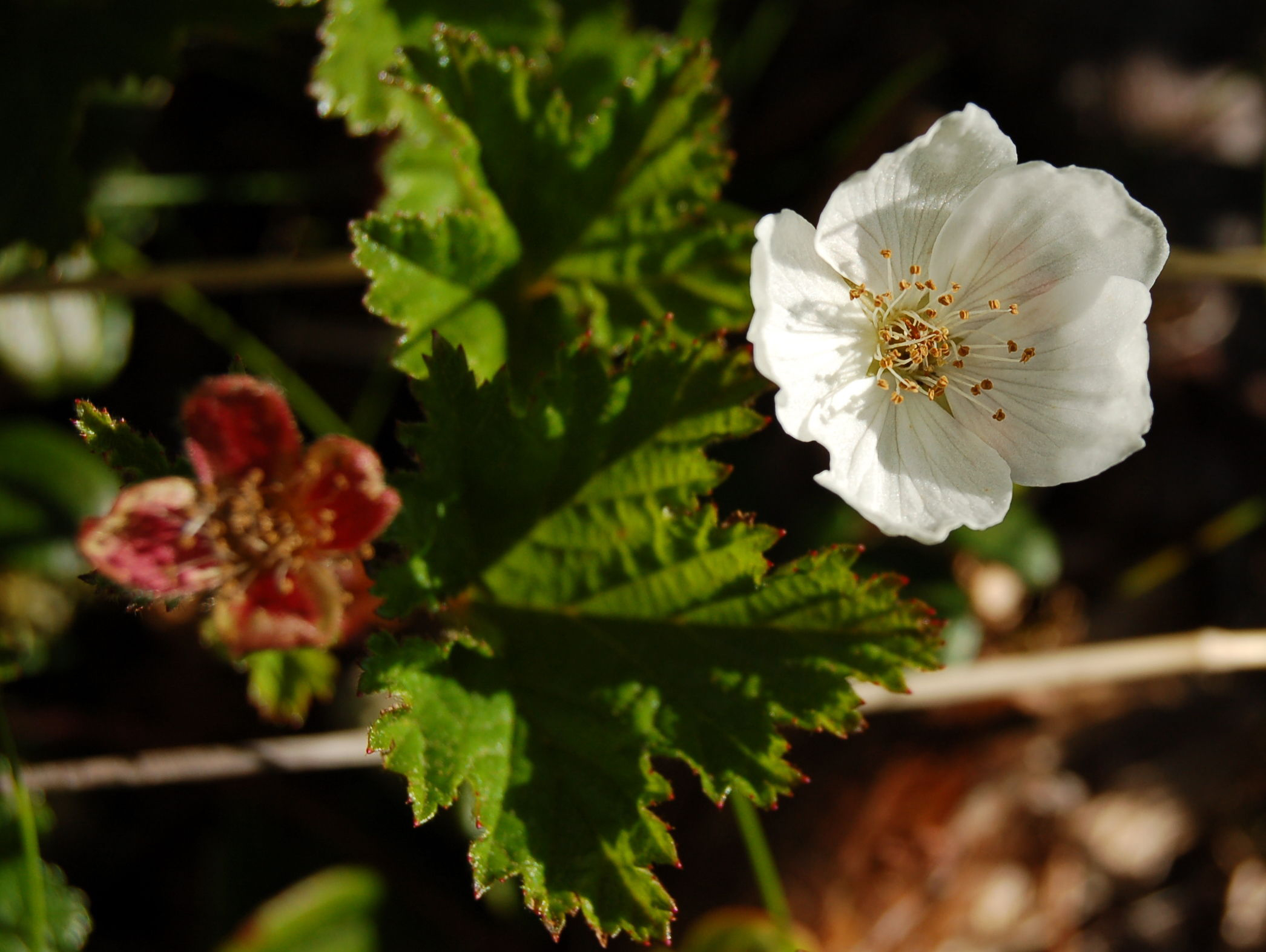
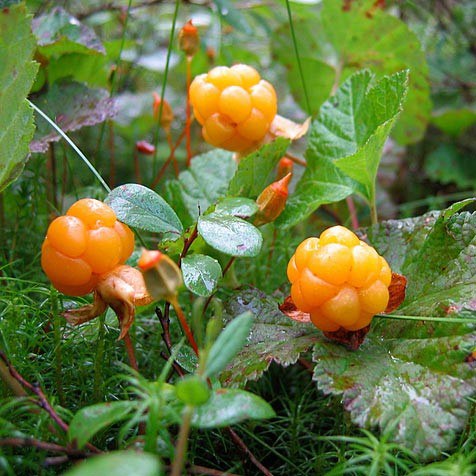
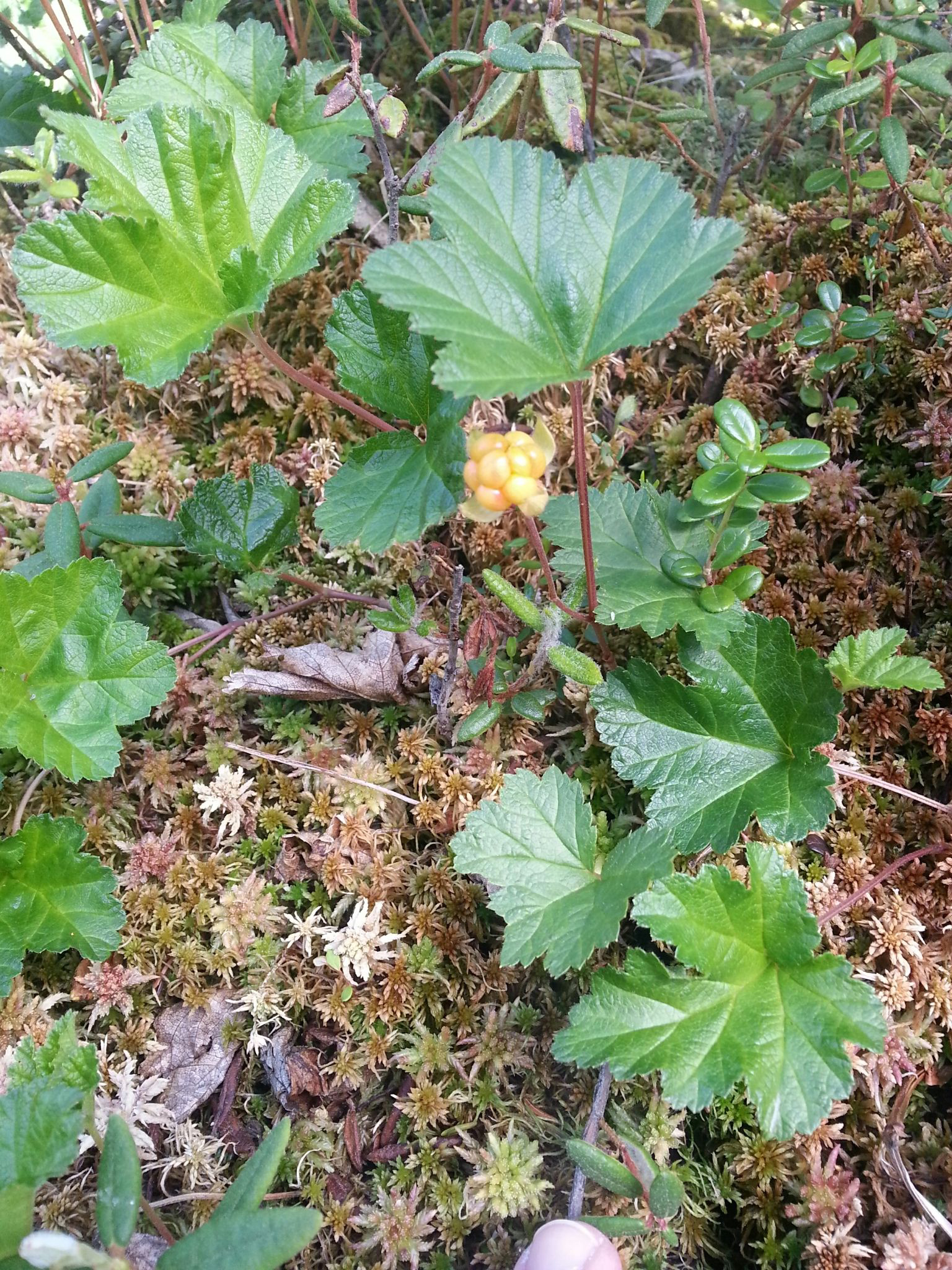
    Cloudberry is a small plant with 5-20 cm high stem and leaves measuring of 3-7 cm long and 2-5 cm across. Stems are erect, simple and woody with pubscent leaves that have sparse and short glandular hairs. The alternate leaves have 3-6 cm petiole which are pubescent and possess short and glandular hairs in young. Leaves are pubescent, oblong, 5-10 × 4-7 mm in size and are brownish in color. It has orbicular or reniform, abaxially pubscent and is 4 to 9 cm in diameter. The inflorescences are terminal, one flowered and 3.5-6 cm pedicle. It has unisexual flowers measuring 2-3 cm in diameter having staminate larger than pistillate. The abaxially pubscent calyx and 1.5-2 mm tube. It has 4 or 5 sepals, erect, oblong and is 0.8–1.2 cm × 4–6 mm in size. The stamens are shorter in comparison to petals. Fruit is orange to red that becomes yellowish brown. It is glabrous, subglobose, 1 cm in diameter.

    Cloudberry Image Gallery
    Cloudberry-collection Cloudberry-collection
    Cloudberry-flower Cloudberry-flower
    Cloudberry-fruit Cloudberry-fruit

    Cloudberry-leaves Cloudberry-leaves
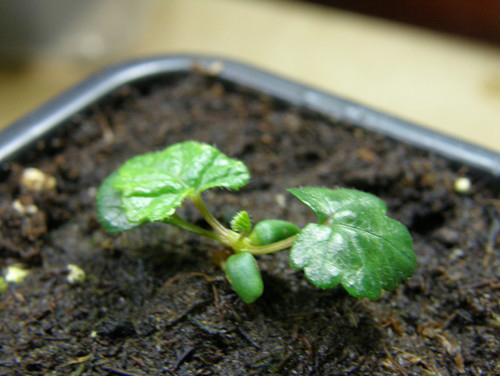
    Cloudberry-seedlings Cloudberry-seedlings
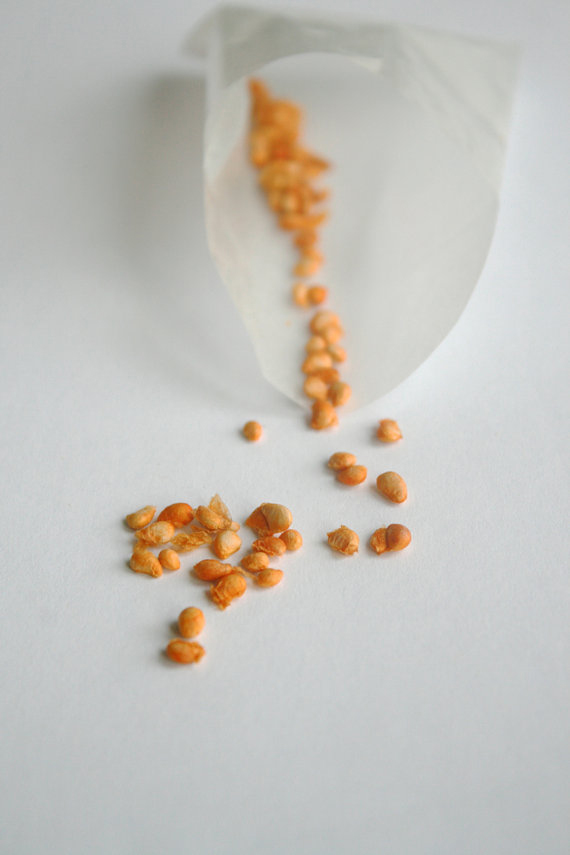
    Cloudberry-seeds Cloudberry-seeds

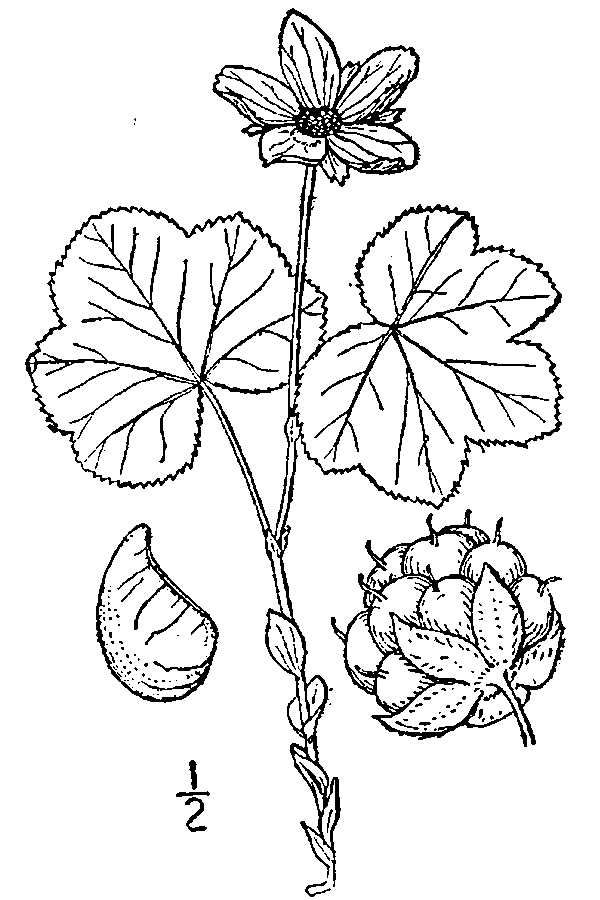
    Drawing-of-Cloudberry Drawing-of-Cloudberry
    Illustration-of-Cloudberry Illustration-of-Cloudberry
    Unripe-Cloudberry Unripe-Cloudberry

    Health Benefits of Cloudberry

    Coming Soon

    Traditional uses

    • Leaves are used for the preparation of herbal tea.
    • In Scandinavian herbal medicine, it is used to the treatment of urinary tract infections.
    • The fruits are believed to treat hypo-vitaminosis C.
    • Due to rich content of Vitamin C and Vitamin A, it helps to maintain immune system as it promotes white blood cells.
    • It counteracts free radicals in the body.
    • It slows down aging and prevents the breakdown of eyes and skin.
    • It also promotes the circulation of blood as well as red blood cells production.
    • It promotes urination with the elimination of toxins.
    • It assist in alleviation of cramping, constipation, bloating and digestive conditions such as gastric.
    • The root decoction is used by barren women to become pregnant.
    • Roots are also used for treating fevers and coughs.
    • It is used for the prevention of osteoporosis.

     Precautions   

    • Allergic people should not use it.
    • If allergic reaction occurs then discontinue to use and consult the doctor immediately.

    How to Eat         

    • It could be made into juice, jams, liqueurs and tarts.
    • Cloudberries are used in Sweden as toppings for pancakes, ice cream and waffles.
    • In Norway, these berries are mixed with sugar and whipped cream and are served as a dessert named Multekrem.
    • In Canada, Labrador and Newfoundland, it is used to make jam or Bakeapple Pie.
    • In Nordia, Cloudberry is used to make traditional liqueurs known as Lakkalikööri.
    • It is also used in preserves and pies.
    • The leaves are used as a substitute for tea.
    • It is consumed as a fresh fruit.

    Other Facts        

    The leaves of Cloudberry are a food for caterpillars and moth.

    References:

    https://www.itis.gov/servlet/SingleRpt/SingleRpt?search_topic=TSN&search_value=24850#null

    https://npgsweb.ars-grin.gov/gringlobal/taxonomydetail.aspx?id=32286

    http://www.pfaf.org/user/Plant.aspx?LatinName=rubus+chamaemorus

    https://simple.wikipedia.org/wiki/Cloudberry

    http://www.deplicque.net/the-history-of-the-cloudberry.html

    https://hort.purdue.edu/newcrop/CropFactSheets/cloud_berry.html

    https://www.uaf.edu/files/ces/publications-db/catalog/hec/FNH-00108.pdf

    http://www.herbs2000.com/herbs/herbs_cloudberry.htm

    http://articles.mercola.com/herbs-spices/cloudberry.aspx

    http://www.herbalpedia.com/cloudberry.pdf

    http://wikiwel.com/wikihealing/index.php?title=Cloudberry

    https://www.organicfacts.net/health-benefits/fruit/cloudberry.html


    85%
    85%
    Awesome

    Comments

    comments

    C Fruits
    Share. Facebook Twitter Pinterest LinkedIn Tumblr Email
    Previous ArticleHealth benefits of Eyebright (Euphrasia)
    Next Article Health Benefits of Lupin Beans

    Related Posts

    Health benefits of Chinese Sumac

    March 6, 2024

    Health benefits of Crofton weed

    March 5, 2024

    Facts about Chinese Glory Bower

    February 18, 2024

    Comments are closed.


    Facts of Cloudberry

    Cloudberry (bakeapple) Quick Facts
    Name: Cloudberry (bakeapple)
    Scientific Name: Rubus chamaemorus
    Origin Rubus chamaemorus
    Colors Amber, pale red, golden to yellow
    Shapes Subglobose, 1 cm in diameter
    Taste Tart
    Calories 51 Kcal./cup
    Major nutrients Vitamin C (175.56%)
    Iron (8.75%)
    Carbohydrate (6.62%)
    Vitamin B3 (5.63%)
    Vitamin B2 (5.38%)
    Health benefits Strengthen immune system, Promotes circulation, Prevent heart problems, Eliminate toxins, Antioxidant activity
    Name Cloudberry (bakeapple)
    Scientific Name Rubus chamaemorus
    Native Native to Alpine, arctic tundra and boreal forest
    Cloudberries are found in Quebec, Nunavut, Manitoba and Alberta of Canada.
    Common/English Name Mulberry, bakeapple, knoutberry, knotberry, low-bush salmonberry, aqpik, evron, averin, low-bush salmonberry, Bake-Apple, Baked-Apple-Berry
    Name in Other Languages Danish: Moltebeere, Multebær;
    Icelandic: Múltuber;
    Arabic:  ellyq kamimuriun (علّيق كاميموري);
    Bulgarian: Diva kŭpina (Дива къпина);
    Chinese:  Yun mei (云莓 ), Ye sheng huang mei (野 生黄莓), Xing an xuan gou zi (兴 安悬钩子);
    Czech:  Ostružiník moruška, Moruška;
    Dutch:  Bergframboos, Gele bosbraam, Dauwbes, Kruipbraam, Gele framboos;
    English:  Amber-fruited false raspberry, Cloudberry,  Bakeapple, Yellow berry, Salmonberry;
    Estonian:  Rabamurakas, Rabamuraka;
    Finnish: Hilla, Lakka, Hillan, Lämpötila hillan, Lakan, Muurain, Molte;
    French:  Chicoutai,  Faux mûrier, Chicouté, Framboise ambrée, Framboise jaune,  Margot, Mûre blanche, Mûre arctique, Mûrier nain, Mûre des marais, Ronce des tourbières, Plaquebière,  Ronce petit-mûrier
    German:  Moltebeere, Torfbeere, Moltebeeren, Torfbrombeere, Torfbeeren;
    Greek:  Vatos to khamaimoro (Βάτος το χαμαίμορο);
    Hungarian:  Törpemálna;
    Italian:  Mora artica;
    Japanese:  Horomu ichigo (ホロムイチゴ),  Kura udo berii (クラウドベリー )
    Norwegian:  Molte, Multebær, Multe, Myrbær;
    Polish:  Malina moroszka;
    Portuguese:  Framboesa-amarela, Amora-branca-silvestre;
    Russian:  Mорошка  Moroshka;
    Serbian:  Močvarna jagoda;
    Slovakian:  Ostružina moruška;
    Spanish:  Romegueró de torbera;
    Swedish:  Hjortron, björnkulla, hjortron
    Plant Growth Habit Dioecious, perennial
    Soil Well-drained
    Plant Size 10–25 cm high
    Root Creeping, slender, woody
    Stem Annual, simple, woody, erect, 30 cm tall
    Leaf Oblong, 5-10 × 4-7 mm
    Flowering Season June to August
    Flower White, unisexual, 2-3 cm in diameter, dioecious
    Fruit shape & size Subglobose, 1 cm in diameter
    Fruit color Amber, pale red, golden to yellow
    Fruit Taste Tart
    Fruit Season Early autumn
    Major Nutritions Vitamin C (Ascorbic acid) 158 mg (175.56%)
    Iron, Fe 0.7 mg (8.75%)
    Carbohydrate 8.6 g (6.62%)
    Vitamin B3 (Niacin) 0.9 mg (5.63%)
    Vitamin B2 (Riboflavin) 0.07 mg (5.38%)
    Phosphorus, P 35 mg (5.00%)
    Protein 2.4 g (4.80%)
    Vitamin B1 (Thiamin) 0.05 mg (4.17%)
    Total Fat (lipid) 0.8 g (2.29%)
    Calcium, Ca 18 mg (1.80%)
    Calories in 1 value (100 gm) 51 Kcal.

    Cloudberry (bakeapple)Scientific Classification

    Scientific Name: Rubus chamaemorus

    Rank Scientific Name & (Common Name)
    Kingdom Plantae (Plantes, Planta, Vegetal, plants)
    Subkingdom Viridiplantae
    Infrakingdom Streptophyta  (Land plants)
    Superdivision Embryophyta
    Division Tracheophyta  (Vascular plants, tracheophytes)
    Class Magnoliopsida
    Order Rosales
    Family Rosaceae  (Roses)
    Genus Rubus L. (Framboises, ronces, brambles, blackberry)
    Species Rubus chamaemorus
    Synonyms
    • Chamaemorus anglica Clus.
    • Chamaemorus anglica Clus. ex Greene
    • Chamaemorus chamaemorus (L.) House
    • Chamaemorus norvegicus Greene
    • Chamaemorus norwegica Clus.
    • Chamaemorus norwegica Clus. ex Greene
    • Morus norwegica Tillands
    • Morus norwegica Tillands ex Steud.
    • Rubus chamaemorus var. pseudochamaemorus
    • Rubus chamaemorus var. pseudochamaemorus (Tolm.) Hulten
    • Rubus chamaemorus var. pseudochamaemorus (Tolm.) Voroshnov
    • Rubus horridulus Hook. fil.
    • Rubus nubis S.F.Gray
    • Rubus pseudochamaemorus Tolm.
    • Rubus pungens var. horridulus (Hook.f.) Hara
    • Rubus ribis-folius Gilib.
    • Rubus yessoicus Kuntze
    Nutritional value of Cloudberries, raw (Alaska Native)
    Serving Size: 1 Value, 100 g

    Calories 51 Kcal. Calories from Fat 7.2 Kcal.


    Proximity Amount % DV
    Water 87 g N/D
    Energy 51 Kcal N/D
    Energy 214 kJ N/D
    Protein 2.4 g 4.80%
    Total Fat (lipid) 0.8 g 2.29%
    Ash 1.2 g N/D
    Carbohydrate 8.6 g 6.62%

     
    Minerals Amount % DV
    Calcium, Ca 18 mg 1.80%
    Iron, Fe 0.7 mg 8.75%
    Magnesium, Mg  mg 0.00%
    Phosphorus, P 35 mg 5.00%

     
    Vitamins Amount % DV
    Water soluble Vitamins
    Vitamin B1 (Thiamin) 0.05 mg 4.17%
    Vitamin B2 (Riboflavin) 0.07 mg 5.38%
    Vitamin B3 (Niacin) 0.9 mg 5.63%
    Vitamin C (Ascorbic acid) 158 mg 175.56%
    Fat soluble Vitamins
    Vitamin A, IU 210 IU N/D

    *Above mentioned Percent Daily Values (%DVs) are based on 2,000 calorie diet intake. Daily values (DVs) may be different depending upon your daily calorie needs. Mentioned values are recommended by a U.S. Department of Agriculture. They are not healthbenefitstimes.com recommendations. Calculations are based on average age of 19 to 50 years and weighs 194 lbs.
     

    Source: https://ndb.nal.usda.gov/

    Categories
    • Beverages (78)
    • Dairy (28)
    • Dental Health (15)
    • Equipment (5)
    • Essential OIls (196)
    • Facts (2,937)
    • Foods (255)
    • Fruits (516)
    • Giveaway (1)
    • Grains and Cereals (36)
    • Health & Beauty (761)
    • Herbs and Spices (1,249)
    • Medicines (9)
    • Mental Health (19)
    • Nutritional value (27)
    • Nuts and seeds (73)
    • Oils (81)
    • Pets (4)
    • Poultry & Seafoods (67)
    • Pulses and Beans (16)
    • Reviews (25)
    • supplement (2)
    • Vegetables (304)
    • Weight Loss (22)

    What is Lupin Bean Flour?

    Science Backed Health Benefits of Durian (Durio zibethinus)

    Science Backed Health Benefits of Feijoa (Pineapple Guava) (Acca sellowiana)

    Science Backed Health Benefits of Gac Fruit (Momordica cochinchinensis)

    Science Backed Health Benefits of Amaranth Leaves (Amaranthus spp)

    Science Backed Health Benefits of Arrowhead (Sagittaria sagittifolia)

    ABOUT
    Home
    About us
    Contact us
    Privacy Policy
    Terms & conditions
    Disclaimer
    Direct Communication
    e-mail: [email protected]
    Gmail: [email protected]
    Whatsapp: +977-9841146511
    Viber: +977-9841146511
    Useful
    Health Wiki
    Nutrition
    Facebook Twitter Pinterest
    © 2025 www.healthbenefitstimes.com All rights reserved.

    Type above and press Enter to search. Press Esc to cancel.

    ×

    Log In

    Forgot Password?

    Not registered yet? Create an Account