

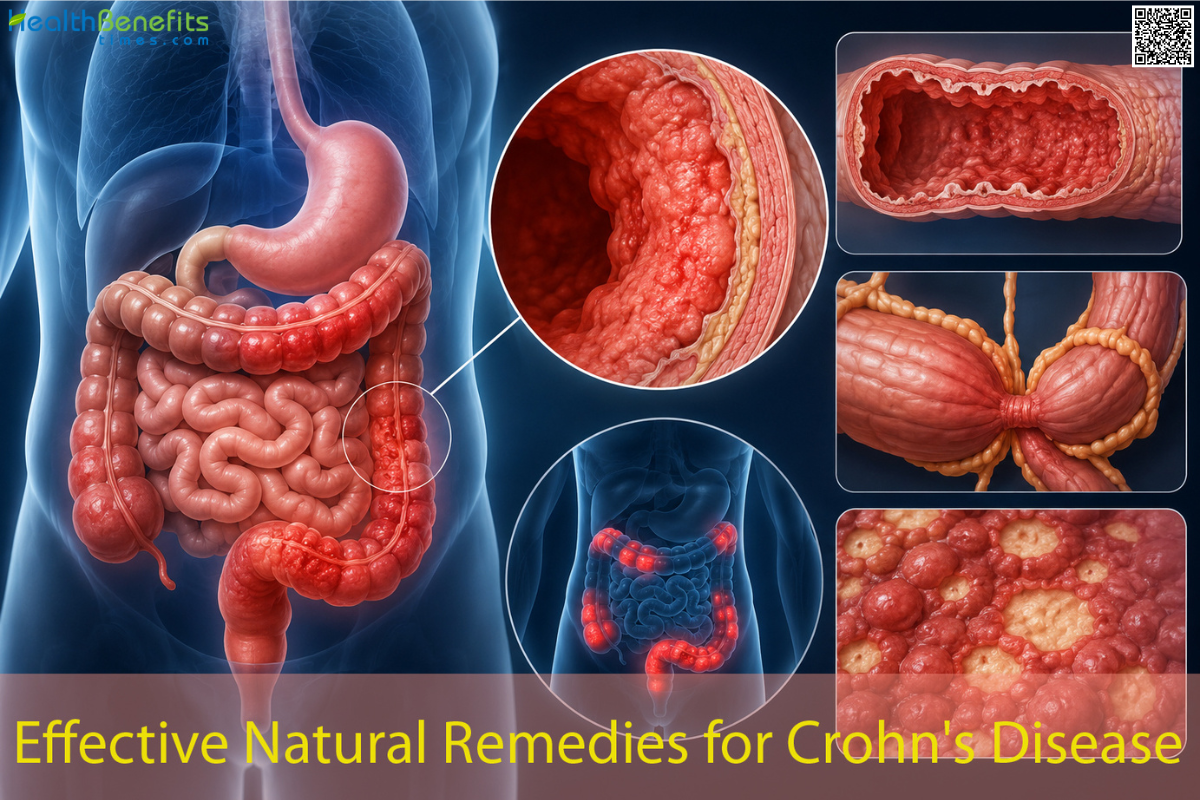
Crohn’s disease is a chronic inflammatory bowel disease (IBD) that causes long-term inflammation in the digestive tract. It most commonly affects the end of the small intestine and the beginning of the large intestine, though it can occur anywhere from the mouth to the anus. Unlike other conditions, the inflammation often spreads deep into the layers of the bowel wall, which can lead to complications such as pain, severe diarrhea, fatigue, and unintended weight loss. While the exact cause remains unknown, medical experts believe it results from an abnormal reaction of the immune system that attacks healthy cells in the digestive tract, often influenced by genetic and environmental factors. Because it is a lifelong condition, effective management through medication or surgery is essential to reduce inflammation, minimize symptoms, and achieve long-term remission.
Causes of Crohn’s Disease
1. Genetic Susceptibility
The presence of over 200 genetic mutations and specific susceptibility loci is linked to an increased risk of developing the disease, particularly when shared with affected family members.
2. Immune System Dysfunction
An inappropriate, dysregulated immune response occurs when the body’s natural defenses (such as T-helper cells, neutrophils, and macrophages) mistakenly attack healthy intestinal cells.
3. Environmental Triggers
Exposure to industrialized environments and certain lifestyle factors, most notably an active or recent history of tobacco smoking.
4. Intestinal Microbiome Imbalance (Dysbiosis)
Alterations or disruptions in the natural bacterial balance within the gut, as well as abnormal immune responses to common intestinal microbes or infections.
5. Dietary Habits
Lifestyles and diets common in industrialized countries, specifically the heavy consumption of ultra-processed foods.
6. Medications
The use of specific medications, including oral contraceptives and non-steroidal anti-inflammatory drugs (NSAIDs) like ibuprofen or naproxen, which can trigger an immune response. 1, 2
Symptoms of Crohn’s Disease
- Abdominal pain
- Chronic diarrhea
- Weight loss
- Fatigue
- Fever
- Nausea and vomiting
- Rectal bleeding or blood in the stool
- Loss of appetite (anorexia)
- Anemia
- Extraintestinal manifestations (e.g., joint pain, eye inflammation, skin lesions) 3, 4
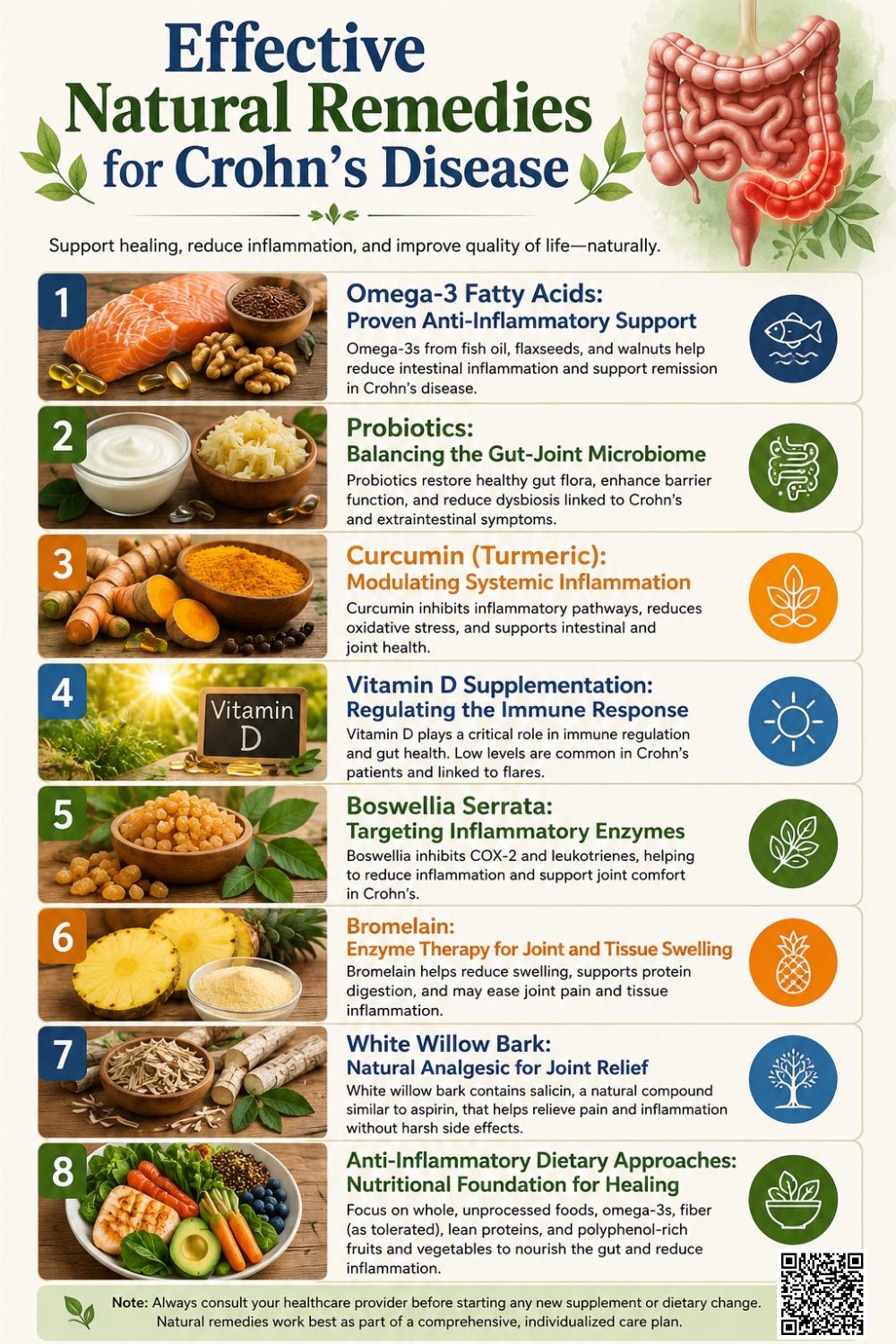 Effective Natural Remedies for Crohn’s Disease
1. Omega-3 Fatty Acids: Proven Anti-Inflammatory Support
How it may help
Omega-3 fatty acids act as natural anti-inflammatory agents by altering immune cell function and reducing the production of specific inflammatory chemicals in the body 5. By resolving inflammation and balancing the immune system, these healthy fats help heal the intestinal lining and support beneficial gut bacteria 6.
What research says
Clinical evidence on omega-3 supplements for Crohn’s disease remains mixed. Some specialized reviews suggest they might temporarily reduce active inflammation 7. However, major systematic reviews consistently conclude that fish oil is broadly ineffective for maintaining long-term clinical remission of the condition when compared to standard medical therapies 8.
How to use it safely
Always consult your healthcare provider before taking omega-3 supplements to prevent potential interactions with your prescribed medications. Clinical experts often suggest utilizing enteric-coated capsules, which delay digestion until the oil reaches the intestines, thereby maximizing targeted delivery and minimizing stomach discomfort 9.
Potential precautions or side effects
While generally safe, omega-3 supplements frequently trigger mild gastrointestinal issues. The most commonly reported side effects include diarrhea, upper stomach discomfort, heartburn, bad breath, and an unpleasant aftertaste 10.
2. Probiotics: Balancing the Gut-Joint Microbiome
How it may help
Probiotics are beneficial microorganisms that modify the gut environment to support overall digestive health 11. They enhance the protective mucosal barrier in the intestines, which prevents harmful antigens from triggering excessive immune responses, thereby helping limit chronic intestinal inflammation 12.
What research says
Current clinical evidence shows extremely limited effectiveness for probiotics in managing Crohn’s disease. Comprehensive reviews demonstrate that these supplements consistently fail to induce remission during acute flare-ups and provide no significant benefit in preventing postoperative disease recurrence or maintaining long-term remission 13.
How to use it safely
Consult your gastroenterologist before introducing probiotic supplements into your management plan. You should start with a low dose of common strains like Lactobacillus and slowly increase the amount to allow your body to adjust. Never use probiotics as a substitute for your prescribed medical therapies.
Potential precautions or side effects
Severely immunocompromised patients face serious risks, including harmful bacteria entering the bloodstream and causing severe infections 14. Minor side effects include temporary bloating or gas.
3. Curcumin (Turmeric): Modulating Systemic Inflammation
How it may help
Curcumin, the active compound in turmeric, possesses strong antioxidant properties that help suppress pro-inflammatory molecules like tumor necrosis factor-alpha which drive digestive inflammation. 15 By blocking these specific pathways and improving the intestinal barrier function, it actively reduces the severe gastrointestinal swelling associated with Crohn’s disease. 16
What research says
Clinical evidence indicates that curcumin acts as an effective adjunctive therapy, significantly reducing clinical relapses by decreasing the activity of pro-inflammatory cytokines. 17 While highly effective at maintaining remission in broader inflammatory bowel diseases, specific case studies on Crohn’s disease show mucosal healing but require further extensive clinical trials. 18
How to use it safely
Because natural curcumin has poor water solubility and low oral bioavailability, you should consume it with dietary fats to enhance bodily absorption. 19 To achieve the required therapeutic levels for chronic digestive disorders, utilizing modified pharmaceutical formulations or targeted nanoparticle supplements provides a reliable and accessible approach. 20
Potential precautions or side effects
Although generally safe, high doses of curcumin can occasionally cause mild gastrointestinal discomfort. 21 You must consult a healthcare provider before use to prevent interactions with other ongoing medical treatments. 22
4. Vitamin D Supplementation: Regulating the Immune Response
How it may help
Vitamin D acts as a crucial regulator of the body’s natural defense systems by strengthening the intestinal barrier and promoting beneficial gut bacteria 23. It directly calms inflammation by shifting the immune system toward a protective response rather than an aggressive, tissue-damaging state (Reich, 2014) 24.
What research says
Evidence indicates that maintaining optimal vitamin D levels is linked to a significantly lower risk of disease relapse and fewer disease-related surgeries 25. Supplementation has been shown to reduce inflammatory markers and improve the overall quality of life for individuals with active intestinal inflammation 26.
How to use it safely
You must consult a doctor to monitor your blood levels before beginning supplementation, as proper dosing depends on your current deficiency 27. Clinical trials demonstrate that daily oral doses ranging from 1,000 to 2,000 international units are typically required to safely improve symptoms 28.
Potential precautions or side effects
Excessive intake causes vitamin D toxicity, leading to severe blood calcium buildup 29. Common symptoms include mental confusion, recurrent vomiting, severe abdominal pain, and dehydration.
5. Boswellia Serrata: Targeting Inflammatory Enzymes
How it may help
Boswellia serrata contains active compounds called boswellic acids that block 5-lipoxygenase, a primary enzyme responsible for driving inflammation 30. By lowering the production of inflammatory molecules, this herbal extract helps protect the delicate intestinal lining from damage and reduces the characteristic gut swelling seen in Crohn’s disease 31.
What research says
Clinical studies indicate that boswellia extracts successfully improve digestive symptoms and safely induce clinical remission during active flare-ups of inflammatory bowel disease 32. However, while short-term relief is evident, long-term trials demonstrate that the supplement is not significantly superior to a placebo for continuously maintaining disease remission 33.
How to use it safely
You can take boswellia as an oral capsule, typically consumed alongside a high-fat meal to greatly enhance its absorption into the bloodstream 34. Always consult your gastroenterologist before starting, ensuring you use it strictly as a complementary aid rather than replacing your prescribed medical treatments.
Potential precautions or side effects
While generally safe, boswellia occasionally triggers mild nausea or acid reflux. Furthermore, taking excessively high doses over prolonged periods may cause toxic lipid accumulation in the liver 35.
6. Bromelain: Enzyme Therapy for Joint and Tissue Swelling
How it May Help
Bromelain is a protein-digesting enzyme extracted from pineapples that breaks down inflammatory mediators to reduce joint and tissue swelling. 36 By inhibiting immune cell activation and the overproduction of specific pro-inflammatory cytokines, it helps manage the severe intestinal inflammation and mucosal damage associated with Crohn’s disease. 37
What Research Says
Clinical evidence demonstrates that bromelain treatment effectively decreases the secretion of pro-inflammatory cytokines and chemokines from actively inflamed colon tissues in inflammatory bowel disease. 38 Additionally, oral bromelain administration significantly reduces the incidence and clinical severity of colonic inflammation and related tissue damage. 39
How to Use it Safely
Consult your healthcare provider to determine the correct bromelain dosage for your specific health needs. For treating chronic inflammation, daily oral doses generally range between 200 mg and 2,000 mg. 40 Always take it precisely as directed to prevent gastrointestinal upset.
Potential Precautions or Side Effects
Bromelain may cause mild side effects like nausea, diarrhea, and headaches, and it increases the absorption of certain antibiotics and blood-thinning medications. 41
7. White Willow Bark: Natural Analgesic for Joint Relief
How it may help
White willow bark contains salicin, a natural compound that acts as a mild pain reliever by reducing systemic inflammation 42. This herbal alternative can help alleviate the severe joint discomfort and arthritis-like complications frequently experienced by individuals living with Crohn’s disease 43.
What research says
Clinical evidence shows that willow extracts decrease joint pain by blocking specific enzymes and reducing chemical signals that cause swelling 44. However, medical studies warn that such natural pain relievers also lower protective chemicals inside the intestine 45. This effect can damage the gut lining and trigger severe bowel disease flare-ups 46.
How to use it safely
You must consult a gastroenterologist before consuming this remedy, as its active components behave similarly to aspirin 47. If approved, start with the lowest possible dose in tea or capsule form. Stop use immediately if you notice worsening abdominal pain, intestinal bleeding, or diarrhea 48.
Potential precautions or side effects
Avoid this remedy if you have salicylate sensitivity or bleeding conditions 49. It may cause stomach upset, nausea, and strongly risks exacerbating active Crohn’s disease symptoms 50.
8. Anti-Inflammatory Dietary Approaches: Nutritional Foundation for Healing
How it may help
Anti-inflammatory dietary approaches help control Crohn’s disease by limiting refined carbohydrates and processed fats that fuel pathogenic bacterial overgrowth 51. By emphasizing prebiotics and whole foods, these diets lower mucosal inflammation, support healthy intestinal microbiota, and reduce common symptoms such as severe abdominal pain and frequent diarrhea 52.
What research says
Clinical trials demonstrate that anti-inflammatory nutritional patterns, including the Mediterranean and Specific Carbohydrate diets, successfully induce symptomatic remission in patients with active Crohn’s disease 53. High dietary adherence significantly lowers fecal calprotectin levels, reduces systemic inflammatory cytokines, and decreases the long-term risk of severe disease relapse 54.
How to use it safely
You should partner with a registered dietitian to implement dietary changes safely and ensure adequate intake of essential vitamins that support the immune system 55. Modify your intake of raw fiber and fats during acute flares to prevent bowel irritation, while ensuring adequate caloric consumption to support tissue healing 56.
Potential precautions or side effects
Overly restrictive diets can cause dangerous weight loss, muscle depletion, and severe micronutrient deficiencies, particularly of iron, calcium, and vitamin D 57. Unsupervised elimination diets may severely worsen underlying malnutrition and compromise gastrointestinal recovery 58.
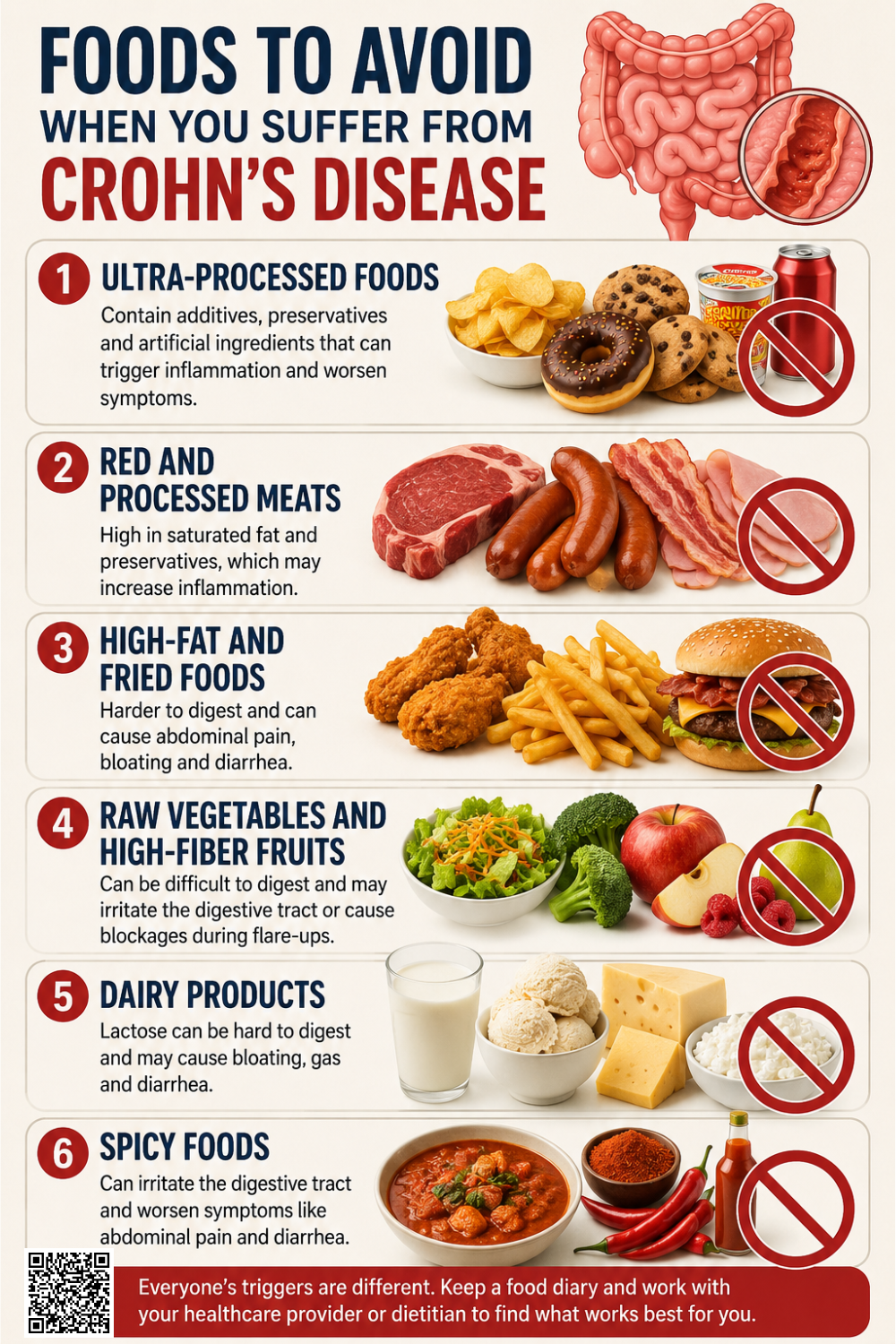 Foods to Avoid When You Suffer from Crohn’s Disease
1. Ultra-Processed Foods
Industrial formulations packed with additives, artificial sweeteners, and emulsifiers can disrupt your gut microbiome, trigger severe enteric inflammation, and worsen overall disease progression. 59, 60
2. Red and Processed Meats
High consumption of animal proteins, especially fatty red meats and sausages, is consistently associated with an increased incidence of gut inflammation and a higher risk of disease relapses. 61, 62
3. High-Fat and Fried Foods
Greasy, deep-fried meals and saturated fats are difficult for the intestines to absorb. They rapidly increase inflammation markers and frequently exacerbate diarrhea and abdominal cramping. 63, 64
4. Raw Vegetables and High-Fiber Fruits
While normally healthy, eating raw, tough vegetables like cabbage or broccoli introduces insoluble fiber that severely irritates inflamed bowels, leading to painful gas and severe bloating. 65
5. Dairy Products
Due to concurrent lactose intolerance or sensitivity to dairy fats, consuming milk, soft cheeses, or ice cream frequently provokes gas, severe cramping, and diarrhea during disease flare-ups. 66, 67
6. Spicy Foods
Spices and chili peppers containing capsaicin act as direct irritants to the gastrointestinal tract lining. They are frequently reported to provoke intense symptoms and acute inflammatory disease flare-ups. 68, 69
When To see Doctor when you have Crohn’s Disease
1. Persistent or Severe Abdominal Pain
Seek medical attention if you experience severe, continuous, or suddenly worsening abdominal pain and cramping, which may indicate inflammation, strictures, or abscess formation. 70
2. Severe Rectal Bleeding
Consult a doctor immediately if you notice significant rectal bleeding, dark stools, or hematochezia, as ongoing blood loss can quickly lead to dangerous anemia and requires evaluation. 71, 72
3. Signs of Bowel Obstruction
Get emergency care for persistent nausea, vomiting, severe bloating, or an inability to pass gas or stool, as these strongly suggest a life-threatening intestinal blockage or stricture. 73, 74
4. High Fever and Infection Signs
A high fever, chills, or localized tenderness could signal an intra-abdominal abscess, severe infection, or a penetrating fistula, requiring prompt medical imaging and intervention. 75, 76
5. Rapid or Unexplained Weight Loss
Schedule a visit if you experience rapid, unintentional weight loss alongside chronic diarrhea, indicating severe malabsorption, active disease flares, or potential complications needing adjusted therapy. 77, 78