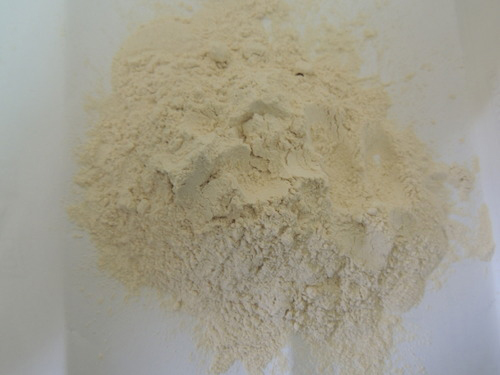
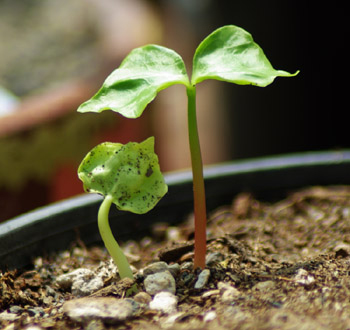
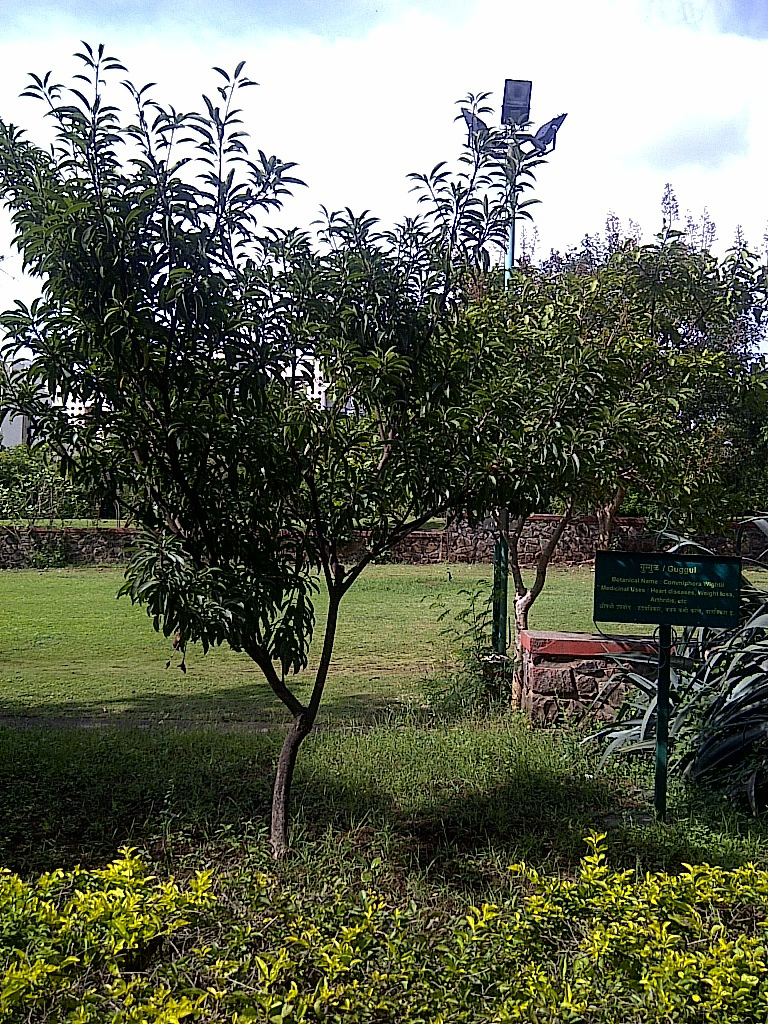
Commiphora wightii commonly known as Indian bdellium-tree, guggul, gugal, gugul or Mukul myrrh tree, is a flowering plant that belongs to family Burseraceae producing a fragrant resin known as guggul, gugal or gugul used in incense and vedic medicine. It is found in Northern Africa, Central Asia and most common in Northern India. It favors arid and semi-arid climate and tolerates poor soil as well. It is well distributed in India, Asia, Bangladesh and Pakistan. The general name is derived from Greek word “kominis” and “phora” which means gum bearer.
Guggal is a shrub or small tree which is native to arid western parts of the India. The major producing centers of guggul are kutch forest division in Gujarat and Jodhpur forest division in Rajasthan. The gum penetrated from the plants is known as oleo-gum-resin. It is used to treat rheumatoid arthritis, peptic ulcer and obesity.
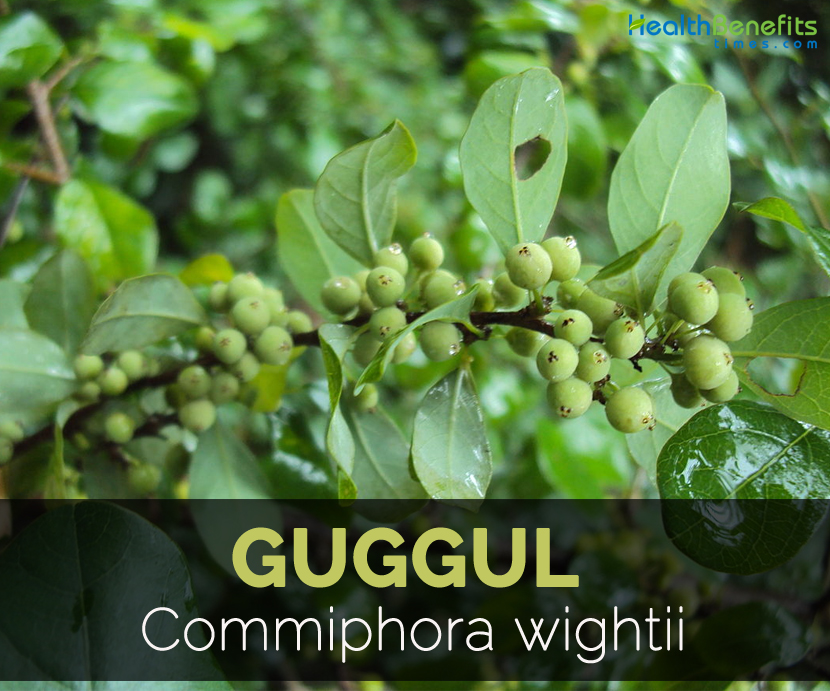
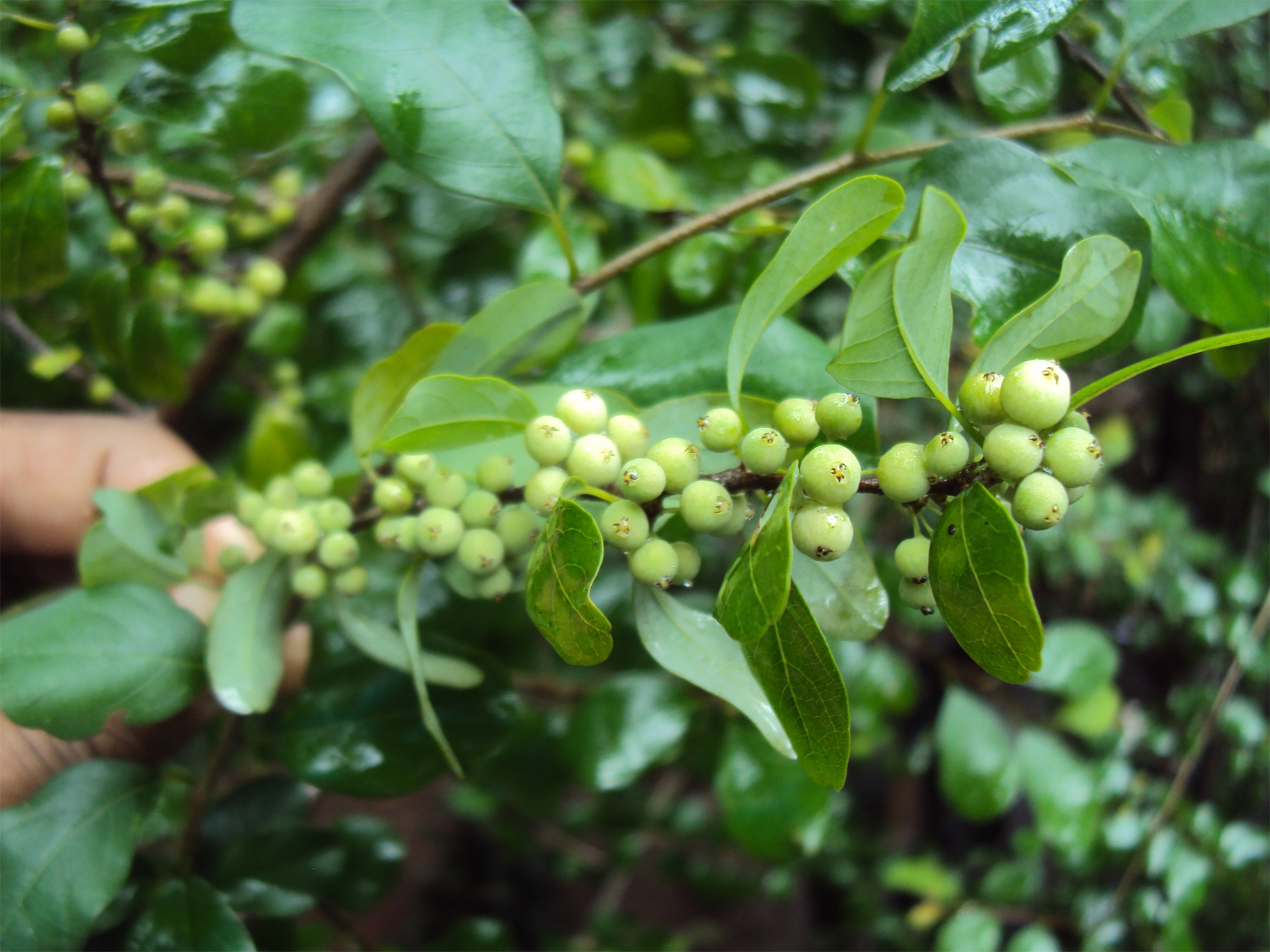
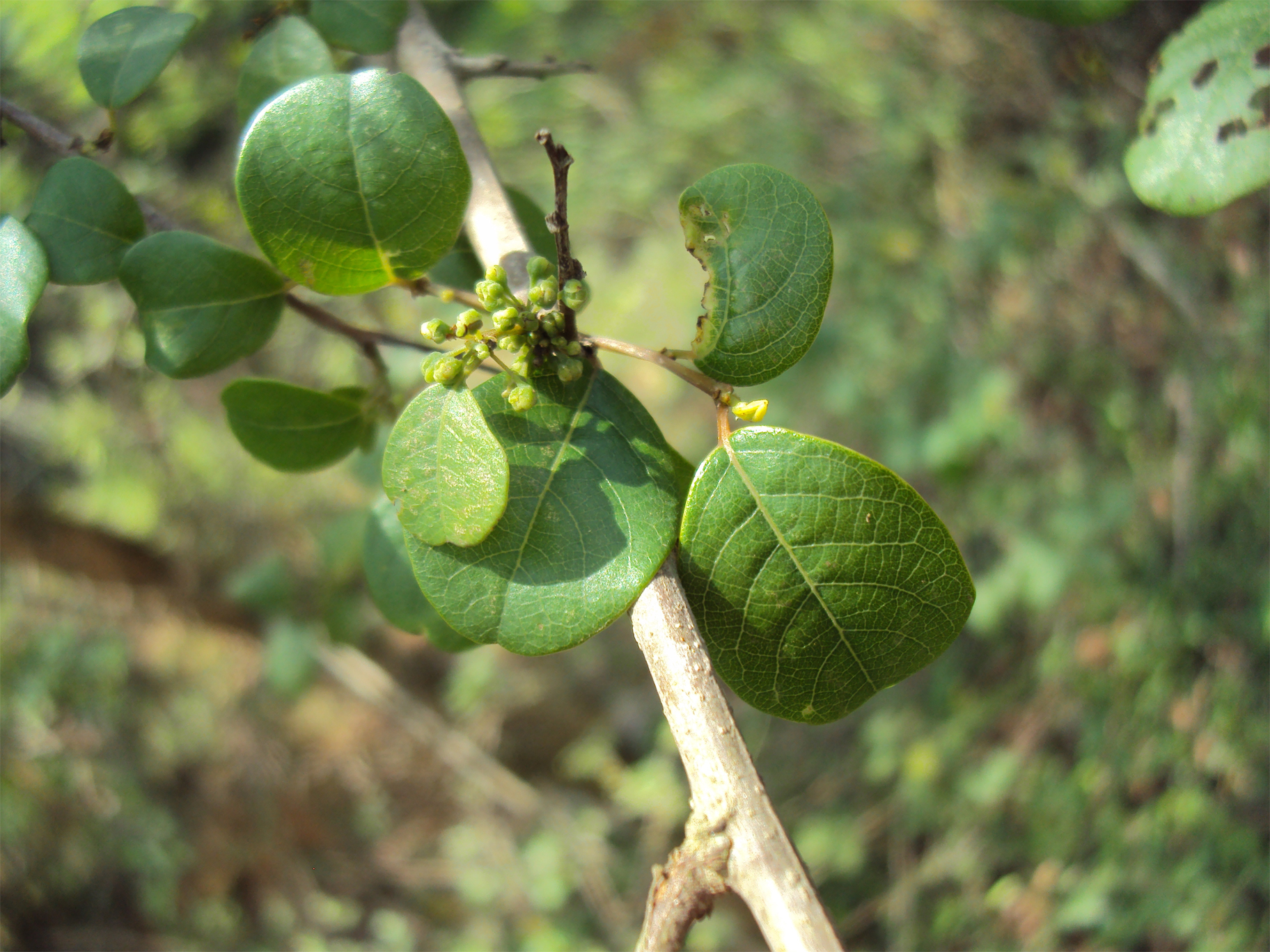
Being a slow growing plant, it requires from 8 to 10 years reaching to the height of 3 to 3.5 meters with thin paper bark and branches are thorny. Leaves are simple measuring 1 to 5 cm long and 0.5 to 2.5 cm broad. Plant is dimorphic, one with bisexual and male flower and other with female flower with staminodes. Fruits are green berry such drupe size of the fruit about 6 to 8 mm in diameter.
Habit and Distribution
The plant is distributed in arid area of northern Africa to Central Asia but common in Rocky tract of western India and Eastern Himalayas. Guggul is distributed in central Asia in arid areas of India, Pakistan and Bangladesh. The plant is found in arid, Gujarat, Rocky tracts of Rajasthan and Karnataka. Guggul are of five types according to Ayurveda such as Krishnan (black), Neel (blue), Peet Varn (Yellow), Rakt (blood red) and Kapish (light brown).
Plant description
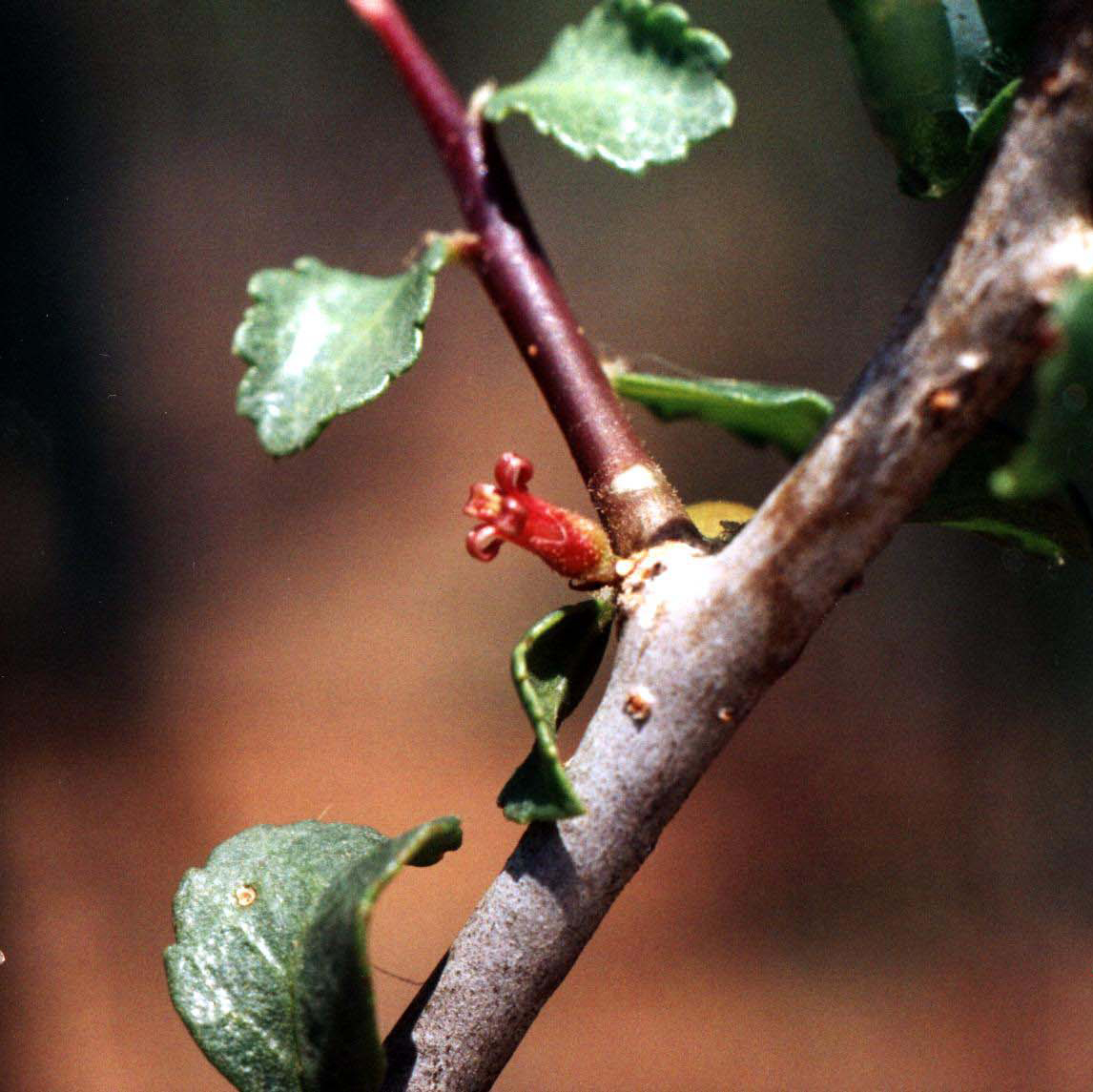
Commiphora wightii is a slow growing, much branched and shrubby plant which grows to the height of 2 to 3 meters with silvery and paper like grayish or grayish-brown bark peeling off in small pieces. Branches are spirally ascending spinescent having young parts glandular and pubescent. Leaves have sessile to sub sessile leaflets and the terminal one is largest rhomboid to ovate. Flowers are small and maroonpinkish. Petals are 4 to 5, brownish red recurved at the tip and four to five times as long as sepals. Calyx has glandular hairs that form cylindrical cup. Fruit is a reddish ovate drupe with two celled stone rarely 3 or 4 valved and red when ripe. Seeds are brown and lustrous.
Guggul lowers bad cholesterol, LDL,VLDL and triglycerides. It promotes the level of good cholesterol, high density lipoprotein. It lowers absorption of fats and cholesterol in the intestines. It promotes the elimination of bile acids as well as cholesterol; increase uptake of HDL by liver cells and inhibit production of cholesterol in liver.
It obstructs the bile acid receptor farnesoid x receptor which is a key component for maintenance of cholesterol and bile acid. It promotes bile excretion that assists elimination of cholesterol and bile acids from liver. It suppresses formation of enzymes causing change in low density lipoproteins and also formation of free oxygen radicals. It promotes cholesterol breakdown in the liver and excretion from the body. It prevents hardening of blood vessels and platelet stickiness.
Fat reduction
Study conducted in various animals such as rats, chicken, pigs, rabbits, rats, monkeys and dogs shows significant reduction in fat levels in mice with high fat diet. Besides blood cholesterol reduction, it promotes the activity of enzymes that break down fats in rats. It reduces body weight and also prevent thickening of blood vessels in rabbits.
Lowers inflammation
Guggul suppress activation of inflammatory cytokine NF-κB and target molecules and lowers inflammation associated with various inflammatory diseases. It suppresses the activation of interleukins and prostaglandins.
Acne treatment
An extract of Guggul is effective for treating acne. The study shows that the treatment was observed to be effective in patients with oily skin. It reduced inflammatory damage of skin. It is effective when used as traditional antibiotics for treating acne.
Skin health
Guggul promote type I collagen production providing strength to human skin cells and also inhibit the production of enzymes that cause skin damage.
Thyroid health
In rats, it stimulates thyroid glands by increasing in both iodine uptake and activity of thyroid enzymes. It increased thyroid hormones as well as other thyroid functions including tissue oxygen uptake. Increase in tissue oxygen uptake results increase in thyroid activity.
Acts as antioxidant
It inhibits the production of oxygen free radicals and prevents several tissues from damage. It inhibits formation of free radicals in stomach. It is helpful for oxidative stress associated disease such as heart and nerve damage. The antioxidants protect the mice’s brain with dementia. Guggul protects the heart health by lowering free radicals and inadequate blood supply.
Heart health
Study shows that guggul lowered chest pain in patients with heart disease. It protects heart during low blood supply.
Brain health
In mice, Guggul extract restores brain activity. Its extracts lowered drug associated nerve damage and memory loss. Antioxidant levels were increased and oxidative stress was reduced in brain.
Lowers blood sugar
Guggul lowered levels of blood glucose in diabetic rats. It prevents inflammatory signals and prevents pancreatic cell damage in rats. It promotes glucose stimulated insulin secretin and prevents reduction in size of pancreatic cells. Bile acids arouse insulin secretion by activation of bile acid receptor. It is beneficial for patients with type 2 diabetes.
Kidney health
Guggul inhibits the inflammatory signals created by drugs and infections. It prevents damage in kidneys of mice by restraining interleukins and prostaglandins. It curbs inflammatory molecules such as NF-kB, nitric oxide, IL-6, and TNF-alpha by preventing kidney damage in mice.
Respiratory problems
Bile acids shows direct effects on respiratory function but when used in excess is toxic for lung cells. Farnesoid-X receptor (FXR), a bile acid receptor is a purpose for treating respiratory ailments. Guggul is a suppressor of receptor activity and lowers the effects in rats.
Prevention of cancer
Guggul eliminates cancer cells, decreases formation of new blood vessels and reduces cell growth. It has positive effect on different cancer cells including neck, head, leukemia, lung, breast and prostate cancer. It reduces reactive oxygen species as well as inflammation. It impedes target receptors, proteins and factors. It interferes with molecular pathways by preventing cancer cell death.
Traditional uses
Guggul is used for treating osteoarthritis, obesity, gout, rheumatoid arthritis, sciatica, facial paralysis, liver disorders, haemorrhoids, cyst, inflammation, coronary thrombosis, cervical lymphadenitis, diabetes, anemia, urinary calculus and increase in frequency of urine and skin diseases.
Resin is used in form of lotion for indolent ulcers and as a gargle in spongy gums, caries, chronic tonsillitis, pyorrhea and ulcerated throat.
Inhale the fumes from burnt Guggul is useful for hay fever, chronic and acute nasal catarrh, chronic bronchitis, chronic laryngitis and phthisis.
It is used for treating osteoarthritis, obesity, gout, rheumatoid arthritis, constipation, sciatica, liver disorders, cyst, inflammation, coronary thrombosis, cervical lymphdentitis, diabetes, anemia and urinary calculus.
It is used for treating muscular rheumatism.
For centuries, Ayurvedic physicians are using gum resin for treating various disorders.
Precautions
When used in high doses, it causes liver toxicity.
Not to be used during pregnancy or lactation as it is a uterine stimulant.
Heart patients should use it with caution.
It may cause headache and mild nausea.
People with health conditions such as endometriosis, breast cancer, prostate cancer, ovarian cancer and uterine cancer should avoid it.
Consult the doctor for use by people with thyroid condition.
Not to be used in children, nursing mothers and pregnant women.