

 What is Pleurisy
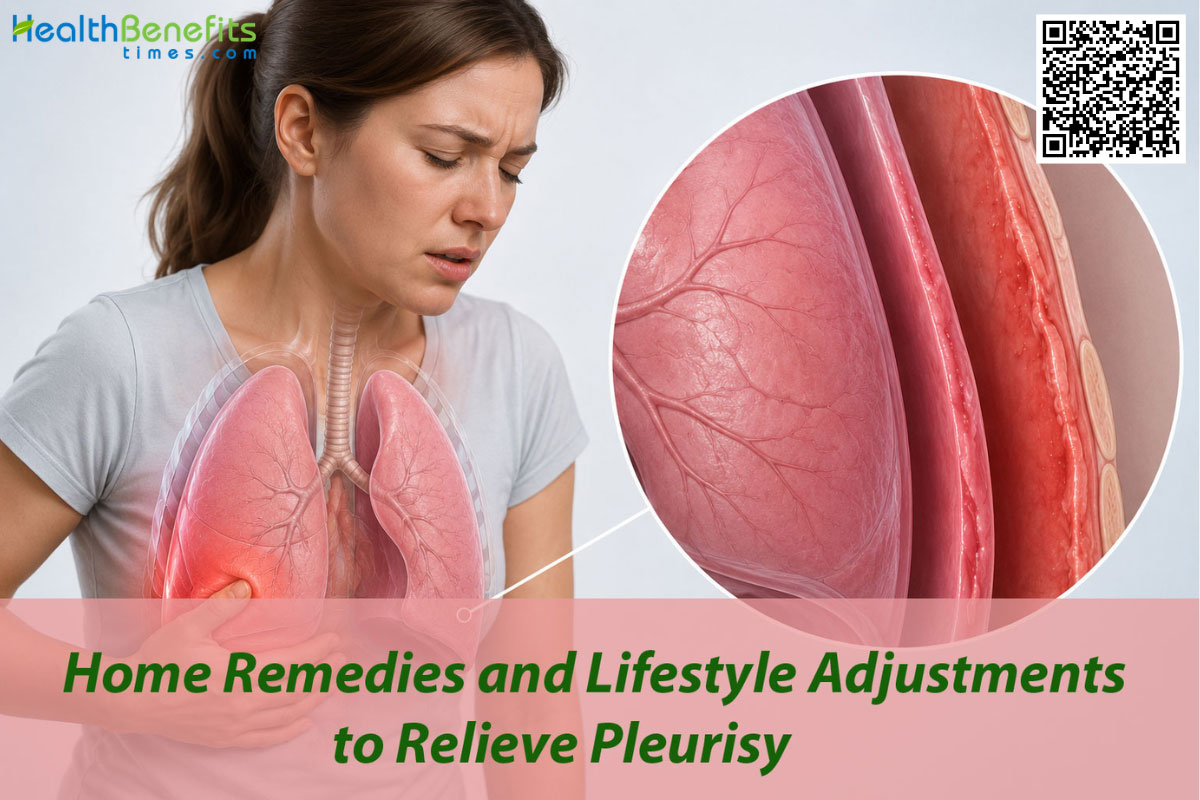
Breathing is a natural, automatic process that we usually never have to think about, but it can suddenly become a source of sharp, stabbing discomfort when the delicate tissues surrounding the lungs become irritated. Pleurisy, also commonly referred to as pleuritis, is an inflammatory medical condition that affects the pleura. The pleura is a large, incredibly thin, two-layered sheet of tissue; one layer wraps snugly around the outside of your lungs, while the other layer lines the inner wall of your chest cavity 1. Under healthy, normal circumstances, a very tiny amount of slippery fluid fills the microscopic space between these two layers, acting as a lubricant that allows your lungs to glide effortlessly against the chest wall every time you inhale and exhale. However, when an infection or another underlying medical issue triggers inflammation, these normally smooth, wet surfaces become swollen, sticky, and rough 2. Every single time a breath is drawn, these roughened layers aggressively rub against each other like two pieces of sandpaper. This mechanical friction creates a highly distinct grating sound that doctors can hear with a stethoscope, and it produces a sudden, sharp chest pain that peaks whenever a person breathes in deeply, coughs, or sneezes {% https://medlineplus.gov/ency/article/001371.htm %}.
Causes of Pleurisy
Understanding exactly what sets off this painful friction in the chest is incredibly important, as the inflammation of the pleura is almost never an isolated event. It generally serves as an alarm bell, indicating that the body is reacting to another underlying health issue or infection. The primary causes of this condition cover a wide spectrum of illnesses, ranging from common bugs to chronic diseases.
1. Viral Infections
Viruses are by far the most frequent culprits behind inflamed lung linings. When a person catches a severe viral bug, the infection can migrate deep into the respiratory tract and irritate the pleural space. Common viruses known to cause this condition include the influenza (flu) virus, respiratory syncytial virus (RSV), adenoviruses, and the Coxsackievirus 3. More recently, the virus responsible for COVID-19 has also been identified as a trigger for this type of sharp chest pain, sometimes acting as the very first warning sign of the illness 4. Viral pleurisy is typically self-limiting and clears up as the immune system defeats the virus.
2. Bacterial Pneumonia
When bacteria invade the lower respiratory tract, they can cause the lung tissue itself to become highly inflamed and swollen, a condition universally known as pneumonia. As this bacterial infection grows, the intense inflammation easily spreads outward to the pleural envelope covering the infected lung 5. Bacterial causes require careful medical attention because they can prompt fluid and pus to build up dangerously within the chest cavity, creating a complicated medical scenario that usually necessitates prescription antibiotics.
3. Tuberculosis (TB)
In many parts of the world, or among individuals who have weakened immune systems, tuberculosis remains a formidable disease. This highly contagious bacterial infection primarily attacks the lungs and is notorious for severely impacting the pleural layers 6. When TB bacteria reach the outer edges of the lungs, they trigger a robust immune response that leads to intense, chronic pleural inflammation and often causes significant amounts of fluid to collect around the lungs.
4. Autoimmune and Inflammatory Diseases
Sometimes, the human immune system becomes confused and begins attacking the body’s own perfectly healthy tissues. Chronic autoimmune diseases are well known for targeting the lungs and their protective linings. Systemic lupus erythematosus (often just called lupus) and rheumatoid arthritis frequently cause recurring episodes of pleural inflammation, even when absolutely no germ or infection is present in the body 7. For these patients, the chest pain is a direct result of their overactive immune system.
5. Pulmonary Embolism
A pulmonary embolism is a critical, life-threatening medical event that occurs when a blood clot usually originating from the deep veins in the legs breaks free, travels through the bloodstream, and becomes lodged inside an artery in the lungs 8. This sudden blockage cuts off the vital blood supply to a portion of the lung tissue. The resulting tissue damage immediately triggers an intense inflammatory response in the surrounding pleura, leading to sudden, severe, and sharp chest pain that hurts with every breath.
6. Chest Trauma and Rib Fractures
Physical injuries to the chest wall can directly damage the pleural layers. A forceful impact, such as a fall, a car accident, or a sports injury, can crack or break the ribs. The sharp, broken edges of the rib bones can physically scrape, bruise, or puncture the delicate pleural lining, causing immediate, localized inflammation and severe pain that makes breathing an agonizing task 9.
Symptoms of Pleurisy
The physical warning signs of an inflamed pleura are distinct and closely tied to the mechanical action of the lungs expanding and contracting inside the chest. Recognizing these signs early can help differentiate this specific condition from other common respiratory ailments.
- Sharp Chest Pain: The hallmark symptom is a sudden, sharp, stabbing, or grating pain in the chest that becomes noticeably worse whenever you take a breath in or breathe out.
- Pain with Movement: The chest discomfort sharply intensifies during any basic physical reflex that forces the chest to expand rapidly, such as coughing, sneezing, laughing, or making sudden twisting movements with your torso.
- Radiating Discomfort: The pain is not always confined to the chest; it can frequently travel or spread to the shoulders, the neck, or the upper back on the affected side.
- Shortness of Breath: Many people feel as though they cannot get enough air, a symptom known as dyspnea, which often happens because the person is subconsciously taking very shallow breaths to avoid triggering the sharp chest pain 10.
- Rapid Breathing: Because deep breaths are too painful, the body compensates by adopting a fast, shallow breathing pattern to ensure it still gets enough oxygen.
- Persistent Cough: A dry, hacking cough is incredibly common, especially if a viral infection is the root cause of the irritation.
- Systemic Signs of Infection: If the inflammation is driven by an underlying germ, the person may also experience a high fever, shaking chills, unexplained fatigue, and night sweats.
- Bluish Skin Tone: In highly severe cases where the breathing difficulty leads to a critical drop in oxygen levels, the skin, lips, or nail beds may take on a bluish tint a serious warning sign called cyanosis that requires immediate emergency care 11.
Pleurisy Facts
To help you better understand the scope, risks, and clinical realities of this condition, the following table organizes the most important medical facts into a clear, structured format.
| Category | Details |
| Symptoms 12 |
|
| Causes 13 |
|
| Types of Pleural Disorders 14 |
|
| How it Spreads 6 |
|
| Age Group |
|
| You might be at a higher risk for exposure of this disease if you: |
|
| How doctors diagnose 16 |
|
| Other facts |
|
Home Remedies and Lifestyle Adjustments to Relieve Pleurisy
Taking charge of your recovery involves creating a calm, supportive environment where your lungs can gradually heal. While you must always follow a healthcare provider’s primary advice especially if you require antibiotics for a bacterial infection you possess a great deal of power to manage the sharp, distressing discomfort right in your own home. The following strategies are designed to help you modify your physical movements, master specialized breathing techniques, and adopt daily habits that soothe pulmonary irritation and bring you much-needed relief.
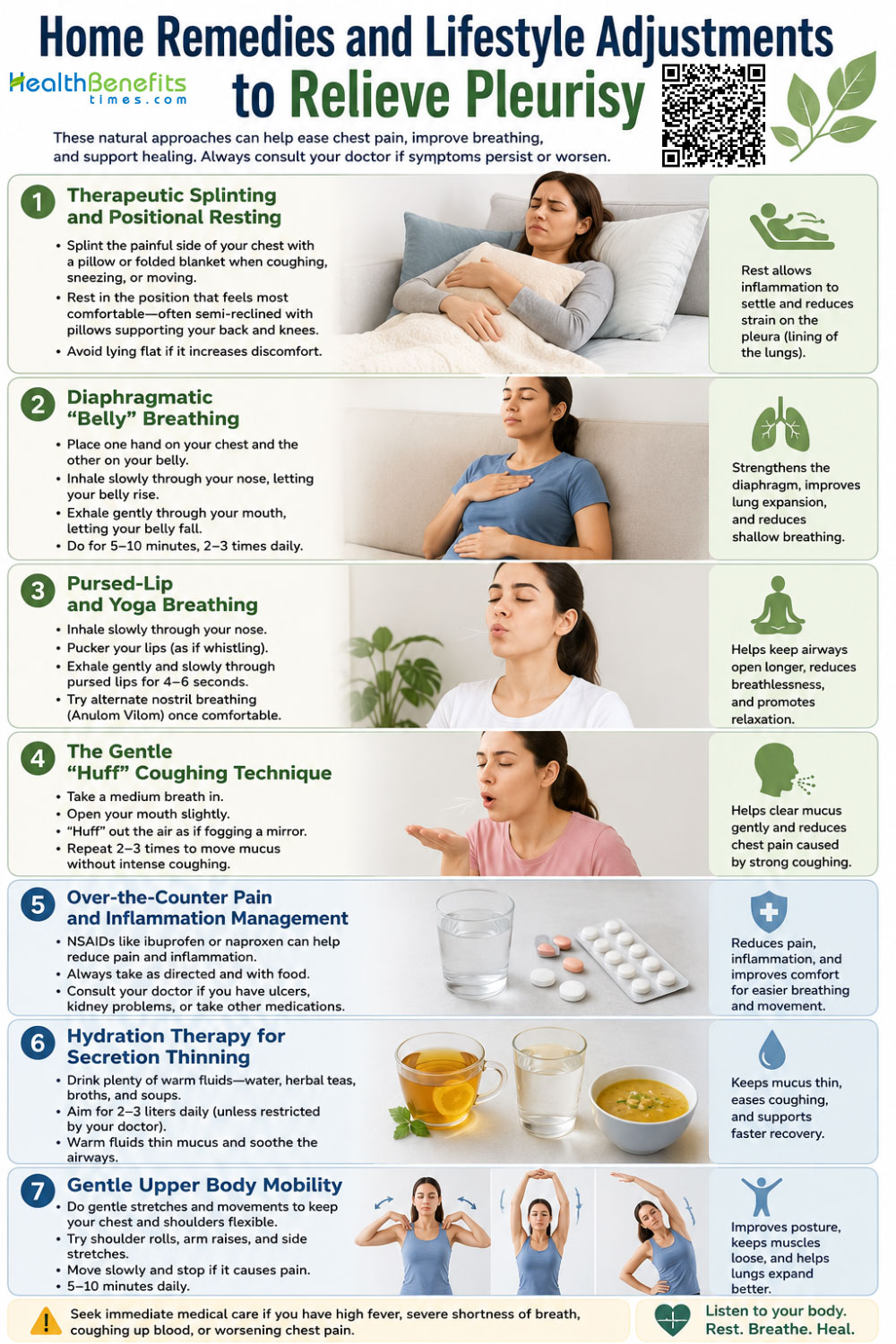
1. Therapeutic Splinting and Positional Resting
Finding a comfortable way to sit or lie down is usually the first major hurdle when your chest hurts with every breath. Human instinct tells you to avoid touching or pressing on the side of your body that is in pain. Interestingly, medical advice suggests doing the exact opposite. Resting in specific positions, particularly lying directly on the painful side of your body, can significantly ease your discomfort. This physical technique is known as “splinting.” By placing your body weight against the inflamed side of your ribcage, you physically restrict that specific area from expanding too much when you breathe in. Limiting the movement of the chest wall directly decreases the rough friction between the swollen pleural layers, which ultimately dulls the sharp, grating sensation of the pain 17.
Note: To use this positional remedy, simply lie down on a bed or sofa on the side of your body that hurts the most; alternatively, you can hold a firm pillow tightly against the painful side of your chest when you feel the urge to cough, providing mechanical support that minimizes sharp pain spikes.
2. Diaphragmatic “Belly” Breathing
When you are in pain, you will naturally start taking very shallow, rapid breaths using only the top of your chest, a habit known as “chest breathing.” While this might temporarily feel safer because it avoids stretching the sore ribs, avoiding deep breaths is actually quite risky. It can lead to a dangerous complication where the bottom parts of your lung slowly collapse or fluid builds up and becomes infected. To counteract this safely, you need to shift your breathing down to your diaphragm. Diaphragmatic breathing, also called belly breathing, pulls air deeply into the lower sections of the lungs without over-expanding the upper chest wall where the sharpest pain usually resides. This technique ensures your lungs remain fully ventilated, helping to clear out trapped mucus and speed up the healing process 18.
Note: To do this for medicinal benefits, sit comfortably and place one hand on your upper chest and the other on your stomach just below the ribcage; breathe in slowly through your nose for a count of four so that only the hand on your stomach rises, then gently exhale, practicing this for at least five minutes daily to maintain healthy lung expansion.
3. Pursed-Lip and Yoga Breathing
Alongside belly breathing, pacing how fast the air leaves your lungs can provide incredible relief from breathlessness. Pursed-lip breathing is a widely respected technique that helps keep the airways open longer, reducing the work your lungs have to do. By slowing down your exhale, you create a gentle back-pressure inside the lungs that prevents the smaller airways from collapsing. Incorporating elements of controlled yoga breathing can also help ease the severe anxiety and panic that often accompanies feeling short of breath, enhancing your overall quality of life while you recover from serious respiratory illnesses 19.
Note: To apply this breathing remedy, inhale deeply through your nose, then pucker your lips as if you are about to blow out a candle; slowly breathe out through your pursed lips, taking twice as long to exhale as you took to inhale, repeating this cycle until your breathing feels calm and controlled.
4. The Gentle “Huff” Coughing Technique
Clearing mucus and phlegm from your airways is essential, especially if your inflammation is a byproduct of pneumonia or a chest cold. However, violent, explosive coughing fits are excruciating when your pleura is swollen. Instead of a traditional, hard cough that jars the entire chest cavity, you can use a much gentler airway clearance method known as “huffing.” Huffing forces air out of the lungs just fast enough to move sticky sputum up the airway, but without creating the intense, painful pressure inside the chest that triggers stabbing pleuritic pain 20.
Note: To apply this clearance technique, take a slow, deep breath in, hold it for two to three seconds, and then forcefully exhale the air through an open mouth and throat as if you are trying to steam up a mirror; repeat this gentle huff once or twice to safely clear mucus without straining your chest wall.
5. Over-the-Counter Pain and Inflammation Management
Managing the chemical inflammation inside your chest is just as critical as managing your physical movements. You do not always have to endure the pain unassisted. Nonsteroidal anti-inflammatory drugs (NSAIDs), such as ibuprofen, are highly effective front-line defenses. Unlike basic painkillers, ibuprofen actively works to reduce the swelling and inflammation within the pleural lining itself, addressing the root cause of the friction rub 21. If you have a sensitive stomach or cannot tolerate NSAIDs, paracetamol (acetaminophen) is a very safe and viable alternative for dulling the neurological pain signals and reducing any fever you might have, even though it does not actively shrink the physical swelling 22.
Note: This remedy is consumed orally in pill or liquid form according to the package directions, ideally taking ibuprofen with food or milk to prevent stomach upset; use the lowest effective dose necessary to allow you to breathe deeply and comfortably, ensuring you do not exceed the daily maximum limits.
6. Hydration Therapy for Secretion Thinning
Water is arguably one of the most effective, natural medicines for the respiratory system. When your body is fighting off a respiratory bug, the protective mucus in your lungs can quickly become thick, sticky, and incredibly difficult to clear. A dehydrated respiratory system forces you to cough much harder and more frequently, which severely aggravates your chest pain. Maintaining optimal hydration naturally thins out pulmonary secretions. When mucus is lighter and more fluid, it is significantly easier for your body to expel it using gentle huffing rather than relying on forceful, painful coughing fits.
Note: To harness this natural remedy, drink at least 6 to 10 cups of room-temperature water, herbal teas, or clear warm broths throughout the day; sipping warm liquids provides an extra soothing effect that relaxes the throat and chest muscles, facilitating much easier breathing.
7. Gentle Upper Body Mobility
When your chest hurts, your first instinct is to curl up, hunch your shoulders, and freeze your upper body to avoid moving the painful area. Unfortunately, this protective posture causes the muscles in your neck, shoulders, and chest wall to become stiff, cramped, and fatigued. Over time, this muscle tension compounds your overall discomfort and makes taking a breath feel even tighter. Integrating very gentle, slow mobility exercises prevents this secondary muscle pain and keeps the ribcage flexible enough to support normal, healthy breathing mechanics 23.
Note: This physical adjustment is done by performing slow shoulder shrugs (raising your shoulders to your ears and lowering them gently) and very slow trunk rotations while seated; perform these movements only within a pain-free range a few times a day to maintain good blood flow and prevent musculoskeletal stiffness.
Foods and Activities to Avoid When You Suffer from Pleurisy
Healing a delicate respiratory condition requires you to be highly mindful of your daily habits. You must actively avoid internal and external stressors that provoke further inflammation or force the lungs to overwork.
1. Avoid Smoking and Vaping
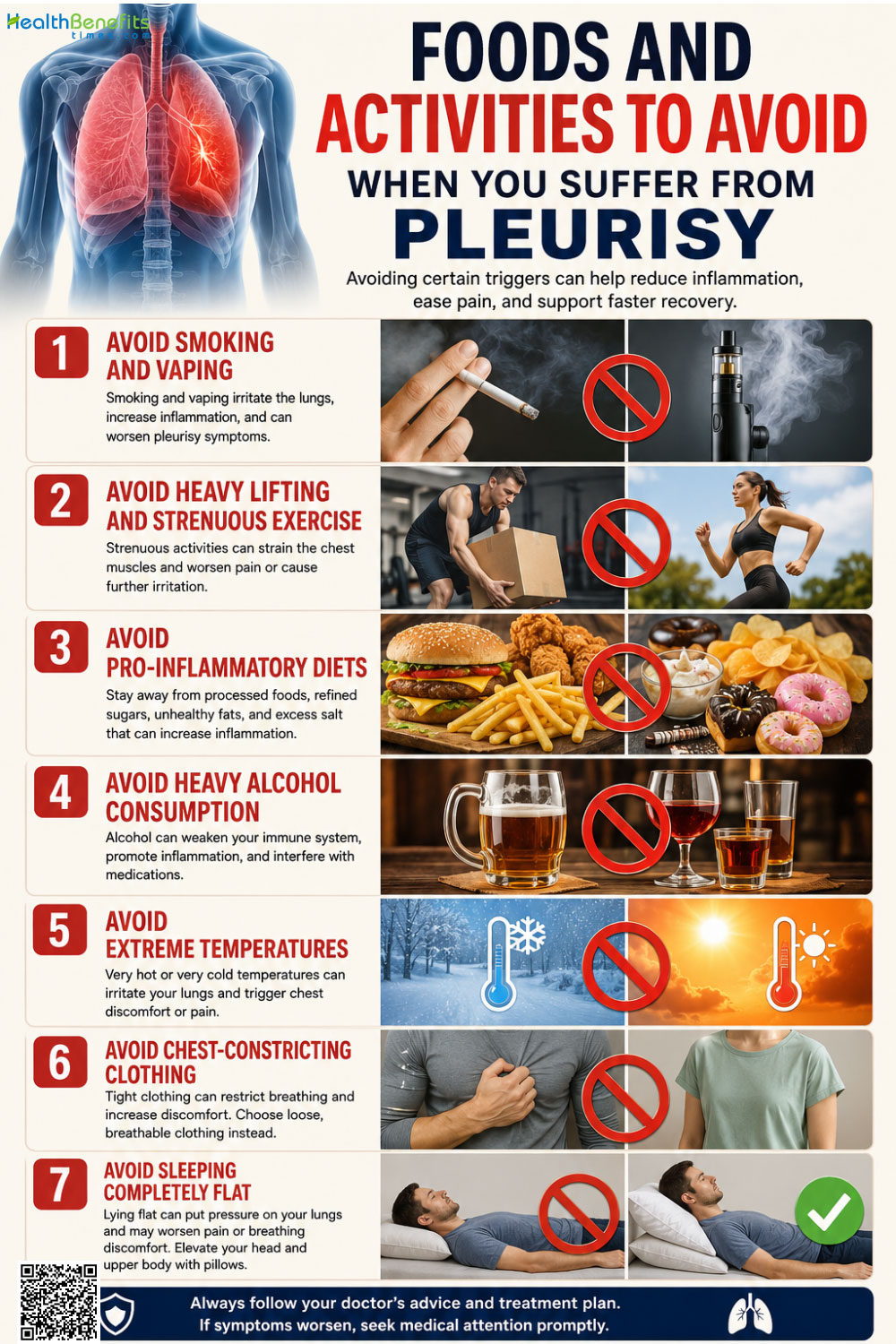
Inhaling tobacco smoke, marijuana, or chemical vapor directly damages the respiratory lining, severely delays the healing of the pleura, and exponentially increases the risk of triggering uncontrollable, agonizing coughing fits. You must completely avoid active smoking and environments with secondhand smoke 9.
2. Avoid Heavy Lifting and Strenuous Exercise
Activities that require you to bear down, hold your breath, or heavily exert your cardiovascular system place extreme mechanical stress on the ribcage. Strenuous exercise demands deep, rapid ventilation, which will instantly trigger severe pain spikes and exhaust your healing body.
3. Avoid Pro-Inflammatory Diets
Limit your intake of highly processed foods, refined sugars, and excessive trans fats. A diet high in these items can promote systemic inflammation throughout the body, potentially slowing down your natural immune response to the underlying infection causing the chest pain.
4. Avoid Heavy Alcohol Consumption
Alcohol depresses your immune system and can interact very negatively with over-the-counter pain medications like ibuprofen and paracetamol. Furthermore, alcohol is a diuretic that causes dehydration, which thickens lung mucus and makes coughing more painful.
5. Avoid Extreme Temperatures
Sudden exposure to extremely cold, dry air can shock the sensitive airways, inducing sudden airway spasms and harsh coughing. If you must go out in the cold, loosely wrap a scarf around your nose and mouth to warm the air before it hits your lungs.
6. Avoid Chest-Constricting Clothing
Wearing tight bras, corsets, or highly restrictive abdominal clothing physically forces you to breathe using only your upper chest. This restricts the diaphragm from dropping naturally, entirely contradicting the healthy, pain-relieving belly-breathing techniques you need to practice.
7. Avoid Sleeping Completely Flat
For many people, lying completely flat on the back causes lung secretions to pool at the back of the throat and increases gravitational pressure on the chest. If lying flat provokes coughing or breathlessness, avoid this posture; instead, prop your head and upper back up with several pillows to sleep at a gentle incline.
Myths and Misconceptions
Navigating respiratory illnesses often means wading through decades of well-meaning but totally inaccurate advice. Clarifying these common misunderstandings is critical for ensuring a safe and stress-free recovery.
| Myth | Reality |
| “Pleurisy is always a bacterial infection that requires antibiotics.” 24 | Reality: The vast majority of these cases are actually caused by common viral infections (like the flu or a cold), which do not respond to antibiotics at all. Antibiotics are only effective and prescribed by doctors if the underlying cause is explicitly identified as a bacterial infection, such as bacterial pneumonia. |
| “This condition is a disease that attacks the inside air sacs of the lungs.” | Reality: Pleurisy does not directly affect the interior air sacs (alveoli) where oxygen exchange happens. It is exclusively an inflammation of the pleura—the thin, protective dual-layered membrane that wraps around the outside of the lungs and lines the inside of the ribs. |
| “You should stop taking deep breaths entirely to avoid the sharp pain.” 3 | Reality: While taking shallow breaths successfully avoids immediate pain, consistently refusing to take deep breaths is medically dangerous. It can lead to fluid buildup or a partial lung collapse. Controlled, gentle diaphragmatic breathing is strongly encouraged to keep the lungs open and functioning. |
| “All sudden, sharp chest pain means you are having a heart attack.” | Reality: While a heart attack is an absolute medical emergency, the pain is typically described as a heavy, crushing, or squeezing pressure that radiates. Pleuritic pain is uniquely characterized as sharp, stabbing, and directly synchronized with the mechanical action of taking a breath, coughing, or sneezing. |
| “Only older adults or heavy smokers get this condition.” | Reality: This painful inflammation can strike individuals of any age, including perfectly healthy children, teenagers, and young adults. It frequently occurs in young people simply following a bout of a common viral respiratory infection or after a minor chest trauma. |
Special Considerations
Chest inflammation does not manifest uniformly across all populations. A person’s age, physiological states like pregnancy, and preexisting health conditions dramatically alter how the body responds to the illness, requiring specialized awareness and customized care strategies.
1. Children
When a child complains of sharp chest pain, it frequently induces immense panic in parents. While pediatric pleuritic pain can result from basic, everyday viral infections, the diagnosis is much broader and requires a very careful approach. Children are often less likely to clearly articulate the exact nature of the pain. Instead, they might present with a stubborn reluctance to move, a refusal to eat, or a tendency to tightly hold or guard their chest. Medical professionals must maintain a high index of suspicion to differentiate simple viral irritation from more severe pediatric conditions. For example, underlying autoimmune diseases like juvenile systemic lupus erythematosus (JSLE) can initially present as chest pain in children 25. Other rare issues, such as bony growths on the ribs (rib exostoses) that physically scrape the lung lining, or spontaneous air leaks in the chest (pneumomediastinum) triggered by heavy coughing or vomiting, must also be considered 26 27. Any chronic symptoms like night sweats, weight loss, or joint pain alongside chest pain in a child warrant an immediate, thorough investigation by a pediatrician.
2. Pregnancy
Experiencing respiratory distress during pregnancy introduces a highly complex dynamic, as the health of both the mother and the developing fetus must be continuously balanced. Feeling somewhat breathless is already a completely normal physiological symptom in pregnancy, largely because the growing uterus physically pushes upward against the diaphragm, limiting lung expansion. However, if a pregnant woman develops sharp, stabbing chest pain alongside breathlessness, it must be evaluated urgently. This is critical to rule out a pulmonary embolism (blood clot in the lung), which remains a leading direct cause of maternal mortality 28. If fluid buildup or infected pus (empyema) occurs around the lungs due to severe pneumonia, highly effective and safe treatments do exist. Medical teams have successfully utilized antibiotics, chest drainage tubes, and even intrapleural fibrinolytics (medicines that break up thick fluid in the chest) without harming the mother or the baby 29. Importantly, pregnant women should never avoid necessary diagnostic chest X-rays if their doctor recommends them; proper lead shielding fully protects the fetus, and the risk of leaving severe pneumonia undiagnosed far outweighs the extremely minimal radiation exposure.
3. Chronic Conditions
Individuals living with chronic systemic diseases often experience this chest pain not as a fleeting, one-time infection, but as a recurring, deeply frustrating symptom of their primary illness. Patients battling autoimmune disorders, particularly systemic lupus erythematosus and rheumatoid arthritis, frequently suffer from recurrent pleural inflammation because their hyperactive immune systems mistakenly attack their own lung linings. In lupus patients, this can even manifest as “shrinking lung syndrome,” a rare complication where the lungs progressively lose their volume and efficiency alongside chronic pleuritic pain 30. Furthermore, individuals suffering from advanced, chronic kidney disease can develop a condition known as “uremic pleuritis.” This occurs when the kidneys fail to filter out toxic waste products from the blood, and these accumulating toxins directly irritate and inflame the pleura. For these specific populations, treating the chest pain requires aggressive, specialized management of the underlying chronic disease such as adjusting powerful immunosuppressant medications or optimizing dialysis schedules rather than just relying on basic over-the-counter pain relievers.
4. Elderly
The geriatric population faces the highest risk of mortality and severe complications when afflicted with respiratory inflammation, primarily due to the natural physiological changes of aging, weaker lung reserves, and a higher prevalence of overall frailty. In older adults, pleural inflammation is very frequently a direct, dangerous complication of severe bacterial lung infections, particularly stubborn bacteria like Klebsiella pneumoniae or Pseudomonas aeruginosa 31. Elderly patients who contract community-acquired pneumonia have an exceptionally high rate of developing parapneumonic pleural effusions a severe condition where the inflammation causes infected fluid to rapidly flood the chest cavity 32. Additionally, because older adults often possess muted immune responses, they might not present with the classic, obvious signs like high fevers or intense chest pain. Instead, their early warning signs might be much more subtle: sudden confusion, extreme lethargy, vague chest tightness, or a sudden drop in blood sodium levels. Caregivers must be highly vigilant for these subtle shifts in baseline health.
Precaution before use of natural remedies when you have Pleurisy
While natural therapies, breathing techniques, and lifestyle adjustments provide excellent, comforting supportive care, they are never a replacement for clinical medicine when you are dealing with potential internal organ inflammation. Before integrating natural remedies into your routine, you must observe strict safety boundaries.
1. Do Not Mask Emergency Symptoms
Relying solely on herbal teas, heating pads, or natural pain relief can dangerously mask the worsening symptoms of a life-threatening condition, such as a pulmonary embolism or a massive bacterial lung infection. You must never delay professional medical evaluation if your pain is severe, suddenly escalating, or accompanied by extreme shortness of breath.
2. Beware of Drug-Herb Interactions
If you are incorporating herbal supplements, high-dose vitamins, or traditional remedies into your daily routine, you must ensure they do not negatively interact with your prescribed antibiotics or over-the-counter NSAIDs. Some natural herbs can significantly increase bleeding risks or cause liver toxicity when mixed with standard pharmacy medications.
3. Avoid Strenuous Chest Physiotherapy
While gentle belly breathing and light huffing exercises are highly beneficial, aggressive chest thumping, deep tissue massage on the ribs, or forceful respiratory therapies found in some alternative medicine practices can be dangerous. These aggressive actions can worsen a fractured rib or severely exacerbate the delicate pleural inflammation.
4. Mind Your Hydration Limits in Heart Failure
While increasing your daily fluid intake is generally an excellent way to thin out sticky lung mucus, individuals who have coexisting health conditions like congestive heart failure or severe kidney disease must strictly consult their doctor before drastically increasing their daily water consumption. Drinking too much water can lead to dangerous fluid overload in these specific patients.
5. Monitor for Allergic Reactions to Essential Oils
Essential oils, such as eucalyptus, camphor, or peppermint, used in room diffusers or natural chest rubs can provide soothing aromatherapy and open the nasal passages. However, they can also trigger sudden bronchospasms, allergic asthma attacks, or severe skin rashes in highly sensitive individuals. Always test a small amount first and ensure the room is well-ventilated.
When to see a Doctor
Pleurisy is often a highly manageable condition that resolves with rest and time, but the fine line between a mild viral irritation and a catastrophic respiratory failure requires constant vigilance. You must seek urgent or immediate emergency medical evaluation if you experience any of the following critical red flags.
1. Prolonged, Crushing Pain
If you experience sudden, severe chest pain that feels heavy or crushing, lasts for 15 minutes or more, or if the pain actively spreads to your arms, back, neck, or jaw, you must act immediately. These are the classic, undeniable signs of a cardiac emergency or heart attack 33.
2. Coughing Up Blood
If you notice significant amounts of blood in your phlegm, or you cough up dark, rust-colored mucus, you must see a doctor. This can indicate serious lung tissue damage, a severe case of pneumonia, or a life-threatening blood clot in the lung 34.
3. Severe Respiratory Distress
If you find it incredibly difficult to breathe, you are visibly gasping for air, you are unable to speak in full sentences without losing your breath, or you have to lean forward constantly just to take a breath, your lungs are failing to function properly and you need emergency oxygen.
4. Signs of Cyanosis
If you or a loved one observes a distinct bluish or grayish color developing on your lips, gums, nail beds, or skin, this is a severe clinical sign. It means your blood is being actively starved of oxygen, and you require immediate intervention 35.
5. High Fever and Chills
If you develop a persistently high fever accompanied by violent, shaking chills and excessive sweating, this strongly indicates a severe, spreading bacterial infection. This type of infection will not heal with home remedies and requires an immediate prescription for antibiotic intervention.
6. Altered Mental State
If the patient becomes suddenly confused, highly irritable, unusually lethargic, or exceptionally difficult to wake up from sleep, you must seek help. This mental fog strongly suggests that the brain is not receiving enough oxygen due to failing lung mechanics or that a severe infection has entered the bloodstream.