

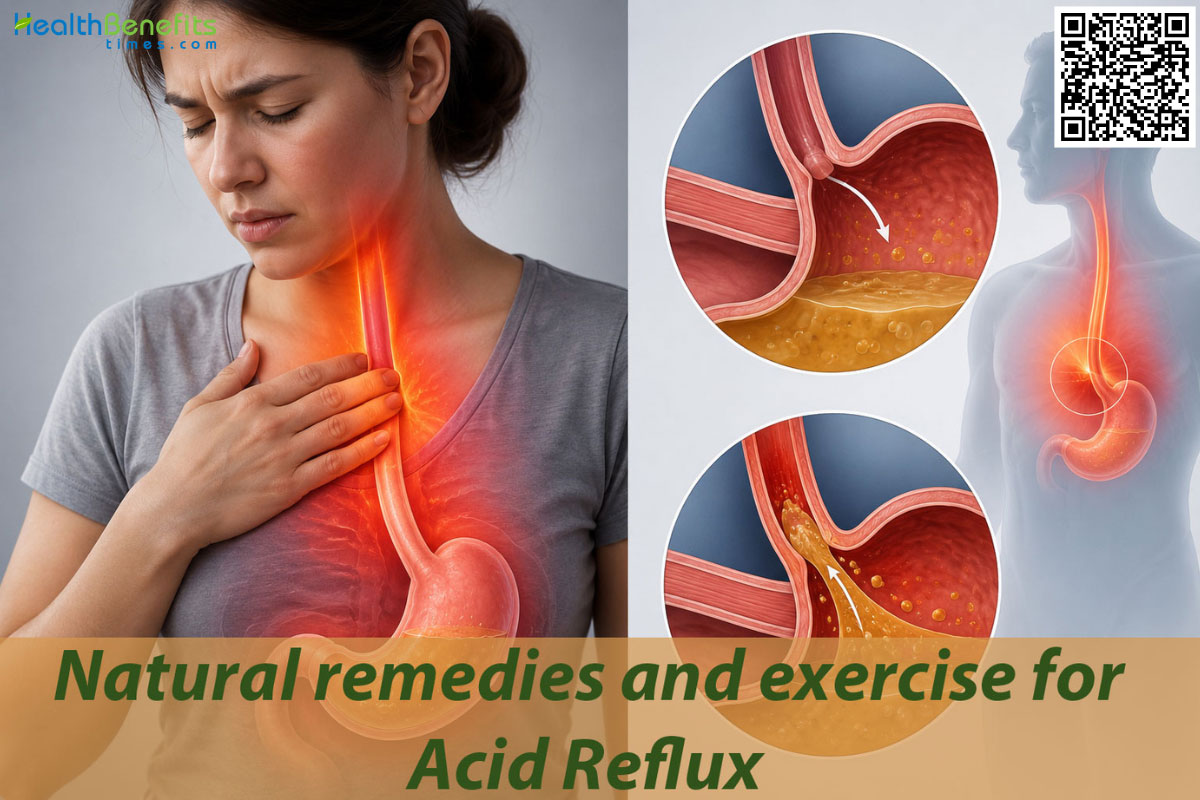
Gastroesophageal reflux, commonly recognized by the general public as acid reflux, occurs when the liquid contents of the stomach mistakenly travel backward up into the esophagus. The esophagus serves as a vital muscular transport tube that connects the back of the throat directly to the stomach. Under normal and healthy circumstances, a specialized circular band of muscle located at the very bottom of this tube known as the lower esophageal sphincter relaxes just enough to allow food and liquids to pass into the stomach before tightly sealing shut 1. When this essential muscular valve becomes weak or relaxes at inappropriate times, potent stomach acids, digestive enzymes, and partially broken-down food can easily wash back upward. While experiencing this occasional backwash is a completely normal physiological event for many people, persistent and severe occurrences often point to a more chronic condition known as gastroesophageal reflux disease 2. Over time, this constant exposure to harsh digestive acids irritates the delicate lining of the throat and chest, creating significant discomfort.
Causes of Acid Reflux
Various structural, functional, and environmental factors can compromise the digestive system, ultimately leading to the upward movement of stomach acid.
1. Lower Esophageal Sphincter Weakness
The most prominent mechanical failure responsible for acid backwash is the improper functioning of the lower esophageal sphincter. When this muscular barrier loses its standard tension, it cannot adequately trap acidic contents inside the stomach cavity 3.
2. Hiatal Hernia Development
A common structural abnormality occurs when the upper portion of the stomach bulges upward through a small opening in the diaphragm muscle. This displacement significantly disrupts the body’s natural anti-reflux barrier, making it much easier for acid to migrate into the chest area 4.
3. Increased Abdominal Pressure
Carrying excess body weight or experiencing clinical obesity places a constant, heavy physical strain on the stomach walls. This elevated internal pressure forcefully squeezes the stomach, which can push digestive juices upward against the esophageal valve until it gives way.
4. Delayed Gastric Emptying
When the stomach empties its processed contents into the small intestines at an abnormally slow rate, a condition known as gastroparesis, the prolonged pooling of food and acid dramatically increases the likelihood of upward backwash 5.
5. Dietary and Chemical Triggers
Specific foods, beverages, and even certain prescription medications possess chemical properties that inadvertently signal the esophageal valve to relax. Muscle relaxants, blood pressure medications, and diets heavy in rich fats or caffeine are notorious for compromising digestive integrity.
6. Pregnancy-Related Changes
Expecting mothers frequently encounter significant digestive disruption because pregnancy hormones naturally relax smooth muscle tissues throughout the body, while the rapidly growing fetus exerts massive upward physical pressure against the maternal stomach 6.
Symptoms of Acid Reflux
Identifying the signs of an irritated esophagus involves looking out for both common, everyday discomforts and unusual, lingering sensations in the upper respiratory tract.
- Heartburn: A profoundly uncomfortable, painful burning feeling situated squarely in the middle of the chest, usually resting right behind the breastbone, that frequently travels upward toward the base of the throat.
- Regurgitation: The highly unpleasant sensation of sour liquid, harsh stomach acid, or partially digested food physically backing up into the mouth or the back of the throat, often leaving a bitter taste 1.
- Dysphagia: Developing persistent trouble swallowing food or liquids, frequently accompanied by an alarming feeling that food is somehow wedged or stuck directly in the chest 7.
- Chronic Cough: A dry, lingering, and persistent cough that does not stem from a viral respiratory infection or allergies, which typically worsens when lying flat in bed at night.
- Hoarseness and Laryngitis: Noticeable inflammation of the voice box caused by rising acid physically burning the vocal cords, leading to a raspy, strained voice or even temporary voice loss 8.
- Globus Sensation: The frustrating, persistent feeling of having a lump or thick mucus lodged deep in the throat, despite nothing being physically trapped there 9.
- Asthma Exacerbation: Microscopic acid particles inadvertently entering the airway can trigger severe spasms in the lungs, creating breathing difficulties that closely mimic or worsen pre-existing asthma symptoms.
Acid Reflux Facts
| Category | Details |
| Symptoms |
|
| Causes |
|
| Types of Acid Reflux |
|
| How it spreads |
|
| Age Group |
|
| You might be at a higher risk for exposure of this disease if you: |
|
| How doctors diagnose 10 |
|
| Other facts |
|
Natural Remedies for Acid Reflux
Exploring the realm of alternative and botanical therapies reveals a massive wealth of natural options that civilizations have utilized for centuries to successfully soothe profound digestive distress. When you choose to integrate natural and plant-based products into your routine, you can often harness unique mucoprotective, anti-inflammatory, and gastroprotective properties to manage the burning discomfort of acid backwash safely.
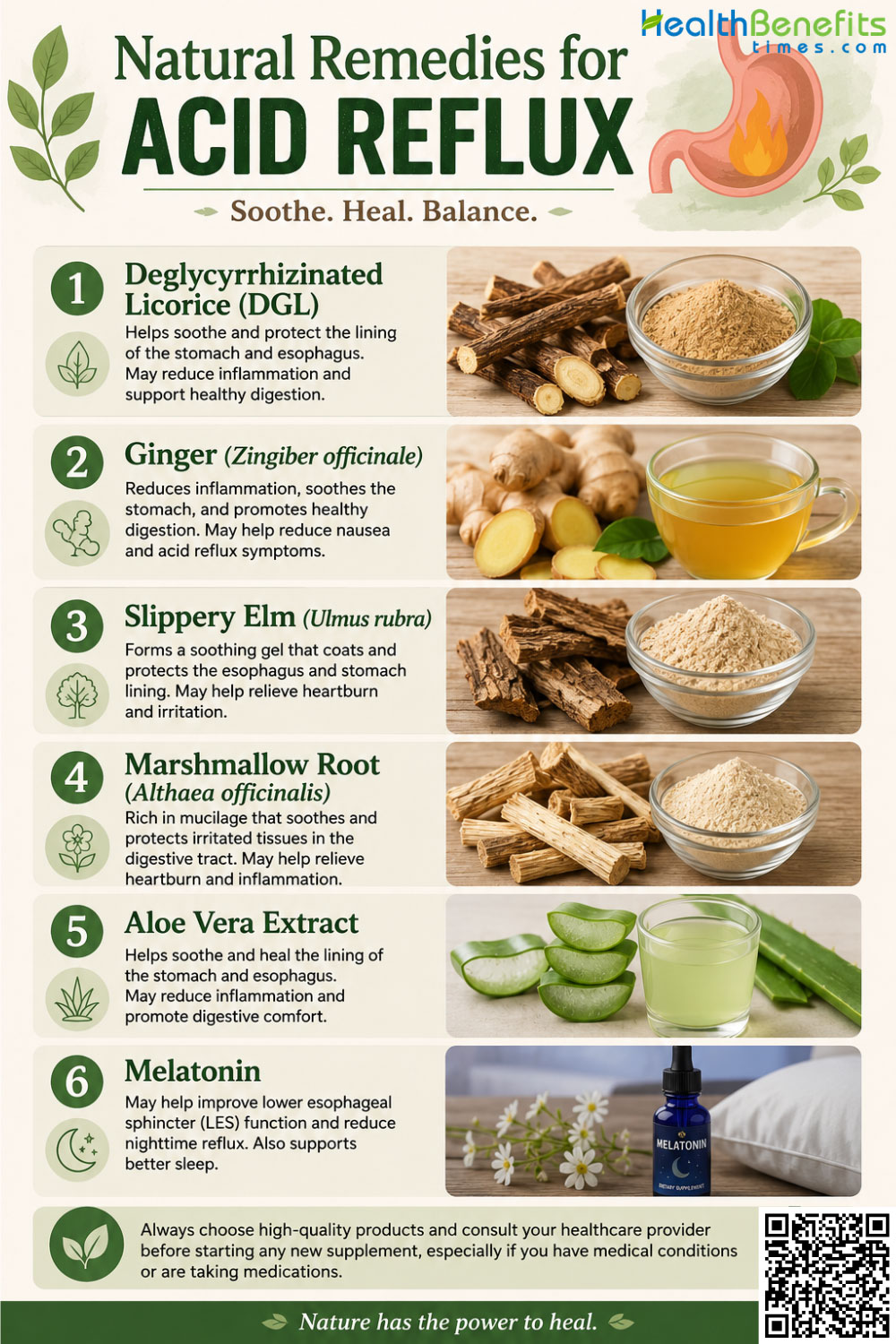
1. Deglycyrrhizinated Licorice (DGL)
Historical evidence and modern botanical evaluations strongly point to licorice root as an exceptionally powerful agent for profound digestive healing. The active, soothing compounds located deep within the licorice plant are scientifically believed to rapidly increase the natural mucous coating of the sensitive esophageal lining. By promoting this robust mucus production, the herb effectively creates a dense protective physical barrier that actively helps the underlying tissue resist the highly irritating effects of harsh stomach acid 11. Shielding the delicate walls of the esophagus in this manner allows chronically inflamed tissues the necessary time to heal without facing constant acidic bombardment. It is crucial to note that standard, unprocessed licorice contains a chemical compound known as glycyrrhizin, which can unfortunately cause unwanted side effects like elevated blood pressure. However, Deglycyrrhizinated Licorice (DGL) has had this specific compound safely extracted, making it an incredibly reliable and safe option for daily digestive support.
Note: You can easily take DGL in the form of pleasant-tasting chewable tablets or concentrated liquid extracts about 20 to 30 minutes before your main meals to actively coat your digestive tract.
2. Ginger (Zingiber officinale)
Centuries of rich folk medicine traditions have consistently revered the thick root of the ginger plant as a highly effective, natural digestive aid. The true therapeutic potential of ginger lies primarily in its potent natural anti-inflammatory and robust prokinetic properties. Being a prokinetic means that ginger actively helps to stimulate digestion and speed up the entire process of gastric emptying 12. When your stomach successfully empties its processed contents into the small intestine at a much more efficient rate, there is simply less acidic material left behind to dangerously wash back up into your chest cavity. High-concentration ginger extracts have demonstrated substantial, documented capabilities in safely eliminating upper gastrointestinal symptoms and significantly relieving overall digestive discomfort. Because it naturally reduces cellular inflammation, ginger also gently but effectively soothes the residual irritation that acid leaves behind in your throat.
Note: You can steeply brew freshly grated ginger root in hot water to make a highly soothing tea, slowly sipping the warm liquid between your meals for maximum relief.
3. Slippery Elm (Ulmus rubra)
Native American traditional healing practices have long utilized the soft inner bark of the slippery elm tree for a vast array of complicated gastrointestinal complaints. When powdered slippery elm is vigorously mixed with water, it magically transforms into a remarkably thick, gel-like substance scientifically known as mucilage. This naturally slick, heavy gel acts as a highly powerful, protective coating agent that physically glides over and heavily coats the damaged lining of the throat, the esophagus, and the stomach interior 13. The resilient protective barrier formed by the mucilage directly and immediately alleviates sharp acid-induced irritation, providing instant, cooling relief to painfully inflamed tissues. In addition to its impressive physical coating mechanism, slippery elm bark is heavily packed with natural antioxidants that actively help protect the vulnerable esophageal lining from suffering further cellular damage during severe reflux episodes.
Note: You can seamlessly mix a tablespoon of slippery elm powder into a tall glass of warm water or herbal tea, drinking it immediately to quickly soothe your throat after a harsh reflux attack.
4. Marshmallow Root (Althaea officinalis)
Similar in function to the beloved slippery elm, the dense root of the marshmallow plant is widely celebrated in herbal medicine for its remarkably high natural mucilage content. The primary active healing compounds found deeply within the root are complex polysaccharides, which contain massive quantities of soothing starches and thick pectins 14. When you consume these natural, water-soluble plant sugars, they quickly swell inside the body and form a remarkably thick, highly protective gelatinous layer directly over the mucous membranes of your entire digestive tract. This impressive barrier function successfully prevents raw stomach acid from ever making direct physical contact with your sensitive esophageal lining, thereby entirely preventing the painful burning sensation traditionally associated with severe heartburn. Marshmallow root is incredibly gentle on the human stomach and works harmoniously alongside the body’s natural, built-in defensive mucus layers.
Note: You can carefully prepare marshmallow root as a traditional cold-infusion tea by soaking the dried root in cold water for several hours, then drinking the naturally thickened liquid to coat your throat.
5. Aloe Vera Extract
Beyond its world-famous ability to quickly soothe and cool sunburned skin, the clear inner gel of the remarkable aloe vera plant offers strikingly similar cooling relief for the delicate internal tissues of the human digestive system. The rich polysaccharides found abundantly in purified, high-quality aloe vera syrup have demonstrated highly impressive anti-inflammatory capabilities that safely reduce both the severity and the overall frequency of miserable reflux symptoms, including painful heartburn and uncomfortable flatulence 15. By gently but firmly decreasing the systemic inflammatory response deep within the esophagus, aloe vera actively promotes a deeply healing environment for tissues that have been severely damaged by years of constant acid exposure.
Note: You can drink a small, two-ounce portion of food-grade, highly purified aloe vera juice roughly 20 minutes before consuming a large meal to heavily calm inflammation in your digestive tract.
6. Melatonin
While almost universally recognized by the public as a simple brain hormone that dictates sleep cycles, melatonin actually plays a surprisingly vital and complex role in the overall health of the gastrointestinal tract. Fascinatingly, the human digestive system naturally produces significantly more melatonin than the pineal gland in the brain, and this naturally occurring indole compound has a profoundly protective effect on the delicate mucosal lining 16. Melatonin works a biological miracle by actively inhibiting the excessive secretion of harsh gastric acid while simultaneously increasing the natural release of gastrin. Gastrin is a crucial bodily substance that directly stimulates the lower esophageal sphincter to contract forcefully and close tightly. By actively strengthening the physical muscular barrier located between the stomach and the esophagus, melatonin successfully addresses the root mechanical cause of acid backwash while also shielding against dangerous esophageal lesions.
Note: You can safely take a low-dose, high-quality melatonin supplement shortly before your designated bedtime to simultaneously support a highly restful night’s sleep and enforce proper esophageal valve function.
Is there any exercise or physical activities for Acid Reflux?
Movement and strategic physical therapy can profoundly and positively influence the way your digestive system operates on a mechanical level, though the specific type, timing, and intensity of the chosen activity matter greatly.
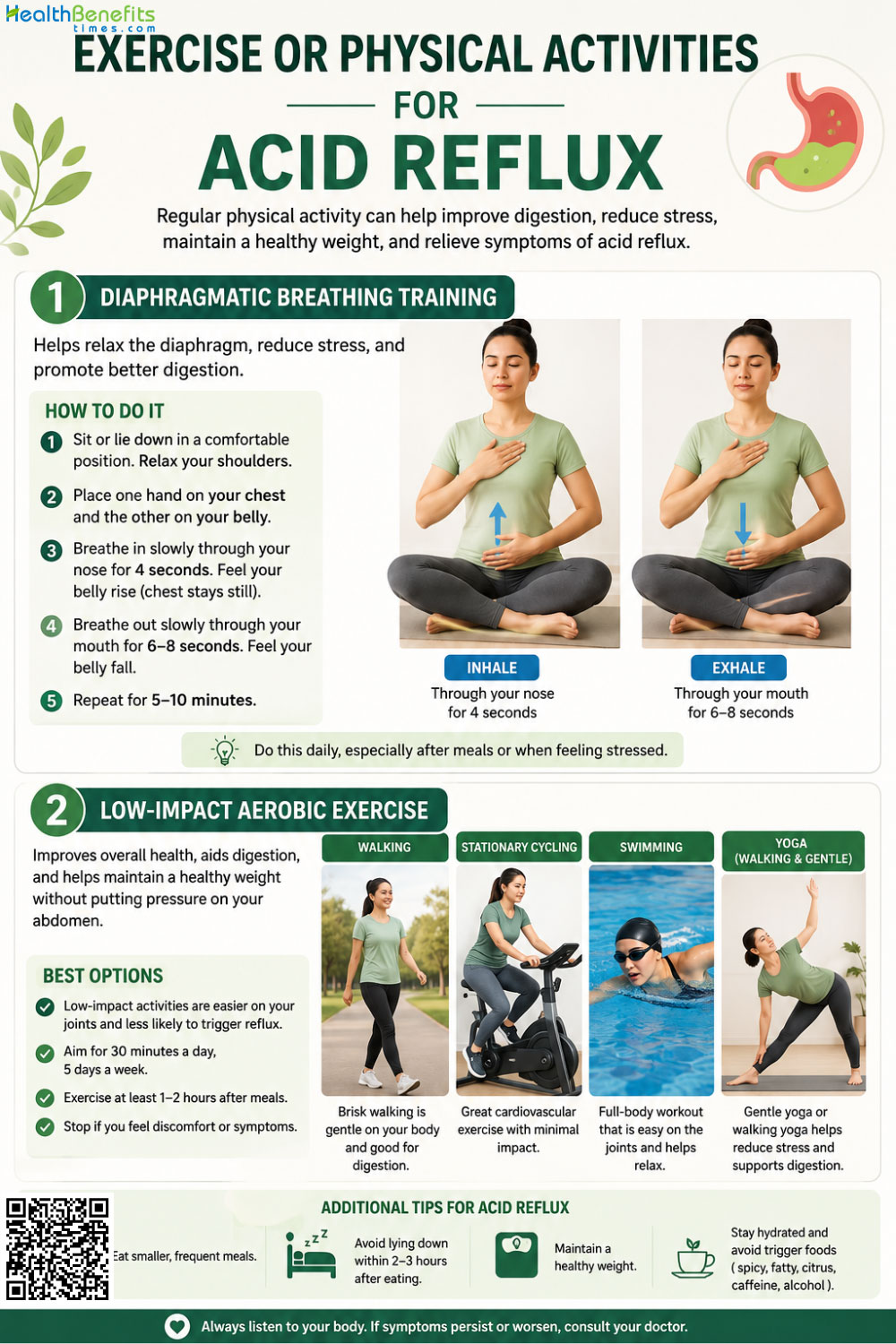
1. Diaphragmatic Breathing Training
Focusing intensely on the core mechanics of your natural respiration can directly and dramatically strengthen the internal anti-reflux barriers hidden deep inside your body. The human esophagus passes directly through the diaphragm a massive, dome-shaped muscle located at the very base of the lungs just before making its final connection to the stomach. Diaphragmatic breathing, which is frequently referred to as “belly breathing,” actively trains, flexes, and strengthens the crural diaphragm. This specific portion of the muscle acts as a tight, external muscular wrap directly around the lower esophageal sphincter 17. By purposefully increasing the strength and tone of this surrounding support muscle, the overall pressure difference between the stomach and the esophagus drastically improves. This enhanced pressure effectively clamps down hard on the valve, firmly preventing any acidic liquid contents from escaping upward. Clinical evaluations clearly indicate that engaging actively in deep breathing exercises significantly decreases symptom severity and noticeably reduces the patient’s overall need for chemical acid-suppressing medications over time.
Note: You can practice this highly effective technique by lying flat on your back, placing one hand softly on your belly, and inhaling deeply through your nose so that only your belly rises, then exhaling slowly through pursed lips for 10 to 15 minutes daily.
2. Low-Impact Aerobic Exercise
Engaging regularly in gentle, rhythmic, and sustained physical activity highly promotes excellent overall digestive health without ever placing undue physical stress or impact on the fragile stomach cavity. Low-intensity aerobic exercises, such as taking a brisk neighborhood walk, leisurely outdoor cycling, and participating in gentle restorative yoga, directly help to actively stimulate the natural muscular contractions of the human intestines. These healthy contractions smoothly encourage much faster gastric emptying and promote seamless, healthy digestion 18. Furthermore, maintaining a highly consistent routine of moderate physical activity actively assists in healthy, long-term weight management. Dropping excess abdominal weight directly and significantly reduces the intense, upward abdominal pressure that forcefully squeezes raw acid up into the vulnerable esophagus. Maintaining high levels of appropriate, low-impact physical activity has been unequivocally shown to offer a massive protective benefit against the painful development of severe reflux disease 19.
Note: You can seamlessly incorporate a highly refreshing 30-minute brisk walk into your daily routine, taking special care to wait at least one full hour after eating a heavy meal before starting your physical exercise.
Foods and Activities to Avoid When You Suffer from Acid Reflux
Certain seemingly harmless daily habits and beloved dietary choices can silently but severely sabotage your hard-earned digestive comfort. Modifying these deeply ingrained routines is almost always the most effective and necessary first step toward achieving lasting, permanent relief.
1. Consuming High-Fat and Fried Foods
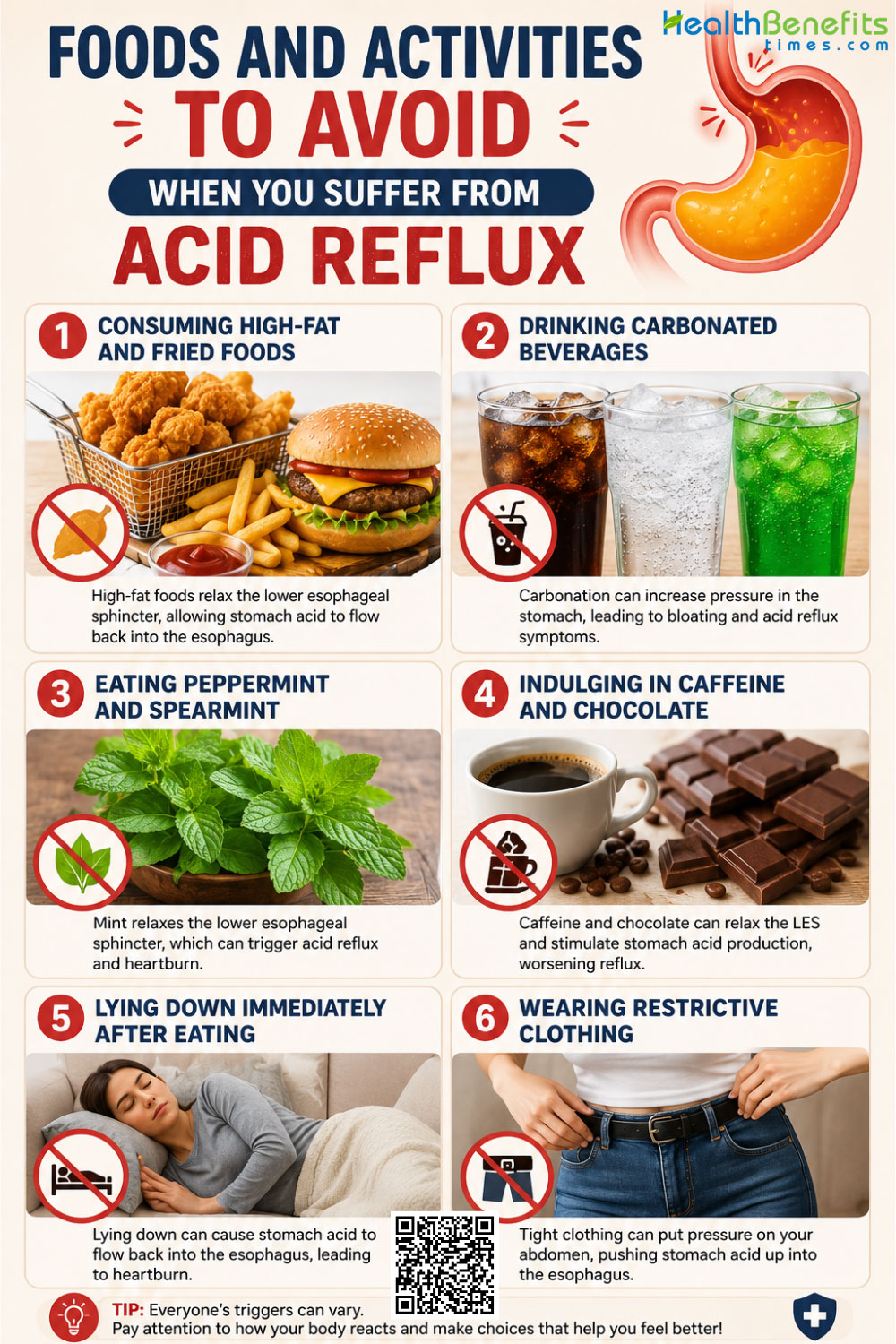
You must absolutely avoid heavy meals dripping in excess grease or dense cooking oils, because concentrated fats take a significantly longer time for the body to break down. This frustrating delay keeps the stomach incredibly full for heavily extended periods, drastically increasing the physical chance of acid washing backward 20.
2. Drinking Carbonated Beverages
You should immediately skip drinking sugary sodas, sparkling waters, and bubbly energy drinks. The artificially infused gas creates rapidly expanding, highly pressurized bubbles inside your stomach cavity, which dramatically increases internal abdominal pressure and forcefully pops the esophageal valve wide open.
3. Eating Peppermint and Spearmint
You need to strictly avoid utilizing strong mint flavors to settle your stomach, especially when consuming non-enteric coated mint supplements. While mint feels cooling, it chemically acts as a highly potent muscle relaxant that specifically targets and dangerously loosens the delicate esophageal valve, guaranteeing an acid attack.
4. Indulging in Caffeine and Chocolate
You might seriously want to consider heavily limiting your intake of dark coffee, black tea, and rich chocolate. These incredibly popular items contain highly active chemical compounds that have been heavily observed to instantly relax the lower esophageal sphincter, directly allowing dangerous stomach contents to escape upward into the chest.
5. Lying Down Immediately After Eating
You should absolutely never recline backwards, sleep flat, or take a quick nap immediately after consuming a meal. Instead, you must diligently stay completely and entirely upright for at least three to four solid hours to allow basic gravity to perform its job and keep your heavy stomach contents safely grounded 6.
6. Wearing Restrictive Clothing
You need to completely avoid wearing tight leather belts, highly restrictive elastic waistbands, and heavy shapewear. These unforgiving garments violently squeeze the soft middle of your body like a tube of toothpaste, mechanically forcing volatile stomach acid rapidly upward into your chest and throat.
Myths and Misconceptions
| Myth | Reality |
| Drinking a tall glass of ice-cold milk permanently cures severe heartburn. | While cold milk may temporarily coat the throat and offer fleeting relief, the dense fats and rich proteins found in heavy dairy products eventually stimulate the stomach to produce significantly more acid, often causing a massive, painful rebound effect that makes symptoms drastically worse later. |
| Acid reflux is merely just a minor, everyday annoyance that doesn’t actually need serious medical attention. | Chronic, completely unmanaged acid reflux can seamlessly lead to shockingly severe medical complications over time, including tight esophageal strictures, dangerous bleeding internal ulcers, and precancerous cellular tissue mutations universally known as Barrett’s esophagus. |
| Peppermint is universally an excellent, flawless natural remedy for absolutely all types of stomach aches. | While peppermint is genuinely fantastic for soothing lower intestinal issues like irritable bowel syndrome, it actively and aggressively relaxes the crucial lower esophageal sphincter, making upper digestive issues like acid reflux significantly and dangerously worse. |
| Taking a shot of raw apple cider vinegar is a magical, universal cure for all deep digestive problems. | There is currently extremely limited published scientific evidence supporting the use of apple cider vinegar for severe reflux, and actively adding a highly potent, strong acid to an already painfully inflamed esophagus can cause agonizing burning for many sensitive individuals. |
| Only significantly overweight or highly obese older adults ever experience true gastroesophageal reflux. | Severe reflux disease indiscriminately affects individuals of absolutely all ages and body types, including tiny infants, highly competitive lean athletes, and perfectly healthy pregnant women, due to a massive variety of highly complex anatomical, hormonal, and functional reasons. |
Special Considerations
Different complex stages of human life and coexisting, overlapping health situations require highly tailored, careful perspectives on effectively managing digestive health. The internal mechanics of acid backwash can change drastically depending on the patient’s incredibly unique physiological state.
1. Children
Pediatric digestive issues often present in highly confusing ways that do not remotely resemble classic adult heartburn. Many young infants and growing children experience the occasional backward flow of liquid stomach contents, which is often simply a completely normal part of their physical development that they will eventually outgrow naturally 22. However, when this backwash morphs into a chronic disease, younger children might never actually complain of a burning chest. Instead, they may exhibit highly subtle symptoms like chronic, unexplained fussiness, persistent spit-up or regurgitation, a lingering wet cough, or a sudden, stubborn refusal to eat solid foods. Because the subtle signs of physical distress in toddlers and young adolescents can easily mimic common respiratory infections, any lingering suspicion of severe digestive backwash in a child absolutely warrants a prompt, professional medical evaluation to prevent long-term nutritional deficits and severe developmental complications.
2. Pregnancy
Expecting mothers frequently encounter incredibly intense, daily digestive discomfort due to a highly complex combination of profound anatomical shifts and massive hormonal changes. The massive, beautiful surge of natural pregnancy hormones causes the delicate smooth muscles of the entire maternal digestive tract to heavily relax, which inadvertently and significantly loosens the crucial esophageal valve 23. Simultaneously, the rapidly growing, active fetus places immense, constant physical pressure forcefully upward against the mother’s compressed stomach, violently squeezing acidic liquid contents directly into the sensitive throat. Because the absolute safety of the fragile, developing baby is highly paramount, pregnant women must rely heavily and almost exclusively on conservative, safe lifestyle modifications such as eating much smaller meals and elevating the head of the bed during sleep before ever attempting unverified herbal therapies.
3. Chronic Conditions
Individuals currently living with specific, long-term health issues frequently face highly unique, complex challenges when actively managing their stomach acid. There is a deeply interconnected, vicious relationship between chronic respiratory conditions, such as clinical asthma, and severe acid reflux 24. When microscopic acid micro-droplets are accidentally inhaled deep into the fragile lungs, they instantly trigger severe airway constriction, meaning reflux can actively and aggressively worsen asthma attacks. Conversely, the incredibly heavy, violent coughing associated with severe asthma can deeply strain the fragile esophageal valve and instantly trigger even more massive reflux episodes. Furthermore, individuals bravely suffering from clinical obesity face a constant, highly elevated physical pressure on their entire abdominal cavity, making sustained, healthy weight reduction a highly critical, non-negotiable component of effectively treating the root mechanical cause of their daily digestive distress.
4. Elderly
The natural human aging process brings about highly profound structural and functional changes that can make managing digestive disorders much more incredibly complex. Elderly individuals are highly, uniquely susceptible to severe secondary complications of massive acid reflux, particularly dysphagia, which is the terrifying, choking sensation of food being heavily hindered or completely stuck inside the chest during swallowing 7. The natural, unstoppable aging process can easily lead to failing esophageal motility, meaning the muscles of the aging esophagus simply do not contract forcefully or quickly enough to clear burning acid away efficiently. Furthermore, elderly patients very often take multiple, heavy prescription medications to manage other coexisting conditions, which can unfortunately lead to direct, pill-induced esophageal irritation or the unintentional, dangerous relaxation of the vital stomach valve.
Precaution Before Use of Natural Remedies When You Have Acid Reflux
Taking an organic, holistic, or botanical approach to deep healing requires just as much extreme care, research, and mindfulness as utilizing strong conventional medicine. Even completely natural, plant-based substances can easily trigger massive side effects or interact incredibly negatively with your body if they are used improperly.
1. Verify the Specific Type of Licorice
You must carefully and diligently check the labels on absolutely all licorice supplements to confirm with certainty that they are labeled “DGL” (deglycyrrhizinated). Regular, unprocessed licorice root contains high amounts of glycyrrhizin, a volatile compound known to dangerously and rapidly elevate human blood pressure and cause massive, dangerous electrolyte imbalances 25.
2. Avoid Aloe Latex Strictly During Pregnancy
If you are currently expecting a child, you must strictly and absolutely avoid consuming whole-leaf aloe vera products or any supplements containing raw aloe latex. These specific, harsh plant components contain potent anthraquinones that can violently stimulate massive uterine contractions and potentially induce highly dangerous premature labor 5.
3. Monitor Your Daily Ginger Intake
You should carefully limit your daily overall consumption of raw ginger, particularly making sure to keep it well below 1500 to 5000 milligrams a day. While incredibly healthy, excessive amounts of ginger can ironically cause deep gastrointestinal discomfort or pose a massive bleeding risk if you already suffer from diagnosed blood clotting disorders.
4. Be Aware of Severe Medication Interactions
You must absolutely always speak to your designated pharmacist or primary healthcare provider before permanently starting any new natural regimen. Certain highly protective mucilage herbs, specifically slippery elm and marshmallow root, can physically coat the stomach so thoroughly and densely that they actively prevent your body from properly absorbing your other highly necessary, life-saving prescription medications.
When to See a Doctor
While minor lifestyle tweaks and naturally soothing herbal agents work absolute wonders for mild, everyday discomfort, certain glaring warning signs heavily indicate that your digestive system immediately requires prompt, professional medical intervention.
1. Experiencing Trouble Swallowing
You absolutely need to seek emergency medical care immediately if you frequently experience the terrifying sensation of heavy food getting completely stuck in your chest, or if swallowing simple liquids becomes physically agonizing, as this could highly indicate a dangerous esophageal stricture or severe tissue damage 26.
2. Noticing Unexplained Weight Loss
You should promptly schedule a detailed appointment if you are rapidly losing significant weight without even trying, or if you completely and entirely lose your appetite simply due to the intense fear of experiencing deep digestive pain after meals.
3. Detecting Signs of Internal Bleeding
You must immediately visit a local emergency room or your trusted doctor right away if you unexpectedly vomit material that looks exactly like wet, dark coffee grounds, or if your bowel movements suddenly appear pitch black, incredibly tarry, or contain highly visible red blood.
4. Developing Severe Respiratory Complications
You urgently need to be thoroughly evaluated by a trained healthcare professional if you suddenly develop a brand new, highly persistent chronic cough, experience completely unexplained hoarseness in your voice, or if you rapidly begin experiencing highly concerning wheezing and asthma-like breathing difficulties 27