

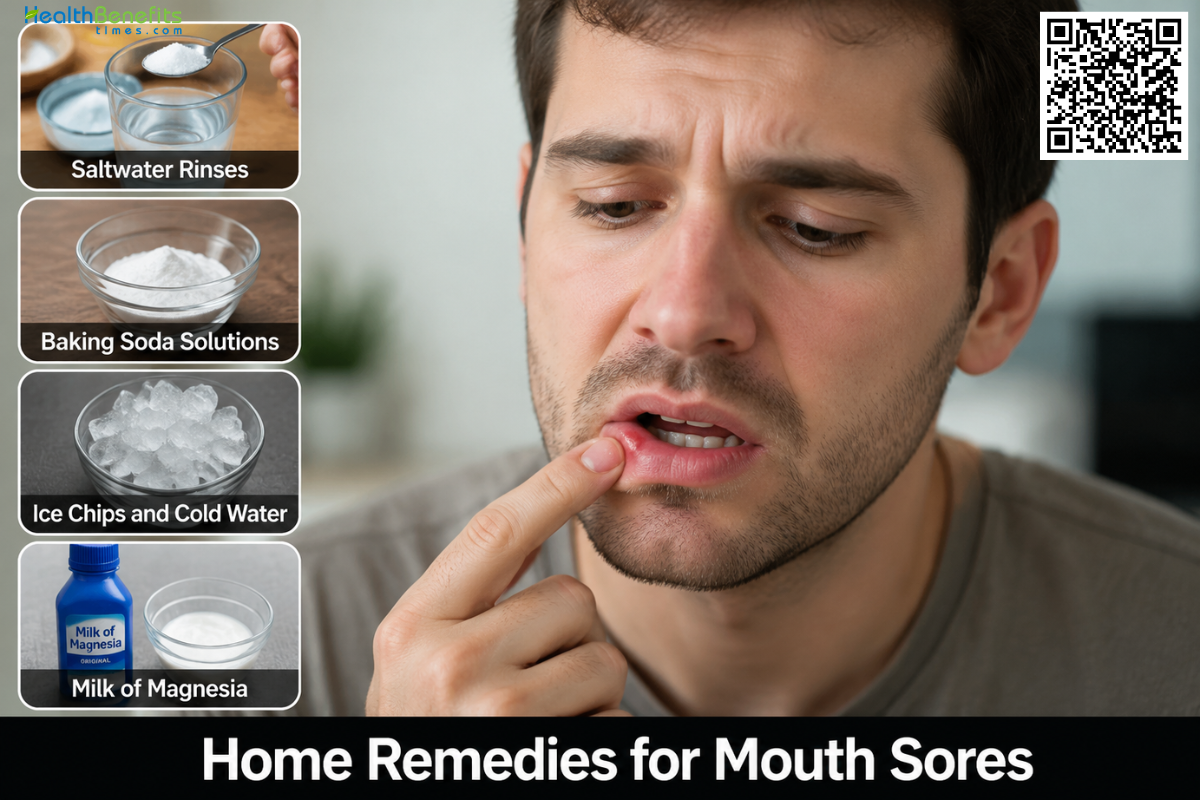
“Mouth sores,” clinically referred to as stomatitis or oral ulcers, are painful lesions that develop anywhere within the oral cavity. The two most prevalent classifications are aphthous ulcers (commonly known as canker sores), which occur strictly inside the mouth and are non-contagious, and herpes simplex virus infections (cold sores), which generally present on the external lips and are highly transmissible 1.
Beyond simple viral infections, these lesions frequently emerge from minor mechanical trauma, such as accidental cheek biting or abrasive dental hygiene practices. Furthermore, recurrent mouth sores serve as critical clinical indicators for underlying systemic health issues, including specific nutritional deficiencies (such as iron or vitamin B12), compromised immune function, or gastrointestinal disorders like celiac disease 2. While most minor ulcers resolve independently within 7 to 14 days, persistent lesions that severely restrict fluid and nutritional intake require professional evaluation to rule out complex medical conditions.
Causes of Mouth Sores
1. Physical Trauma
Minor physical injuries to the delicate lining of the mouth are a primary cause of non-contagious canker sores. Common triggers include accidentally biting the inner cheek or tongue, friction from poorly fitted dentures or orthodontic braces, and tissue damage from aggressive toothbrushing 3.
2. Infections
Viral infections are a leading cause of external and highly contagious mouth lesions. The Herpes Simplex Virus Type 1 (HSV-1) is specifically responsible for recurrent, fluid-filled cold sores on or around the lips 4. Additionally, fungal overgrowth, such as oral thrush (Candida), and various bacterial infections can produce painful sores inside the oral cavity.
3. Nutritional Deficiencies
The body requires specific nutrients to maintain and repair the mucous membranes in the mouth. Deficiencies in essential vitamins and minerals—most notably vitamin B12, iron, folic acid, and zinc are clinically proven to trigger recurring mouth ulcers 3.
4. Systemic and Autoimmune Diseases
Chronic medical conditions that affect the immune system or gastrointestinal tract frequently present with mouth sores as a symptom. This includes inflammatory bowel diseases like Crohn’s disease, autoimmune conditions such as Behcet’s syndrome, and celiac disease, which triggers an immune response when gluten is consumed 5.
5. Medical Treatments
Severe and widespread mouth sores, clinically known as oral mucositis, are a frequent side effect of aggressive medical therapies. Chemotherapy drugs and radiation therapy directed at the head and neck actively break down the rapidly dividing cells in the mouth lining, causing extensive painful lesions 6.
6. Chemical Irritants and Sensitivities
Daily exposure to certain chemical compounds can degrade the mouth’s protective barriers. Oral care products containing sodium lauryl sulfate (SLS) a common foaming agent in toothpaste are known to increase ulcer outbreaks in sensitive individuals, while highly acidic, salty, or spicy foods can aggravate existing micro-abrasions 7.
Symptoms of Mouth Sores
1. Localized Pain and Sensitivity
The most prominent symptom is sharp pain or a burning sensation at the site of the lesion. This discomfort typically intensifies during speaking, brushing teeth, or when consuming highly acidic, spicy, or salty foods 3.
2. Distinctive Visual Appearance
Non-contagious canker sores inside the mouth generally present as shallow, round, or oval ulcers featuring a white or pale yellow center surrounded by a red, inflamed border 8. In contrast, contagious cold sores on the external lips typically begin as clusters of small, fluid-filled blisters that eventually rupture and form a dry, yellowish crust 9.
3. Pre-Eruption Tingling (Prodrome)
Specifically with viral cold sores caused by the herpes simplex virus, individuals frequently experience an early warning phase. This is characterized by localized itching, tingling, or a burning sensation on the lip or skin one to two days before the physical blister becomes visible 10.
4. Functional Impairment
The physical presence and severe tenderness of the sores can cause significant difficulty with routine oral mechanics. This often leads to impaired chewing, painful swallowing, and a general reluctance to eat or drink, which can increase the risk of dehydration during severe outbreaks 11.
5. Systemic Reactions
While most minor sores only cause localized pain, major ulcer outbreaks or primary viral infections can trigger a broader bodily response. These accompanying systemic symptoms may include a low-grade fever, physical sluggishness, and swollen, tender lymph nodes in the neck or under the jaw 8.
Home Remedies for Mouth Sores
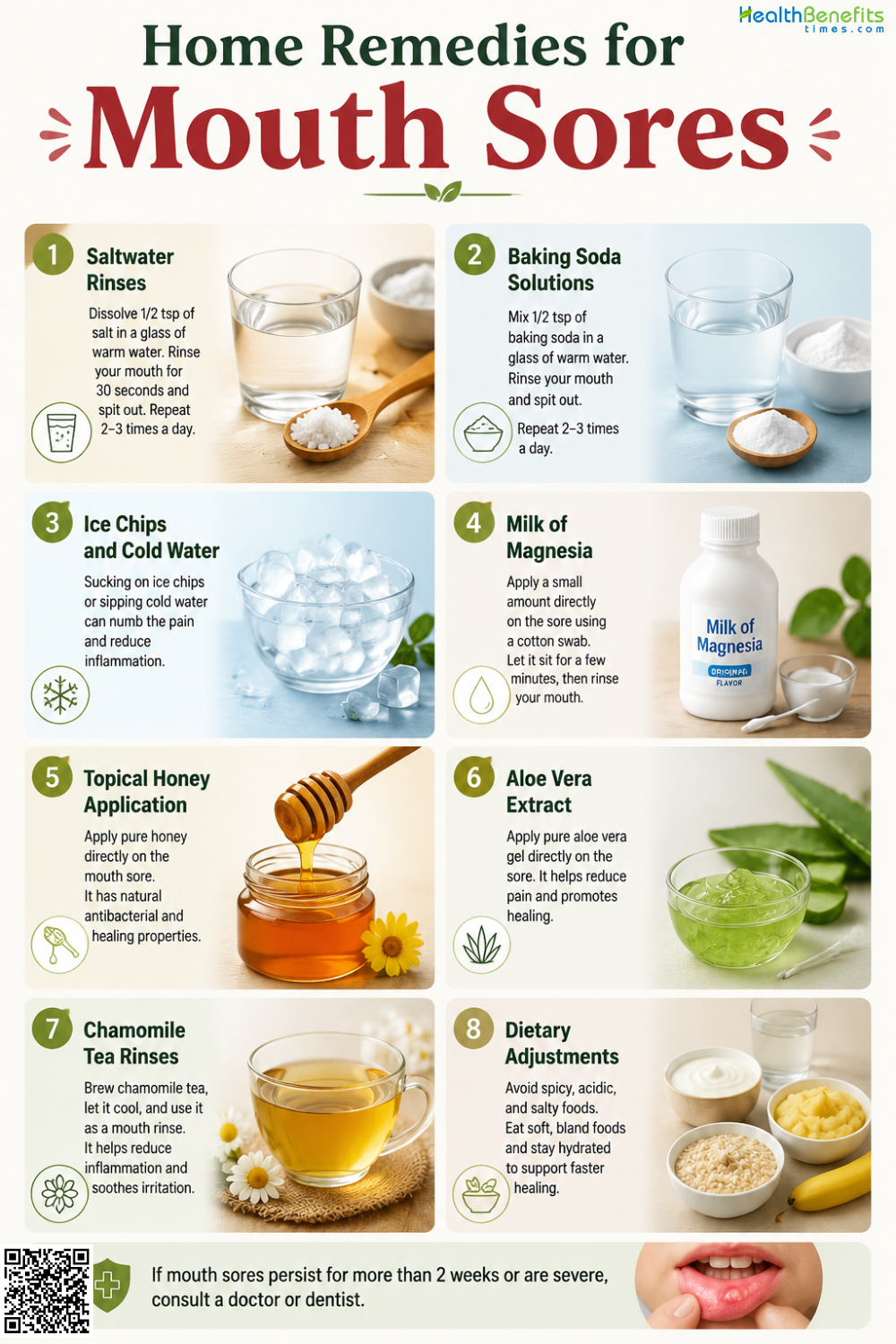
1. Saltwater Rinses
How it may help
Rinsing with a saline solution is a well-established traditional remedy for oral discomfort. The salt acts as a mild astringent that draws excess fluid out of inflamed tissues, which reduces swelling, washes away bacteria, and promotes natural healing 6.
What research says
Medical experts widely evaluate the effects of basic oral hygiene on lesion recovery. Clinical guidelines confirm that routine saltwater rinses effectively maintain oral cleanliness, decrease the risk of secondary infections, and successfully improve patient comfort without damaging healthy mucous membranes 12.
How to use it safely
Proper preparation is key to avoiding further irritation. Dissolve one-half teaspoon of table salt into one cup of warm water. Swish the mixture gently around your mouth for 15 to 30 seconds, spit it out, and repeat up to four times daily 3.
Potential precautions or side effects
Careless use can worsen your symptoms. Do not swallow the mixture to prevent stomach upset, and avoid highly concentrated salt or hot water, which can severely irritate your sores 12.
2. Baking Soda Solutions
How it may help
Baking soda, or sodium bicarbonate, acts as a natural alkaline agent that neutralizes acidic levels in the mouth. Restoring a balanced pH helps soothe the painful burning sensation of ulcers, creates an unfavorable environment for harmful bacteria, and reduces tissue inflammation to encourage faster healing 12.
What research says
Clinical guidelines strongly support the use of sodium bicarbonate rinses for managing oral ulcers. Medical consensus indicates that restoring oral pH balance with baking soda safely thins thick mucus and provides significant pain relief without damaging the mouth’s delicate mucosal lining 6.
How to use it safely
Mix one teaspoon of baking soda into one cup of warm water until fully dissolved. Swish the liquid gently in your mouth for up to thirty seconds, then spit it out. You can repeat this soothing rinse three to four times daily 12.
Potential precautions or side effects
Always spit out the mixture, as swallowing baking soda can cause nausea or stomach cramps. Discontinue the rinse immediately if it triggers unexpected burning or worsens your symptoms 12.
3. Ice Chips and Cold Water
How it may help
Applying cold directly to oral lesions causes blood vessels to constrict, which quickly reduces tissue swelling and inflammation. The cold temperature temporarily numbs local nerve endings, offering immediate, drug-free relief from the severe burning and sharp pain associated with mouth sores 6.
What research says
Clinical guidelines strongly support oral cryotherapy the application of ice or cold water as an effective, low-risk pain management tool. Medical consensus confirms that cooling the oral cavity significantly diminishes discomfort and is proven to reduce the severity of mouth sores caused by certain medical therapies 6.
How to use it safely
Slowly let small ice chips melt directly over the painful sore rather than chewing the ice. Alternatively, take frequent, small sips of chilled water throughout the day. You can safely repeat this cooling process as often as needed to manage your discomfort 3.
Potential precautions or side effects
Never chew solid ice cubes, as the hard edges can severely damage tooth enamel or accidentally cut the delicate tissue inside your mouth, worsening your existing lesions 12.
4. Milk of Magnesia
How it may help
Milk of magnesia acts as an alkaline barrier when applied directly to mouth sores. It neutralizes local acids that irritate exposed nerve endings and creates a temporary protective coating over the lesion. This shielding effect reduces pain and prevents further irritation from food or oral bacteria 8.
What research says
Clinical guidelines support using topical antacids like milk of magnesia for minor oral ulcers. Medical professionals state that its acid-neutralizing properties significantly accelerate the healing process of canker sores while providing safe, effective symptomatic relief from burning sensations without causing further tissue damage 8.
How to use it safely
Use a clean cotton swab to dab a small amount of liquid milk of magnesia directly onto the sore. Allow it to sit for a few minutes before eating or drinking. You can safely repeat this application three to four times a day as needed 8.
Potential precautions or side effects
Avoid swallowing the liquid, as milk of magnesia acts as a laxative and may cause diarrhea or stomach cramps. Discontinue use if the mouth sore worsens 13.
5. Topical Honey Application
How it may help
Topical honey acts as a natural barrier that protects exposed nerve endings. Its inherent antibacterial and anti-inflammatory properties soothe damaged tissues, reduce swelling, and prevent secondary infections. This maintains a moist wound environment, which is essential for fast tissue repair and pain reduction 14.
What research says
Clinical studies demonstrate that applying honey to recurrent oral ulcers significantly accelerates the healing process. Research confirms that patients treated with raw honey experience a faster reduction in ulcer size and pain levels compared to those using standard topical corticosteroid treatments 14.
How to use it safely
Rinse your mouth well before application. Use a clean cotton swab to gently dab a small amount of raw, unpasteurized honey directly onto the sore. Repeat this process up to four times daily, preferably after meals and before sleeping, to allow it to absorb 14.
Potential precautions or side effects
Strictly avoid giving honey to infants under one year old due to the risk of severe infant botulism 15. Avoid this remedy if you have allergies to bee products.
6. Aloe Vera Extract
How it may help
Aloe vera gel contains natural anti-inflammatory and antibacterial compounds. Applying it to oral ulcers creates a soothing, protective layer over the damaged tissue. This moist barrier reduces localized swelling, limits harmful bacterial overgrowth, and accelerates cellular repair, which rapidly decreases the intense burning sensation of the sore 16.
What research says
Systematic reviews and clinical trials demonstrate that topical aloe vera significantly accelerates the wound-healing process of recurrent oral ulcers. Medical research confirms it effectively reduces ulcer size and lowers pain comparably to standard topical corticosteroids, but provides a higher safety profile with virtually no adverse side effects 17.
How to use it safely
Wash your hands thoroughly. Use a clean cotton swab to dry the sore, then gently apply a small amount of pure, food-grade aloe vera gel directly onto the ulcer. You can safely repeat this application three to four times daily until the lesion completely heals.
Potential precautions or side effects
Do not use this remedy if you are allergic to plants like garlic or onions. Avoid swallowing large amounts of the extract, as ingested aloe vera possesses natural laxative properties.
7. Chamomile Tea Rinses
How it may help
Chamomile contains natural plant compounds known as flavonoids that actively reduce inflammation. Rinsing with a concentrated tea solution provides a calming effect on irritated oral tissues, helps soothe the pain of open sores, and supports the body’s natural ability to repair damaged mucous membranes quickly 18.
What research says
Scientific investigations indicate that chamomile extracts possess significant anti-inflammatory and antiseptic properties. Clinical consensus suggests that regular use of chamomile-based oral rinses is effective in minimizing the duration and severity of mouth lesions by creating a favorable environment for rapid healing without harsh chemicals 18.
How to use it safely
Steep one or two chamomile tea bags in a cup of hot water for ten minutes. Remove the bags and allow the tea to cool completely to room temperature. Swish the liquid in your mouth for thirty seconds, then spit it out. Repeat this process three times daily.
Potential precautions or side effects
If you have known allergies to plants in the daisy family, such as ragweed, avoid using chamomile to prevent an allergic reaction.
8. Dietary Adjustments
How it may help
Removing trigger foods reduces mechanical and chemical stress on oral tissues. Avoiding sharp, acidic, or spicy items prevents physical abrasion and stinging, allowing existing sores to remain protected while they recover. Furthermore, ensuring adequate intake of essential vitamins like B12, iron, and folic acid directly supports the repair of the mouth’s mucosal lining 3.
What research says
Clinical evidence establishes a direct link between nutritional status and recurrent oral ulcerations. Studies confirm that patients with specific dietary deficiencies experience a higher frequency of sores; correcting these deficiencies through structured nutrition is a foundational medical approach to reducing long-term recurrence and supporting oral health 19.
How to use it safely
Temporarily avoid crunchy, acidic, or spicy foods that cause stinging. Incorporate soft, nutrient-dense foods such as yogurt, cooked vegetables, and lean proteins to maintain proper nutrition. If you suspect a deficiency, consult a doctor before starting any new vitamin supplements to ensure appropriate dosage and safety.
Potential precautions or side effects
Abruptly changing your diet or taking high-dose supplements can have side effects. Always seek guidance from a medical professional to avoid potential nutrient toxicity or unwanted medication interactions.
Foods to Avoid When You Suffer from Mouth Sores
1. Acidic Fruits and Juices
Citrus fruits like lemons, oranges, and pineapples contain high levels of citric acid, which can sting open sores and severely irritate the inflamed lining of the mouth 3.
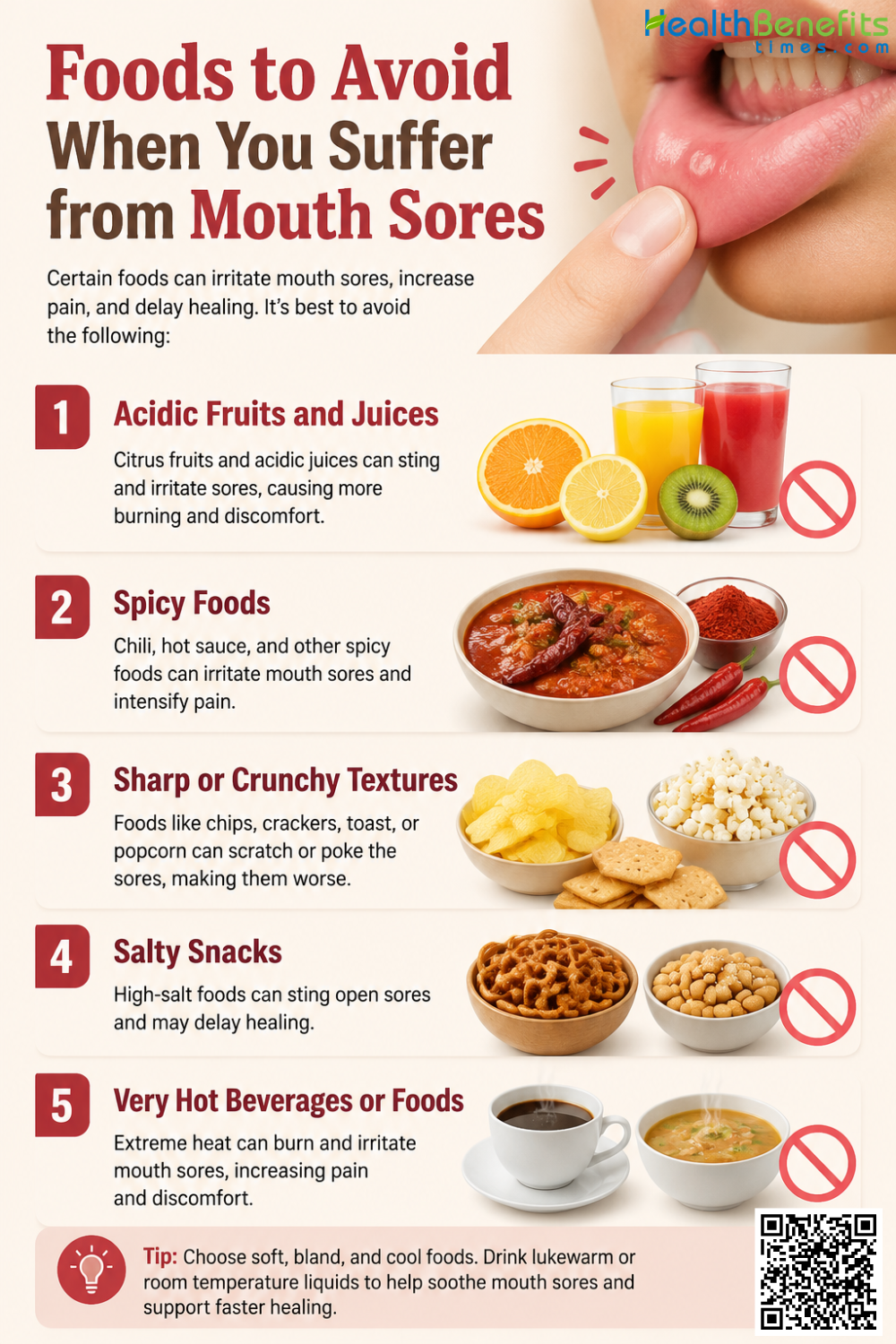
2. Spicy Foods
Spices such as chili powder, curry, and hot peppers trigger significant pain and inflammation when they come into contact with sensitive ulcerated tissue during the chewing process 3.
3. Sharp or Crunchy Textures
Foods like potato chips, dry toast, and nuts have hard, jagged edges. These can cause mechanical trauma, reopening healing sores or creating new micro-abrasions in the mouth 6.
4. Salty Snacks
High-sodium foods draw moisture away from the oral tissues. This dehydration increases sensitivity and intensifies the sharp, burning pain felt when salt touches the raw surface of a sore 3.
5. Very Hot Beverages or Foods
High temperatures can thermally burn delicate, already damaged oral mucosa. Allow all soups, coffee, and tea to cool to a lukewarm temperature to prevent further tissue injury 6.
When to See a Doctor When You Suffer from Mouth Sores
1. Prolonged Healing Time
If a sore remains present for more than two weeks, consult a professional to rule out underlying conditions, including potential oral malignancy or chronic systemic illness 3.
2. Severe Pain or Functional Impairment
Seek medical advice if pain is uncontrollable with home remedies or if the sores significantly prevent you from eating, drinking, or maintaining adequate oral hygiene 11.
3. Frequent Recurrence
Individuals experiencing repeated outbreaks or clusters of sores should be evaluated for nutritional deficiencies, autoimmune disorders, or chronic conditions such as inflammatory bowel disease 8.
4. Systemic Symptoms
Schedule an appointment if oral sores are accompanied by fever, skin rashes, joint pain, or persistent fatigue, as these may indicate a systemic infection or autoimmune syndrome 8.
5. Unusually Large or Spreading Lesions
See a doctor if sores appear exceptionally large, seem to be spreading to new areas, or develop around the throat, which may signal a severe infection 11.