


Eye floaters are small, dark shapes that drift across a person’s field of vision, often appearing as tiny spots, squiggly lines, or cobwebs. These visual disturbances primarily occur due to natural, age-related changes within the eye. As people age, the vitreous a clear, gel-like fluid that maintains the eye’s shape slowly shrinks and thickens. During this process, microscopic fibers within the vitreous clump together, casting tiny shadows onto the light-sensitive retina at the back of the eye 1. The brain perceives these internal shadows as floating objects in the environment. Most floaters are harmless and require no medical intervention. However, clinical protocols emphasize that a sudden, severe increase in new floaters especially when accompanied by flashes of light or a dark shadow over the vision can indicate a retinal tear or detachment 1. Such symptoms require immediate emergency evaluation to prevent permanent vision loss 2.
Causes of Floaters
- Age-related vitreous changes: As a normal part of aging, the clear, jelly-like substance inside the eye (the vitreous) gradually shrinks and becomes more liquid. This process causes microscopic structural fibers to clump together and cast shadows on the retina, which creates the visual appearance of floaters 3.
- Bleeding in the eye (Vitreous Hemorrhage): Bleeding directly into the clear vitreous fluid can happen due to leaking blood vessels. This is most commonly caused by advanced diabetic retinopathy, abnormal blood pressure, or physical eye injury, resulting in red blood cells that appear as a sudden shower of new dark spots 4.
- Retinal tears and detachment: When the shrinking vitreous gel sags, it can pull on the light-sensitive retina with enough mechanical force to tear the delicate tissue. A torn retina releases pigment cells into the eye fluid, generating new floaters, and requires immediate clinical evaluation to prevent permanent vision loss from full retinal detachment 5.
- Eye inflammation (Posterior Uveitis): Inflammation located in the back layers of the eye can release inflammatory cells directly into the vitreous cavity. The visual system perceives these floating white blood cells and cellular debris as dark spots or irregular shapes drifting across the vision 6.
- Eye medications and surgeries: Certain clinical procedures, such as specific laser eye treatments or the injection of medications directly into the vitreous body, can introduce tiny air bubbles or medical materials into the fluid. These temporary materials cast internal shadows and appear as floaters until the eye naturally absorbs them 3.
Symptoms of Floaters
- Visual shapes and anomalies: Individuals typically perceive small, dark spots, transparent strings, squiggly lines, or cobweb-like structures drifting across their field of vision 3.
- Movement with eye motion: The visual anomalies are not stationary; they dart away rapidly when a person attempts to focus on them directly and tend to drift slowly out of the line of sight when the eyes are resting 3.
- Increased visibility against plain backgrounds: The floating shapes become distinctly more noticeable when looking at bright, uniform, and plain surfaces, such as a clear blue sky, a blank computer monitor, or a solid white wall 3.
- Sudden onset of multiple floaters (Warning Symptom): The sudden appearance of a large number of new floaters all at once is a medical warning sign that often indicates physical traction or pulling on the retina 5.
- Accompanying light flashes or vision loss (Emergency Symptom): If you experience a sudden shower of new floaters accompanied by flashes of light or a gray, curtain-like shadow moving across your peripheral vision, seek immediate emergency clinical evaluation to prevent permanent vision loss from a detached retina 5.
How To Reduce Floaters Naturally?
1. Allowing Time for Natural Brain Adaptation (Neuroadaptation)
How it may help
Over time, the brain naturally learns to ignore the visual shadows caused by floaters through a process called neuroadaptation. As the visual system actively filters out these consistent disturbances, the dark spots appear to fade, making them significantly less noticeable and bothersome in daily life.
What research says
Clinical observations confirm that most age-related floaters require no medical treatment because they naturally become less visible over several months 3. Specialists note that while the physical particles remain in the eye fluid, the brain successfully adapts its visual processing to block the shadows from conscious perception 3.
How to use it safely
You simply need to practice patience and allow several months for your vision to adjust. When floaters drift into your direct sight, try moving your eyes up and down. This fluid movement shifts the particles out of the way while your brain adapts 3.
Potential precautions or side effects
Never ignore a sudden shower of new floaters or accompanying light flashes. These warning signs require immediate emergency clinical evaluation to prevent permanent vision loss from retinal detachment 5.
2. Managing Blood Sugar Levels
How it may help
Chronically high blood sugar damages the delicate blood vessels in the back of the eye. These weakened vessels can leak blood directly into the clear eye fluid, creating a sudden shower of dark floaters. Keeping blood glucose levels stable prevents this vascular damage and stops bleeding-related floaters from forming.
What research says
Clinical guidelines confirm that strictly controlling blood sugar is the most effective way to prevent diabetic eye disease and resulting eye bleeding 4. Sustaining target glucose levels significantly delays the progression of eye vessel damage and protects long-term visual clarity 7.
How to use it safely
Work with your healthcare provider to establish a daily management routine. You should monitor your blood glucose regularly, eat a balanced diet, and take prescribed medications. Schedule a comprehensive dilated eye exam at least once a year to detect early vascular changes 4.
Potential precautions or side effects
Severe drops in blood sugar (hypoglycemia) can cause sudden dizziness and temporary blurred vision. Always consult a doctor before drastically altering your diet or diabetes medication regimen.
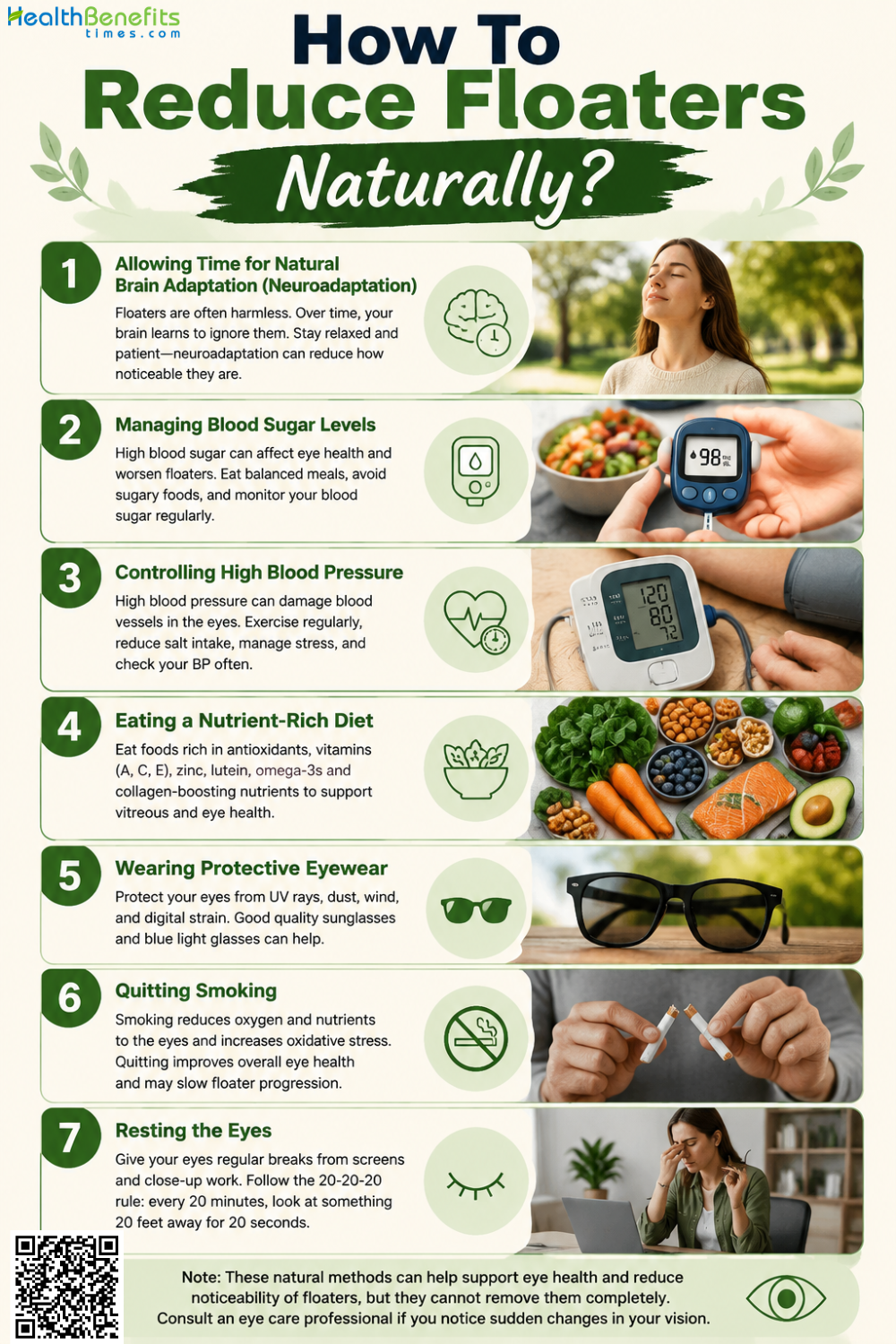
3. Controlling High Blood Pressure
How it may help
High blood pressure forces blood forcefully through the delicate vessels of the retina. This chronic stress can cause the vessels to weaken, burst, and leak blood directly into the eye’s clear fluid. These blood droplets appear as sudden dark floaters. Keeping blood pressure normal prevents this internal bleeding.
What research says
Clinical studies confirm that chronic high blood pressure leads to hypertensive retinopathy, severely damaging the eye’s vascular system 8. Health authorities conclude that maintaining target blood pressure prevents retinal blood vessel ruptures, directly eliminating the risk of new floaters caused by vitreous hemorrhage 9.
How to use it safely
You should monitor your blood pressure regularly. Protect your retinal vessels by reducing your daily salt intake, engaging in moderate exercise, and taking prescribed hypertension medications exactly as your doctor directs 10.
Potential precautions or side effects
Sudden drops in blood pressure from medication adjustments can cause severe dizziness or fainting. Always consult your doctor before modifying your daily diet, exercise routine, or medication regimen.
4. Eating a Nutrient-Rich Diet
How it may help
Consuming a diet rich in antioxidants and vitamins supports the structural integrity of the eye. It helps maintain healthy vitreous fluid and protects retinal blood vessels from cellular damage. This prevents metabolic conditions that cause internal eye bleeding, effectively lowering the risk of developing new floaters.
What research says
Clinical evidence demonstrates that diets high in dark leafy greens, omega-3 fatty acids, and essential vitamins protect overall ocular tissue health 11. Furthermore, proper nutrition significantly reduces the risk of systemic vascular diseases that directly lead to retinal bleeding and subsequent floater formation 9.
How to use it safely
You should eat a balanced diet featuring dark leafy greens like spinach, oily fish such as salmon, and fresh citrus fruits 11. Incorporate these whole foods daily rather than relying solely on artificial supplements to ensure optimal nutrient absorption and protect your vision.
Potential precautions or side effects
Consuming excessive amounts of synthetic vitamin supplements can cause toxicity. Always consult your healthcare provider before taking high-dose eye vitamins or drastically altering your daily diet.
5. Wearing Protective Eyewear
How it may help
Physical trauma to the eye can cause the retina to tear or blood vessels to rupture, immediately producing a sudden shower of new floaters. Wearing protective eyewear blocks blunt force and flying debris, directly preventing the structural injuries and internal bleeding that cause trauma-induced floaters.
What research says
Clinical guidelines emphasize that wearing proper safety glasses successfully prevents physical eye trauma that leads to vitreous hemorrhage and retinal detachment 11. By blocking severe physical impacts, impact-resistant lenses eliminate a major environmental cause of sudden, injury-related floaters 3.
How to use it safely
You should always wear specialized safety glasses or goggles made of impact-resistant polycarbonate plastic during high-risk activities 11. Put on appropriate eye protection before playing contact sports, doing home repairs, or operating machinery to ensure your eyes remain fully shielded.
Potential precautions or side effects
Ensure your protective eyewear fits securely without obstructing your peripheral vision. Scratched, dirty, or improperly fitted safety lenses can impair sight and actually increase the risk of accidental injuries.
6. Quitting Smoking
How it may help
Smoking introduces toxic chemicals into the bloodstream that damage the delicate blood vessels of the eye. This vascular damage increases the risk of internal eye bleeding, which directly creates dark floaters. Stopping tobacco use improves overall blood circulation, reduces cellular oxidative stress, and protects the retina from structural damage.
What research says
Clinical evidence confirms that smoking significantly increases the risk of severe eye diseases, including diabetic retinopathy, which can cause bleeding in the clear eye fluid 12. Health authorities conclude that quitting smoking actively preserves retinal blood vessels and lowers the likelihood of developing new, bleeding-related visual disturbances 12.
How to use it safely
You should develop a structured cessation plan with your healthcare provider. Utilize approved nicotine replacement therapies, behavioral counseling, or prescription medications to ease the transition 13. Set a firm quit date and proactively avoid environments that trigger the urge to smoke.
Potential precautions or side effects
Nicotine withdrawal can cause temporary irritability, headaches, and increased anxiety. Consult your doctor to manage these common withdrawal symptoms safely while adjusting to a healthier, tobacco-free lifestyle.
7. Resting the Eyes
How it may help
While resting the eyes cannot physically dissolve the microscopic clumps in the clear eye fluid, it effectively relieves eye strain and visual fatigue. When the visual system is relaxed rather than overworked from staring at screens, the brain can more easily ignore the internal shadows, making floaters feel significantly less bothersome.
What research says
Clinical guidelines state that extended focus on digital screens causes digital eye strain, which can temporarily worsen overall visual perception. Health authorities conclude that taking regular visual breaks relaxes the eye muscles, restores moisture, and significantly improves visual comfort by reducing focusing difficulties 11.
How to use it safely
You should consistently practice the 20-20-20 rule during activities requiring intense visual focus. Every 20 minutes, look away from your screen or close work and focus on a stationary object at least 20 feet away for 20 seconds to relax your eye muscles 11.
Potential precautions or side effects
Resting the eyes will not cure structural eye damage. If visual disturbances persist or suddenly worsen despite regular breaks, seek an immediate clinical evaluation to rule out retinal tears.
Foods to Avoid When You Suffer from Floaters
While diet does not directly cause age-related floaters, consuming certain foods can worsen systemic conditions like high blood pressure and diabetes. These conditions damage delicate retinal blood vessels, increasing the risk of internal eye bleeding that creates sudden floaters.
1. High-Sodium Foods
Excess salt raises blood pressure, damaging delicate retinal blood vessels. This increases the risk of eye bleeding and subsequent floaters 14.
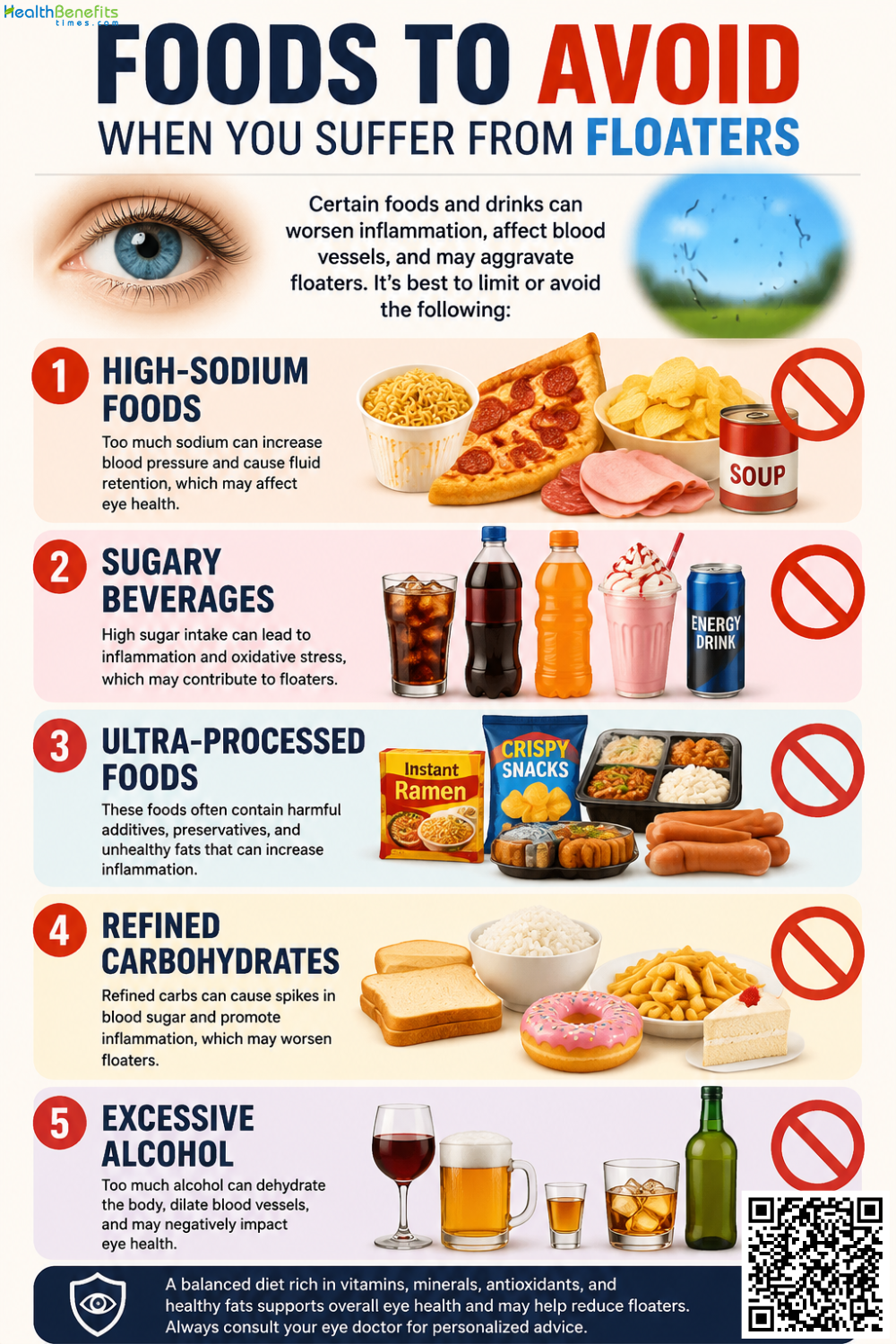
2. Sugary Beverages
High sugar intake spikes blood glucose, accelerating diabetic retinopathy. This leads to weakened eye vessels that can leak blood into the vitreous fluid 15.
3. Ultra-Processed Foods
Heavily processed foods contain hidden sugars and unhealthy fats that worsen systemic vascular health, threatening the micro-vessels in the eyes 16.
4. Refined Carbohydrates
Foods like white bread cause rapid blood sugar fluctuations, contributing to long-term vascular damage that threatens the retina and clear eye fluid 15.
5. Excessive Alcohol
Heavy alcohol consumption elevates blood pressure, increasing the risk of hypertensive retinal damage and potential internal eye bleeding 10.
When to see Doctor when you suffer from Floaters
Most age-related eye floaters are harmless and do not require medical treatment. However, certain sudden visual changes can indicate a severe, vision-threatening emergency, such as a retinal tear or a full retinal detachment. Because these structural eye injuries can lead to permanent blindness if left untreated, recognizing the warning signs is essential for protecting long-term eye health.
1. Sudden Increase in Floaters
If you notice a sudden shower of new, dark spots or cobwebs, seek emergency care immediately, as this indicates the fluid is pulling on the retina 5.
2. Flashes of Light
Seeing sudden flashes of light, resembling camera flashes in your peripheral vision, is a severe warning sign of retinal tearing that requires urgent medical intervention 5.
3. A Dark Shadow or Curtain
If a dark, gray curtain appears to fall across your visual field, this strongly signals a detached retina requiring emergency surgical repair to save your sight 5.
4. Loss of Peripheral Vision
A sudden decrease in your side vision indicates the retina is actively separating from the back of the eye, necessitating an immediate dilated eye exam 5.