

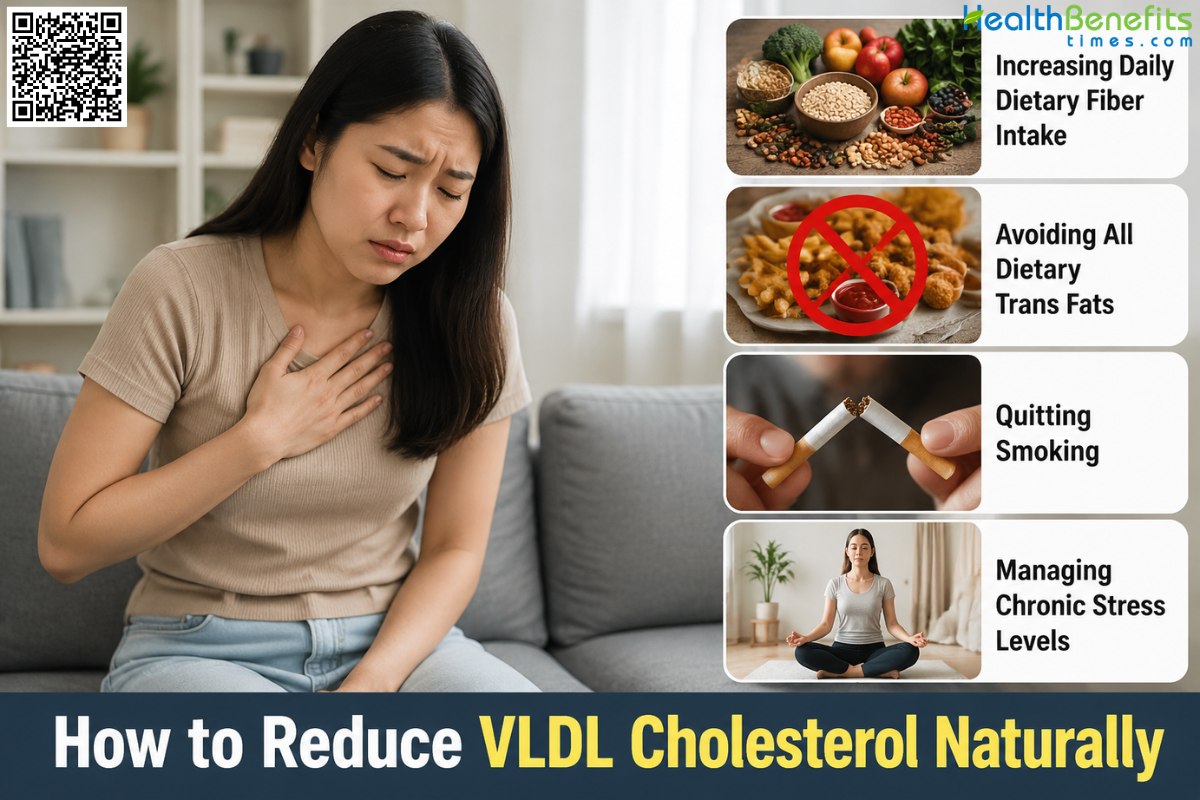
Very low-density lipoprotein (VLDL) is a type of fat-carrying particle produced by the liver. Unlike other cholesterol types, VLDL primarily carries triglycerides a type of fat used for cellular energy to tissues throughout the body 1. While the human body requires some VLDL to function normally, abnormally high levels cause fat and cholesterol to form hardened plaques on the inner walls of arteries 1. Over time, this harmful buildup narrows blood vessels and restricts blood flow, which significantly increases the risk of developing severe heart disease or having a stroke 2. Because there is no simple, direct way to measure VLDL during a standard lipid panel, healthcare providers typically estimate these levels based on a patient’s total circulating triglycerides.
How to Reduce VLDL Cholesterol Naturally
1. Limiting Dietary Intake of Added Sugars and Refined Carbohydrates
How it may help:
The liver converts excess carbohydrates, particularly added sugars and refined grains, into triglycerides. These fats are then packaged into very low-density lipoprotein (VLDL) particles. By reducing the intake of simple carbohydrates, the liver produces fewer triglycerides, which directly lowers the amount of circulating VLDL cholesterol in the bloodstream.
What research says:
Clinical evidence demonstrates that high consumption of added sugars strongly correlates with elevated triglyceride and VLDL levels 3. Health guidelines confirm that substituting refined carbohydrates with whole grains and restricting added sugars successfully decreases fasting triglycerides, thereby reducing overall cardiovascular disease risk 4.
How to use it safely:
To adopt this change safely, you should read food labels carefully to identify hidden sugars in processed items. Swap refined grains like white bread for whole-grain alternatives, replace sugary beverages with water, and choose whole, fresh fruits instead of concentrated fruit juices.
Potential precautions or side effects:
You may experience temporary sugar cravings, fatigue, or mild headaches initially. If you take diabetes medications, closely monitor your blood sugar and consult a doctor to prevent hypoglycemia.
2. Maintaining a Healthy Body Weight
How it may help:
Excess body fat, especially around the abdomen, increases insulin resistance and prompts the liver to overproduce triglycerides 5. Consequently, the body releases more very low-density lipoprotein (VLDL) particles into the bloodstream while simultaneously slowing their removal. Reducing excess body weight directly reverses this metabolic dysfunction and lowers VLDL production.
What research says:
Clinical guidelines establish that losing just 5 to 10 percent of initial body weight significantly decreases circulating triglyceride and VLDL levels 6. Furthermore, sustained weight loss improves overall lipid profiles and effectively lowers the long-term risk of developing severe cardiovascular diseases 7.
How to use it safely:
You should aim for a gradual weight loss of one to two pounds per week by combining a balanced, portion-controlled diet with regular physical activity 8. Avoid adopting extreme crash diets, as sustainable lifestyle adjustments are far more effective and safer for long-term weight maintenance.
Potential precautions or side effects:
You should avoid rapid weight loss, which increases the risk of developing gallstones, nutrient deficiencies, and muscle loss 9. Always consult a healthcare professional before starting severe calorie-restrictive programs.
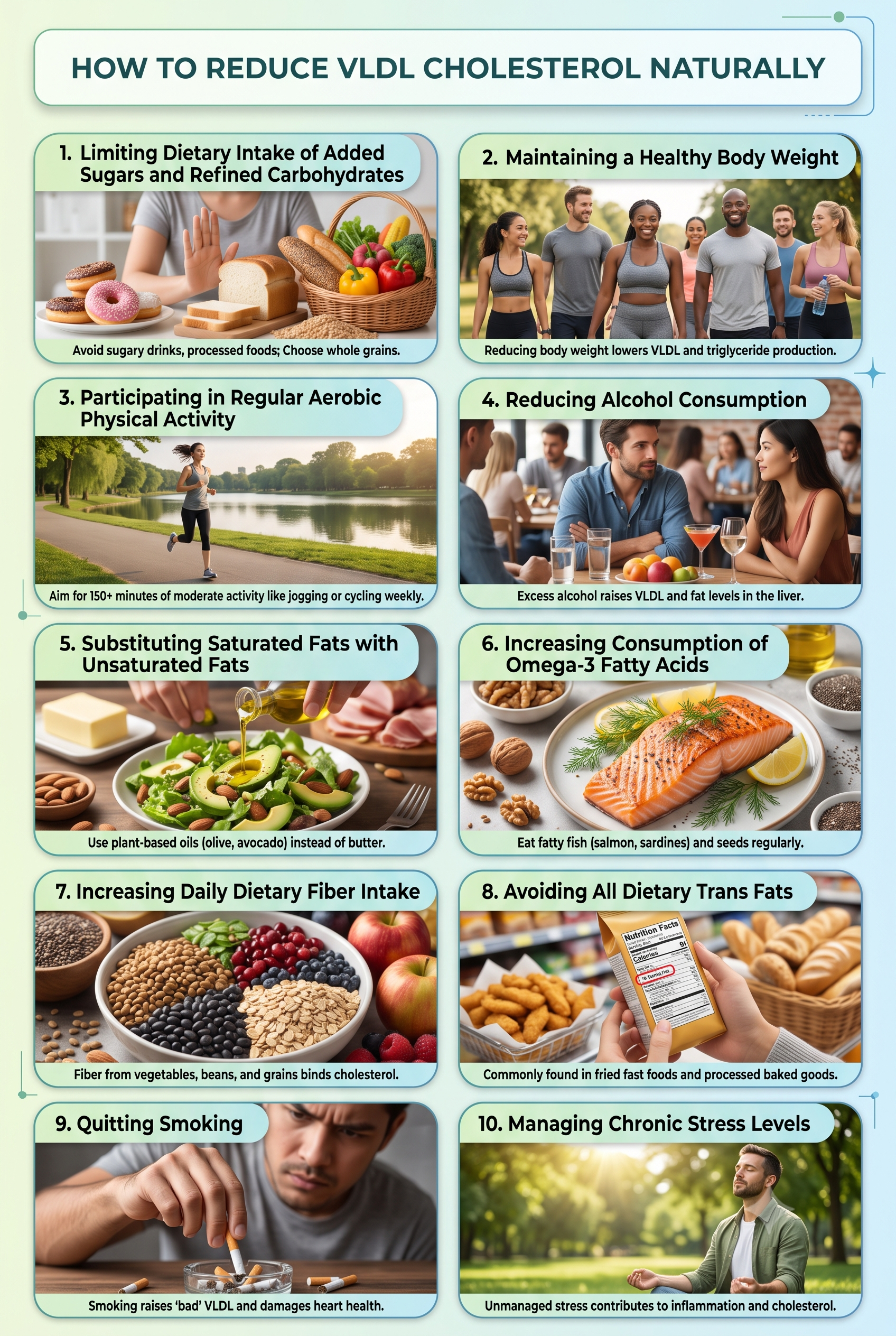
3. Participating in Regular Aerobic Physical Activity
How it may help:
Aerobic exercise increases the body’s energy demands, prompting muscles to burn circulating fat for fuel. This physical activity enhances the function of specific enzymes that break down triglycerides. Consequently, the body more rapidly clears very low-density lipoprotein (VLDL) particles from the bloodstream, preventing harmful fat accumulation in the arteries.
What research says:
Health guidelines establish that accumulating at least 150 minutes of moderate-intensity aerobic exercise weekly significantly reduces blood triglycerides and VLDL cholesterol 10. Furthermore, evidence shows regular physical activity consistently improves overall lipid profiles and lowers cardiovascular disease risk, even without accompanying weight loss 4.
How to use it safely:
You should begin with low-impact activities like brisk walking or swimming, aiming for 30 minutes a day, five times a week 4. If you are currently inactive, start slowly with shorter 10-minute sessions and gradually increase the duration to prevent physical injuries.
Potential precautions or side effects:
You might experience temporary muscle soreness initially. Consult a healthcare provider before starting if you have existing heart conditions, severe breathing issues, or chronic joint pain 11.
4. Reducing Alcohol Consumption
How it may help:
The liver breaks down alcohol and converts its excess calories directly into triglycerides. This rapid fat production forces the liver to synthesize and release more very low-density lipoprotein (VLDL) particles to carry these fats into the bloodstream. Reducing alcohol intake directly decreases this triglyceride production, thereby lowering circulating VLDL levels.
What research says:
Clinical guidelines indicate that alcohol consumption is a frequent secondary cause of elevated blood triglycerides 12. Research confirms that even moderate alcohol intake can significantly increase VLDL and triglyceride concentrations, prompting health authorities to recommend restricting alcohol to lower cardiovascular disease risk 13.
How to use it safely:
You should limit alcohol intake to no more than two drinks per day for men or one drink per day for women 14. If your triglyceride levels are severely elevated, you should consider eliminating alcohol entirely to successfully reduce your VLDL cholesterol.
Potential precautions or side effects:
If you consume alcohol heavily, stopping abruptly can cause severe withdrawal symptoms like tremors or seizures 15. Always consult a healthcare provider for safe cessation strategies.
5. Substituting Saturated Fats with Unsaturated Fats
How it may help:
Consuming high amounts of saturated fats stimulates the liver to produce excess triglycerides and cholesterol, which are packaged into very low-density lipoprotein (VLDL). Replacing these with healthier unsaturated fats improves the liver’s ability to process and clear these particles, effectively lowering the total amount of circulating VLDL in the blood.
What research says:
Clinical guidelines state that replacing dietary saturated fats with polyunsaturated and monounsaturated fats significantly improves overall lipid profiles and lowers blood triglyceride levels 4. Furthermore, evidence confirms this dietary substitution effectively reduces the long-term risk of developing severe cardiovascular diseases 13.
How to use it safely:
You should replace solid animal fats, such as butter or lard, with plant-based liquid oils like olive, safflower, or canola oil 16. Incorporate avocados, nuts, and seeds into your daily meals, but control portion sizes to avoid excessive calorie intake.
Potential precautions or side effects:
Even healthy unsaturated fats are heavily calorie-dense and can cause unwanted weight gain if overconsumed 16. Always measure cooking oils to avoid unintentionally exceeding your daily caloric needs.
6. Increasing Consumption of Omega-3 Fatty Acids
How it may help:
Omega-3 fatty acids directly inhibit the liver from producing excess triglycerides while increasing the rate at which they are cleared from the blood. Because very low-density lipoprotein (VLDL) primarily carries triglycerides, this dual action significantly reduces the total amount of VLDL particles released into the bloodstream.
What research says:
Clinical evidence confirms that high intakes of omega-3 fatty acids can lower blood triglyceride levels by up to 30 percent 17. Health guidelines strongly support increasing omega-3 consumption to improve lipid profiles and decrease cardiovascular disease risk 4.
How to use it safely:
You should consume at least two servings of fatty fish, such as salmon or mackerel, each week 18. If you choose to use fish oil supplements, consult your healthcare provider first to determine the correct dosage.
Potential precautions or side effects:
Taking high doses of omega-3 supplements can increase bleeding risks and may interact with blood-thinning medications 17. You might also experience mild digestive issues or fishy burps.
7. Increasing Daily Dietary Fiber Intake
How it may help:
Soluble fiber forms a gel-like substance in the digestive tract that binds to fat and dietary cholesterol, preventing them from entering the bloodstream 19. Furthermore, fiber slows the absorption of sugars, which prevents the rapid insulin spikes that trigger the liver to produce excess triglycerides and VLDL particles.
What research says:
Clinical evidence demonstrates that consuming a diet rich in soluble fiber significantly lowers circulating blood triglycerides and overall cholesterol levels 13. Health authorities consistently conclude that high daily fiber intake improves lipid profiles and provides substantial long-term protection against the development of severe cardiovascular diseases 4.
How to use it safely:
You should gradually incorporate more fiber-rich foods, such as oats, beans, lentils, and apples, into your daily meals. To prevent digestive discomfort, increase your fiber intake slowly over several weeks and ensure you drink plenty of water throughout the day 19.
Potential precautions or side effects:
Adding fiber too rapidly can cause painful bloating, abdominal cramps, and excessive gas 20. Without adequate water intake, a high-fiber diet may also lead to severe constipation.
8. Avoiding All Dietary Trans Fats
How it may help:
Artificial trans fats promote metabolic dysfunction and insulin resistance, which forces the liver to overproduce triglycerides. Consequently, the liver releases more very low-density lipoprotein (VLDL) particles into the blood. Eliminating trans fats halts this abnormal lipid production and helps restore a healthy cholesterol balance.
What research says:
Clinical research concludes that consuming artificial trans fats significantly elevates blood triglycerides and VLDL cholesterol while dangerously lowering protective HDL cholesterol 21. Public health authorities assert that completely eliminating industrial trans fats is essential to reduce the risk of severe cardiovascular diseases 22.
How to use it safely:
You should carefully inspect food ingredient lists and completely avoid any products containing “partially hydrogenated oils,” even if the nutrition label claims zero trans fats 21. Prioritize fresh, unprocessed foods instead of commercially baked or fried goods.
Potential precautions or side effects:
There are no negative side effects to eliminating artificial trans fats. However, avoid replacing them with highly processed items that contain excessive saturated fats or added sugars.
9. Quitting Smoking
How it may help:
Chemicals in tobacco smoke damage blood vessels and disrupt how the body processes fats, leading to increased triglyceride production and insulin resistance. This dysfunction forces the liver to release more very low-density lipoprotein (VLDL) particles. Quitting smoking restores normal metabolic function, directly reducing the accumulation of VLDL cholesterol.
What research says:
Clinical research demonstrates that smoking cessation rapidly improves blood lipid profiles by lowering circulating triglycerides and VLDL levels 23. Health guidelines confirm that quitting tobacco is an essential intervention that effectively reduces the long-term risk of developing severe cardiovascular diseases 13.
How to use it safely:
You should develop a comprehensive quit plan using evidence-based methods, such as behavioral counseling or approved nicotine replacement therapies 24. Consult a healthcare professional to choose the most effective cessation aids and establish a support system for success.
Potential precautions or side effects:
You may experience nicotine withdrawal symptoms, including irritability, anxiety, intense cravings, and temporary weight gain 25. Discuss strategies with your doctor to manage these initial side effects safely.
10. Managing Chronic Stress Levels
How it may help:
Chronic psychological stress triggers the continuous release of hormones like cortisol. These stress hormones prompt the body to release stored sugars and fats into the blood for immediate energy. When this energy remains unused, the liver converts it into triglycerides and packages them into very low-density lipoprotein (VLDL) particles.
What research says:
Clinical evidence indicates that prolonged psychological stress directly contributes to abnormal lipid profiles, including elevated blood triglycerides and VLDL cholesterol 12. Health authorities confirm that unmanaged stress also promotes unhealthy coping behaviors, such as poor diet and physical inactivity, which further increase overall cardiovascular disease risk 26.
How to use it safely:
You should incorporate evidence-based relaxation techniques into your daily routine, such as deep breathing exercises or mindfulness meditation 27. Prioritize getting seven to eight hours of nightly sleep to allow your body to recover properly from daily psychological stressors.
Potential precautions or side effects:
Relying on alcohol, tobacco, or overeating to manage stress rapidly increases VLDL cholesterol 26. Seek guidance from a licensed mental health professional if chronic stress or anxiety persists.