

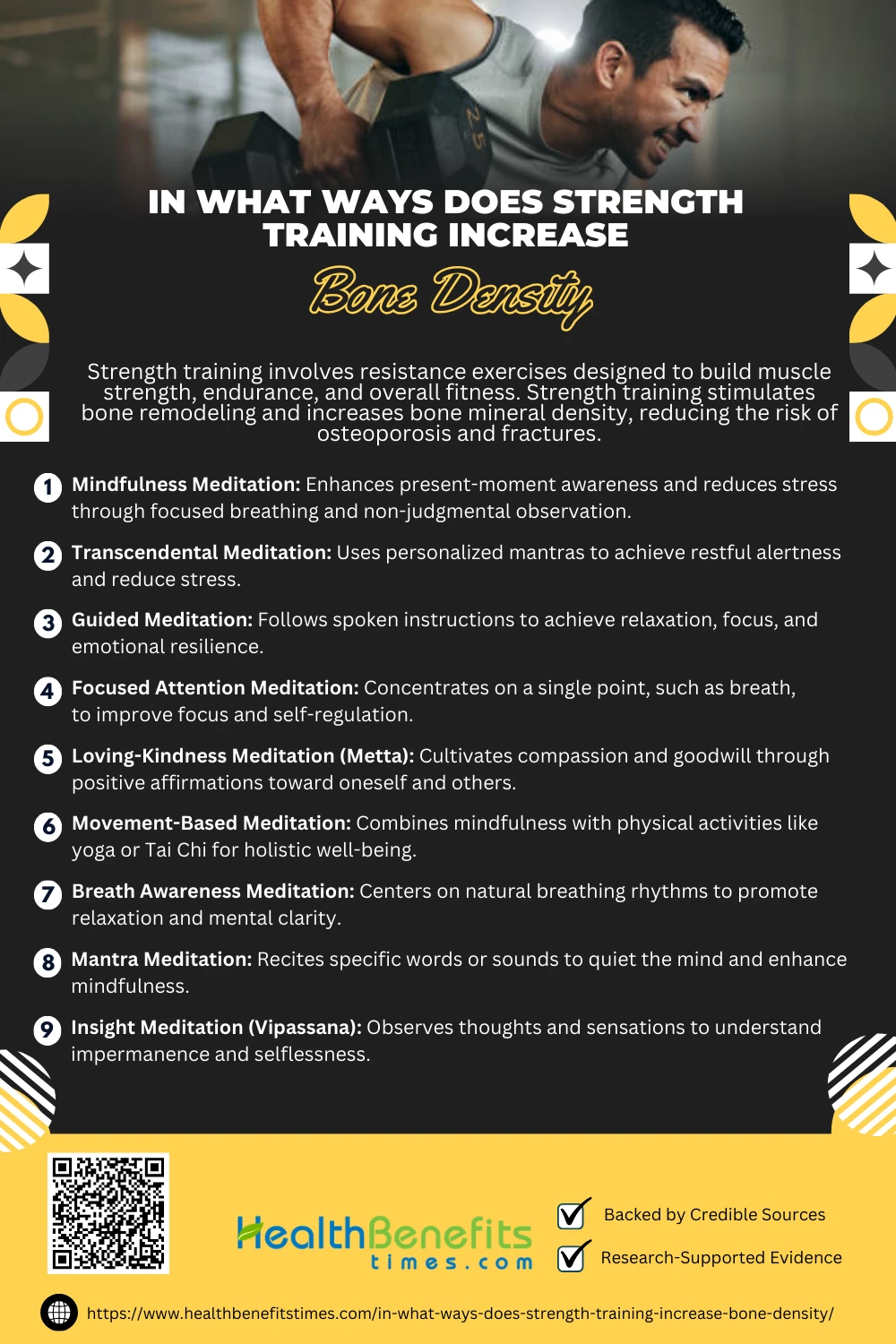
- Strength training involves resistance exercises designed to build muscle strength, endurance, and overall fitness.
- Strength training stimulates bone remodeling and increases bone mineral density, reducing the risk of osteoporosis and fractures.
- Resistance exercises apply stress to bones, promoting growth and strengthening by enhancing calcium deposition and bone cell activity.
Bone density refers to the concentration of minerals, primarily calcium, within the bone matrix, which determines its strength and resistance to fractures (1). (1) Bone density plays a critical role in maintaining skeletal health and reducing the risk of fractures, particularly in aging populations. Strength training has emerged as a powerful tool to enhance bone density by applying mechanical loads that stimulate osteogenesis. Research has shown that strength training not only increases bone mass but also improves bone architecture, making it a crucial strategy for osteoporosis prevention. (2) (3) Studies suggest that targeted exercises like weightlifting can trigger adaptive responses in bone tissue, including increased density and improved hormonal balance, essential for bone health. (4) (5) Additionally, incorporating high-impact resistance training has been linked to enhanced bone mineral density, particularly in postmenopausal women and older adults, who are at higher risk for bone loss. (6) (7) Furthermore, hormonal changes induced by strength training, such as increased testosterone and growth hormone levels, promote bone anabolism and help mitigate the degenerative effects of aging on skeletal tissue. (8) This multidimensional approach not only enhances bone strength but also improves overall musculoskeletal health, making strength training a cornerstone in the fight against osteoporosis. (9)
Strength Training and Its Role in Bone Health
Strength training is a cornerstone in improving and maintaining bone health by enhancing bone density and structural integrity through mechanical loading. Resistance exercises apply stress to bones, which triggers osteogenic responses, promoting bone growth and adaptation. (10) Studies have shown that strength training positively impacts bone mineral density (BMD) across various populations, including postmenopausal women and aging adults, who are at higher risk for osteoporosis. (8) Moreover, weightlifting and resistance exercises influence the release of osteoanabolic hormones, such as growth hormone and testosterone, which support bone regeneration. (11)
Strength training also strengthens the muscle-bone connection, increasing musculoskeletal resilience and reducing fracture risks. (12) The synergy of muscle strength and bone density improvements can significantly enhance mobility and balance, particularly in older adults. (13) Research indicates that targeted strength exercises, such as squats and deadlifts, maximize axial loading on bones, leading to better BMD outcomes. (14)
Furthermore, combining strength training with nutritional strategies, like adequate calcium and vitamin D intake, optimizes bone health outcomes. (15) Advanced training protocols have been particularly effective in addressing bone health challenges in athletes and clinical populations. (16) This integrated approach to strength training underlines its critical role in preventing bone-related conditions and enhancing quality of life. (1)
In what ways does strength training increase bone density?
Bone health is a crucial aspect of overall well-being, yet it often goes overlooked until problems arise. Bone density, a measure of bone strength, naturally declines with age, increasing the risk of fractures and osteoporosis. However, strength training offers a powerful solution to counteract this decline. By placing controlled stress on the bones, it stimulates growth and remodeling, enhancing density and resilience. This article explores the mechanisms behind this process, the best exercises for bone health, and how anyone can benefit from incorporating strength training into their routine.
 1. Mechanical Stress Stimulates Bone Formation
Mechanical stress plays a pivotal role in stimulating bone formation through the activation of osteogenic pathways. When bones experience mechanical load, it triggers fluid shear stress in the bone matrix, which promotes the activity of osteoblasts and enhances bone mineralization. (17) This process aligns with Wolff’s Law, wherein bones adapt structurally to withstand increased mechanical forces. (18) Additionally, biomaterials that mimic mechanical stress have been shown to generate bioelectric signals, further promoting bone regeneration. (19) Advanced research demonstrates that dynamic loading conditions optimize collagen alignment and bone growth, crucial for effective healing and remodeling. (20) Mechanical stimulation not only supports bone density but also aids in the functional integration of engineered bone scaffolds. (21)
2. Improves Hormonal Activity
Strength training is a powerful modality for improving hormonal activity, influencing several physiological systems. Research shows that resistance training can enhance testosterone levels, which are crucial for muscle growth and overall vitality, especially in men with obesity-related hormonal imbalances. (22) Similarly, it stimulates the release of growth hormones like IGF-1, which promote cellular regeneration and cardiovascular health. (23) For women with conditions like polycystic ovary syndrome, combined resistance and aerobic training improves anti-Mullerian hormone levels, enhancing reproductive and metabolic health. (24) Additionally, strength training boosts the production of irisin, a hormone that regulates energy metabolism and protects against chronic diseases. (25) Long-term programs combining dietary adjustments and strength exercises also aid in improving hormonal balances in aging populations, thus enhancing life quality. (26) Overall, evidence emphasizes the multifaceted role of strength training in modulating endocrine function and supporting holistic health.
3. Enhances Muscle-Bone Interaction
Strength training plays a crucial role in enhancing muscle-bone interaction, promoting overall skeletal health. Research indicates that resistance exercises boost bone density by increasing mechanical stress, which stimulates osteogenesis. (11) Additionally, the interplay of muscle and bone is mediated through myokines and osteokines, improving structural integrity, especially in aging populations. (27) Regular strength training also counteracts osteoporosis-related degeneration, providing a robust framework for rehabilitation strategies. (11) These findings underscore the essential synergy between muscular activity and bone remodeling for maintaining musculoskeletal health across different age groups.
4. Prevents Bone Loss with Aging
Strength training is a proven strategy to prevent bone loss associated with aging. Studies show that resistance exercises improve bone mineral density (BMD) and mitigate osteoporosis in older adults by enhancing bone strength and stimulating osteogenesis. (13) Progressive resistance training is particularly effective in reducing fracture risks and maintaining musculoskeletal health. (28) High-intensity resistance activities also play a vital role in mitigating postmenopausal bone density loss. (29) These findings underscore the essential role of structured physical activity in combating age-related skeletal deterioration.
5. Increases Bone Mineral Density (BMD)
Strength training has been shown to significantly enhance bone mineral density (BMD), a critical factor in preventing osteoporosis and fractures. Resistance exercises like weightlifting promote bone remodeling by stimulating osteoblast activity, thereby increasing BMD in regions such as the spine and hip. (13) High-impact exercises combined with strength training have demonstrated superior results in improving bone structure. (30) Studies confirm that consistent training also helps mitigate age-related bone loss and supports musculoskeletal health. (31)
6. Promotes Better Calcium Absorption
Strength training significantly promotes better calcium absorption by enhancing bone turnover and metabolic activity, which increases calcium uptake into the skeletal system. Studies reveal that resistance exercises improve calcium balance by stimulating bone remodeling and increasing receptor sensitivity to calcium. (32) When combined with adequate vitamin D levels, the benefits are amplified, as vitamin D enhances intestinal calcium absorption. (33) Research also indicates that strength training augments mineral density and facilitates better retention of calcium in bone tissues. (34)
7. Activates Wolff’s Law
Strength training activates Wolff’s Law, a principle explaining how bone adapts to mechanical stress by remodeling and increasing its density. Resistance exercises stimulate osteoblast activity and enhance the structural integrity of bones. (35) Weight-bearing activities like squats or deadlifts significantly improve bone strength by aligning bone formation with stress points. (36) This adaptation underscores the importance of targeted physical stress in preventing conditions like osteoporosis. (37) These findings emphasize the dynamic response of skeletal tissue to mechanical loads.
8. Reduces Fall Risk
Strength training is a proven method to reduce fall risk, particularly in older adults. Resistance exercises enhance muscle strength and improve balance, directly decreasing the likelihood of falls. (38) Studies show that programs combining strength and balance training significantly improve functional mobility. (39) Lower extremity strength interventions particularly enhance stability. (40) These outcomes highlight the role of structured strength exercises in creating safer environments and mitigating fall-related injuries among vulnerable populations.
9. Supports Bone Health through Cytokine Modulation
Strength training supports bone health through cytokine modulation by reducing pro-inflammatory cytokines and promoting bone remodeling. Exercise induces the release of myokines, such as IL-6, which play a pivotal role in bone resorption and formation balance. (41) Additionally, resistance training enhances the production of anti-inflammatory cytokines, fostering a favorable environment for bone regeneration. (42) These findings underscore the critical role of physical activity in maintaining skeletal integrity, particularly in aging populations or individuals at risk for osteoporosis. (43)
Types of Strength Training Exercises for Bone Density
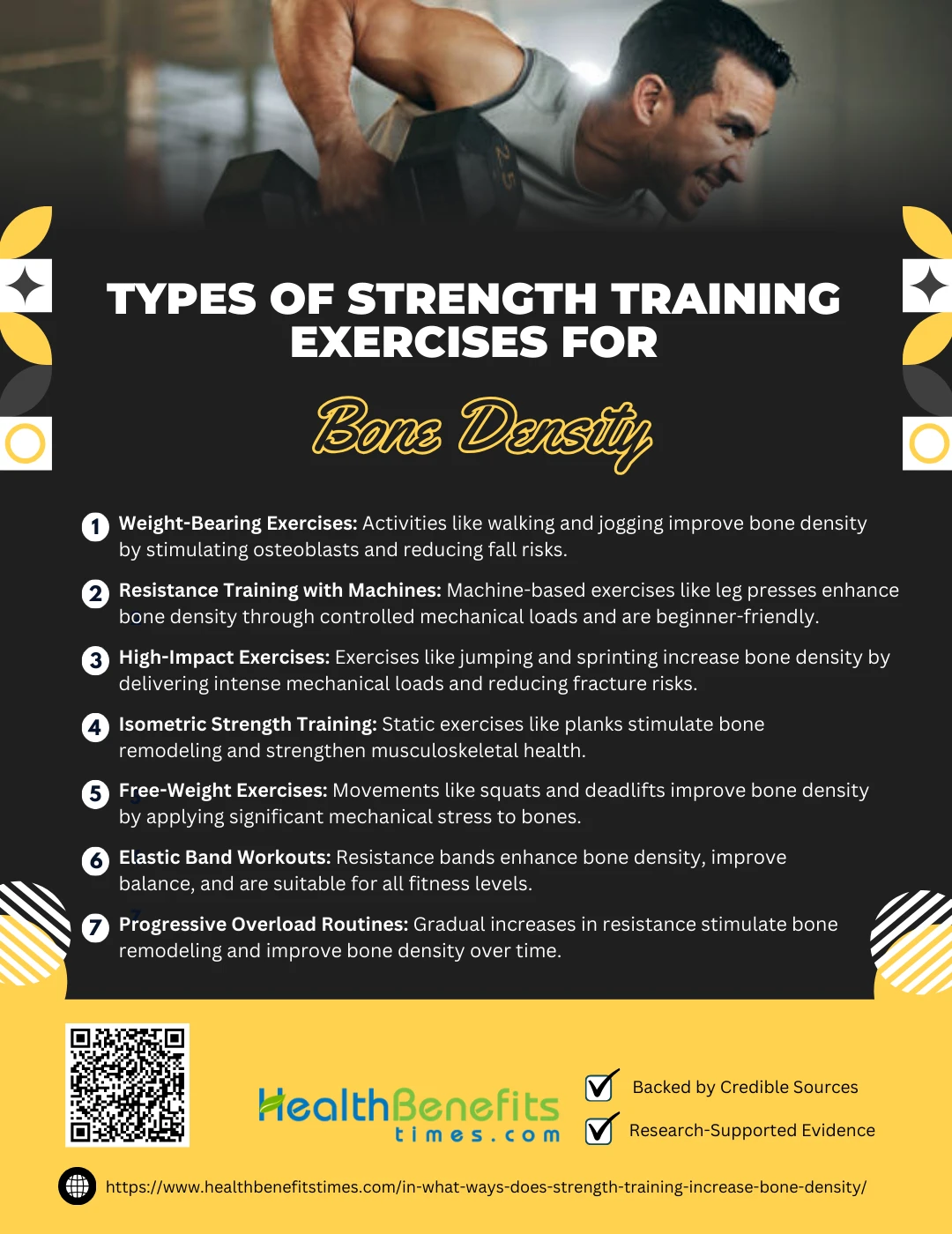
Strength training exercises are essential for improving bone density and maintaining overall skeletal health. By applying targeted stress to bones through resistance, these exercises stimulate bone growth and help prevent conditions like osteoporosis. Incorporating various types of strength training can effectively support strong, healthy bones.
- Weight-Bearing Exercises
Weight-bearing exercises are highly effective in improving bone density by stimulating bone remodeling and enhancing skeletal strength. Activities such as walking, jogging, and stair climbing activate osteoblasts, which are crucial for bone formation. (44) Research highlights their role in combating osteoporosis and supporting musculoskeletal health. (45) Weight-bearing movements also improve balance and reduce fall risks, particularly in older population. (46) - Resistance Training with Machines
Resistance training with machines is an effective method to enhance bone density by applying controlled mechanical loads. Studies highlight its role in stimulating osteoblast activity, essential for bone remodeling and strengthening. (47) Machine-based exercises such as leg presses and chest presses improve skeletal health, particularly in weight-bearing bones. (48) These exercises are also safe for beginners due to their adjustable resistance and guided motion, minimizing injury risks. (49) - High-Impact Exercises
High-impact exercises, such as jumping, plyometrics, and sprinting, are highly effective for improving bone density by delivering mechanical loads that stimulate osteogenesis. Studies confirm that high-impact activities increase bone mineral density (BMD) in weight-bearing bones, particularly in athletes. (50) Regular participation also promotes bone strength and reduces fracture risk, especially among postmenopausal women. (51) These exercises are instrumental in osteoporosis prevention, offering long-term benefits for skeletal health. (1) - Isometric Strength Training
Isometric strength training, such as static holds and planks, significantly enhances bone density by stimulating mechanical stress on bones without movement. This method promotes bone remodeling, particularly in older adults at risk of osteoporosis. (52) Studies have shown that isometric exercises improve musculoskeletal strength, enhancing bone health and reducing fracture risk. (51) Moreover, integrating isometric training with resistance exercises optimizes skeletal loading and supports bone mineral density. (53) - Free-Weight Exercises
Free-weight exercises, such as squats, deadlifts, and bench presses, are highly effective for improving bone density by applying significant mechanical loads to bones. These exercises stimulate osteoblast activity, enhancing bone remodeling and structural integrity. (49) Additionally, free weights allow dynamic movements, engaging multiple muscle groups and improving skeletal health. (54) Research confirms that long-term free-weight training supports musculoskeletal strength and reduces osteoporosis risk. (6) - Elastic Band Workouts
Elastic band workouts effectively enhance bone density by applying resistance that promotes osteogenesis and bone remodeling. These exercises, particularly beneficial for older adults, improve bone mineral density and muscle strength. (1) Studies show that elastic bands are safe, versatile, and reduce the risk of osteoporosis while improving balance and coordination. (55) Their adaptability makes them ideal for various fitness levels and rehabilitation settings. (56) - Progressive Overload Routines
Progressive overload routines effectively improve bone density by gradually increasing resistance, stimulating osteogenesis, and enhancing bone remodeling. Studies confirm that regularly applying progressive resistance improves both bone strength and mineral density in individuals at risk of osteoporosis . (57) This technique also supports musculoskeletal health and reduces fracture risk by engaging multiple skeletal sites through strategic load increases. (58)
Target Audiences and Special Considerations
Target audiences for bone density considerations include older adults, individuals with osteoporosis, postmenopausal women, and athletes recovering from injuries. Tailored interventions like resistance training and nutrient optimization can mitigate bone loss and enhance structural integrity. (59) Early diagnosis and genetic insights play a vital role in addressing demographic-specific bone health issues. (60) Public health strategies also emphasize gendered approaches to enhance preventive care for high-risk groups. (61)
Additional Factors Enhancing Bone Health
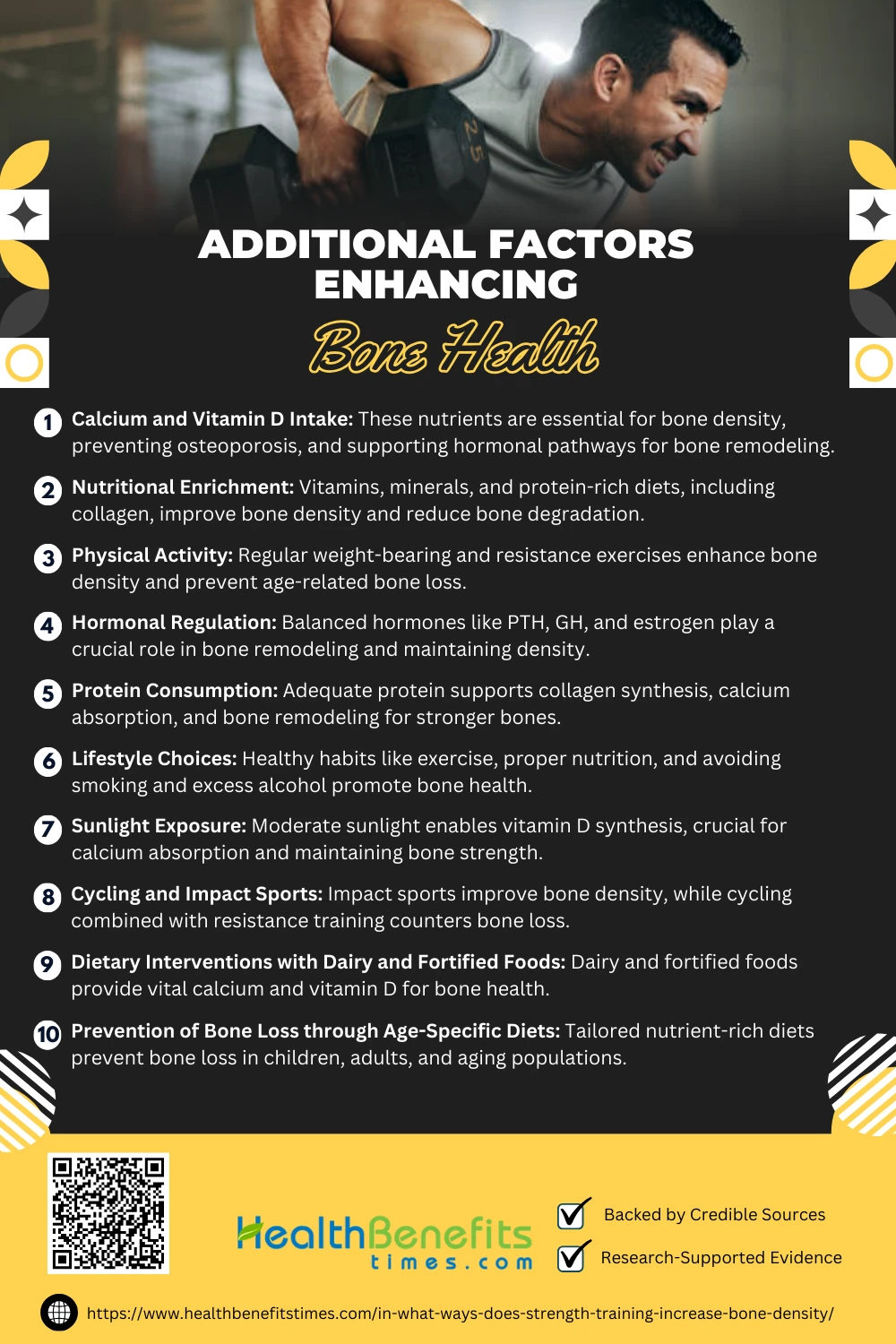
In addition to regular exercise, several other factors play a crucial role in enhancing bone health. Proper nutrition, adequate calcium and vitamin D intake, lifestyle habits, and hormonal balance are vital for maintaining strong and healthy bones. Understanding and incorporating these factors into daily routines can complement physical activity, prevent bone loss, and reduce the risk of osteoporosis and fractures. Addressing these aspects holistically ensures long-term skeletal strength and overall well-being.
- Calcium and Vitamin D Intake
Adequate calcium and vitamin D intake play a pivotal role in maintaining and enhancing bone health. Calcium serves as the foundational building block of bone tissue, directly contributing to bone mineral density and strength. (62) Vitamin D, on the other hand, facilitates calcium absorption in the gut, preventing deficiencies that can lead to bone demineralization. (63) Research also indicates that combined supplementation of these nutrients can reduce the risk of fractures and osteoporosis in aging populations. (64) Furthermore, calcium and vitamin D influence hormonal pathways that regulate bone remodeling, improving structural integrity. (65) Dietary sources, such as dairy and fortified foods, remain critical for meeting the recommended daily intake, supplemented if necessary to address deficits. (66) Evidence suggests that routine discussions about these nutrients significantly improve awareness and proactive measures for bone health management. (67) Emerging studies continue to highlight their effectiveness in enhancing bone density and reducing fracture risks across various age groups. (68) (69) (70) - Nutritional Enrichment
Nutritional enrichment plays a crucial role in enhancing bone health through the inclusion of essential vitamins, minerals, and proteins. Minerals like magnesium and vitamins such as K2 complement calcium and vitamin D to improve bone density and structural strength. (66) Protein-enriched diets, such as those incorporating collagen, have shown promising effects in reducing bone degradation. (71) Comprehensive dietary strategies, including botanicals, can further enhance skeletal resilience and prevent bone-related disorders. (72) - Physical Activity
Physical activity plays a vital role in enhancing bone health by promoting bone density and structural integrity. Weight-bearing exercises and resistance training are particularly effective in increasing peak bone mass and preventing age-related bone loss. (73) Moreover, lifelong physical exercise is critical for reducing fracture risk and maintaining healthy bones. (74) - Hormonal Regulation
Hormonal regulation significantly impacts bone health, with hormones like parathyroid hormone (PTH) and growth hormone (GH) enhancing bone remodeling and density. (75) Estrogens are essential for maintaining bone density, and their deficiency can lead to increased resorption rates. (76) Growth hormone therapy has demonstrated improved bone metabolism and strength, particularly in GH-deficient individuals. (77) Additionally, interactions between hormones and exercise amplify bone health benefits. (78) - Protein Consumption
Protein consumption is critical for bone health, aiding in collagen synthesis and enhancing calcium absorption, thereby increasing bone density. Adequate dietary protein stimulates anabolic hormones like IGF-1, promoting bone remodeling and strength. (79) Its benefits are amplified when combined with calcium and vitamin D. (80) Protein-rich diets alleviate osteoporosis symptoms and improve skeletal resilience. (71) - Lifestyle Choices
Lifestyle choices profoundly impact bone health by influencing bone density, strength, and overall skeletal integrity. Regular weight-bearing exercises and balanced nutrition, including calcium and vitamin D, are critical for maintaining bone mass and preventing osteoporosis. (81) Avoiding smoking and excessive alcohol consumption further reduces bone loss risk. (82) Tailored lifestyle interventions, such as premenopausal exercise programs, have shown substantial improvements in bone health. (83) Moreover, community education programs effectively promote bone-healthy habits. (84) - Sunlight Exposure
Sunlight exposure is critical for bone health as it enables the synthesis of vitamin D, essential for calcium absorption and bone mineralization. Moderate sun exposure significantly reduces risks of osteoporosis and rickets by maintaining optimal vitamin D levels. (85) Regular, brief sun exposure supports bone density in adolescents and adults alike. (86) Studies emphasize the positive impact of ultraviolet radiation on skeletal strength and calcium metabolism. (87) - Cycling and Impact Sports
Cycling and impact sports contribute differently to bone health, with impact sports like running and basketball showing significant improvements in bone mineral density. (88) While cycling is less osteogenic, incorporating resistance training can counter bone loss associated with non-weight-bearing activities. (89) High-impact sports help develop stronger bones in adolescents and maintain skeletal strength throughout life. (90) Combining cycling with plyometric exercises also enhances skeletal benefits. (91) - Dietary Interventions with Dairy and Fortified Foods
Dietary interventions with dairy and fortified foods significantly enhance bone health by providing essential nutrients like calcium and vitamin D. Consuming dairy products such as milk and yogurt boosts bone mineral density and prevents osteoporosis. (92) Fortified foods further support calcium absorption and skeletal strength. (93) Regular dairy consumption improves bone mineral acquisition in adolescents and maintains lifelong bone health. (94) (95) - Prevention of Bone Loss through Age-Specific Diets
Age-specific diets are essential for preventing bone loss and enhancing skeletal health throughout life. Nutrient-dense foods, rich in calcium and vitamin D, support bone density in children and mitigate loss in adults. (90) Adequate protein and minerals further maintain bone strength in aging populations. (96) Plant-based diets also offer significant benefits when combined with fortified foods. (97) Tailored nutritional strategies effectively reduce osteoporosis risk. (98)
Challenges and Considerations
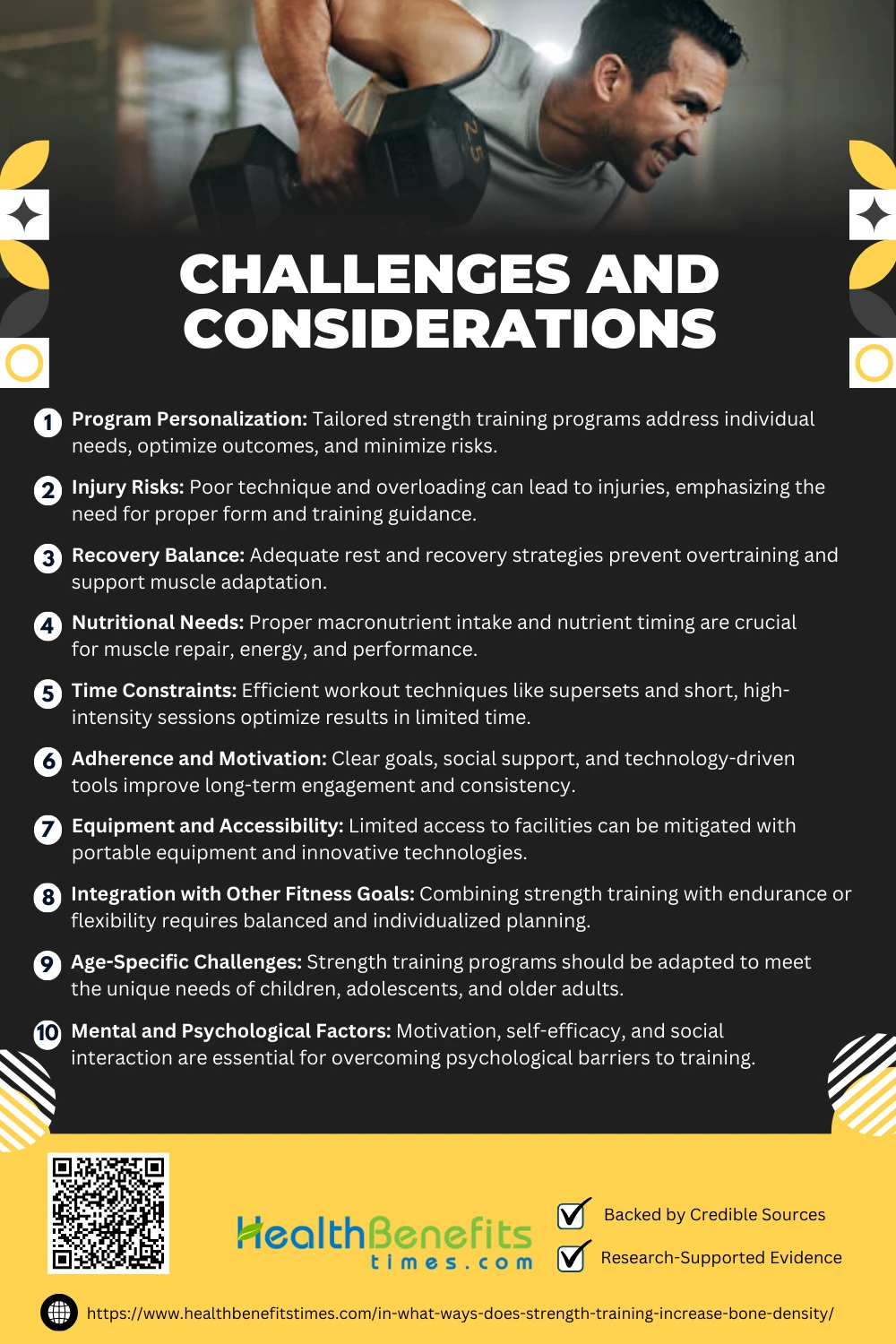
Strength training offers significant benefits for overall health and bone density, but it also comes with challenges and considerations. Proper technique, appropriate weight selection, and injury prevention are crucial for effective and safe training. Additionally, factors such as age, fitness level, and underlying health conditions must be taken into account. Understanding these challenges and addressing them with proper guidance can help individuals maximize the benefits of strength training while minimizing risks.
- Program Personalization
Personalized strength training programs are critical for achieving optimal outcomes and minimizing risks. Such programs address individual needs by integrating physiological factors, fitness levels, and personal goals. (99) Personalized guidelines enhance self-efficacy and adherence to training regimens. (100) Tailored approaches maximize muscle and strength development, even in diverse populations. (101) They are especially effective for addressing unique health challenges, such as obesity or injury recovery. (102) Incorporating advanced technology like AI further refines these programs, ensuring dynamic and safe execution. (103) - Injury Risks
Strength training poses injury risks, especially with poor technique or overloading. Shoulder instability and inflexibility increase injury susceptibility in weightlifters. (104) Identifying risk factors like improper loading patterns helps mitigate weight-training injuries. (105) Tailored interventions for youth enhance safety during resistance training. (106) - Recovery Balance
Balancing recovery is vital for strength training to prevent overtraining and optimize muscle adaptation. Periodization strategies ensure adequate rest during training cycles (109). (104) Effective recovery methods include active rest and nutrient timing to enhance muscular repair. (107) Monitoring individual recovery needs ensures optimal strength gains. (108) - Nutritional Needs
Meeting the nutritional needs of strength training requires precise intake of macronutrients like protein for muscle repair and carbohydrates for energy. (109) Nutrient timing optimizes recovery and performance.Inadequate nutrition hinders adaptations and increases fatigue risk. - Time Constraints
Time constraints are a significant challenge in strength training, requiring efficient programming to optimize results within limited schedules.Techniques like supersets and reduced rest intervals enhance workout efficiency without compromising outcomes. Short, high-intensity resistance sessions effectively balance time and efficacy. (110) - Adherence and Motivation
Adherence and motivation are critical challenges in strength training, influenced by intrinsic factors like enjoyment and goal setting. (111) Programs with clear objectives and social support enhance long-term engagement. (112) Technology-driven solutions like apps increase adherence through gamification. (113) Customized programs that align with individual interests significantly boost motivation. (114) - Equipment and Accessibility
Access to equipment and facilities is a key challenge in strength training, particularly in underserved areas. Limited accessibility often restricts program variety and effectiveness (American College of Sports Medicine, 2012). Adaptive solutions like portable equipment improve accessibility (Jacobs, 2017). Implementing inclusive designs ensures broader participation. (115) Emphasizing wearable technologies also offers innovative solutions for remote training. (116) - Integration with Other Fitness Goals
Integrating strength training with other fitness goals, such as endurance or flexibility, poses unique challenges. Balancing training modalities to avoid overtraining while achieving overall fitness is essential. Combining strength with sport-specific training enhances performance without compromising recovery. (106) Effective strategies emphasize individualized plans to meet diverse fitness objectives. (117) - Age-Specific Challenges
Strength training presents unique challenges across age groups. Children require age-appropriate programs to prevent growth plate injuries while building foundational strength. (118) Adolescents benefit from structured resistance training to enhance bone density and muscle mass. (119) Unstable surface training improves functional strength and mobility across ages. (120) - Mental and Psychological Factors
Psychological factors significantly influence adherence and success in strength training. Challenges like low self-efficacy and motivation can hinder progress. (121) Social interaction and goal setting improve engagement and outcomes. (122) Strength trainers must integrate psychological strategies to address barriers.(123)
Common Myths and Misconceptions
Listed below are few of the popular Myths and misconceptions of Strength Training for Bone Density
- Myth: Strength Training Is Unsafe for Youth
Contrary to the belief that strength training harms growth plates, research shows it enhances bone density and overall musculoskeletal health in youth. - Myth: Women Should Avoid Strength Training
Women often avoid resistance training due to the misconception that it leads to “bulky muscles,” but it actually supports bone density and reduces osteoporosis risks. - Myth: High Protein Intake Weakens Bones
Some believe high protein diets harm bone health; however, studies confirm that protein aids in bone repair and density when paired with adequate calcium. - Myth: Strength Training Isn’t Effective for Bone Density
Weight-bearing and resistance exercises are proven to stimulate bone growth and improve mineral density, debunking the myth of ineffectiveness. - Myth: Only High-Impact Activities Improve Bones
While high-impact exercises are beneficial, low-impact strength training also promotes significant improvements in bone health.
Conclusion
Strength training is a highly effective method for increasing bone density, as it applies mechanical stress to the bones, prompting the body to stimulate bone formation and slow bone resorption. This process, known as bone remodeling, is particularly enhanced when exercises involve weight-bearing and resistance activities that target major muscle groups. Over time, consistent strength training strengthens the skeletal system, reducing the risk of osteoporosis and fractures, especially in older adults. Additionally, it promotes better balance and coordination, further protecting against falls and injuries. Incorporating strength training into a regular fitness routine can significantly contribute to long-term bone health and overall physical resilience.