

[php snippet=1]
Black Cohosh, (Actaea racemosa or Cimicifuga racemosa) is a perennial herb native to North America, belonging to the buttercup family. It has been traditionally used by Native Americans to treat various ailments, particularly gynecological and other disorders. Scientifically, black cohosh is often used as a dietary supplement for relieving menopausal symptoms such as hot flashes, mood swings, and sleep disturbances. The active compounds in black cohosh include glycosides, isoferulic acids, and possibly phytoestrogens, which may contribute to its effects. Although some studies support its efficacy for menopausal symptoms, the results are mixed, and the quality of these studies varies. Moreover, concerns about safety, particularly regarding liver health, have been raised, although direct causality between black cohosh and liver damage has not been definitively established.
What is Hot Flashes
Hot flashes are a common symptom experienced during the menopausal transition, characterized by a sudden feeling of warmth that usually begins in the face, neck, or chest and can spread throughout the body. This sensation is often accompanied by sweating, reddening of the skin, and a rapid heartbeat. The underlying cause of hot flashes is not entirely understood, but they are believed to be related to changes in the body temperature control system that controls body temperature. Research suggests that hot flashes occur due to a narrowed thermoneutral zone the temperature range within which the body does not need to work to either lose or conserve heat. This narrowing is thought to be influenced by a decrease in estrogen levels and an increase in activating the body’s stress response, which can be triggered by slight elevations in core body temperature within this reduced thermoneutral zone.
How much black cohosh should i take for hot flashes
Historical use of black cohosh by Native Americans
Native Americans utilized black cohosh to alleviate menstrual irregularities, ease childbirth, and mitigate menopausal symptoms, embedding the herb deeply within their cultural and spiritual practices. Beyond its gynecological applications, it was also employed to address rheumatism, malaria, sore throats, and even as an antidote for snake bites, showcasing its versatility as a medicinal herb. The profound respect for black cohosh within these communities was not only due to its healing properties but also its symbolic representation of feminine power and healing, making it an integral part of their healthcare and spiritual rituals.
Active compounds in black cohosh
The primary active constituents of black cohosh include:
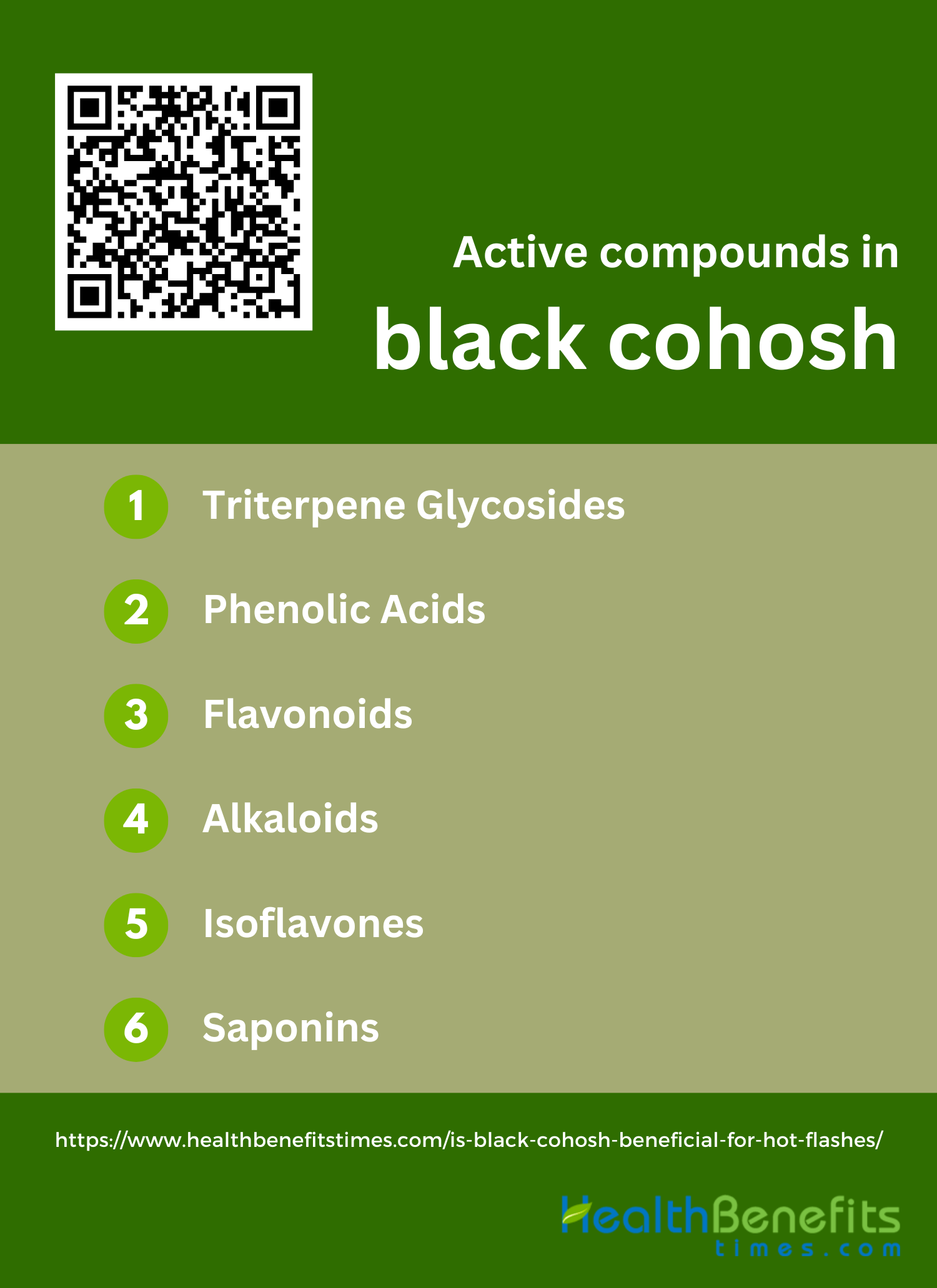
1. Triterpene Glycosides
Triterpene glycosides are prominent active compounds in black cohosh, contributing to its therapeutic effects. These compounds, including actein and cimicifugoside, are known for their anti-inflammatory and analgesic properties, making them integral to black cohosh’s effectiveness in treating menopausal symptoms and musculoskeletal pain.
2. Phenolic Acids
The main phenolic acids identified are caffeic acid, ferulic acid, sinapic acid, and isoferulic acid, These acids contribute antioxidant properties, which play a role in the plant’s anti-inflammatory effects. Phenolic acids may also help modulate hormonal activity, thereby aiding in the management of menopausal symptoms.
3. Flavonoids
Flavonoids in black cohosh, including quercetin and kaempferol, are known for their antioxidant and vasorelaxant activities. These compounds help in reducing inflammation and improving blood flow, which can alleviate menopausal symptoms such as hot flashes and night sweats.
4. Alkaloids
Alkaloids found in black cohosh, such as cytisine and methylcytisine, have been identified as minor components with potential pharmacological effects. These alkaloids may contribute to the plant’s overall therapeutic properties, including its effects on neurological and cardiovascular systems.
5. Isoflavones
Although not as prominent in black cohosh, isoflavones like formononetin have been detected. Isoflavones are known for their phytoestrogenic activity, which can mimic the effects of estrogen in the body, thereby helping to manage symptoms associated with estrogen deficiency during menopause.
6. Saponins
Saponins in black cohosh are part of its bioactive profile, contributing to its anti-inflammatory and immune-modulating effects. These compounds enhance the plant’s therapeutic efficacy, particularly in treating conditions like arthritis and other inflammatory disorders.
Effectiveness of black cohosh for hot flashes
Black cohosh has been widely studied for its potential to alleviate menopausal symptoms, particularly hot flashes. However, the effectiveness of black cohosh in treating hot flashes remains inconclusive. Some studies suggest that black cohosh can reduce the frequency and severity of hot flashes, while others indicate no significant difference compared to a placebo. The variability in research findings may be attributed to differences in study design, the specific black cohosh extract used, and participant characteristics. Despite some positive reports, a comprehensive review and meta-analysis have not consistently supported the efficacy of black cohosh for hot flashes, leading to mixed recommendations regarding its use for this purpose. Therefore, while some individuals may experience relief with black cohosh, it is not universally effective according to current scientific evidence.
Safety Considerations of using black cohosh
When considering the use of black cohosh for managing hot flashes, it is crucial to be aware of its safety considerations. Black cohosh can cause side effects such as gastrointestinal discomfort, headaches, and liver issues, and it may interact with medications like statins and blood thinners, potentially altering their effects . It is contraindicated for individuals with aspirin sensitivity, as well as for pregnant or breastfeeding women due to its potential effects on hormone levels and uterine activity. Given these risks, and the variability in product quality and standardization, it is essential for individuals to consult with a healthcare professional before starting black cohosh. This consultation ensures that the supplement is appropriate for their specific health profile and that they receive a product that is both safe and effective.
Forms and Dosage of Black Cohosh
Black Cohosh is available in various forms, including capsules, liquid extracts, teas, and dried root for making decoctions. The recommended dosage varies depending on the form and the specific health issue being addressed:
- Capsules/Tablets: The most common form, with dosages ranging from 20 to 80 mg per day. Products like Remifemin, a well-studied commercial extract, are often standardized to contain 1 mg of triterpene glycosides per 20-mg tablet.
- Liquid Extract/Tincture: Dosages for tinctures are typically 2 mL twice daily of a 1:1 tincture in 90 percent alcoho.
- Tea: Though not as effective for relieving menopausal symptoms as the standardized extract, teas can be made by boiling 20 g of dried root in 34 oz of water, simmering until the liquid is reduced by a third, and drinking one cup three times daily.