Health Benefits
    Facebook Twitter Instagram
    Friday, December 5
    Facebook Twitter Pinterest
    Health Benefits
    • Home
    • Dental Health
    • Mental Health
    • Weight Loss
    • Health Wiki
    • Nutrition
    • Healthy Recipe
    • BMI Calculator
    Health Benefits
    Home»Herbs and Spices»Know Marguerite Daisy
    Herbs and Spices

    Know Marguerite Daisy

    By SylviaMarch 8, 2018Updated:March 8, 2018No Comments3 Mins Read
    Facebook Twitter Pinterest LinkedIn Tumblr Email

    Know Marguerite Daisy

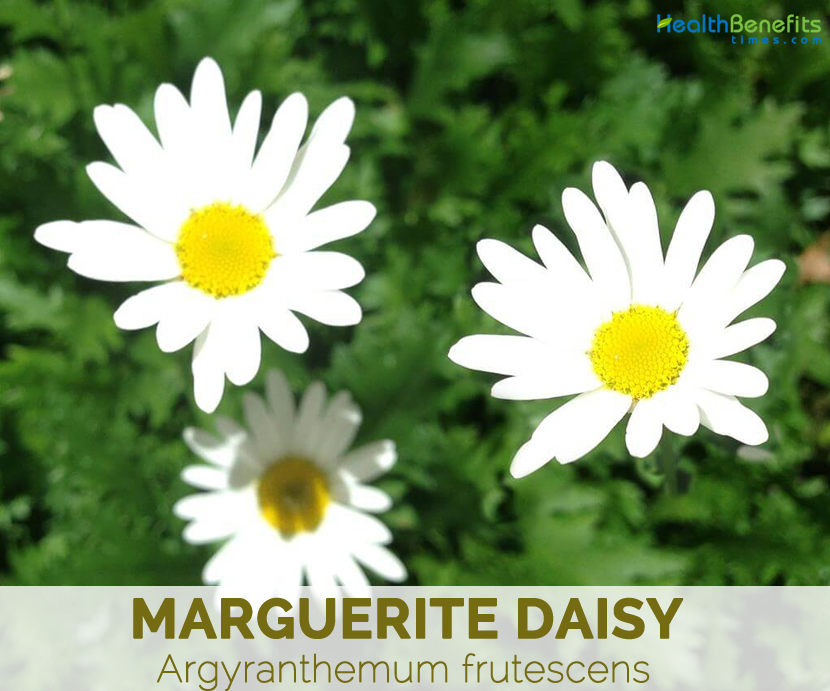
    Known by botanists as Argyranthemum frutescens, Marguerite Daisy is sometimes referred to as the Boston Daisy, Cobbity Daisy, Dill Daisy, Federation Daisy, Marguerite, Marguerite Daisy, Paris Daisy, Paris Marguerite, Summer Daisy, Teneriffe Daisy and White Marguerite. It is a perennial plant from the family Asteraceae, the family of daisies. The plant is native to Canary Islands in Macaronesia. It has naturalized in Australia, New Zealand, East Europe, and Ukraine and is adventive in Norway, Germany, and Italy. It is cultivated in the horticulture trade and widely available and used as a flowering ornamental plant in private gardens and public parks. Genus name comes from Greek meaning silvery flower.  Specific epithet means shrubby or bushy.

    Plant Description

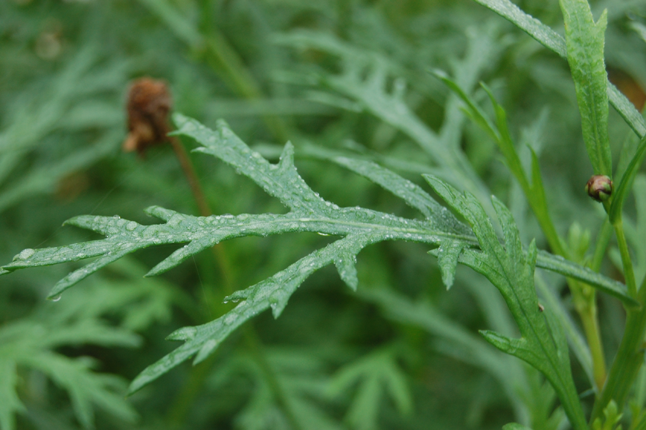
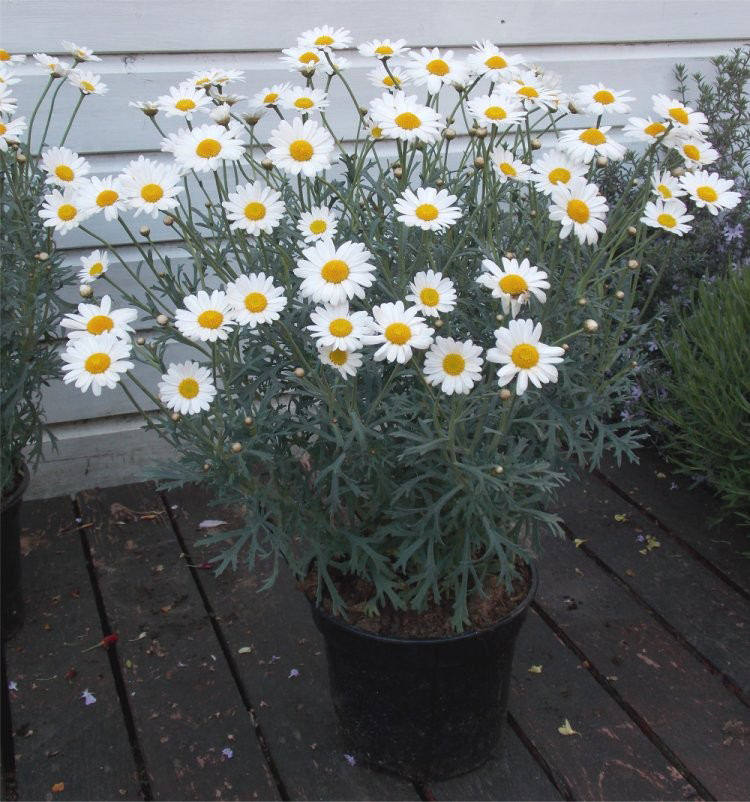
    Marguerite Daisy is a short-lived, perennial herb or subshrub that grows about 60-180 cm tall. They can only survive under summer conditions with plenty of sun and cannot survive in areas that are cold and have no sunlight. The plants can grows easily in moderately fertile, medium-textured and well-drained soils. The plant has prostrated to erect, branched, glabrous stem. Leaves are alternate, 2–3 pinnately divided, lobes wedge-shaped to linear, ultimate margins serrated rarely entire. Pruning, pinching and deadheading help to maintain the shrub’s shape and encourage repeat blooming.

    Flower & Fruit

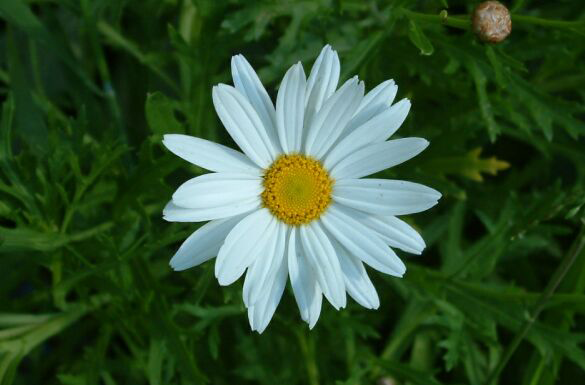
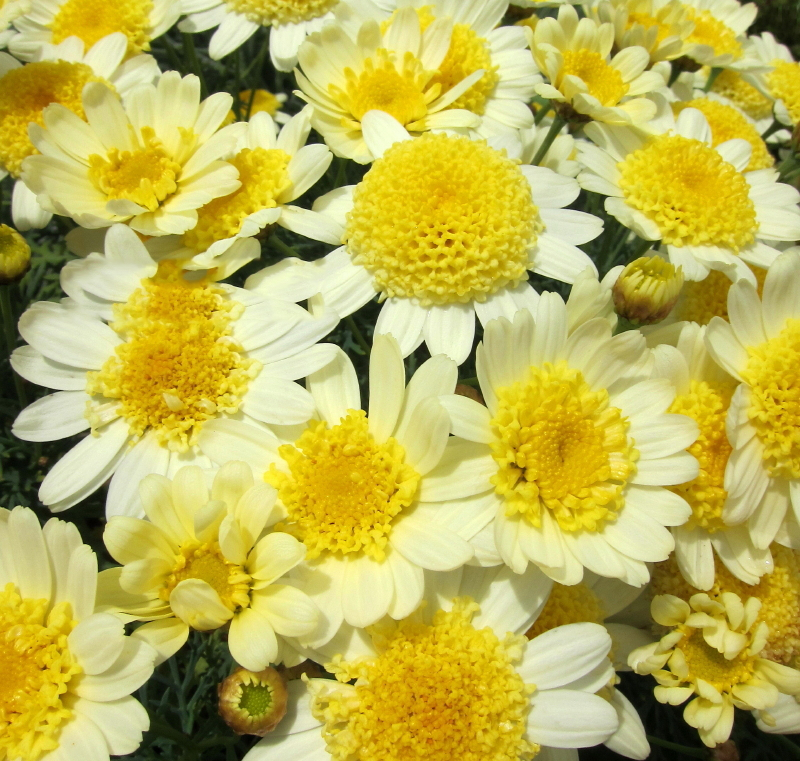
    Inflorescence a lax irregular cyme often reduced to a solitary capitulum. Involucre hemispherical cup-shaped, phyllaries in 3–4 series, free, persistent in fruit, oblanceolate or ovate to lanceolate-deltate or lanceolate, margins and tips yellow to brown, scarious, tips of inner often expanded; receptacle convex to conic. Ray flowers are 12 to >25, ray ovate to linear, female, white, sometimes pink or yellow. Disk flowers are 50–80 to >150, bisexual, fertile, corolla white, yellow (pink, red or purple), tubular, 5-deltoid lobed, anther with ovate tips, styler tip truncate, papillate. Fruit is sub terete or obovoid achene, faintly 5–8 ribbed without pappus.

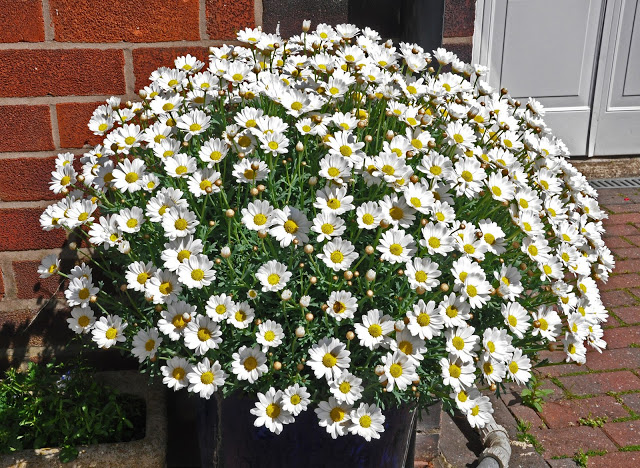
    These flowers grow in many different types of habitats. They are also most frequently used for borders of houses since they grow continuously. They are also known for long period of growth ranging from May to November.


    Marguerite Daisy Image Gallery
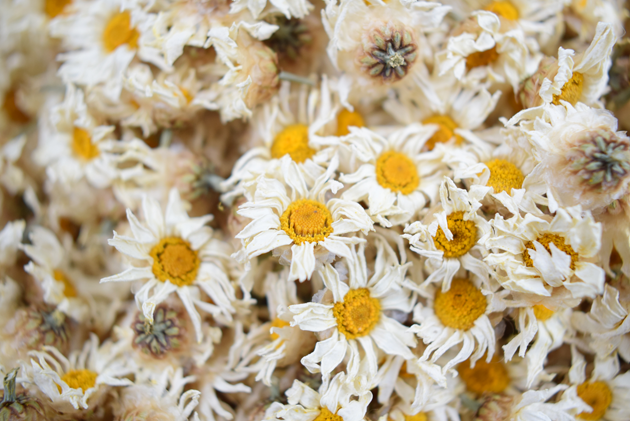
    Dried-Marguerite-Daisy-flower Dried-Marguerite-Daisy-flower
    Leaves-of-Marguerite-Daisy Leaves-of-Marguerite-Daisy
    Marguerite-Daisy-Flower Marguerite-Daisy-Flower

    Marguerite-Daisy-growing-on-pot Marguerite-Daisy-growing-on-pot
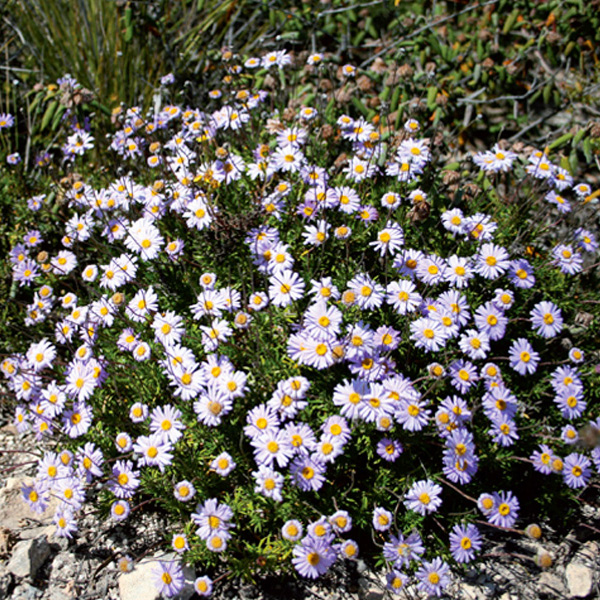
    Marguerite-Daisy-growing-wild Marguerite-Daisy-growing-wild
    Marguerite-daisy--plant Marguerite-daisy--plant

    Other-Variety-of-Daisy Other-Variety-of-Daisy
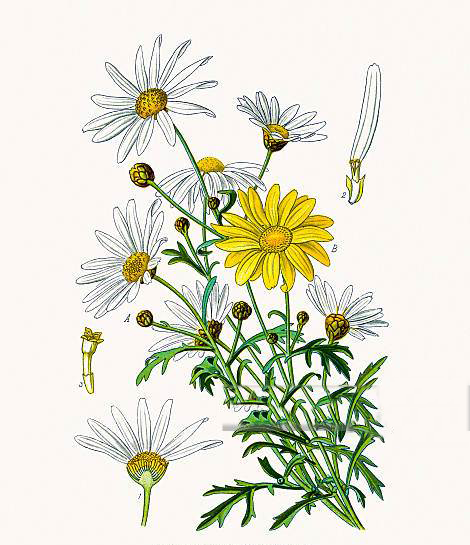
    Plant-Illustration-of-Marguerite-Daisy Plant-Illustration-of-Marguerite-Daisy
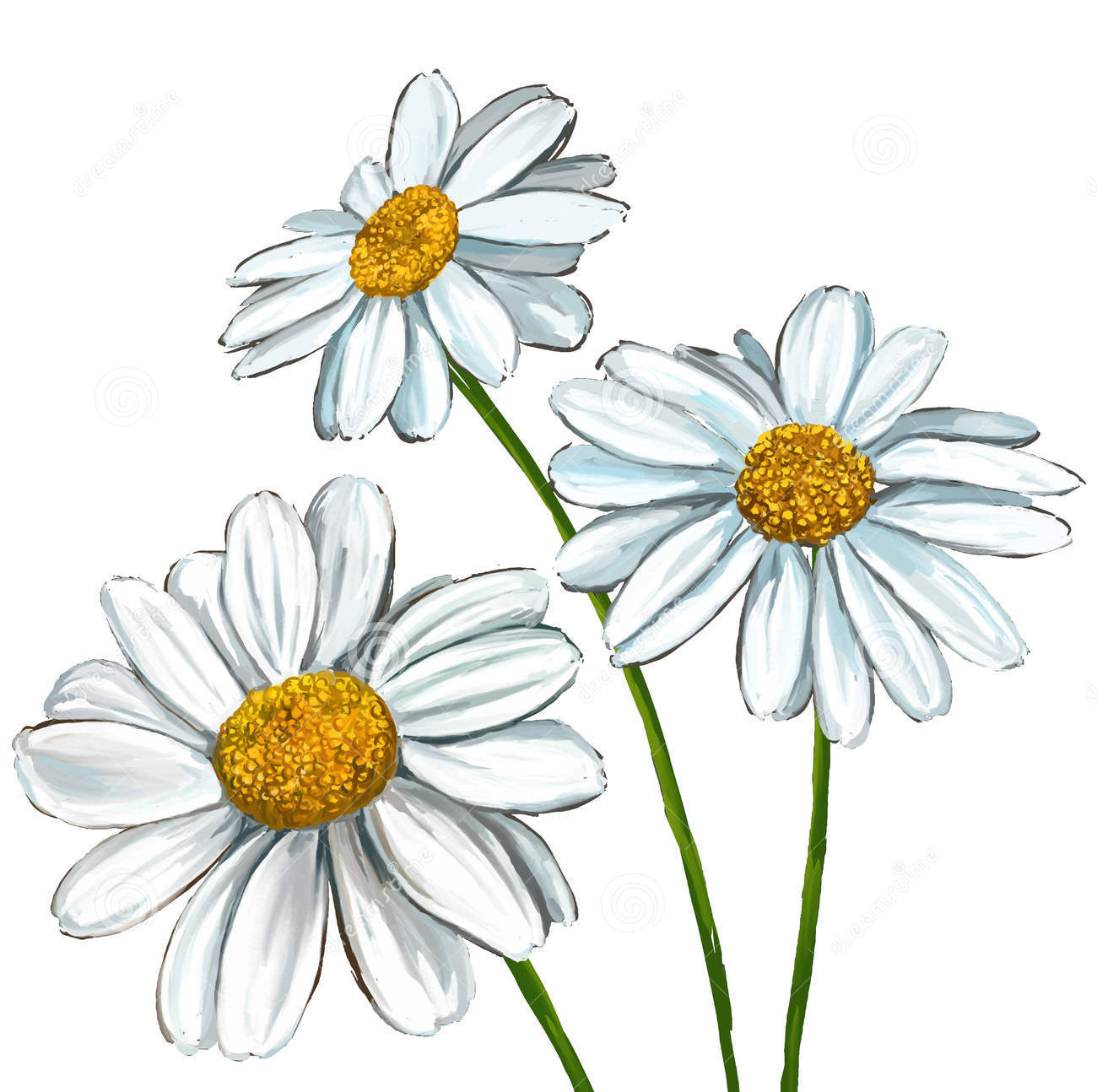
    Sketch-of-Marguerite-Daisy Sketch-of-Marguerite-Daisy

    Traditional uses and benefits of Marguerite Daisy

    • Marguerite Daisy has been used in the treatment of whooping cough, asthma and nervous excitability.
    • Sticky leaves have been used in wound dressing.
    • An eye lotion for conjunctivitis can be made from the flowers.

    Other Facts

    • The species, cultivars and hybrids are planted as ornamental plants in gardens and parks.
    • Flowers are also used for cut flower arrangements.
    • Cut flowers are long-lasting in fresh bouquets.
    • Daisies close their petals when the sun goes down at night.

    References:

    http://www.theplantlist.org/tpl1.1/record/gcc-38385

    https://www.itis.gov/servlet/SingleRpt/SingleRpt?search_topic=TSN&search_value=184927#null

    https://davesgarden.com/guides/pf/go/55228/

    https://npgsweb.ars-grin.gov/gringlobal/taxonomydetail.aspx?id=317332

    https://www.cabi.org/isc/datasheet/110364

    http://www.missouribotanicalgarden.org/PlantFinder/PlantFinderDetails.aspx?kempercode=a488

    https://en.wikipedia.org/wiki/Argyranthemum_frutescens

    73%
    73%
    Awesome

    Comments

    comments

    Herbs and Spices M
    Share. Facebook Twitter Pinterest LinkedIn Tumblr Email
    Previous ArticleKnow about the Cornflower
    Next Article Facts about Chinese Chrysanthemum

    Related Posts

    Uses of Monkey Pitcher plant

    April 16, 2024

    Traditional uses and benefits of Wild Marigold

    March 21, 2024

    Traditional uses and benefits of Drooping fig

    March 12, 2024

    Comments are closed.


     Marguerite Daisy Facts 

    Marguerite Daisy Quick Facts
    Name: Marguerite Daisy
    Scientific Name: Argyranthemum frutescens
    Origin Canary Islands in Macaronesia
    Shapes Subterete or obovoid achene
    Health benefits Beneficial for whooping cough, asthma, nervous excitability and conjunctivitis
    Name Marguerite Daisy
    Scientific Name Argyranthemum frutescens
    Native Canary Islands in Macaronesia
    Common Names Boston Daisy, Cobbity Daisy, Dill Daisy, Federation Daisy, Marguerite, Marguerite Daisy, Paris Daisy, Paris Marguerite, Summer Daisy, Teneriffe Daisy, White Marguerite
    Name in Other Languages Afrikaans: Gewone madeliefiebos
    Catalan : Margaridera
    Chinese: Mù tónghāo (木茼蒿)
    Czech : Kopretinovec Dřevnatý
    Danish : Almindelig Buskmargerit
    Dutch : Struikmargriet
    English: Boston daisy, Paris daisy, Paris marguerite, Marguerite, White marguerite, Common daisy bush,
    Finnish : Marketta, Kanarianmarketta
    French : Anthémis, Marguerite
    German : Strauchmargerite
    Italian : Margherita Delle Canarie
    Marjocan : Margalidera Gran, Margalides, Margaridera
    Spanish : Margarita
    Swedish : Buskmargerit
    Plant Growth Habit Short-lived, perennial herb or subshrub
    Soil Grows easily in moderately fertile, medium-textured and well-drained soils
    Plant Size 60-180 cm tall
    Stem Prostrate to erect, branched, glabrous stem
    Leaf Alternate, 2–3 pinnately divided, lobes wedge-shaped to linear, ultimate margins serrated rarely entire
    Flowering Periods May to November
    Flower Bisexual, fertile, corolla white, yellow (pink, red or purple), tubular, 5-deltoid lobed, anther with ovate tips, styler tip truncate, papillate
    Fruit Shape & Size Subterete or obovoid achene, faintly 5–8 ribbed without pappus
    Varieties
    • Argyranthemum frutescens subsp. canariae (Christ) Humphries
    • Argyranthemum frutescens subsp. foeniculaceum (Pit. & Proust) Humphries
    • Argyranthemum frutescens subsp. frutescens (Considered a synonym of Argyranthemum frutescens by The Plant List[1])
    • Argyranthemum frutescens subsp. gracilescens (Christ) Humphries
    • Argyranthemum frutescens subsp. pumilum Humphries
    Culinary Uses
    • The flowers are edible.

    Marguerite Daisy Scientific Classification

    Scientific Name: Argyranthemum frutescens

    Rank Scientific Name & (Common Name)
    Kingdom Plantae (Plants)
    Subkingdom Tracheobionta (Vascular plants)
    Infrakingdom Streptophyta  (land plants
    Superdivision Embryophyta
    Division Tracheophyta  (vascular plants, tracheophytes)
    Subdivision Spermatophytina  (spermatophytes, seed plants, phanérogames)
    Class Magnoliopsida
    Suborder Asteranae
    Order Asterales
    Family Asteraceae  (sunflowers, tournesols)
    Genus Argyranthemum Webb (dill daisy)
    Species Argyranthemum frutescens (L.) Sch. Bip. (marguerite)
    Synonyms
    • Anthemis frutescens Voss
    • Argyranthemum frutescens var. frutescens
    • Argyranthemum frutescens subsp. frutescens
    • Chrysanthemum floridum Salisb
    • Chrysanthemum foliosum Brouss. ex DC
    • Chrysanthemum frutescens L
    • Chrysanthemum frutescens var. frutescens
    • Chrysanthemum fruticosum Buch
    • Matricaria frutescens Desr
    • Pyrethrum frutescens (L.) Gaertn
    • Pyrethrum frutescens (L.) Willd.
    Categories
    • Beverages (78)
    • Dairy (28)
    • Dental Health (15)
    • Equipment (5)
    • Essential OIls (196)
    • Facts (2,939)
    • Foods (255)
    • Fruits (516)
    • Giveaway (1)
    • Grains and Cereals (36)
    • Health & Beauty (763)
    • Herbs and Spices (1,249)
    • Medicines (9)
    • Mental Health (19)
    • Nutritional value (27)
    • Nuts and seeds (73)
    • Oils (81)
    • Pets (4)
    • Poultry & Seafoods (67)
    • Pulses and Beans (16)
    • Reviews (25)
    • supplement (2)
    • Vegetables (304)
    • Weight Loss (22)

    What is Lupin Bean Flour?

    Science Backed Health Benefits of Durian (Durio zibethinus)

    Science Backed Health Benefits of Feijoa (Pineapple Guava) (Acca sellowiana)

    Science Backed Health Benefits of Gac Fruit (Momordica cochinchinensis)

    Science Backed Health Benefits of Amaranth Leaves (Amaranthus spp)

    Science Backed Health Benefits of Arrowhead (Sagittaria sagittifolia)

    ABOUT
    Home
    About us
    Contact us
    Privacy Policy
    Terms & conditions
    Disclaimer
    Direct Communication
    e-mail: [email protected]
    Gmail: [email protected]
    Whatsapp: +977-9841146511
    Viber: +977-9841146511
    Useful
    Health Wiki
    Nutrition
    Facebook Twitter Pinterest
    © 2025 www.healthbenefitstimes.com All rights reserved.

    Type above and press Enter to search. Press Esc to cancel.

    ×

    Log In

    Forgot Password?

    Not registered yet? Create an Account