

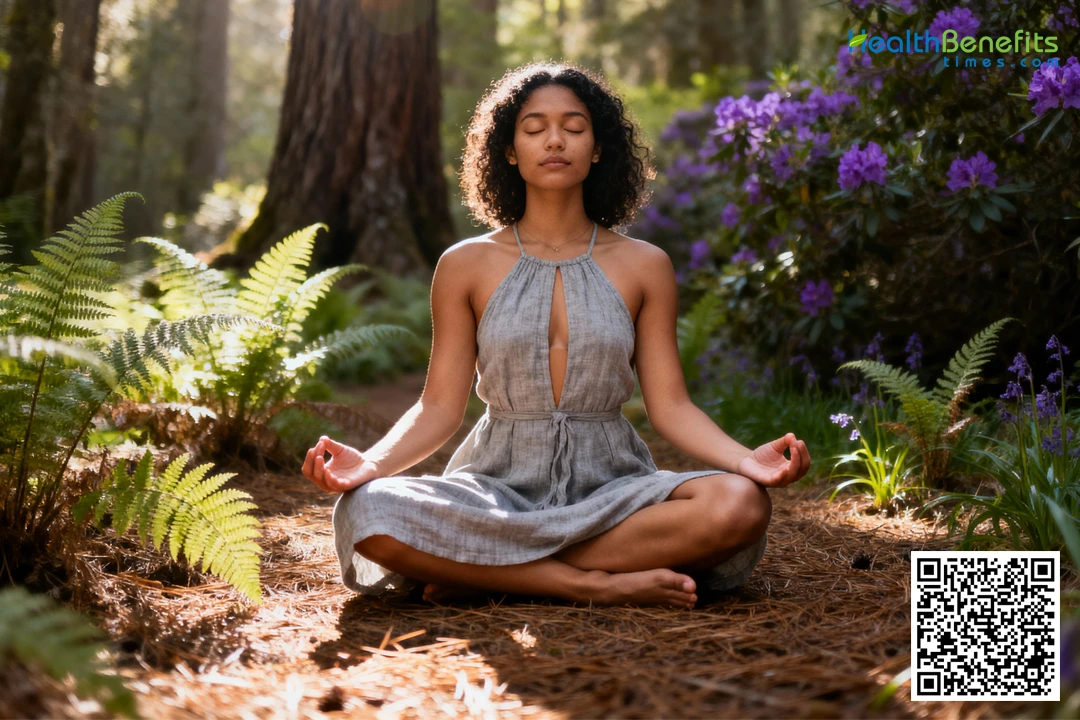
Your heart races. Your chest tightens. Thoughts spiral faster than you can catch them. Sound familiar?
Anxiety can hit out of nowhere — during a meeting, in traffic, or even when you’re trying to fall asleep. But here’s the good news: there are mindfulness activities to try when you feel anxious that can help you ground yourself, breathe easier, and quiet your mind.
Mindfulness isn’t about erasing your worries. It’s about learning to stay present — right here, right now — without judgment.
And once you practice it regularly, you’ll notice something incredible… You stop fighting your thoughts. You start observing them instead.
Understanding Mindfulness and Anxiety
Mindfulness is simply paying attention — fully and intentionally — to the present moment.
When anxiety strikes, your brain leaps into the future: What if this goes wrong? What if I can’t handle it? Mindfulness gently pulls you back to the now.
Practicing mindfulness doesn’t mean ignoring your emotions. It means acknowledging them with compassion. You might think, “I feel anxious right now. And that’s okay.”
This simple shift creates space between you and your thoughts. That space? That’s where peace begins.
People who practice mindfulness regularly often report fewer panic episodes, better focus, and improved sleep. It helps calm the nervous system and brings a sense of control back into your body.
The Science Behind Mindfulness for Anxiety
So how does mindfulness actually help?
When you’re anxious, your body triggers its “fight or flight” response. Your brain floods with stress hormones like cortisol.
Mindfulness activates the opposite system — the “rest and digest” response. It slows your breathing, lowers your heart rate, and helps your mind shift from chaos to calm.
Scientific studies show mindfulness can physically change the brain. The amygdala (your fear center) shrinks, while the prefrontal cortex (your rational thinking area) grows stronger.
Put simply: mindfulness rewires your brain for calm.
I remember once before a big client presentation, my anxiety spiked so badly I nearly backed out. I paused, closed my eyes, and took five mindful breaths — in through the nose, out through the mouth. Within a minute, my body softened. I didn’t erase the fear — I made room for it. And that changed everything.

Simple Mindfulness Activities To Try When You Feel Anxious
Ready to bring your focus back when anxiety takes over? Try these simple techniques.
1. 5-4-3-2-1 Grounding Exercise
This quick method connects you to your senses:
- 5 things you can see
- 4 things you can touch
- 3 things you can hear
- 2 things you can smell
- 1 thing you can taste
By focusing on the moment, you pull your mind out of the anxious loop.
2. Mindful Breathing
Take a slow breath in for four counts, hold for four, exhale for four, and pause for four — also known as “box breathing.” It’s simple, powerful, and calms your nervous system instantly.
3. Body Scan Meditation
Lie down or sit comfortably. Starting from your toes, move your awareness slowly up your body. Notice tension — then imagine exhaling it out.
This practice teaches your brain that relaxation is a choice.
Mindfulness Practices You Can Do Anywhere
One of the best parts of mindfulness? You can do it anywhere — no yoga mat required.
Mindful Walking
Next time you walk, notice your feet touching the ground. Feel your weight shift. Listen to the sounds around you.
It’s not about speed. It’s about presence.
Mindful Eating
Instead of rushing through a meal, slow down. Notice textures, flavors, and aromas. This turns eating into an experience rather than a task — and it naturally reduces anxious thinking.
Mini Meditations
You don’t need an hour. Even 60 seconds of deep breathing between tasks can reset your focus and emotions.
These quick mindfulness breaks help you stay balanced — even on your busiest days.
Creative Mindfulness Activities To Try When You Feel Anxious
Mindfulness doesn’t always look like meditation. Sometimes, it’s creative expression in disguise.
Try these ideas:
- Journaling: Write what’s on your mind without editing yourself.
- Drawing or coloring: Focus on the motion of your hand and the colors on the page.
- Gardening: Feel the soil. Listen to birds. Nature grounds you faster than you think.
- Music mindfulness: Close your eyes and let each note sink in.
- Cooking: Smell, taste, and touch ingredients mindfully — turning dinner into therapy.
Each of these activities keeps your hands busy and your thoughts steady.
When your mind starts racing, creativity can become your calm anchor.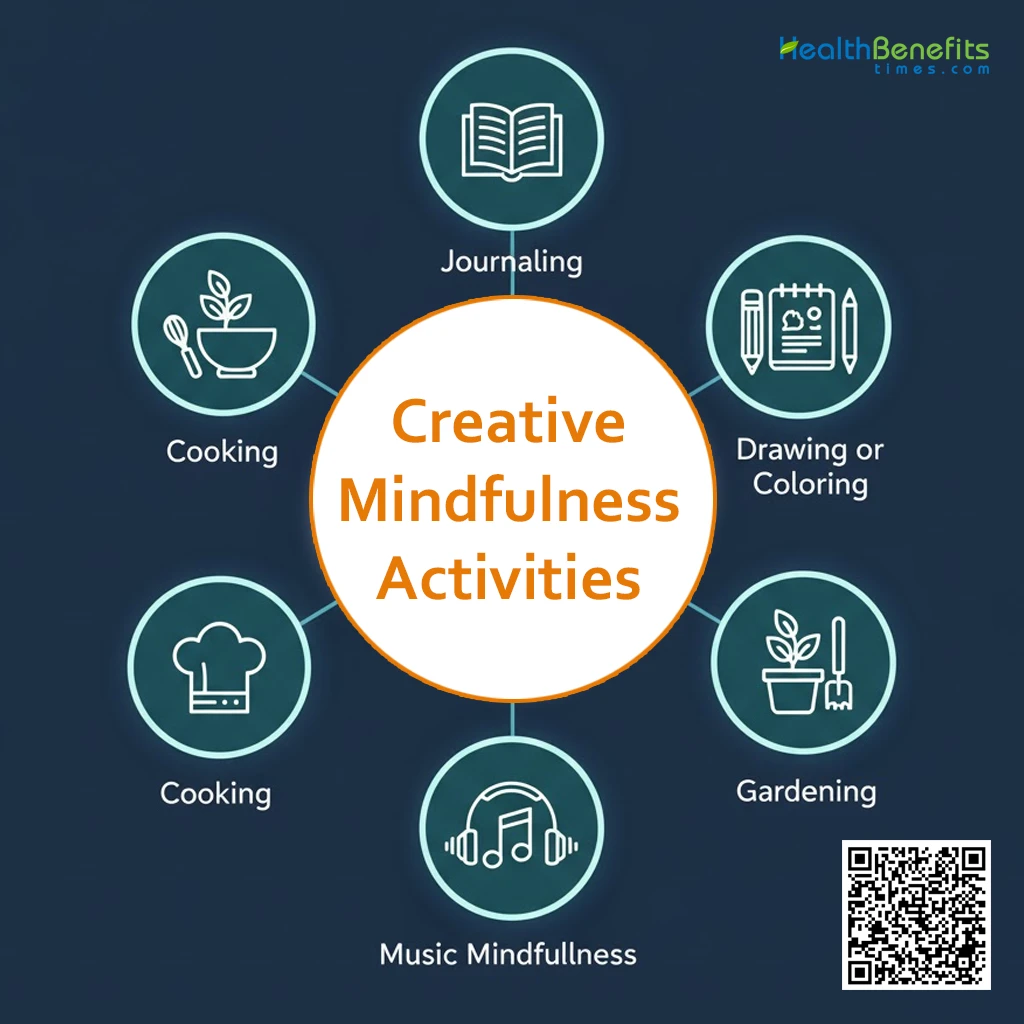
When To Seek Professional Help for Anxiety
While mindfulness can be life-changing, sometimes anxiety needs more than self-care.
If your anxiety interferes with your work, relationships, or sleep — it’s time to reach out for help.
Therapists and counselors can teach advanced mindfulness-based strategies like CBT (Cognitive Behavioral Therapy) or MBSR (Mindfulness-Based Stress Reduction).
Practices like Virtual Psychiatry Practice make it simple to talk with licensed professionals from home. You can get expert guidance without leaving your comfort zone — safely, privately, and at your own pace.
Remember: seeking help isn’t a weakness. It’s a powerful act of self-awareness.
Conclusion
Anxiety doesn’t have to run your day. With mindfulness, you gain a new skill — the ability to pause, breathe, and stay grounded even when life feels heavy.
The best part? You don’t need hours, special tools, or perfect conditions. You just need presence.
So the next time you feel anxious, remember: you have simple, powerful mindfulness activities to bring yourself back to calm.Breathe. Focus. Let go. You’ve got this.