

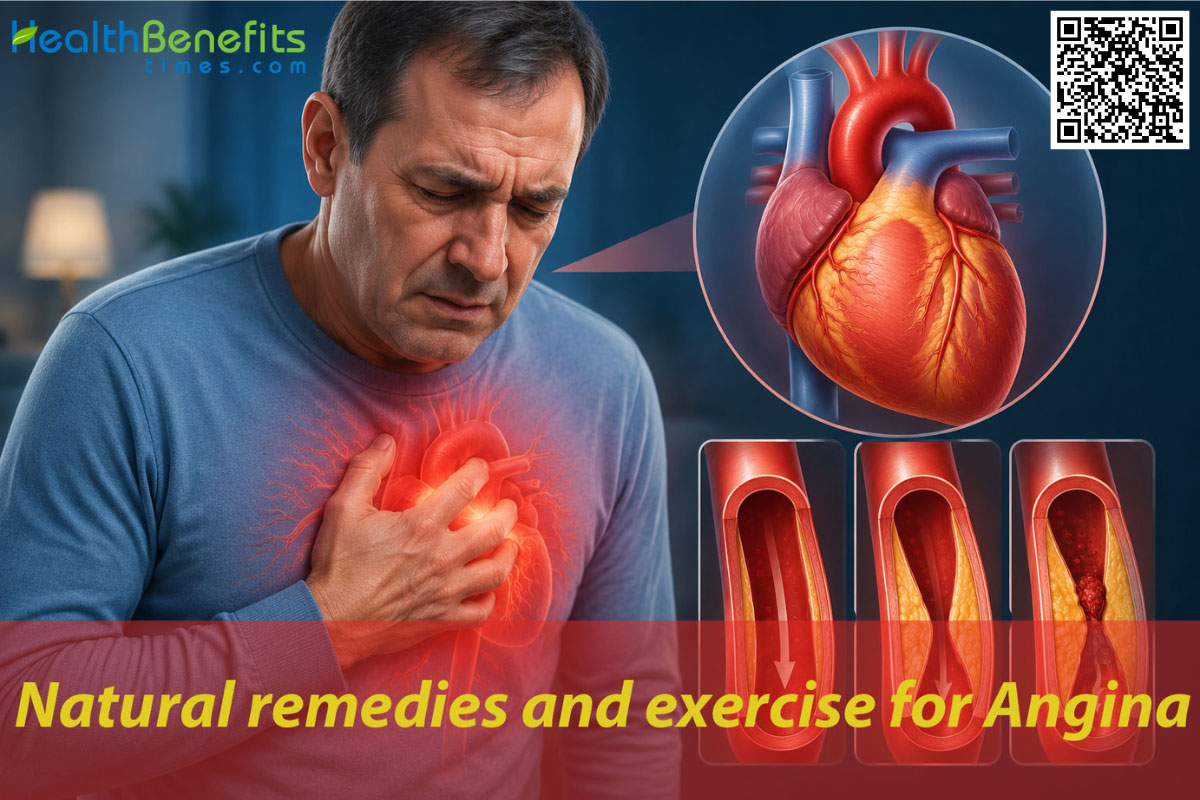
Understanding the human body’s intricate warning network is essential, and angina represents one of the most vital and urgent messages the cardiovascular system can send to an individual. At its fundamental physiological level, this condition is characterized by specific chest pain or severe discomfort that emerges when the heart muscle does not receive an adequate supply of oxygen-rich blood 1. Medical experts classify this dangerous state of diminished blood flow as ischemia, which forces the heart to struggle and strain, particularly during moments of heightened physical exertion or intense emotional stress 2. Rather than being categorized as a standalone illness or an isolated virus, the discomfort acts as a primary, glaring symptom of underlying cardiovascular issues, typically pointing directly toward advanced coronary artery disease 3. Globally, an estimated 54 million people navigate the daily reality of this symptom, highlighting its widespread and devastating impact on overall public health and longevity 4. Early recognition and targeted treatments, combined with aggressive lifestyle modifications, can effectively soothe the physical pain and dramatically lower the long-term risk of a patient experiencing a severe, life-threatening myocardial infarction 5.
Causes of Angina
Delving into the root causes of this debilitating chest pain reveals a highly complex web of structural arterial changes, prolonged lifestyle habits, and chronic medical states that ultimately deprive the working heart of its necessary oxygen.
1. Coronary Heart Disease (CHD)
The absolute most widespread and heavily documented trigger involves the gradual buildup of a fatty, waxy substance known as plaque inside the walls of the coronary arteries 6. Over years or even decades, this destructive process of atherosclerosis stiffens and drastically narrows the arterial pathways, making it physically difficult for sufficient volumes of blood to reach the demanding heart muscle during physical activity 7.
2. Microvascular Dysfunction
Sometimes, the large, main coronary arteries appear completely clear on medical scans, yet patients still suffer from intense ischemic pain. This confusing phenomenon occurs due to coronary microvascular disease, a condition where the microscopic, tiny blood vessels branching deep within the heart tissue fail to dilate and function correctly, an issue that statistically affects women more frequently than men 1.
3. Sudden Arterial Spasms
In certain highly unpredictable scenarios, the smooth muscles lining the blood vessels can suddenly clamp down or tighten without warning. These severe, spontaneous spasms temporarily pinch the artery completely shut, halting blood flow entirely and causing intense pain even while the individual is resting peacefully in bed 8.
4. High Blood Pressure and Elevated Cholesterol
Chronic hypertension forces the heart to pump relentlessly against immense systemic resistance, physically thickening the heart walls and heavily increasing the muscle’s daily oxygen demand 2. Simultaneously, elevated low-density lipoprotein (LDL) cholesterol serves as the primary, dangerous building block for the artery-clogging plaque that slowly chokes off the blood supply 9.
5. Tobacco and Substance Use
Inhaling cigarette smoke introduces highly toxic chemicals that aggressively damage and scar the delicate inner lining of the body’s blood vessels. This persistent damage accelerates plaque formation and makes the blood far more prone to dangerous, spontaneous clotting 5. Furthermore, the use of illegal drugs can cause the heart to race uncontrollably, severely damaging the blood vessels and triggering acute ischemic events 7.
6. Underlying Medical Conditions
Diseases that force the heart to work harder or actively limit the body’s overall oxygen-carrying capacity significantly raise the risk profile. Conditions like severe anemia, generalized inflammation, advanced heart failure, and metabolic syndrome create a hostile environment where the blood supply simply cannot keep up with the cardiovascular system’s demand 10.
Symptoms of Angina
Recognizing exactly how this condition manifests physically is critical for differentiating it from benign, everyday issues like common heartburn, indigestion, or simple muscular chest strain.
- Patients frequently describe a profound, terrifying sensation of tightness, severe squeezing, or heavy pressure situated squarely in the center of the chest cavity 11.
- The discomfort rarely remains isolated in one single spot; it commonly and aggressively radiates outward, spreading deeply into the left or right arms, climbing up into the shoulders, neck, and jaw, or wrapping around to the upper back 1.
- Some individuals experience a dull, persistent, and highly confusing ache that closely mimics the feeling of severe indigestion or an intensely upset stomach 12.
- Sudden episodes of breathlessness frequently accompany the chest tightness, making it feel physically impossible for the patient to draw a full, satisfying breath, especially during periods of physical exertion or stress 5.
- A generalized feeling of sickness, sudden waves of nausea, or unprovoked, disorienting bouts of dizziness frequently occur concurrently during a severe ischemic attack 3.
- Unexplained, heavy sweating that arises out of nowhere and coats the skin can be a prominent, immediate warning sign of compromised blood flow 8.
- Profound, overwhelming fatigue and total-body weakness may present as the primary or even the sole symptom, a highly dangerous phenomenon often observed in specific, vulnerable demographics like elderly patients and women 13.
Angina Facts
| Category | Details |
| Symptoms 6. |
|
| Causes 1. |
|
| Types of Angina 12. |
|
| How does it spread 3 |
|
| Age Group 14 |
|
| You might be at a higher risk for exposure of this disease if you: 5 |
|
| How doctors diagnose
13. |
|
| Other facts 15. |
|
Natural remedies for Angina
Taking absolute charge of your heart health often involves looking intelligently beyond the traditional medicine cabinet. While your prescribed pharmaceuticals must always remain your primary, non-negotiable defense against advanced cardiovascular disease, integrating specific, scientifically backed natural remedies can significantly soothe your daily symptoms and drastically boost your overall cardiac function.
1. Omega-3 Fatty Acids
Found abundantly in the freezing, cold depths of the ocean, Omega-3 fatty acids are powerful, natural nutrients that aggressively combat the invisible inflammation raging within your damaged blood vessels. When you deliberately consume these specific fats namely Eicosapentaenoic Acid (EPA) and Docosahexaenoic Acid (DHA) they work diligently and continuously to lower the dangerous levels of triglycerides in your blood, making your internal cardiovascular environment much smoother 16. Scientific evaluations and rigorous clinical trials demonstrate that supplementing with Omega-3s, particularly EPA, serves as a highly effective adjunct therapy that can definitively reduce the incidence of unstable angina hospitalizations, sudden cardiac events, and overall cardiovascular mortality 17. By biochemically stabilizing the delicate electrical activity of your heart and actively reducing the tendency for your blood to clot excessively, these fats help your heart pump with far less resistance and strain.
Note: You can easily incorporate Omega-3s into your dietary routine by eating fatty fish like salmon, mackerel, and sardines twice a week, or by taking a daily purified fish oil or algae-based dietary supplement capsule with a heavy meal to ensure maximum absorption.
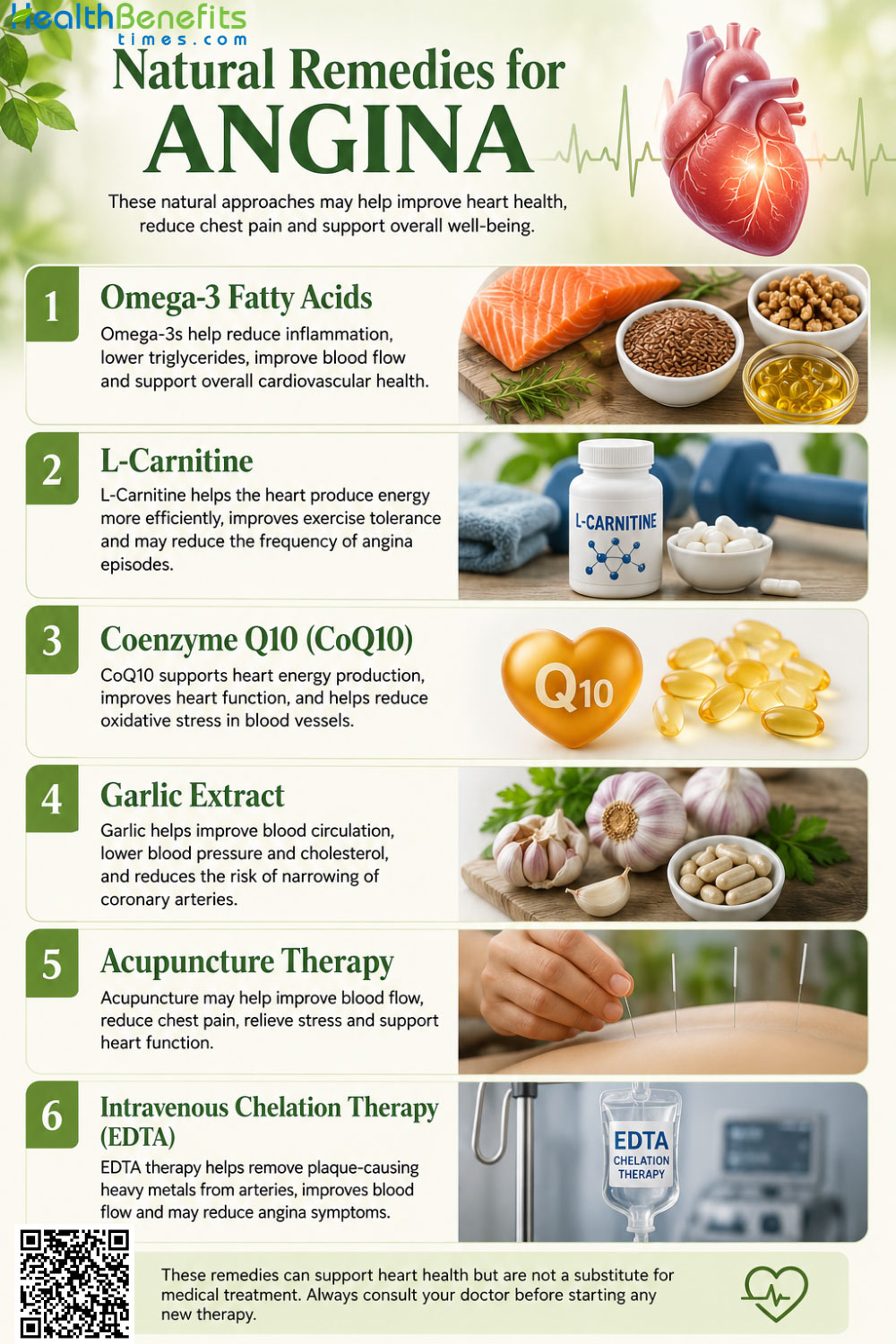
2. L-Carnitine
Acting as an incredibly efficient, microscopic shuttle service within your body, L-Carnitine is a vital amino acid derivative that is absolutely essential for your cellular energy production. Your heart muscle requires an enormous, uninterrupted, and massive supply of energy just to keep beating every single second. L-Carnitine’s primary biological job is to transport roaming fatty acids directly into the mitochondria the microscopic engine rooms of your cells where they are efficiently burned for fuel. Clinical observations clearly indicate that when patients with stable, effort-induced chest pain use L-Carnitine, their exercise tolerance increases significantly, and they experience a highly notable reduction in the frequency of their painful ischemic attacks 18. By perfectly optimizing exactly how your heart uses its available energy, especially during terrifying moments when its oxygen supply is pinched off by narrowed, stiff arteries, this compound helps your heart function much more comfortably under extreme physical stress 19.
Note: You can find L-Carnitine naturally occurring in red meat and dairy products, but for targeted medicinal cardiovascular benefits, you generally take it as a concentrated oral dietary supplement in capsule or liquid form, strictly following the exact dosage recommended by your healthcare provider.
3. Coenzyme Q10 (CoQ10)
Living securely inside nearly every single cell in your body, Coenzyme Q10 is a powerful, fat-soluble antioxidant that plays a starring, non-negotiable role in generating the basic energy your body needs to survive. Because your heart literally never stops working, it naturally contains some of the highest concentrations of CoQ10 found in the entire human body. However, as you age or as you develop chronic heart disease, these natural, protective levels can plummet drastically. Studies highlight that supplementing your daily diet with CoQ10 is a highly safe, promising way to treat ischemic chest pain at a cellular level 20. Regular intake has been scientifically shown to successfully increase the exact duration you can exercise before experiencing pain, and to effectively delay the onset of dangerous ischemic changes in the heart muscle during physical tests 21. It essentially arms your heart muscle with the extra antioxidant armor and massive energy reserves it desperately needs to push through terrifying periods of low oxygen.
Note: You can easily purchase CoQ10 over-the-counter at most pharmacies, and it is most commonly consumed daily as a gel-based softgel or capsule; it is best absorbed by your body when eaten directly alongside a meal that contains healthy fats.
4. Garlic Extract
Used extensively for centuries across various ancient cultures as a formidable, highly respected medicinal agent, garlic possesses incredible biochemical properties that actively support blood vessel health. The active, pungent compounds in garlic, particularly allicin, act as potent, natural vasodilators, meaning they literally help your tight blood vessels relax, open up, and widen. This mechanical widening effect allows your blood to flow much more freely, heavily reducing the immense, crushing pressure on your heart. Extensive clinical literature and trials firmly support that garlic preparations can have a highly positive effect on cardiovascular conditions by actively lowering total cholesterol, reducing the known risk factors for atherosclerosis, and slightly lowering high blood pressure 22. By keeping the inner lining of your arteries flexible and actively reducing sticky, dangerous lipid buildups, garlic creates a much friendlier, open environment for oxygen to travel directly to your starving heart.
Note: You can add fresh, crushed garlic generously to your daily cooking to reap some benefits, or you can take a highly concentrated, aged garlic extract supplement in tablet form to ensure a consistent, scientifically measured, and odor-free daily dose for medicinal benefits.
5. Acupuncture Therapy
Rooted deep in the rich traditions of ancient Chinese medicine, acupuncture offers a unique, highly physical approach to severe pain management that does not involve swallowing a chemical pill. This ancient therapy involves a highly trained practitioner inserting ultra-thin, sterile needles into highly specific, mapped points along your body’s nerve and energy pathways. Modern scientific meta-analyses definitively reveal that when you use acupuncture as a targeted adjunctive treatment alongside your standard antianginal medications, it safely and effectively improves physical restrictions, drastically eases emotional distress, and significantly reduces the frequency of your terrifying chest pain attacks 23. The precise biological mechanism is strongly believed to involve stimulating your central nervous system to release massive floods of natural painkillers called endorphins, while simultaneously improving localized blood flow and perfectly balancing your autonomic nervous system’s stress responses 24.
Note: You participate in this physical therapy by scheduling routine sessions with a licensed, certified acupuncturist, who will gently apply the tiny needles to specific points on your wrists, legs, and chest while you relax peacefully in a calm, controlled clinical setting.
6. Intravenous Chelation Therapy (EDTA)
Operating outside the realm of standard herbal pills, Chelation therapy using disodium EDTA (edetate disodium) has been utilized and heavily debated as a complementary therapy for individuals suffering from severe coronary heart disease. The fundamental theory behind this approach is that the chemical substance binds to heavy metals and calcium minerals within your bloodstream, allowing them to be safely flushed out of your body through urination, theoretically reducing the hardening of the arteries. Large-scale, NIH-funded studies like the Trial to Assess Chelation Therapy (TACT) have extensively explored this method on older individuals who have already suffered a heart attack 25. While it is crucial to understand that this specific therapy is not yet officially approved by the FDA for coronary heart disease, it remains a highly discussed, alternative medical procedure within the broader spectrum of integrative cardiovascular recovery options.
Note: You cannot administer this yourself; it involves sitting in a clinic where the substance is delivered intravenously (through your veins) by a medical professional in a course of treatments that requires 20 to 40 weekly infusions lasting several hours each.
Exercise for Angina
Moving your body intentionally is undeniably one of the most powerful, transformative, and scientifically validated tools you possess for strengthening your heart muscle and managing chronic ischemic symptoms. While the mere thought of exercising might seem completely terrifying if you are highly prone to chest pain, engaging in structured, carefully monitored physical activity can actually dramatically lower your blood pressure, permanently improve your cholesterol profile, and aggressively train your heart to use its limited oxygen supply far more efficiently 26.
1. The F.I.T.T. Principle for Aerobic Activity
Building the unshakeable foundation of your heart-healthy routine requires a reliable, medical blueprint, and the F.I.T.T. principle standing for Frequency, Intensity, Time, and Type provides exactly that. For optimal cardiovascular rehabilitation, you should aim to exercise three to five days every single week 27. Your physical intensity must be carefully and meticulously controlled; you should feel like you are working at a “light to somewhat hard” level on the exertion scale, which translates biologically to roughly 60 to 80 percent of your maximum heart rate. Your actual active exercise time should range from 20 to 60 minutes, strictly focusing on aerobic endurance activities that keep your body moving continuously without causing extreme muscular strain 28.
Note on how to do: You can successfully achieve this by briskly walking on a flat, safe surface, riding a stationary bicycle in your living room, or swimming laps at a moderate pace, making absolutely sure you are always able to hold a basic conversation while moving without gasping for air.
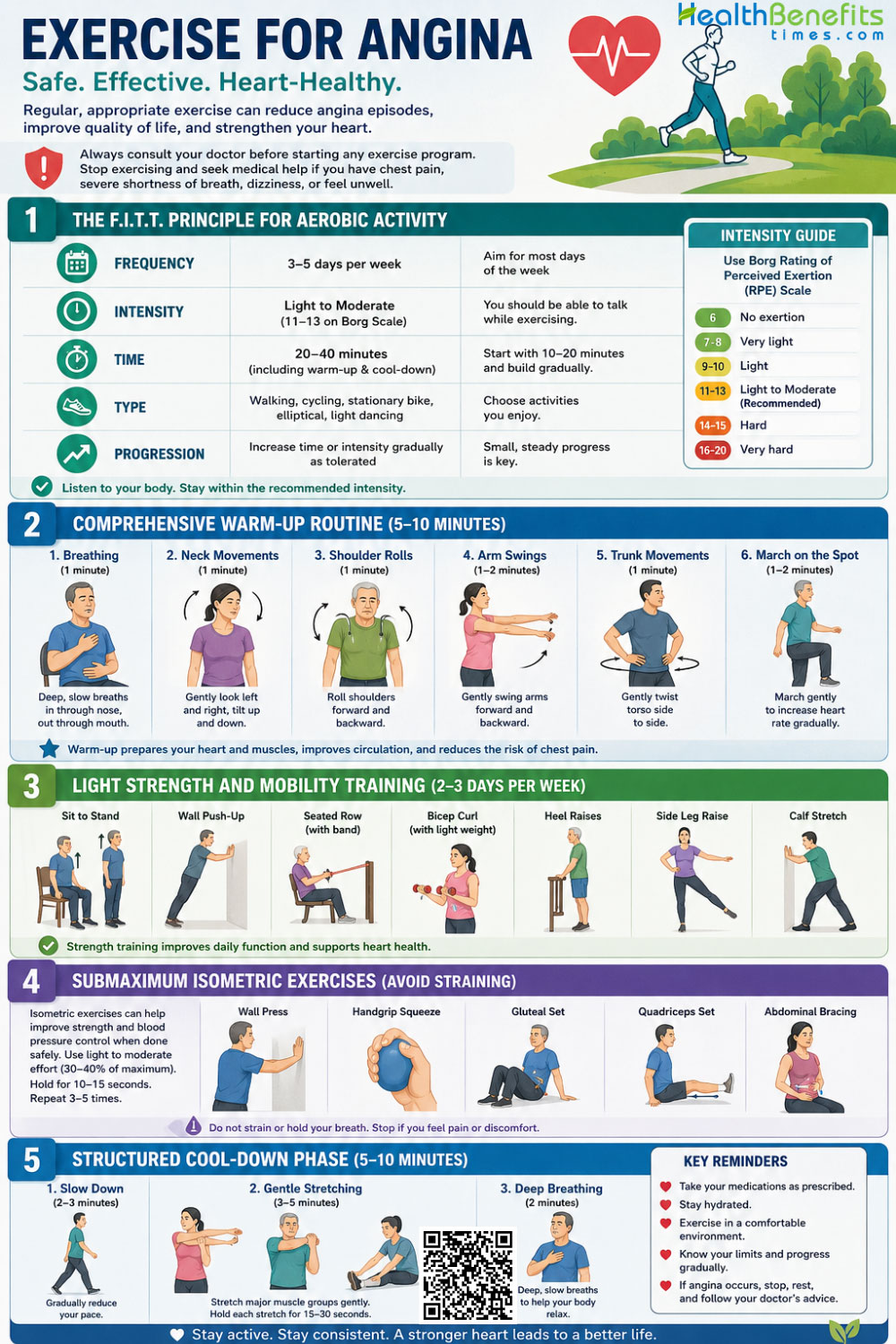
2. Comprehensive Warm-Up Routine
Preparing your heart and blood vessels before the main physical activity is absolutely non-negotiable to prevent sudden, deadly coronary spasms or severe oxygen deficits in the muscle. You must dedicate approximately 15 full minutes to a proper, structured warm-up, starting at a very slow pace to gently boost your circulation and safely loosen your major joints 27. This critical, preparatory phase gradually elevates your pulse, ensuring that your stiff coronary arteries have ample time to mechanically dilate and deliver a steady, increasing flow of oxygen-rich blood to your waking heart muscle.
Note on how to do: You begin with 30 to 45 seconds of gentle marching in place, keeping your feet close to the floor, followed by slow toe taps to the front and side. Then, perform gentle, holding stretches for your calves, shoulders, and hamstrings, making absolutely sure you never bounce during the stretch and continue to breathe comfortably throughout the entire motion.
3. Light Strength and Mobility Training
Building muscular strength throughout your entire body ensures that your heart does not have to work as hard to pump blood during your everyday physical tasks, like carrying groceries or climbing stairs. You should approach strength training very gently, relying on very light weights, simple elastic resistance bands, or just the weight of your own body. Clinical rehabilitation programs clearly indicate that incorporating simple wrist and hand movements, along with basic elbow and knee flexions, effectively builds your physical stamina without overloading the heart’s capacity 29.
Note on how to do: You can sit in a sturdy chair holding a very light dumbbell or a full water bottle in one hand; slowly bend your elbow to lift the weight over a strict count of three seconds, pause briefly at the top, and lower it slowly over three seconds, always remembering to exhale loudly when lifting the weight up.
4. Submaximum Isometric Exercises
Isometric exercises involve tightening your muscles intensely without actually changing their length or moving your joints think of gripping an object tightly in your fist or holding your body in a rigid plank position. Historically, doctors viewed these with extreme caution for heart patients, but modern cardiac rehabilitation acknowledges that submaximum isometric training is highly beneficial when properly supervised. Fascinatingly, medical studies show that isometric exercise alone is much less likely to produce myocardial ischemia than vigorous, fast-paced dynamic exercise, because it uniquely increases your diastolic blood pressure, which physically helps push blood right into the starving coronary arteries 30.
Note on how to do: You can practice gentle handgrip exercises by holding a soft foam stress ball in your palm; squeeze the ball with moderate, steady effort, hold the muscular tension for just a few seconds while continuing to breathe perfectly normally, and then slowly release your grip to let the blood flow return.
5. Structured Cool-Down Phase
Just as your heart requires a slow, gradual increase in activity, it equally demands a highly controlled, incredibly slow return to its normal resting state. If you abruptly stop physical exertion, your blood can suddenly pool in your lower legs, which causes severe dizziness, lightheadedness, or a dangerous, precipitous drop in your blood pressure. Dedicating a mandatory cool-down period of 10 to 15 minutes allows your racing heart rate to fall gently and safely transitions your entire cardiovascular system back to its peaceful baseline 31.
Note on how to do: You slowly and deliberately reduce your walking pace or cycling speed over several minutes until you are barely moving at all. Transition back to light, slow leg movements like easy marching, and finish your session by repeating the gentle static stretches from your warm-up, holding each stretch for at least 10 seconds to relax the muscle fibers.
Foods and Activities to Avoid When You suffer from Angina
Your daily dietary choices and physical habits play an undeniable, highly direct role in either soothing your fragile cardiovascular system or aggressively aggravating it. To protect the delicate inner lining of your blood vessels and prevent your heart from dangerously overworking, you must strictly minimize or completely eliminate certain destructive foods and high-risk activities.
1. Saturated Fats and Tropical Oils
You should aggressively avoid butter, ghee, lard, hard cheeses, fatty cuts of red meat, sausages, and heavy meat pies. These dense, heavy fats actively and rapidly increase the levels of bad cholesterol circulating in your bloodstream, heavily accelerating the dangerous plaque buildup inside your arteries 32. Furthermore, you must actively avoid processed foods containing cheap palm oil or coconut oil, permanently replacing them with heart-healthy, non-tropical liquid plant oils like olive, sunflower, or canola oil 33.
2. High-Sodium (Salt) Foods
Consuming excessive salt causes your body to retain extra water, which dramatically increases your total blood volume and, consequently, your systemic blood pressure. You must stay far away from processed deli meats, tinned soups floating in brine, savory snacks like crisps and salted nuts, and pre-packaged ready meals. You should strictly and religiously limit your total daily salt intake to no more than 6 grams (about one level teaspoon) per day to keep your pressure low 34.
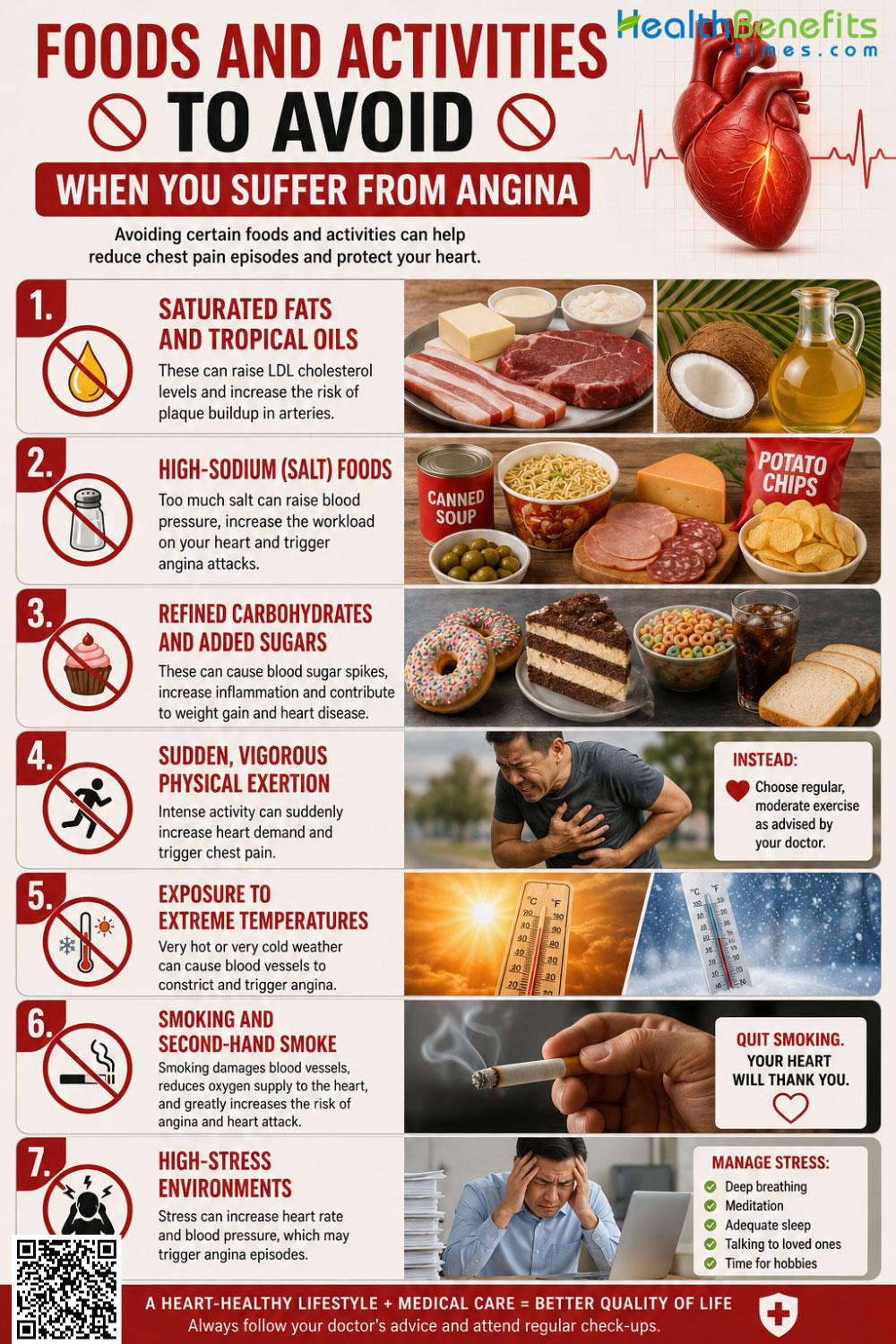
3. Refined Carbohydrates and Added Sugars
You should actively avoid sugary beverages like soda, ultra-processed packaged snack foods, and heavy desserts. These items promote widespread, dangerous, and invisible dietary inflammation across your entire body. Consuming high proportions of pro-inflammatory foods is directly and scientifically linked to a massively increased risk of severe coronary heart disease and fatal strokes 35.
4. Sudden, Vigorous Physical Exertion
You must never, under any circumstances, engage in explosive activities like shoveling heavy snow, sprinting abruptly to catch a bus, or lifting heavy furniture without a prior, dedicated warm-up. These sudden actions place a massive, instantaneous demand on your heart that your narrowed, stiff arteries simply cannot accommodate, frequently triggering severe ischemic pain.
5. Exposure to Extreme Temperatures
You should strictly avoid venturing out into freezing cold air without proper, heavy thermal protection. Cold temperatures cause blood vessels all over your body, including your vital coronary arteries, to rapidly constrict and tighten to preserve heat. This sudden narrowing forces your heart to work significantly harder to pump blood, which acts as a massive, immediate trigger for chest pain 36.
6. Smoking and Second-hand Smoke
You absolutely must stop inhaling tobacco smoke entirely. Smoke introduces poisonous carbon monoxide into your blood, which literally steals oxygen away from your starving heart muscle. Simultaneously, the harsh, toxic chemicals in the smoke severely damage, scar, and permanently constrict your delicate blood vessels 14.
7. High-Stress Environments
You need to consciously avoid situations that cause intense emotional distress, sudden outbursts of anger, or chronic, lingering anxiety. Stress provokes your body’s primal “fight or flight” response, causing severe, rapid spikes in your heart rate and blood pressure that easily and quickly outpace your compromised oxygen supply.
Myths and Misconceptions
| Myth | Reality |
| Angina is a terrifying disease of the heart itself. 1 | It is not an illness or a virus itself; rather, it is a glaring symptom or a massive warning sign of an underlying mechanical problem, almost always pointing directly to coronary artery disease blocking the blood flow. |
| Total, prolonged bed rest is the absolute best long-term treatment. 37 | While resting quickly stops an acute, active attack in its tracks, remaining completely physically inactive over the long term actually destroys your overall heart health. Structured, moderate exercise is highly recommended by doctors to improve cardiovascular fitness. |
| Only elderly men suffer from this painful condition. 11 | The condition heavily and indiscriminately affects both genders. While the statistical risk increases for men over 45, it also sharply increases for women over 55. Women are actually much more likely to experience microvascular angina, which targets the smallest, hardest-to-see arteries. |
| The pain will always be isolated specifically on the left side of the chest. | Discomfort frequently manifests right in the dead center of the chest, and it routinely radiates to the right arm, the jaw, the neck, or even presents as confusing abdominal discomfort or simple shortness of breath without any chest pain at all. |
| Every single bout of chest pain is a full, deadly heart attack. 2 | While they share very similar mechanical origins, a stable attack typically lasts under 10 minutes and completely resolves with basic rest or medication, importantly without causing any permanent, lasting damage to the heart muscle cells. |
Special Considerations
The impact of restricted cardiovascular blood flow varies drastically and fundamentally depending on an individual’s specific stage of life, genetic background, and underlying health status. Medical professionals must heavily and intelligently tailor their approach when dealing with highly vulnerable populations.
1. Demographic Vulnerabilities
Scientific data clearly reveals that cardiovascular risk and the prognosis of chest pain are not evenly distributed across all ethnic groups. For instance, extensive cohort studies have demonstrated that South Asian populations frequently exhibit much higher cumulative frequencies of typical ischemic pain and exertional chest pain compared to White populations 38. Even more critically, among individuals diagnosed with typical symptoms at baseline, South Asian participants consistently face a significantly worse long-term prognosis, exhibiting higher overall rates of severe coronary heart disease events over time 39. This stark reality highlights the absolute necessity for aggressive, culturally tailored early intervention strategies in these specific, high-risk communities.
2. Children
While severe cardiovascular issues of this ischemic nature are overwhelmingly and historically associated with aging adults, pediatric populations are not entirely immune to coronary vessel problems. In children, a rare but incredibly serious acute systemic vasculitis known as Kawasaki disease stands as the leading cause of acquired heart disease in developed nations 40. This aggressive, febrile illness causes severe, destructive inflammation in the walls of the coronary arteries, frequently leading to dangerous aneurysms or thromboses that physically restrict blood flow for the rest of the child’s life. Consequently, children or young adults who survived Kawasaki disease in their youth can later experience unexpected ischemia-induced arrhythmias, myocardial infarctions, or intense vasospastic chest pain as adults 41. The occurrence of ischemic heart disease may be rare in children, but devastating cases of severe microvascular and epicardial vasospastic angina have been clinically documented, proving that pediatric coronary health requires lifelong vigilance 42.
(Note for absolute clarity: Parents independently researching this medical term may stumble across “Ludwig’s angina.” It is vital to thoroughly understand that Ludwig’s angina is a rapidly progressive, life-threatening bacterial cellulitis infection of the neck and the floor of the mouth, usually triggered by a severe dental infection, and it has absolutely nothing to do with the cardiovascular system 43.)
3. Pregnancy
The immense, natural physiological demands of carrying a child cause massive, rapid shifts in a woman’s total blood volume, resting heart rate, and overall hormonal balance, putting unprecedented extra stress on the maternal cardiovascular system. Though relatively uncommon, young pregnant women can experience severe, catastrophic ischemic events. Specific, rare conditions like Prinzmetal’s (vasospastic) angina can induce acute, terrifying chest pain at rest during the third trimester, potentially endangering the lives of both the mother and the unborn child by cutting off vital oxygen supplies 44. Furthermore, pregnant women burdened with severe preexisting genetic conditions like familial hypercholesterolemia may develop premature coronary artery disease, leading directly to highly unstable angina during their gestation 45. Managing these highly complex, life-threatening conditions requires extremely specialized, coordinated cardiological and obstetric care to perfectly balance maternal safety with delicate fetal development.
4. Chronic Conditions
The presence of other chronic, systemic diseases complicates the diagnosis and daily management of cardiovascular health significantly. Diabetes mellitus, for example, is notorious for aggressively and silently damaging nerves throughout the entire body, including the vital sensory nerves that service the heart. This insidious nerve damage can effectively and completely mask the physical pain of ischemia, leading to highly dangerous silent heart attacks where the diabetic patient feels absolutely no classic chest pain at all 46. Additionally, Chronic Kidney Disease (CKD) shares a deeply intertwined, destructive relationship with overall heart health. The presence of advanced CKD actively accelerates the rapid calcification and stiffening of blood vessels, completely ruining their natural flexibility 47. When diabetes and chronic kidney disease are tragically present together in the exact same patient, the rate of new cardiovascular endpoints including emergency hospital admissions for ischemic pain, massive strokes, and myocardial infarctions skyrockets, demanding a much more aggressive approach to lifestyle management and complex medical therapy 48.
5. Elderly
Aging profoundly and fundamentally alters exactly how the human body perceives and reacts to internal pain. In older adults, the physical presentation of ischemic heart disease is frequently highly atypical and deeply confusing for caregivers. Instead of reporting the classic, textbook “heavy pressure” on the chest, elderly individuals are far more likely to experience what doctors refer to as ‘anginal-equivalent’ symptoms 49. These highly misleading signs include sudden, severe shortness of breath (dyspnea), general total-body weakness, unexpected falls or fainting spells (syncope), and strange, unexplainable abdominal discomfort 50. Scientific studies confirm that the physical pain threshold increases significantly with age, resulting in a much higher incidence of silent, painless ischemia in patients over the age of 85 51. This altered, quiet presentation can unfortunately delay accurate diagnosis and lead to far poorer overall health outcomes, making it absolutely vital for caregivers to recognize very subtle changes in an elderly person’s physical stamina and baseline health.
Precaution before use of natural remedies when you have Angina
Nature undeniably provides many incredibly powerful substances, but the word “natural” does not automatically mean safe, especially when these plant-based substances are mixed with powerful prescription cardiovascular medications. Before you even consider integrating any herbs, roots, or dietary supplements into your daily routine, you must strictly observe several critical, life-saving precautions to protect your health.
1. Beware of Blood Thinner Interactions
If you have severe heart issues, you might be prescribed powerful blood thinners like warfarin to prevent fatal clots from forming. You must be hyper-aware that highly popular supplements such as Cranberry extract, Garlic, and Coenzyme Q10 actively and aggressively interfere with warfarin. Cranberry can significantly increase the drug’s effects in your bloodstream, terrifyingly raising your risk of severe, uncontrolled internal bleeding 52. Conversely, Coenzyme Q10 has been clinically observed to reduce the anticoagulant effect entirely, rendering your life-saving medication dangerously ineffective and leaving you prone to deadly clots 53.
2. The Hawthorn and Digoxin Conflict
You might frequently hear that the herb Hawthorn is excellent for heart health, but it has a highly dangerous, documented pharmacodynamic interaction with digoxin, a very common medication prescribed for heart failure and severe arrhythmias. Hawthorn directly interferes with exactly how your body processes the drug, meaning if you take digoxin, you should strictly and permanently avoid this herb to prevent dangerous cardiovascular toxicity 54.
3. Lack of Strict Federal Regulation
Unlike your highly controlled, rigorously tested prescription medications, dietary and herbal supplements in the United States are absolutely not strictly regulated by the FDA for absolute purity or exact dosage before they hit the market shelves 55. This terrifying lack of oversight means the capsule you swallow might contain much more or much less of the active ingredient than the label claims, or it could harbor unknown, highly dangerous synthetic contaminants 56.
4. Potential Organ Toxicity and ED Visits
You must completely understand that over-the-counter complementary medicines can sometimes cause severe organ harm. High doses of certain herbal remedies, especially those marketed for energy or weight loss, have been scientifically linked to sudden liver toxicity, cardiac symptoms, and severe gastrointestinal bleeding, contributing to tens of thousands of emergency department visits annually 57.
5. Consultation is Absolutely Mandatory
Because of the highly complex, invisible ways in which seemingly harmless herbs, vitamins, and plant supplements directly influence your blood pressure, heart rate, and pharmaceutical drug absorption, you must have a highly detailed, brutally honest conversation with your primary healthcare provider or a licensed pharmacist before you swallow any new complementary pill.
When to see Doctor
While stable, predictable patterns of chest discomfort can often be calmly and safely managed at home with your prescribed medications and basic rest, your heart is inherently unpredictable, and certain terrifying warning signs demand your immediate, unhesitating emergency medical intervention.
1. Unrelenting, Stubborn Pain
If your chest pain, tightness, or squeezing sensation does not completely stop after you rest for a few minutes or after you take your prescribed rescue medication (like sublingual nitroglycerin sprays or pills), you must call emergency services immediately without waiting to see if it improves 11.
2. New or Sudden Symptoms
If intense pain or severe discomfort strikes you suddenly while you are completely at rest, without any physical exertion, heavy lifting, or apparent emotional trigger, this is a glaring, massive sign of unstable angina and constitutes an absolute medical emergency 12.
3. Spreading, Radiating Discomfort
You should never ignore pain that aggressively radiates outward from the center of your chest and travels down into your left or right arm, shoots up into your neck, settles in your jaw, numbs your shoulder, or burns deep into your upper back 1.
4. Accompanying Severe Symptoms
If your chest discomfort is suddenly and inexplicably paired with cold, clammy sweats, extreme light-headedness or sudden fainting, a feeling of severe sickness and vomiting, or profound, choking shortness of breath, you must alert medical professionals immediately 9.
5. Changing Historical Patterns
If your previously diagnosed and familiar symptoms begin to change in their nature such as occurring much more frequently during the week, lasting much longer than your usual ten minutes, or feeling noticeably sharper and more severe than your past episodes you urgently require a thorough consultation with your healthcare provider to physically reassess your failing blood vessels 13.