

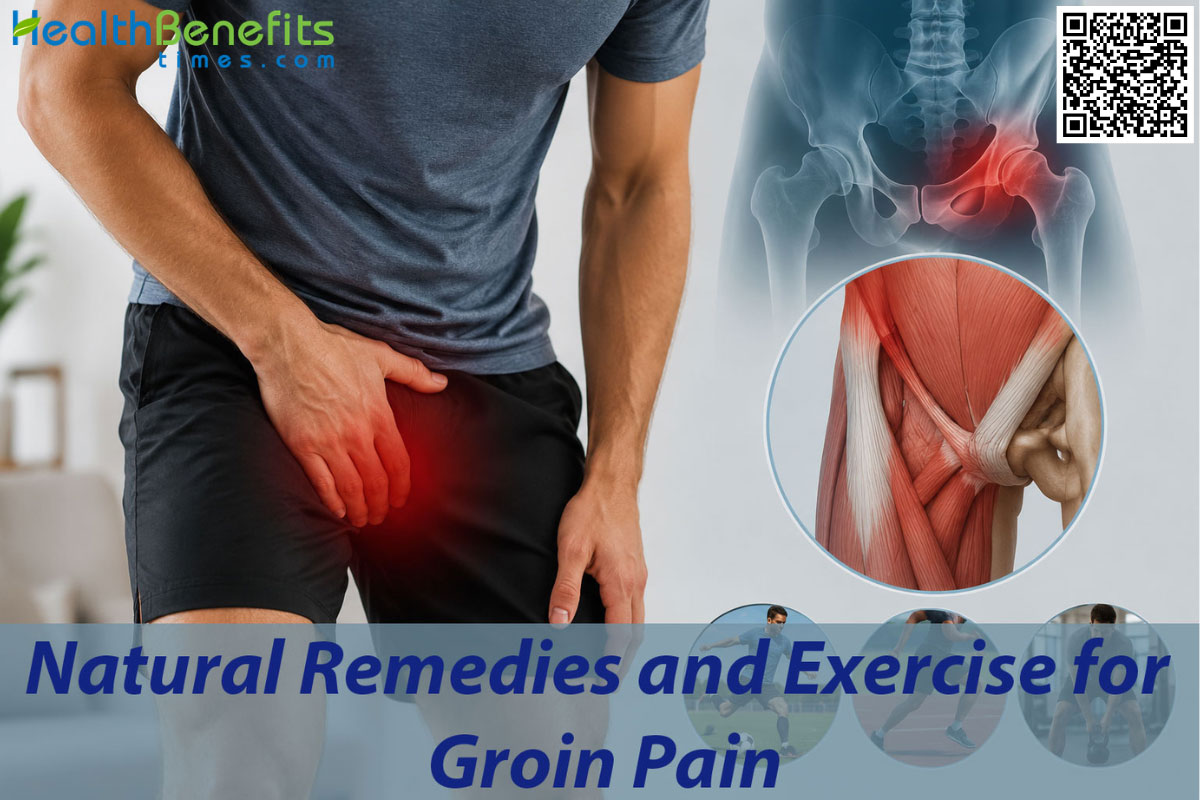
Groin pain refers to discomfort or tenderness in the area where the inner thigh meets the lower abdomen 1. It is a highly common symptom with a complex variety of causes due to the intricate anatomy of the region, which contains many muscles, tendons, ligaments, and nerves. In many cases, the pain stems from physical injuries, such as strains to the inner thigh muscles, tendon inflammation, or weakness in the lower abdominal wall 2. However, groin pain can also originate from internal or structural issues. These include hip joint conditions like osteoarthritis, pinched nerves, hernias, or pain spreading from the lower back and internal pelvic organs 3. Because the groin acts as a central hub for physical movement, stability, and supporting body weight, obtaining an accurate clinical diagnosis is essential to identify the exact underlying cause and ensure proper treatment.
Causes of Groin Pain
Musculoskeletal and Structural Causes
- Muscle, tendon, or ligament strains (such as adductor or rectus abdominis strains)
- Inguinal and femoral hernias
- Sports hernia (athletic pubalgia)
- Hip joint conditions (including osteoarthritis, femoroacetabular impingement, and acetabular labral tears)
- Iliopsoas dysfunction and psoas syndrome
- Osteitis pubis (inflammation of the pubic symphysis)
- Stress fractures affecting the pelvis, femoral neck, or pubic ramus
- Avascular necrosis of the femoral head
- Tendon avulsions and soft tissue contusions
Urological and Reproductive Causes
- Testicular torsion
- Epididymitis and orchitis
- Renal colic (kidney stones)
- Varicoceles, spermatoceles, and hydroceles
- Prostatitis
- Urinary tract infections (UTIs)
- Pelvic inflammatory disease (PID)
- Endometriosis and other gynecological conditions
Neurological Causes
- Nerve entrapment syndromes (such as compression of the ilioinguinal, iliohypogastric, or genitofemoral nerves)
- Referred pain from lumbar spine disorders (including sciatica and lumbar disc disease)
Other Visceral Causes
- Inflammatory bowel disease (IBD)
- Other gastrointestinal conditions causing referred abdominal or inguinal pain
Symptoms of Groin Pain
- Dull, aching, or sharp pain localized in the inner thigh, lower abdomen, or pelvic region
- Pain that intensifies during or after physical activities such as walking, running, jumping, kicking, or pivoting
- Tenderness to the touch along the inner thigh muscles or pubic bone
- A popping, snapping, or tearing sensation in the groin at the moment of an acute injury
- Localized swelling, bruising, or inflammation in the upper thigh or groin area
- A visible lump or palpable bulge in the lower abdomen, groin, or scrotum that may become more pronounced when coughing, lifting, or straining
- Muscular weakness or pain when attempting to squeeze the legs together or lift the knee against resistance
- Stiffness, clicking, catching, or a restricted range of motion in the hip joint
- Numbness, tingling, or a burning sensation radiating down the thigh or into the genital area
- Severe, sudden, or escalating pain in the testicles or scrotum
- Systemic or visceral symptoms such as fever, chills, nausea, or vomiting accompanying the pain
- Urological symptoms, including painful urination, increased urinary frequency, or blood in the urine 3, 8, 9, 10
Natural Remedies for Groin Pain
1. Rest and Activity Modification
How it may help
Rest and activity modification are essential first steps in managing groin pain because they stop ongoing tissue damage and reduce inflammation 11. Pausing movements that cause pain allows the body’s natural healing mechanisms to repair strained muscles and tendons in the inner thigh and pelvic region.
What research says
Clinical evidence indicates that an initial period of rest followed by a gradual return to modified activities significantly improves recovery times for acute groin strains 12. Studies confirm that avoiding high-impact movements reduces the risk of transforming a minor acute injury into chronic, hard-to-treat groin pain 8.
How to use it safely
You should immediately stop any physical activity that triggers sharp or worsening groin pain. Rest the affected area completely for the first 24 to 48 hours after an injury 13. Afterward, gradually reintroduce gentle, pain-free movements like light walking to maintain blood flow and joint mobility.
Potential precautions or side effects
Avoid prolonged strict bed rest, as it can cause muscle weakness, joint stiffness, and decreased blood circulation 14. Always balance rest with appropriate, pain-free movement to prevent muscle wasting.
2. Cold Therapy (Ice Application)
How it may help
Cold therapy, or cryotherapy, helps manage acute groin pain by constricting blood vessels in the affected area, which reduces blood flow and swelling 15. It also temporarily numbs nerve endings, providing immediate pain relief for recent muscle strains, tendon injuries, or sudden joint inflammation in the pelvic region 16.
What research says
Clinical studies show that applying ice within the first 48 hours of a soft tissue injury significantly decreases pain intensity, tissue damage, and localized swelling 17. Research confirms that early cold application lowers the cellular metabolic rate, which helps prevent secondary cell death following an acute musculoskeletal injury 18.
How to use it safely
You should always wrap an ice pack or a cold compress in a thin towel before applying it to the groin area 19. Apply the cold compress for 15 to 20 minutes at a time, allowing the skin to completely rewarm between treatment sessions.
Potential precautions or side effects
Never apply ice directly to bare skin, as this can cause frostbite or severe tissue damage 20. Prolonged exposure can also lead to temporary nerve irritation or dangerous circulation loss.
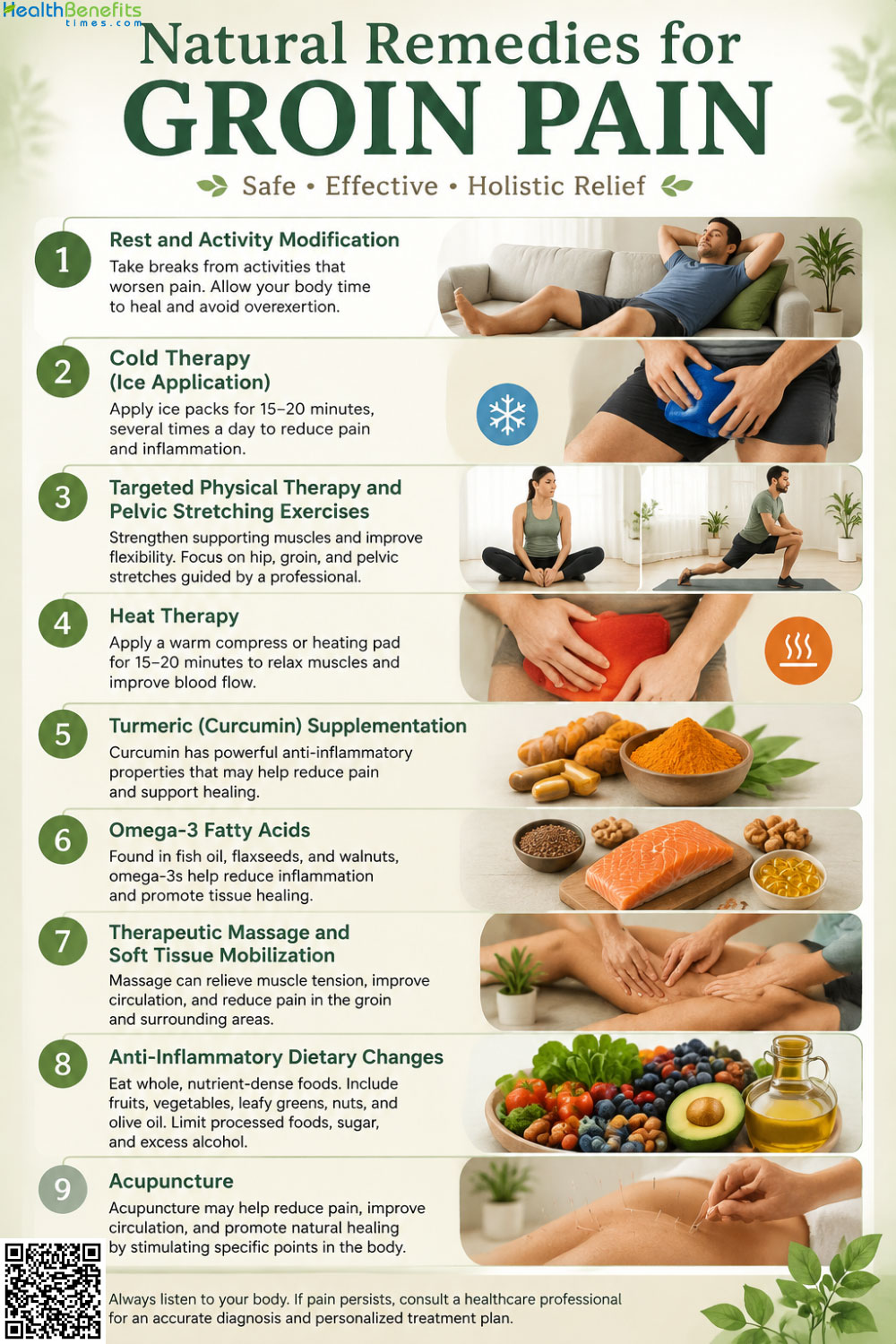
3. Targeted Physical Therapy and Pelvic Stretching Exercises
How it may help
Targeted physical therapy and pelvic stretching improve muscle flexibility and core stability, which directly relieves mechanical stress on the groin area 21. Strengthening the adductor and abdominal muscles helps correct the structural imbalances that frequently cause chronic groin pain and joint stiffness 22.
What research says
Clinical evidence demonstrates that active exercise therapy targeting the hip and abdominal muscles significantly reduces pain and improves function in individuals with long-standing groin injuries 23. Research confirms that structured strengthening programs are substantially more effective than passive treatments for successfully returning patients to their normal physical activities 24.
How to use it safely
You should consult a licensed physical therapist to design a customized exercise program tailored to your specific injury condition 25. Always perform stretches gently without bouncing, and stop immediately if you experience sharp or sudden pain during the movements 26.
Potential precautions or side effects
Avoid pushing through severe pain, as overstretching can cause further muscle tearing and aggravate the underlying injury 27. Incorrect exercise form may also prolong your recovery time.
4. Heat Therapy
How it may help
Heat therapy dilates blood vessels, which increases oxygen-rich blood flow to the groin and facilitates the removal of cellular waste 28. This process effectively relaxes tight muscle fibers and reduces chronic stiffness in the surrounding tendons and hip joint 29.
What research says
Clinical studies demonstrate that applying continuous superficial heat significantly decreases musculoskeletal pain and improves soft tissue flexibility 30. Research indicates that heat therapy provides effective short-term relief for chronic muscle spasms and enhances overall physical mobility in stiff joints 31.
How to use it safely
You should apply a warm heating pad or a damp, warm towel to the affected groin area for 15 to 20 minutes per session 32. Always place a cloth barrier between the heat source and your skin to prevent accidental burns.
Potential precautions or side effects
Do not apply heat to acute injuries, active swelling, or numb skin, as this worsens inflammation 33. Avoid falling asleep with a heating pad to prevent severe thermal burns.
5. Turmeric (Curcumin) Supplementation
How it may help
Curcumin, the active yellow pigment in turmeric, is a powerful natural anti-inflammatory agent. It helps control groin pain by suppressing pro-inflammatory enzymes and cytokines that cause tissue swelling 34. By reducing cellular inflammation, curcumin protects cartilage and alleviates structural joint pain in the hips and pelvis 35.
What research says
Systematic reviews and clinical trials demonstrate that curcumin supplementation significantly reduces pain intensity and improves joint function in individuals with osteoarthritis 36. Research shows that curcumin’s pain-relieving effects are comparable to traditional non-steroidal anti-inflammatory drugs, but it has a much lower risk of causing adverse gastrointestinal reactions 37.
How to use it safely
Because natural curcumin has poor bioavailability, you should take supplements formulated with piperine, a black pepper extract, or utilize nanoparticle delivery systems to enhance bodily absorption 38. Typical therapeutic dosages range from 500 to 1000 milligrams daily, but always follow manufacturer or medical guidelines 39.
Potential precautions or side effects
Excessive curcumin doses may cause mild stomach upset 40. Consult a doctor before use if taking blood thinners, as its natural anticoagulant properties can increase bleeding risks 41.
6. Omega-3 Fatty Acids
How it may help
Omega-3 fatty acids, primarily found in fish oil, help manage groin pain by reducing systemic inflammation within the body 42. They decrease the cellular production of inflammatory molecules, such as prostaglandins, which directly eases chronic swelling and discomfort in the pelvic tendons and hip joints 43.
What research says
Clinical evidence shows that daily supplementation with omega-3 fatty acids significantly reduces joint pain intensity and associated musculoskeletal stiffness 44. Research confirms that patients utilizing high-quality marine omega-3s frequently experience a decreased reliance on traditional pain-relieving medications for managing chronic joint inflammation 45.
How to use it safely
You can safely increase your omega-3 intake by eating fatty fish like salmon or taking purified fish oil capsules 46. Health guidelines generally recommend a daily dietary supplement dosage of 1,000 to 2,000 milligrams of combined EPA and DHA to effectively support joint and tendon health 47.
Potential precautions or side effects
High doses of omega-3 supplements may cause mild digestive discomfort or nausea 48. You must consult a doctor before use if taking blood-thinning medications, due to increased bleeding risks 49.
7. Therapeutic Massage and Soft Tissue Mobilization
How it may help
Therapeutic massage and soft tissue mobilization help control groin pain by releasing tension in tight adductor muscles and improving local blood circulation 50. This physical manipulation breaks down restrictive scar tissue, reduces muscle spasms, and restores normal flexibility to the hip and pelvic region 51.
What research says
Clinical evidence indicates that targeted soft tissue therapies significantly decrease musculoskeletal pain and improve overall hip joint mobility 52. Research confirms that incorporating deep tissue massage into a recovery plan accelerates the healing of muscle strains and reduces pain intensity in patients with chronic groin injuries 53.
How to use it safely
You should seek treatment from a certified physical therapist or licensed massage therapist who understands pelvic anatomy 54. Communicate openly about your pain levels, ensuring the pressure remains tolerable to avoid irritating the sensitive nerves and blood vessels in the groin area 55.
Potential precautions or side effects
Avoid deep tissue massage on severe, acute muscle tears, as inappropriate pressure can worsen tissue bleeding and increase local inflammation 56. Mild, temporary soreness after a treatment session is common.
8. Anti-Inflammatory Dietary Changes
How it may help
An anti-inflammatory diet helps manage groin pain by reducing systemic inflammation that aggravates injured pelvic tendons and hip joints 57. Consuming nutrient-dense foods lowers the body’s production of inflammatory chemicals, which naturally decreases persistent swelling and promotes the healing of damaged soft tissues 58.
What research says
Clinical studies show that adopting a Mediterranean-style diet significantly lowers biological markers of inflammation, such as C-reactive protein, in the bloodstream 59. Research confirms that individuals who consume diets rich in antioxidants and healthy fats experience reduced musculoskeletal pain severity and improved overall joint mobility 60.
How to use it safely
You should focus on incorporating whole foods like leafy greens, berries, nuts, and olive oil into your daily meals 61. Safely eliminate processed foods, refined sugars, and trans fats from your diet, as these ingredients directly trigger cellular inflammation and delay muscle recovery 62.
Potential precautions or side effects
Drastic dietary changes may temporarily cause mild digestive issues like bloating 63. You must consult a doctor before making significant nutritional shifts if managing underlying metabolic conditions 64.
9. Acupuncture
How it may help
Acupuncture involves inserting thin needles into specific tissue points to stimulate the nervous system and relieve localized groin pain 65. This therapy triggers the bodily release of endorphins, which function as powerful natural painkillers 66. The controlled stimulation also increases regional blood flow to relax tight pelvic muscles 67.
What research says
Clinical evidence demonstrates that acupuncture significantly decreases chronic pain intensity and improves physical mobility in patients with pelvic joint conditions 68. Research confirms that this non-pharmacological therapy alters neurological pain signaling pathways, offering measurable relief for muscular tension and tendon discomfort 69.
How to use it safely
You must undergo a clinical assessment of your groin symptoms before starting needle therapy to rule out serious underlying pathologies 70. You should only receive acupuncture from a board-certified practitioner using sterile, single-use needles to prevent severe tissue infections 71.
Potential precautions or side effects
Reported side effects include mild muscle soreness, minor bleeding, or localized bruising at the insertion sites 72. You must avoid this treatment if utilizing prescribed blood-thinning medications 73.
Foods to Avoid When You suffer from Groin Pain
1. Refined Sugars
High-sugar foods trigger the release of pro-inflammatory cytokines, which can worsen joint and muscle swelling, thereby intensifying chronic groin pain and delaying the natural tissue healing process. 74, 75
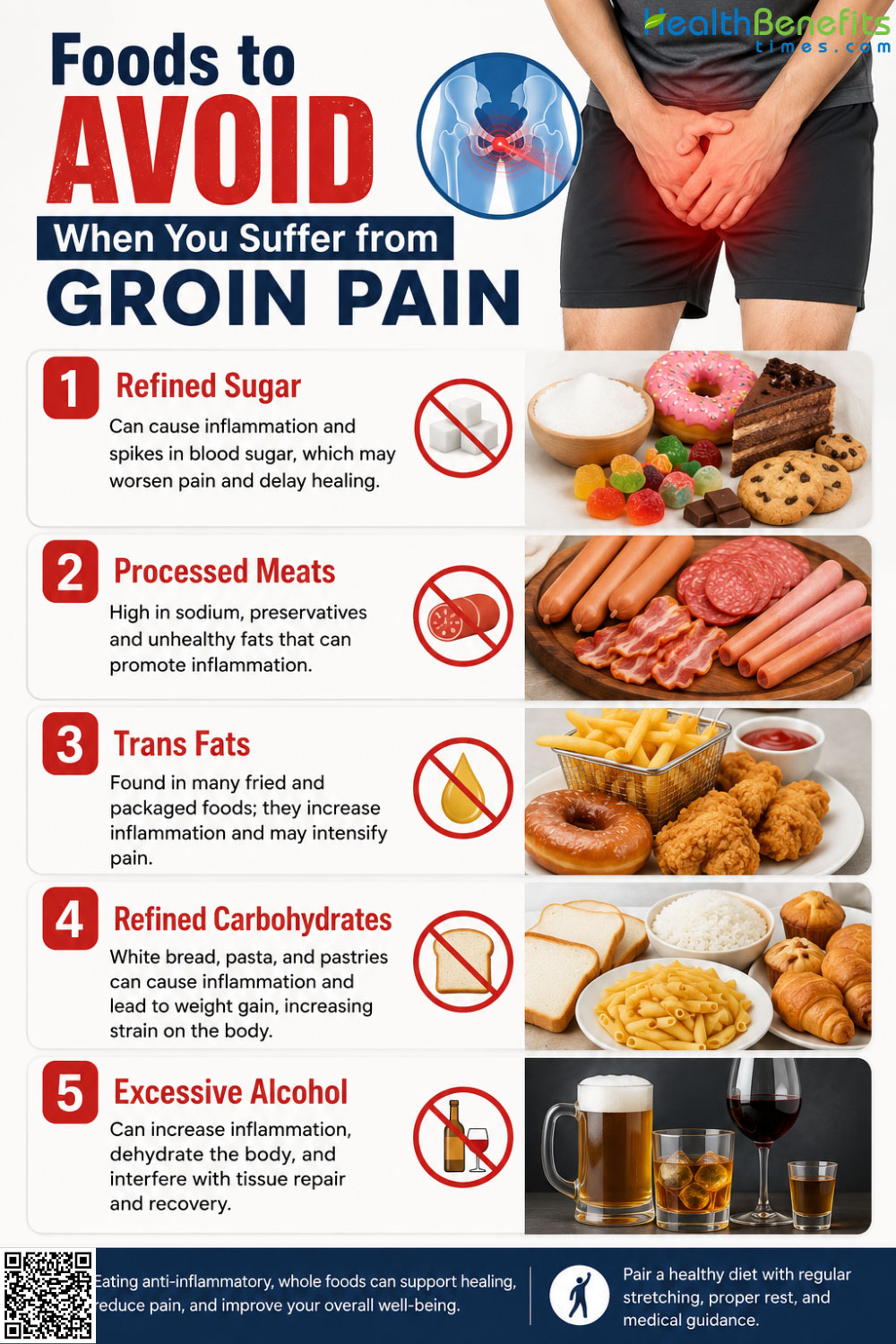
2. Processed Meats
Meats like sausages and bacon contain high levels of advanced glycation end products and saturated fats, which significantly increase systemic inflammation and aggravate muscular pelvic pain. 76, 77
3. Trans Fats
Found in many heavily processed snacks, trans fats strongly promote cellular inflammation and negatively impact blood circulation, which actively hinders soft tissue recovery after a groin injury. 78, 79
4. Refined Carbohydrates
White bread and pastries cause rapid blood sugar spikes. This metabolic reaction stimulates inflammatory pathways in the body, worsening pain and stiffness in damaged groin tendons and muscles. 80, 81
5. Excessive Alcohol
Heavy alcohol consumption disrupts liver function and increases pro-inflammatory markers in the bloodstream, which prolongs tissue recovery and amplifies chronic musculoskeletal discomfort in the pelvic region. 82, 83
When To see Doctor when you have Groin Pain
1. Sudden, Severe Pain
Seek immediate medical attention if you experience sudden, excruciating groin or testicle pain, as this may indicate a critical emergency like testicular torsion requiring rapid surgical intervention. 84, 85
2. Presence of a Visible Bulge
Consult a doctor if you notice a physical lump or bulge in the groin area, particularly if it grows when coughing or straining, which strongly suggests an inguinal hernia. 86 87
3. Pain Combined with Systemic Symptoms
You must seek urgent care if groin pain is accompanied by systemic symptoms like fever, chills, or nausea, as these signs often indicate severe pelvic or urological infections. 88, 89
4. Inability to Bear Weight
See a healthcare professional if the pain prevents you from walking, bearing weight on the affected leg, or moving the hip, which may indicate a severe fracture or tear. 90, 91
5. Urinary Changes or Blood in Urine
Medical evaluation is necessary if your groin pain coincides with painful urination, increased urinary frequency, or blood in your urine, which are common signs of kidney stones. 92, 93