


Ageusia is a rare sensory condition characterized by the complete inability to detect any basic tastes, including sweetness, sourness, bitterness, saltiness, and umami 1. While many individuals experiencing a decline in flavor perception believe they have a taste disorder, true ageusia is highly uncommon; most of these cases are actually linked to anosmia, which is the loss of the sense of smell 2. The condition is distinctly different from hypogeusia, which is merely a reduced sensitivity to taste, and dysgeusia, which involves an altered or unpleasant taste perception 1. Medical professionals attribute true ageusia to various factors, such as cranial nerve damage, side effects from specific medications, viral infections, or cellular damage caused by chemotherapy and radiation treatments 1. Although it is not a life-threatening illness, a total loss of taste function can trigger severe secondary complications, including extreme appetite loss, malnutrition, unintentional weight reduction, and significant psychological distress 1.
Causes of Ageusia (Loss of Taste)
- Nerve Damage and Head Trauma: Physical injuries to the head, neck, or face can damage the specific nerves that carry taste signals from the tongue to the brain, resulting in a total loss of taste 1.
- Infections: Viral or bacterial infections, including the common cold, flu, COVID-19, and middle ear infections, can cause severe inflammation that blocks sensory pathways and disrupts normal taste function 2.
- Medications: Certain prescription drugs can interfere with taste receptors as a chemical side effect. This is most commonly associated with specific antibiotics, antihistamines, and medications used to treat high blood pressure 2.
- Cancer Treatments: Radiation therapy directed at the head and neck, as well as certain chemotherapy drugs, can destroy taste buds and damage the salivary glands that help transport flavors to sensory cells 3.
- Dental and Oral Health Issues: Severe gum disease, untreated tooth decay, poor general oral hygiene, and routine dental procedures like wisdom tooth extraction can physically impair or remove local taste receptors 2.
- Environmental Toxin Exposure: Repeated or prolonged contact with certain harsh chemicals, such as insecticides, solvents, and heavy metals, can damage the sensory cells inside the mouth and lead to a decline in taste perception 2.
Symptoms of Ageusia (Loss of Taste)
- Complete Loss of Flavor Detection: An absolute inability to perceive any of the five basic taste profiles, which include sweet, sour, bitter, salty, and umami 2.
- Severe Appetite Reduction: A noticeable and sudden lack of desire to eat, as the total absence of flavor removes the sensory pleasure normally associated with meals 1.
- Unintentional Weight Loss and Malnutrition: Significant drops in body weight and nutritional deficiencies that occur because the individual stops consuming enough food to sustain their physical needs 1.
- Inability to Detect Spoiled Food: The failure to notice the typical sour or bitter warning signs of expired or rotting food, which significantly increases the risk of accidental food poisoning 2.
- Psychological Distress: Emotional challenges, including clinical depression, social withdrawal, and anxiety related to eating, triggered by the profound loss of this primary sense 1.
Natural Remedies for Ageusia (Loss of Taste)
1. Zinc Supplements
How it may help
Zinc is an essential mineral required to produce gustin, a protein in saliva that promotes the growth and repair of taste buds. Because a lack of zinc can directly impair sensory receptors, restoring adequate levels helps rebuild normal cell function in the mouth and supports the return of flavor perception 4.
What research says
Clinical trials confirm that zinc supplementation effectively improves taste disorders in individuals who have a confirmed zinc deficiency or idiopathic taste loss. Researchers conclude that oral zinc therapy successfully restores taste perception for these patients, establishing it as a primary treatment option for nutrition-related ageusia 4.
How to use it safely
You should request a blood test from your doctor to confirm a deficiency before starting treatment. If advised, take oral zinc supplements, such as zinc gluconate, with food to improve absorption. Always adhere strictly to the daily dosage limit prescribed by your healthcare provider.
Potential precautions or side effects
Taking excessive amounts of zinc can cause nausea, stomach pain, and vomiting. Long-term overuse can block copper absorption, potentially causing severe neurological issues and anemia 5.
2. Sensory Retraining Therapy
How it may help
Sensory retraining therapy relies on neuroplasticity, which is the brain’s ability to reorganize and form new connections. By repeatedly and mindfully exposing the senses to distinct flavors and odors, this technique stimulates damaged sensory nerve pathways. Over time, it helps the brain relearn how to correctly process flavor signals 6.
What research says
Clinical studies confirm that structured taste and smell training significantly improves sensory recovery, particularly in patients suffering from post-viral ageusia. Researchers conclude that consistent, daily exposure to intense sensory stimuli yields a much higher rate of taste recovery compared to patients who do not perform the therapy 6.
How to use it safely
You should practice tasting basic, distinct flavors like lemon, honey, or coffee for a few minutes twice daily. While tasting, concentrate deeply on your memory of that specific flavor. Remain consistent, as this therapeutic process often requires several months of daily practice to produce noticeable improvements.
Potential precautions or side effects
This therapy is completely natural and carries no physical risks. However, you may experience frustration or mild anxiety if progress is slow, as nerve regeneration can take several months 6.
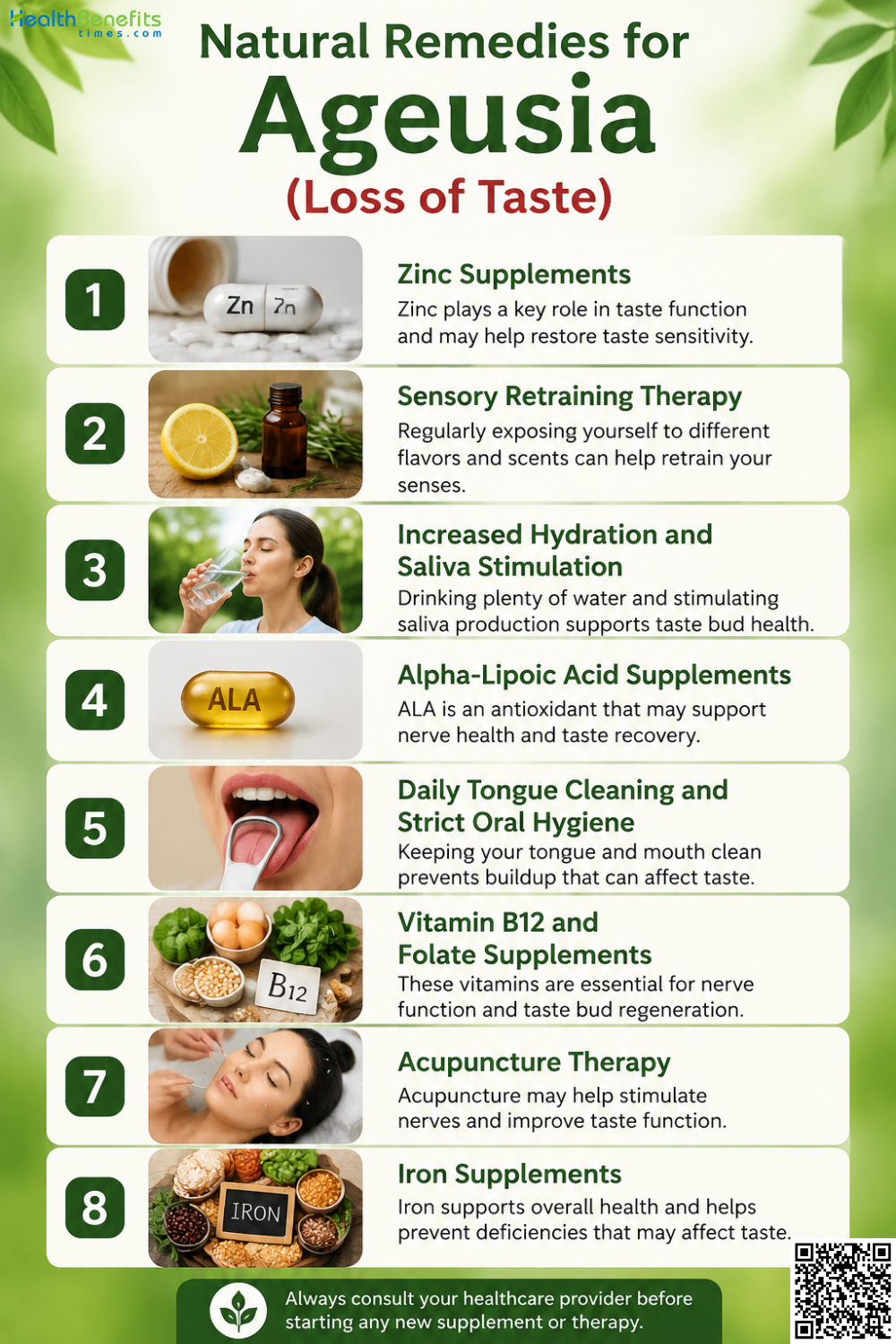
3. Increased Hydration and Saliva Stimulation
How it may help
Saliva is essential for dissolving food molecules and carrying them directly to the taste buds. When the mouth is completely dry, this transport system fails, severely impairing flavor perception. Increasing hydration and actively stimulating saliva flow restores this natural moisture, allowing taste receptors to function normally.
What research says
Clinical studies indicate that managing dry mouth through continuous hydration and the use of physical saliva stimulants, such as sugar-free chewing gum, significantly increases salivary flow rates. Researchers conclude that restoring proper saliva volume provides effective symptomatic relief for taste disturbances linked to hyposalivation or xerostomia.
How to use it safely
You should drink water frequently throughout the day to maintain consistent oral hydration. To stimulate natural saliva production, chew sugar-free gum or suck on sugar-free lozenges. Additionally, avoid alcohol, tobacco, and caffeinated beverages, as these substances can further dehydrate oral tissues.
Potential precautions or side effects
Consuming large amounts of sugar-free gum or lozenges that contain artificial sweeteners, such as xylitol or sorbitol, can cause mild gastrointestinal issues, including bloating, gas, and a laxative effect.
4. Alpha-Lipoic Acid Supplements
How it may help
Alpha-lipoic acid is a strong natural antioxidant that protects cells from stress and damage. It supports the healing and regeneration of damaged sensory nerves. By repairing these nerve pathways, the supplement helps restore the normal transmission of flavor signals from the tongue to the brain 7.
What research says
Clinical trials demonstrate that alpha-lipoic acid improves symptoms for individuals suffering from idiopathic taste disorders, particularly following viral infections. Researchers concluded that daily supplementation over a two-month period effectively stimulated nerve recovery and significantly restored taste perception in the majority of treated patients 7.
How to use it safely
You should consult your doctor before starting this supplement to establish the correct dosage, which is typically between 200 and 600 milligrams daily. Take the capsules on an empty stomach to maximize absorption, and remain consistent, as nerve healing requires a few months.
Potential precautions or side effects
Side effects are generally mild and may include stomach upset or skin rashes. Because it can lower blood sugar levels, you must closely monitor your condition if you have diabetes 8.
5. Daily Tongue Cleaning and Strict Oral Hygiene
How it may help
Plaque, bacteria, and food debris can form a thick physical coating over the tongue, blocking delicate sensory pores. Daily tongue cleaning and strict oral hygiene remove this dense barrier, ensuring that food molecules can directly reach the taste buds to restore normal sensory perception 9.
What research says
Clinical studies confirm that removing the microbial coating from the tongue surface significantly improves overall taste sensation. Researchers conclude that maintaining strict oral hygiene by mechanically cleaning the tongue effectively eliminates sensory barriers and rapidly enhances flavor intensity, particularly for salty and bitter tastes 10.
How to use it safely
You should gently scrape or brush your tongue from back to front once or twice daily using a soft-bristled toothbrush or a dedicated tongue scraper. Always use mild pressure to remove the white coating without irritating or damaging the delicate sensory tissues underneath.
Potential precautions or side effects
Using excessive pressure or aggressively scrubbing the tongue can permanently damage your taste buds, cause tissue bleeding, and paradoxically decrease your overall taste sensation over time 11.
6. Vitamin B12 and Folate Supplements
How it may help
Vitamin B12 and folate are vital for producing new cells and maintaining healthy nerves. A deficiency can cause a swollen tongue and nerve damage, which physically impairs taste buds. Taking these supplements repairs oral tissues and restores the sensory nerves needed to send flavor signals to the brain 12.
What research says
Clinical research links vitamin B12 and folate deficiencies to severe oral sensory disorders, including the complete loss of taste. Scientists conclude that supplementing these specific vitamins rapidly reverses tongue inflammation and restores normal flavor perception in patients who have confirmed nutritional deficiencies 13.
How to use it safely
You should request a blood test from your doctor to confirm a specific vitamin deficiency before starting supplementation. If recommended, take oral tablets daily as prescribed. Because these vitamins are water-soluble, taking them with a glass of water often improves absorption.
Potential precautions or side effects
These vitamins are generally safe. However, taking high doses of folate without checking B12 levels can hide a severe B12 deficiency, potentially leading to irreversible nerve damage 14.
7. Acupuncture Therapy
How it may help
Acupuncture therapy involves inserting extremely thin needles into specific points on the body. This practice stimulates the nervous system, increases local blood flow to the mouth and tongue, and promotes sensory nerve repair. This physical stimulation can reactivate damaged taste receptors, allowing normal flavor perception to return 15.
What research says
Clinical studies, particularly those involving patients with post-viral or chemotherapy-induced taste loss, indicate that acupuncture can be a beneficial intervention. Researchers found that targeted ear and facial acupuncture significantly reduces taste alteration severity and discomfort, establishing it as a promising supplementary treatment for restoring normal taste function 16.
How to use it safely
You should always seek treatment from a licensed and board-certified acupuncturist. During your consultation, ensure they use sterile, single-use, disposable needles to prevent any risk of infection. Discuss your complete medical history, particularly if you have bleeding disorders or currently take blood thinners.
Potential precautions or side effects
Acupuncture is generally safe, but you may experience minor bleeding, bruising, or mild soreness at the needle insertion sites. Improperly sterilized needles can lead to serious bacterial infections 17.
8. Iron Supplements
How it may help
Iron is crucial for maintaining the healthy cells that line the mouth and tongue. A severe iron deficiency causes the tongue to swell and lose its sensory bumps, which physically impairs taste receptors. Taking iron supplements rebuilds these specialized tissues and helps restore normal flavor perception 18.
What research says
Clinical research links iron deficiency anemia to severe oral sensory changes, including the complete loss of taste. Scientists conclude that once depleted iron stores are properly restored through supplementation, tongue inflammation subsides and patients typically experience a full recovery of their normal taste function 18.
How to use it safely
You must request a medical blood test to confirm an iron deficiency before starting supplements. If prescribed, take iron tablets on an empty stomach with a source of vitamin C, like orange juice, to boost absorption. Do not take iron at the same time as calcium supplements.
Potential precautions or side effects
Common side effects include constipation, nausea, and dark stools. Iron overdose is highly dangerous and causes organ damage, so always follow your doctor’s exact prescribed dosages 19.
Foods to Avoid When You suffer from Ageusia (Loss of Taste)
1. Excessively Salty Foods
People with taste loss often over-salt meals trying to find flavor. Consuming excessive sodium significantly increases the risk of high blood pressure and severe cardiovascular diseases 2.
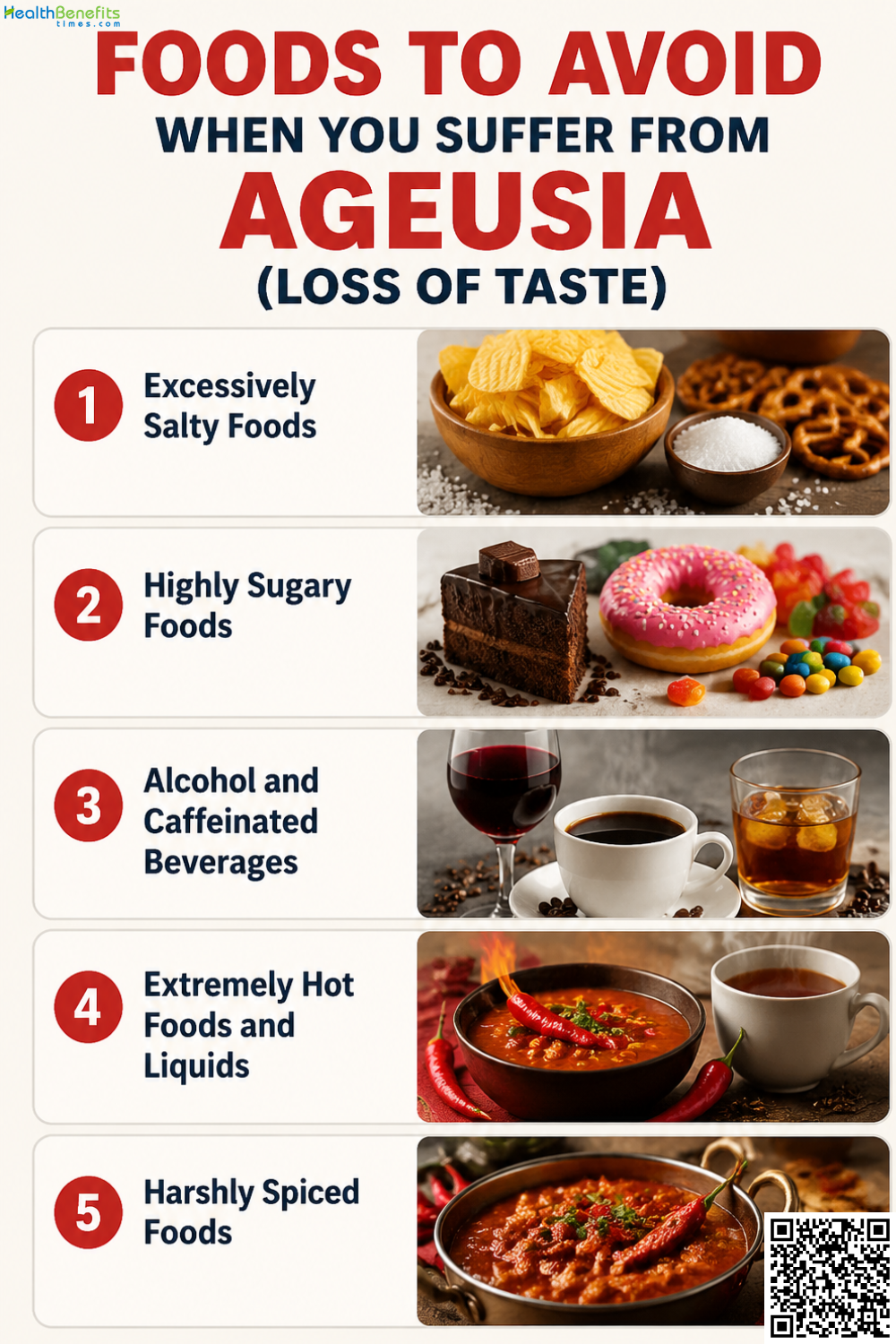
2. Highly Sugary Foods
Patients frequently add extra sugar to compensate for missing flavors. This excessive sugar intake strongly elevates the risk of developing type 2 diabetes and severe dental decay 2.
3. Alcohol and Caffeinated Beverages
Alcohol and caffeine severely dehydrate oral tissues. This lack of saliva prevents food molecules from reaching sensory receptors, worsening the underlying taste disorder 2.
4. Extremely Hot Foods and Liquids
A loss of oral sensation sometimes accompanies taste disorders. Eating boiling hot foods can cause severe thermal burns to the tongue and throat before you realize it 1.
5. Harshly Spiced Foods
Seeking intense flavor, patients often consume extreme spices. This excessive chemical irritation causes painful oral inflammation, which can further delay the recovery of damaged sensory nerves 2.
When to see a Doctor when you struggle from Ageusia (Loss of Taste)
- Sudden and Unexplained Onset: See a doctor immediately if taste loss occurs suddenly without an obvious cause, as this can indicate severe neurological emergencies like a stroke or brain injury 20.
- Associated Neurological Symptoms: Seek urgent medical care if ageusia is accompanied by facial paralysis, severe headaches, numbness, or vision changes, warning of significant cranial nerve damage 1.
- Prolonged Duration: Consult a healthcare provider if your total loss of taste persists for more than several weeks after recovering from a respiratory viral infection, such as COVID-19 2.
- Severe Weight Loss: Schedule a medical evaluation if the inability to taste food causes severe appetite reduction, leading to clinical malnutrition or rapid, unintentional weight loss 1.
- Oral Pain or Swelling: Visit a doctor or dentist if the taste loss occurs alongside severe oral pain, bleeding, or mouth lesions, indicating possible severe infections or localized tumors 2.