

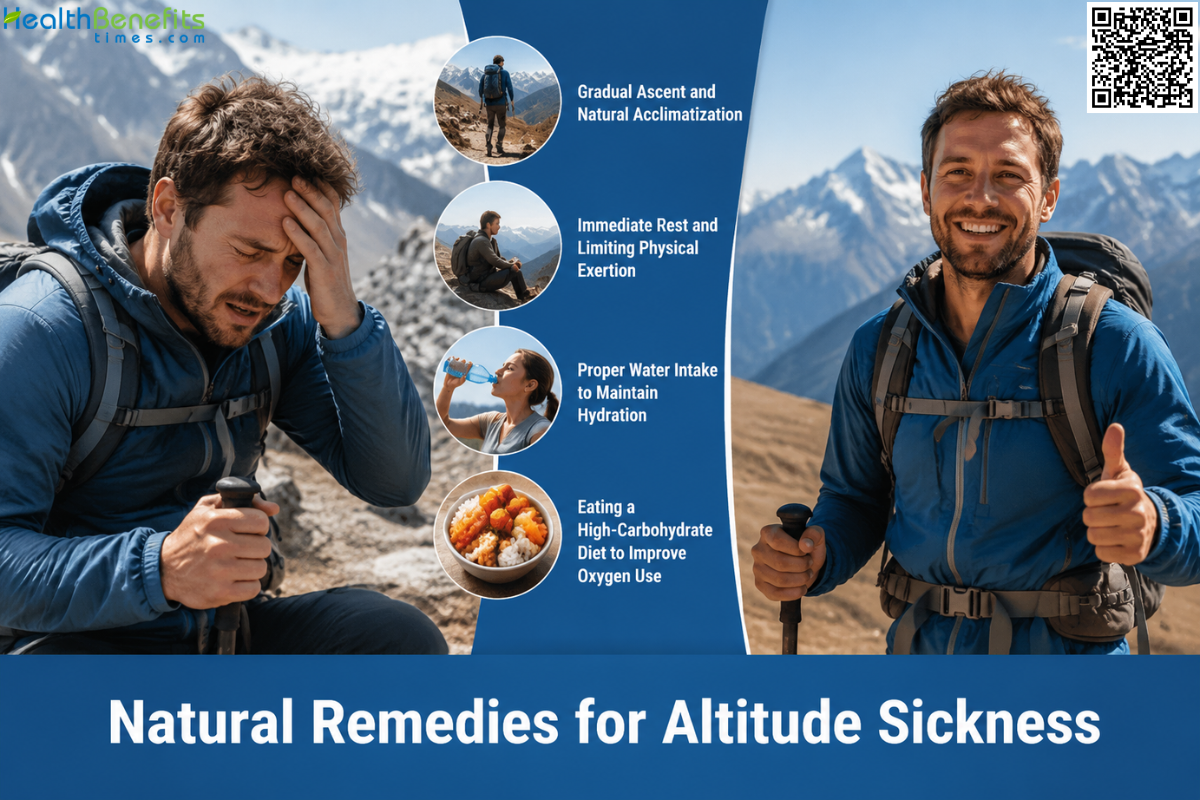
Altitude sickness refers to a group of conditions that develop when a person ascends to high elevations—typically above 2,500 meters—faster than their body can adapt to the decreasing air pressure and lower oxygen levels. This sudden drop in oxygen triggers a spectrum of illnesses ranging from mild to life-threatening. The most common form is Acute Mountain Sickness (AMS), which primarily presents as a headache accompanied by nausea, fatigue, loss of appetite, and dizziness. If the ascent continues without proper acclimatization, AMS can progress into severe medical emergencies like High-Altitude Cerebral Edema (HACE) or High-Altitude Pulmonary Edema (HAPE), which involve dangerous fluid buildup in the brain or lungs. Anyone can experience altitude sickness regardless of physical fitness; the primary risk factors are the speed of ascent and the maximum altitude reached.
Causes of Altitude Sickness
1. Decreased Air Pressure and Oxygen Levels
The fundamental biological cause of altitude sickness is rapid exposure to low atmospheric pressure and reduced oxygen availability at high elevations 1. While the percentage of oxygen in the air remains constant, the lower pressure means fewer oxygen molecules are inhaled with each breath, leading to low blood oxygen levels (hypoxia).
2. Rapid Ascent
Ascending to elevations typically above 2,500 meters (8,200 feet) faster than the body can safely adjust is the primary environmental trigger for the condition 2.
3. High Sleeping Altitude
The specific elevation at which a person sleeps is a critical risk factor; sleeping at progressively higher altitudes without designated rest days significantly increases physiological stress and symptom onset.
4. Inadequate Acclimatization
Failing to allow the body sufficient time to naturally increase its breathing rate and adjust red blood cell levels to compensate for lower oxygen environments prevents proper adaptation and directly contributes to illness.
5. Physical Overexertion
Engaging in strenuous physical activity immediately upon arriving at a high altitude worsens oxygen depletion and can provoke sickness before the body has properly adapted 3.
6. Individual Susceptibility and Prior History
Biological factors, such as genetics and a previous history of altitude illness, strongly predispose an individual to experiencing it again, independent of their overall physical fitness, age, or gender.
Symptoms of Altitude Sickness
1. Headache
The primary and most common indicator of early altitude sickness, usually starting within two to twelve hours after ascending to a higher elevation and often worsening during the night.
2. Nausea and Loss of Appetite
The onset of stomach discomfort, a sudden refusal or inability to eat, and in some cases, vomiting.
3. Fatigue and Weakness
Experiencing an unusual level of physical exhaustion, extreme tiredness, and a lack of energy that does not match the amount of physical exertion performed.
4. Dizziness and Lightheadedness
Feeling unsteady, faint, or disoriented, particularly when standing up, caused by the brain receiving lower amounts of oxygen from the blood.
5. Sleep Disturbances
Difficulty falling asleep, frequent waking, and experiencing restless nights, which is sometimes accompanied by irregular breathing patterns during rest.
6. Confusion and Loss of Coordination
A critical, advanced symptom indicating dangerous brain swelling (High-Altitude Cerebral Edema), characterized by a severe decline in mental clarity, extreme drowsiness, and an inability to walk in a straight line .
7. Severe Breathing Difficulties
A life-threatening symptom indicating fluid buildup in the lungs (High-Altitude Pulmonary Edema), marked by extreme shortness of breath even while resting, chest tightness, a persistent cough producing pink or frothy spit, and bluish lips or fingers.
 Natural Remedies for Altitude Sickness
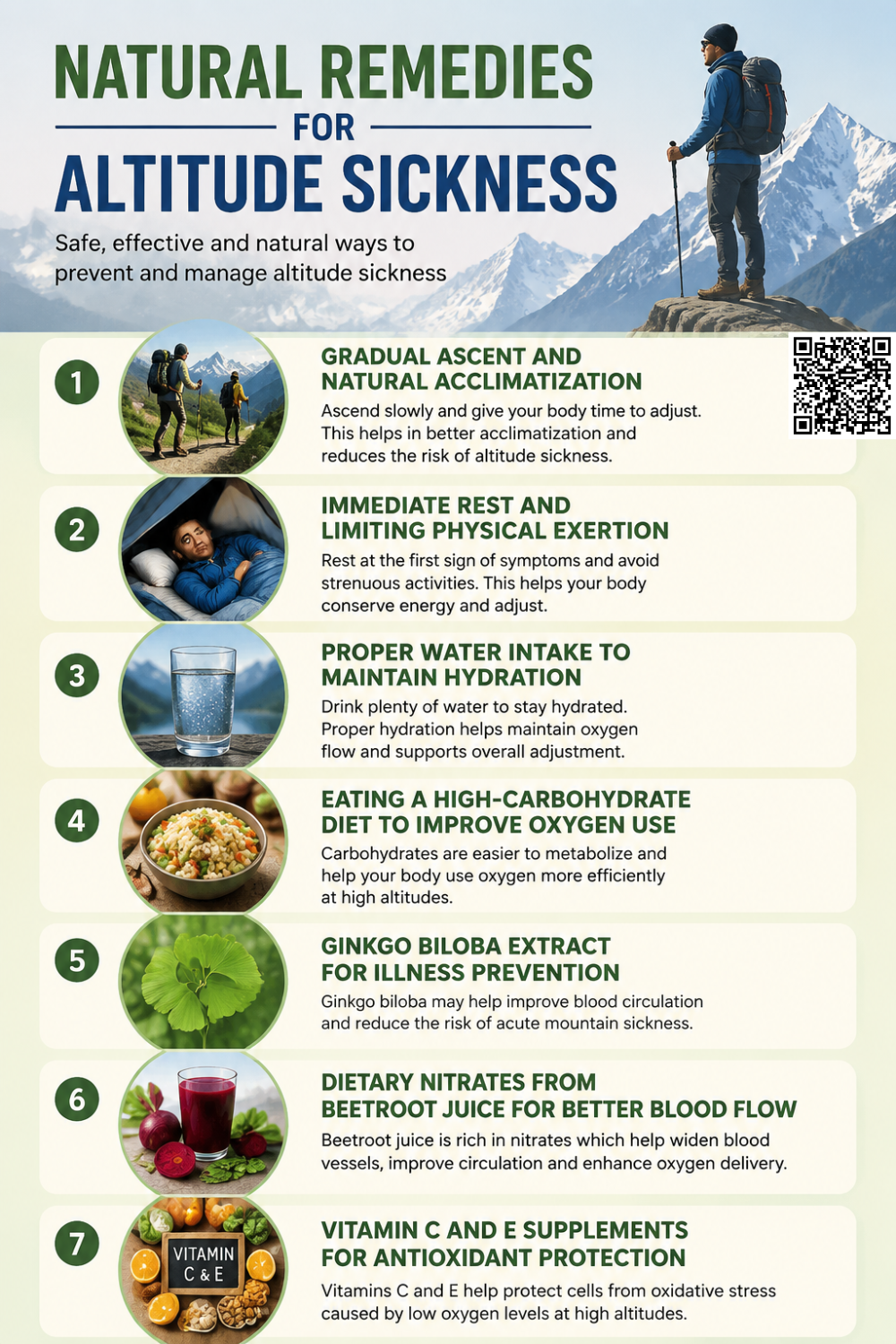
1. Gradual Ascent and Natural Acclimatization
How it may help
Gradual ascent allows the body enough time to adjust to decreasing oxygen levels and lower air pressure. This slow natural acclimatization process triggers the body to increase breathing rates and produce more red blood cells, which improves oxygen delivery to vital organs and prevents illness.
What research says
Clinical guidelines establish that slowing the rate of ascent is the most effective proven method to prevent acute mountain sickness. Research concludes that taking designated rest days and limiting daily elevation gains significantly reduces the risk of developing severe, life-threatening high-altitude complications.
How to use it safely
Once you reach 2,750 meters (9,000 feet), do not increase your sleeping elevation by more than 500 meters (1,600 feet) per day. Schedule an extra rest day at the same altitude for every 1,000 meters (3,300 feet) you ascend to ensure safe adaptation.
Potential precautions or side effects
If you develop a headache or nausea despite ascending slowly, stop climbing immediately. Never ascend higher to sleep if you are actively experiencing symptoms of altitude sickness.
2. Immediate Rest and Limiting Physical Exertion
How it may help
Immediate rest and halting your climb reduce the body’s demand for oxygen. By stopping physical exertion, you allow your body the necessary time to adjust to the lower oxygen levels found at high elevations, a process known as acclimatization, which helps relieve mild symptoms like headache and fatigue.
What research says
Clinical guidelines from wilderness medicine experts confirm that resting at the same elevation is the most effective initial step for mild acute mountain sickness. Research shows that avoiding further ascent prevents the condition from worsening into severe, life-threatening altitude illnesses 4.
How to use it safely
At the first sign of illness, stop ascending immediately. Rest at your current altitude for 24 to 48 hours. Only resume your climb once all symptoms have completely resolved. Do not exercise or push through the discomfort, as this will strain your oxygen-deprived body further.
Potential precautions or side effects
Resting is only for mild cases. If your symptoms worsen while resting, you must descend immediately. Delaying descent can result in fatal fluid buildup in the lungs or brain.
3. Proper Water Intake to Maintain Hydration
How it may help
High altitude environments cause the body to lose fluids quickly due to faster breathing and dry mountain air. Maintaining proper hydration prevents severe fluid loss, which can cause headaches and fatigue that mimic altitude sickness. Adequate water intake ensures the body can efficiently transport oxygen to tissues.
What research says
Medical guidelines state that while hydration does not cure altitude sickness, preventing dehydration is critical. Research concludes that rapid fluid loss at high elevations complicates and worsens symptoms. Maintaining baseline hydration ensures the body can safely support the physical stress of adapting to lower oxygen levels.
How to use it safely
Drink extra water before and during your ascent. Aim to drink enough fluids so that your urine remains clear or light yellow. Increase your daily intake gradually and carry a reliable water source. Avoid alcohol and caffeine, as they cause your body to lose more water.
Potential precautions or side effects
Do not force excessive water consumption. Overhydration can dangerously lower your blood sodium levels, causing confusion and nausea that closely mimic severe altitude sickness.
4. Eating a High-Carbohydrate Diet to Improve Oxygen Use
How it may help
Carbohydrates require significantly less oxygen to break down and convert into energy compared to fats and proteins. When oxygen is scarce at high elevations, eating a carbohydrate-rich diet allows the body to generate energy more efficiently. This improved oxygen use reduces the severe fatigue and physical strain associated with early altitude sickness.
What research says
Nutrition experts and clinical studies indicate that a diet consisting of roughly 70 to 80 percent carbohydrates improves physical performance at high elevations. Research concludes that relying on carbohydrates as the primary energy source increases blood oxygen levels and helps reduce the severity of acute mountain sickness 5.
How to use it safely
Begin increasing your carbohydrate intake a few days before ascending. Focus on consuming complex carbohydrates like whole grains, oatmeal, and pasta to provide steady energy. Eat smaller, frequent meals during your climb to maintain energy levels without overburdening your digestive system.
Potential precautions or side effects
Avoid relying on large amounts of simple sugars, which cause rapid blood sugar spikes followed by sudden energy crashes. Additionally, abrupt dietary changes may trigger mild stomach upset.
5. Ginkgo Biloba Extract for Illness Prevention
How it may help
Ginkgo biloba extract is believed to improve blood circulation and act as an antioxidant. By widening blood vessels, it may help the body deliver limited oxygen more efficiently to tissues at high elevations. This improved blood flow is thought to potentially reduce mild symptoms like headaches and dizziness.
What research says
Clinical research on Ginkgo biloba for altitude sickness shows highly conflicting results. While some early trials suggested it might prevent mild symptoms, larger recent studies conclude it is ineffective. Health authorities state the evidence is too inconsistent to recommend it over proven prevention methods.
How to use it safely
If you choose to use Ginkgo biloba, consult a doctor first. Begin taking a standardized extract one to five days before your ascent. Never rely on this supplement as a substitute for gradual climbing or proven medical treatments to prevent severe altitude illness.
Potential precautions or side effects
Ginkgo biloba can increase the risk of bleeding and interacts dangerously with blood-thinning medications. Common mild side effects include stomach upset, dizziness, and allergic skin reactions.
6. Dietary Nitrates from Beetroot Juice for Better Blood Flow
How it may help
Beetroot juice provides high levels of dietary nitrates, which the body converts into nitric oxide. This chemical naturally relaxes and widens blood vessels. By improving blood flow, beetroot juice helps deliver limited oxygen more effectively throughout the body, potentially reducing the severe fatigue and shortness of breath associated with high altitudes.
What research says
Clinical studies indicate that dietary nitrates from beetroot juice improve blood vessel function and reduce the amount of oxygen needed for physical exertion in low-oxygen environments. Research concludes that taking nitrate supplements before ascending significantly improves physical performance and helps the body adapt safely to high-altitude conditions 6.
How to use it safely
Drink standard servings of beetroot juice starting one to two days before your climb and continue during the ascent. You can also use concentrated beetroot shots. Maintain a normal diet and do not consume extreme amounts, as your body only needs a moderate nitrate increase.
Potential precautions or side effects
Beetroot juice naturally turns urine and stool harmlessly red or pink. However, it can cause mild stomach upset or dangerously lower blood pressure if consumed in excessively large quantities.
7. Vitamin C and E Supplements for Antioxidant Protection
How it may help
Exposure to high altitudes increases the production of free radicals, causing oxidative stress in the body. Vitamins C and E are powerful antioxidants that neutralize these harmful molecules. In theory, this antioxidant protection could reduce tissue damage and prevent the fluid leakage in the brain that contributes to altitude sickness.
What research says
Despite the theoretical benefits, strong clinical evidence shows that taking antioxidant supplements does not prevent altitude sickness. Double-blind, placebo-controlled trials have concluded that supplementing with vitamins C and E neither reduces the incidence of acute mountain sickness nor significantly lowers oxidative stress markers at high elevations 7.
How to use it safely
Although they will not prevent altitude sickness, you can safely consume normal doses of vitamins C and E to support overall health. Stick to standard recommended daily allowances. Never rely on antioxidants as a replacement for gradual ascent or proven medical treatments during a climb.
Potential precautions or side effects
Taking extremely high doses of vitamin E can dangerously increase the risk of bleeding. Furthermore, excessive vitamin C consumption frequently causes gastrointestinal issues, including stomach cramps and diarrhea.
 Foods to Avoid When You suffer from Altitude Sickness
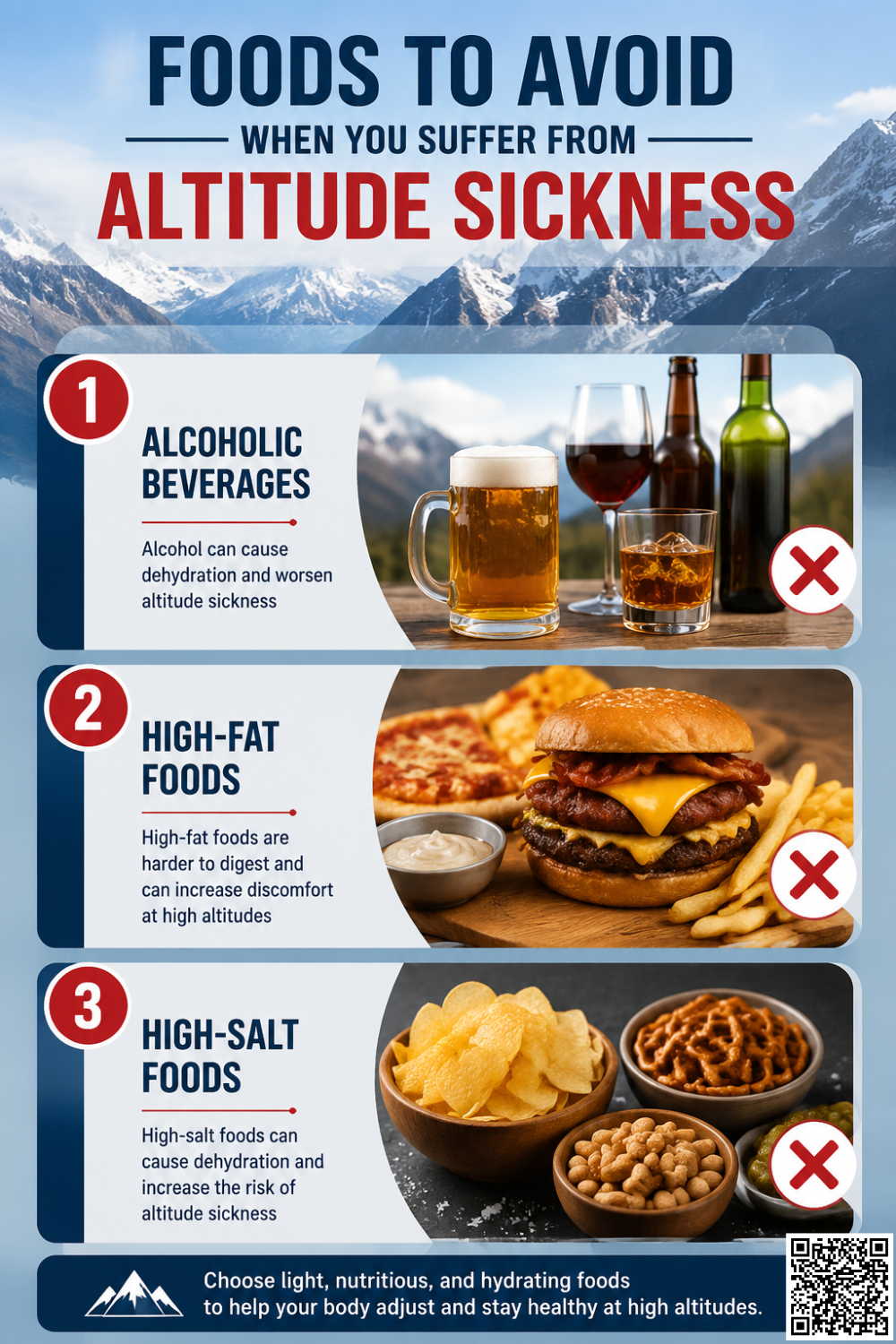
1. Alcoholic Beverages
Alcohol depresses breathing and increases dehydration, worsening altitude sickness. Medical guidelines advise avoiding it during your first 48 hours at high elevations 8.
2. High-Fat Foods
Fats require significantly more oxygen to digest than carbohydrates. Eating high-fat meals places unnecessary strain on your oxygen-deprived body and aggravates nausea 9.
3. High-Salt Foods
Excessive sodium triggers fluid retention and elevates blood pressure. Consuming high-salt foods counteracts natural acclimatization and intensifies severe altitude-related headaches.
When To See a Doctor When You Suffer From Altitude Sickness
1. Shortness of Breath at Rest
If you experience severe breathing difficulties while resting, seek immediate care. This indicates fluid in the lungs, a hallmark of high-altitude pulmonary edema.
2. Loss of Coordination
An inability to walk in a straight line signals brain swelling. This condition, high-altitude cerebral edema, requires emergency medical intervention and immediate descent.
3. Altered Mental State
Confusion, extreme lethargy, or irrational behavior points to severe oxygen deprivation and fluid accumulation in the brain, demanding urgent clinical treatment 10.
4. Coughing up Frothy Sputum
A persistent cough producing pink or blood-tinged foam indicates advanced pulmonary edema. You must descend immediately and seek emergency medical care.