

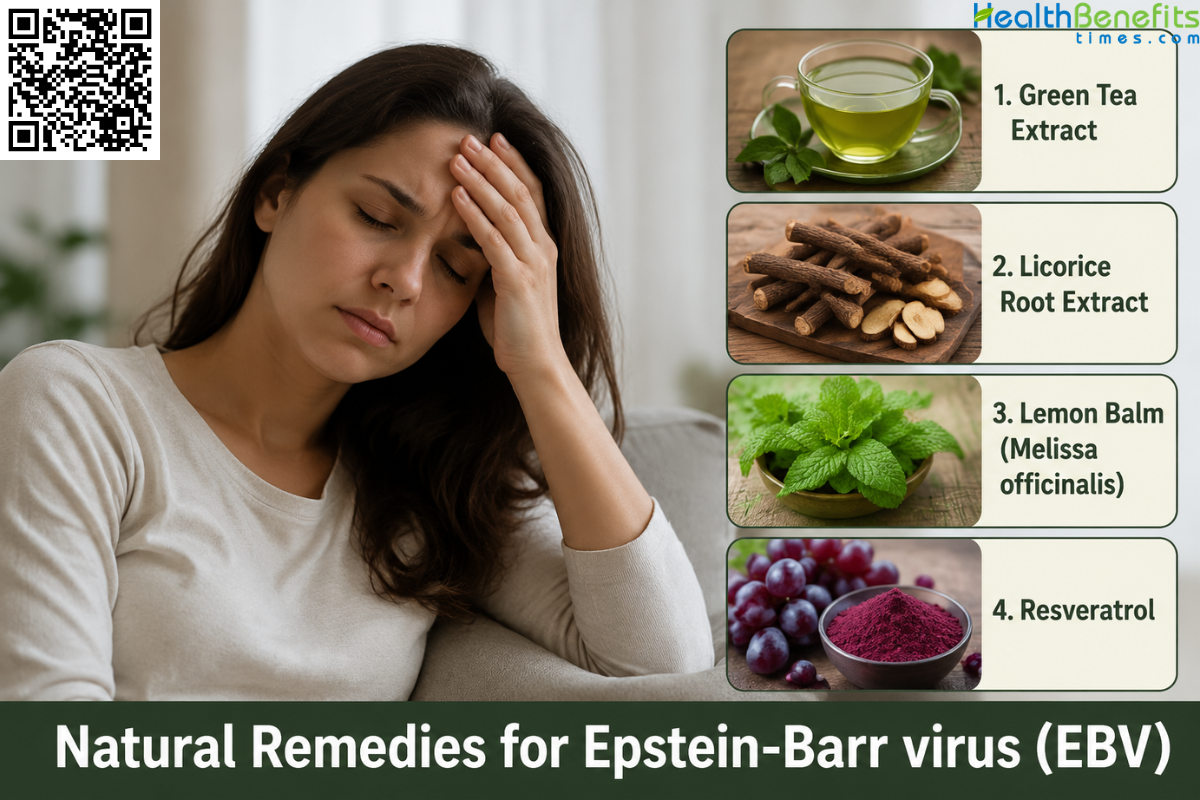
Epstein-Barr virus (EBV) is one of the most widespread human viruses globally, belonging to the herpes virus family. It spreads primarily through bodily fluids, especially saliva, and most people contract it at some point during their lives 1. Once a person is infected, the virus establishes a lifelong, inactive state within the body’s antibody-producing B cells 2. While childhood infections are typically asymptomatic, contracting the virus during adolescence or adulthood frequently leads to infectious mononucleosis, commonly known as “mono” 1. Furthermore, clinical research establishes EBV as an oncogenic (cancer-causing) virus strongly associated with malignancies like Burkitt’s lymphoma and upper throat cancers 3. Although most individuals carry the virus without complications, compromised immune systems can trigger viral reactivation, increasing the risk for severe neurological or hematological disorders 4. Currently, no approved vaccine exists to prevent the infection 1.
Causes of Epstein-Barr virus (EBV)
- Direct contact with saliva: The primary method of transmission for the Epstein-Barr virus is through infected saliva, most frequently occurring during kissing 1.
- Sharing personal items: The virus can survive on physical objects as long as they remain moist, allowing it to pass between individuals who share drinking glasses, eating utensils, water bottles, lip balm, or toothbrushes 1.
- Early childhood interactions: Young children frequently contract and spread the virus in daycare or household settings by sharing toys that have been mouthed or exposed to the drool of an infected child 5.
- Sexual contact: The virus is present in semen and cervical fluids, making transmission possible through sexual intercourse, though this route is less common than spreading via saliva 1.
- Medical procedures: In rare instances, the virus can be transmitted directly into the bloodstream through blood transfusions or during solid organ transplant surgeries if the donor actively carries the virus 5.
Symptoms of Epstein-Barr virus (EBV)
- Extreme fatigue: A persistent, overwhelming sense of tiredness that is often the primary complaint and can last for several weeks or even months after other symptoms fade 1.
- Fever: A sudden elevation in body temperature that frequently occurs in the initial stages of the viral infection 1.
- Sore throat: Severe inflammation of the throat and tonsils, which often appear swollen and may be coated with white patches 5.
- Swollen lymph nodes: Noticeable enlargement and tenderness of the lymph glands, most commonly located in the neck and sometimes under the arms 1.
- Enlarged spleen: Swelling of the spleen in the upper left abdomen, which can create a feeling of fullness or pain and poses a rare but serious risk of rupturing if physical pressure is applied 5.
- Swollen liver: Mild liver enlargement that may occur alongside the infection, occasionally leading to a slight yellowing of the skin and eyes, known as jaundice 5.
- Skin rash: A red, widespread skin rash that sometimes develops, particularly if the patient is incorrectly prescribed penicillin-based antibiotics like amoxicillin for a misdiagnosed bacterial infection 4.
Natural Remedies for Epstein-Barr virus (EBV)
1. Adequate Rest and Sleep Therapy
How it may help
When the body fights the Epstein-Barr virus, it requires a massive amount of energy, often leading to extreme exhaustion. Adequate rest and sleep therapy allow the immune system to focus its resources entirely on controlling the viral infection rather than sustaining daily physical activities, which helps reduce symptom severity.
What research says
Clinical guidelines emphasize that there are no targeted antiviral medications to cure Epstein-Barr virus, making supportive care the primary medical intervention. Health authorities conclude that getting plenty of rest is essential during the active illness to relieve profound fatigue and support natural immune recovery 1.
How to use it safely
Listen to your body and sleep whenever you feel tired. During the first month of your infection, you must strictly avoid heavy lifting, vigorous exercise, and contact sports to protect your internal organs while you heal 5.
Potential precautions or side effects
While rest is necessary, returning to physical activity too early can cause an enlarged spleen to rupture, which is a life-threatening medical emergency requiring immediate surgery 5.
2. Optimal Hydration and Fluid Management
How it may help
Maintaining proper fluid intake prevents dehydration caused by fevers and keeps throat secretions thin, making it easier to swallow when managing a painful, inflamed throat. Adequate hydration also supports cellular function and blood circulation, helping the immune system transport vital cells efficiently throughout the body during a viral infection.
What research says
Clinical guidance establishes that because no targeted antiviral medications cure the Epstein-Barr virus, primary management relies entirely on supportive care. Health authorities conclude that maintaining adequate fluid and oral intake is a foundational clinical measure to prevent dehydration and support recovery 6.
How to use it safely
You should drink plenty of water, clear broths, and electrolyte solutions throughout the day, aiming for steady sips rather than large volumes at once if your throat is sore. Ensure your total daily fluid intake remains consistent, especially if you experience an elevated temperature 6.
Potential precautions or side effects
If you have underlying kidney or heart conditions, you must consult your doctor to avoid drinking excessive fluids, which can strain your organs.
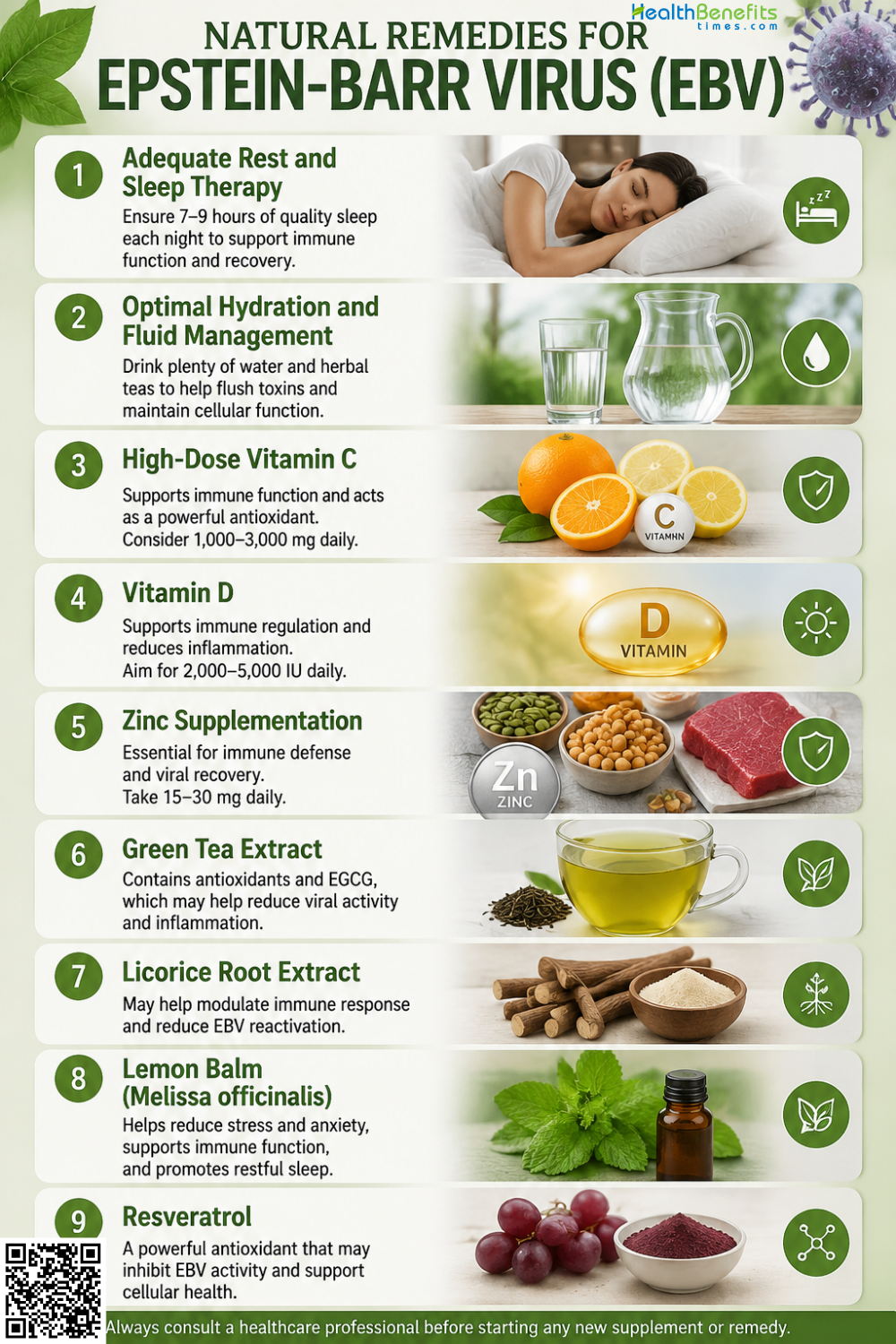
3. High-Dose Vitamin C
How it may help
High-dose vitamin C acts as a powerful antioxidant that supports immune function and reduces cellular oxidative stress. By enhancing the body’s natural defense mechanisms, it helps combat the severe inflammation caused by active Epstein-Barr virus infections, potentially shortening the overall duration of the illness 7.
What research says
Clinical studies demonstrate that high-dose intravenous vitamin C therapy significantly reduces the levels of active Epstein-Barr viral antibodies in the bloodstream. Researchers conclude that patients receiving these high-dose infusions experience a measurable decrease in viral replication and faster recovery times compared to untreated individuals 7.
How to use it safely
High-dose vitamin C for viral infections must be administered intravenously by a medical professional in a clinical setting. Because oral supplements cannot achieve the necessary blood concentrations for these antiviral effects, you should never attempt to replicate this treatment using massive doses of oral pills 7.
Potential precautions or side effects
Your doctor must first test you for a G6PD enzyme deficiency. Receiving high-dose intravenous vitamin C with this rare genetic condition can cause severe red blood cell destruction 7.
4. Vitamin D
How it may help
Vitamin D acts as a powerful immune system regulator. It enhances the body’s natural defenses against the Epstein-Barr virus while preventing excessive inflammation. By supporting immune function, adequate Vitamin D levels help force the virus back into an inactive, latent state, preventing it from constantly challenging the immune system 8.
What research says
Clinical studies demonstrate that a Vitamin D deficiency strongly correlates with poor immune control over the Epstein-Barr virus. Researchers conclude that sufficient Vitamin D directly suppresses the production of viral antibodies and limits the proliferation of infected immune cells, significantly reducing the severity of virus-induced complications 8.
How to use it safely
You should ask your doctor for a blood test to determine your baseline levels before starting supplementation. If deficient, take an oral Vitamin D3 (cholecalciferol) supplement daily with a fat-containing meal to maximize absorption, or spend brief periods in direct sunlight to encourage natural skin production 9.
Potential precautions or side effects
Extremely high doses of Vitamin D can cause dangerous blood calcium buildup (hypercalcemia). This toxicity may lead to severe nausea, muscle weakness, irregular heartbeats, and kidney stones 10.
5. Zinc Supplementation
How it may help
Zinc is an essential mineral that provides broad antiviral properties and strengthens overall immune cell function. By interfering with the viral life cycle, zinc helps stop herpes-family viruses like the Epstein-Barr virus from actively multiplying, which encourages the virus to remain in a harmless, dormant state.
What research says
Clinical research demonstrates that zinc disrupts the cellular mechanisms that herpes viruses use to replicate and produce new viral particles 11. Furthermore, studies show that specialized zinc-dependent proteins regulate the Epstein-Barr virus, and sufficient zinc levels help the immune system suppress active viral flare-ups 12.
How to use it safely
You should take oral zinc supplements, such as zinc gluconate, with a meal to maximize absorption and prevent stomach upset. Healthy adults must limit their intake to no more than 40 milligrams of elemental zinc per day unless specifically instructed by a medical professional 13.
Potential precautions or side effects
Consuming excess zinc long-term can cause severe copper deficiency and anemia. High doses frequently trigger immediate nausea, abdominal cramps, and vomiting if taken on an empty stomach 13.
6. Green Tea Extract
How it may help
Green tea extract contains a powerful plant compound called epigallocatechin gallate (EGCG). This antioxidant compound binds directly to the virus and interrupts its life cycle. By blocking the chemical signals the virus needs to multiply, green tea extract helps stop an active viral flare-up from spreading to healthy cells.
What research says
Clinical studies demonstrate that EGCG directly targets and suppresses specific viral proteins required for the Epstein-Barr virus to replicate. Researchers conclude that EGCG effectively blocks the viral lytic cycle—the phase where the virus actively multiplies—thereby preventing the virus from causing severe complications and inhibiting its reactivation 14.
How to use it safely
You should consume standard brewed green tea as a safe daily beverage. If you choose a concentrated green tea extract supplement, read the label carefully and limit your total daily intake of EGCG to less than 800 milligrams to prevent overwhelming your liver 15.
Potential precautions or side effects
High doses of green tea extract pills are directly linked to severe, acute liver injury. Stop using it immediately if you develop unexplained abdominal pain or yellowing skin 16.
7. Licorice Root Extract
How it may help
Licorice root contains glycyrrhizic acid, a powerful plant compound that helps block the Epstein-Barr virus from attaching to and entering healthy human cells. By interfering with these early stages of viral infection, it restricts the virus’s ability to actively multiply and spread throughout the body.
What research says
Clinical studies show that glycyrrhizic acid directly inhibits Epstein-Barr virus replication in a dose-dependent manner. Researchers conclude that this botanical extract effectively stops the virus from penetrating new cells and significantly reduces the ability of the actively replicating virus to establish further infections 17.
How to use it safely
You should take standard licorice root extract for no longer than four weeks at a time to prevent toxicity. Ensure your supplement contains glycyrrhizic acid, as many digestive licorice products, labeled as DGL, completely remove this essential antiviral compound 18.
Potential precautions or side effects
Consuming licorice root long-term can cause a dangerous drop in potassium and life-threatening high blood pressure. Individuals with heart disease, kidney issues, or hypertension must avoid it entirely 19.
8. Lemon Balm (Melissa officinalis)
How it may help
Lemon balm is an herb containing powerful antiviral compounds, particularly rosmarinic acid. It works by interfering with the outer envelope of herpes-family viruses, preventing them from attaching to and entering healthy human cells. By blocking this crucial early stage, it effectively stops the active virus from spreading.
What research says
Clinical studies demonstrate that lemon balm extract strongly inhibits herpes viruses, including the Epstein-Barr virus. Researchers conclude that its active compounds neutralize viral particles before they can penetrate host cells, significantly reducing the ability of the virus to actively multiply and cause severe infection flare-ups 20.
How to use it safely
You can safely consume lemon balm as a soothing herbal tea by steeping the dried leaves in hot water. If you prefer concentrated oral extracts, carefully follow the recommended dosages on the label and limit your continuous use to roughly four weeks to ensure maximum safety.
Potential precautions or side effects
Lemon balm causes mild drowsiness and amplifies sedative medications. You must avoid this herb if you have an underactive thyroid, as it may further suppress your hormone levels 20.
9. Resveratrol
How it may help
Resveratrol is a natural antioxidant found in the skins of red grapes and berries. It helps control the Epstein-Barr virus by interfering with the chemical signals the virus needs to awaken from its dormant state, thereby preventing the virus from actively multiplying and spreading to healthy cells.
What research says
Clinical studies demonstrate that resveratrol significantly suppresses the proteins required for the Epstein-Barr virus to replicate. Researchers conclude that this compound effectively blocks the viral lytic cycle, halting the production of new viral DNA and severely limiting the ability of the virus to cause active infections 21.
How to use it safely
You should take oral resveratrol supplements, specifically the active “trans-resveratrol” form, alongside a fat-containing meal to improve absorption. Strictly follow the recommended dosage on the label, typically ranging from 250 to 500 milligrams daily, and always consult a doctor before starting 22.
Potential precautions or side effects
Resveratrol mildly thins the blood. You must avoid this supplement if taking blood-thinning medications or daily aspirin, as combining them drastically increases the risk of severe internal bleeding 23.
Foods to Avoid When You suffer from Epstein-Barr virus (EBV)
1. Alcohol
Alcohol strains the liver, which frequently becomes inflamed during an active Epstein-Barr virus infection. Avoiding it entirely prevents severe liver damage and supports natural immune recovery 5.
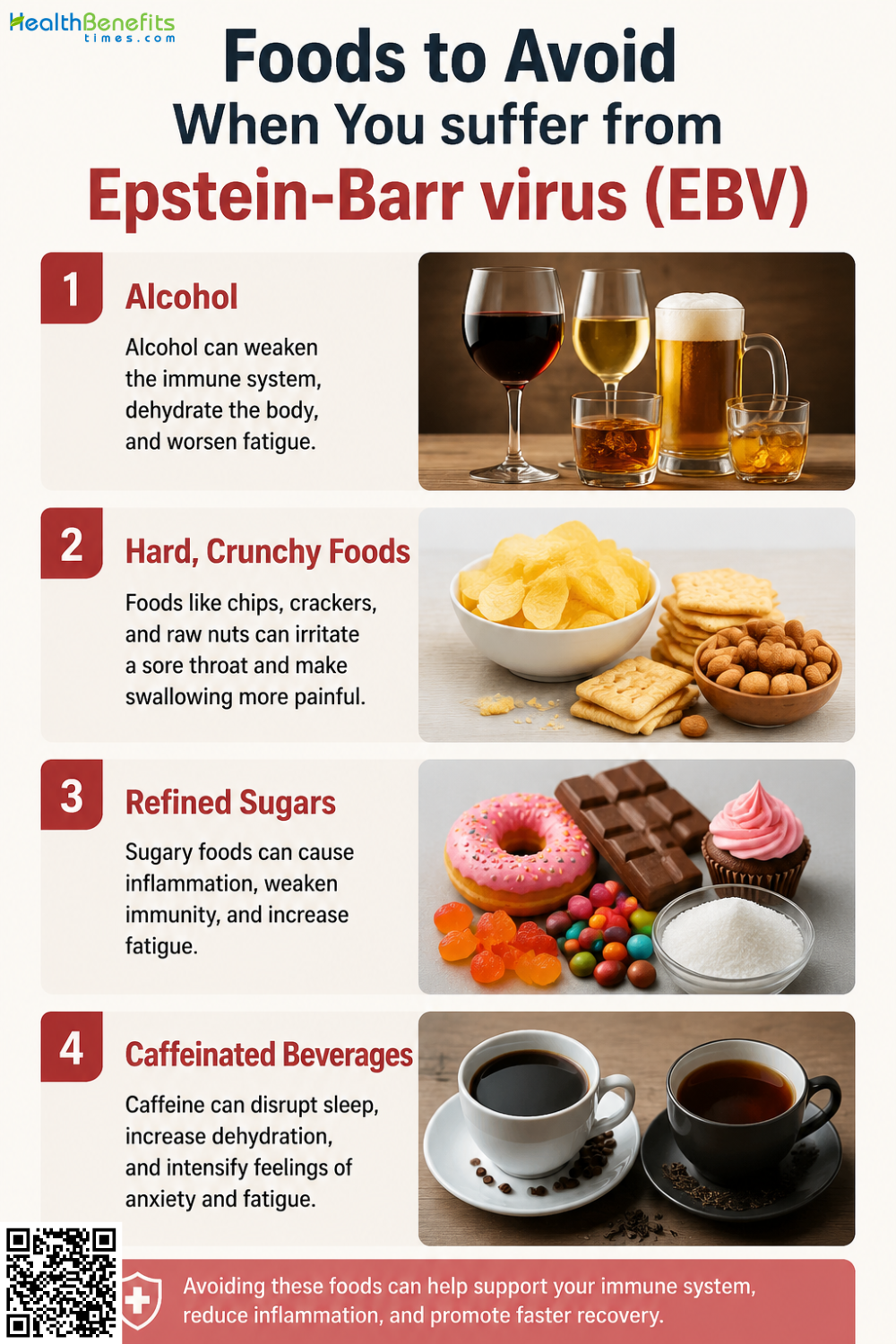
2. Hard, Crunchy Foods
Foods with sharp edges, like hard crackers, cause physical trauma and intense pain to the severely swollen throat and inflamed tonsils typically associated with the virus 6.
3. Refined Sugars
Consuming excessive refined sugars triggers systemic inflammation and directly impairs white blood cell function, significantly weakening the immune system’s ability to combat the active viral infection 24.
4. Caffeinated Beverages
Caffeine promotes fluid loss through increased urination, which worsens dehydration and thickens protective throat mucus during feverish stages of the active viral infection 6.
When to see a Doctor when you struggle from Epstein-Barr virus (EBV)
- Severe Left-Sided Abdominal Pain: Sudden, sharp pain in the upper left abdomen indicates a potentially ruptured spleen, a life-threatening medical emergency requiring immediate surgical intervention 5.
- Difficulty Breathing or Swallowing: Extreme swelling of the tonsils can obstruct your airway. You must seek emergency medical care if breathing becomes labored or you cannot swallow fluids 5.
- Yellowing of Skin or Eyes: The development of jaundice signals severe liver inflammation. A physician must evaluate this symptom promptly to monitor liver function and prevent long-term systemic complications 5.
- Signs of Severe Dehydration: If severe throat pain prevents you from drinking liquids, leading to decreased urination or dizziness, you require medical evaluation for potential intravenous fluid therapy 6.