

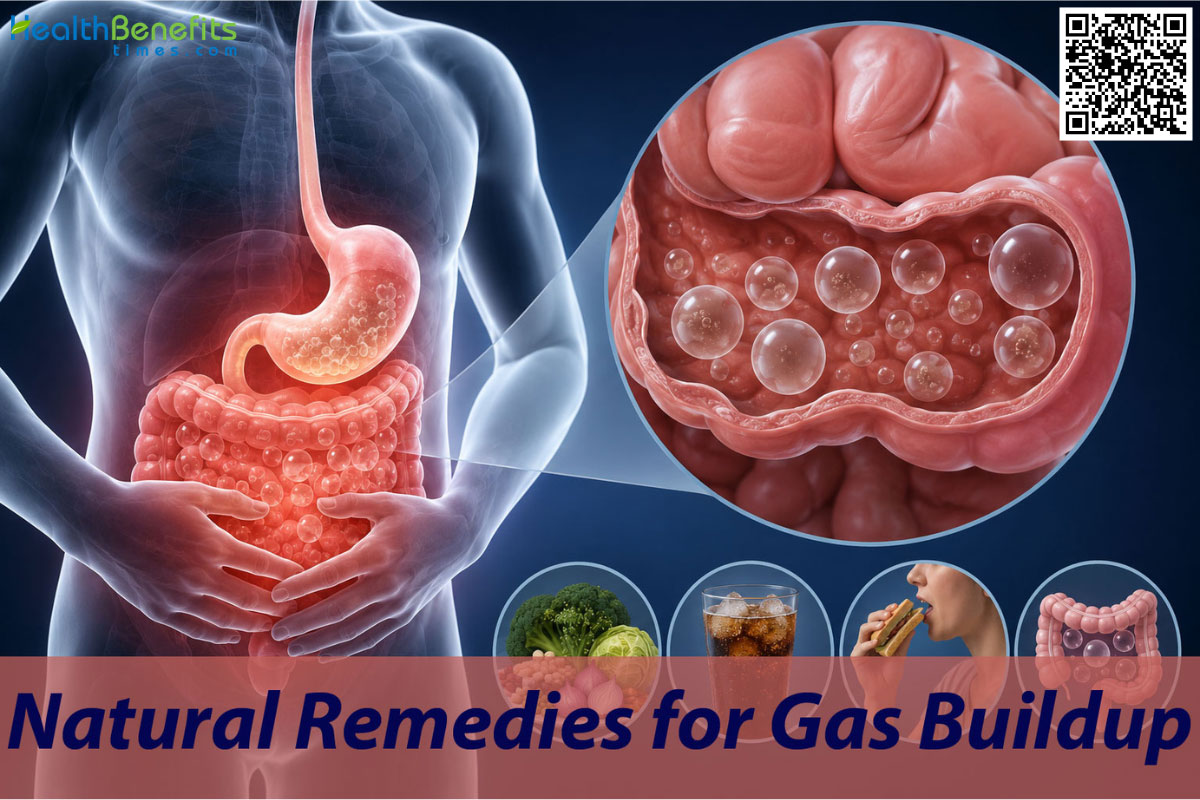
 What is Gas Buildup?
Understanding the human digestive system begins with recognizing that everybody produces gas as a completely normal part of daily life. The air and vapors that gather inside your digestive tract have no specific size or permanent shape, but they physically take up space and can create significant outward pressure. Most of this internal air is a combination of odorless vapors, including carbon dioxide, oxygen, nitrogen, hydrogen, and sometimes methane. When these vapors accumulate faster than the body can expel them, a person experiences what is commonly known as gas buildup.
Every single day, normal physiological processes generate roughly one to four pints of this gaseous mixture within the stomach and intestines. The body is designed to manage this volume efficiently, typically eliminating the excess by burping or passing it through the rectum about fourteen times a day. Problems only arise when the digestive transit slows down or when bacteria in the large intestine go into overdrive, producing a surplus of gas that stretches the intestinal walls. While this condition can be intensely uncomfortable and socially embarrassing, medical professionals reassure patients that it is very rarely a life-threatening emergency 1.
Deep inside the lower intestine, a massive community of microscopic bacteria works tirelessly to break down leftover food, releasing hydrogen and carbon dioxide as natural waste products. A tiny fraction of these bacteria also releases sulfur-containing compounds, which are entirely responsible for the occasional unpleasant odor associated with flatulence. When you feel a tight, stretched sensation in your belly, it simply means that this natural venting system has temporarily fallen behind schedule, allowing harmless but pesky air pockets to become physically trapped inside the winding loops of your bowel 2.
Causes of Gas Buildup
1. Swallowing Excess Air (Aerophagia)
It might seem surprising, but the simple act of breathing and eating is one of the primary reasons your stomach fills with air. Whenever a person eats a meal rapidly, drinks through a plastic straw, or continuously chews gum, they unconsciously force small pockets of atmospheric oxygen and nitrogen down their esophagus. Smoking cigarettes and wearing loose-fitting dentures also force individuals to swallow significantly more air than usual. If this incoming air is not promptly released through a natural burp, it travels deeper into the small and large intestines, contributing heavily to a sensation of trapped internal pressure 3.
2. Bacterial Fermentation of Undigested Food
The human digestive tract is wonderfully complex, yet it completely lacks the specific natural enzymes required to break down certain types of complex carbohydrates and dietary fibers. When foods containing these stubborn compounds bypass the stomach and reach the large intestine intact, they are immediately greeted by millions of hungry, harmless bacteria. These microbes rapidly feast on the undigested food in a process called fermentation. As the bacteria digest the food fragments, they release massive amounts of hydrogen and carbon dioxide gases as a natural byproduct, rapidly inflating the lower bowel like a balloon.
3. Consumption of Difficult Sugars
Your daily diet plays an overwhelming role in exactly how much vapor your intestinal bacteria will generate on any given day. Natural sugars such as raffinose (found heavily in beans, broccoli, and cabbage) and fructose (present in onions, artichokes, and pears) are notoriously difficult for the human stomach to process efficiently. Furthermore, artificial sweeteners and sugar substitutes like sorbitol, which are heavily utilized in modern diet products and sugar-free candies, actively resist absorption in the upper digestive tract. Because these specific sugars arrive in the colon entirely undigested, they provide a massive, immediate feast for gas-producing bacteria 4.
4. Underlying Medical Conditions
Sometimes, an ongoing accumulation of intestinal vapor points to a chronic medical issue affecting how the entire digestive plumbing functions. Conditions such as Irritable Bowel Syndrome (IBS) and celiac disease actively alter the speed, sensitivity, and efficiency of digestion, allowing normal amounts of gas to feel incredibly painful. Small bowel bacterial overgrowth a condition where bacteria from the colon migrate upward into the small intestine can cause food to ferment prematurely, leading to severe and persistent bloating. Additionally, chronic constipation creates a literal physical roadblock of hardened stool, making it nearly impossible for natural gases to exit the body efficiently 5.
5. Side Effects of Medications
Modern pharmaceuticals, while incredibly helpful for treating diseases, can sometimes disrupt the delicate natural balance of the gastrointestinal tract. Certain non-steroidal anti-inflammatory drugs (NSAIDs) like ibuprofen, cholesterol-lowering statins, antifungal medicines, and specific types of laxatives are clinically known to alter bowel motility or shift the balance of gut flora. When the digestive tract is slowed down or chemically irritated by these medications, gas is produced in higher quantities and trapped for longer durations. Additionally, high-fiber dietary supplements can inadvertently provide excess raw material for bacterial fermentation, causing a sudden spike in daily flatulence 6.
Symptoms of Gas Buildup
1. Belching and Burping
This represents the body’s most direct and immediate method of expelling excess air that has recently gathered in the upper digestive tract, specifically the stomach, before it has a chance to migrate deeper into the bowels 2.
2. Bloating and Distension
A highly uncomfortable sensation where the entire abdomen feels tight, full, and physically stretched, which is often accompanied by a visible, measurable increase in the size of the belly over the course of the day 3.
3. Flatulence (Passing Gas)
The completely natural release of fermented bacterial vapors and traveled air from the lower digestive tract out through the rectum, which may sometimes carry an unpleasant scent if the bacteria have produced trace sulfur compounds 5.
4. Abdominal Pain and Discomfort
Sharp, jabbing pains or dull, migrating aches that can travel around the abdomen; when trapped on the upper left side, this pain can mistakenly mimic heart issues, while pain on the lower right is sometimes confused with appendicitis.
5. Rumbling and Gurgling Noises
Medically referred to as borborygmi, these loud, audible sounds occur as the muscular walls of the intestines continuously squeeze and push combinations of fluid and trapped gas through the narrow digestive plumbing.
Gas Buildup Facts
| Features | Details |
| Symptoms |
|
| Causes
|
|
| Types of Gas Buildup
|
|
| How does spread |
|
| Age Group
|
|
| You might be at a higher risk for exposure to this condition if you: |
|
| How doctors diagnose |
|
| Other facts |
|
Natural Remedies for Gas Buildup
1. Peppermint Oil and Tea
Botanical remedies have been utilized for centuries to soothe an upset digestive system, and modern clinical science has finally revealed exactly how the peppermint plant achieves this. The primary active compound found within peppermint leaves is known as menthol, which acts as a highly potent smooth muscle relaxant within the human body. When menthol reaches the digestive tract, it effectively blocks calcium from entering the muscle cells of the intestinal walls. Because calcium is necessary for muscles to contract, blocking it stops the uncomfortable, painful spasms and cramping that trap gas bubbles in place 9.
Furthermore, menthol actively interacts with specific sensory nerve receptors scattered throughout the lining of the gut. By stimulating these specific cooling receptors, peppermint essentially turns down the neurological dial on visceral pain and physical sensitivity. This means that even if a small amount of gas remains in the intestines, the brain perceives it as far less painful and significantly less bothersome. Clinical trials have widely supported the use of enteric-coated peppermint capsules for conditions like irritable bowel syndrome because the special coating ensures the medicine safely bypasses stomach acid to deliver the soothing menthol directly to the lower intestines where gas cramps are most severe.
Note: You can slowly sip a warm, freshly brewed cup of peppermint tea after heavy meals to calm your stomach, or take specially coated peppermint oil capsules approximately 30 to 60 minutes before eating to help your digestive muscles relax.
2. Ginger Root Extracts
Spicy and warming, ginger is a powerful botanical root that is universally regarded for its remarkable ability to accelerate and streamline the entire digestive process. The bioactive compounds hidden within the fibrous root, specifically gingerols and shogaols, interact directly with important serotonin receptors located all along the human gastrointestinal tract. By gently stimulating these specific chemical gateways, ginger acts as a highly effective prokinetic agent. This simply means it naturally encourages the stomach to contract efficiently and empty its food contents into the small intestine much faster than it normally would 10.
When food moves swiftly and smoothly through the upper digestive tract, it spends significantly less time stagnating, warming, and fermenting in the stomach. This rapid transit dramatically cuts down on the total volume of gas that can be produced. Beyond just speeding things up, ginger also provides potent antioxidant and anti-inflammatory benefits that soothe the delicate lining of the stomach, effectively reducing feelings of nausea, extreme fullness, and upper abdominal bloating that often follow a large, heavy meal.
Note: You can easily incorporate freshly grated ginger into your daily cooking, steep sliced ginger in hot water for a soothing beverage, or take standardized ginger root extract capsules before your main meals to promote faster, smoother digestion.
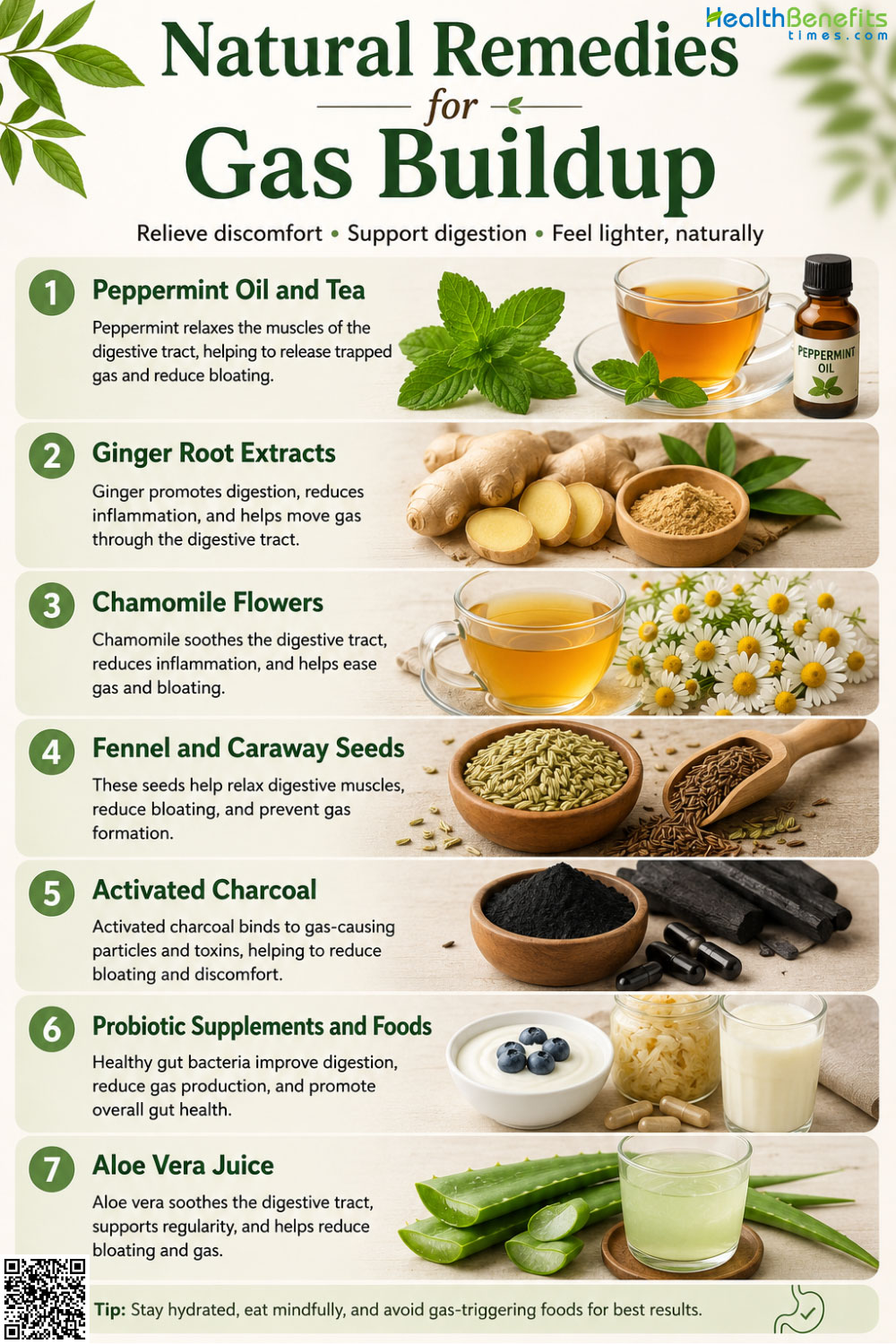
3. Chamomile Flowers
Famous worldwide for its calming, sedative properties as a pre-bedtime beverage, chamomile also offers profound, scientifically backed benefits for a highly distressed digestive system. This incredibly gentle, daisy-like flower possesses natural antispasmodic and anti-inflammatory properties that help relax the muscular walls of the intestines. When the smooth muscles of the gut are relaxed rather than clenched, trapped gas bubbles can move freely and silently through the digestive plumbing, rather than painfully stretching a localized segment of the bowel 11.
Additionally, the protective compounds within chamomile extracts have been shown to help dispel trapped gas, soothe general feelings of indigestion, and calm a nervous stomach. Research has even indicated that chamomile can help protect against the development of gastric ulcers by reducing stomach acid and actively fighting against harmful strains of bacteria that contribute to long-term bloating and chronic digestive irritation. It acts as an overall soothing balm for an overworked, gas-filled gastrointestinal tract.
Note: You can brew a handful of dried chamomile flowers into a mild, warm tea and drink it slowly in the evening, using the warmth to relax both your stressed nervous system and your tight digestive muscles.
4. Fennel and Caraway Seeds
Culinary herbs often hide potent medicinal properties, and fennel and caraway seeds are closely related botanicals that share a very long, documented history of use as carminatives. A carminative is a specific type of medicinal substance known to prevent the actual formation of gas and actively assist in its swift expulsion from the body. These tiny seeds contain highly concentrated essential oils such as anethole and fenchone that specifically target and relax the smooth muscle lining of the entire digestive tract 12.
Because of their incredibly gentle yet highly reliable relaxing action, they are frequently utilized in traditional herbal medicine to treat functional dyspepsia, nervous stomach aches, intestinal cramps, and the deeply uncomfortable fullness that inevitably follows a heavy, rich meal. By easing the physical tension that traps wind inside the winding loops of the intestines, fennel and caraway allow the gut to gently contract and naturally push the built-up air down toward the rectum without causing sudden, sharp pains.
Note: You can slowly chew a small pinch of raw fennel or caraway seeds directly after a large meal, or crush them slightly and steep them in boiling water to create a highly potent, gas-relieving digestive tonic.
5. Activated Charcoal
Emergency rooms have utilized activated charcoal for decades to treat poisoning, but it is also a highly unique, fascinating remedy for severe intestinal gas. It is created by super-heating ordinary carbon materials until they rapidly expand and develop a highly porous, microscopic surface area. These millions of tiny, invisible pores act almost like a molecular sponge as they travel harmlessly through the human digestive tract. Instead of being absorbed into the bloodstream, the charcoal actively traps, binds, and holds onto loose gas molecules before they can expand and cause physical bloating 13.
Clinical trials have successfully demonstrated that taking activated charcoal can significantly reduce the amount of hydrogen breath levels and decrease the total number of uncomfortable flatus events following a heavy, gas-producing meal. Because the human body completely ignores the charcoal, it simply carries the trapped gas and bacterial toxins safely out of the biological system through natural, everyday bowel movements. It is an entirely physical mechanism of action, acting as an internal sweeper for excess digestive vapors.
Note: You can take activated charcoal tablets with a very large glass of water shortly before and after eating a meal known to cause gas, ensuring it catches the vapors as they form in your gut.
6. Probiotic Supplements and Foods
Sometimes, the true underlying cause of chronic daily gas is a microscopic imbalance in the incredibly diverse ecosystem of the gut. Probiotics are live, highly beneficial bacteria most notably including various strains of Bifidobacterium and Lactobacillus that actively help restore bacterial order to a chaotic digestive tract. By introducing these friendly microbes back into your system, you provide your body with the biological support it needs to break down complex food particles much more efficiently 14.
When food is broken down properly and rapidly, there are significantly fewer undigested carbohydrates left sitting in the colon for harmful, gas-producing bacteria to ferment. Over time, regular, daily intake of targeted probiotic strains has been clinically proven to significantly reduce the overall severity of abdominal bloating, improve stool consistency, and enhance the overall functional health of the bowel. They essentially crowd out the bad bacteria that produce excess gas, replacing them with harmonious bacteria that produce beneficial nutrients.
Note: You can consume these helpful probiotics daily through naturally fermented foods like unpasteurized yogurt, kefir, and sauerkraut, or take a high-quality, multi-strain probiotic supplement to establish a much healthier, less gassy gut environment.
7. Aloe Vera Juice
Tropical sunburns are instantly soothed by aloe vera, but the pure, unadulterated liquid extracted directly from the inner leaf is equally calming to a highly irritated, inflamed internal digestive tract. Aloe vera contains very powerful natural anti-inflammatory properties that help visibly reduce the microscopic swelling and irritation of the delicate intestinal lining. When the gut is inflamed, it struggles to move food efficiently, leading to stagnation, extreme bacterial fermentation, and the inevitable buildup of painful gas 15.
Additionally, scientific research indicates that high-quality aloe vera juice provides mild prebiotic effects. This means the specific complex carbohydrates found within the plant help feed and nourish the pre-existing good bacteria in your gut. By encouraging a much healthier, robust microbiome, aloe vera helps ensure that your body produces significantly less excessive gas during the daily digestive process. It acts as a cooling, healing wash for the entire length of the gastrointestinal highway.
Note: You can drink 1 to 2 tablespoons of a pure, food-grade aloe vera liquid formulation daily, either alone or mixed into a glass of plain water, to gently support your digestive function and lower internal swelling.
Is there any exercise or physical activities for Gas Buildup?
1. Gentle Post-Meal Walking
Simply sitting on the couch after dinner might feel deeply relaxing, but when you physically move your body, you inherently encourage your sluggish digestive system to move as well. Mild, upright physical activity, such as taking a brisk neighborhood walk, has been scientifically proven to significantly enhance intestinal gas clearance and reduce the total volume of trapped air in both healthy individuals and those suffering from chronic digestive disorders 16.
The mechanical action of walking provides biomechanical oscillations a series of gentle, rhythmic bouncing and swaying motions that physically massage the internal organs. This light movement effectively stimulates local neurological reflexes and wakes up the systemic autonomic nervous system. Consequently, it naturally accelerates the rate at which the stomach empties its heavy contents and helps rhythmically propel trapped gas bubbles forward through the convoluted, winding loops of the human intestinal tract.
Note: You should aim to take a gentle, comfortably paced 15 to 20-minute walk immediately following a large meal to prevent food from sitting stagnant and to help trapped gas move effortlessly through your system.

2. Knees-to-Chest Pose (Wind-Relieving Pose)
Ancient yoga practitioners have long recognized the profound mechanical benefits of certain physical postures on human digestion, generously giving this specific, easy-to-perform pose the incredibly appropriate nickname of the “wind-relieving” pose. By folding the legs tightly against the torso, a person applies gentle, highly targeted physical pressure directly to the lower abdominal cavity. This specific physical compression literally squeezes the ascending and descending intestines like a sponge 17.
The manual squeezing action forces stubborn, trapped gas bubbles to move steadily down toward the rectum for a natural release, while simultaneously stretching out the tight muscles of the lower back. Because you are lying flat on the floor while performing this stretch, the body is completely relaxed, which prevents the abdominal wall from tensing up and fighting against the movement of the gas. It is a highly effective, purely mechanical way to assist a struggling digestive tract.
Note: You should lie completely flat on your back on a soft mat, slowly bend your knees, pull them close to your chest with your arms, and hold the position while taking deep, relaxing breaths for about one full minute.
3. Bridge Pose
Modern life forces most people to sit hunched forward over desks for hours, which compresses the internal organs; this inverted yoga posture acts as a brilliant, expansive counterbalance. By lifting the pelvis and hips high toward the ceiling, the Bridge Pose completely alters the standard downward gravitational pull on the heavily clustered digestive organs. This simple shifting of internal body weight helps release deep-seated, chronic muscle tension hidden within the abdominal wall.
Furthermore, stretching the torso so deeply allows stubborn gas bubbles that may be tightly trapped in the upper curves of the colon specifically the hepatic and splenic flexures just under the ribs—to finally shift position and find an unobstructed exit pathway. It opens the entire front line of the body, giving the compressed intestines the vital physical space they require to untwist, expand, and naturally process built-up air.
Note: You should lie on your back with your knees bent and feet flat on the floor, press your arms firmly down, and lift your hips high toward the ceiling, holding for five deep breaths before slowly lowering back down.
4. Deep Squatting
Bathrooms equipped with modern, elevated chairs have unfortunately hindered our natural, evolutionary digestive mechanics. Squatting aligns the entire digestive tract into a perfectly straight, ergonomic downward angle. Crucially, it fully relaxes the puborectalis muscle, which is a specific sling of muscle that typically chokes off the rectum at an angle to maintain daily continence.
Sinking deeply into a flat-footed squat utilizes the powerful force of gravity and opens the pelvic floor completely. This simple anatomical realignment makes it significantly easier to pass gas that has successfully migrated to the lower colon but currently feels physically stuck or impossible to expel. Squatting essentially removes the final kink in the digestive hose, allowing air and waste to leave the body with zero straining or forced effort.
Note: You should stand safely with your feet shoulder-width apart, keep your back flat, and slowly lower your hips backward and down as far as comfortably possible, holding the deep posture to let gravity assist your digestion.
5. Abdominal Massage
Deliberate, manual manipulation of the outer abdomen can serve as a fantastic physical catalyst for a sluggish, gas-filled bowel. Clinical research indicates that systematic abdominal massage effectively relaxes the tight stomach muscles, relieves sudden gas cramps, and noticeably speeds up the overall transit time of stool and gas moving slowly through the intestines 18.
By carefully tracing the natural, biological pathway of the large intestine—sliding hands up the right side of the belly, across the top just under the ribs, and firmly down the left side—a person can act like a physical guide for their own digestive system. This specific massage technique, often referred to as effleurage, works by physically pushing trapped air toward the rectal exit, much like a person methodically squeezing a stubborn bit of toothpaste out from the very bottom of a tube 19.
Note: You should lie comfortably on your back, warm a little massage oil in the palms of your hands, and use firm but gentle strokes in a clockwise direction over your bare belly for ten to twenty minutes to actively release trapped wind.
Foods and Activities to Avoid When You suffer from Gas Buildup
1. Cruciferous Vegetables and Legumes
You should significantly reduce your daily intake of beans, lentils, broccoli, cabbage, cauliflower, and Brussels sprouts. These foods are incredibly dense in complex carbohydrates and specific sugars like raffinose, which your stomach completely lacks the enzymes to break down, leaving them to be heavily fermented by bacteria in the lower gut 20.
2. Carbonated Beverages and Beer
You should actively avoid drinking fizzy sodas, sparkling waters, and heavily carbonated beer. The refreshing fizz in these drinks is quite literally dissolved carbon dioxide gas; when you swallow it, it accumulates directly in your stomach cavity, rapidly expanding and causing immediate, highly uncomfortable upper abdominal bloating and repetitive belching.

3. Sugar Substitutes and Artificial Sweeteners
You should carefully check food labels for sugar alcohols like sorbitol, mannitol, and xylitol, which are incredibly common in sugar-free candies, gums, and commercial slimming products. These artificial compounds are very poorly absorbed by the human body and actively draw excess water into the bowel while rapidly fermenting, creating a massive influx of excess gas.
4. Dairy Products (If Intolerant)
You should closely monitor your body’s specific reaction to consuming milk, cheese, and ice cream. If your digestive tract lacks the vital enzyme known as lactase, it cannot properly process the natural lactose sugar found in dairy; this undigested lactose passes straight to the colon, where bacteria feast on it, producing severe gas, visible bloating, and often explosive diarrhea.
5. Rushed Eating and Swallowing Air
You should avoid eating your meals too quickly, talking enthusiastically with your mouth full, or eating while feeling highly stressed. Gulping down food without proper chewing forces you to swallow large pockets of atmospheric air right alongside your meal, which becomes physically trapped in the digestive tract and creates immediate pressure.
6. Using Straws and Chewing Gum
You should stop drinking your daily beverages through plastic straws and completely cease chewing gum. The continuous mechanical sucking motion of a straw and the constant, repetitive swallowing associated with chewing gum act exactly like an air pump, continuously feeding small amounts of unnecessary oxygen and nitrogen directly down your esophagus.
7. Wearing Tight Clothing
You should avoid wearing extremely tight belts, restrictive waistbands, or highly compressive undergarments around your midsection. Intense external pressure physically squeezes the abdomen, making it highly difficult for the delicate intestines to contract normally, which prevents gas from moving smoothly and silently through the biological system.
8. Slouching After Meals
You should completely resist the common urge to slump down on the couch or lie down entirely flat immediately after consuming a large dinner. Slouching physically compresses the stomach cavity and greatly hinders the natural downward movement of digestion, trapping gas tightly in the upper abdomen and frequently leading to severe acid reflux alongside bloating.
Myths and Misconceptions
| Myth | Reality |
| All bloating has the exact same underlying cause. 21 | The deeply uncomfortable sensation of bloating varies wildly from person to person; it can be caused by unconsciously swallowing air, intense bacterial fermentation, hidden food intolerances, or even altered nerve reflexes in the gut wall. There is no single universal trigger for everyone. |
| Bloating and gas are just excess belly fat appearing suddenly. | Intestinal gas is simply trapped vapor that causes a temporary, highly physical distension of the abdomen. Belly fat, on the other hand, is long-term stored energy. If your stomach swelling appears quickly after meals and fully resolves by the next morning, it is entirely gas, not sudden fat accumulation. |
| Leaky gut syndrome is the primary cause of all gas and bloating. 22 | While heavily popularized in modern lifestyle media, “leaky gut syndrome” is not a formally accepted medical diagnosis. Blaming normal daily gas solely on a leaky gut can lead to unnecessary medical panic, highly restrictive diets, and the purchase of entirely unproven, expensive clinical treatments. |
| Holding in your gas is highly dangerous and will poison your body. | While aggressively holding in gas in a social setting can cause severe intestinal cramping, intense discomfort, and temporary abdominal pain, it is not actually toxic. The trapped gas will either eventually be released safely as flatulence or be reabsorbed very slowly into the bloodstream and exhaled harmlessly through the lungs. |
| You can permanently cure gas by eating specific magical “superfoods.” | Absolutely no single food or magical ingredient eliminates gas entirely. In fact, a healthy digestion process naturally produces some daily gas. Managing it properly requires a holistic approach of balancing gut bacteria, actively avoiding personal trigger foods, and adjusting daily eating habits. |
Special Considerations
1. Children
The pediatric digestive system is constantly growing and still maturing, making infants and young children particularly susceptible to sudden, sharp gas pains. While it is incredibly tempting for exhausted parents to reach for over-the-counter drugstore remedies, extreme caution must be exercised. Antacid medications containing aspirin should absolutely never be given to children or teenagers due to the incredibly high risk of Reye syndrome, a very rare but deeply life-threatening illness. For colicky infants, gripe water a highly popular, old-fashioned herbal supplement is not strictly regulated as a drug by health authorities and has occasionally faced recalls due to dangerous bacterial contamination or unsafe, hidden ingredients 23. Instead, modern pediatricians strongly suggest gentle, non-pharmacological interventions like keeping a detailed food diary, ensuring older children do not drink from straws, and using mild, doctor-approved simethicone drops that simply break up large gas bubbles without ever entering the baby’s delicate bloodstream.
2. Pregnancy
During the beautiful but taxing journey of pregnancy, the female body naturally produces highly elevated levels of the hormone progesterone, which purposefully relaxes smooth muscle tissues to safely accommodate the rapidly growing baby. Unfortunately, this necessary hormone also completely relaxes the crucial muscles of the mother’s intestines, significantly slowing down overall digestion and causing eaten food to ferment much longer than usual, leading to immense, daily gas. While classic herbal teas like peppermint, ginger, and chamomile are generally considered safe and are highly effective for reducing morning nausea and flatulence during pregnancy, strict moderation is absolutely key. Pregnant women should actively avoid consuming excessive, medicinal-level doses of raw herbs, as highly concentrated botanical extracts can theoretically cross the placenta, stimulate premature contractions in the uterus, or severely interfere with vital nutrient absorption 24.
3. Chronic conditions
For individuals constantly managing chronic, painful gastrointestinal disorders such as Irritable Bowel Syndrome (IBS) or Celiac disease, standard over-the-counter natural remedies may simply not be sufficient. In these complex medical cases, excessive gas is very often a secondary symptom of a highly reactive, confused immune system or an abnormally hypersensitive gut lining. Management of this extreme gas requires a highly tailored, clinical approach, very often involving a strict dietary elimination phase, such as the low-FODMAP diet. This scientific diet systematically removes specific fermentable sugars from the daily meal plan to completely calm the irritated intestines 25. Those diagnosed with celiac disease must maintain absolute, lifelong vigilance against consuming gluten, as even microscopic trace amounts immediately damage the delicate intestinal lining, instantly halting normal digestion and creating massive, painful gas buildup.
4. Elderly
As the human body ages, the natural, rhythmic motility of the digestive tract tends to slowly degrade and slow down, making chronic constipation and deeply trapped gas a much more frequent, frustrating daily complaint. Elderly individuals are also much more likely to suffer from significantly reduced stomach acid production, which hinders initial digestion, and they may be prescribed multiple daily medications (a situation known as polypharmacy) that inadvertently dry out the bowel or chemically slow down peristalsis. For the aging population, relying solely on highly praised high-fiber diets can sometimes severely worsen the gas issue if it is not heavily accompanied by adequate, constant water hydration. Gentle, highly accessible physical therapies, such as regular abdominal massage and daily, light walking, are highly effective, very low-risk strategies to keep the aging, sensitive digestive system moving comfortably and reliably 26.
Precaution before use of natural remedies when you have Gas Buildup
1. You should separate activated charcoal strictly from your daily medications
You must never take activated charcoal at the exact same time as your vital prescription drugs or important daily vitamins. Because the charcoal is highly porous and binds to chemicals, it will actively trap and absorb your medication before your body can use it; always leave a strict two-hour window between taking charcoal and swallowing other pills.
2. You should consult with your physician regarding hidden medication interactions
You must speak directly to a doctor or clinical pharmacist before starting any daily herbal regimens. Natural herbs like highly concentrated ginger extracts can easily interact with blood-thinning medications or acid-reducing drugs, unpredictably altering how your critical prescriptions function inside your body 27.
3. You should verify the ultimate purity of your chosen supplements
You must constantly remember that government agencies do not strictly test or regulate natural dietary supplements and herbs in the exact same rigorous way they regulate chemical prescription drugs. Ensure you only purchase remedies like peppermint oil or probiotics from highly reputable, third-party tested brands to actively avoid heavy metal contaminants or mislabeled ingredients.
4. You should be highly cautious during pregnancy and while breastfeeding
You should always inform your obstetrician or midwife about any herbal teas, drops, or extracts you are currently using. While a mild, watery cup of ginger or peppermint tea is generally safe, consuming highly concentrated, unregulated herbal capsules can carry completely hidden, unstudied risks for both maternal and fetal health 28.
5. You should not ignore the serious underlying causes of your discomfort
You should happily use natural remedies to find fast, temporary relief from a swollen belly, but be incredibly careful not to use them as a permanent daily crutch to blindly mask the severe symptoms of a serious, underlying food intolerance, ulcer, or inflammatory gastrointestinal disease.
When to see Doctor
- When symptoms begin heavily affecting your daily quality of life: You should absolutely seek professional medical advice if your flatulence or extreme bloating is causing you severe emotional embarrassment, actively preventing you from socializing with friends, or forcing you to miss important days of work 20.
- When the sharp pain and extreme bloating simply will not go away: You should immediately contact a physician if your stomach ache or visible abdominal distension is constant, stubbornly refuses to resolve with simple lifestyle changes, or keeps returning predictably after every single meal.
- When you experience sudden, chronic bowel changes: You should definitely make an appointment if your daily gas is now accompanied by ongoing, highly uncomfortable alternating bouts of severe diarrhea and hard constipation, which may indicate IBS or another highly inflammatory bowel condition.
- When you notice completely unexplained, rapid weight loss: You should see a medical doctor immediately if you are quickly dropping pounds without actively trying to diet or exercise, as this strongly suggests your damaged digestive body is failing to properly absorb vital nutrients from your food.
- When there is bright red or dark, tarry blood in your stool: You must treat any visible blood in the toilet bowl or wiped onto your toilet tissue as an incredibly serious red flag that requires highly prompt professional evaluation, as internal bleeding is never a symptom of simple gas buildup 6.
- When you suddenly develop signs of a severe systemic infection: You should seek urgent, immediate emergency care if your gas and bloating are suddenly accompanied by a dangerously high temperature, violent vomiting, uncontrollable chills, severe muscle aches, or sudden, unexplainable joint pain.