

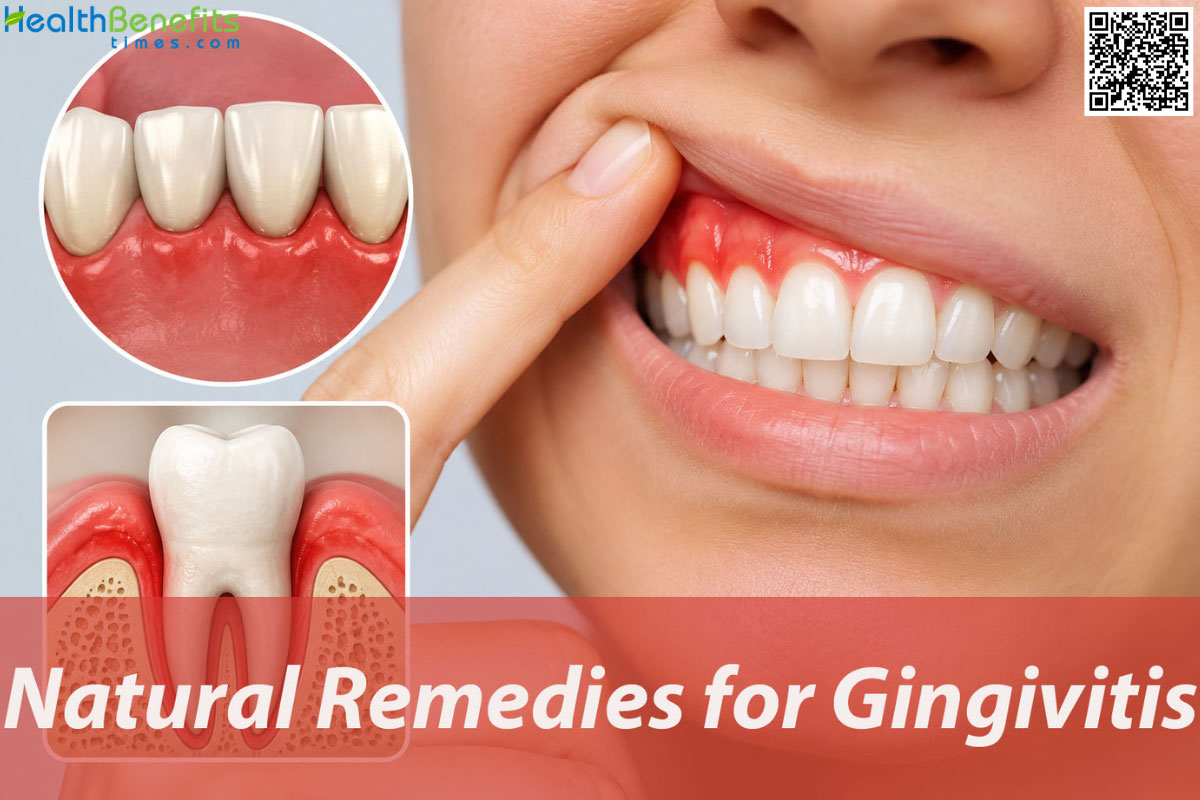
Gingivitis represents the earliest, mildest, and most common form of periodontal disease, characterized fundamentally by the inflammation of the gingival tissues that surround and support the teeth 1. Arising almost exclusively as a host immune response to the accumulation of a microbial biofilm commonly known as dental plaque along the gingival margin, this condition remains strictly confined to the supracrestal soft tissues 2. Healthy gums are designed to form a protective, tight seal around the cervical neck of each tooth, but as plaque bacteria multiply, they release metabolic toxins that provoke localized swelling, redness, and a heightened tendency to bleed upon minor mechanical provocation 3. Because this specific inflammatory lesion does not involve the irreversible destruction of the underlying alveolar bone or the loss of connective tissue attachment, the condition is completely reversible with the timely reinstatement of meticulous oral hygiene and professional dental intervention 4. Failure to manage this localized inflammation, however, permits the microbial challenge to migrate beneath the gumline, ultimately facilitating the progression into periodontitis, which is a severe and destructive condition leading to eventual tooth loss 5.
Causes of Gingivitis
Understanding the precise etiology of gum inflammation is essential for both prevention and targeted treatment, as the disease stems from a combination of local microbial factors and systemic vulnerabilities.
1. Plaque Accumulation
The most frequent and primary driver of gingival inflammation is the continuous buildup of bacterial plaque due to inadequate oral hygiene. When daily brushing and flossing are neglected, the sticky microbial film thrives on fermentable carbohydrates, rapidly organizing into a complex matrix that adheres stubbornly to the tooth enamel. These organized bacterial colonies produce localized toxins that continuously assault the epithelial lining of the gums, triggering the body’s immune system to flood the area with inflammatory cells, which subsequently causes the visible swelling and redness characteristic of the disease.
2. Nutritional Deficiencies
Systemic health directly dictates the structural resilience of oral tissues, making dietary intake a critical factor in periodontal health. A severe deficiency in essential micronutrients, most notably Vitamin C, impairs the body’s ability to synthesize collagen, rendering the delicate capillary walls within the gums abnormally fragile and highly susceptible to rupture and bleeding. Furthermore, modern diets heavily skewed toward refined carbohydrates and saturated fats generate a generalized pro-inflammatory state within the body, reducing the host’s natural resistance to opportunistic oral bacteria.
3. Hormonal Fluctuations
Significant shifts in circulating endocrine hormones can dramatically alter the physiological landscape of the mouth. During distinct life phases such as puberty, menstruation, pregnancy, and menopause, elevated levels of estrogen and progesterone induce a pronounced dilation of the gingival blood vessels. This localized vascular engorgement increases tissue permeability, causing the gums to become exaggeratedly responsive to even microscopic amounts of bacterial plaque that would typically be tolerated by the immune system without incident.
4. Medication Side Effects
Various pharmacological treatments exert unintended, adverse effects on the periodontal tissues. Specific classes of prescription drugs, including calcium channel blockers for hypertension, anticonvulsants for seizure management, and immunosuppressants utilized following organ transplantation, frequently induce a condition known as gingival hyperplasia, wherein the gum tissue physically overgrows and creates deep pockets that trap plaque. Additionally, countless over-the-counter and prescription medications disrupt normal salivary gland function, resulting in a chronically dry mouth that strips the oral cavity of saliva’s natural antibacterial buffering capacity.
5. Tobacco Use
The consumption of tobacco products, whether combustible or smokeless, heavily compromises the oral cavity’s local immune defenses. Smoking actively paralyzes the immune cells responsible for neutralizing periodontal bacteria while simultaneously restricting peripheral blood flow through the gingival capillaries. This chemically induced vasoconstriction not only starves the tissues of essential oxygen and nutrients necessary for cellular repair but also deceptively masks the early warning signs of gingivitis, such as bleeding, allowing the disease to advance silently and aggressively 6.
Symptoms of Gingivitis
- Gums that display a dusky red or dark purple hue, deviating from their natural pale coral pink appearance.
- Noticeable swelling, puffiness, or enlargement of the gingival margins tightly adapting to the tooth base.
- Spontaneous or easily induced bleeding during routine tooth brushing, flossing, or mastication of hard foods.
- A shiny, stretched appearance across the surface of the gum tissue, indicating the presence of localized inflammatory edema.
- Mild to moderate tenderness or discomfort when the gingiva is palpated or professionally probed.
- Persistent halitosis (bad breath) and a chronic sour or metallic taste in the mouth resulting from bacterial waste.
- Slight gingival recession that exposes more of the tooth crown, making the teeth appear subtly elongated.
- Increased sensitivity to thermal changes, particularly cold, at the newly exposed cervical margins of the teeth.
Gingivitis Facts Table
| Category | Details |
| Symptoms |
|
| Causes |
|
| Types of Gingivitis |
|
| How it spreads |
|
| Age Group |
|
| You might be at a higher risk if you: |
|
| How doctors diagnose |
|
| Other facts |
|
Natural Remedies for Gingivitis
Exploring botanical and naturally derived treatments provides a complementary, highly effective approach to standard mechanical oral hygiene. Many plant extracts operate through potent antioxidant phytochemicals that neutralize oxidative stress within the inflamed periodontal tissues, accelerating the return to a healthy clinical baseline.
1. Aloe Vera (Aloe barbadensis miller)
Historically utilized for its profound soothing dermatological benefits, Aloe vera demonstrates exceptional protective effects on the cellular viability of the periodontal ligament. The translucent gel extracted from the inner leaf contains a highly complex matrix of water-soluble vitamins, minerals, organic acids, and anti-inflammatory simple and complex polysaccharides. By actively deactivating specific pain-inducing enzymes like bradykinin through the action of carboxypeptidase, Aloe vera acts as an antiseptic that actively controls localized inflammation and noticeably decreases the severity of gum bleeding over time 7. Clinical applications indicate that its efficacy in reducing both the gingival index and the sulcus bleeding index is highly comparable to traditional medicated mouthwashes, offering the distinct advantage of being entirely natural and devoid of harsh chemical aftertastes 8.
Note: You should apply a small amount of 100% pure, food-grade Aloe vera gel directly to your inflamed gums, massaging it gently with a clean finger for two minutes, or utilize an Aloe-based mouthrinse twice daily after your regular brushing routine.
2. Turmeric (Curcuma longa)
Revered extensively in traditional Ayurvedic medicine as a systemic detoxifier, turmeric owes its immense therapeutic success to its primary active constituent, curcumin. This specific bioactive compound possesses formidable antioxidant, anti-inflammatory, and antimicrobial properties that rival synthetic pharmaceutical agents. When applied topically to the oral cavity, curcumin significantly suppresses the inflammatory biochemical pathways that lead to redness and interstitial swelling. Clinical evaluations demonstrate that turmeric extracts are highly effective at decreasing the papillary bleeding index and significantly reducing overall bacterial plaque scores without causing adverse reactions 9. Furthermore, it achieves these impressive results without inducing the dental dyschromia (tooth staining) or altered taste perception that is frequently associated with the prolonged use of prescription chemical rinses. 10
Note: You can create a soothing topical paste by mixing a pinch of organic turmeric powder with a few drops of clean water, applying it directly to your inflamed gums for ten minutes, and then thoroughly rinsing your mouth with warm water.
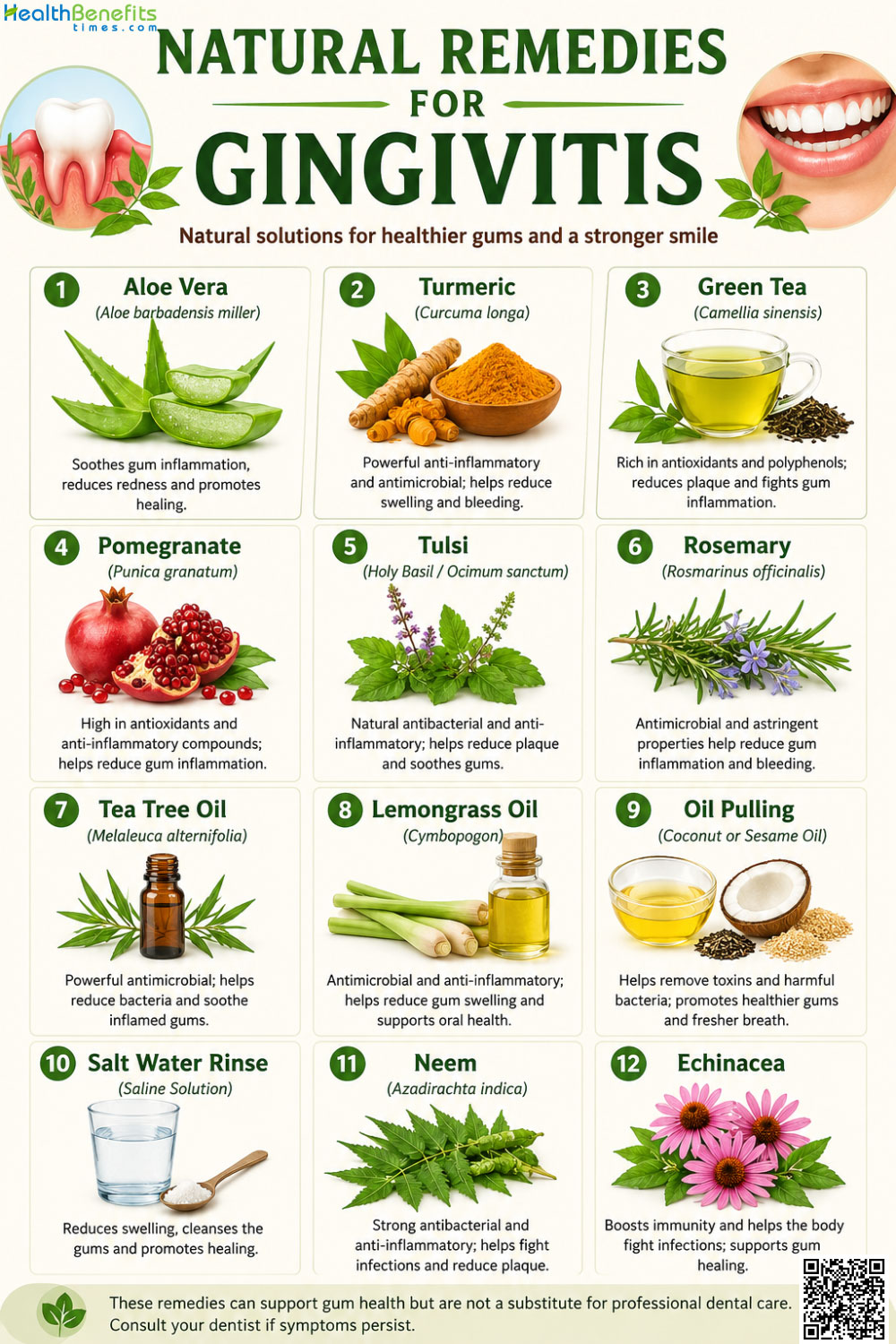
3. Green Tea (Camellia sinensis)
Beyond its widespread popularity as a daily beverage, green tea serves as a remarkably powerful adjunctive therapy for maintaining a healthy oral environment. The unfermented leaves are incredibly dense with thousands of bioactive compounds, with approximately one-third consisting of isopolyphenols, tannins, and flavonoids—most notably epigallocatechin gallate (EGCG). These specific compounds actively block the enzymatic actions of destructive anaerobic oral bacteria, thereby halting the progression of biofilm formation and preventing the bacteria from adhering to the tooth enamel 11. Routine exposure to green tea extracts elevates the overall antioxidant capacity of the gingival crevicular fluid, essentially boosting the gums’ natural defense mechanisms against microbial toxins and facilitating a shift from moderate to mild inflammation 12. The natural astringency of the tea also tightens the mucosal tissues, physically reducing the microscopic spaces where bacteria can hide.
Note: You should brew a strong cup of plain, unsweetened green tea, allow it to cool completely, and swish it around your mouth as a daily rinse, or simply choose a commercial toothpaste formulated with genuine green tea extract.
4. Pomegranate (Punica granatum)
Widely recognized for its dense nutritional profile, the pomegranate offers exceptional astringent and anti-hemorrhagic properties specifically beneficial for dental health. The bioactive compounds within the fruit’s rind and aril extracts actively promote localized collagen synthesis, which is an absolute necessity for the rapid repair and regeneration of damaged gum connective tissues. By reducing the overall proliferation of local bacteria and actively suppressing the salivary enzymes directly linked to soft tissue destruction, pomegranate extract effectively diminishes persistent gum bleeding 13. Its clinical performance is highly comparable to established herbal protocols, positioning it as a safe, soothing, alcohol-free alternative for managing chronic gingival redness and swelling 7.
Note: You can easily utilize a commercial mouthwash featuring a 5% pomegranate extract formulation, rinsing with it once in the morning and once at night to calm easily bleeding gums and support tissue repair.
5. Tulsi (Holy Basil / Ocimum sanctum)
Deeply embedded in holistic Indian medical traditions, Tulsi acts as a remarkable, systemic immunomodulator. The extracts drawn from its leaves naturally boost the local production of T-helper cells, natural killer cells, and essential interleukin-4, fundamentally enhancing the host’s immune response to opportunistic oral infections 14. Beyond immune support, Tulsi possesses distinct, aggressive antibacterial characteristics that specifically target the microbial strains responsible for early-stage periodontitis. The topical application of Tulsi has proven remarkably useful in the management of experimental gingivitis, rivaling the clinical outcomes of standard, gold-standard chemical agents in reducing plaque parameters 7.
Note: You may gently massage a commercially prepared 2% Tulsi herbal gel directly into your gum line after your evening brushing routine, allowing the natural immunomodulating compounds to absorb deeply overnight.
6. Rosemary (Rosmarinus officinalis)
Often utilized as a fragrant culinary herb, rosemary contains highly active volatile oils such as carnosic acid, rosemaric acid, borneol, and 1,8-cineole that contribute to profound antioxidative and antimicrobial effects. These essential constituents aggressively disrupt the cellular integrity of plaque-forming bacteria, rendering them incapable of colonization. Regular use of rosemary preparations directly decreases biofilm thickness and actively resolves clinical gingival bleeding, providing benefits on par with synthetic standards 14. While highly effective, the natural potency of its active essential oils necessitates careful dilution to prevent any localized irritation of the sensitive oral mucosa 12.
Note: To safely apply this remedy, use a toothpaste naturally formulated with rosemary extract, or dilute a single drop of essential rosemary oil into a tablespoon of a mild carrier oil, like coconut oil, before applying it to your gums.
7. Tea Tree Oil (Melaleuca alternifolia)
Native to the coastal regions of Australia, tea tree oil is a highly concentrated essential oil renowned globally for its broad-spectrum antimicrobial and antifungal capabilities. It easily penetrates the complex, sticky matrix of dental plaque, neutralizing harmful bacteria before they can release the tissue-destroying toxins that trigger the host inflammatory response. Clinical comparative analyses reveal that tea tree oil formulations provide significant, measurable improvements in the bleeding on probing index and overall plaque reduction 15. Notably, it accomplishes this reduction in microbial load without inducing the dark dental staining or unpleasant taste alterations that frequently accompany long-term use of synthetic prescription mouthwashes 16.
Note: You must never swallow tea tree oil; instead, add a single drop to a small cup of warm water and gently swish the solution in your mouth for thirty seconds before spitting it out entirely.
8. Lemongrass Oil (Cymbopogon)
Extracted from the fibrous stalks of the cymbopogon plant, lemongrass oil offers a highly unique mechanism of action for oral health maintenance. It operates by significantly increasing the resting salivary pH, moving the oral environment from an acidic state which heavily favors bacterial growth and enamel demineralization back to a protective, near-neutral state 17. By neutralizing this acidity, it creates a hostile environment for plaque-forming pathogens to survive. Regular rinsing with diluted lemongrass oil exhibits powerful antiplaque properties and supports the swift resolution of mild to moderate gingival inflammation, demonstrating efficacy closely comparable to established chemical controls 18.
Note: You should use a specially formulated 0.25% lemongrass oil mouthwash, swishing it briefly to thoroughly coat the teeth and gums, ensuring you do not ingest the liquid.
9. Oil Pulling (Coconut or Sesame Oil)
Rooted deeply in ancient holistic practices, the technique of oil pulling involves the prolonged swishing of edible oils to mechanically and chemically draw out oral impurities. Sesame oil contains chlorosesamone, a unique compound that exhibits potent antifungal properties, alongside polyunsaturated fatty acids that actively mitigate free radical damage within the oral cavity 19. Coconut oil is highly valued for its abundant lauric acid content, a specific medium-chain fatty acid with proven anti-inflammatory and antimicrobial effects. As the oil mixes continuously with saliva, a mild alkaline reaction occurs, leading to saponification a soap-like cleansing process that directly reduces the physical adhesion of plaque to the tooth enamel 20. Over consistent weeks of use, this combined mechanical and chemical action significantly lowers the total bacterial count within the oral cavity without disturbing the natural microbiome 21.
Note: You should place exactly one tablespoon of cold-pressed coconut or sesame oil in your mouth on an empty stomach first thing in the morning, swish it gently for 15 to 20 minutes until it becomes thin and milky, and spit it into a trash can before brushing your teeth.
10. Salt Water Rinse (Saline Solution)
Representing one of the oldest, safest, and most universally accessible home remedies in existence, simple saline solutions offer remarkable, immediate benefits for acutely inflamed gums. A saltwater rinse works strictly through the physical principle of osmosis, gently drawing excess interstitial fluid out of the swollen, edematous gingival tissues, thereby visibly reducing puffiness and relieving pain 22. Furthermore, the temporary increase in oral salinity creates a highly challenging osmotic environment for oral microbes, effectively acting as a powerful adjunct to mechanical plaque control. The outcomes of routine saline rinsing closely mirror those of far more complex chemical interventions regarding the swift reduction of active bleeding sites 23.
Note: You can easily prepare this comforting rinse by dissolving half a teaspoon of natural sea salt into a standard glass of warm water, swishing the mixture vigorously around your teeth for up to a minute, and then spitting it out.
11. Neem (Azadirachta indica)
Regarded as the “village pharmacy” in traditional Indian medicine, neem tree extracts have been utilized for centuries to maintain impeccable oral hygiene. The active compounds found in neem leaves and bark possess profound antibacterial, antiviral, and anti-inflammatory capabilities that aggressively disrupt the colonization of plaque-forming bacteria. Clinical trials confirm that rinsing with neem-based mouthwashes yields a statistically significant decrease in both plaque accumulation and gingival inflammation indices, operating through multiple biochemical mechanisms that support overall gum tissue health 24.
Note: You should utilize a commercially prepared neem mouthwash or toothpaste, incorporating it into your daily routine to naturally suppress plaque buildup and strengthen your gum tissues.
12. Echinacea
While traditionally recognized as an oral supplement to combat the common cold, Echinacea boasts powerful local antibacterial and anti-inflammatory properties when applied directly within the oral cavity. Extracts from this vibrant flower actively diminish the overall microbial flora present in the mouth, creating an environment where healthy gingival tissues can recover from chronic bacterial assault. Research highlights its remarkable efficacy, suggesting that standardized Echinacea solutions are robust enough to serve as a viable, natural substitute for synthetic prescription mouthwashes in managing soft tissue inflammation 25.
Note: You can use a diluted Echinacea tincture as a daily mouth rinse, swishing it thoroughly for thirty seconds to help reduce overall mouth bacteria and calm irritated gums.
Is there any exercise or physical activities for Gingivitis?
Emerging lifestyle medicine heavily emphasizes that oral health is inextricably linked to systemic well-being. The integration of targeted physical activity has been shown to favorably influence the biological inflammatory mediators responsible for periodontal breakdown, proving that the mouth is never isolated from the body.
1. General Aerobic Physical Activity
Engaging the cardiovascular system through routine, moderate-intensity aerobic exercise yields profound systemic anti-inflammatory benefits that directly protect the gums. Regular physical exertion actively lowers circulating serum levels of pro-inflammatory cytokines, such as Tumor Necrosis Factor-alpha (TNF-α) and various interleukins, while simultaneously decreasing C-reactive protein (CRP), a primary marker of systemic inflammation 26. By significantly improving peripheral blood flow and vascular endothelial function throughout the entire body, aerobic activity enhances the steady delivery of vital oxygen and immune cells to the delicate gingival capillaries, suppressing periodontal tissue destruction and promoting much faster cellular repair 27.
Note: You should aim to complete at least 150 minutes of moderate-intensity aerobic exercise, such as cycling, light jogging, or swimming, every week to maximize systemic blood flow to your oral tissues.
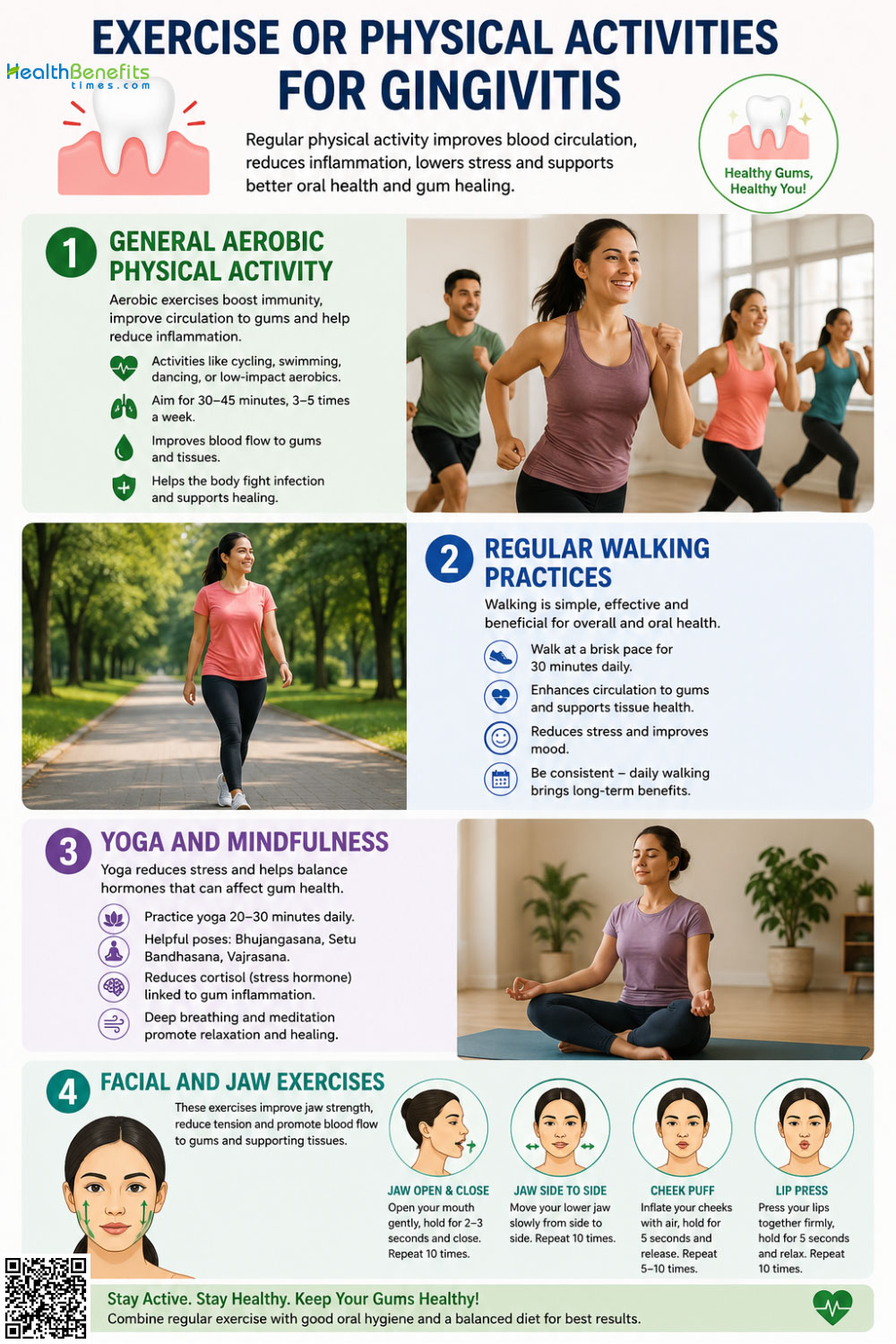
2. Regular Walking Practices
Even low-intensity, highly consistent physical activities exhibit a remarkably protective effect against the onset of gum disease. Regular walking significantly lowers the overarching risk of periodontitis by maintaining baseline metabolic health and insulin sensitivity without inducing excessive physical strain on the body 28. Notably, consistent walking habits help completely attenuate the historical relationship between poor oral health and low socioeconomic status, suggesting that daily, accessible movement provides a highly reliable biological buffer against generalized tissue inflammation.
Note: You should seamlessly incorporate a brisk 30-minute walk into your daily routine, preferably outdoors, focusing on maintaining a steady, slightly elevated heart rate to keep your cardiovascular system engaged.
3. Yoga and Mindfulness
Chronic psychological stress acts as a major, often overlooked catalyst for periodontal disease by severely elevating resting cortisol levels, which in turn drastically suppresses normal immune function. Traditional therapies like yoga incorporate deliberate physical postures (asanas), controlled breathing (pranayama), and meditation to drastically reduce an individual’s perceived stress scale 29. Practicing yoga demonstrably lowers circulating salivary cortisol and actively accelerates treatment outcomes by combating the stress-induced inflammatory responses that historically delay oral wound healing and exacerbate gingival bleeding 30.
Note: You should practice gentle yoga sequences combined with deep, diaphragmatic breathing for 20 minutes daily to lower your circulating stress hormones and support your immune system’s ability to heal your gums.
4. Facial and Jaw Exercises
Specific orofacial movements and muscle routines play a critical role in preserving the functional, physical health of the mouth, particularly as individuals age. Intentional gum-chewing exercises and structured facial muscle stretching actively stimulate the major salivary glands, forcing an increase in both resting and stimulated salivary flow 31. An increased, continuous saliva flow acts as the mouth’s ultimate natural defense mechanism, physically washing away unattached bacteria, buffering dangerous acidic pH drops, and delivering host antimicrobial proteins directly to the vulnerable gumline 32.
Note: You can easily perform these exercises by deliberately chewing sugar-free gum for twenty minutes immediately after meals, or by practicing exaggerated smiling, puckering, and tongue-pressing motions to thoroughly engage your facial muscles.
Foods and Activities to Avoid
When actively treating inflamed gums, managing the dietary and behavioral environment of the mouth is just as critical as the topical remedies applied. This is especially true for individuals managing concurrent gastrointestinal conditions.
Activities to Avoid When You suffer from Gingivitis
Certain daily, often unconscious habits inadvertently subject the delicate periodontal tissues to severe physical trauma or environmental dehydration, crippling the healing process.
1. Smoking or Vaping
The inhalation of tobacco introduces extreme heat and thousands of toxic, necrotizing chemicals into the mouth, actively choking off the vital oxygen supply to the gums and paralyzing the immune cells necessary for resolving inflammation.
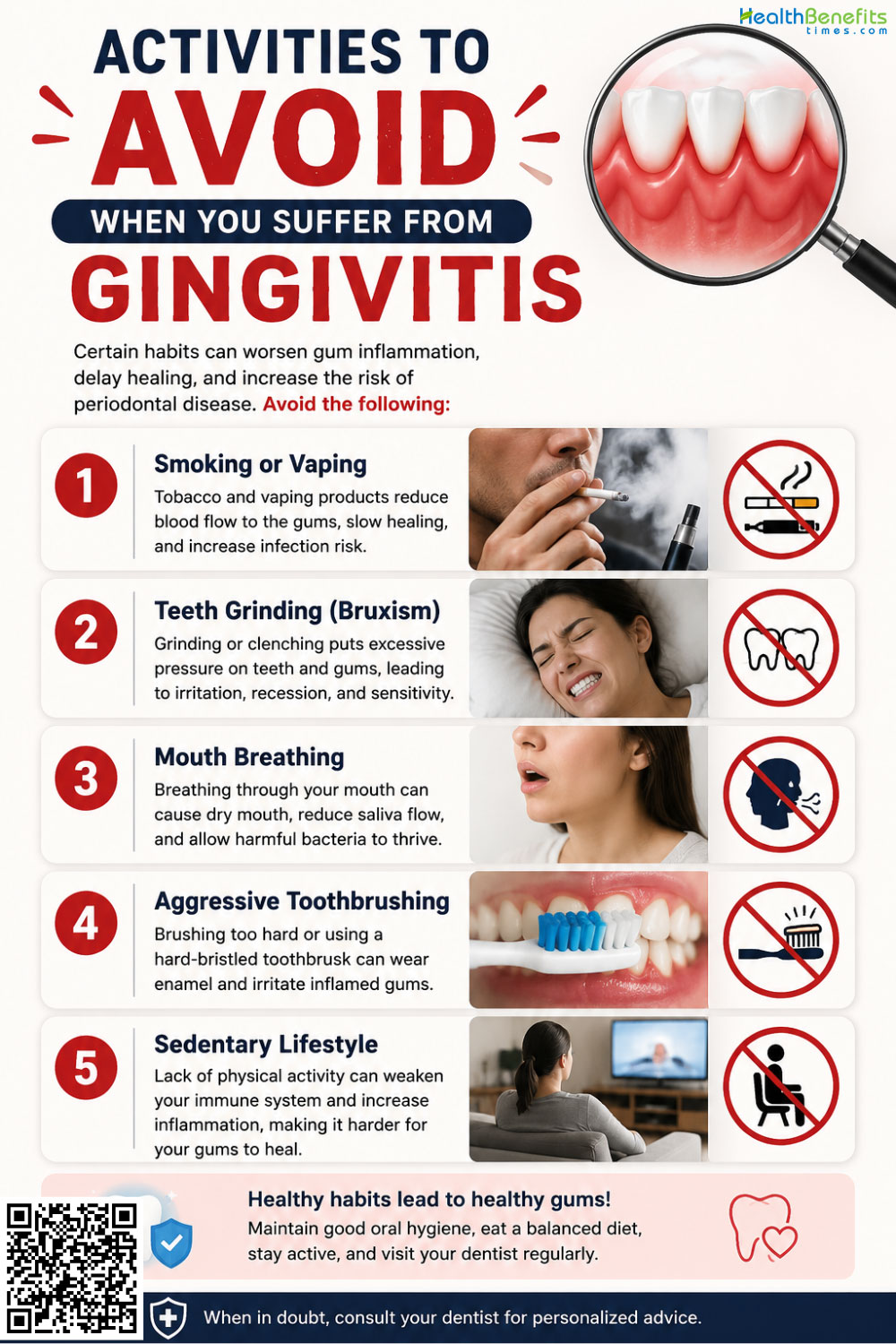
2. Teeth Grinding (Bruxism)
Chronically clenching the jaw, often a response to airway restriction or high stress, places immense, unnatural mechanical pressure on the supporting tissues of the teeth, severely exacerbating inflammation and accelerating the loss of periodontal attachment 33.
3. Mouth Breathing
Breathing continuously through the mouth, especially during nighttime sleep, drastically reduces intraoral humidity and saliva production. This severe dehydration strips the gums of their protective fluid barrier, leading to rapid bacterial overgrowth and worsening inflammation 34.
4. Aggressive Toothbrushing
Scrubbing the teeth violently with a hard-bristled brush physically tears the marginal gingiva, causing irreversible tissue recession and mechanical damage rather than effectively removing the bacterial biofilm.
5. Sedentary Lifestyle
A complete lack of physical movement allows systemic inflammation to build up unchecked, depriving the body of the enhanced peripheral blood flow required for rapid cellular repair in the mouth.
Myths and Misconceptions
| Myth | Reality |
| Bleeding gums simply mean you are brushing too hard. | While highly aggressive brushing can cause localized mechanical damage, bleeding is primarily the first biological warning sign of plaque-induced gingival inflammation and active infection. |
| If your mouth does not hurt, your gums are perfectly healthy. | Gingivitis is notoriously painless in its early and moderate stages. Relying strictly on pain as an indicator allows the disease to progress silently into irreversible bone loss. |
| Mouthwashes containing high alcohol are the absolute best way to kill oral bacteria. | Alcohol-based rinses cause severe mucosal dehydration (dry mouth), which actually creates a much more favorable environment for rapid bacterial plaque rebound after use. |
| Natural botanical remedies act as a complete substitute for brushing and flossing. | Herbal treatments are highly effective adjuncts that alter the chemical environment, but they absolutely cannot replace the physical, mechanical friction required to dislodge hardened biofilm. |
| Tooth loss is just a normal, unavoidable, and natural part of getting older. | Tooth loss is predominantly the end result of unmanaged, chronic periodontitis resulting from years of untreated gingivitis, not an inevitable biological consequence of aging. |
Special Considerations
1. Children
The pediatric population frequently experiences a highly specific, localized form of gum inflammation clinically known as eruptive gingivitis. As primary teeth begin to loosen and exfoliate, and the crowns of permanent teeth begin to break through the oral mucosa, the changing, uneven landscape of the mouth makes regular hygiene exceptionally difficult and sometimes painful 35. The gingival margins naturally appear rolled, slightly hyperemic, and overly prominent during this biological transition. Without vigilant, hands-on parental assistance in brushing these awkward, sensitive areas, plaque easily accumulates in the deep crevices, leading to pronounced, though entirely temporary, childhood gingivitis 36.
2. Pregnancy
Gestating women are exceptionally susceptible to severe oral health complications due to profound, systemic hormonal shifts that alter their entire physiology. The developing placenta produces massively elevated levels of estrogen and progesterone, which vastly increase the localized blood flow and vascular permeability of the gingival tissues 37. This extreme hypersensitivity means that even minuscule, normally tolerated amounts of plaque can trigger severe, exaggerated swelling—a condition specifically termed pregnancy gingivitis. This inflammation typically peaks in the third trimester, and emerging research highly correlates this severe localized inflammation with elevated counts of specific pathogens that increase the overarching risk of pre-eclampsia and premature, low-birth-weight deliveries 38.
3. Chronic Conditions (Diabetes)
There exists a deeply complex, medically established bidirectional relationship between metabolic health and periodontal tissue integrity. Individuals suffering from poorly controlled Type 2 Diabetes Mellitus face a significantly heightened risk of developing severe gingivitis because chronic hyperglycemia continuously feeds oxidative stress and systemic micro-inflammation within the delicate gum tissues {% https://pmc.ncbi.nlm.nih.gov/articles/PMC12589184/ %}. Conversely, the presence of untreated, inflamed, and bleeding gums acts as a massive, chronic systemic infection. This constant inflammatory burden forces the body to release pro-inflammatory cytokines that severely disrupt insulin signaling pathways, making it exceptionally difficult for the body to utilize insulin properly, thereby effectively worsening the patient’s overall glycemic control 39.
4. Elderly
As individuals inevitably advance in age, they frequently encounter a drastically increased incidence of xerostomia, or chronic dry mouth. This severe reduction in resting salivary flow is almost never a normal part of aging, but rather a direct secondary complication of polypharmacy the multiple daily medications prescribed for hypertension, depression, neurological issues, or heart disease 40. Without sufficient, high-quality saliva to naturally cleanse the teeth, buffer acidic pH drops, and neutralize bacterial acids, the elderly are put at a drastically elevated risk for rapid plaque accumulation, recurrent gingivitis, and highly aggressive root decay, especially when maintaining natural teeth later in life 41.
Precaution before use of natural remedies when you have Gingivitis
While botanical and holistic approaches are generally well-tolerated by the body, the term ‘natural’ does not automatically equate to biologically harmless.
- Verify Product Potency and Purity: Recognize that the specific strength and chemical composition of herbal extracts can vary wildly between different commercial brands; always seek out standardized, high-quality preparations to ensure efficacy 42.
- Test for Underlying Allergies: Highly active essential oils like rosemary, lemongrass, or tea tree can frequently cause contact dermatitis or severe allergic mucosal reactions in sensitive individuals; always perform a minimal topical patch test on the skin first.
- Never Swallow Essential Oils: Highly concentrated, volatile oils are strictly manufactured for topical application or heavily diluted rinse use and can easily cause severe dizziness, systemic toxicity, vomiting, or breathing difficulties if accidentally ingested 43.
- Monitor Herb-Drug Interactions: Certain potent herbal supplements can interact negatively with prescription medications, potentially causing dangerously prolonged bleeding times or actively altering the efficacy of systemic blood pressure medications 44.
- Consult During Pregnancy: Women who are currently pregnant or actively nursing must consult a qualified healthcare provider before introducing any new, potent herbal formulations into their routine to ensure absolute fetal and maternal safety.
- Avoid Complete Substitution: You must never abandon regular, mechanical brushing and flossing; natural rinses and gels are chemically designed to support and enhance, but never entirely replace, basic friction-based dental hygiene.
When to see a Doctor
While many mild cases of early-stage gum inflammation quickly resolve with significantly improved home care and natural adjuncts, certain clinical warning signs require immediate, professional dental intervention to prevent permanent structural damage.
- If your gums begin to bleed spontaneously throughout the day, entirely without the friction of brushing or eating hard foods.
- If you clearly notice your gum tissue pulling away, shrinking, or receding visibly from the cervical necks of your teeth.
- When your teeth suddenly feel loose in their sockets, begin to shift position, or noticeably wobble when you attempt to chew solid food.
- If you experience sharp, persistent, or throbbing pain in the jaw that prevents you from sleeping or eating comfortably.
- When natural remedies, combined with highly improved oral hygiene, show absolutely no clinical improvement or reduction in redness after a strict period of two weeks.
- If you rapidly develop severe, unmanageable bad breath accompanied by a strong metallic taste, swollen lymph nodes, or visible white pus weeping at the gumline.