

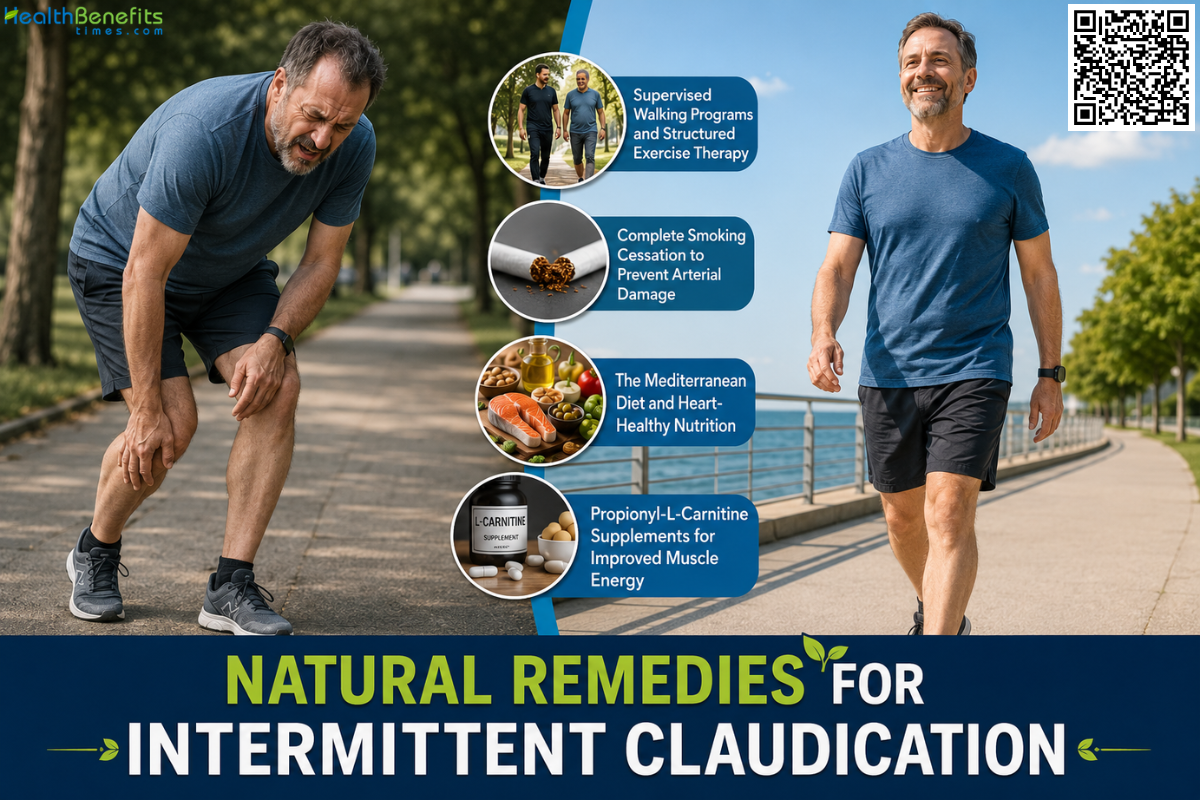
Intermittent claudication is a condition characterized by muscle pain, cramping, or fatigue in the lower limbs that starts during physical activity and stops during rest. The discomfort most commonly affects the calf muscles but can also involve the thighs and buttocks 1. This symptom is widely recognized as a primary indicator of peripheral artery disease, a condition where leg arteries become narrowed or blocked by fatty plaque buildup 2. During walking or exercise, the active leg muscles demand more oxygen, but the restricted blood vessels cannot deliver enough circulation to meet this metabolic need, resulting in severe cramping 3. Clinical evidence concludes that while claudication itself rarely progresses to permanent limb damage, it serves as a critical warning sign for widespread cardiovascular issues, strongly correlating with a higher long-term risk of heart attacks and strokes.
Causes of Intermittent Claudication
1. Peripheral Artery Disease (PAD)
The primary underlying cause of intermittent claudication is peripheral artery disease, which is driven by atherosclerosis—the buildup of fibro-inflammatory fatty plaques inside the arteries of the legs. This physical narrowing prevents the cardiovascular system from delivering enough oxygen-rich blood to meet the increased metabolic demands of the leg muscles during physical activity.
2. Systemic Atherosclerotic Risk Factors
Several chronic health conditions and lifestyle factors directly damage blood vessels and accelerate the arterial plaque formation responsible for claudication, including:
- Cigarette Smoking: Smoking is the most potent accelerator of the disease, increasing the risk of developing intermittent claudication by at least threefold while worsening the severity of arterial blockages.
- Diabetes Mellitus: Chronically high blood sugar levels cause oxidative injury to the inner lining of blood vessels, making individuals with diabetes significantly more likely to develop arterial obstructions.
- Hypertension and Hyperlipidemia: High blood pressure and elevated cholesterol facilitate the localized accumulation of fat, calcium, and inflammatory cells within the arterial walls, creating the physical blockages that trigger claudication.
3. Non-Atherosclerotic Vascular Abnormalities
In younger patients or those without traditional cardiovascular risks, intermittent claudication can stem from structural or anatomical defects, such as:
- Popliteal Artery Entrapment Syndrome: An anatomical malformation where the calf muscle abnormally compresses the main artery located behind the knee during physical exertion.
- Fibromuscular Dysplasia: A condition characterized by abnormal cellular growth within the artery walls, which narrows the vessels and restricts blood flow to the limbs.
- Cystic Adventitial Disease: A rare disorder where fluid-filled cysts develop in the outer layers of a blood vessel, pushing inward and obstructing normal circulation.
- External Compression Syndromes: Anatomical restrictions frequently seen in high-intensity athletes, such as professional cyclists, where extreme exertion physically pinches the surrounding arteries.
Symptoms of Intermittent Claudication
1. Exertional Muscle Cramping and Pain
The hallmark symptom is a deep, aching pain, tightness, or severe cramping in the leg muscles that specifically triggers during physical activities like walking or climbing stairs.
2. Predictable Onset and Rest Relief
The physical discomfort follows a highly predictable pattern, consistently beginning after an individual walks a specific distance and completely resolving within ten minutes of standing still and resting.
3. Location-Specific Discomfort
The exact area of pain directly corresponds to the location of the narrowed blood vessel. Calf pain is the most frequent symptom and points to a blockage in the thigh arteries, whereas aching in the thighs, hips, or buttocks indicates obstructions higher up in the aorta or pelvic arteries.
4. Muscular Weakness and Heaviness
Rather than sharp pain, many individuals experience a profound sense of fatigue, tiredness, or lead-like heaviness in the lower limbs that restricts their ability to continue moving.
5. Atypical Burning or Numbness
A significant portion of affected individuals do not experience classic cramping; instead, they report a burning sensation, tingling, or general leg fatigue during exertion that fades away once they stop to rest.
 Natural Remedies for Intermittent Claudication
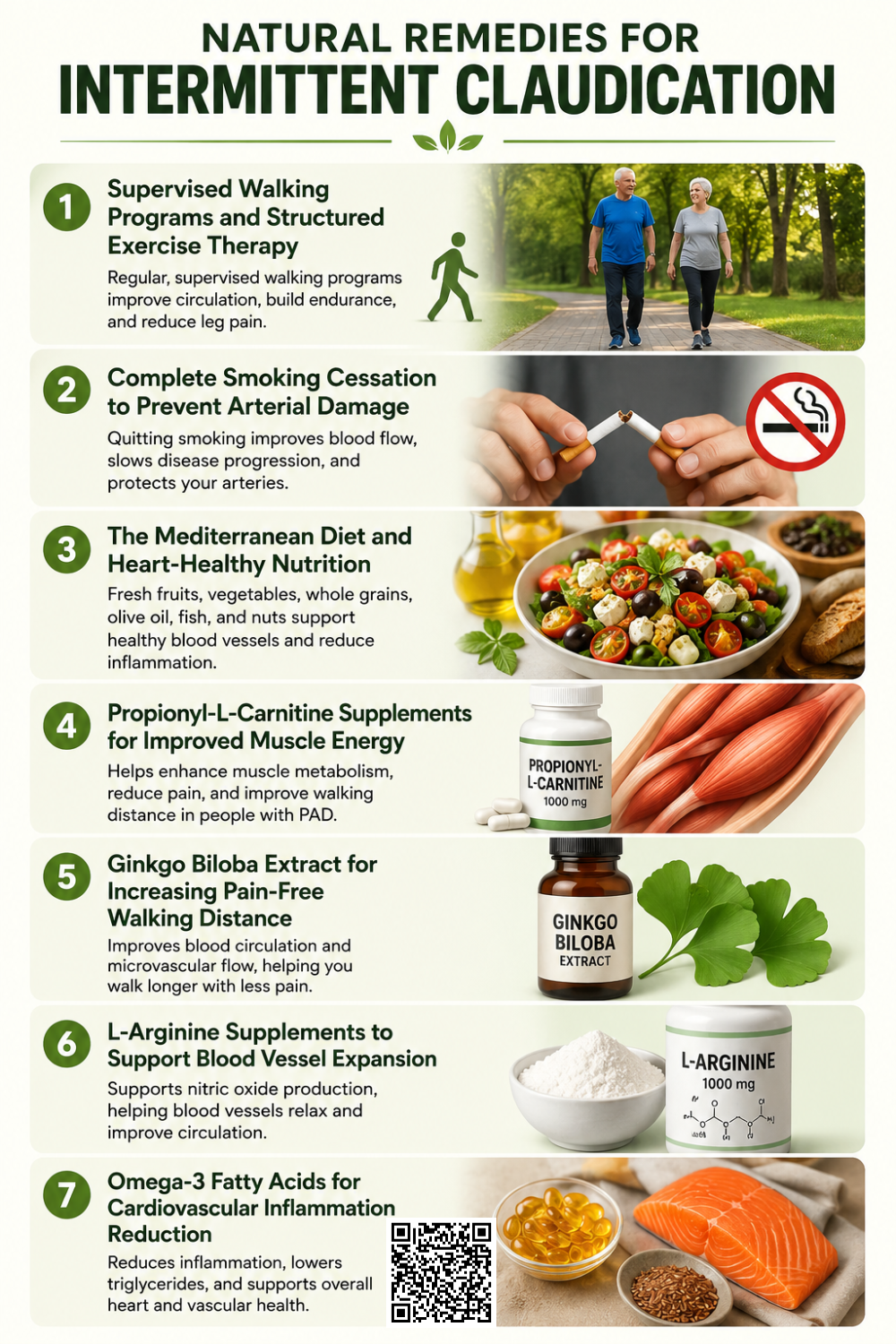
1. Supervised Walking Programs and Structured Exercise Therapy
How it may help
Structured walking programs help the body bypass narrowed arteries by stimulating the growth of new, small blood vessels, a process known as collateral circulation 4. Exercise also improves how efficiently leg muscles extract and use available oxygen, which significantly delays the onset of muscle cramps during physical activity.
What research says
Extensive clinical reviews confirm that supervised exercise therapy is a highly effective first-line treatment. Research shows that patients who complete a three-month program can increase their pain-free walking distance by up to 150 percent, often matching the long-term mobility improvements seen in patients who undergo surgical vessel expansion 5.
How to use it safely
Under professional guidance, walk on a treadmill until you reach a moderate level of leg pain, then sit and rest until the discomfort completely stops. Repeat this walk-rest cycle to accumulate 30 to 45 minutes of total walking time, three times per week, for twelve weeks.
Potential precautions or side effects
Supervised exercise is exceptionally safe with extremely low complication rates. However, you should secure medical clearance before starting if you have unstable angina, extreme hypertension, or severe joint problems 6.
2. Complete Smoking Cessation to Prevent Arterial Damage
How it may help
Quitting smoking immediately stops toxic chemicals from damaging the inner lining of blood vessels. It reduces systemic inflammation and prevents blood vessels from chronically constricting, which rapidly improves circulation to the lower legs. Stopping tobacco use ultimately halts the accelerated buildup of fatty plaques.
What research says
Clinical studies conclude that smoking cessation is the single most critical intervention for halting the progression of peripheral artery disease. Research demonstrates that patients who quit smoking experience significantly improved walking distances, reduced need for surgical interventions, and substantially lower long-term rates of limb amputation.
How to use it safely
To quit safely and effectively, you should combine behavioral counseling with approved nicotine replacement therapies, such as patches or gums, to manage withdrawal cravings 7. Consult your physician about prescription medications, which are clinically proven to increase long-term quit rates 8.
Potential precautions or side effects
Nicotine replacement products may initially cause mild nausea, skin irritation, or sleep disturbances. Prescription cessation medications occasionally trigger mood changes or vivid dreams, requiring ongoing medical supervision.
3. The Mediterranean Diet and Heart-Healthy Nutrition
How it may help
The Mediterranean diet is rich in anti-inflammatory nutrients, antioxidants, and healthy fats. It helps control claudication by improving the inner lining of blood vessels and reducing systemic inflammation. This prevents further plaque buildup and improves oxygen delivery to the leg muscles 9.
What research says
Large clinical trials, including the PREDIMED study, conclude that high adherence to a Mediterranean diet significantly lowers the risk of developing symptomatic peripheral artery disease. Research shows this dietary pattern effectively reduces major cardiovascular events and provides superior secondary prevention compared to low-fat diets 10.
How to use it safely
Base your daily meals on vegetables, fruits, whole grains, and legumes. Use extra virgin olive oil as your primary fat source. Eat fish or poultry in moderation, and strictly limit red meat, processed foods, and added sugars to protect your vascular health 11.
Potential precautions or side effects
Increase fiber gradually to avoid temporary digestive discomfort. If you take blood thinners, consult your physician to safely manage changes in vitamin K intake from dark leafy greens 12.
4. Propionyl-L-Carnitine Supplements for Improved Muscle Energy
How it may help
Propionyl-L-carnitine is an amino acid derivative that helps skeletal muscles produce energy more efficiently when oxygen levels are low. By improving how muscle cells use energy during physical exertion, it delays the onset of pain and cramping caused by restricted blood flow in the legs 13.
What research says
Clinical reviews conclude that propionyl-L-carnitine significantly improves both maximal walking distance and pain-free walking time in patients with intermittent claudication. The evidence indicates it serves as an effective therapeutic supplement to enhance overall mobility and quality of life when combined with standard medical treatments 14.
How to use it safely
To use this supplement safely, you should consult your physician for proper dosing, which typically ranges from one to two grams daily, taken in divided doses. Always purchase high-quality supplements and take them exactly as directed alongside your prescribed therapies.
Potential precautions or side effects
This supplement is generally well-tolerated but may occasionally cause mild stomach upset, nausea, diarrhea, or a harmless fishy body odor.
5. Ginkgo Biloba Extract for Increasing Pain-Free Walking Distance
How it may help
Ginkgo biloba extract promotes blood vessel dilation and decreases blood thickness, which improves overall circulation in the legs 15. By enhancing blood flow and delivering more oxygen to the tissues, this herbal extract helps delay the onset of severe muscle cramping during physical activity 16.
What research says
Clinical trials demonstrate that standardized Ginkgo biloba extract provides a modest but statistically measurable increase in pain-free walking distance for patients with intermittent claudication. However, major medical reviews note that these improvements are relatively small, meaning the supplement should complement rather than replace standard prescribed therapies.
How to use it safely
You should only use standardized extracts, typically taking doses between 120 and 240 milligrams daily under your physician’s supervision. Consistent use is necessary, as it generally takes 12 to 24 weeks of daily supplementation to experience noticeable improvements in mobility.
Potential precautions or side effects
Ginkgo biloba increases bleeding risks, so you must avoid it if taking blood thinners like warfarin or aspirin. Minor side effects occasionally include headaches, dizziness, and mild stomach upset.
6. L-Arginine Supplements to Support Blood Vessel Expansion
How it may help
L-arginine is an amino acid that the body converts into nitric oxide, a chemical that signals blood vessels to relax and open wider 17. This physical expansion improves circulation, allowing more oxygen-rich blood to reach the active leg muscles, which helps prevent cramping.
What research says
Clinical studies show mixed but promising short-term results. Specific trials indicate that L-arginine supplements improve blood vessel function and increase pain-free walking distance in people with intermittent claudication. However, long-term effectiveness remains uncertain, making it a supportive option rather than a primary medical treatment.
How to use it safely
You should consult your physician before starting L-arginine to determine the correct dosage for your specific cardiovascular profile. Always take the supplement exactly as directed and never use it as a replacement for prescribed medications or structured exercise programs.
Potential precautions or side effects
L-arginine may cause mild stomach pain or diarrhea. You must avoid it if you take blood pressure medications, use erectile dysfunction drugs, or recently had a heart attack.
7. Omega-3 Fatty Acids for Cardiovascular Inflammation Reduction
How it may help
Omega-3 fatty acids decrease systemic inflammation and lower blood triglyceride levels, which helps stabilize existing fatty plaques in the arteries 18. By improving blood vessel flexibility, these essential fats facilitate smoother blood flow to the lower limbs, easing the cardiovascular strain associated with intermittent claudication.
What research says
Clinical studies indicate that while omega-3 supplementation may not drastically increase pain-free walking distances, it provides critical protective benefits for patients with peripheral artery disease. Research confirms that daily intake significantly lowers the risk of major cardiovascular events, which are common in patients with claudication 19.
How to use it safely
You should consume one to two grams of EPA and DHA daily, either through eating fatty fish or taking purified supplements. Always consult your physician to determine the exact dosage that safely supports your specific cardiovascular profile.
Potential precautions or side effects
High doses of omega-3s can increase bleeding risks, particularly if you take blood-thinning medications. Minor side effects occasionally include a fishy aftertaste, mild nausea, or loose stools.
 Foods to Avoid When You suffer from Intermittent Claudication
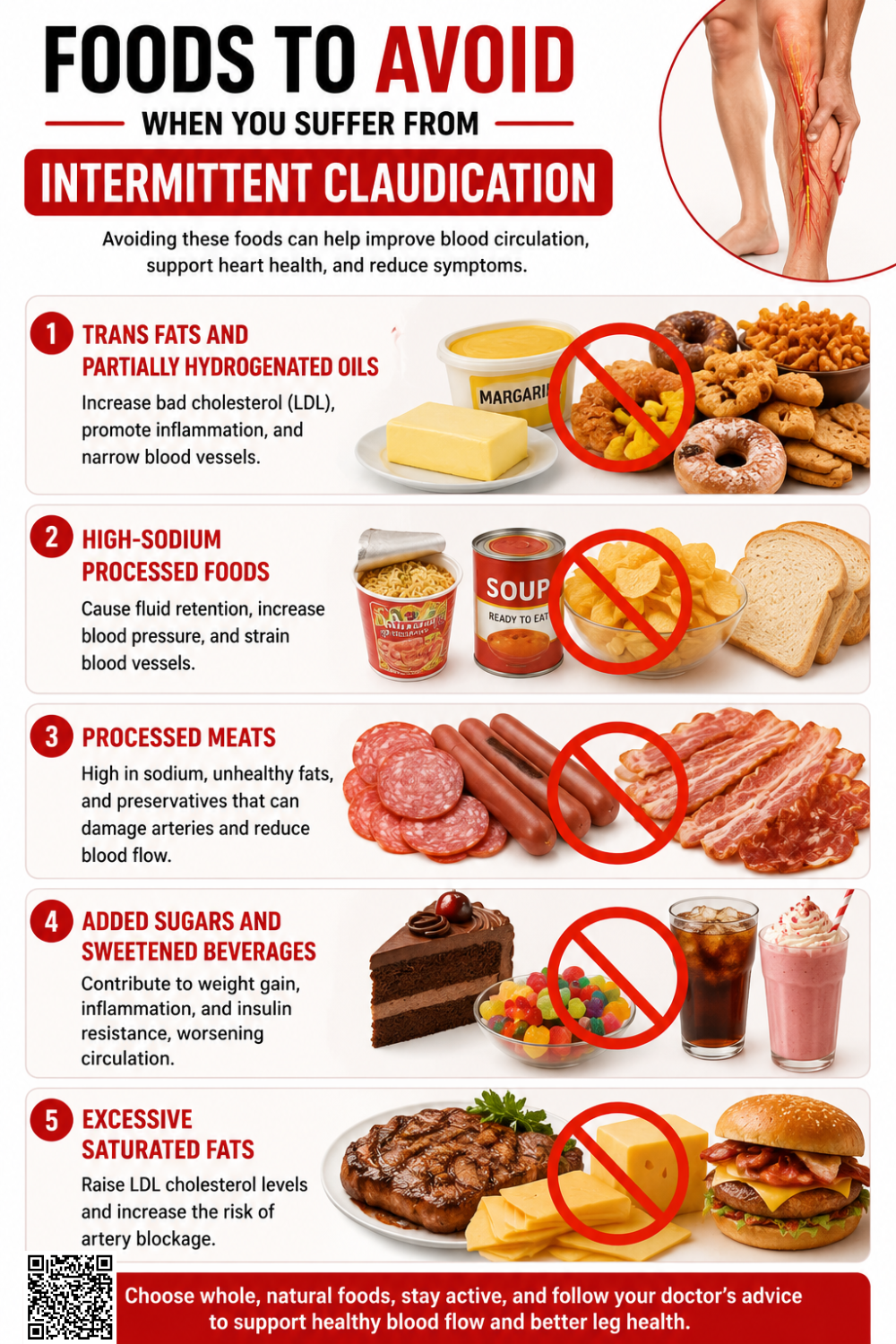
1. Trans Fats and Partially Hydrogenated Oils
These artificial fats severely increase arterial inflammation and bad cholesterol, accelerating the physical plaque blockages in leg arteries that directly cause claudication.
2. High-Sodium Processed Foods
Excessive sodium rapidly elevates blood pressure, which physically stresses weakened arterial walls and further restricts critical oxygen delivery to the lower limbs during exercise.
3. Processed Meats
Products like bacon and sausages contain high levels of sodium and chemical preservatives that directly damage the inner lining of blood vessels and promote vascular disease.
4. Added Sugars and Sweetened Beverages
Chronically high sugar intake spikes blood glucose, inducing oxidative stress that injures blood vessels and makes the progression of peripheral artery disease significantly worse.
5. Excessive Saturated Fats
Found heavily in red meat and full-fat dairy, saturated fats directly contribute to the ongoing buildup of fatty plaques that obstruct circulation to the leg muscles.
When To see Doctor when you suffer from Intermittent Claudication
1. Pain While Resting
Seek immediate medical attention if leg pain occurs while sitting or sleeping, as this indicates critical limb ischemia and severely restricted blood flow.
2. Non-Healing Wounds or Sores
You must consult a physician if minor cuts, blisters, or ulcers on your feet or toes fail to heal, signaling dangerous tissue starvation.
3. Skin Color and Temperature Changes
Contact a healthcare provider if your lower limbs suddenly turn pale, bluish, or feel unusually cold to the touch compared to the rest of your body.
4. Sudden Loss of Sensation or Movement
Go to an emergency room immediately if you experience new numbness, weakness, or an inability to move your foot, indicating a sudden, complete arterial blockage.
5. Rapid Worsening of Walking Distance
Schedule a medical evaluation if the distance you can walk before cramping starts suddenly decreases, signaling a rapid progression of arterial plaque buildup.