

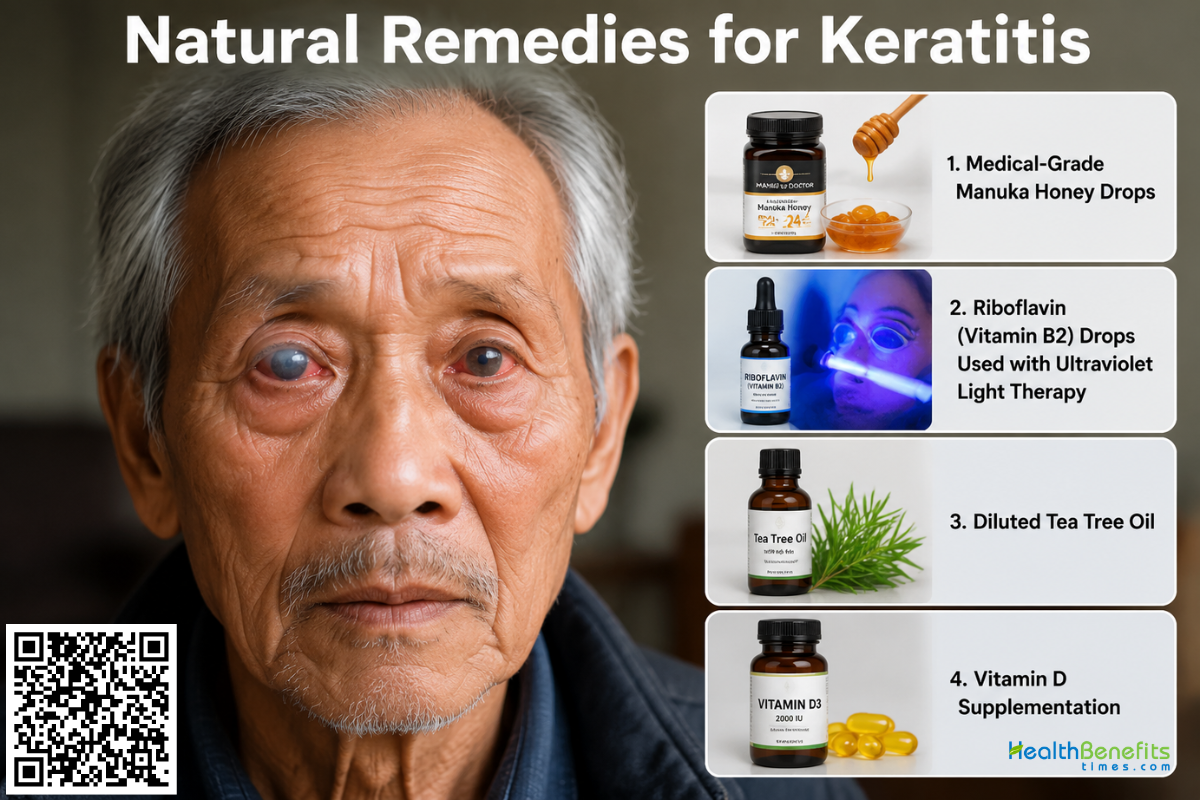
Keratitis is a severe inflammation or infection of the cornea, the clear, dome-shaped front layer of the eye. It is a sight-threatening condition most commonly caused by bacteria, viruses, fungi, or parasites, and it currently stands as the fifth leading cause of blindness globally 1. The primary risk factors for developing infectious keratitis include improper contact lens wear, physical injury to the eye, and underlying ocular surface diseases 1. When the eye’s protective barriers are compromised, microorganisms such as Staphylococcus bacteria or Acanthamoeba parasites can easily invade the corneal tissues. If not treated promptly, the infection rapidly progresses, causing tissue destruction and permanent corneal scarring. Because a delay in diagnosis can result in irreversible vision impairment, complete blindness, or even the physical loss of the eye, immediate clinical evaluation and targeted antimicrobial therapy are absolutely essential 1.
Causes of Keratitis
- Bacterial Infections: Improper cleaning, handling, or overnight wear of contact lenses creates an environment where common bacteria like Pseudomonas and Staphylococcus can rapidly infect the cornea 2.
- Viral Infections: Viruses such as the herpes simplex virus (HSV) and the varicella-zoster virus (which causes shingles) can hide in the nervous system and periodically reactivate to trigger recurrent eye infections 3.
- Fungal Infections: Fusarium and Aspergillus fungi generally enter the eye following physical trauma involving organic plant material, such as a scratch from a tree branch or agricultural debris 4.
- Parasitic Infections: Acanthamoeba, a microscopic organism found in tap water, lakes, and hot tubs, causes devastating infections predominantly in contact lens wearers who expose their lenses to contaminated water 5.
- Physical Trauma: Scratches from fingernails, makeup tools, or airborne debris damage the cornea’s outer protective layer, causing immediate inflammation and creating a gateway for secondary infections 6.
- Severe Dry Eye: Inadequate tear production strips the eye of essential moisture and natural antibodies, leaving the corneal surface vulnerable to friction, cellular breakdown, and persistent irritation 7.
- Ultraviolet (UV) Exposure: Unprotected exposure to intense UV light from sunlight reflecting off snow (snow blindness), water, or artificial sources like welding arcs causes painful corneal burns known as photokeratitis 8.
- Vitamin A Deficiency: A critical lack of vitamin A causes the cornea to dry out, lose transparency, and develop open sores, remaining a primary cause of preventable childhood blindness worldwide 9.
Symptoms of Keratitis
- Severe Eye Pain: A persistent, intense aching or sharp pain in the affected eye is typically the earliest and most prominent indicator of corneal inflammation 10.
- Ocular Redness (Hyperemia): The white portion of the eye becomes visibly bloodshot as surface blood vessels dilate in response to active infection or cellular damage 11.
- Extreme Light Sensitivity (Photophobia): Standard indoor lighting or natural sunlight triggers severe visual discomfort, forcing an involuntary urge to squint or close the eye 12.
- Blurred Vision: As the normally transparent cornea swells and develops opaque lesions, visual acuity sharply declines, causing fuzziness or distinct halos around light sources 13.
- Excessive Tearing (Epiphora): The eye continuously produces a watery discharge as an automatic defense mechanism to flush out perceived irritants and soothe the inflamed ocular surface 14.
- Foreign Body Sensation: Patients consistently report a grating, gritty feeling, mimicking the sensation of a physical particle permanently trapped beneath the eyelid 13.
- Inability to Open the Eye: The combination of involuntary muscle spasms, intense pain, and severe light sensitivity often makes it physically difficult to keep the affected eyelids open 12.
Natural Remedies for Keratitis
1. Vitamin A Therapy
How it may help
Vitamin A is essential for maintaining the cornea’s moisture and structural integrity. A severe lack of this nutrient causes the eye’s surface to dry out and break down, triggering a condition called xerophthalmia. Restoring adequate vitamin levels helps repair the protective outer cell layer and prevents further tissue destruction.
What research says
Clinical evidence establishes that high-dose oral vitamin A therapy rapidly reverses early corneal damage caused by nutritional deficiency and prevents irreversible blindness 9. Studies also indicate that prescribed topical vitamin A ointments significantly improve tear film stability and accelerate cellular healing in severe dry eye-related keratitis 15.
How to use it safely
You should prioritize safe dietary sources like sweet potatoes, carrots, spinach, and liver. If you have a diagnosed deficiency, take oral supplements strictly according to your doctor’s prescribed dosage. Never apply standard dietary vitamin A liquid capsules directly into your eyes.
Potential precautions or side effects
Consuming excessive amounts of vitamin A causes severe toxicity, potentially leading to liver damage, increased brain pressure, and bone pain 16. Always consult a physician before starting supplements.
2. Autologous Serum (Patient’s Own Blood Serum) Eye Drops
How it may help
Autologous serum eye drops are formulated from a patient’s own blood. They closely mimic natural tears, delivering essential growth factors, vitamins, and immune components directly to the eye. These biological elements actively promote cellular repair, reduce surface damage, and stabilize the cornea during severe keratitis.
What research says
Clinical trials demonstrate that autologous serum drops significantly accelerate corneal healing and reduce inflammation in persistent, treatment-resistant keratitis 17. Research confirms these drops provide critical biological healing factors that standard synthetic artificial tears lack, ultimately improving overall corneal transparency and resolving stubborn surface defects 18.
How to use it safely
You must obtain this treatment directly through an eye specialist. A clinical laboratory must draw your blood and prepare the sterile serum. Keep the vials strictly frozen or refrigerated to prevent bacterial growth, and apply only the precise number of daily drops prescribed by your doctor.
Potential precautions or side effects
Because these drops lack synthetic preservatives, improper storage risks dangerous bacterial contamination and secondary eye infections 17. You may also experience mild, temporary stinging immediately after application.
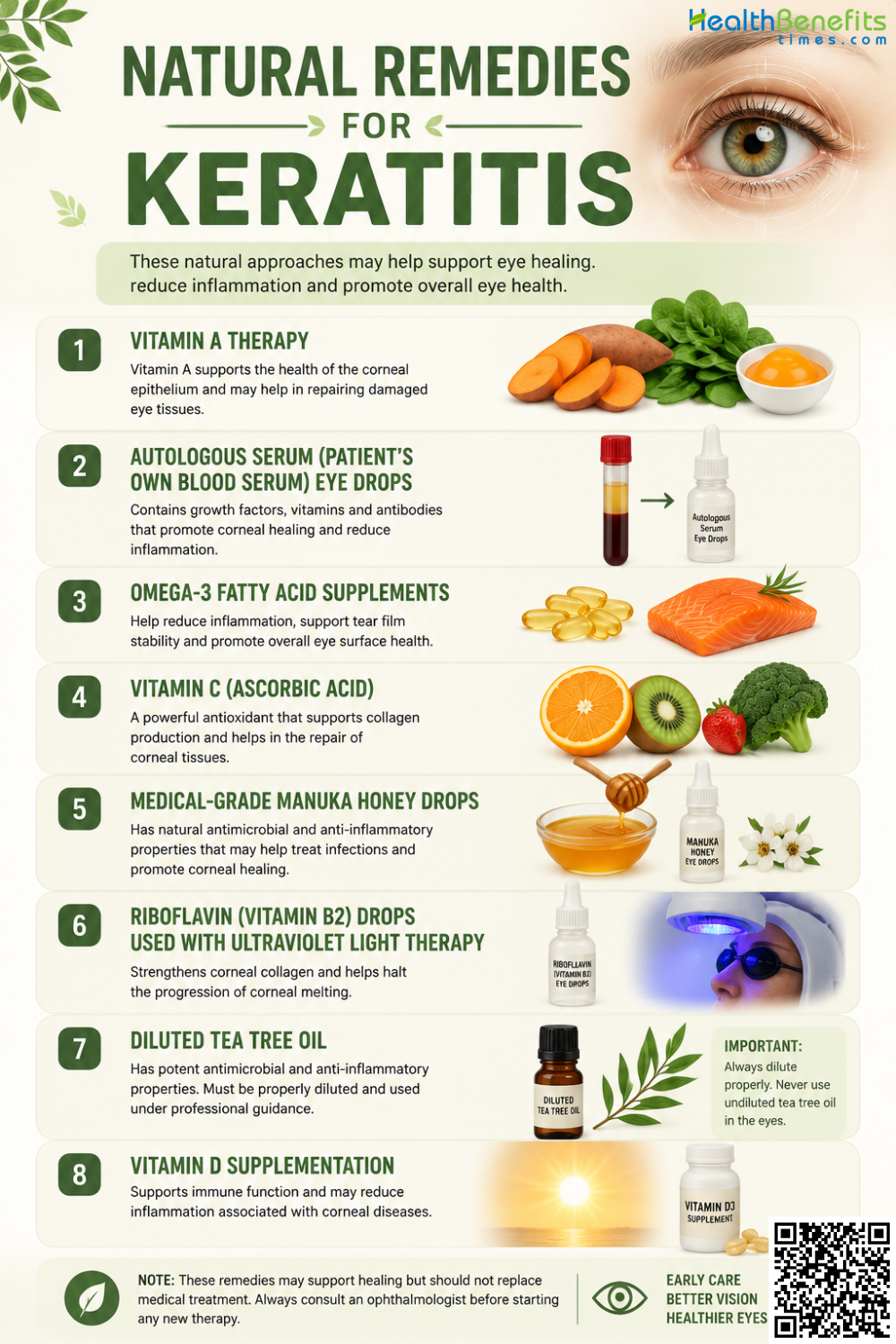
3. Omega-3 Fatty Acid Supplements
How it may help
Omega-3 fatty acids improve the quality of the oil secreted by the eyelid glands. This oil stabilizes the tear film, preventing rapid moisture evaporation. By reducing underlying systemic and ocular inflammation, these supplements protect the cornea from the abrasive damage and cellular breakdown commonly seen in dry eye-related keratitis.
What research says
Clinical studies conclude that oral omega-3 fatty acid supplementation significantly decreases ocular surface inflammation and improves tear film stability in patients with severe dry eye disease, a primary contributor to non-infectious keratitis 19. Routine intake effectively reduces corneal damage and relieves gritty, painful ocular symptoms over continuous use.
How to use it safely
You should obtain omega-3s through dietary sources like salmon, mackerel, and flaxseed. If using supplements, choose high-quality fish oil or algae-based capsules. Consult your doctor to determine the correct daily dosage, typically ranging from 1,000 to 3,000 milligrams, to ensure it does not interfere with your current medications.
Potential precautions or side effects
High doses of omega-3 supplements can increase bleeding risks, particularly if you take blood thinners 20. Common mild side effects include a fishy aftertaste, gastrointestinal upset, and nausea.
4. Vitamin C (Ascorbic Acid)
How it may help
Vitamin C is a powerful antioxidant essential for producing collagen, the main structural protein in the cornea. It accelerates cellular repair, reduces scarring, and neutralizes free radicals that cause tissue damage. This robust structural support helps the eye heal more effectively from inflammatory or infectious surface ulcers.
What research says
Clinical research demonstrates that systemic and topical vitamin C accelerates corneal wound healing and minimizes severe scarring 21. Medical protocols frequently incorporate ascorbic acid to stimulate collagen synthesis and prevent structural thinning or perforation in patients recovering from severe keratitis and ocular injuries 22.
How to use it safely
You should obtain vitamin C naturally through citrus fruits, bell peppers, and broccoli. For supplements, ask your doctor for an appropriate oral dosage to support eye healing. Only use clinical-grade vitamin C eye drops if explicitly prescribed and formulated by a medical professional.
Potential precautions or side effects
High oral doses can cause stomach cramps, nausea, and an increased risk of kidney stones 23. Never apply crushed supplement tablets or dietary vitamin liquids directly into your eyes.
5. Medical-Grade Manuka Honey Drops
How it may help
Medical-grade Manuka honey delivers potent antibacterial and anti-inflammatory effects through its high methylglyoxal content. Its natural osmolarity draws excess fluid from swollen corneas while stabilizing the tear film. This dual action neutralizes bacterial loads, limits friction, and promotes cellular re-epithelialization in damaged ocular tissues.
What research says
Clinical trials demonstrate medical-grade Leptospermum (Manuka) honey eradicates antibiotic-resistant ocular pathogens in severe bacterial keratitis 24. Studies also confirm that ophthalmic Manuka formulations significantly accelerate the healing of persistent corneal epithelial defects and rapidly decrease surface inflammatory markers compared to standard lubrication alone 25.
How to use it safely
You must exclusively use sterile, micro-filtered medical-grade Manuka honey formulations designed for the eye, such as prescribed 16% drops or 98% gels. Never apply commercial, food-grade honey to your eye, as it contains microbial spores and physical impurities that risk severe secondary infections.
Potential precautions or side effects
You will likely experience intense, temporary stinging and mild redness immediately after application. Avoid these formulations completely if you have known severe allergies to bee venom, pollen, or honey.
6. Riboflavin (Vitamin B2) Drops Used with Ultraviolet Light Therapy
How it may help
When activated by ultraviolet (UV-A) light, riboflavin drops produce reactive oxygen molecules. This chemical reaction strengthens the cornea by cross-linking its collagen fibers, making the tissue highly resistant to breakdown. Simultaneously, the activated riboflavin destroys the cellular walls and DNA of invading bacteria, fungi, and parasites.
What research says
Clinical trials confirm that photoactivated chromophore for keratitis corneal cross-linking (PACK-CXL) successfully halts infectious corneal melting and eliminates drug-resistant pathogens 26. Research shows it significantly accelerates tissue healing and reduces the necessity for emergency corneal transplants in patients with severe, non-responsive ocular infections 27.
How to use it safely
You cannot perform this therapy at home. You must have a specialized ophthalmologist administer the pharmaceutical-grade riboflavin drops and carefully calibrated UV-A light in a clinical setting. Always strictly follow your doctor’s post-procedure instructions, including using prescribed prophylactic drops.
Potential precautions or side effects
You may experience temporary eye pain, surface swelling, and blurred vision. Improper UV calibration risks permanent damage to the eye’s deeper cellular layers 26.
7. Diluted Tea Tree Oil
How it may help
Tea tree oil contains terpinen-4-ol, a compound with potent antimicrobial and anti-inflammatory properties. It eradicates Demodex mites that trigger chronic surface inflammation. Furthermore, it destroys the cellular structures of stubborn parasites like Acanthamoeba and specific bacteria, neutralizing the root causes of several treatment-resistant forms of keratitis.
What research says
Clinical studies confirm that diluted tea tree oil successfully eliminates Demodex mites in refractory keratitis, rapidly resolving persistent corneal inflammation 28. Laboratory research also demonstrates its effectiveness at destroying both active and dormant cyst stages of Acanthamoeba, proving valuable against severe parasitic eye infections 29.
How to use it safely
You must exclusively use commercially formulated tea tree oil eyelid wipes or mild cleansers specifically designed for ophthalmic use. Gently wipe your closed eyelid margins daily to remove parasitic debris. Never apply pure, undiluted essential oil directly to your eyes or the surrounding skin.
Potential precautions or side effects
Undiluted tea tree oil is highly toxic to the eye and causes severe chemical burns. Even diluted ophthalmic formulations may cause temporary stinging or allergic skin reactions 30.
8. Vitamin D Supplementation
How it may help
Vitamin D regulates the immune system and strengthens the cornea’s structural barrier. It stimulates the production of natural antimicrobial proteins that actively fight pathogens on the eye’s surface. By reducing chronic inflammation and enhancing tear quality, it protects the cornea from cellular damage associated with severe keratitis.
What research says
Clinical research links systemic vitamin D deficiency to impaired corneal wound healing. Studies demonstrate that oral supplementation significantly reduces ocular surface inflammation, stabilizes the tear film, and promotes faster cellular repair in patients with chronic keratitis and ocular surface disorders 31.
How to use it safely
You should verify your baseline vitamin D levels through a blood test before starting therapy. Obtain it naturally through safe sun exposure and fatty fish. If deficient, take oral vitamin D3 supplements exactly as prescribed by your doctor to restore safe levels.
Potential precautions or side effects
Excessive vitamin D intake causes calcium buildup in the blood, potentially leading to nausea, weakness, and severe kidney damage 32.
Foods to Avoid When You Suffer From Keratitis
1. Refined Sugars
High blood sugar creates an oxidative environment, forming compounds that cause ocular tissue dysfunction and actively delay the healing of corneal infections 33.
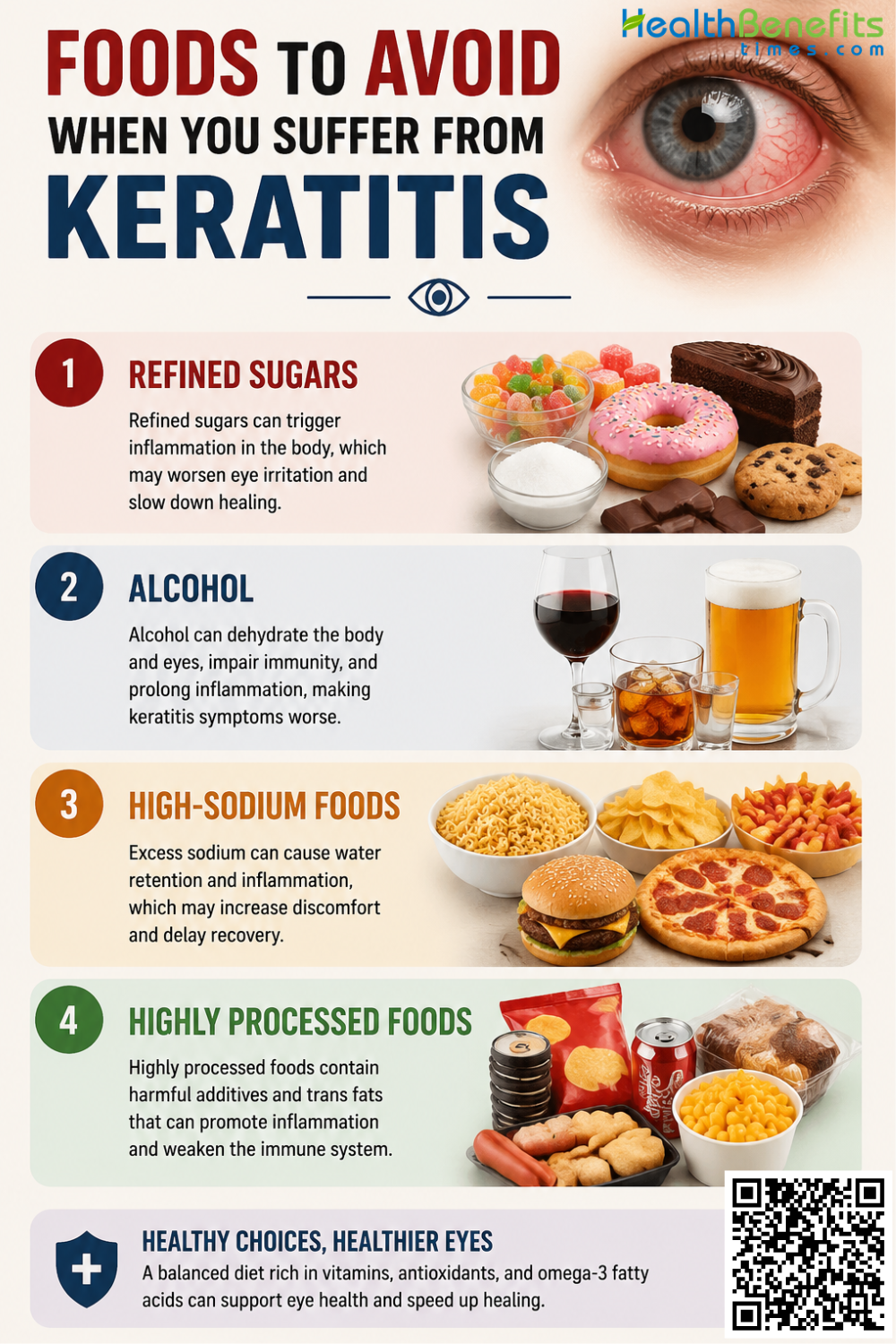
2. Alcohol
Alcohol induces systemic dehydration, which degrades the tear film, strips the cornea of essential lubrication, and severely exacerbates friction on the inflamed eye 7.
3. High-Sodium Foods
Excessive dietary salt directly disrupts normal tear film osmolarity, triggering cellular stress and local inflammatory cascades that further damage the compromised ocular surface 7.
4. Highly Processed Foods
Lacking critical antioxidants, processed diets drive systemic inflammation and immune suppression, depriving the cornea of the vital metabolic support required to repair structural damage 33.
When to See a Doctor When You Suffer From Keratitis
1. Severe Eye Pain
Seek immediate care if you experience intense, worsening pain, as this indicates rapidly progressive corneal damage requiring emergency medical intervention to prevent permanent structural loss 2.
2. Sudden Vision Changes
Any abrupt blurred vision, haziness, or decreased vision means the infection has penetrated the eye’s central axis, threatening irreversible sight impairment without immediate clinical treatment 1.
3. Thick Eye Discharge
The presence of pus or continuous yellow-green drainage signals a severe, active bacterial or fungal infection that demands immediate prescription antimicrobial therapy to halt progression 4.
4. Extreme Light Sensitivity
An overwhelming inability to open your eyes in standard lighting indicates deep inflammation and active nerve irritation within the cornea, requiring prompt medical evaluation 12.
5. Contact Lens Complications
If redness and irritation persist after removing contact lenses, immediately consult a doctor to rule out rapidly progressing, vision-threatening parasitic or bacterial infections 5