

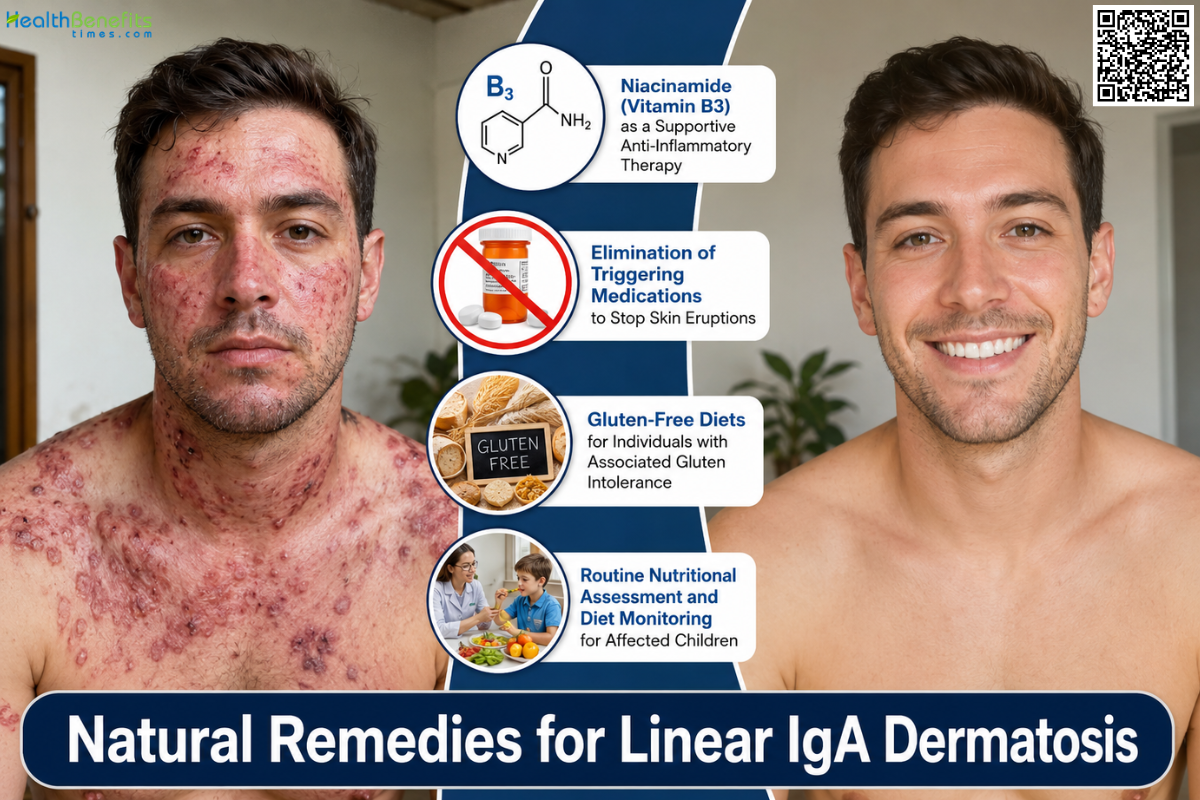
Linear IgA dermatosis (LAD) is a rare autoimmune skin condition characterized by the formation of fluid-filled blisters. In this disease, the immune system mistakenly produces immunoglobulin A (IgA) antibodies that attack healthy tissue along the basement membrane zone, which connects the skin’s layers 1. This abnormal immune response causes the skin layers to separate, resulting in tense, itchy blisters that frequently arrange in a circular “string of pearls” pattern 2. The condition affects adults and children alike, with pediatric cases classically presenting with lesions around the face, genitals, and extremities 3. While most cases develop spontaneously without a known cause, some instances are triggered by medications, most notably the antibiotic vancomycin. Treatment primarily involves discontinuing any responsible drugs and utilizing targeted therapies to clear the skin eruptions.
Causes of Linear IgA Dermatosis
1. Idiopathic (Spontaneous) Origin
In most instances, the exact trigger for linear IgA dermatosis remains unknown. The immune system spontaneously begins producing immunoglobulin A (IgA) autoantibodies that mistakenly target healthy proteins located at the skin’s basement membrane zone, leading to blistering without a clear external cause 4.
2. Medications (Drug-Induced)
Certain prescription drugs can stimulate the immune system to produce the autoantibodies that cause the condition. The antibiotic vancomycin is the most frequently identified pharmaceutical trigger, accounting for a significant portion of drug-induced cases 5. Other medications linked to the onset of this disease include penicillins, cephalosporins, non-steroidal anti-inflammatory drugs (NSAIDs), and certain blood pressure medications like angiotensin-converting-enzyme (ACE) inhibitors 6.
3. Systemic Diseases and Medical Conditions
The condition is occasionally associated with underlying health disorders that alter overall immune system function. It occurs more frequently in individuals with inflammatory bowel diseases, particularly ulcerative colitis and Crohn’s disease 7. Furthermore, clinical reports have linked the onset of the dermatosis to other autoimmune diseases, such as rheumatoid arthritis, as well as certain underlying infections and lymphoproliferative malignancies.
Symptoms of Linear IgA Dermatosis
1. Fluid-Filled Blisters
The primary physical sign is the development of tense, fluid-filled blisters (bullae) that erupt on either normal-looking skin or reddened, inflamed bases.
2. Itching and Burning Sensations
Affected individuals frequently experience significant physical discomfort, ranging from mildly irritating to severe itching (pruritus) and painful burning sensations at the eruption sites.
3. Distinctive Blister Patterns
In pediatric cases, the disease often presents with a highly recognizable circular or ring-like arrangement of blisters, clinically described as a “crown of jewels” or “string of pearls” pattern.
4. Widespread Skin Distribution
The blisters typically spread across the trunk, arms, and legs, but can also frequently involve the scalp, lower back, facial area, and groin.
5. Mucous Membrane Lesions
Approximately half of patients develop painful sores and blisters on mucous membranes, most commonly within the mouth and eyes, which carry a significant risk of causing permanent tissue scarring
 Natural Remedies for Linear IgA Dermatosis
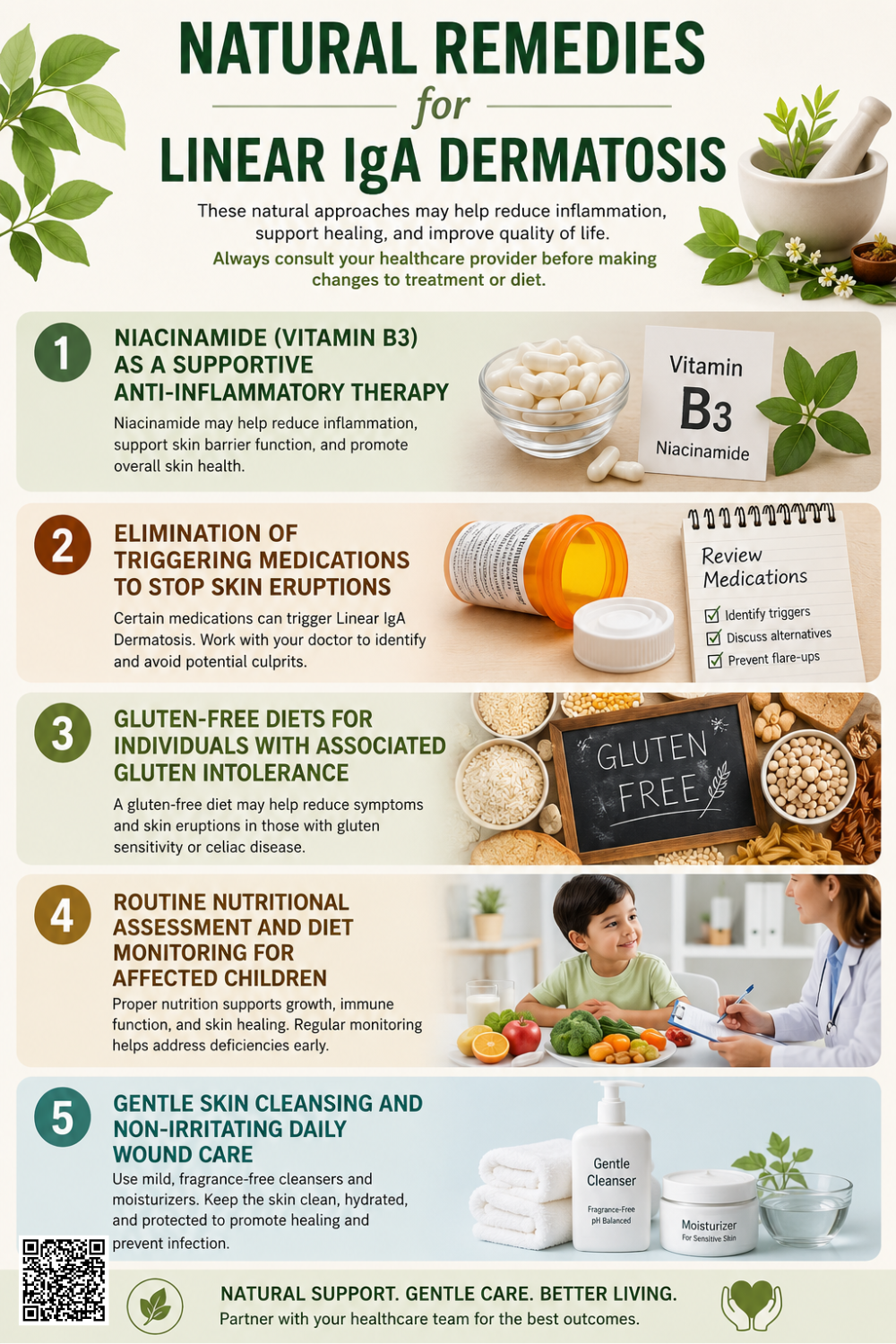
1. Niacinamide (Vitamin B3) as a Supportive Anti-Inflammatory Therapy
How It May Help
Niacinamide, a specific form of vitamin B3, functions as a targeted anti-inflammatory agent that helps manage abnormal blister formation. It works by blocking inflammatory white blood cells from gathering in the upper skin layers, calming the immune system’s mistaken attack on healthy tissue and reducing severe skin eruptions.
What Research Says
Clinical evidence confirms that administering niacinamide alongside tetracycline antibiotics successfully treats linear IgA dermatosis 8. Medical experts conclude that this combination effectively clears skin lesions and sustains disease remission, serving as a highly effective alternative for patients unable to tolerate the severe side effects of standard immunosuppressive medications 9.
How to Use It Safely
You should only utilize high-dose niacinamide therapy under direct medical supervision, as doctors must pair it with specific antibiotics to achieve clinical results. Do not attempt to self-treat with over-the-counter vitamin B3 supplements; a physician must establish your dosage and carefully manage the treatment protocol.
Potential Precautions or Side Effects
While generally safe, high-dose niacinamide can occasionally cause stomach upset, nausea, or mild headaches. Regular medical monitoring is required to prevent rare but potential liver strain or blood sugar alterations.
2. Elimination of Triggering Medications to Stop Skin Eruptions
How It May Help
Removing the specific medication responsible for triggering the immune system’s mistaken attack is the most direct way to stop new blister formation. Once the offending drug clears from the body, the immune system stops producing the harmful autoantibodies that damage the skin layers.
What Research Says
Clinical research confirms that drug-induced linear IgA dermatosis typically resolves completely within two to six weeks after discontinuing the trigger medicationStudies identify the antibiotic vancomycin as the most frequent cause, concluding that immediate drug withdrawal prevents severe complications and extensive skin scarring.
How to Use It Safely
You must always consult your prescribing physician before stopping any medication. Your doctor will review your prescriptions, identify potential triggers, and safely transition you to an alternative treatment, ensuring your underlying health condition remains appropriately managed while the skin heals.
Potential Precautions or Side Effects
Abruptly stopping prescription medications without medical supervision can dangerously worsen underlying health conditions. Always rely on professional medical guidance to prevent severe withdrawal effects or illness relapse.
3. Gluten-Free Diets for Individuals with Associated Gluten Intolerance
How It May Help
Adopting a strict gluten-free diet helps by eliminating dietary proteins that trigger systemic inflammation in individuals with underlying gluten sensitivities. By removing this trigger, the immune system reduces its overall production of inflammatory antibodies, which can help calm the mistaken attacks on the skin and subsequently decrease blister formation.
What Research Says
Clinical literature indicates that some patients with linear IgA dermatosis experience a reversal of skin lesions after completely eliminating dietary gluten 10. Furthermore, recent medical reviews officially recognize a strict gluten-free diet as a valid adjunctive therapy capable of managing symptoms in mild presentations of the disease 11.
How to Use It Safely
You should consult a physician and a registered dietitian before altering your diet. To use this approach safely, you must strictly avoid all wheat, barley, and rye while deliberately replacing them with nutritious alternative grains to prevent deficiencies in essential vitamins, minerals, and dietary fiber.
Potential Precautions or Side Effects
Unsupervised gluten-free diets can cause deficiencies in B vitamins, iron, and fiber. Furthermore, heavily relying on processed gluten-free alternatives may inadvertently increase your consumption of unhealthy dietary fats.
4. Routine Nutritional Assessment and Diet Monitoring for Affected Children
How It May Help
Children with this condition frequently develop painful blisters inside their mouths, making swallowing difficult. Routine nutritional monitoring ensures they consume sufficient calories and essential nutrients required for tissue healing. By modifying food textures, caregivers prevent malnutrition and support the child’s immune system as it repairs damaged skin.
What Research Says
Medical literature highlights that children with mucosal blistering face a significant risk of sudden weight loss and dietary deficiencies. Clinical experts conclude that integrating continuous dietary evaluations into pediatric treatment plans prevents growth delays and improves overall recovery during active disease flare-ups 12.
How to Use It Safely
You should collaborate with a pediatric registered dietitian to create customized, easy-to-swallow meal plans. Offer your child soft, nutrient-dense foods served at room temperature. Track their daily fluid intake to prevent dehydration, and schedule consistent weight checks with their pediatrician to ensure steady physical growth.
Potential Precautions or Side Effects
You must avoid feeding your child hard, crunchy, spicy, or highly acidic foods. These items can easily rupture delicate oral blisters, causing severe pain and significantly increasing the risk of secondary bacterial infections.
5. Gentle Skin Cleansing and Non-Irritating Daily Wound Care
How It May Help
Proper wound care manages fluid-filled blisters by preventing secondary bacterial infections and promoting natural tissue repair. Using mild, non-abrasive cleansers protects the fragile skin layers from further mechanical damage, minimizing the risk of permanent scarring as the active lesions heal.
What Research Says
Clinical guidelines emphasize that meticulous skin hygiene is critical for managing autoimmune blistering diseases. Dermatological studies conclude that daily cleansing with non-soap, fragrance-free emollients significantly reduces infection rates and accelerates the closure of eroded skin lesions without disrupting the natural moisture barrier 13.
How to Use It Safely
You should wash affected areas daily using lukewarm water and a fragrance-free, hypoallergenic cleanser. Gently pat the skin dry with a soft towel; never rub or scrub the blisters. Apply sterile, non-stick dressings to open sores to protect the newly healing tissue.
Potential Precautions or Side Effects
Do not deliberately pop or drain tense blisters, as this exposes raw skin to severe infections. Stop using any topical product immediately if you experience increased stinging, redness, or burning.
 Foods to Avoid When You Suffer from Linear IgA Dermatosis
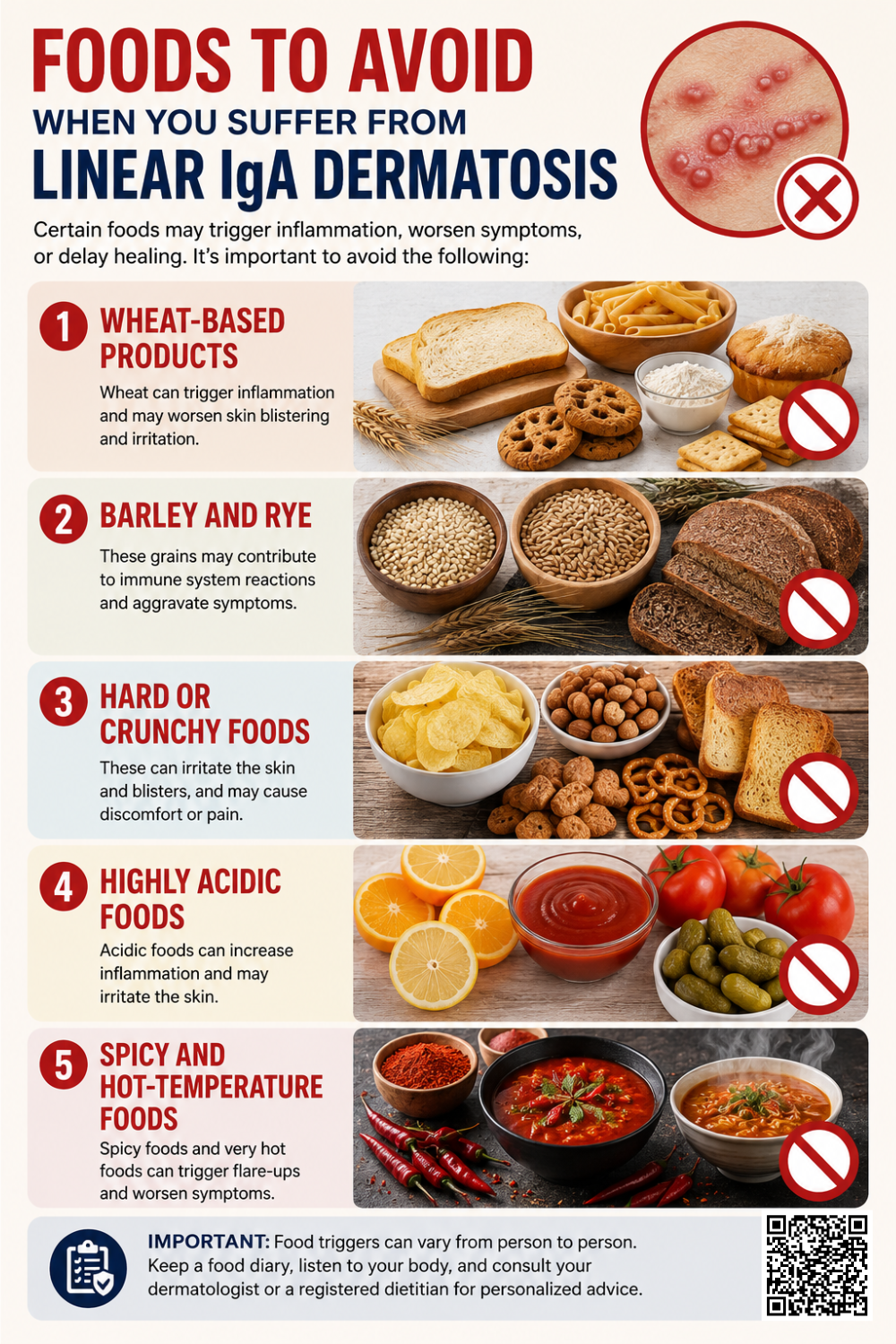
1. Wheat-Based Products
Consuming wheat triggers systemic inflammation in patients with concurrent gluten-sensitive enteropathy, which actively worsens the autoimmune blistering response 14.
2. Barley and Rye
Similar to wheat, these grains contain gluten proteins that can provoke severe skin eruptions in individuals who have an underlying gluten intolerance.
3. Hard or Crunchy Foods
Items like rough chips or crusty breads cause mechanical trauma, which can easily rupture delicate oral blisters and induce severe bleeding and pain 15.
4. Highly Acidic Foods
Citrus fruits and tomatoes contain harsh natural acids that severely irritate exposed mucosal erosions in the mouth, directly hindering the tissue healing process 16.
5. Spicy and Hot-Temperature Foods
Heavy spices and high-heat meals exacerbate mucosal inflammation, immediately triggering painful burning sensations and unnecessarily worsening existing oral ulcers 17.
When To See a Doctor When You Suffer From Linear IgA Dermatosis
1. Rapid Spreading of Blisters
Seek immediate care if new, fluid-filled lesions rapidly multiply across your skin, indicating a highly active autoimmune response requiring urgent therapeutic intervention.
2. Involvement of the Eyes
You must consult a specialist immediately if blisters affect your eyes, as untreated mucosal erosions can cause severe corneal scarring and permanent vision loss 18.
3. Signs of Skin Infection
Contact your physician if blisters ooze yellow pus, feel unusually warm, or exhibit increasing redness, as these strongly indicate secondary bacterial infections requiring targeted antibiotics.
4. Difficulty Swallowing or Breathing
Go to an emergency department if oral or throat lesions severely restrict your ability to eat, drink, or breathe, presenting a critical risk of severe dehydration 19.
5. Unexplained Systemic Symptoms
Schedule a clinical evaluation if you develop a sudden fever, extreme fatigue, or severe joint pain alongside skin eruptions, which may point to an underlying systemic disease trigger 20.