

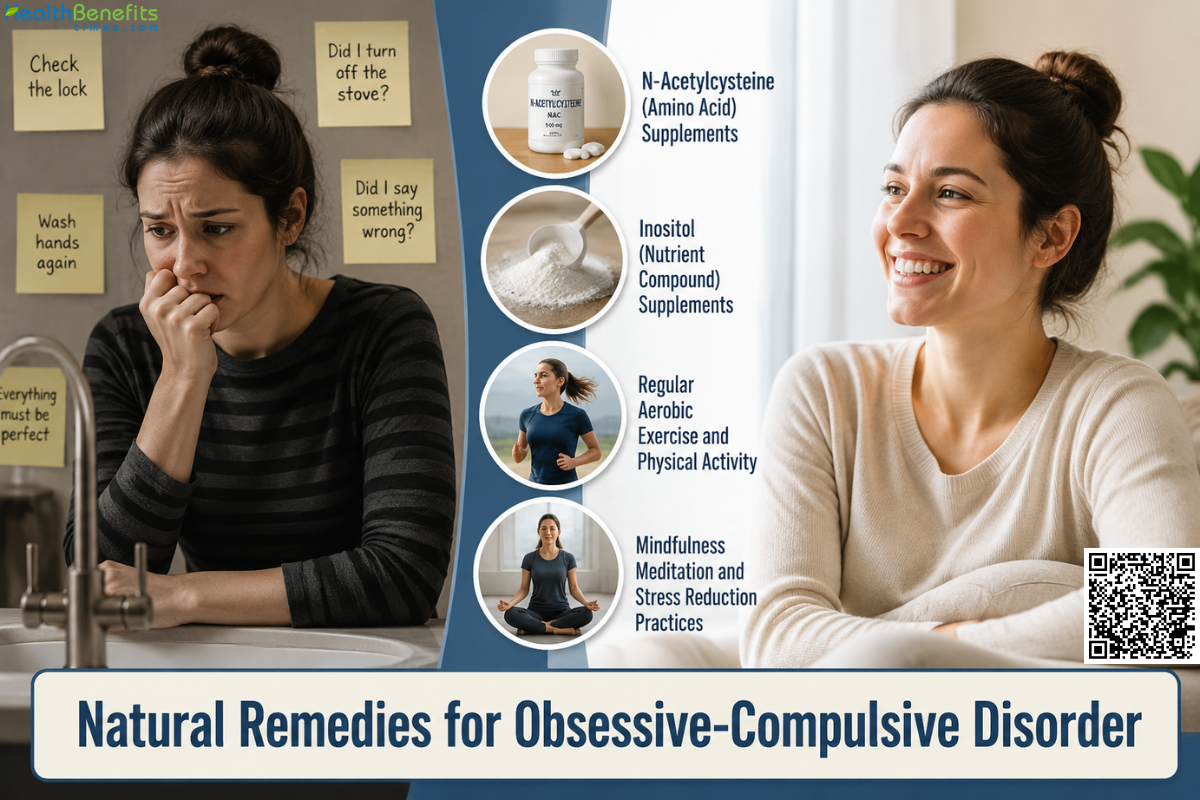
Obsessive-compulsive disorder is a common mental health condition characterized by unwanted, repeated thoughts, ideas, or sensations (obsessions) that drive a person to do something repetitively (compulsions). These intrusive thoughts cause significant distress, and the resulting repetitive behaviors—such as excessive cleaning, checking, or counting—are often performed in an attempt to reduce that anxiety or prevent a feared event. According to the National Institute of Mental Health, these patterns can interfere significantly with daily activities and social interactions 1. While the exact causes involve a combination of genetic, brain structure, and environmental factors, effective evidence-based treatments such as cognitive-behavioral therapy and specific medications are widely available to help individuals manage their symptoms and improve their overall quality of life 2.
Causes of Obsessive-Compulsive Disorder
1. Genetics and Family History
Research shows that individuals with a parent or sibling who has obsessive-compulsive disorder face a higher likelihood of developing the condition themselves, pointing to inherited genetic traits that influence brain function.
2. Brain Structure and Function
Advanced neuroimaging studies indicate that differences in specific areas of the brain—particularly regions responsible for processing behavior, impulses, and emotional responses—are linked to the onset of obsessive-compulsive symptoms 3.
3. Environmental Factors
Experiencing stressful life events, severe trauma, or physical abuse, particularly during childhood, can act as a trigger or increase vulnerability to developing obsessive-compulsive disorder.
Symptoms of Obsessive-Compulsive Disorder
1. Intrusive Thoughts (Obsessions)
Individuals frequently experience persistent, unwanted thoughts, urges, or mental images that cause significant anxiety, such as a severe fear of germs, contamination, or disturbing thoughts about harming oneself or others.
2. Need for Exactness and Symmetry
A common obsession involves an intense, overwhelming drive to have items arranged in a perfectly symmetrical or precise order.
3. Repetitive Physical Behaviors (Compulsions)
In response to obsessive thoughts, individuals often feel driven to perform repetitive physical actions, such as excessive handwashing, constant cleaning, or repeatedly checking that doors are locked or appliances are turned off.
4. Mental Rituals
Compulsions are not always physical actions; they can also manifest as silent mental rituals, such as counting continuously, silently repeating specific words, or organizing thoughts in a rigid pattern to neutralize anxiety.
5. Significant Daily Disruption
For these thoughts and behaviors to be classified as clinical symptoms, they generally consume more than an hour a day, cause major personal distress, and actively interfere with work, school, or social functioning.
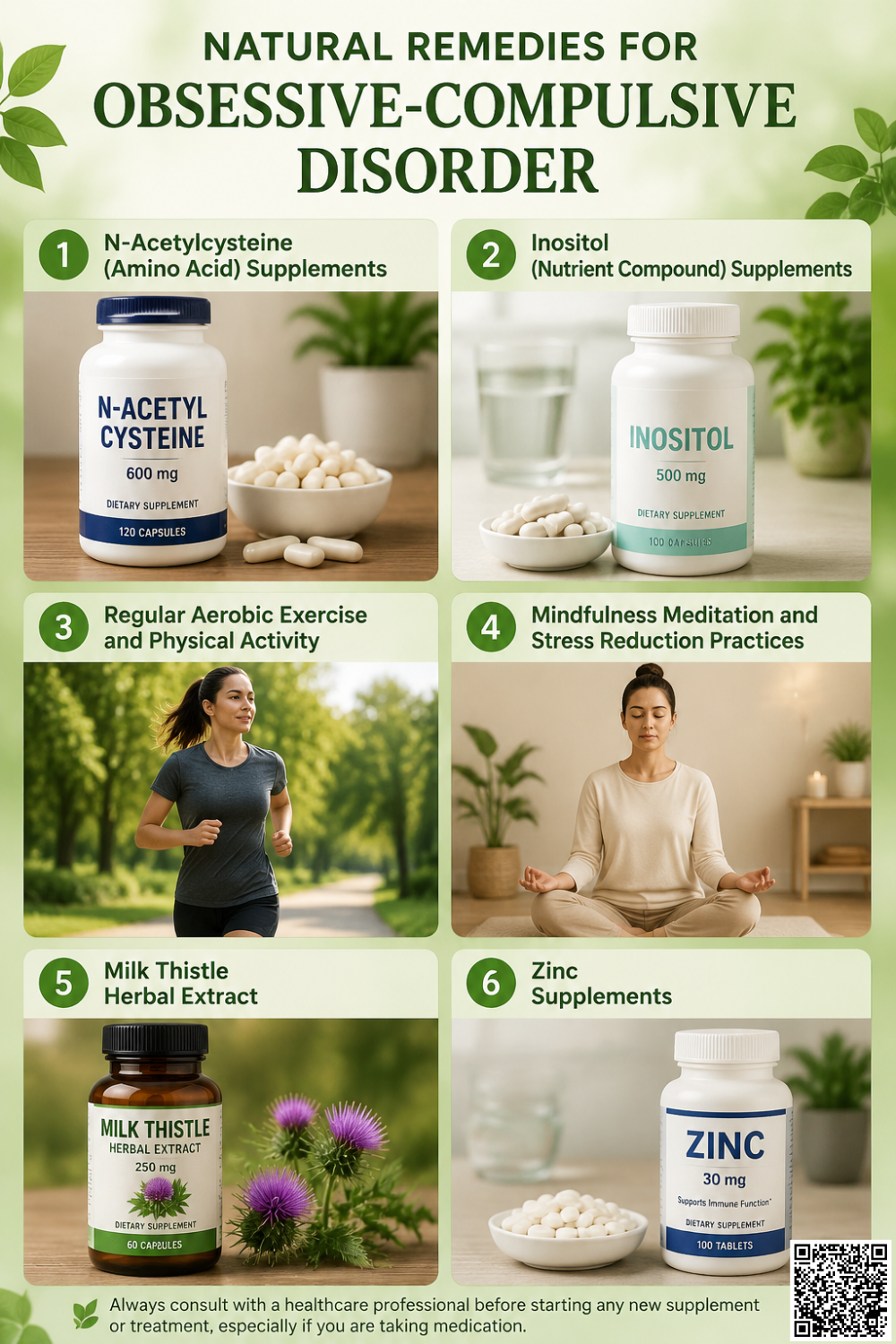 Natural Remedies for Obsessive-Compulsive Disorder
1. N-Acetylcysteine (Amino Acid) Supplements
How it may help
N-acetylcysteine is an amino acid supplement that helps regulate glutamate, a key chemical messenger in the brain. By balancing glutamate levels, it helps calm the overactive brain signals that trigger repetitive thoughts and behaviors, offering a biological approach to managing obsessive-compulsive symptoms 4.
What research says
Clinical studies demonstrate that N-acetylcysteine significantly reduces obsessive-compulsive symptoms when used alongside standard therapies, particularly for individuals who do not improve with primary medications alone 5. Researchers conclude it is a reliable supplemental option for managing treatment-resistant symptoms.
How to use it safely
You should consult your doctor before starting this supplement to prevent medication interactions. In clinical trials, effective daily dosages typically range from 2,400 to 3,000 milligrams, divided into two doses. Always follow your healthcare provider’s specific dosing schedule.
Potential precautions or side effects
It is generally safe but can cause mild digestive issues, including nausea or diarrhea. Monitor your reactions closely and consult a physician if you have asthma or bleeding disorders.
2. Inositol (Nutrient Compound) Supplements
How it may help
Inositol is a natural carbohydrate that functions as a cellular messenger. In the brain, it plays a vital role in regulating neurotransmitters, particularly serotonin and dopamine. By supporting cellular signaling pathways, inositol may help stabilize mood and reduce the obsessive thoughts and compulsive behaviors associated with Obsessive-Compulsive Disorder (OCD) 6.
What research says
Early clinical trials suggested that high doses of inositol significantly reduced OCD symptoms compared to a placebo 7. However, recent comprehensive meta-analyses conclude that inositol does not show statistically significant superiority over placebos for treating OCD, meaning its overall clinical efficacy remains unproven for this condition 8.
How to use it safely
If you consider using inositol, you should consult a healthcare provider first. Clinical studies typically evaluated doses of up to 18 grams daily for OCD 9. To use it safely, start with a low dose and gradually increase it over several weeks to allow your body to adjust.
Potential precautions or side effects
High doses of inositol can cause mild side effects, primarily gastrointestinal upset like nausea, gas, and diarrhea. It may also cause mild dizziness or fatigue.
3. Regular Aerobic Exercise and Physical Activity
How it may help
Regular aerobic exercise helps regulate the nervous system by releasing endorphins and increasing chemical messengers like serotonin. This natural biological response lowers overall psychological distress and anxiety, which can decrease the intensity of obsessive thoughts and make it easier to manage compulsive urges.
What research says
Clinical meta-analyses conclude that aerobic exercise significantly reduces OCD symptoms, anxiety, and depression when used alongside standard therapies 10. Research indicates that individuals engaging in moderate-intensity physical activities report measurable, lasting decreases in the severity of their obsessions and compulsions 11.
How to use it safely
You should aim for approximately 150 minutes of moderate-intensity aerobic exercise each week. Start slowly with brief sessions and gradually increase the duration. Always consult a healthcare provider before beginning a new physical activity routine to ensure it safely aligns with your current physical health.
Potential precautions or side effects
Avoid overtraining, which may cause physical injury or severe fatigue. Monitor your behavior carefully to ensure that the physical activity itself does not develop into a rigid, compulsive habit.
4. Mindfulness Meditation and Stress Reduction Practices
How it may help
Mindfulness teaches individuals to observe intrusive thoughts without judgment or immediate emotional reaction. This practice creates a mental pause, which reduces the intense distress caused by obsessions and weakens the automatic urge to perform physical or mental compulsions.
What research says
Clinical reviews demonstrate that mindfulness-based interventions significantly reduce OCD symptom severity and improve overall well-being when used alongside standard therapies 12. Evidence confirms that these practices effectively help individuals detach from obsessive thinking patterns and lower related anxiety 13.
How to use it safely
You should begin with short, guided sessions lasting five to ten minutes daily. Work with a licensed mental health professional to safely integrate mindfulness into your existing treatment plan. Consistency is far more beneficial than lengthy sessions when building this habit.
Potential precautions or side effects
Sitting in silence may temporarily increase anxiety or make intrusive thoughts feel more intense 14. Stop practicing and consult your therapist if meditation triggers overwhelming distress.
5. Milk Thistle Herbal Extract
How it may help
Milk thistle contains active compounds, primarily silymarin, that protect neurological function. It may help control OCD symptoms by modulating monoamine pathways in the brain 15. Specifically, it acts as a natural serotonin reuptake inhibitor, balancing the crucial neurotransmitters that influence obsessive thoughts and compulsive behaviors.
What research says
An eight-week double-blind, randomized clinical trial demonstrated that milk thistle extract significantly reduced OCD symptoms 16. The study concluded that its therapeutic efficacy and safety profile were comparable to fluoxetine, a conventional prescription medication, making it a promising natural option for managing clinical obsessions and compulsions.
How to use it safely
You should consult a healthcare provider before starting milk thistle to prevent interactions with existing psychiatric medications. Clinical trials evaluating its effect on OCD utilized a daily dosage of 600 milligrams of the extract. Divide this dose throughout the day to maintain steady absorption.
Potential precautions or side effects
Milk thistle is generally well-tolerated but may cause mild gastrointestinal upset, such as nausea or diarrhea. Avoid this extract if you have known allergies to the ragweed family.
6. Zinc Supplements
How it may help
Zinc helps regulate chemical messengers in the brain, such as serotonin and glutamate, which directly influence mood and behavior 17. By balancing these neurological signals and protecting brain cells from stress, zinc may help reduce the intensity of obsessive thoughts and compulsive urges.
What research says
Clinical trials show that taking zinc alongside standard prescription medications improves overall treatment outcomes. In an eight-week study, patients who took zinc sulfate alongside an antidepressant experienced a significantly greater reduction in obsessive-compulsive symptoms compared to those taking the medication alone.
How to use it safely
You should consult a doctor before starting zinc to prevent dangerous medication interactions. Clinical trials evaluating zinc for obsessive-compulsive disorder safely utilized 440 milligrams of zinc sulfate daily, split into two doses. Never exceed recommended amounts without strict medical supervision.
Potential precautions or side effects
High zinc doses can cause stomach pain, nausea, and vomiting 18. Long-term overuse can lead to copper deficiency, which causes nerve damage and weakens the immune system.
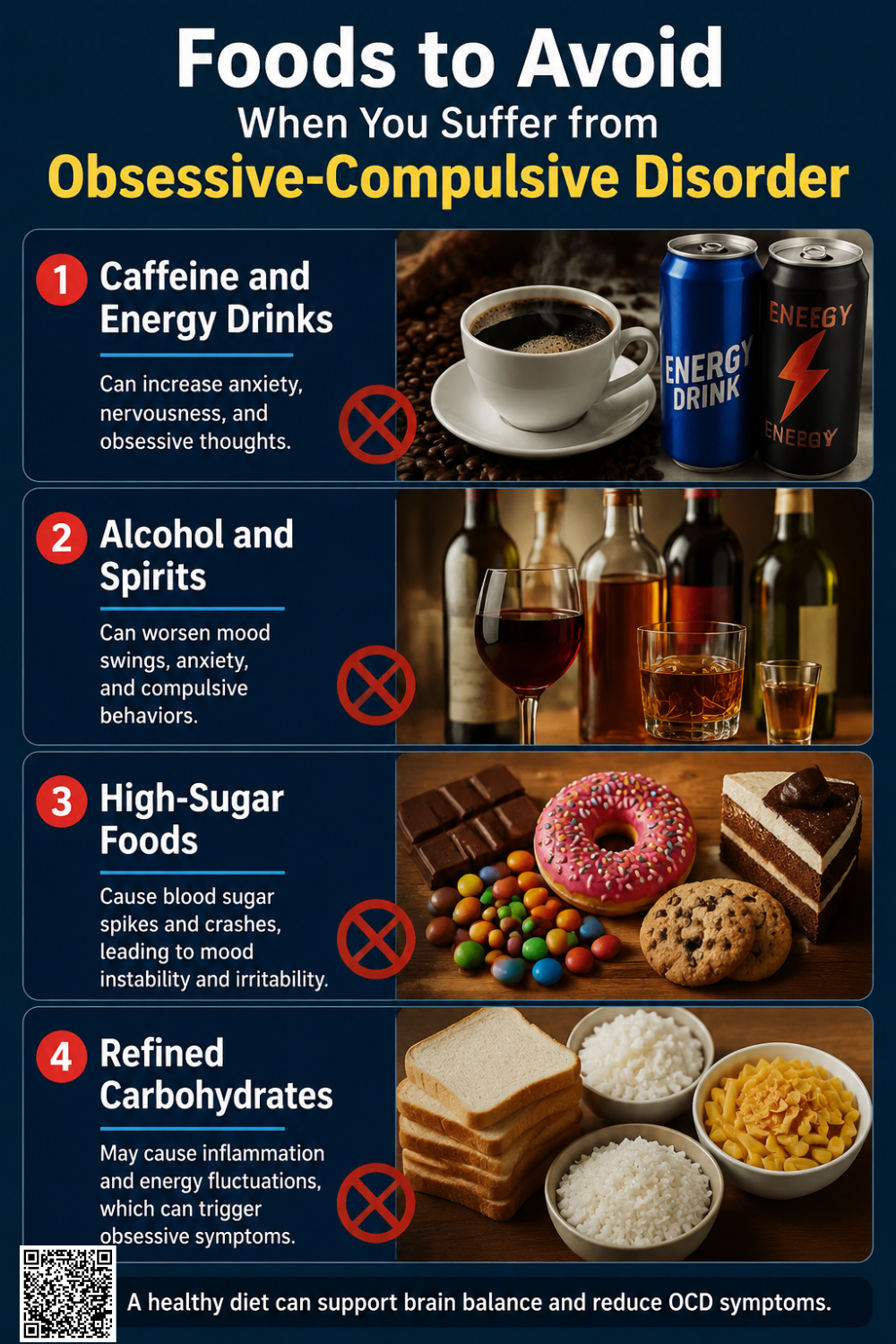 Foods to Avoid When You suffer from Obsessive-Compulsive Disorder
1. Caffeine and Energy Drinks
Caffeine stimulates the central nervous system, artificially triggering physical symptoms of anxiety. This physical stress frequently exacerbates intrusive thoughts and compulsive urges in affected individuals 19.
2. Alcohol and Spirits
While temporarily numbing distress, alcohol alters brain chemistry and causes severe rebound anxiety. This chemical withdrawal significantly worsens obsessive-compulsive symptoms and impairs mental control 20.
3. High-Sugar Foods
Excessive dietary sugar causes rapid blood glucose spikes and crashes. These sudden drops mimic panic symptoms, activate stress pathways in the brain, and directly induce anxiety-like behaviors 21.
4. Refined Carbohydrates
Processed foods lacking fiber digest rapidly, acting like pure sugar. They promote systemic inflammation and blood sugar instability, which negatively impact brain function and intensify daily anxiety 22.
When To see Doctor when you suffer from Obsessive-Compulsive Disorder
1. Extreme Time Consumption
You should consult a doctor if obsessions or compulsions consume more than one hour of your day, establishing a primary clinical threshold for diagnosis 23.
2. Impaired Daily Functioning
Seek professional help when intrusive thoughts and repetitive behaviors prevent you from completing schoolwork, maintaining job performance, or sustaining relationships 24.
3. Severe Psychological Distress
Medical intervention is necessary if your symptoms cause overwhelming anxiety or emotional suffering that you cannot manage independently.
4. Physical Self-Harm
You need immediate treatment if compulsive behaviors like excessive washing or skin-picking lead to physical injuries, severe dermatitis, or tissue damage 25.
5. Suicidal Thoughts
Emergency psychiatric care is strictly required if the severity of the disorder triggers suicidal ideation or an active desire for self-harm 26.