

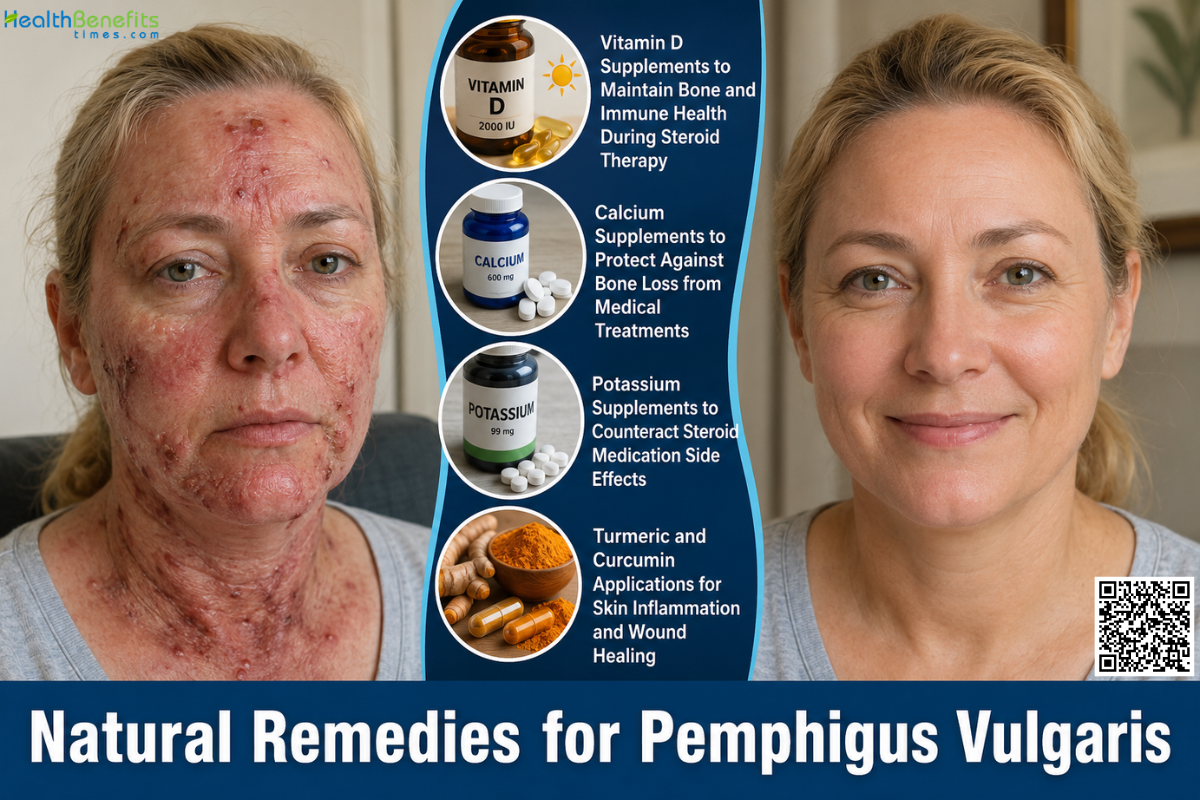
Pemphigus vulgaris is a severe autoimmune disorder characterized by the widespread formation of blisters on the skin and mucous membranes. Pathologically, the condition develops when the immune system mistakenly produces autoantibodies that target and damage desmogleins, the specific proteins responsible for binding skin cells together 1. As these cellular connections dissolve, fluid accumulates and forms fragile blisters that rapidly rupture into painful, open erosions 2. Clinical presentation predominantly begins with oral sores before progressing to the outer skin, with peak incidence occurring in adults between 40 and 60 years of age. Because widespread erosions carry high risks of severe secondary infections—which remain the leading cause of mortality—the condition requires aggressive medical intervention. Medical management strictly relies on systemic corticosteroids to suppress the underlying immune response and facilitate tissue healing, frequently supplemented by additional immunosuppressive medications to sustain long-term disease remission 3.
Causes of Pemphigus Vulgaris
1. Autoantibody Production
The primary and direct clinical cause of pemphigus vulgaris is a severe malfunction of the immune system. The body inappropriately generates immunoglobulin G (IgG) autoantibodies that target and destroy essential proteins known as desmoglein 1 and desmoglein 3. Because these proteins function as the structural “glue” that holds skin and mucosal cells together, their destruction leads to cellular separation and subsequent blistering.
2. Genetic Predisposition
While the disease itself is not directly inherited, individuals can inherit a definitive genetic vulnerability. Clinical research establishes that possessing specific variations within the human leukocyte antigen (HLA) gene complex—specifically the HLA-DRB104:02 and HLA-DQB105:03 alleles—highly predisposes an individual to develop the condition when exposed to proper environmental triggers 4.
3. Medication Triggers
In patients with an underlying genetic susceptibility, specific prescription medications can initiate the autoimmune reaction. Drugs containing thiol chemical groups—such as penicillamine (used for heavy metal toxicity) and captopril (used for blood pressure management)—are documented clinical triggers capable of inducing the disease 5.
4. Environmental and Physiological Stressors
Various external events and internal physiological shifts can provoke the onset or severe exacerbation of the condition. Scientifically documented precipitants include significant emotional stress, rapid hormonal fluctuations occurring during pregnancy, exposure to chemical pesticides, and physical skin trauma resulting from thermal burns, electrical injuries, or radiation exposure.
Symptoms of Pemphigus Vulgaris
1. Oral Blisters and Severe Erosions
In approximately 80% of clinical cases, the earliest symptom is the formation of blisters inside the mouth. These oral blisters are highly fragile and quickly rupture to form painful, open sores on the gums, tongue, lips, and inner cheeks, which frequently causes severe pain and difficulties with eating, drinking, and swallowing 6.
2. Widespread Skin Blistering
Following the initial oral symptoms, patients typically develop soft, fluid-filled blisters on the external skin, most commonly appearing on the face, scalp, trunk, groin, and armpits. These blisters are notably flaccid and delicate, meaning they break open easily and leave behind large, painful, and raw skin erosions that are highly susceptible to severe secondary bacterial infections.
3. Extreme Skin Fragility (Nikolsky’s Sign)
A defining clinical symptom of the disorder is highly fragile skin that easily peels or shears away. Because the disease destroys the structural connections between skin cells, even minor friction, gentle rubbing, or light pressure on seemingly unaffected skin will immediately induce the formation of a new blister or cause the top layer of skin to slide off 7.
4. Involvement of Other Mucous Membranes
Beyond the mouth and external skin, the blistering and painful erosions frequently spread to other mucous membranes throughout the body. Patients commonly experience severe irritation, bleeding, and sores within the nasal passages, throat, vocal cords, eyes (conjunctiva), and genital regions 8.
5. Nail and Scalp Abnormalities
In severe manifestations of the disease, the autoimmune attack affects the specialized skin surrounding the hair and nails. This results in localized hair loss on the scalp and painful inflammation around the nail folds (paronychia), which can lead to significant nail deformities, bleeding under the nails, or the complete loss of the nail plate 9.
Natural Remedies for Pemphigus Vulgaris
1. Vitamin D Supplements to Maintain Bone and Immune Health During Steroid Therapy
How It May Help
Long-term corticosteroid treatment, the primary therapy for pemphigus vulgaris, significantly accelerates bone density loss. Vitamin D counteracts this damage by enabling the digestive system to absorb calcium, preserving structural bone strength. It also supports immune regulation, which assists in managing the underlying autoimmune dysfunction 10.
What Research Says
Clinical studies conclude that patients taking systemic corticosteroids require preventative bone therapy. Research demonstrates that supplementing Vitamin D significantly reduces the rapid bone loss and fracture risk associated with steroid therapies. Additionally, adequate baseline Vitamin D levels correlate with decreased overall autoimmune disease severity 11.
How to Use It Safely
You should have your blood levels tested to determine the correct baseline dosage. Clinical guidelines typically recommend a daily intake of 600 to 800 IU, though physicians frequently prescribe higher therapeutic doses to correct deficiencies caused by prolonged steroid use 12.
Potential Precautions or Side Effects
Excessive supplementation causes toxic calcium buildup in the blood (hypercalcemia), leading to nausea, weakness, and severe kidney damage. Always coordinate all supplement dosages with your prescribing physician.
2. Calcium Supplements to Protect Against Bone Loss from Medical Treatments
How It May Help
High-dose corticosteroids used to manage pemphigus vulgaris severely deplete internal calcium stores, progressively weakening bones. Calcium supplementation directly replenishes this vital mineral, preserving bone density and maintaining structural integrity while the body undergoes necessary, intensive immunosuppressive therapy.
What Research Says
Clinical guidelines emphasize that patients prescribed long-term systemic corticosteroids experience rapid bone demineralization. Medical research confirms that combining daily calcium supplementation with Vitamin D effectively mitigates steroid-induced osteoporosis and significantly reduces the incidence of spontaneous bone fractures in treated patients 13.
How to Use It Safely
You should consume calcium in divided doses throughout the day, because the digestive system optimally absorbs only 500 milligrams at one time. Always take these supplements alongside meals to maximize absorption and strictly follow your physician’s specific dosing instructions 14.
Potential Precautions or Side Effects
Excessive calcium intake frequently causes severe constipation and significantly increases the risk of developing kidney stones. Furthermore, high supplement doses can dangerously interfere with other essential prescription medications.
3. Potassium Supplements to Counteract Steroid Medication Side Effects
How It May Help
High-dose corticosteroids, the standard treatment for pemphigus vulgaris, frequently alter kidney function, causing the body to excrete excessive amounts of potassium while retaining sodium. Potassium supplementation helps restore this vital electrolyte balance, directly preventing severe muscle weakness, cramping, and potentially dangerous cardiovascular irregularities associated with long-term steroid therapy.
What Research Says
Clinical data confirms that prolonged systemic corticosteroid administration significantly increases the risk of developing hypokalemia, or dangerously low blood potassium levels. Medical research demonstrates that proactively managing potassium intake during steroid therapy successfully maintains normal serum levels, thereby reducing the incidence of drug-induced metabolic and cardiovascular complications 15.
How to Use It Safely
You must strictly coordinate potassium supplementation with your prescribing physician through regular blood tests. Because requirements vary based on your specific corticosteroid dosage, follow your doctor’s exact prescription and do not self-supplement over-the-counter options, as dietary sources alone may not suffice during intensive treatment.
Potential Precautions or Side Effects
Taking excess potassium causes hyperkalemia, leading to dangerous heart arrhythmias and gastrointestinal bleeding. Avoid these supplements entirely if you have kidney disease or take potassium-sparing blood pressure medications.
4. Turmeric and Curcumin Applications for Skin Inflammation and Wound Healing
How It May Help
Curcumin, the active compound in turmeric, possesses potent anti-inflammatory and antioxidant properties. By modulating cellular repair processes, it accelerates tissue regeneration and promotes collagen deposition. For individuals managing painful skin erosions, applying curcumin can significantly reduce localized inflammation and enhance the overall speed of cutaneous wound healing 16.
What Research Says
Extensive clinical reviews confirm that curcumin effectively accelerates wound closure. Research demonstrates it actively suppresses inflammatory cytokines and stimulates the proliferation of fibroblasts required for new tissue formation. Studies consistently highlight its efficacy as a safe adjunctive therapy for reducing prolonged skin inflammation and supporting rapid epidermal repair 17.
How to Use It Safely
You should consult your dermatologist before applying curcumin to severe open erosions. Because pure curcumin has low water solubility, use medically formulated topical hydrogels or ointments specifically designed for wound care to ensure optimal tissue absorption and avoid further irritating fragile skin lesions 18.
Potential Precautions or Side Effects
Topical applications may cause mild contact dermatitis or burning sensations in sensitive individuals. Never apply raw turmeric powder directly to open blisters, as this significantly increases severe infection risks.
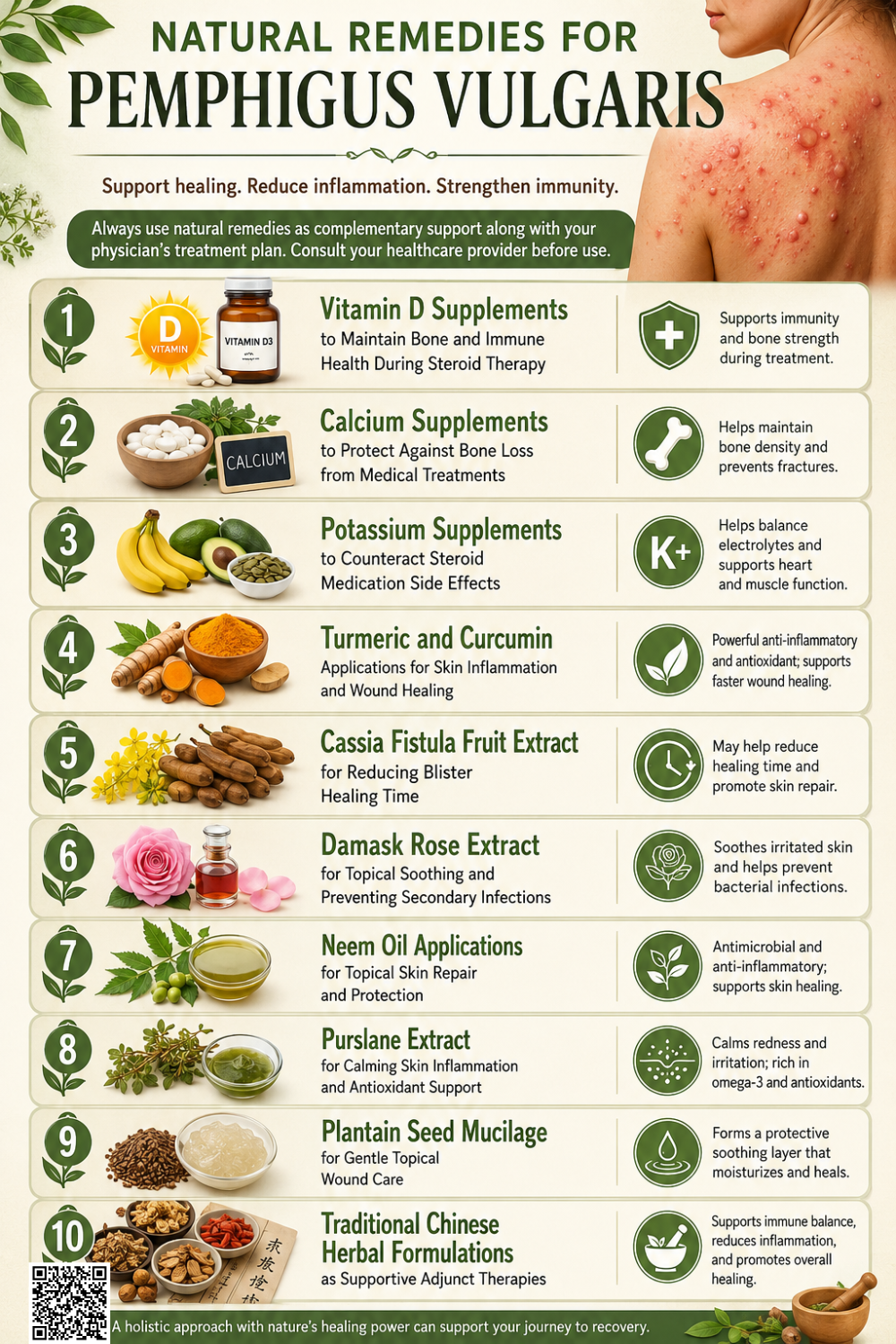 5. Cassia Fistula Fruit Extract for Reducing Blister Healing Time
How It May Help
Cassia fistula fruit extract possesses potent antioxidant and anti-inflammatory properties that help soothe painful skin and mucous membrane erosions. By neutralizing free radicals and suppressing localized inflammation, it actively supports cellular regeneration, accelerating the physical closure and healing of delicate pemphigus vulgaris blisters 19.
What Research Says
A double-blind, placebo-controlled clinical trial concluded that applying Cassia fistula fruit gel alongside standard steroid treatments significantly reduces the healing time of pemphigus vulgaris lesions. Researchers found that its topical application promotes faster tissue repair and minimizes the prolonged active phase of the disease.
How to Use It Safely
You should apply medically formulated Cassia fistula fruit gel directly to the healing erosions only after consulting your dermatologist. To prevent contaminating open blisters, use sterile applicators and apply it exclusively as a supplementary treatment alongside your prescribed immunosuppressive medications.
Potential Precautions or Side Effects
Topical use may occasionally cause mild allergic dermatitis or localized burning. Never apply unsterilized plant extracts to open lesions, as this dramatically increases severe bacterial infection risks 20.
6. Damask Rose Extract for Topical Soothing and Preventing Secondary Infections
How It May Help
Damask rose extract provides natural antimicrobial and anti-inflammatory benefits that soothe painful skin erosions. By creating a gentle protective barrier, it actively suppresses bacterial growth on open blisters, which is crucial for preventing the severe secondary skin infections that frequently complicate pemphigus vulgaris healing 21.
What Research Says
Clinical studies demonstrate that Rosa damascena possesses significant broad-spectrum antibacterial properties, particularly against the pathogens most responsible for infecting cutaneous wounds. Research concludes that its topical application effectively reduces localized inflammation and accelerates the structural repair of damaged epidermal tissues.
How to Use It Safely
You must consult your dermatologist before applying any botanical extract to active blisters. If approved, use only sterile, medically prepared therapeutic formulations rather than pure essential oils, and apply the solution gently with sterile gauze to avoid tearing the extremely fragile surrounding skin.
Potential Precautions or Side Effects
Applying highly concentrated extracts can trigger severe allergic contact dermatitis. Never apply unsterilized cosmetic rose water to open lesions, as this introduces dangerous bacteria directly into your bloodstream.
7. Neem Oil Applications for Topical Skin Repair and Protection
How It May Help
Neem oil contains active botanical compounds that provide strong antibacterial and anti-inflammatory benefits. For individuals managing pemphigus vulgaris, applying these extracts helps soothe painful lesions, reduces localized tissue swelling, and creates a functional protective barrier over open blisters to prevent severe secondary skin infections 22.
What Research Says
Clinical reviews demonstrate that neem extracts effectively suppress the proliferation of common bacterial skin pathogens. Medical research concludes that topical application significantly accelerates epidermal tissue regeneration, reduces inflammatory markers at the wound site, and supports the rapid physical closure of damaged skin erosions 23.
How to Use It Safely
You must consult your dermatologist before applying neem preparations to active blisters. If approved, never use undiluted oils. Apply only medically formulated, sterile neem ointments using a gentle method with sterile gauze to prevent further mechanical damage to your extremely fragile skin.
Potential Precautions or Side Effects
Concentrated neem oil frequently causes severe contact dermatitis and burning. Applying unsterilized, commercial oils directly to open erosions dramatically increases the risk of introducing dangerous systemic bacterial infections.
8. Purslane Extract for Calming Skin Inflammation and Antioxidant Support
How It May Help
Purslane extract provides substantial antioxidant and anti-inflammatory properties that soothe painful skin irritation. By delivering high concentrations of beneficial fatty acids and essential vitamins, it actively neutralizes damaging free radicals and supports the rapid cellular regeneration required to heal delicate pemphigus vulgaris erosions 24.
What Research Says
Clinical reviews confirm that Portulaca oleracea possesses significant wound-healing and anti-inflammatory capabilities. Medical studies demonstrate that its application decreases localized tissue inflammation, inhibits the production of pro-inflammatory cytokines, and accelerates the proliferation of new epidermal cells necessary for repairing severe cutaneous lesions 25.
How to Use It Safely
You must consult your dermatologist before applying botanical extracts to active blisters. If medically approved, strictly use sterile, professionally formulated purslane ointments rather than raw plant material. Apply the preparation gently using a sterile applicator to avoid tearing the surrounding fragile skin 26.
Potential Precautions or Side Effects
Topical botanical extracts can occasionally trigger allergic contact dermatitis. Never apply unsterilized purslane directly to open skin erosions, as this dramatically increases the risk of severe bacterial infections.
9. Plantain Seed Mucilage for Gentle Topical Wound Care
How It May Help
Plantain seed mucilage creates a protective, gel-like barrier over painful skin erosions. This natural coating shields highly fragile tissues from mechanical friction while maintaining a moist environment essential for cellular repair. By isolating open blisters from environmental irritants, it actively supports the physical closure of damaged skin 27.
What Research Says
Scientific evaluations confirm that plantain extracts significantly accelerate epidermal regeneration. Research demonstrates that the mucilage actively stimulates tissue growth, reduces localized oxidative stress, and suppresses the proliferation of common wound pathogens, making it an effective adjunctive topical therapy for repairing severe cutaneous lesions 28.
How to Use It Safely
You must consult your dermatologist before applying botanical treatments to active blisters. If medically approved, strictly utilize sterile, professionally formulated mucilage hydrogels. Apply the gel gently using sterile applicators to prevent tearing the extremely delicate skin surrounding the erosions.
Potential Precautions or Side Effects
Botanical applications can occasionally provoke allergic contact dermatitis. Never apply raw, unsterilized plantain seeds or homemade pastes to open blisters, as this dramatically increases severe bacterial infection risks.
10. Traditional Chinese Herbal Formulations as Supportive Adjunct Therapies
How It May Help
Traditional Chinese herbal formulations aim to balance immune responses and reduce systemic inflammation. When integrated with conventional pemphigus vulgaris treatments, these specialized botanical mixtures help soothe painful skin erosions, decrease new blister formation, and support the body’s natural tissue repair processes during the active disease phase 29.
What Research Says
Clinical research indicates that combining standardized Chinese herbal medicine with standard corticosteroid therapy improves overall clinical outcomes. Studies demonstrate that this integrative approach significantly accelerates the healing of skin lesions, reduces the required maintenance dosage of steroid medications, and lowers the incidence of treatment-related adverse effects.
How to Use It Safely
You must only utilize these complex formulations under the direct supervision of your prescribing dermatologist and a certified practitioner. Always ensure full transparency between your healthcare providers to properly coordinate therapies and actively prevent dangerous interactions with your essential immunosuppressive medications.
Potential Precautions or Side Effects
Unregulated herbs carry severe risks of liver toxicity and dangerous drug interactions. Never replace prescribed corticosteroids with herbal remedies, as this can trigger a life-threatening disease relapse.
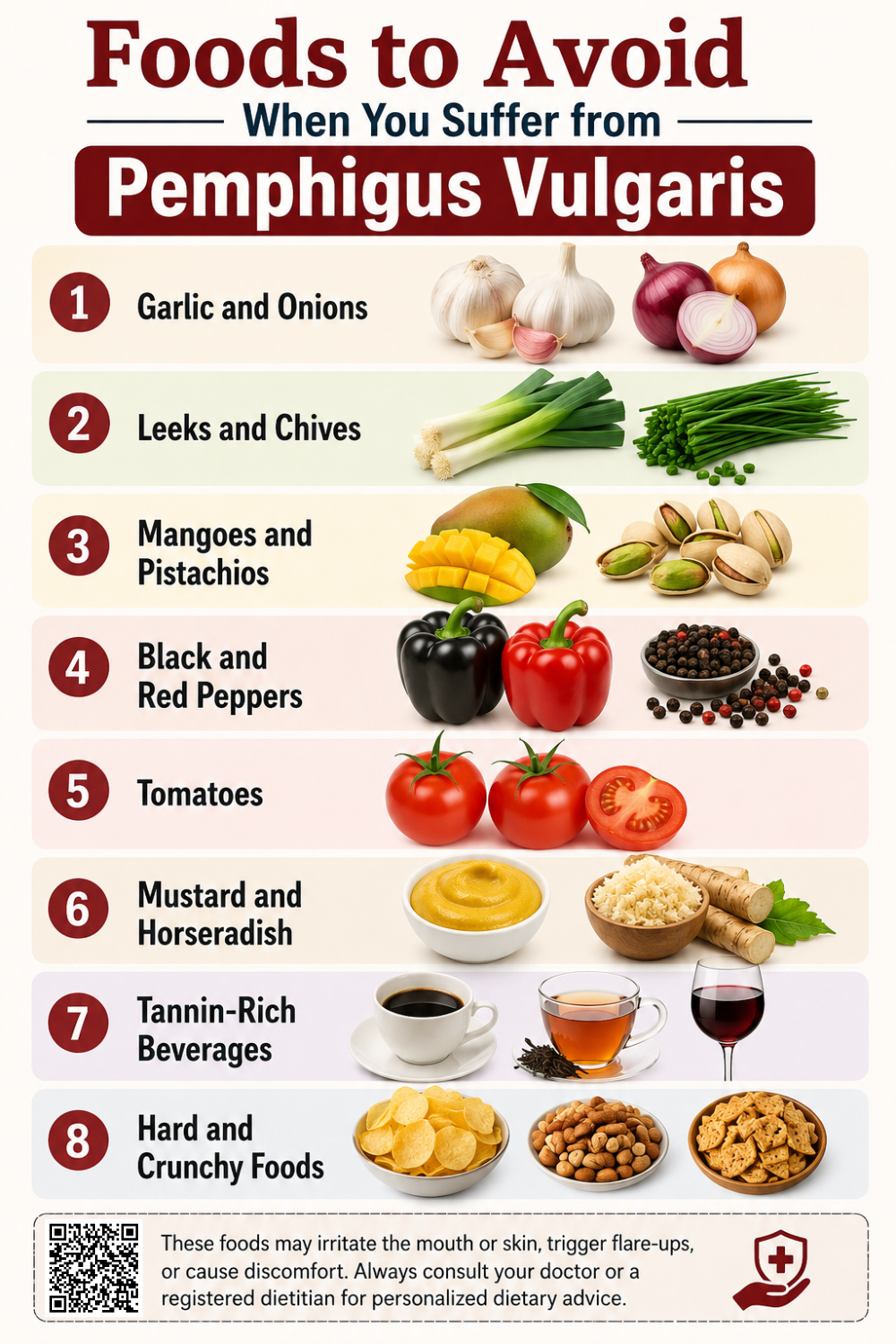 Foods to Avoid When You Suffer from Pemphigus Vulgaris
1. Garlic and Onions
These vegetables contain thiols (sulfhydryl compounds) that disrupt cellular adhesion and are clinically documented to trigger pemphigus blisters 30.
2. Leeks and Chives
Also part of the allium family, these foods possess active disulfide groups that cause skin cells to disaggregate and detach.
3. Mangoes and Pistachios
These contain high levels of phenols, which stimulate the release of inflammatory cytokines and worsen tissue separation.
4. Black and Red Peppers
Spices like black pepper and chili are rich in phenols and tannins, acting as potent triggers that exacerbate severe mucosal blisters 31.
5. Tomatoes
High in cinnamic acid, tomatoes frequently irritate active oral lesions and are commonly reported by patients as significant dietary triggers.
6. Mustard and Horseradish
These foods contain isothiocyanates. Clinical research links the dietary intake of these specific compounds directly to the aggravation of pemphigus symptoms.
7. Tannin-Rich Beverages
Red wine and tea contain tannins, which are polyphenolic compounds scientifically shown to alter structural cell membranes and cause adhesion breakdown 32.
8. Hard and Crunchy Foods
Items like chips and sharp nuts cause direct mechanical trauma, physically tearing fragile oral blisters and severely delaying tissue repair.
When To See a Doctor When You Suffer from Pemphigus Vulgaris
1. Development of New Blisters
You should seek immediate medical evaluation if you notice new, unexplained fluid-filled blisters forming on your skin or inside your mouth, indicating active autoimmune relapse.
2. Signs of Secondary Infection
Contact your physician if existing erosions become increasingly painful, drain yellow pus, or emit a foul odor, as this signals a severe bacterial infection.
3. Unexplained Fever or Chills
You must visit an emergency department if you experience a high fever or systemic chills, which strongly suggest a localized skin infection has entered your bloodstream.
4. Difficulty Swallowing or Eating
Seek immediate care if severe oral or esophageal lesions prevent you from swallowing fluids or eating, as this rapidly leads to dangerous systemic dehydration and malnutrition.
5. Sudden Vision Changes
You must consult a doctor immediately if blisters develop near your eyes or you experience visual disturbances, as untreated ocular involvement can cause permanent eye damage.