

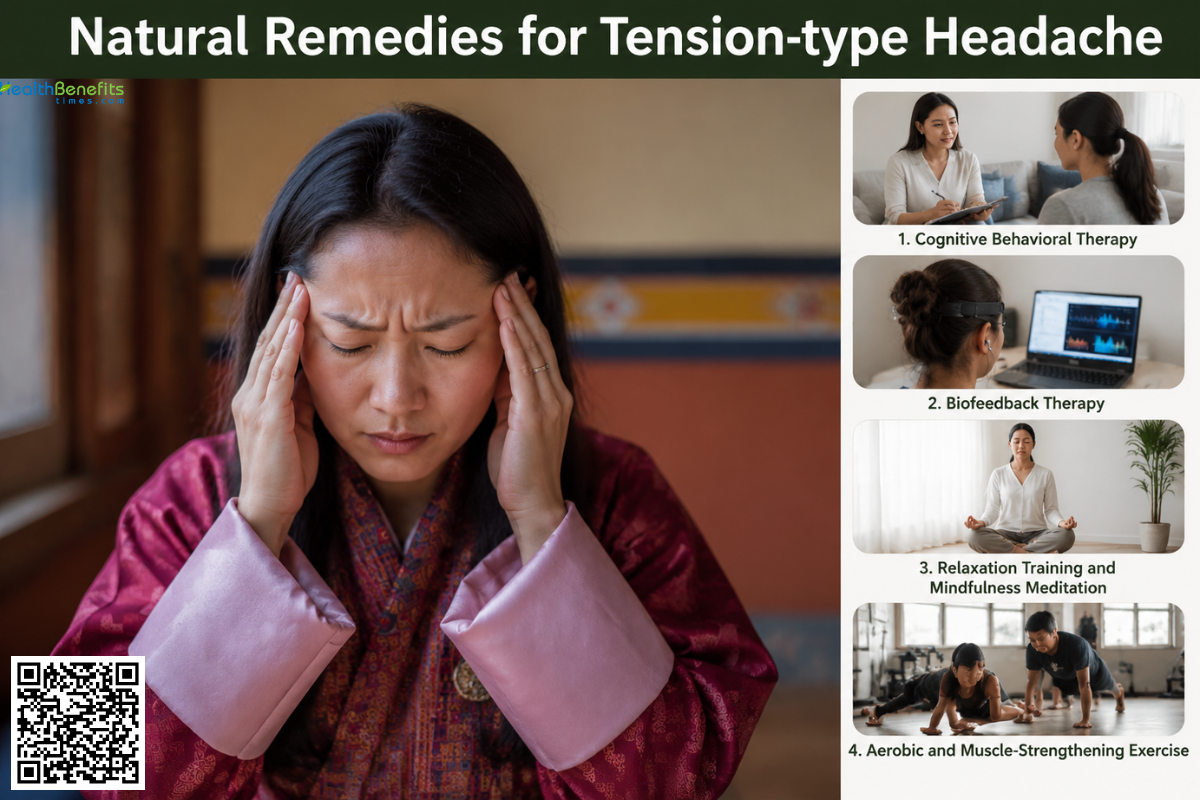
A tension-type headache is the most frequently occurring primary headache disorder worldwide. Clinically, it presents as a mild to moderate, dull, aching pain that typically feels like a tight band wrapping around both sides of the head 1. Unlike migraines, tension-type headaches do not cause nausea or vomiting, and routine physical activities, such as walking or climbing stairs, do not worsen the pain 2. While the exact biological mechanism remains completely unclear, medical research concludes that these headaches frequently result from heightened sensitivity to stress, fatigue, and increased muscle tension in the neck, shoulders, and scalp 3. Medical professionals classify them into episodic or chronic categories, noting that highly frequent or unmanaged occurrences can significantly disrupt daily concentration, mood, and overall well-being 4.
Causes of Tension-type Headache
1. Psychological Stress and Anxiety
Emotional stress is widely recognized as the most common trigger for tension-type headaches. Clinical research concludes that persistent mental strain, acute anxiety, and chronic worry alter the central nervous system’s pain processing pathways, which significantly lowers an individual’s pain threshold and directly increases headache frequency 3.
2. Muscle Tension and Poor Posture
Sustained muscle contraction in the head, neck, and shoulders is a primary physical contributor to this condition. Medical studies demonstrate that poor posture, such as slouching over a computer or maintaining awkward neck positions for extended periods, creates chronic mechanical stress on muscles and joints that precipitates headache episodes 1.
3. Sleep Deprivation and Fatigue
Inadequate rest and poor sleep quality are major contributors to the development of primary headache disorders. Researchers conclude that chronic sleep disturbances impair the brain’s ability to recover and regulate pain signals, which directly triggers new tension-type headaches or worsens the severity of existing ones 5.
4. Jaw Clenching and Dental Issues
Unconscious jaw clenching or teeth grinding, particularly during sleep or highly stressful situations, places severe strain on facial muscles. Clinical evidence indicates that this chronic overexertion of the jaw muscles radiates tension upward to the scalp and temples, serving as a significant structural trigger for tension headaches 6.
5. Visual Fatigue and Eye Strain
Straining the eyes to focus on digital screens or reading without proper corrective lenses frequently initiates headache symptoms. Studies confirm that prolonged visual fatigue forces the small muscles around the eyes and forehead to overwork, leading to localized muscle exhaustion that quickly evolves into a generalized tension headache 7.
Symptoms of Tension-type Headache
1. Bilateral, Band-Like Pain
The hallmark symptom of a tension-type headache is a continuous, non-throbbing ache that affects both sides of the head simultaneously. Individuals frequently describe this sensation as a tight, constricting band wrapping around the forehead, temples, and the back of the skull. Diagnostic criteria establish this bilateral, pressing pressure as a primary clinical feature that distinguishes tension-type headaches from conditions that typically affect only one side of the head, such as migraines 3.
2. Mild to Moderate Pain Intensity
The discomfort associated with this condition is generally mild to moderate in severity, lacking the debilitating intensity found in other primary headache disorders. Clinical research concludes that while the pain is noticeable and potentially distracting, it rarely incapacitates the individual or prevents them from completing their standard daily activities and work responsibilities 2.
3. Scalp and Neck Muscle Tenderness
Individuals frequently experience heightened physical sensitivity in the pericranial region, which includes the muscles of the scalp, neck, and shoulders. Medical studies confirm that localized muscle tenderness upon light physical touch is the most consistently documented physical abnormality in these patients, and the degree of this tenderness directly correlates with the frequency and severity of the headache episodes 2.
4. Absence of Nausea and Vomiting
A critical identifying feature of a tension-type headache is the complete lack of severe gastrointestinal distress. International medical diagnostic guidelines strictly conclude that if a headache is accompanied by nausea or vomiting, it cannot be classified as a tension-type headache, making this absence a definitive and necessary clinical marker for accurate diagnosis 3.
5. Pain Unaffected by Routine Physical Activity
The headache pain remains stable and does not intensify during standard physical exertion. Clinical diagnostic frameworks establish that routine daily movements, such as walking, bending over, or climbing a flight of stairs, do not aggravate the symptoms, which serves as a vital clinical indicator to rule out vascular headache disorders 1.
Natural Remedies for Tension-type Headache
1. Cognitive Behavioral Therapy
How it may help
Cognitive Behavioral Therapy (CBT) helps manage tension-type headaches by identifying and altering negative thought patterns that induce emotional stress. By changing how individuals process and respond to daily stressors, this therapy prevents the unconscious muscle tensing in the neck and scalp that directly triggers headache episodes.
What research says
Clinical research demonstrates that Cognitive Behavioral Therapy significantly reduces the frequency and intensity of chronic tension-type headaches 3. Studies conclude that these psychological interventions effectively decrease headache-related disability and establish long-term coping mechanisms, which directly reduces the overall need for daily pain medication 8.
How to use it safely
To use this therapy safely, seek treatment directly from a licensed psychologist or clinical social worker who specializes in pain management. Attend scheduled sessions regularly and consistently practice the assigned stress-reduction exercises at home to maximize the long-term benefits 9.
Potential precautions or side effects
Discussing personal stressors may temporarily increase emotional discomfort or anxiety during early sessions. Because it requires time and active participation, it does not provide immediate pain relief for acute headaches.
2. Biofeedback Therapy
Biofeedback Therapy Helps Control Tension-type Headache
How it may help
Biofeedback therapy uses electronic sensors to monitor physiological functions, such as muscle contraction, in real time. It teaches individuals how to consciously recognize and relax tight muscles in the neck and scalp. This learned physical awareness directly prevents the sustained muscle tension that causes tension-type headaches 1.
What research says
Clinical research demonstrates that electromyographic (EMG) biofeedback significantly decreases the frequency and intensity of tension-type headaches 8. Studies conclude that this intervention yields long-term reductions in headache symptoms and is often as effective as daily preventative medications, particularly when combined with standard relaxation training 3.
How to use it safely
To use this therapy safely, seek treatment from a certified healthcare provider trained in clinical biofeedback techniques 10. Attend regular sessions to master the physical responses, and consistently practice the learned muscle-relaxation exercises at home without the equipment to maintain relief.
Potential precautions or side effects
Biofeedback is a non-invasive treatment and is universally considered safe with no adverse physical side effects 3. However, it requires a significant time commitment and daily practice to succeed.
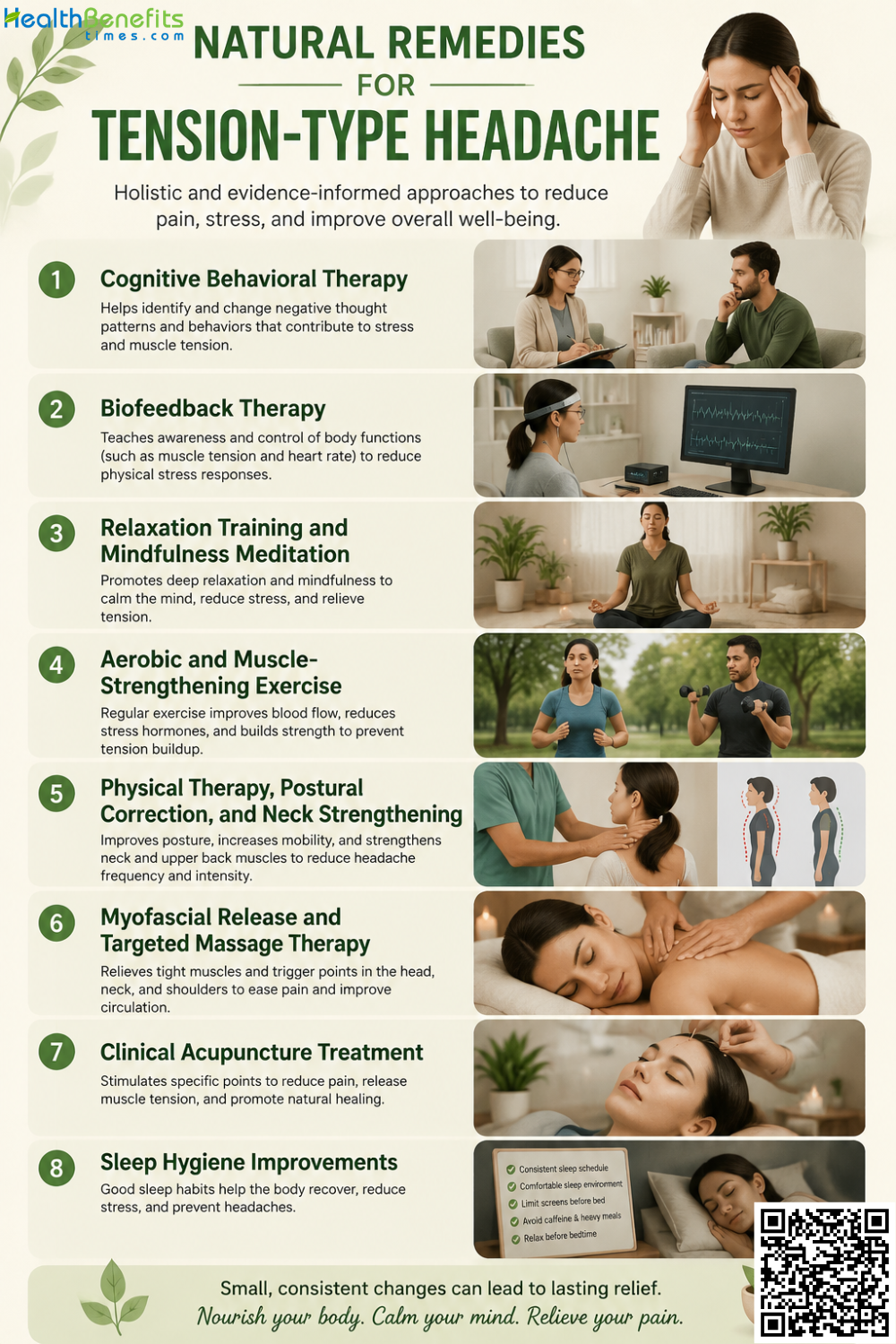
3. Relaxation Training and Mindfulness Meditation
How it may help
Relaxation training and mindfulness meditation help control tension-type headaches by actively reducing physiological arousal and emotional stress. These practices decrease resting muscle tension in the neck and scalp while improving overall stress tolerance. This directly prevents the chronic muscle contractions that trigger headache episodes.
What research says
Clinical research concludes that relaxation training significantly reduces the frequency and severity of tension-type headaches 8. Studies demonstrate that mindfulness meditation directly alters pain perception in the brain, improving pain tolerance and effectively decreasing headache-related disability without relying exclusively on daily medications 11.
How to use it safely
Practice these techniques daily for 15 to 20 minutes in a quiet, distraction-free environment. Focus on deep breathing and consciously releasing muscle tension. For the most effective results, utilize guided audio programs provided by established medical or mental health organizations 12.
Potential precautions or side effects
These practices are universally considered safe. However, you may occasionally experience a temporary increase in anxiety, known as relaxation-induced anxiety, when initially learning to focus your attention inward 13.
4. Aerobic and Muscle-Strengthening Exercise
How it may help
Aerobic exercise and muscle-strengthening routines help control tension-type headaches by increasing blood circulation and releasing endorphins, the body’s natural pain relievers. Strengthening the muscles in the neck, shoulders, and upper back improves overall posture, directly reducing the chronic physical strain that frequently triggers headache episodes.
What research says
Clinical research concludes that regular aerobic exercise and neck-specific strengthening routines significantly decrease the frequency and intensity of tension-type headaches 14. Studies confirm that targeted physical training effectively reduces resting muscle tension and lessens the reliance on daily pain medication 15.
How to use it safely
To exercise safely, begin with moderate, low-impact aerobic activities like brisk walking for 150 minutes weekly 16. Consult a physical therapist to learn proper techniques for neck and shoulder strengthening to prevent accidental injury 17.
Potential precautions or side effects
Performing exercises with incorrect form can increase muscle tension and temporarily worsen headache symptoms. Stop immediately if you experience sharp pain or dizziness during activity 18.
5. Physical Therapy, Postural Correction, and Neck Strengthening
How it may help
Physical therapy improves tension-type headaches by addressing the mechanical causes of pain. Through postural correction and targeted neck exercises, it reduces strain on the muscles of the head and shoulders. This approach corrects structural imbalances that cause chronic muscle tension, thereby preventing the repetitive strain that often triggers headache episodes.
What research says
Clinical research concludes that physical therapy interventions, specifically neck-strengthening exercises, significantly reduce headache frequency and severity 14. Experts confirm that patients who participate in structured postural training achieve greater long-term symptom relief and improved functional ability compared to those relying solely on pharmacological pain management 15.
How to use it safely
Consult a licensed physical therapist for a personalized exercise program tailored to your specific posture and mobility needs. Follow the therapist’s prescribed repetitions closely to avoid overexertion. Ensure you perform movements slowly and consistently to build muscle support safely over time 19.
Potential precautions or side effects
Performing exercises with incorrect form may increase neck tension and worsen symptoms. Stop if you experience sharp pain or radiating nerve symptoms during any physical activity.
6. Myofascial Release and Targeted Massage Therapy
How it may help
Myofascial release and targeted massage therapy help control tension-type headaches by addressing localized muscle tightness and tender spots in the neck, scalp, and shoulders. These techniques physically relax hyperactive muscles, improve blood circulation to the affected area, and release the chronic mechanical tension that frequently triggers and sustains a headache episode.
What research says
Clinical research concludes that regular, targeted massage therapy significantly reduces the frequency, intensity, and total duration of tension-type headaches 14. Experts confirm that these manual therapies effectively lower pericranial muscle tenderness and reduce dependence on pharmacological pain relief, providing a viable, non-invasive therapeutic option for long-term symptom management 15.
How to use it safely
To use these therapies safely, schedule appointments exclusively with licensed massage therapists or physical therapists trained in myofascial release. Clearly communicate your pain levels during the session to avoid excessive pressure, and ensure that the focus remains on relaxing the neck and upper back muscles.
Potential precautions or side effects
Applying excessive pressure can cause temporary muscle soreness or bruising. If you have underlying cervical spine conditions or blood clotting issues, consult your doctor before receiving manual therapy.
7. Clinical Acupuncture Treatment
How it may help
Clinical acupuncture helps manage tension-type headaches by stimulating specific points on the body, which may modulate pain signaling pathways. This process promotes the release of the body’s natural painkillers and induces a generalized relaxation response, effectively reducing the intensity and frequency of persistent muscle-related headache pain.
What research says
Clinical research concludes that acupuncture is an effective, non-pharmacological intervention for the prevention of frequent, chronic tension-type headaches 20. Experts confirm that consistent acupuncture treatment leads to a measurable decrease in headache days and improves overall patient quality of life compared to standard care or placebo treatments 15.
How to use it safely
To use this treatment safely, ensure you seek care only from a licensed and board-certified acupuncturist. Verify that the practitioner exclusively uses single-use, sterile, disposable needles to prevent the risk of infection. Discuss your full medical history with the practitioner before beginning any treatment series 21.
Potential precautions or side effects
Mild side effects, such as minor bruising, bleeding at the needle site, or temporary muscle soreness, may occur. Individuals with bleeding disorders should consult their physician first.
8. Sleep Hygiene Improvements
How it may help
Establishing consistent sleep hygiene helps manage tension-type headaches by allowing the central nervous system to recover and properly regulate pain signals. Regular, restorative sleep reduces general physical fatigue and prevents the excessive muscle tension that often triggers headache episodes, creating a stable internal environment that lowers vulnerability to chronic pain.
What research says
Clinical research concludes that poor sleep quality and chronic sleep deprivation are significantly associated with increased frequency and intensity of tension-type headaches 5. Experts confirm that adhering to regular sleep patterns and optimizing the sleep environment are critical non-pharmacological interventions that effectively reduce headache burden and improve overall psychological well-being 22.
How to use it safely
Maintain a strict daily schedule by going to bed and waking up at the same time. Keep the bedroom dark, cool, and quiet, and avoid all electronic devices for at least one hour before sleep to facilitate natural relaxation and prepare the body for rest 23.
Potential precautions or side effects
Obsessively tracking sleep duration can increase bedtime anxiety. If severe sleep disturbances persist alongside frequent headaches, consult a healthcare provider to rule out underlying sleep disorders.
Foods to Avoid When You Suffer from Tension-type Headache
1. High-Caffeine Beverages
Excessive caffeine intake disrupts sleep quality and triggers withdrawal-related headaches. Clinical evidence suggests maintaining stable, low levels of caffeine is essential to prevent secondary headache exacerbation 22.
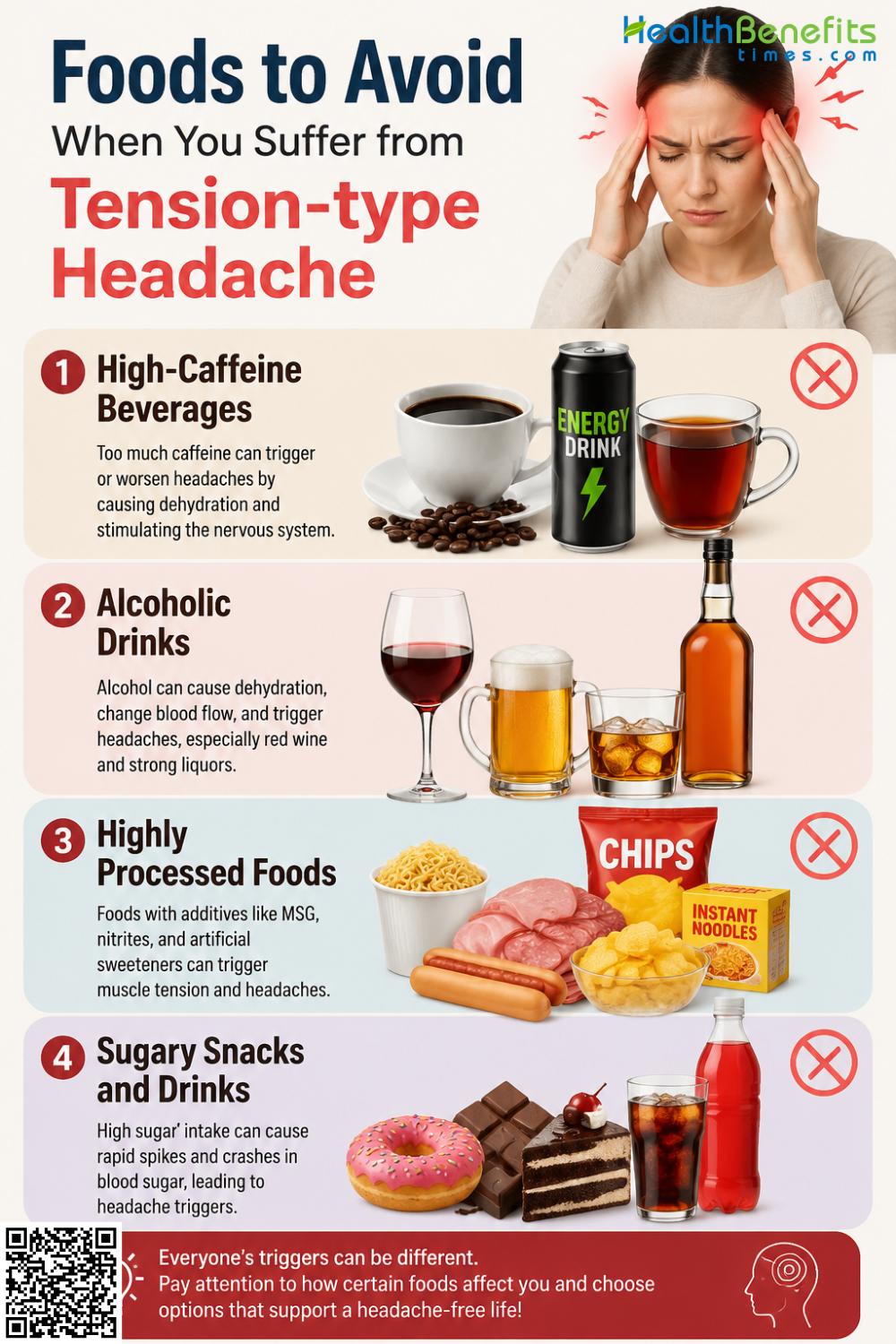
2. Alcoholic Drinks
Alcohol consumption can trigger headaches through dehydration and vascular changes. Research concludes that alcohol intake is a frequent, direct trigger that significantly increases the frequency of tension-type headache episodes 22.
3. Highly Processed Foods
Foods high in chemical preservatives or artificial sweeteners may act as triggers for some individuals. Studies indicate that reducing intake of highly processed items helps minimize overall physiological stress 15.
4. Sugary Snacks and Drinks
Diets high in refined sugar cause blood glucose instability. Research concludes that rapid glucose fluctuations can negatively impact neurological function and contribute to the maintenance of chronic headache states 24.
When to See a Doctor When You Suffer from Tension-type Headache
1. Sudden, Severe “Thunderclap” Onset
Seek emergency medical care immediately for any headache that develops with explosive, maximum intensity within seconds or minutes. This is a critical warning sign for serious intracranial pathology 1.
2. Neurological Changes
Consult a physician if a headache is accompanied by sudden neurological symptoms, including confusion, vision loss, slurred speech, weakness, or numbness. These signs require urgent diagnostic evaluation to rule out emergencies 1.
3. Pattern or Frequency Changes
See a doctor if your headache patterns shift significantly, become much more frequent, or increase dramatically in severity. This may indicate an underlying condition requiring a new medical management strategy 1.
4. Headaches Following Trauma
Any new or persistent headache occurring immediately after a head injury or physical trauma requires prompt medical assessment to rule out brain injury or internal complications. Professional evaluation is essential here 1.