

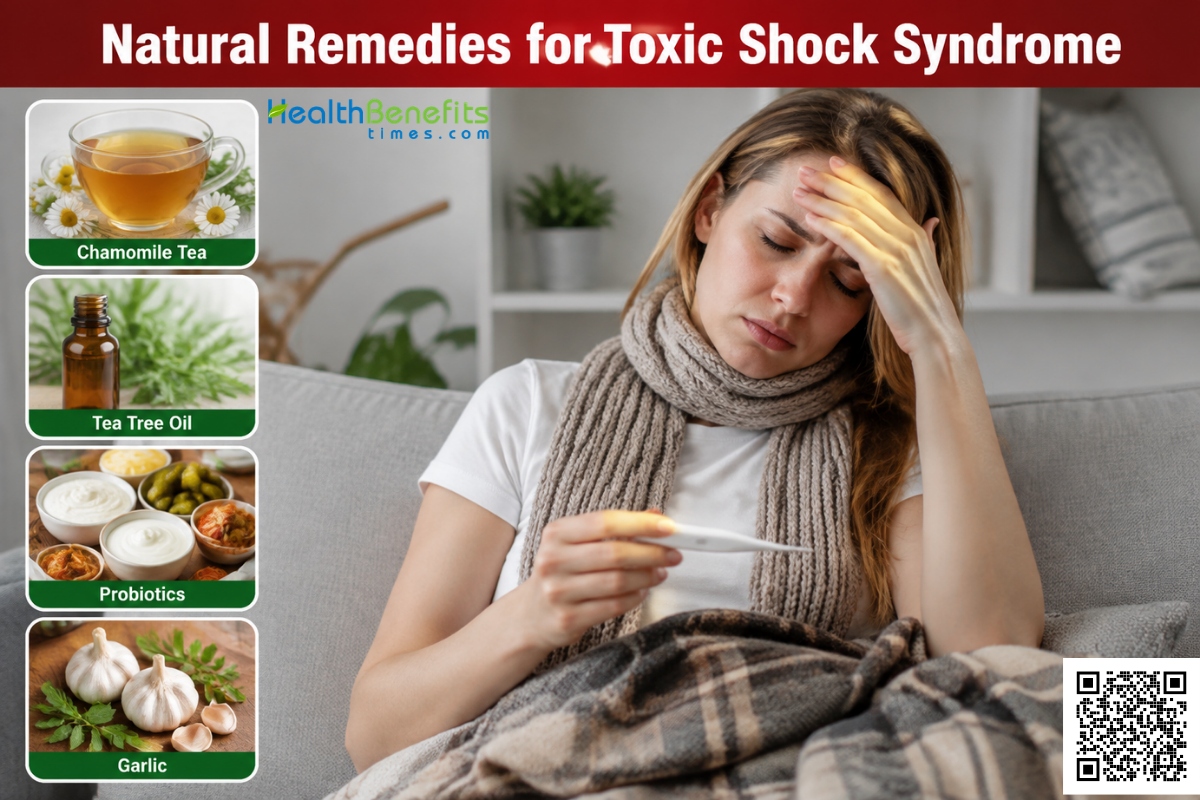
Toxic shock syndrome is a rare, sudden, and life-threatening condition caused by poisons released by specific types of bacteria, most commonly staphylococcus and streptococcus 1. When these bacteria multiply rapidly in the body, their toxins enter the bloodstream and cause widespread inflammation, dangerously low blood pressure, and multi-organ failure 1. Although widely recognized for its historical link to high-absorbency tampons, the syndrome can affect anyone and may also develop from skin wounds, surgical incisions, or other bacterial infections 1, 2. Because symptoms escalate rapidly—typically beginning with a high fever, vomiting, and a sunburn-like rash—immediate medical intervention in a hospital setting is critical for survival 1, 2.
Causes of Toxic Shock Syndrome
1. Staphylococcus aureus (Staph) Bacteria
These bacteria normally live harmlessly on the skin or in the nose of many people, but certain strains can multiply rapidly and release potent toxins into the bloodstream, most frequently associated with high-absorbency tampon use or localized skin infections 1, 2.
2. Streptococcus pyogenes (Group A Strep) Bacteria
These bacteria can trigger severe systemic illness when invasive infections occur, such as through deep skin wounds, surgical sites, or secondary complications following viral illnesses like the flu 1, 2.
3. Clostridium sordellii Bacteria
This rare cause can inhabit the lower reproductive tract and enter the uterus during childbirth, miscarriage, or gynecological procedures 2.
4. Prolonged Retention of Medical or Menstrual Devices
Leaving tampons, menstrual sponges, contraceptive diaphragms, or nasal packing inside the body longer than recommended creates an environment that encourages bacterial overgrowth and toxin production 2.
5. Skin Wounds and Surgical Incisions
Cuts, burns, skin abscesses, and post-operative surgical sites can become heavily colonized by bacteria, allowing microbial poisons to breach local tissue barriers and enter the circulatory system 1, 2.
Symptoms of Toxic Shock Syndrome
- Sudden High Fever: A rapid spike in body temperature, frequently accompanied by chills and intense shivering 1, 2.
- Low Blood Pressure: A dramatic drop in blood pressure that can lead to dizziness, lightheadedness, confusion, or fainting 1, 2.
- Sunburn-Like Rash: A widespread, flat red rash that resembles a severe sunburn, which typically appears across large areas of the body and may affect the palms of the hands and soles of the feet 1, 2.
- Peeling Skin: The shedding or peeling of the top layer of skin, particularly on the palms and soles, usually occurring one to two weeks after the illness begins 1, 2.
- Gastrointestinal Distress: Severe nausea, persistent vomiting, and watery diarrhea that can quickly cause dehydration 1, 2.
- Muscle Aches and Weakness: Intense, unexplained muscle pain and generalized physical fatigue or weakness 1, 2.
- Confusion and Mental Changes: Altered mental state, disorientation, or sudden irritability resulting from reduced blood flow to the brain 1, 2.
- Redness of Mucous Membranes: Bloodshot eyes and unusual redness inside the mouth, throat, and nose 1, 2.
Natural Remedies for Toxic Shock Syndrome
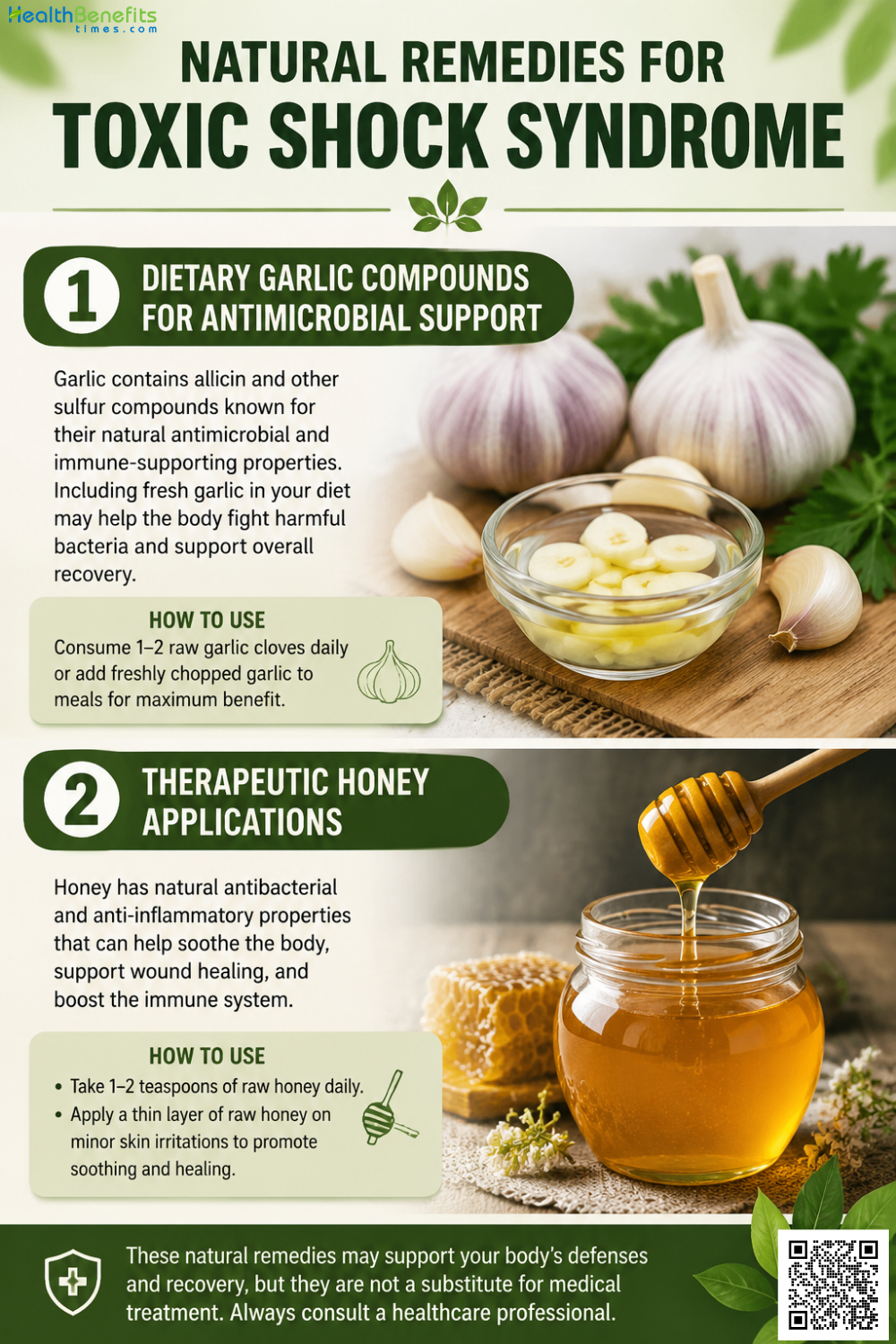
1. Dietary Garlic Compounds for Antimicrobial Support
How it may help
Bioactive elements in garlic help neutralize harmful bacterial proteins and reduce excessive inflammation triggered by staphylococcal or streptococcal bacteria. By targeting key microbial mechanisms, these natural compounds assist the body in subduing toxin release and supporting overall immune response during acute systemic challenges.
What research says
Laboratory studies indicate that allicin effectively inhibits the growth of bacteria responsible for toxic shock syndrome and downregulates the genetic expressions required for toxin production. Research notes that these sulfur derivatives display significant anti-inflammatory and antimicrobial activity 3, though clinical trials involving humans remain limited.
How to use it safely
Incorporate fresh, crushed, or minced garlic into your daily meals to allow the beneficial compound allicin to form properly. If you choose dietary supplements, select standardized extracts and follow the product label instructions carefully. Always consult a healthcare provider before using concentrated extracts for any health condition.
Potential precautions or side effects
High amounts of garlic can cause digestive discomfort, heartburn, or an increased risk of bleeding. Use caution if you take blood-thinning medications.
2. Therapeutic Honey Applications
How it may help
Certain honeys help inhibit the growth of staphylococcal bacteria and interfere with cellular replication mechanisms. Their high sugar content, low moisture level, and unique active compounds create an environment hostile to harmful pathogens, assisting the body in reducing microbial proliferation and local inflammatory tissue damage.
What research says
Laboratory evaluations demonstrate that medical-grade honey effectively restricts bacterial multiplication and disrupts essential protein synthesis in strains responsible for severe systemic infections 4. Scientific findings highlight its broad-spectrum microbicidal activity 4, though clinical guidelines do not establish it as a standalone systemic cure.
How to use it safely
Apply only certified medical-grade honey externally to minor cuts, burns, or localized skin wounds under sterile conditions. Never ingest raw honey if you are an infant, and avoid applying standard kitchen honeys to deep wounds or internal mucosal sites without professional clinical supervision.
Potential precautions or side effects
Unsterilized honey carries a risk of infant botulism and localized allergic reactions. Monitor skin sites for irritation.
Foods to Avoid When You Suffer From Toxic Shock Syndrome
When recovering from severe systemic infections like toxic shock syndrome, maintaining a strict nutritional plan avoids introducing additional pathogens or complicating medical treatments 1, 5.
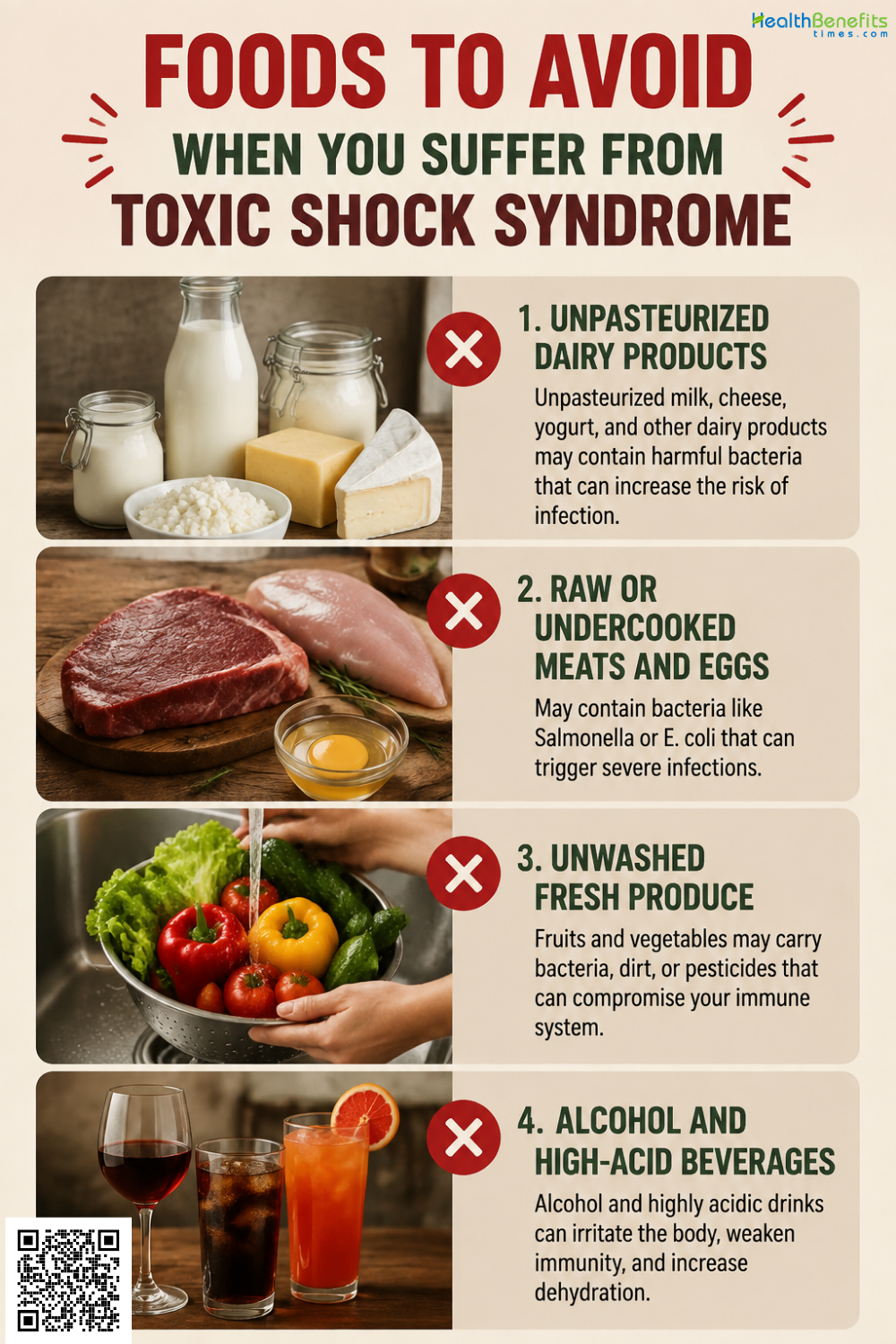
1. Unpasteurized Dairy Products
Avoid raw milk, unpasteurized yogurt, and soft cheeses made from unpasteurized milk to prevent introducing harmful bacteria during a vulnerable recovery state 6.
2. Raw or Undercooked Meats and Eggs
Exclude undercooked poultry, raw fish, and runny eggs, as these items carry a high risk of foodborne illness that can worsen systemic infection 6.
3. Unwashed Fresh Produce
Refrain from consuming unwashed fruits, raw leafy greens, and raw vegetable sprouts that harbor environmental microbes and bacteria 6.
4. Alcohol and High-Acid Beverages
Limit alcohol and highly acidic juices, which can irritate the digestive tract and potentially interfere with prescribed antibiotic absorption 7.
When to See a Doctor When You Struggle From Toxic Shock Syndrome
Toxic shock syndrome is an acute, life-threatening medical emergency requiring immediate evaluation in an emergency department 8, 9.
- Sudden High Fever and Chills: Seek emergency care immediately if you develop a rapidly rising high fever accompanied by severe chills, body aches, and flu-like signs 8.
- Sunburn-Like Rash: Consult a medical professional right away if a widespread, flat red rash appears across your skin, especially if it is followed by peeling on your palms or soles 8.
- Rapid Drop in Blood Pressure: Go to the nearest hospital emergency room if you experience sudden dizziness, lightheadedness, confusion, or signs of fainting indicating low blood pressure 8
- Infection Signs Near Wounds or Tampon Use: Seek urgent evaluation if you experience severe illness while using tampons, or if a surgical cut, burn, or skin wound shows signs of spreading infection 8.