

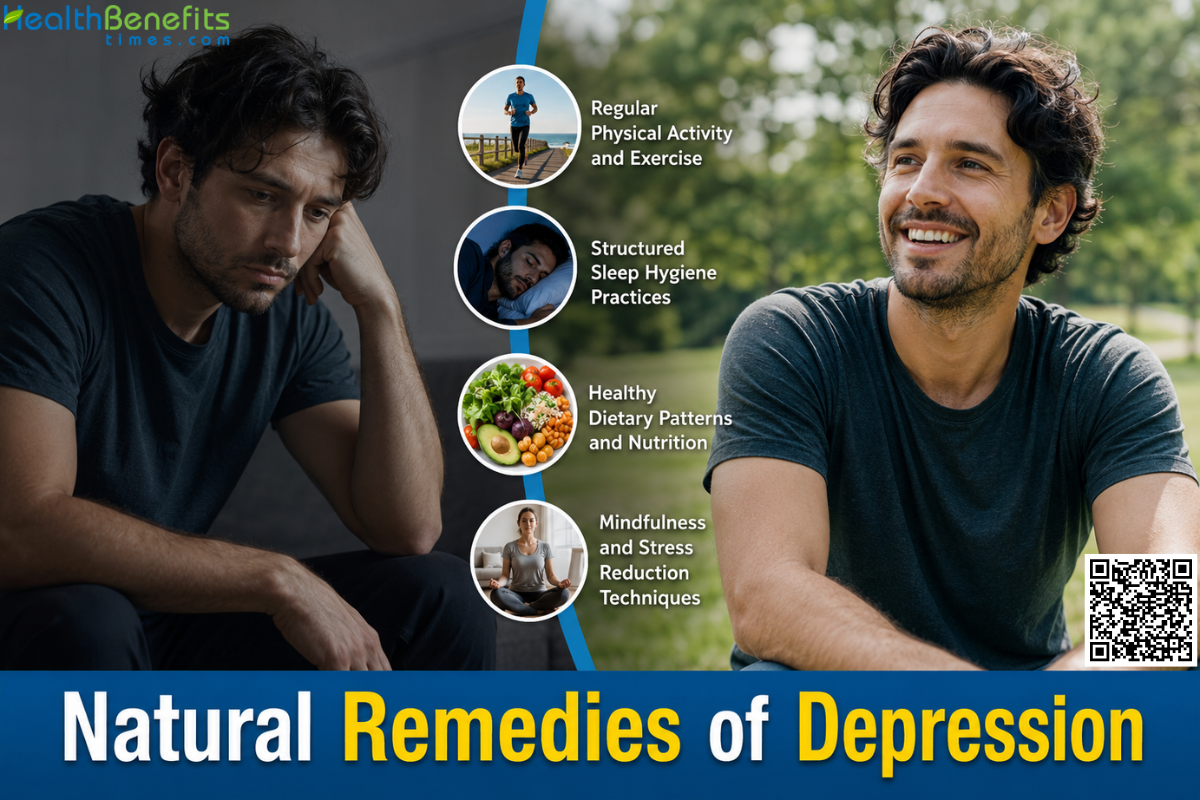
Depression is a common but serious medical condition characterized by persistent feelings of sadness, hopelessness, or a loss of interest in daily activities that significantly impairs an individual’s ability to function. Unlike temporary mood fluctuations, this mental health disorder affects how a person thinks, feels, and handles daily tasks such as sleeping, eating, or working 1. Clinical diagnostic criteria distinguish it from normal emotional responses by the severity and duration of symptoms, which must typically persist for at least two weeks to warrant a diagnosis. It is a complex condition resulting from a combination of biological, psychological, and social factors, and it is not a sign of personal weakness. Effective, evidence-based treatments—including psychotherapy, medication, and lifestyle modifications—are available to manage symptoms and support recovery.
Causes of Depression
1. Biological and Genetic Factors
Depression often runs in families, indicating that inherited genes can increase a person’s vulnerability to the condition. Variations in brain structure and the way brain chemicals manage mood and emotional regulation also play a primary role in its development.
2. Environmental and Life Stressors
Major life changes, such as the loss of a loved one, financial difficulties, or prolonged exposure to high-stress environments, can trigger depressive episodes. Childhood trauma or persistent adverse life experiences are known to alter how the brain responds to stress, increasing long-term susceptibility 2.
3. Physical Health Conditions
Chronic illnesses, such as heart disease, diabetes, or cancer, significantly increase the risk of developing depression. The stress of managing a long-term medical diagnosis or the direct physical effects of certain diseases on brain function can contribute to clinical symptoms.
4. Hormonal Changes
Significant shifts in hormones—common during pregnancy, the postpartum period, or menopause—can influence mood regulation. These natural physiological fluctuations may interact with other biological or social factors to trigger or exacerbate depressive symptoms in susceptible individuals.
Symptoms of Depression
1. Persistent Emotional Distress
Individuals may experience a sustained, low mood, feelings of sadness, or a pervasive sense of emptiness that does not resolve on its own. This often includes a profound loss of pleasure or interest in activities once enjoyed, known as anhedonia.
2. Cognitive and Behavioral Changes
Depression frequently causes difficulties with concentration, memory, and decision-making. Individuals may notice slowed movement, speech, or thought patterns, alongside a sense of restlessness or persistent irritability.
3. Physical and Energy Disruptions
Significant changes in energy levels, such as persistent fatigue or feeling “slowed down,” are common. Sleep patterns are often severely affected, manifesting as either sleeping too much or the inability to fall and stay asleep. Many also report unintended changes in appetite or significant weight fluctuations.
4. Psychological and Self-Perception Issues
Many people with depression report feelings of worthlessness, excessive guilt, or a harsh focus on past failures. In severe cases, this may escalate to recurring thoughts of death or suicidal ideation, which require immediate professional medical intervention.
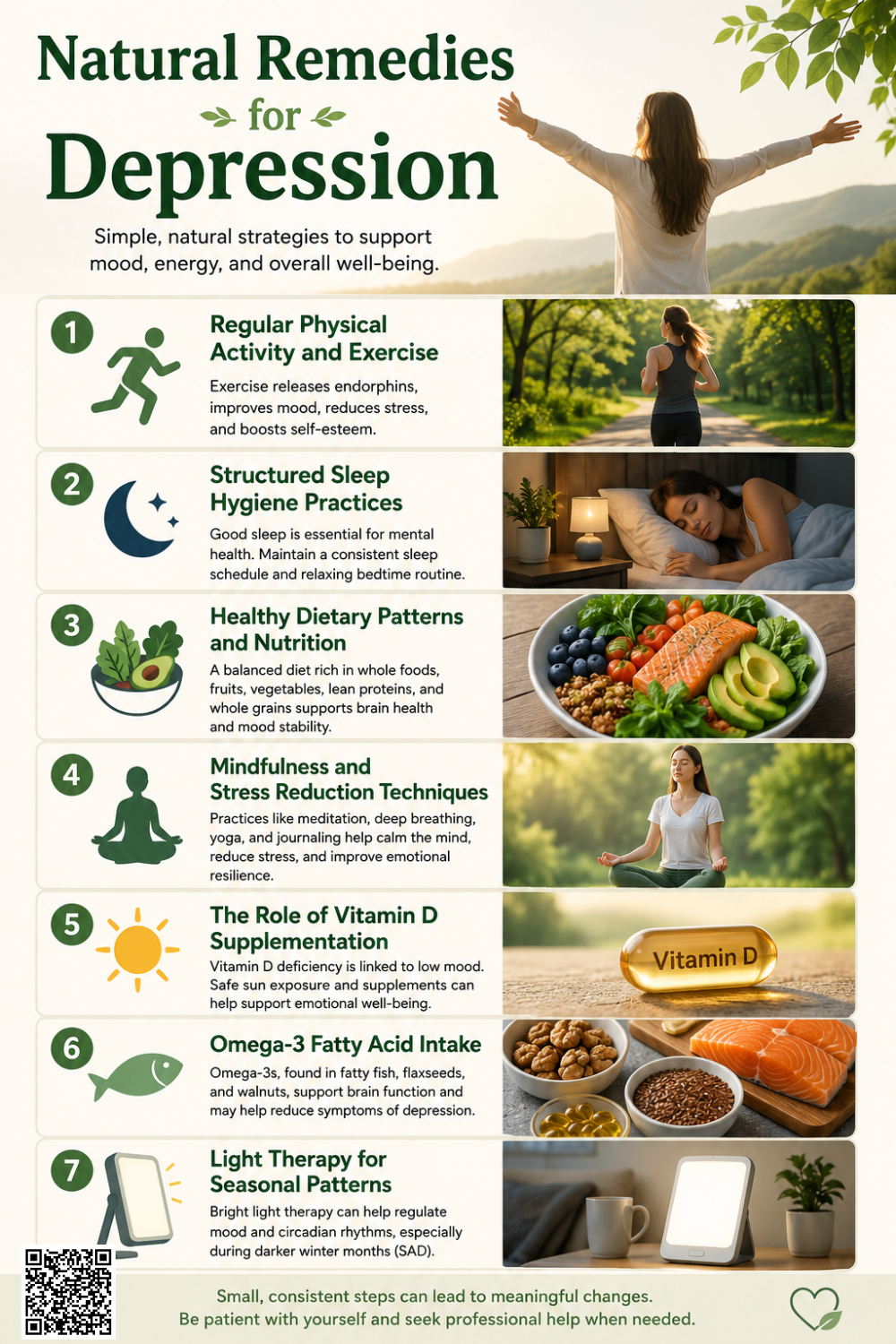 Natural Remedies of Depression
1. Regular Physical Activity and Exercise
How it may help
Regular physical activity helps manage depression by stimulating the release of chemicals in the brain that improve mood and reduce stress. Engaging in consistent movement promotes better emotional regulation, improves overall sleep quality, and increases energy levels, which collectively foster a greater sense of well-being and help counteract the symptoms of a low mood.
What research says
Clinical evidence indicates that exercise can be as effective as some standard treatments for mild to moderate depression. Consistent aerobic activity and resistance training are consistently linked to significant reductions in depressive symptoms, often providing long-term benefits for mental health maintenance and emotional stability over time 3.
How to use it safely
To use exercise safely, begin with low-intensity activities like walking or swimming for short durations. Gradually increase the frequency and intensity as your physical stamina improves. Aim for consistent movement throughout the week, ensuring you listen to your body’s signals and prioritize activities that you find manageable and enjoyable.
Potential precautions or side effects
Before starting a new regimen, consult your healthcare provider, especially if you have existing health conditions. Overexertion, physical injury, or sudden increases in intensity can cause strain; therefore, prioritize consistency over high intensity to avoid burnout or physical fatigue 4.
2. Structured Sleep Hygiene Practices
How it may help
Consistent sleep routines help manage depression by stabilizing the body’s internal clock and supporting mood regulation. Improving sleep quality reduces the physiological stress response, enhances cognitive function, and helps mitigate the daytime fatigue often associated with depressive symptoms, fostering better emotional stability and overall mental resilience.
What research says
Research indicates a bidirectional relationship between sleep and depression, where sleep disturbances frequently worsen depressive symptoms and impede recovery. Establishing regular sleep-wake cycles and optimizing the sleep environment are clinically recognized strategies to improve mental health outcomes, often serving as a foundational element in comprehensive depression management plans 5.
How to use it safely
Maintain a consistent bedtime and wake-up time every day. Create a quiet, dark, and cool environment to facilitate sleep. Limit exposure to bright screens and heavy meals in the hours before bed to help your brain transition to rest effectively and consistently.
Potential precautions or side effects
Do not attempt to force sleep if you remain awake, as this may increase anxiety. If sleep issues persist despite healthy habits, consult a medical professional for guidance.
3. Healthy Dietary Patterns and Nutrition
How it may help
A nutrient-dense diet supports brain health by providing essential components for neurotransmitter production and reducing systemic inflammation. Consuming a variety of whole foods—including vegetables, fruits, lean proteins, and healthy fats—helps maintain stable blood sugar and energy levels, which are vital for supporting mood regulation and managing the physical symptoms often associated with depression.
What research says
Research indicates that diets high in processed foods and refined sugars are associated with an increased risk of depression. Conversely, eating patterns rich in antioxidants, vitamins, and minerals are linked to better mental health outcomes. Clinical observations suggest that nutritional interventions can serve as supportive therapy in addressing depressive symptoms by improving overall physiological function 6.
How to use it safely
Prioritize whole, minimally processed foods such as legumes, nuts, seeds, and leafy greens. Aim for consistent, balanced meals to stabilize energy throughout the day. Focus on hydration and diverse food sources to ensure you receive a wide spectrum of essential nutrients necessary for healthy brain function.
Potential precautions or side effects
Avoid drastic dietary changes without professional guidance, as extreme restrictions may cause nutritional deficiencies. Consult a dietitian or physician before starting major dietary shifts, especially if you have existing health conditions.
4. Mindfulness and Stress Reduction Techniques
How it may help
Mindfulness helps manage depression by training the mind to focus on the present moment, which reduces the impact of negative, repetitive thought patterns. By cultivating non-judgmental awareness, individuals can better regulate emotional responses to stressors, ultimately lowering the psychological strain and physiological activation associated with persistent depressive symptoms 7.
What research says
Clinical research demonstrates that mindfulness-based interventions can significantly decrease the risk of relapse in individuals with a history of recurrent depression. Evidence suggests these practices effectively modulate stress-related brain networks, leading to measurable improvements in mood stability and psychological well-being over extended periods of consistent, structured practice 8.
How to use it safely
Begin with short, daily practice sessions of guided breathing or seated awareness. Use reputable resources from health institutions to ensure you follow safe, standardized methods. Focus on creating a consistent, calm environment for your practice, ensuring you do not rush the process or set overly demanding expectations for yourself.
Potential precautions or side effects
Individuals with severe mental health conditions should approach these practices under professional supervision. Some people may find that focusing inward temporarily increases awareness of uncomfortable emotions, which can be distressing without proper clinical support.
5. The Role of Vitamin D Supplementation
How it may help
Vitamin D supports brain health because the central nervous system possesses specific receptors for this nutrient. It aids in the production and regulation of mood-stabilizing chemicals, such as serotonin. Adequate levels help reduce neurological inflammation, which may ease the psychological and physical symptoms associated with clinical depression 9.
What research says
Clinical studies frequently observe an association between low systemic vitamin D levels and an increased risk of depressive episodes. While broad evidence remains mixed, research concludes that targeted supplementation improves mood primarily in individuals who have a confirmed clinical deficiency, rather than providing universal mental health benefits 10.
How to use it safely
Request a blood test from your healthcare provider to determine your current baseline levels before starting supplements. If a deficiency is diagnosed, strictly follow their specific dosage recommendations. Take the supplement alongside a meal containing dietary fats to ensure your body absorbs the nutrient effectively.
Potential precautions or side effects
Excessive vitamin D intake can lead to toxicity, potentially causing nausea, weakness, and dangerously elevated blood calcium levels that may damage the kidneys or interact negatively with prescription medications.
6. Omega-3 Fatty Acid Intake
How it may help
Omega-3 fatty acids, specifically EPA and DHA, are essential for maintaining healthy brain structure and cell signaling. They help regulate central nervous system function and reduce brain inflammation. By supporting the biological pathways that manage mood-regulating chemicals, they can help alleviate emotional distress and improve overall mental stability 11.
What research says
Clinical evidence indicates that omega-3 supplements, particularly those containing a higher ratio of EPA to DHA, are effective as a supportive treatment for clinical depression. While not a standalone cure, research concludes that they can significantly reduce depressive symptoms when used alongside traditional antidepressant medications 12.
How to use it safely
Incorporate omega-3s primarily through dietary sources like fatty fish, walnuts, or flaxseeds. If you choose dietary supplements, select high-quality products to avoid contaminants. Always consult your healthcare provider to establish the correct dosage, as individual requirements vary based on your specific medical history.
Potential precautions or side effects
High doses of omega-3 supplements can thin the blood and increase bleeding risks. They may interact dangerously with anticoagulant medications and can occasionally cause mild digestive upset or heartburn.
7. Light Therapy for Seasonal Patterns
How it may help
Light therapy involves sitting near a specialized light box that mimics natural outdoor sunlight. This exposure helps reset the body’s internal biological clock and regulates the production of specific brain chemicals, decreasing sleep-inducing melatonin while increasing mood-boosting serotonin to alleviate seasonal depressive symptoms 13.
What research says
Clinical research establishes light therapy as a primary, evidence-based treatment for seasonal affective disorder. Studies conclude that daily exposure to a 10,000-lux light box significantly reduces seasonal depressive symptoms, often producing measurable mood improvements within one to two weeks of consistent morning use 14.
How to use it safely
Purchase a clinical-grade light box that filters out harmful ultraviolet rays. Sit roughly 16 to 24 inches away for 20 to 30 minutes each morning. Keep your eyes open to allow light to reach your retinas, but never stare directly into the intense light.
Potential precautions or side effects
Potential side effects include mild headaches, eye strain, or nausea. Individuals with bipolar disorder or eye conditions must consult a doctor before use to prevent severe adverse reactions.
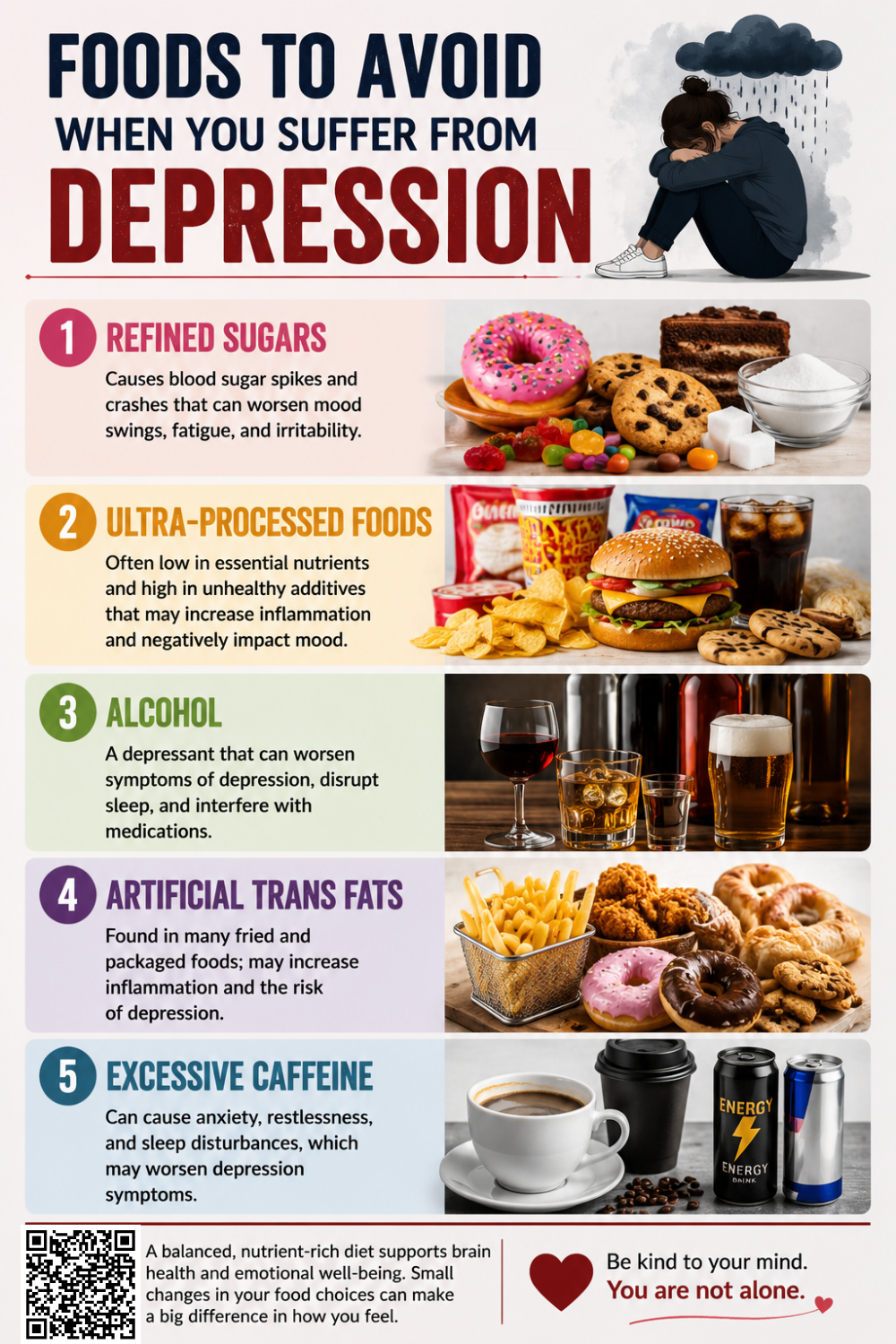 Foods to Avoid When You Suffer from Depression
1. Refined Sugars
Consuming high amounts of refined sugar causes rapid blood glucose fluctuations and increases systemic inflammation, which clinical research closely links to worsened depressive symptoms and mood instability 15.
2. Ultra-Processed Foods
Diets heavily relying on ultra-processed foods are associated with a significantly higher risk of clinical depression due to their lack of essential nutrients and high inflammatory potential 16.
3. Alcohol
Although initially sedating, alcohol is a central nervous system depressant that disrupts healthy brain chemistry and sleep architecture, ultimately exacerbating clinical depression and interfering with psychiatric medications 17.
4. Artificial Trans Fats
Artificial trans fats promote severe biological inflammation and impair neurological function. Research concludes that high dietary intake of these fats significantly elevates the overall risk of developing depression 18.
5. Excessive Caffeine
While moderate intake is generally safe, excessive caffeine consumption triggers a persistent physiological stress response, worsening the anxiety and severe sleep disturbances that frequently accompany depressive episodes 19.
When To See a Doctor When You Suffer from Depression
1. Persistent Symptoms
If feelings of profound sadness, emptiness, or loss of interest persist daily for more than two weeks, clinical evaluation is necessary to determine an accurate medical diagnosis.
2. Impaired Daily Functioning
Seek medical advice when depressive symptoms severely disrupt your ability to maintain basic personal hygiene, perform work duties, or manage essential daily responsibilities effectively.
3. Thoughts of Self-Harm
Immediate emergency medical intervention is required if you experience recurring thoughts of death, self-harm, or formulate any plans for suicide 20.
4. Severe Physical Changes
Consult a healthcare provider if you experience drastic, unintended weight fluctuations or severe insomnia that physically exhausts you and worsens overall psychological distress.