

| Oshá Root Quick Facts | |
|---|---|
| Name: | Oshá Root |
| Scientific Name: | Ligusticum porteri |
| Origin | Mountains of western North America from Wyoming (Arizona, Colorado, Idaho, New Mexico, Nevada, and Utah) |
| Colors | Reddish |
| Shapes | Oblong, ribbed fruits 5 to 8 mm in length |
| Taste | Bitter |
| Health benefits | Fights Infections, Treat Various Respiratory Illnesses, Help Reduce Oxidative Stress, Lowering blood pressure, Cold and Flu Symptoms, Alleviate digestive issues, Relieve Pain, Neutralize Venom, Manage fever |
| Name | Oshá Root |
|---|---|
| Scientific Name | Ligusticum porteri |
| Native | Mountains of western North America from Wyoming (Arizona, Colorado, Idaho, New Mexico, Nevada, and Utah) to the states of Sonora and Chihuahua, Mexico and in the southwestern United States |
| Common Names | Oshá root, Porter’s lovage, Porter’s licorice-root, wild lovage, Porter’s wild lovage, loveroot, Porter’s ligusticum, bear medicine, bear root, Colorado cough root, Indian root, Indian parsley, wild parsley, mountain ginseng, mountain carrot, nipo, empress of the dark forest, chuchupate, chuchupati, chuchupaste, chuchupatle, guariaca, hierba del cochino or yerba de cochino, raíz del cochino, washí, mountain lovage, nipo, chuchupate |
| Name in Other Languages | English: Colorado coughroot, Porter’s licorice-root, Porter’s ligusticum, Porter’s lovage, Porter’s wild lovage, Mountain lovage, Osha, Southern ligusticum, Oshá, Bear Root, Colorado Cough Root, Porter’s Licorice Root Spanish: Chuchupa, Chuchupaste, Chuchupate, Raíz Angélica, Raíz de Cochino, Yerba de Cochino |
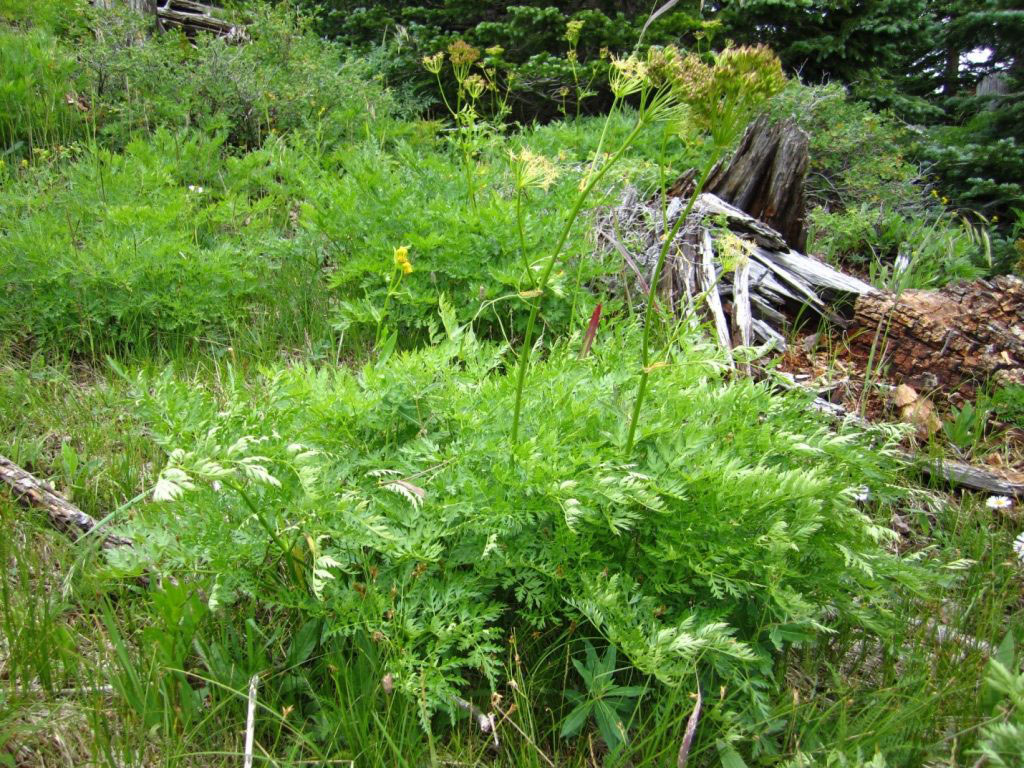
| Plant Growth Habit | Slow-growing, herbaceous perennial |
| Growing Climates | Moist fertile ground, almost to the timberline, upland meadows, ravines, wooded habitats and on slopes and in meadows with drier, rocky soils |
| Soil | Found in deep, moist soils rich in organic material |
| Plant Size | 0.9 m (3ft) tall and 0.6 m (2ft in) wide |
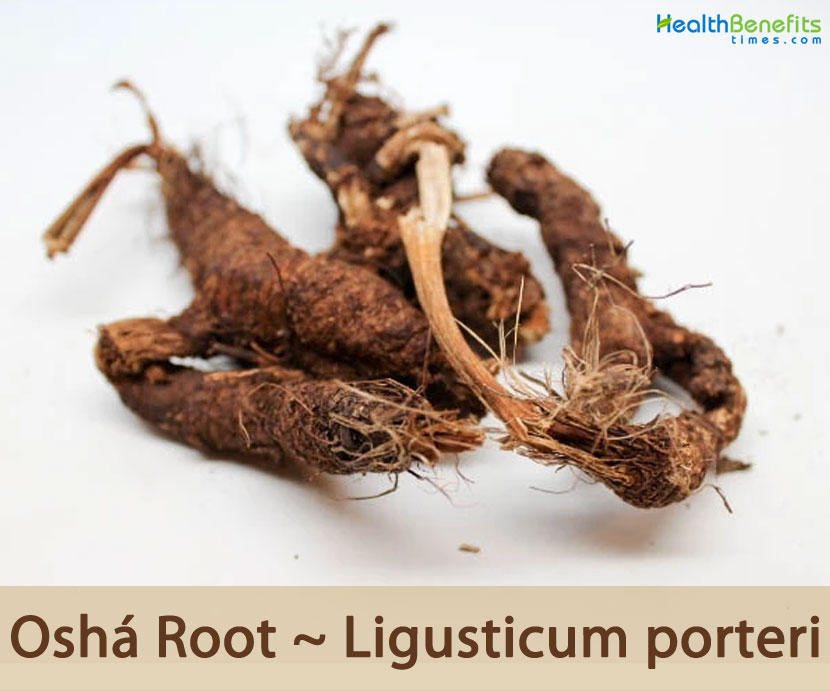
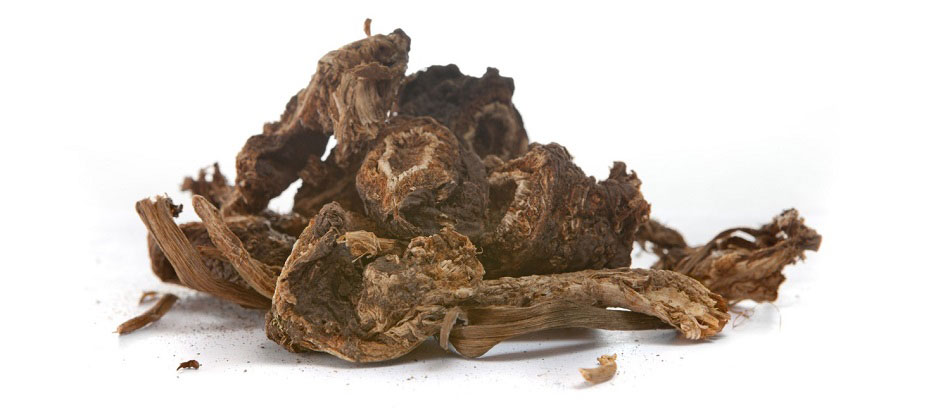
| Root | Root is very hairy, brown on the outside and yellow on the inside |
| Leaf | Deeply incised, elliptic or lance-shaped leaf segments that are 5 to 40 mm in width with larger basal leaves |
| Flowering season | May and August |
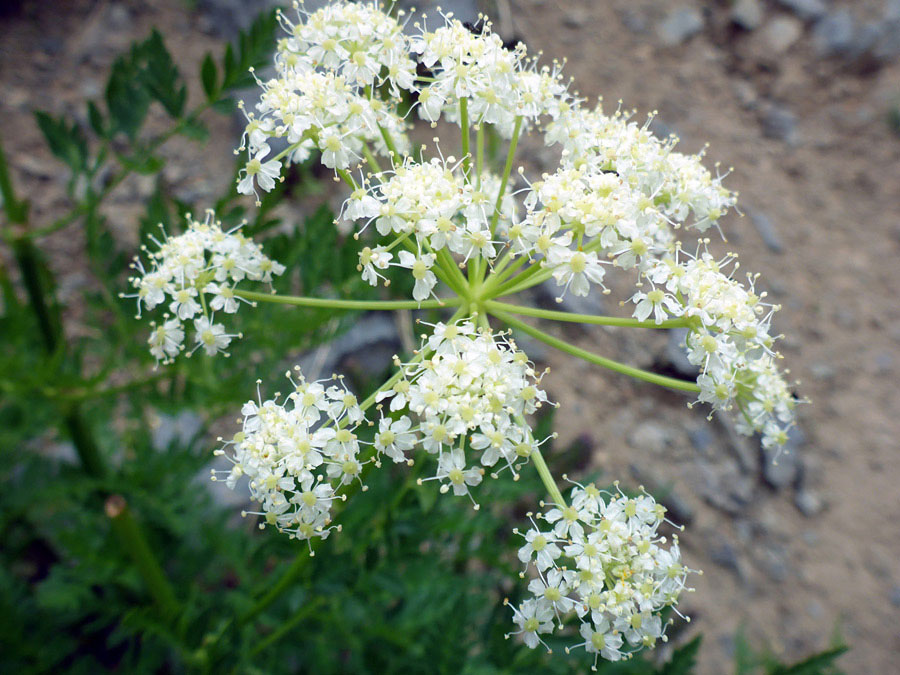
| Flower | White flowers appear during late summer, and are approximately 2 to 5 mm in diameter with five petals. They are grouped in flat-topped, compound umbels |
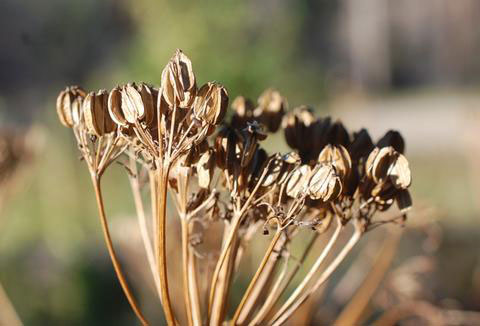
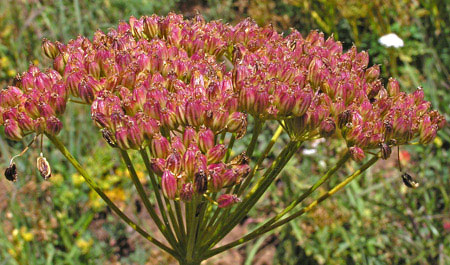
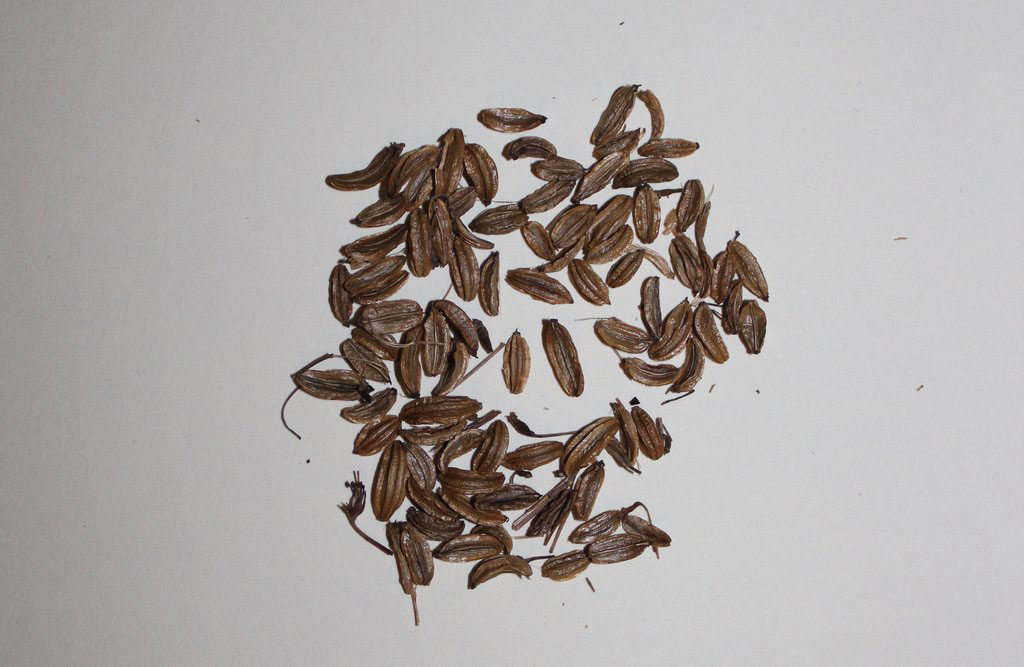
| Fruit Shape & Size | Oblong, ribbed fruits 5 to 8 mm in length |
| Fruit Color | Green when young turning to reddish as they mature |
| Propagation | By Seed |
| Taste | Bitter |
| Plant Parts Used | Root, stem, leaves, seed, oil |
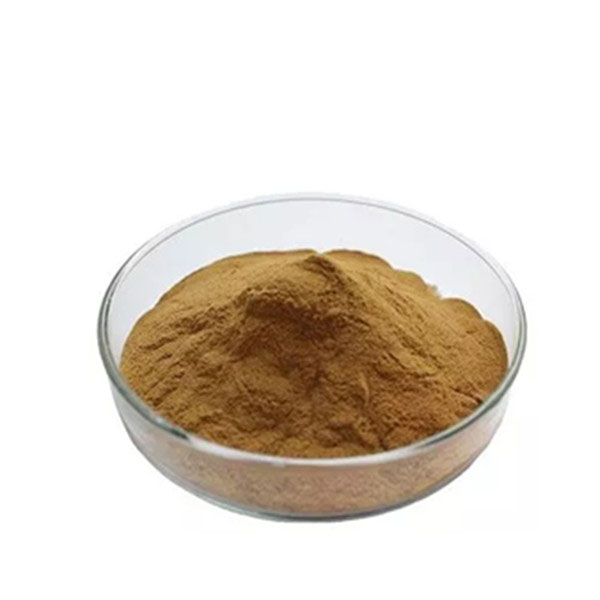
| Available Forms | Tinctures, salves, infusions, teas, capsules, powder |
| Health Benefits |
|
| Other Facts |
|
Plant Description
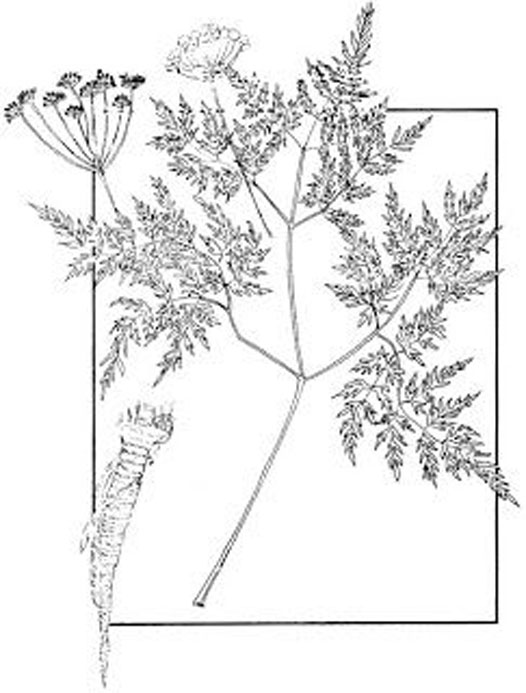
Oshá is slow-growing, herbaceous perennial plant that normally grows about 0.9 m (3ft) tall and 0.6 m (2 ft. in) wide. The plant is found growing in moist fertile ground, almost to the timberline, upland meadows, ravines, wooded habitats and on slopes and in meadows with drier, rocky soils. It is most commonly found in deep, moist soils rich in organic material. The plant requires partial shade. Oshá particularly resembles poison hemlock. Roots are fibrous, with a dark, chocolate-brown, wrinkled outer skin. When this skin is removed, the inner root tissue is fibrous and yellowish-white with an overpowering, pleasant spicy celery fragrance that resembles lovage.
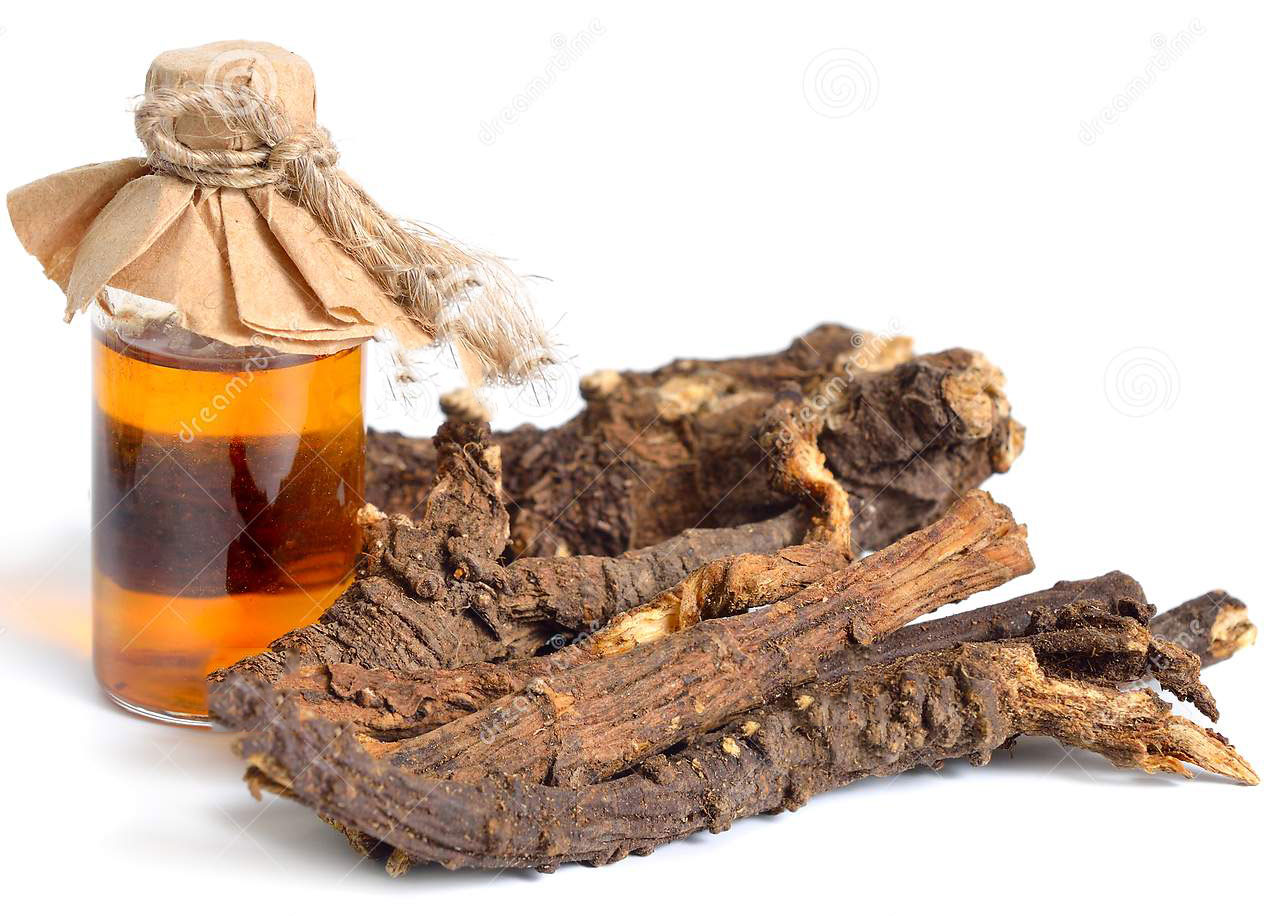
Its roots are currently wild-harvested by individuals and herbal product companies for sale and use in treating influenza, bronchitis and sore throat. Oshá roots have a collar of dead leaf material surrounding the root crowns which is hair like in appearance. Roots are dry very quickly and are very astringent when fresh, and can cause blistering of the mouth and mucous membranes in humans if ingested fresh. The dried roots do not have this astringent effect. Roots of older plants are far stronger and bitter than those of younger plants
Leaves
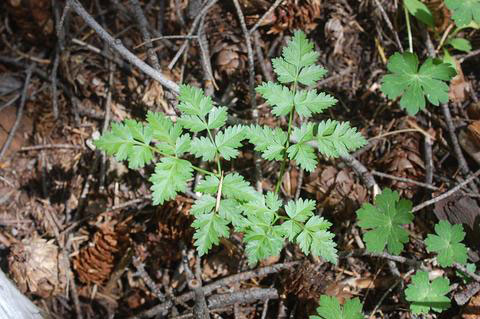
The plant has deeply incised, elliptic or lance-shaped leaf segments that are 5 to 40 mm in width with larger basal leaves. Oshá leaves have an intense fragrance when bruised and are typically larger than those of poison hemlock.
Flowers
White flowers appear during late summer, and are approximately 2 to 5 mm in diameter with five petals. They are grouped in flat-topped, compound umbels. Flowering normally takes place in between May and August.
Fruits
Fertile flowers are followed by reddish, oblong, ribbed fruits that are 5 to 8 mm in length.
Different People and their Medicinal Uses
Peoples |
Cultural and Medicinal Use |
| Tewa Pueblo |
|
| Zuni Pueblo |
|
| Cochití and Taos Pueblo |
|
| Dine |
|
| Yavapai Apache |
|
| Chiricahua and Mescalero Apache |
|
| Mescalero Apache |
|
| Plains Apache |
|
| Comanche |
|
| Paiute |
|
| Southern Ute |
|
| Pima |
|
| Lakota |
|
| Rarámuri
(Tarahumara) |
|
| Hispanic |
|
| Hispanic |
|
| Hispanic |
|
 Dried-fruits-of-Osha
 Mature-fruits-of-Osha
 Flowers-of-Osha
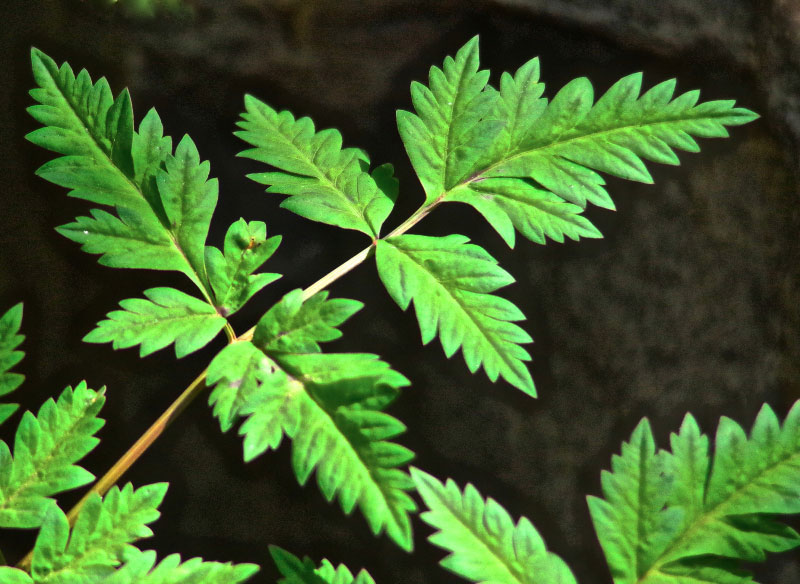 Leaves-of-Osha
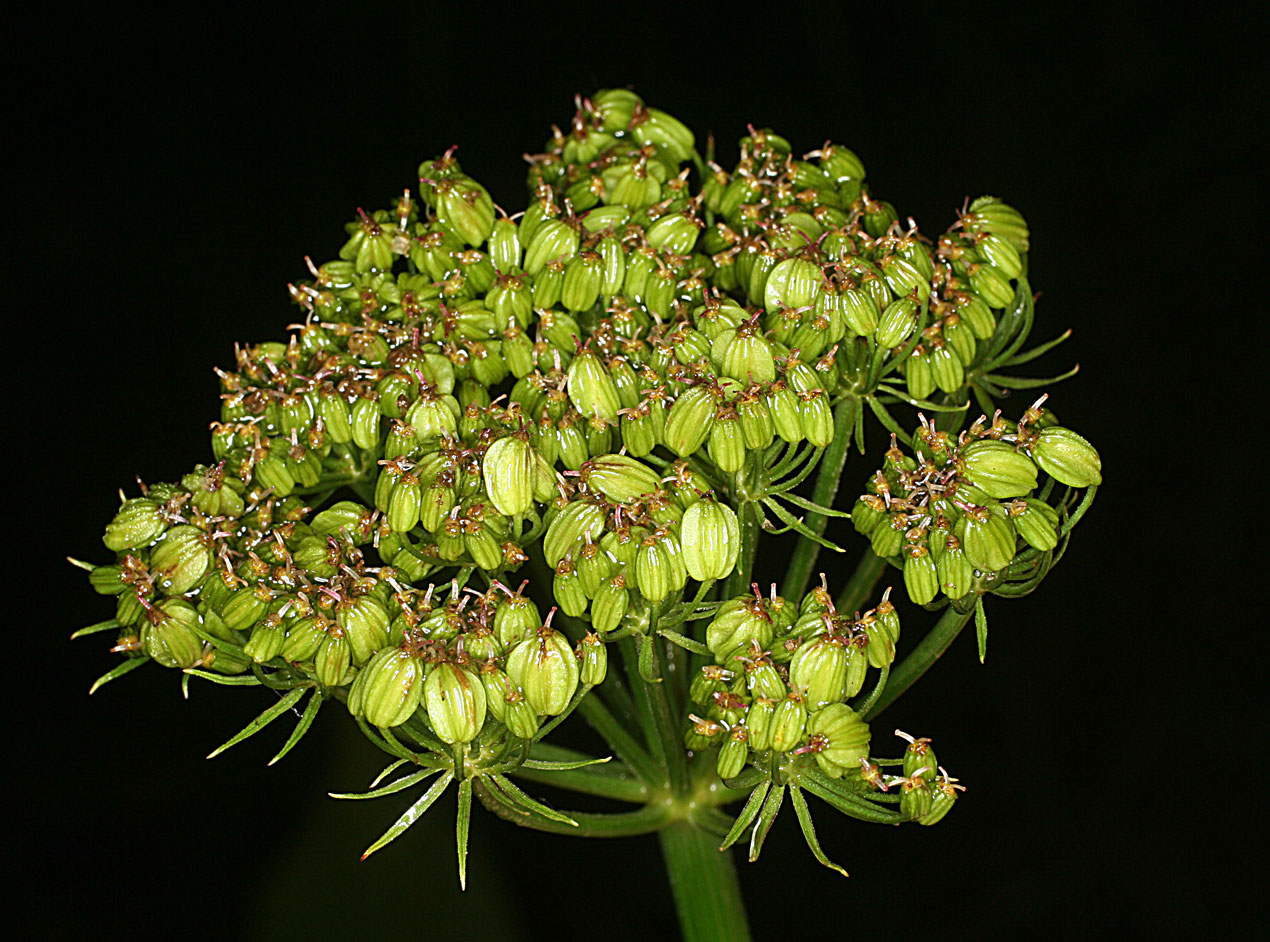 Immature-Fruits-of-Osha
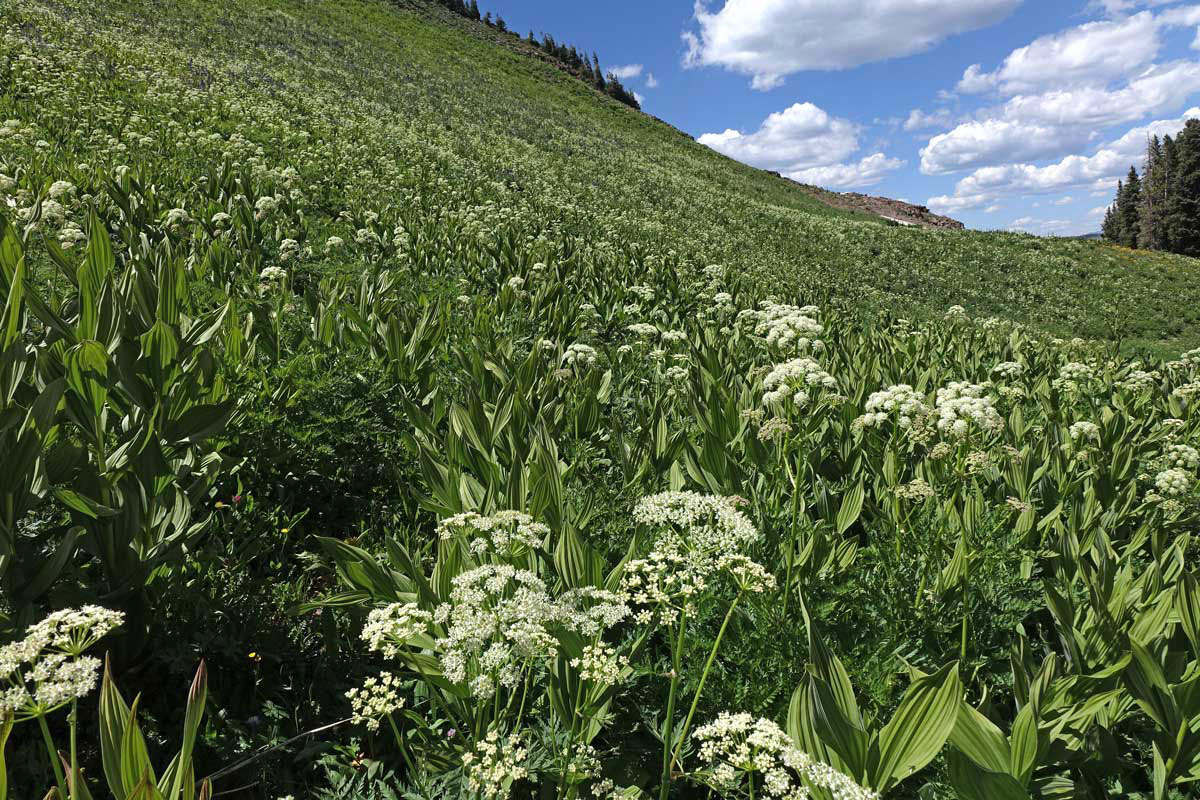 Osha-Farming
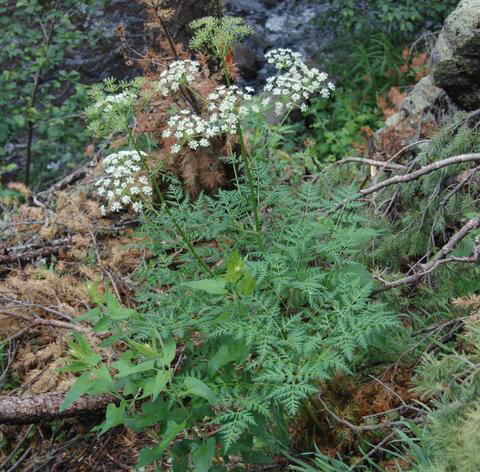 Osha-plant
 Osha-Root
 Seeds-of-Osha
 Osha-plant-growing-wild
 Osha-root-powder
 Plant-Illustration-of-Osha
 Osha-roots-oil
 Small-Osha-plant
 Sketch-of-Osha
Health Benefits of Osha Root
Native Americans of North America often observed that bears would look for osha and consume the plant roots directly after emerging from winter hibernation or when wounded or sick. Osha is a Native American word for bear and is referred to as Bear Medicine, since the plants are eaten by bears for what appear to be medicinal purposes. Listed below are some of the popular health benefits of using osha root
1. Fights Infections
Osha root is occasionally used to prevent infections because it is supposed to have antibacterial and antiviral properties. It has been applied directly to wounds to prevent infections and help with healing. While some researchers have found that extracts of osha root can inhibit bacteria, more studies are needed to prove its effectiveness in this regard.
2. Treat Various Respiratory Illnesses
The natural herbal plant has powerful antifungal, antiviral, anti-inflammatory and anti-bacterial properties that can ease numerous respiratory disorders like flu, colds, coughs and tonsillitis. The herbal remedy is often recommended whenever earlier signals of common flu or cold are noticed. When sucked as a lozenge or when directly chewed, the natural herbal remedy can be used to cure a stubborn sore throat or to induce a productive cough.
Osha root’s highly beneficial properties make it a powerful cough remedy, particularly when mixed with honey. Osha root also increases blood circulation to the lungs, which increases dilation during constriction. For this reason, it is of particular interest as a support mechanism for certain lung conditions, asthma, and allergies. It is believed the increased blood oxygenation is facilitated by an increase in gas exchange through the alveoli in the lungs. In simpler terms, osha root helps one to take deeper breaths.
3. Help Reduce Oxidative Stress
Oxidative stress is caused by an imbalance of free radicals and antioxidants and can result in illness and disease. In a research, researchers extracted human peripheral lymphocytes and incubated them with different concentrations of osha root extract. They measured the protective effect of osha against oxidative damage by inducing oxidative stress.
They found that at the highest doses, 400 micrograms per meter (μg/m), osha might be a potential immune-modulating agent, perhaps providing protective effects against oxidative damage.
4. Lower blood pressure
Osha consists of a substance that helps to dilate blood vessels, allowing better blood circulation, thus reducing pressure.
5. Cold and Flu Symptoms
Osha root is commonly used as a natural therapy for cold and flu symptoms. Though osha root doesn’t have a direct anti-histamine action, its effect is similar, and using osha root during a histamine flare up can lessen indications of head colds and respiratory ailments. One of the most notable benefits of osha root is its numbing effect, used to help soothe the irritated tissue of a sore throat. It has been used as an ingredient in cough drops and lozenges and can even be made into a cough syrup that is more effective than Echinacea and goldenseal, two other common herbal cough remedies.
6. Alleviate digestive issues
Osha root tea has been scientifically proven to be an effective natural remedy for alleviating different digestive related issues. You can drink the powerful herbal infusion if you wish to treat indigestion, gastrointestinal discomfort, vomiting, stomach upset or nausea. Osha root not only soothe the digestive tract but also stimulate appetite. It was widely used by Native Americans for its potent ability to alleviate stomach upset and indigestion.
7. Relieve Pain
Osha can easily be used as a reliable replacement for prescribed pharmaceutical painkillers. The herbal remedy which also acts as a mild anesthetic can be applied on the affected area as it provides a natural numbing effect. The natural painkiller has been found to be particularly effective in relieving headaches, body aches, toothaches, and painful menstruation. Osha root extracts can also be combined with alcohol to create a potent topical remedy for all types of body pains.
8. Neutralize Venom
Natural herbal remedy has powerful anti-venom properties that offer it with the incredible ability to nullify, mollify and even alter a wide variety of highly poisonous substances. This makes the herbal plant a nice treatment option for Hymenoptera, spiders and snakes. However, it is crucial to ask for the help of a qualified doctor if the effects of the poisonous substance only tend to worsen instead of becoming better.
9. Manage fever
Osha root can be taken to treat fevers, particularly those that never seem to go away. The natural herbal remedy has amazing ability to considerably elevate body temperatures and increase sweating hence getting rid of potentially harmful toxic substances through the skin pores.
Osha herbal infusion can also be taken to prevent the gradual development of a full-blown flu or cold virus. Taking either a decoction of the natural herbal remedy or chewing its root directly accelerates the body’s perspiration process hence boosting overall body’s immune function.
Traditional uses and benefits of Osha root
- Roots, seed and essential oil of this plant are a bitter, camphoraceous warming herb that stimulates the circulation, kidneys and uterus.
- They are also anti-rheumatic, antispasmodic, diaphoretic, digestive, expectorant, febrifuge and stomachic.
- They are used internally in the treatment of eruptive fevers, bronchial infections, digestive complaints, toothache, painful menstruation and retained placenta.
- They have also been used to treat TB. and headaches.
- An infusion of the roots is used externally to treat body aches.
- The Zuni use an infusion of the root for body aches.
- The root is also chewed by the medicine man and patient during curing ceremonies for various illnesses.
- Crushed root and water used as wash and taken for sore throat.
- The Rarámuri use the root for the common cold, fevers, stomach pains, flatulence, rheumatism, for bites of poisonous animals, to protect infants from disease, and to ward off snakes and harmful magic.
- Historically and today, Apache, Pueblo, Navajo, Zuni, White Mountain Apache, Southern Ute, Lakota, and the Tarahumara in Mexico used oshá to treat ailments such as to treat colds, flu, upper respiratory infection, and diarrhea and gastrointestinal problems.
- The people of Tewa Pueblo regarded oshá root as being highly valuable and used the root to treat diarrhea and gastrointestinal problems.
- Roots have been used in various preparations for catarrh, colds, coughs, bronchial pneumonia, flu and other respiratory infections.
- Root preparations are used to treat fever, diarrhea, gastrointestinal disorders, hangover, sore throats and rheumatism.
- Externally, root preparations were used to treat aches and pains, digestive problems, scorpion sting, wounds and skin infections.
- Hollow stems have been smoked to break the nicotine habit.
- Adding the dry powdered roots of the plant to hot water results in a medication that promotes perspiration, reduces or cures fevers and also helps to slacken off as well as force out phlegm in cases of lung infections, for instance, flu and pneumonia.
- Syrup prepared with the roots and honey is used to treat coughs and tender throats.
- An ointment or salve prepared by blending the root powder with turpentine, chamomile, and tallow and contra yerba is utilized as a disinfectant or antiseptic for external cuts and bruises.
- Osha roots are mixed with olive oil to prepare a rub for alleviating rheumatic pains.
- Cut the fresh roots into small pieces and chew them to treat flatulence as it possesses stomachic and carminative properties.
- Herbal tea prepared with the leaves and stems of osha is given to children suffering from colic.
Culinary Uses
- Leaves are used as a flavoring, a celery substitute.
- Roots of the plant are primarily used for teas, tinctures, or salves.
- The leaves are also edible, have a wild carrot taste, and can be added to food dishes such as soups.
- The Mescalero Apache also use oshá for food, using the green leaves boiled or cooked with meat or the bones of animals.
Precautions
- Avoid use during Pregnancy and breastfeeding.
- Excessive use may cause kidney problems.
- Ingesting osha may start menstruation in pregnant women, which might cause miscarriage.
- When taken in large doses over an extended period of time, it may lead to kidney or liver toxicity.
- Some manufacturer’s labels say you shouldn’t use osha if you have impaired or inflamed kidneys.
- Osha root should not be used by small children particularly those under the age of 6.
- Drinking more than 6 cups of the herbal infusion each day is likely to result in diarrhea, loss of appetite, insomnia, vomiting, dizziness, and headache.
References:
http://www.theplantlist.org/tpl1.1/record/kew-2344315
https://www.itis.gov/servlet/SingleRpt/SingleRpt?search_topic=TSN&search_value=29532#null
https://npgsweb.ars-grin.gov/gringlobal/taxon/taxonomydetail?id=402613
https://pfaf.org/USER/Plant.aspx?LatinName=Ligusticum+porteri
https://plants.usda.gov/home/plantProfile?symbol=LIPO
https://en.wikipedia.org/wiki/Ligusticum_porteri
https://www.pollinator.org/pollinator.org/assets/generalFiles/Osha-Ligusticum.draft.pdf