Health Benefits
    Facebook Twitter Instagram
    Friday, December 5
    Facebook Twitter Pinterest
    Health Benefits
    • Home
    • Dental Health
    • Mental Health
    • Weight Loss
    • Health Wiki
    • Nutrition
    • Healthy Recipe
    • BMI Calculator
    Health Benefits
    Home»Poultry & Seafoods»Pompano fish facts and nutritional info
    Poultry & Seafoods

    Pompano fish facts and nutritional info

    By SylviaJanuary 4, 2017Updated:July 30, 2018No Comments6 Mins Read
    Facebook Twitter Pinterest LinkedIn Tumblr Email

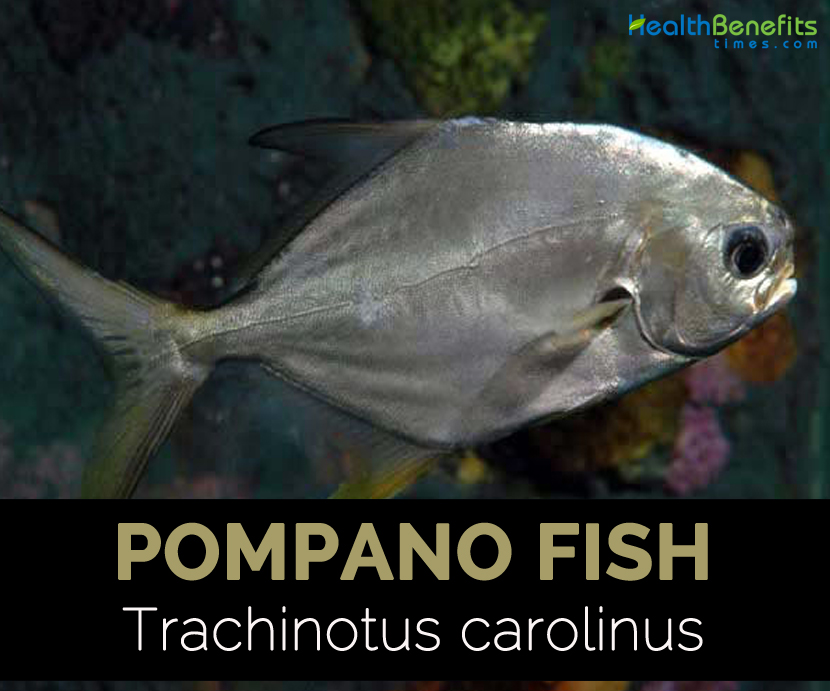
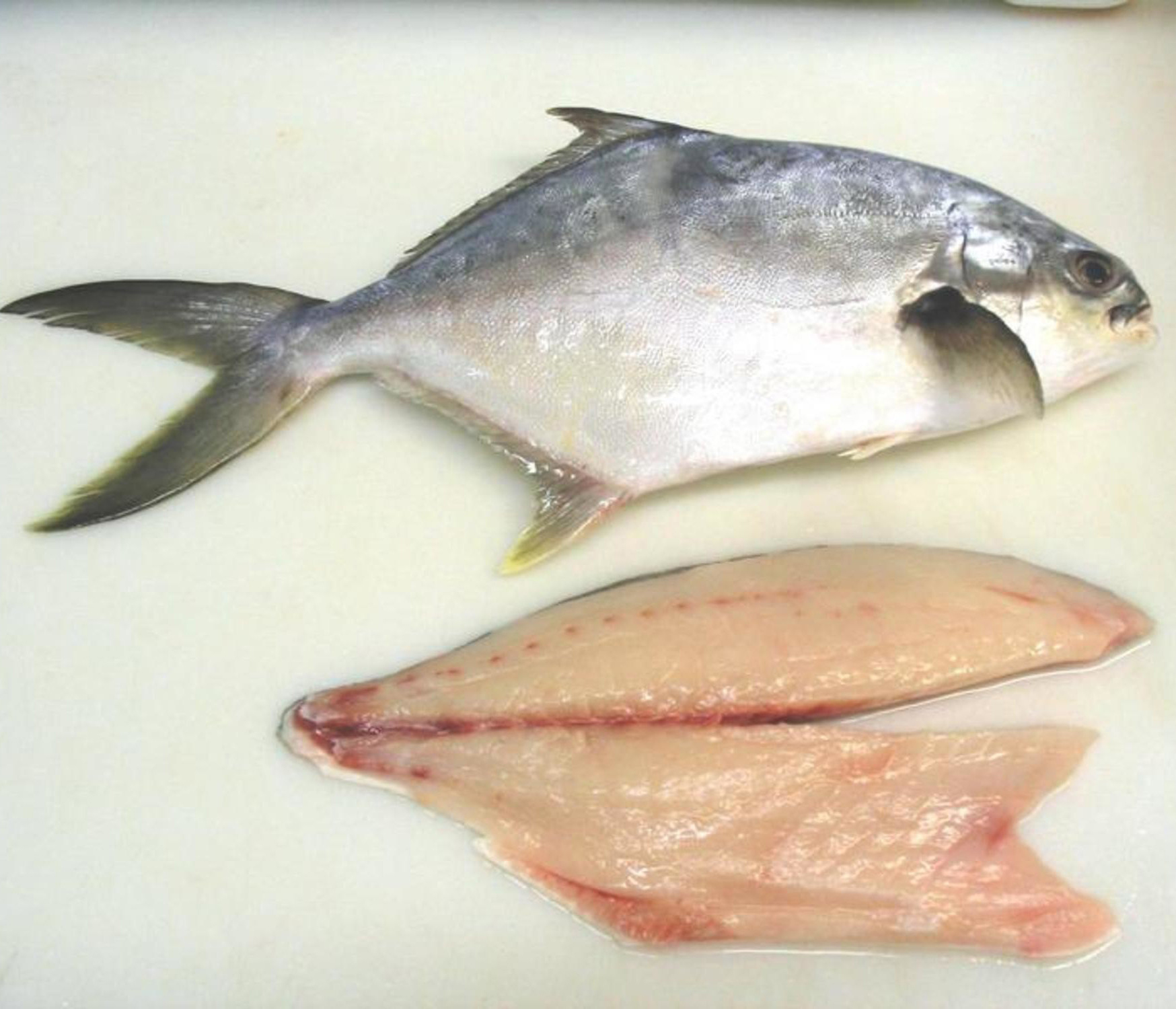
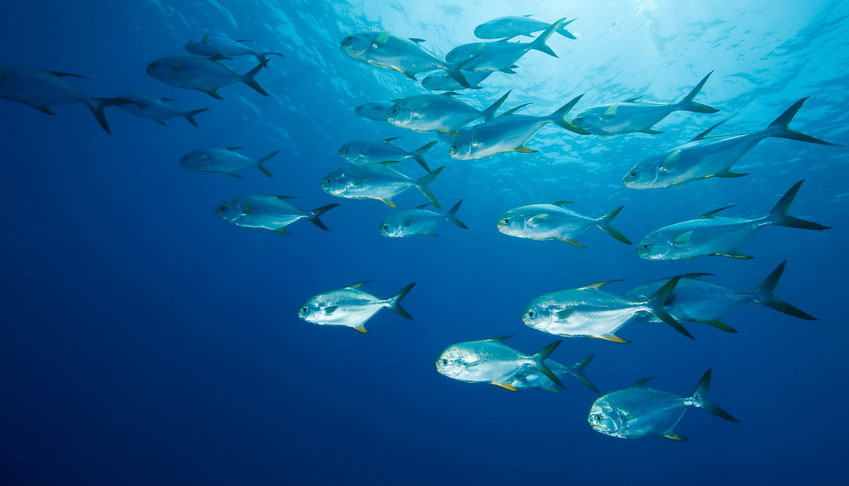
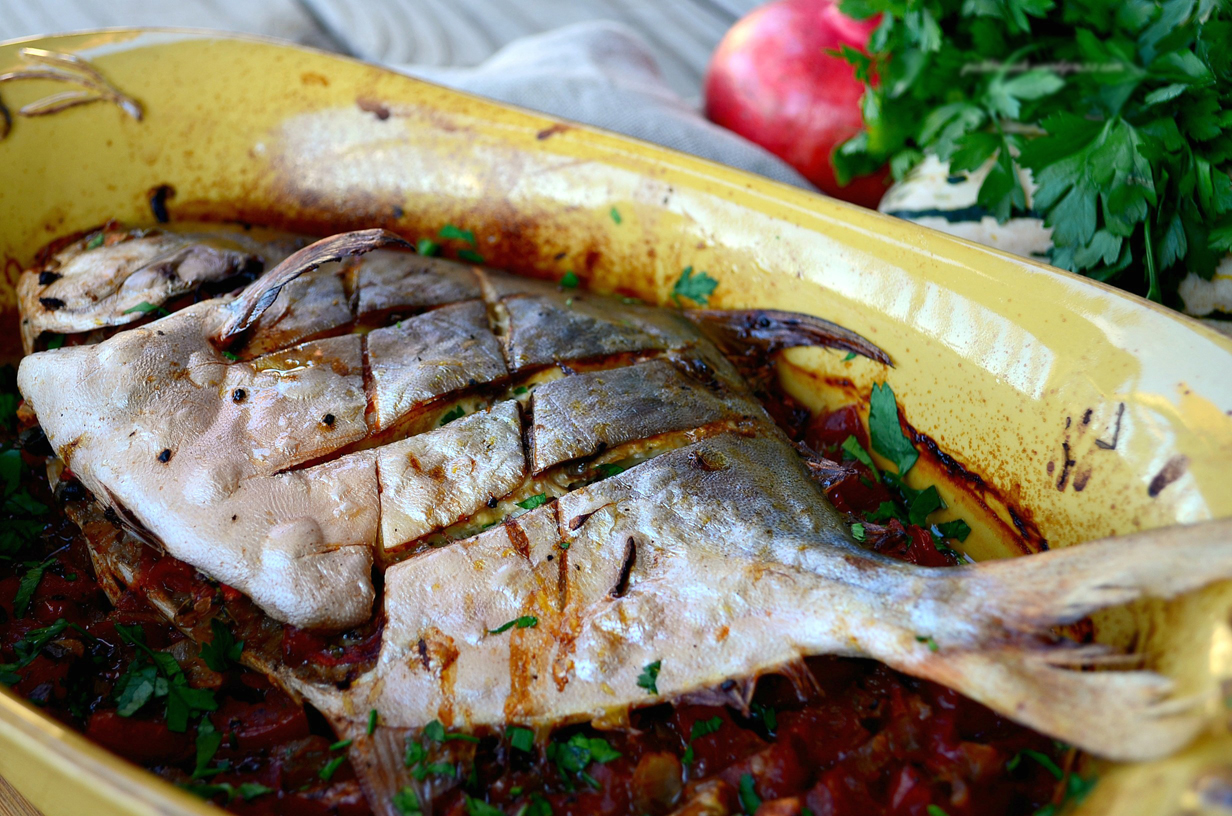
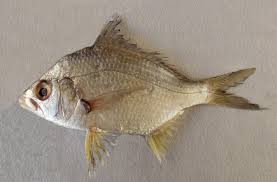
    Pompano fish, also known as the Florida and Golden Pompano, is a saltwater breed often found inshore and near the shore. According to the Florida Fish and Wildlife Conservation Commission, they can be seen near oyster banks, grass beds, and turbid waters. Pompano is actually a highly preferred eating fish. It is a medium flavor fish with flesh that holds together very well for all modes of cooking, and its shape fits pans and steamers better than most fish do. Frying, steaming, baking and poaching whole or as fillets all work well. The flesh is white except for a darker layer right under the skin, but that dark flesh does not have a strong flavor.

    It lives in the warm waters of the south Atlantic from Cape Cod to Brazil. They should not be confused with the California pompano which is in fact a member of the butterfish family and not a pompano at all. It is a fast growing fish, reaching 8-12 inches in its first year. They usually live about 3 to 4 years.  It is blue-greenish silver dorsally and silver to yellow on body and fins. It averages 1 ½ to 3 pounds however they have been to reach 9 pounds and 26 inches in length. They are a fairly expensive fish because of high demand and commercial fishing restrictions.

    There are several fish species in the genera Trachinotus that are marketed as pompano. The name pompano has long been used broadly to refer to many different species within this large family of fish called jacks (Carangidae).  Pompano became popular in the United States primarily because of the domestic sport and commercial fishery along the coast of Florida for Trachinotus carolinus.  This species is the most expensive and preferred due to its wonderful flavor, texture and fat content.  This species of pompano is highly valued as a food fish both commercially and recreationally. They are characterized by their greenish gray and silver color.

    Habitat

    Florida pompano are common in inshore and near shore waters, especially along sandy beaches, along oyster banks, and over grass beds. They are often in turbid water and may be found in water as deep as 130 feet.

    Physical Appearance

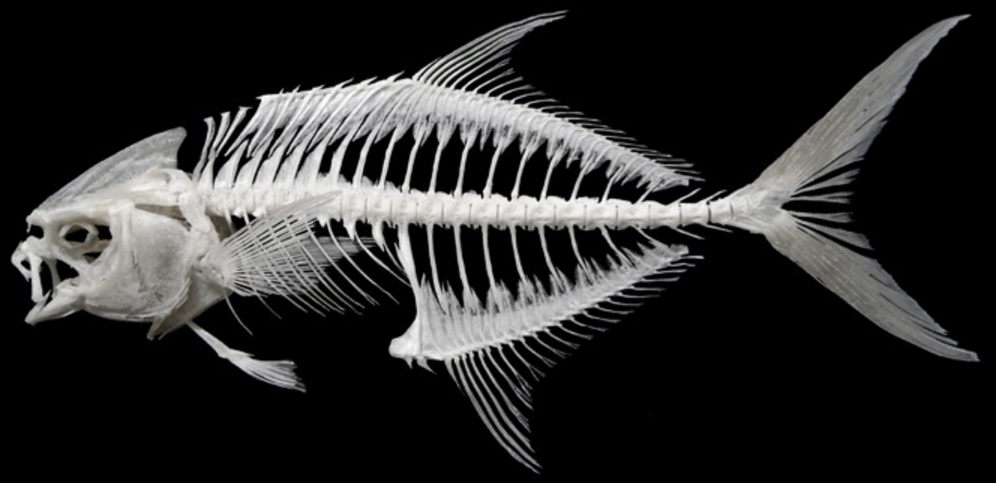
    The body profile is compressed with short snout. Color is normally blue-greenish silver on the dorsally and is silver to yellow on body and fins. There are no visible vertical bars on sides. Fins are dusky or yellowish in color, mainly the anal fin. The tail fin is deeply forked. The head profile slopes to a blunt snout, with the mouth somewhat inferior. The adult Florida Pompano can range from 17 – 25 inches in length. The angler caught Florida Pompano is usually 3 lbs or less. Florida Pompano rarely grow more than 6 Lbs.

    Six short spines are located in front of an elongated dorsal fin, which is set low on the fish’s back and is matched by a slightly shorter anal fin underneath. The first few soft rays (spines) of these fins are elongated, followed by a narrow band of soft rays that lead to the deeply forked V shaped tail. The dorsal fin has 22 to 27 soft rays (spines); the anal fin has 20 to 23 rays (spines). The fins of pompano may be yellow.

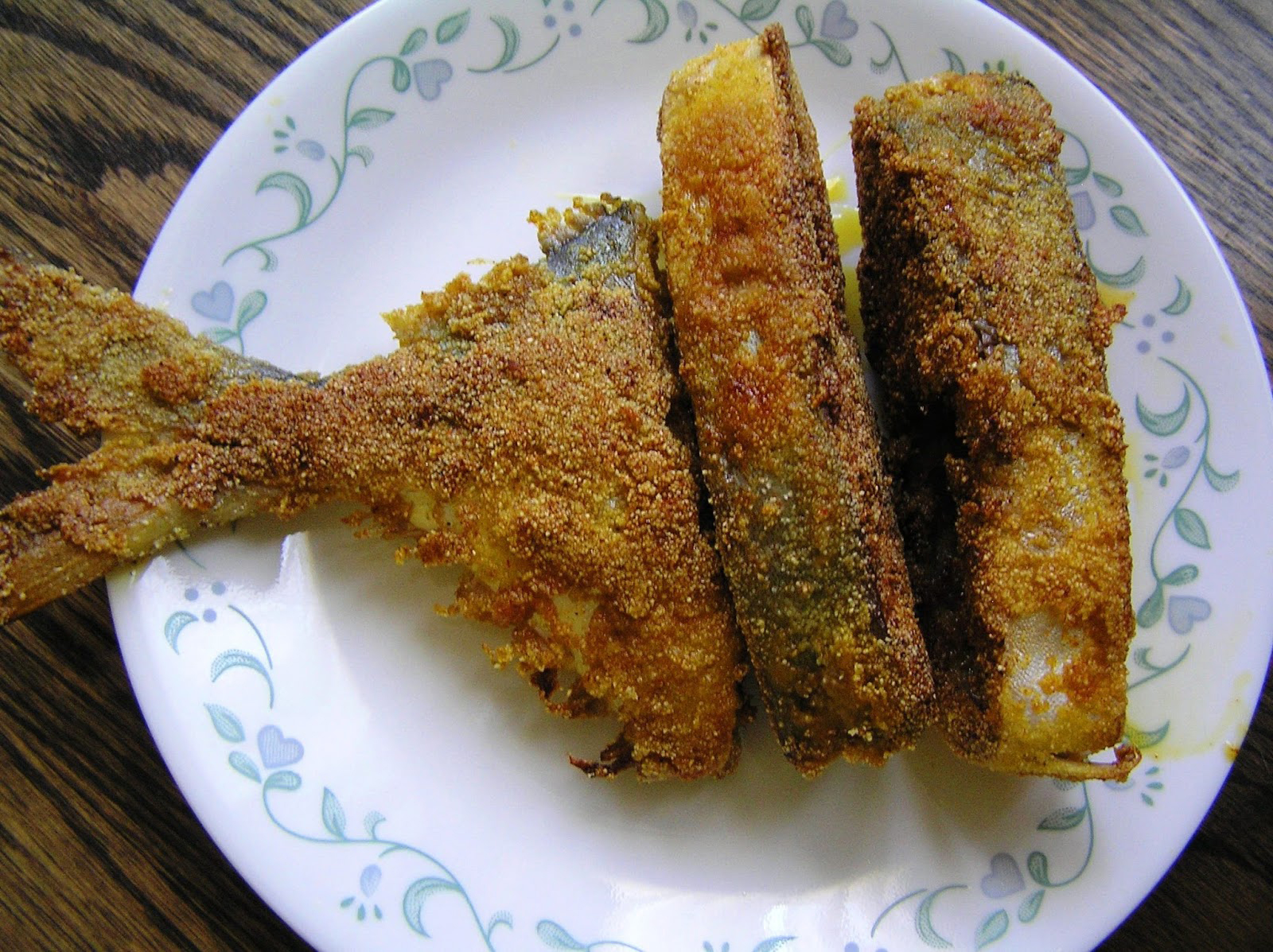
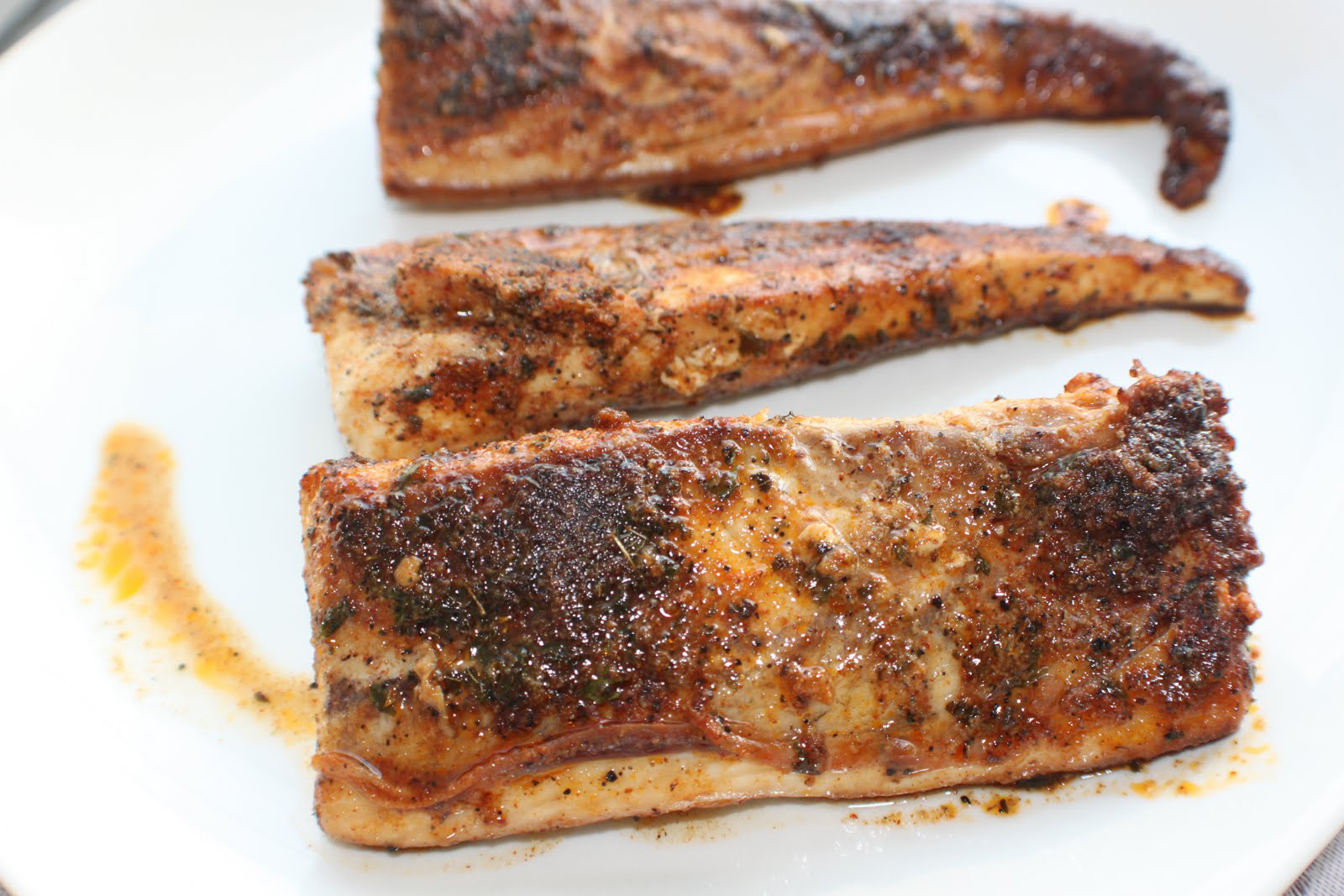
    Fried-Pompano-fish Grilled-Blackened-Seasoning-for-Pompano Pompano-fish-fillets Pompano-school Skeleton-of-Pompano-fish Baked-Pompano-fish
    [Show thumbnails]

    Types

    Different types of pompano fish are described below

    1. African pompano
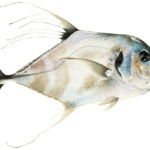
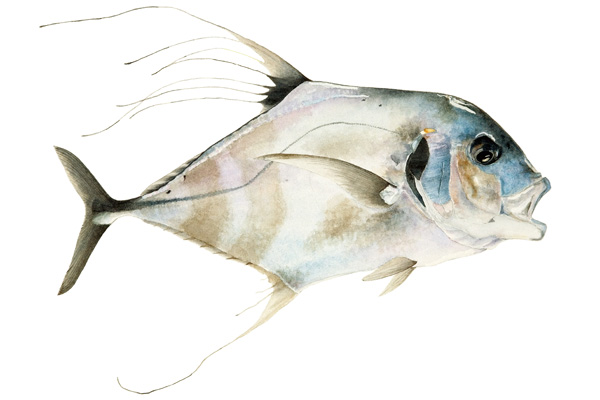
    African PompanoThe African pompano (Alectis ciliaris) also known as the pennant-fish and threadfin trevally is a widely distributed species of tropical marine fish in the jack family, Carangidae. The species is found in tropical waters worldwide, with adults often inhabiting coastlines, while juveniles are usually pelagic, floating with ocean currents.

    2. Irish pompano
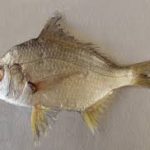
    Irish pompanoIrish pompano has deep body, compressed, angled at base of dorsal fin; snout pointed; lower jaw profile concave; strongly protrusible jaws that point downward when extended; edge of preopercle is serrated; tail deeply forked; 2nd anal fin spine thick and longer 3rd spine and rays; high dorsal fin; dorsal fin spines dusky at edge.

    Health Benefits of Pompano fish

    Discussed below are the health benefits offered by pompano fish:

    1. Enhance metabolism

    The high content of Vitamin B assists in bodily functions such as to increase the body’s metabolism. The fish belonging to this genus has adequate amounts of riboflavin, niacin, thiamine and pyridoxine.

    1. Lowers bad cholesterol

    Pompano fish has saturated fat in it and is the great source of polyunsaturated fat and monounsaturated fats. It contains high concentration of unsaturated fat which is essential to fight HDL.

    1. Strong bones

    Moreover, pompano fish is useful in strengthening bone. This fish has various compounds that prevent weakness and fragility of bones.

    1. Brain health

    This fish has healthy fats that assist in improving cognitive function and lower the chances of neurogenerative diseases.

    1. Require for growth

    A fillet of pompano fish provides 40% of regular protein. Moreover, it is a perfect source of amino acids essential for development and growth of the body.

    Nutritional Value

    Apart from their mild, succulent-taste, Pompano fish is a good source of nutrients, vitamins and minerals. Consuming 88 gram of Pompano fish offers 41.2 µg of Selenium, 0.598 mg of Vitamin B1, 1.06 µg of Vitamin B-12, 300 mg of Phosphorus, 20.85 g of Protein, 10.68 g of Total Fat, 3.344 mg of Vitamin B3, 0.202 mg of Vitamin B6 and 0.766 mg of Vitamin B5. Moreover many Amino acids 0.233 g of Tryptophan, 0.913 g of Threonine, 0.961 g of Isoleucine, 1.694 g of Leucine, 1.914 g of Lysine and 0.617 g of Methionine are also found in 88 gram of Pompano fish.

    How to Eat

    • Pompano is typically prepared baked, broiled, grilled or pan-fried.
    • A popular dish created in New Orleans, called “pompano en papillote,” is wrapped in parchment paper with a white sauce of wine, shrimp, and crab meat, and then steamed.
    • To enjoy the pure flavor of the fish, try it on the grill or baked with a little oil or butter, salt and pepper.
    • Cut the cleaned fish into slices, dredge with flour, and fry brown in butter. Serve with any preferred sauce.
    • Pompano, because of its high fat content, works well with complex sauces.

    Precautions

    • Pompano fish contains mercury.
    • Limit its intake to reap health benefits.
    • Some people might experience allergic reactions. Seek for medical attention and avoid its intake.

    Other Facts

    • Pompano do not have teeth.
    • Largest pompano fish weigh 8–9 lb. (3.6–4.1 kg) and reach lengths up to 26 in (66 cm).

    References:

    http://www.clovegarden.com/ingred/sf_pompcz.html

    http://www.cport.net/product/view/pompano

    https://en.wikipedia.org/wiki/Pompano

    https://en.wikipedia.org/wiki/Florida_pompano

    http://www.fishingdestinguide.com/FISH-POMPANO.html

    http://seafood.edf.org/pompano

    http://www.seafoodsource.com/seafoodhandbook/finfish/pompano

    https://www.organicfacts.net/pompano-fish.html

    https://www.thealthbenefitsof.com/pompano-fish/

    61%
    61%
    Awesome

    Comments

    comments

    P Poultry & Seafoods
    Share. Facebook Twitter Pinterest LinkedIn Tumblr Email
    Previous ArticleMonkfish facts and nutritional value
    Next Article Ocean perch Facts and nutritional value

    Related Posts

    Health benefits of Patchouli

    December 22, 2023

    Health benefits of Prickly Caterpillar Plant

    November 22, 2023

    Health benefits of Prayer Plant

    November 6, 2023

    Comments are closed.


    Facts of Pompano fish

    Pompano Fish Quick Facts
    Name: Pompano Fish
    Scientific Name: Trachinotus carolinus
    Colors Blue-greenish silver
    Shapes Short, deep, compressed, 17-25 inches in length
    Flesh colors White to off-white
    Taste Mild, succulent
    Calories 186 Kcal./cup
    Major nutrients Selenium (74.91%)
    Isoleucine (57.48%)
    Lysine (57.24%)
    Tryptophan (52.95%)
    Threonine (51.88%)
    Name Pompano fish
    Scientific Name Trachinotus carolinus
    Common/English Name Florida Pompano, common pompano, Atlantic pompano, Cobblerfish, sunfish, butterfish
    Name in Other Languages French: Pampano
    German: Gabelmakrele
    Italian: Leccia stella
    Japanese: Kobanaji
    Spanish: Palometa
    Greek: Trachínotos (τραχίνωτος)
    Chinese: Jiān de yī zhǒng (鲣的一种)
    Arabic: nawe min ‘asmak almuhit al’atlinti kthyr alllahm (نوع من أسماك المحيط الأطلنطي كثير اللحم)
    Dutch: Pompano
    Portuguese: Tipo de peixe
    Turkish: Palamut
    Hebrew: פומפנו (סוג של דג)
    Growing Climate Found in small schools along sloping, sandy beaches, around inlets, and in  brackish bays and estuaries
    Belly Golden
    Fish Size & Shape Short, deep, and compressed, 17-25 inches in length
    Fish Color Blue-greenish silver on the dorsally and is silver to yellow on body
    Skin Fairly tough and feels a little leathery
    Flesh Color White to off-white
    Fish Weight 1.5 kg (3.3 lb)
    Taste Mild, succulent-taste
    Spawning April and May
    Feed on Sand fleas, coquinos, shrimp, small fish and other animals buried in the sand.
    Varieties
    • African
    • Cayenne
    • Irish
    Lifespan Three to four years
    Major Nutrition Selenium, Se 41.2 µg (74.91%)
    Isoleucine 0.961 g (57.48%)
    Lysine 1.914 g (57.24%)
    Tryptophan 0.233 g (52.95%)
    Threonine 0.913 g (51.88%)
    Valine 1.074 g (50.85%)
    Vitamin B1 (Thiamin) 0.598 mg (49.83%)
    Histidine 0.613 g (49.76%)
    Leucine 1.694 g (45.83%)
    Vitamin B-12 (Cobalamine) 1.06 µg (44.17%)
    Phosphorus, P 300 mg (42.86%)
    Protein 20.85 g (41.70%)
    Total Fat (lipid) 10.68 g (30.51%)
    Vitamin B3 (Niacin) 3.344 mg (20.90%)
    Vitamin B6 (Pyridoxine) 0.202 mg (15.54%)
    Vitamin B5 (Pantothenic acid) 0.766 mg (15.32%)
    Potassium, K 560 mg (11.91%)
    Vitamin B2 (Riboflavin) 0.132 mg (10.15%)
    Calories in 1 fillet (88 g) 186 Kcal

    Pompano Fish Scientific Classification

    Scientific Name: Trachinotus carolinus

    Rank Scientific Name & (Common Name)
    Kingdom Animalia (Animal, animaux, animals)
    Phylum Chordata (cordés, cordado, chordates)
    Subphylum Vertebrata  (Vertebrado, vertébrés, vertebrates)
    Order Perciformes  (Perch-like fishes)   
    Family Carangidae  (Jacks, pompanos, carangues, pampanos, saurels, jureles y pámpanos)
    Genus Trachinotus Lacepède, 1801 (Pompanos)
    Class Actinopterygii
    • Dry heat
    • Raw
    Nutritional value of Pompano, florida, cooked, dry heat
    Serving Size: 1 fillet 88 g

    Calories 186 Kcal. Calories from Fat 96.12 Kcal.


    Proximity Amount % DV
    Water 55.41 g N/D
    Energy 186 Kcal N/D
    Energy 777 kJ N/D
    Protein 20.85 g 41.70%
    Total Fat (lipid) 10.68 g 30.51%
    Ash 1.21 g N/D

     
    Minerals Amount % DV
    Calcium, Ca 38 mg 3.80%
    Iron, Fe 0.59 mg 7.38%
    Magnesium, Mg 27 mg 6.43%
    Phosphorus, P 300 mg 42.86%
    Potassium, K 560 mg 11.91%
    Sodium, Na 67 mg 4.47%
    Zinc, Zn 0.61 mg 5.55%
    Copper, Cu 0.069 mg 7.67%
    Manganese, Mn 0.022 mg 0.96%
    Selenium, Se 41.2 µg 74.91%


    Vitamins Amount % DV
    Water soluble Vitamins
    Vitamin B1 (Thiamin) 0.598 mg 49.83%
    Vitamin B2 (Riboflavin) 0.132 mg 10.15%
    Vitamin B3 (Niacin) 3.344 mg 20.90%
    Vitamin B5 (Pantothenic acid) 0.766 mg 15.32%
    Vitamin B6 (Pyridoxine) 0.202 mg 15.54%
    Vitamin B9 (Folate) 15 µg 3.75%
    Folate, food 15 µg N/D
    Folate, DEF 15 µg N/D
    Vitamin B-12 (Cobalamine) 1.06 µg 44.17%
    Fat soluble Vitamins
    Vitamin A, RAE 32 µg 4.57%
    Vitamin A, IU 106 IU N/D
    Retinol 32 µg N/D

     
    Lipids Amount % DV
    Fatty acids, total saturated 3.959 g N/D
    Myristic acid  14:00(Tetradecanoic acid) 0.463 g N/D
    Palmitic acid 16:00 (Hexadecanoic acid) 2.501 g N/D
    Stearic acid 18:00 (Octadecanoic acid) 0.929 g N/D
    Fatty acids, total monounsaturated 2.917 g N/D
    Palmitoleic acid 16:1 (hexadecenoic acid) 0.635 g N/D
    Oleic acid 18:1 (octadecenoic acid) 2.282 g N/D
    Fatty acids, total polyunsaturated 1.283 g N/D
    Linoleic acid 18:2 (octadecadienoic acid) 0.136 g N/D
    Arachidonic acid 20:4 (Eicosatetraenoic acid) 0.277 g N/D
    20:5 n-3 (EPA) 0.197 g N/D
    22:5 n-3 (DPA) 0.228 g N/D
    22:6 n-3 (DHA) 0.444 g N/D
    Cholesterol 56 mg N/D

     
    Amino acids Amount % DV
    Tryptophan 0.233 g 52.95%
    Threonine 0.913 g 51.88%
    Isoleucine 0.961 g 57.48%
    Leucine 1.694 g 45.83%
    Lysine 1.914 g 57.24%
    Methionine 0.617 g N/D
    Cystine 0.224 g N/D
    Phenylalanine 0.814 g N/D
    Tyrosine 0.704 g N/D
    Valine 1.074 g 50.85%
    Arginine 1.247 g N/D
    Histidine 0.613 g 49.76%
    Alanine 1.261 g N/D
    Aspartic acid 2.135 g N/D
    Glutamic acid 3.112 g N/D
    Glycine 1.001 g N/D
    Proline 0.737 g N/D
    Serine 0.85 g N/D

    *Above mentioned Percent Daily Values (%DVs) are based on 2,000 calorie diet intake. Daily values (DVs) may be different depending upon your daily calorie needs. Mentioned values are recommended by a U.S. Department of Agriculture. They are not healthbenefitstimes.com recommendations. Calculations are based on average age of 19 to 50 years and weighs 194 lbs.


    Source:
    https://ndb.nal.usda.gov/

    Nutritional value of Pompano, florida, raw
    Serving Size: 1 Fillet 112 g

    Calories 184 Kcal. Calories from Fat 95.49 Kcal.


    Proximity Amount % DV
    Water 79.65 g N/D
    Energy 184 Kcal N/D
    Energy 768 kJ N/D
    Protein 20.7 g 41.40%
    Total Fat (lipid) 10.61 g 30.31%
    Ash 1.23 g N/D

     
    Minerals Amount % DV
    Calcium, Ca 25 mg 2.50%
    Iron, Fe 0.67 mg 8.38%
    Magnesium, Mg 30 mg 7.14%
    Phosphorus, P 218 mg 31.14%
    Potassium, K 427 mg 9.09%
    Sodium, Na 73 mg 4.87%
    Zinc, Zn 0.81 mg 7.36%
    Copper, Cu 0.043 mg 4.78%
    Manganese, Mn 0.015 mg 0.65%
    Selenium, Se 40.9 µg 74.36%


    Vitamins Amount % DV
    Water soluble Vitamins
    Vitamin B1 (Thiamin) 0.627 mg 52.25%
    Vitamin B2 (Riboflavin) 0.134 mg 10.31%
    Vitamin B3 (Niacin) 3.36 mg 21.00%
    Vitamin B5 (Pantothenic acid) 0.84 mg 16.80%
    Vitamin B6 (Pyridoxine) 0.224 mg 17.23%
    Vitamin B9 (Folate) 17 µg 4.25%
    Folate, food 17 µg N/D
    Folate, DEF 17 µg N/D
    Choline 57.7 mg 10.49%
    Vitamin B-12 (Cobalamine) 1.46 µg 60.83%
    Fat soluble Vitamins
    Vitamin A, RAE 45 µg 6.43%
    Vitamin A, IU 148 IU N/D
    Retinol 45 µg N/D
    Vitamin E (alpha-tocopherol) 0.2 mg 1.33%
    Vitamin (D2+D3) 12.3 µg N/D
    Vitamin D (Cholecalciferol) 12.3 µg 82.00%
    Vitamin D 492 U N/D
    Vitamin K (phylloquinone) 0.1 µg 0.08%

     
    Lipids Amount % DV
    Fatty acids, total saturated 3.93 g N/D
    Myristic acid  14:00(Tetradecanoic acid) 0.459 g N/D
    Palmitic acid 16:00 (Hexadecanoic acid) 2.483 g N/D
    Stearic acid 18:00 (Octadecanoic acid) 0.923 g N/D
    Fatty acids, total monounsaturated 2.896 g N/D
    Palmitoleic acid 16:1 (hexadecenoic acid) 0.631 g N/D
    Oleic acid 18:1 (octadecenoic acid) 2.266 g N/D
    Fatty acids, total polyunsaturated 1.273 g N/D
    Linoleic acid 18:2 (octadecadienoic acid) 0.136 g N/D
    20:5 n-3 (EPA) 0.196 g N/D
    22:5 n-3 (DPA) 0.226 g N/D
    22:6 n-3 (DHA) 0.44 g N/D
    Cholesterol 56 mg N/D

     
    Amino acids Amount % DV
    Tryptophan 0.232 g 52.73%
    Threonine 0.907 g 51.53%
    Isoleucine 0.953 g 57.00%
    Leucine 1.682 g 45.51%
    Lysine 1.901 g 56.85%
    Methionine 0.613 g N/D
    Cystine 0.222 g N/D
    Phenylalanine 0.808 g N/D
    Tyrosine 0.699 g N/D
    Valine 1.066 g 50.47%
    Arginine 1.239 g N/D
    Histidine 0.609 g 49.43%
    Alanine 1.251 g N/D
    Aspartic acid 2.119 g N/D
    Glutamic acid 3.089 g N/D
    Glycine 0.993 g N/D
    Proline 0.731 g N/D
    Serine 0.844 g N/D

    *Above mentioned Percent Daily Values (%DVs) are based on 2,000 calorie diet intake. Daily values (DVs) may be different depending upon your daily calorie needs. Mentioned values are recommended by a U.S. Department of Agriculture. They are not healthbenefitstimes.com recommendations. Calculations are based on average age of 19 to 50 years and weighs 194 lbs.


    Source:
    https://ndb.nal.usda.gov/

    WordPress Tabs
    Categories
    • Beverages (78)
    • Dairy (28)
    • Dental Health (15)
    • Equipment (5)
    • Essential OIls (196)
    • Facts (2,939)
    • Foods (255)
    • Fruits (516)
    • Giveaway (1)
    • Grains and Cereals (36)
    • Health & Beauty (763)
    • Herbs and Spices (1,249)
    • Medicines (9)
    • Mental Health (19)
    • Nutritional value (27)
    • Nuts and seeds (73)
    • Oils (81)
    • Pets (4)
    • Poultry & Seafoods (67)
    • Pulses and Beans (16)
    • Reviews (25)
    • supplement (2)
    • Vegetables (304)
    • Weight Loss (22)

    What is Lupin Bean Flour?

    Science Backed Health Benefits of Durian (Durio zibethinus)

    Science Backed Health Benefits of Feijoa (Pineapple Guava) (Acca sellowiana)

    Science Backed Health Benefits of Gac Fruit (Momordica cochinchinensis)

    Science Backed Health Benefits of Amaranth Leaves (Amaranthus spp)

    Science Backed Health Benefits of Arrowhead (Sagittaria sagittifolia)

    ABOUT
    Home
    About us
    Contact us
    Privacy Policy
    Terms & conditions
    Disclaimer
    Direct Communication
    e-mail: [email protected]
    Gmail: [email protected]
    Whatsapp: +977-9841146511
    Viber: +977-9841146511
    Useful
    Health Wiki
    Nutrition
    Facebook Twitter Pinterest
    © 2025 www.healthbenefitstimes.com All rights reserved.

    Type above and press Enter to search. Press Esc to cancel.

    ×

    Log In

    Forgot Password?

    Not registered yet? Create an Account