

| Red Ginger Quick Facts | |
|---|---|
| Name: | Red Ginger |
| Scientific Name: | Alpinia purpurata |
| Origin | Hawaii, Trinidad, Grenada, St. Lucia, Panama, Dominica, St. Vincent, Martinique, Jamaica, Guadeloupe, Puerto Rico, Suriname, New Caledonia |
| Shapes | Subglobose shaped capsule measures 10 - 15 cm long and 2 - 3 cm in diameter, and split open when the seeds are ripe |
| Flesh colors | Pink to yellow |
| Health benefits | Good for allergies, morning sickness, heart health, Lose weight, Nausea & Increasing Appetite, treat Cough, Prevent Cancer, Alzheimer’s disease, hypertension and cardiovascular disease, gout, male fertility |
| Name | Red Ginger |
|---|---|
| Scientific Name | Alpinia purpurata |
| Native | Hawaii, Trinidad, Grenada, St. Lucia, Panama, Dominica, St. Vincent, Martinique, Jamaica, Guadeloupe, Puerto Rico, Suriname, New Caledonia, New Hebrides, Yap, British Solomon Islands Protectorate, Bismark Archipelago, Bougainville and many Central American nations, including Belize. It is widely cultivated in the tropics and subtropics |
| Common Names | Ginger lily, jungle king, ostrich plume, pink cone ginger, Red ginger, Red cone ginger |
| Name in Other Languages | Azerbaijani: Purpur alpiniya Bengali: Ādā phula (আদা ফুল) Bulgarian: Lilava alpiniya (лилава алпиния) Chinese: Hong guo shan jiang, Hónghuā yuè táo (紅花月桃) Cuba: Alpinia English: Pink Cone Ginger, Red ginger, Red cone ginger, Ostrich Plume Fijian: Thevunga Finnish: Punagalangajuuri French: Opuhi uteute, lavande rouge Germany: Scharlachrote Alpinie Hawaiian: Awapuhi ‘ula‘ula Japanese: Reddojinjā (レッドジンジャー) Kwara‘ae: Fi‘i ange, forlata Malay: Halia bara Malayalam: Reḍ jiñcar (റെഡ് ജിഞ്ചർ) Maori (Cook Islands): Kāopi kura, kāopi muramura, kōpī muramura, kaopu‘i muramura, kaopui kutekute Nangu: Aluko Niuean: Kamapui futi kula, keuila Persian: زنجبیل قرمز Portuguese: Panama, gengibre-púrpura Rotuman: Kapui riri‘i Russian: Al’piniya purpurnaya (Альпиния пурпурная) Samoan: Teuila, teuila mćmć Spanish: Ginger rojo, jenjibre cimarrón, jenjibre rojo, Colonia, pluma de San Juan, pluma rosa Swedish: Rod Galangarot Tahitian: Opuhi uteute Thai: K̄hing dæng (ขิงแดง) Tokelauan: Teuila Tongan: Teuila, teuila pāpālangi, tevunga, tevula Vietnamese: Riềng tía Yapese: Telan |
| Plant Growth Habit | Tall, upright, herbaceous, evergreen plant |
| Growing Climates | Abandoned garden areas, along trails and streams in forests, edges of mangrove swamps, moist secondary forests, moist roadsides, riverbanks, wetlands, disturbed moist forest, old gardens, trail sides as well as along streams |
| Soil | Grows best in fertile, organically rich, moist, well drained soils with a pH range of 6.0 to 6.8 |
| Plant Size | 1-5 m tall (up to 7 m tall in cultivated forms) |
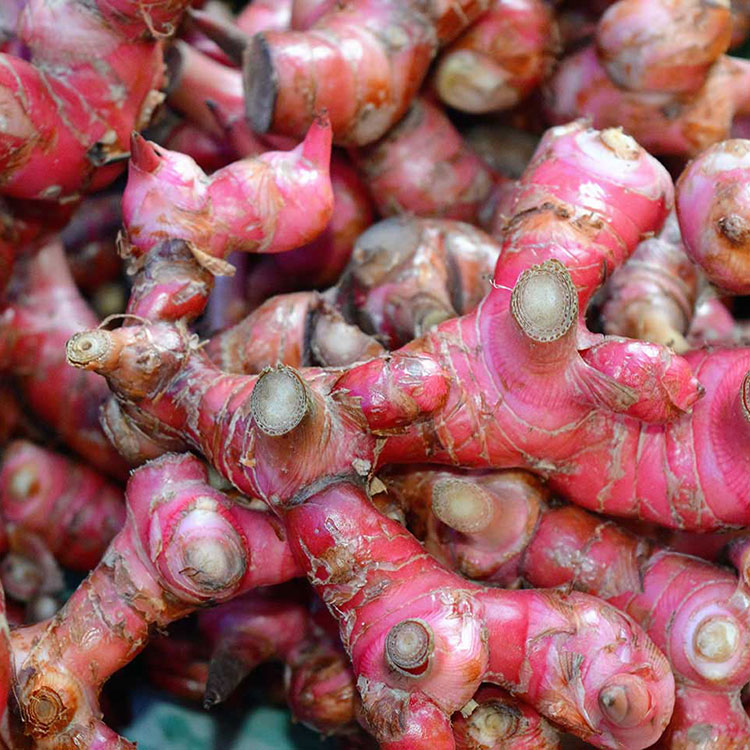
| Root | Aromatic rhizomes, grow and spread in thick clusters, produce aerial shoots when older shoots dried up |
| Leaf | Deep green leaves are alternate and sessile (Lacking petiole) with a long sheath that wraps around the stem. Leaf blades are oblong, 30 – 80 cm long and 10 – 20 cm wide, glabrous |
| Flower | Flowers are small, white, 1 or 2, arising from the red bracts of the spike, 2.5 centimeters long |
| Fruit Shape & Size | Seed capsule is subglobose shaped and measures 10 – 15 cm long and 2 – 3 cm in diameter, and split open when the seeds are ripe |
| Flesh Color | Pink to yellow |
| Seed | Seeds are about 0.2 cm long, black, oily, and may have a red aril. |
| Available Forms | Tea, capsules, tablet |
| Propagation | By seeds, by rhizome division, plantlets and suckers |
| Plant Parts Used | Bark, fruit, leaves and seeds |
| Health Benefits |
|
Plant Description
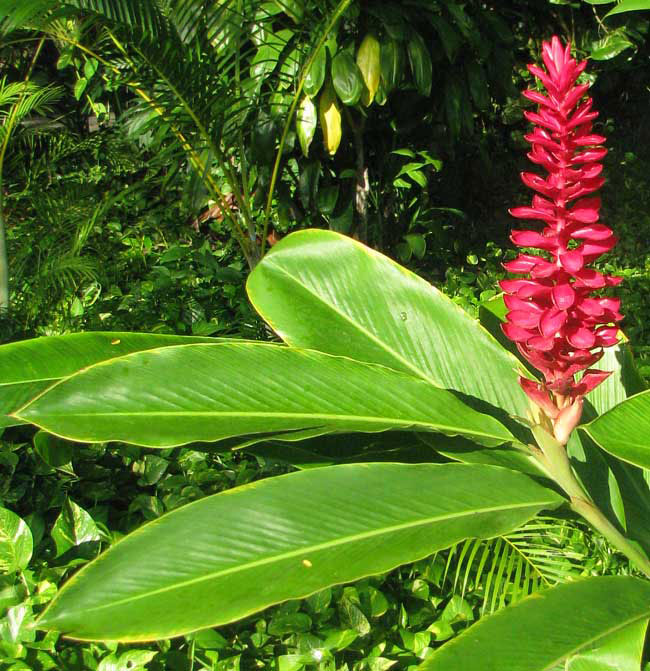
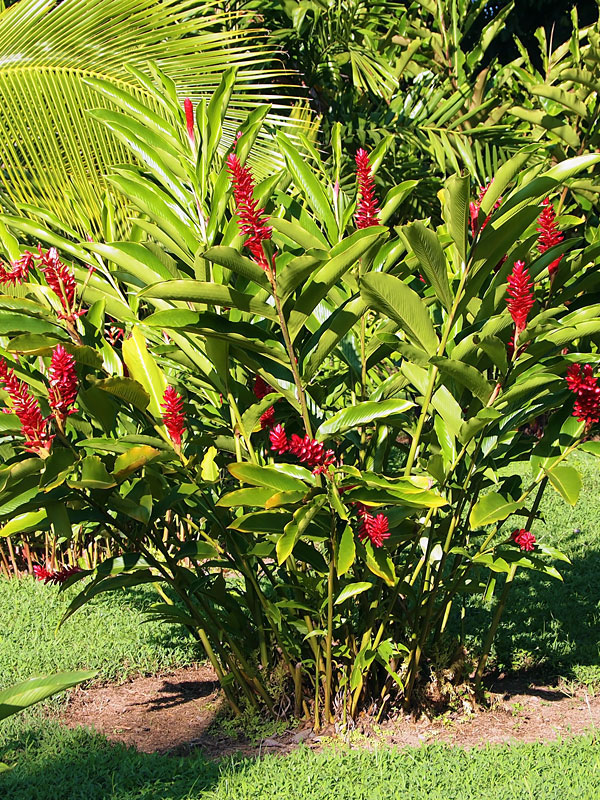
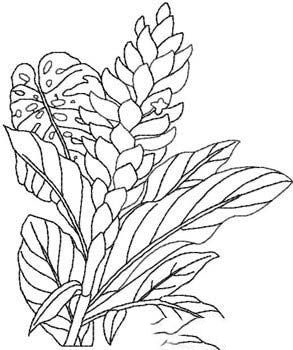
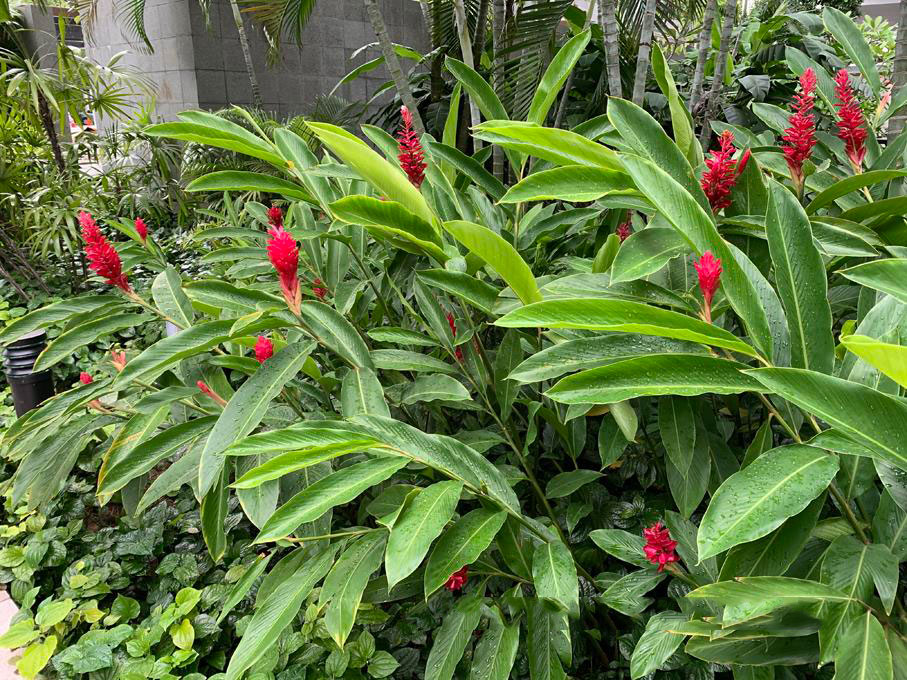
Red Ginger is a tall, upright, herbaceous, evergreen plant that normally grows about 1-5 m tall (up to 7 m tall in cultivated forms). The plant is found growing in abandoned garden areas, along trails and streams in forests, edges of mangrove swamps, moist secondary forests, moist roadsides, riverbanks, wetlands, disturbed moist forest, old gardens, and trail sides as well as along streams. The plant grows best in fertile, organically rich, moist, well drained soils with a pH range of 6.0 to 6.8. Aromatic rhizomes grow and spread in thick clusters, produce aerial shoots when older shoots dried up.
The size of red ginger is also smaller than the usual ginger. Not only is that, the content and taste different. This type of ginger has a more bitter and spicy flavored than ginger usually. Leafy, cane-like stems arise from rhizomes to form a plant 3–15 feet tall and 2–4 feet wide. A stem’s single inflorescence can be up to about 12 inches long. The rhizomes spread laterally in thick clusters, producing aerial shoots at the periphery of the clusters as older shoots dry up after their inflorescences mature and produce offshoots. The rhizomes and stalks are aromatic.
Leaves
Deep green leaves are alternate and sessile (Lacking petiole) with a long sheath that wraps around the stem. Leaf blades are oblong, 30 – 80 cm long and 10 – 20 cm wide, glabrous, apex short acuminate, ligules unequally 2-lobed, 7-20 mm long, pubescent, sheaths pubescent at apex and along margins.
Flower
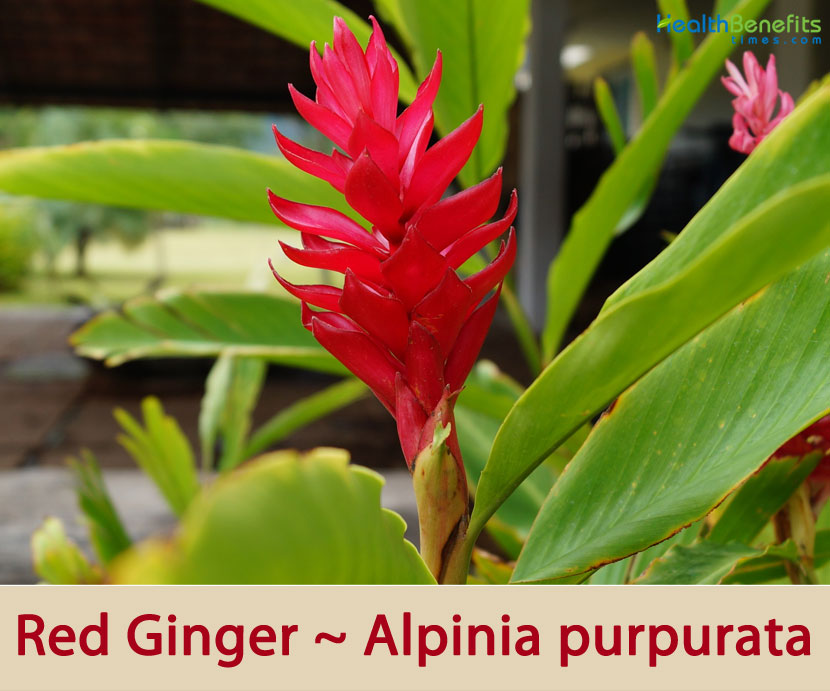
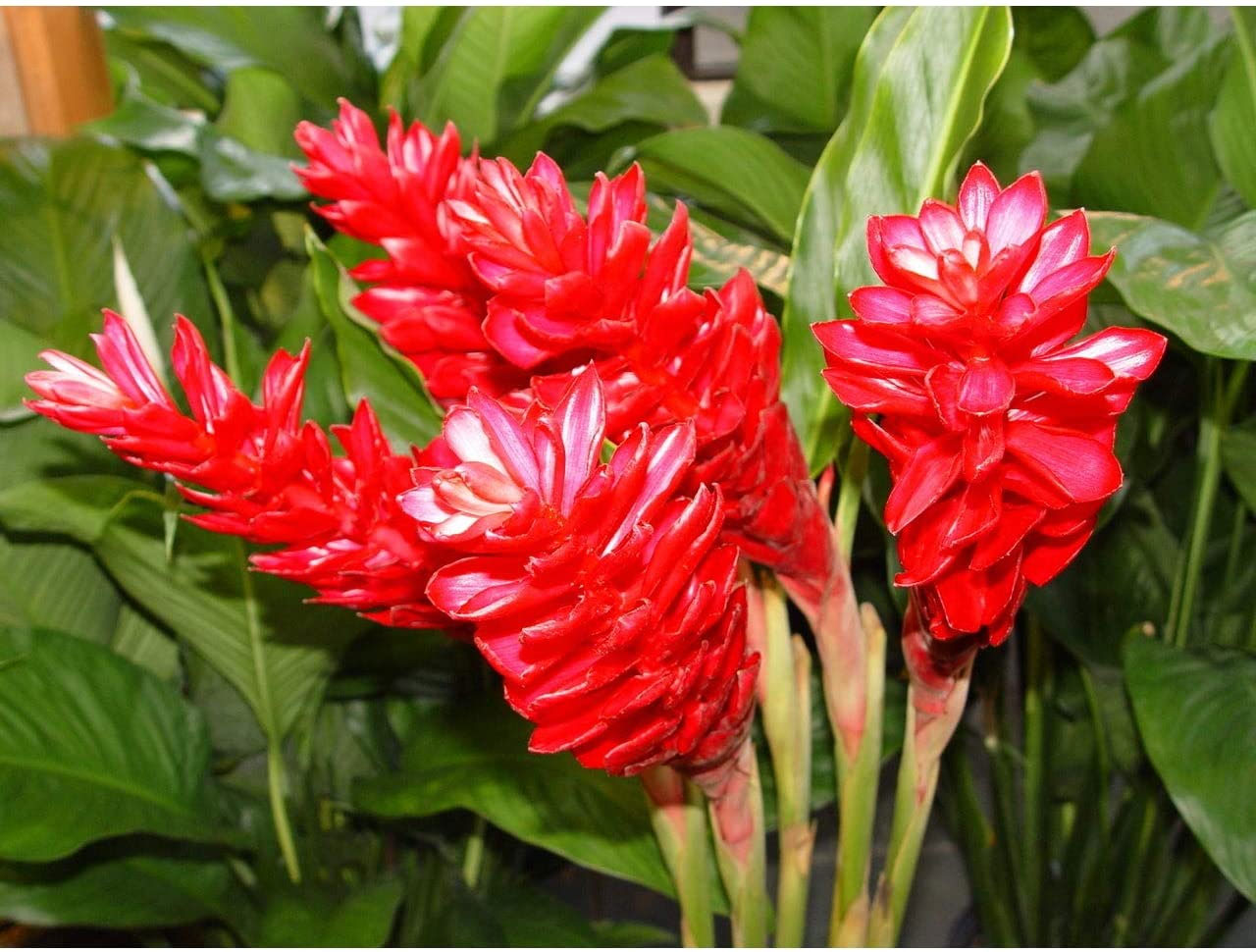
A shoot bears an inflorescence about 41⁄2–5 months after it emerges. The inflorescence is a compact spike 6–12 inches long with a cluster of bracts overlapping to form a cone or funnel shape. Inflorescences are normally erect but droop if large. Although the ovate or broadly obovate 1-inch long bracts are what most people think is the flower, the bracts subtend small, tubular, white 1⁄4 inch flowers having a narrow lip. The flowers open a few at a time.
Fruit
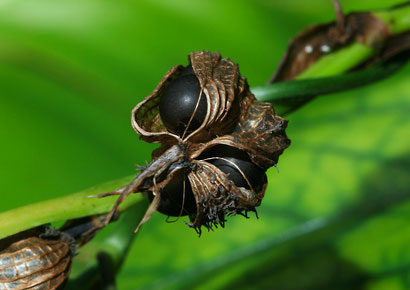
The plant produces seed capsules only rarely. The seed capsule is subglobose shaped and measures 10 – 15 cm long and 2 – 3 cm in diameter, and split open when the seeds are ripe. The seeds are about 0.2 cm long, black, oily, and may have a red aril.
Health benefits of Red Ginger
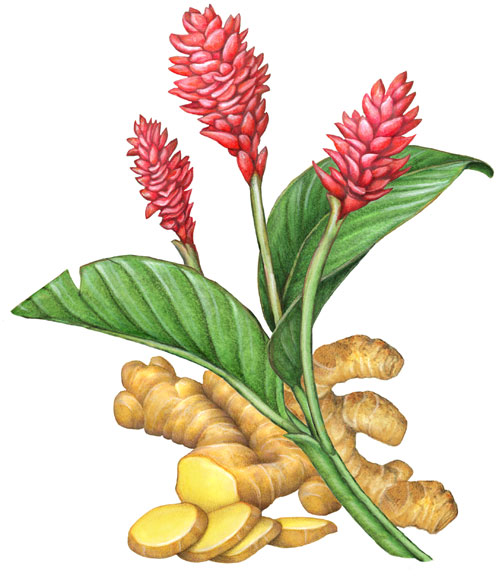
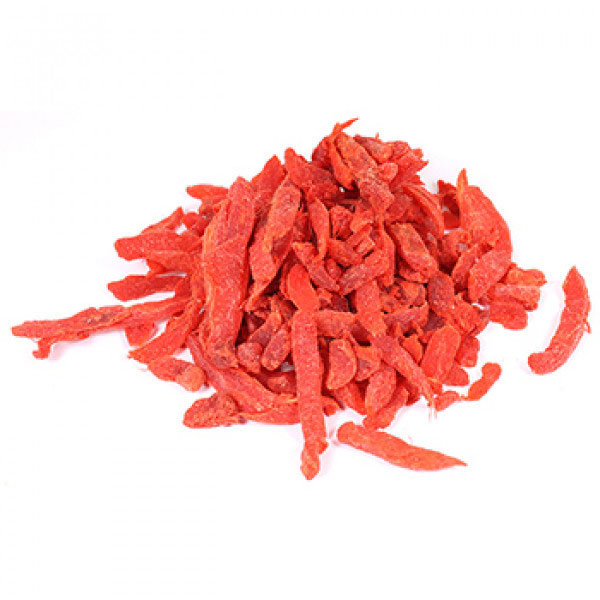
Ginger is considered one of the popularly known herbs to maintain digestive health. However, red ginger is one of the particular types to have other less-known health benefits, including improving male vitality. Listed below are a number of benefits red ginger may have for your overall health.
1. Prevent digestive problems
The feeling of warmth after consuming red ginger surely is beneficial to warm up the body, including preventing cold and flu, as well as giving a relief for your digestion. More than that however, red ginger is also known to maintain healthy digestion and prevent digestive diseases through its antibacterial content. Spread of harmful bacteria like E. coli, Salmonella enteriditis, and Staphylococcus aureus can all be prevented through frequent consumption of red ginger.
2. Reduce inflammations
Red ginger is also beneficial to reduce pain and inflammation inside the body. Research have shown that red ginger extract can help reduce symptoms of osteoarthritis, like muscle pain. Its effect is allegedly more effective than consuming non-steroidal anti-inflammation drug (NSAID) that is usually used to manage inflammations. Active components that are contained in red ginger, like gingerol, gingerdione, zingeron, and oleoresin may further help inflammations like muscle pain and gout.
3. Helps increase male fertility
Usage of red ginger as an aphrodisiac may not be well known. However, research has shown that frequent consumption of the herb may help improve and treat sexual dysfunction in male. Even though the effect may not as prevalent as other aphrodisiac herb, red ginger is able to improve blood flow in the body that can contribute to improve erections in male. Other than that, antioxidant and androgenic activity found in red ginger can also improve testosterone production, affecting male fertility in a more positive way.
In a study conducted on rats showed that the administration of ginger extract combined with zinc minerals in male albino rats can increase testosterone, sperm count, and sperm quality in rats. Thus, this can improve testicular function in mice. Even so, further research is still needed to strengthen this finding.
4. Reduce risk of contracting gout
Gout is a condition where uric acid buildup happens in your joints, causing pain and swelling around the area. This condition is more prevalent in older adults, even though younger adults may also be at risk when not prevented from early on.
Related to the previous pointer, red ginger may help reduce inflammation in the body, including gout, by clearing uric acid buildup on the joints by promoting a healthier blood flow. Thus, by consuming red ginger frequently, gout can be prevented and treated naturally.
5. Improve immunity
When consumed frequently, the anti-inflammatory and antioxidant content in red ginger can help reduce bad bacteria inside our body system. This action may help improve overall health and more importantly, help take care of our immune system. Moreover, consuming foods with high antioxidant content can also reduce the potential growth of cancer cells.
6. Prevents hypertension and cardiovascular disease
One of the benefits of ginger, including the benefits of red ginger, has long been believed in managing and preventing hypertension and cardiovascular disease. Research was conducted using liquid extracts of white ginger and red ginger, to examine how the link between ginger and enzymes that contributes to hypertension. The result, it was found that red ginger extract might help inhibit the enzyme.
7. Help to fight infections
Red ginger is one of the most beneficial herbs that can reduce human infections. This is because red ginger consists of some very important compounds such as zingeron, shogaol, and gingerol. These three substances can fight infections.
8. Protect Human from getting Alzheimer’s disease
There are several researches about red ginger can reduce the chance of getting Alzheimer’s disease. This is because it has antioxidants and bioactive compounds inside the ginger. Also, some other studies proved that consuming red ginger daily will enhance brain function particularly to reduce memory loss.
9. Prevent Cancer
Gingerol found abundantly in red ginger will prevent humans from getting cancer if they consume it on daily basis, it proved that the ginger will reduce inflammatory signaling molecules in the colon itself.
10. Warming Our Bodies
Red ginger helps to warms up our bodies. Red ginger gives a spicy flavor from the gingerol in it. It gives a benefit to make our body warm. This is why it is nice to consume red ginger with some tea or hot milk when it comes to rainy seasons. It will also protect our immune to not getting sick easily.
11. Treating Cough
The content of essential oil in red ginger is useful to overcome cough, both for children and adults.
12. Overcoming Nausea & Increasing Appetite
Red ginger is to help eliminate extra gas in the intestinal tract which helps eliminates nausea during pregnancy or chemotherapy and in turn, increases appetite.
13. Lose weight
Red ginger can be used to lose a person’s weight because of the warmth generated by ginger. Not only that, ginger also consists of few calories so it can not cause weight gain.
14. Healthy heart
Red ginger can also make the heart become healthy because it can lower cholesterol levels and also triglycerides in the body. Cholesterol and high triglycerides can harm heart health.
15. Relieves morning sickness
Morning sickness is often experienced by pregnant women who are still in the first trimester. This is very reasonable because of hormonal changes in the body. Although it is a common problem, it can make pregnant women feel uncomfortable. To fix this, it is recommended to consume a drink made from ginger.
16. Treating allergies
Red Ginger is used to heal the itch on the skin. The trick is to attach the ginger to the itchy skin on a regular basis until the itch is gone.
17. Relieves the throat
Red Ginger produces a warm effect so it can relieve the throat. It is suitable for those who are suffering from a sore throat or a cough that makes the throat become itchy.
Traditional uses and benefits of Red Ginger
- Stems are used by Hawaiians for stomachaches.
- Salt and rhizomes are mashed together for treating headaches.
- Fruit is used to treat sores.
- Decoction of the leaves is used in the treatment of stomach complaints.
- In Trujillo, Venezuela, oral use of boiled inflorescence used to treat cough symptoms.
- It is known to treat several skin disorders including psoriasis, acne, eczema and rashes.
- It is also used to treat common cold, flu and other infections.
- Red ginger can increase the cholesterol level in the body and can inhibit the formation of new blood clots.
- It is useful in fighting off plaque buildup in the arteries and preventing clots from forming in the body.
- Red Ginger also helps in treating nausea and motion sickness.
- It can relieve headaches, insomnia, anxiety and inflammation.
- It can also improve the flow of blood in the brain and has a relaxing effect on the stomach and limbs.
- It can alleviate diarrhea, which is caused by improper eating or diarrhea caused by worms. It can also relieve constipation.
- It can relieve congestion and reduce fever.
- It can also treat colds and influenza.
- It is an excellent sleep aid.
- Red Ginger improves cardiovascular health.
- It is effective in treating temporo-mandibular joint disorders.
- Red ginger has been prescribed as an analgesic for arthritis pain in Indonesian traditional medicine.
Other Facts
- Red Ginger is an important ornamental plant widely cultivated in tropical areas.
- It is the national flower of Samoa, and is locally called “teuila.”
- Red ginger can also be grown as a houseplant and its cut flowers can be used in arrangements.
- The leaves produce subtle yellow dye.
Precautions
- Ginger supplements should be avoided by those with known allergy to ginger or other Zingiberaceae family members, including Alpinia purpurata.
- It should not be used for nausea of pregnancy and should be avoided by pregnant women with a history of bleeding disorders and miscarriages.
References:
https://www.itis.gov/servlet/SingleRpt/SingleRpt?search_topic=TSN&search_value=182554#null
http://www.hear.org/pier/species/alpinia_purpurata.htm
https://npgsweb.ars-grin.gov/gringlobal/taxon/taxonomydetail?id=2674
https://www.cabi.org/isc/datasheet/4377
https://www.ctahr.hawaii.edu/oc/freepubs/pdf/of-37.pdf
https://davesgarden.com/guides/pf/go/59492/#b
https://gd.eppo.int/taxon/AIIPU
http://www.theplantlist.org/tpl1.1/record/kew-218995
https://indiabiodiversity.org/species/show/228676#general-habitat
https://en.wikipedia.org/wiki/Alpinia_purpurata
http://tropical.theferns.info/viewtropical.php?id=Alpinia+purpurata
http://www.flowersofindia.net/catalog/slides/Red%20Ginger.html
http://www.stuartxchange.org/RedGinger
https://plants.usda.gov/home/plantProfile?symbol=ALPU4