

| Sappanwood Quick Facts | |
|---|---|
| Name: | Sappanwood |
| Scientific Name: | Caesalpinia sappan |
| Origin | Central and southern India through Burma, Thailand, Maldives, Myanmar, Sri Lanka, Thailand, Indo-China and southern China to Peninsular Malaysia |
| Colors | Yellowish-green when young maturing to reddish-brown |
| Shapes | Dehiscent pod, glabrous, thick, flattened, obliquely oblong, prominently beaked, woody, polished-brown, 7-10 cm long and 3-4 cm wide |
| Taste | Sweet, salty, pungent, astringent, bitter |
| Health benefits | Good for bacillary dysentery, diarrhea, tuberculosis, intestinal and uterine hemorrhages, post-partum haematometra, contusions, wounds, dysmenorrhea, colic, furunculosis, impetigo, leucorrhoea and parturient's anemia |
| Name | Sappanwood |
|---|---|
| Scientific Name | Caesalpinia sappan |
| Native | Central and southern India through Burma, Thailand, Maldives, Myanmar, Sri Lanka, Thailand, Indo-China and southern China to Peninsular Malaysia. It is cultivated and naturalized in many parts of Malesia (Indonesia, the Philippines, Papua New Guinea) and also in India, Sri Lanka, Taiwan, Solomon Islands, and Hawaii. |
| Common Names | Brazilwood, False sandalwood, Indian brazilwood, Indian redwood, Sappan tree, Sappan wood, Sappan wood tree, Csalpinie sappan, Gango, Indisches Rotholz, bakam, pattangi, Beys fathangu, Maikpan, Pohon secang, Pohon soga jawa, Sunthe, Teinnyet, Tomoc, Vang, Vang nhuom |
| Name in Other Languages | Afrikaans: Sappanwood Albanian: Sappanwood Amharic : Sapēniwudi (ሳፔንዉድ) Arabic: khashaba alsaaj (خشب الصاج), Baqqam hindī (بَقّمْ هندى), baqam hindiun (بقم هندي) Armenian: Shap’yugha (շափյուղա) Assamese: Baggam, Bakam Azerbaijani: Safan ağacı Bengali: Sappanwood, Bokom Bulgarian: Sappanwood Burmese: Hkyitsuu (ချစ်သူ), Teinnyet, tein nyaat pain (တိန်းညက်ပင်) Cambodia: Sbaèng Chamorro: Sibukao Chinese: App mù, Sū mù (苏木), Su Fang Croatian: Sappanwood Czech: Sappanwood Danish: Sappanwood, Sappantræ Dutch: Sappanwood English: Sappanwood, Brazilwood, Indian redwood, Sappan Wood Tree, Csalpinie sappan, Gango, Indisches Rotholz, bakam, pattangi, Esperanto: Sappano Estonian: Sappanwood Filipino: Sappanwood Finnish: Sappanwood French: Sappanwood, Bois Sappan, Bois de sappan, Campêche sappan, Brésillet des Indes, Sappan Georgian: Sapivudi (საფივუდი) German: Saphanholz, Ostindisches Rotholz, Sappanholz, Indisches Rotholz, Ostindischer Sappanholzbaum Greek: Sapanóxylo (σαπανόξυλο) Gujarati: Sapanavuḍa (સપનવુડ), patang Hausa: Sappanwood Hebrew: ספנווד Hindi: Sappanwood, Bakama (बाकम), Patang (पतङ्ग) Patraṅga (पत्रंग), Mal, Vakam, Vakum Hungarian: Sappanwood Icelandic: Sappanviður Indonesian: Kayu sappan, Secang Irish: Sappanwood Italian: Sappanwood Japanese: Sappanwood, Suō (スオウ), Suō (蘇枋) Javanese: Sappanwood, Secang Kannada: Sappanvuḍ (ಸಪ್ಪನ್ವುಡ್), Cappanga, Chappanga, patanga, Patanga-chekke, Patangada, Sappanga Kazakh: Sappan ağaşı (саппан ағашы) Khmer: Sbeng Korean: Sadan (사단), Sobangmog, somog (sigmul) 소목 (식물) Kurdish: Sappanwood Lao: Maivik (ໄມ້ວິກ), faang dèèng Latin: Sappanwood Latvian: Safankoks Lithuanian: Sappanwood Macedonian: Sapansko drvo (сапанско дрво) Malagasy: Sappanwood Malay: Sappanwood, Secang, Sepang Malayalam: Sappanvuḍ (സപ്പൻവുഡ്), Cappaṅṅam (ചപ്പങ്ങം), kucandanaṁ (കുചന്ദനം), Patimukaṁ (പതിമുകം), Patimukhaṁ (പതിമുഖം) Malaysia: Sepang Maltese: Sappanwood Marathi: Sappanavuḍa (सप्पनवुड), Patang (पतंग) Mongolian: Sappon mod (саппон мод) Nepali: Sappanavuḍa (सप्पनवुड) Norwegian: Sappanwood Oriya: ସାପାନଉଡ୍ Pashto: ساپان ووډ Persian: چوب یاقوت کبود, درخت ساپان Philippines: Sibukao, sapang Polish: Szafir, Brezylka sappan Portuguese: Sappanwood, Pau de sapan Punjabi: Sapanavuḍa (ਸਪਨਵੁੱਡ) Romanian: Sappanwood Russian: Sappanwood, Tsezal’piniia sappa (Цезальпиния саппан) Sanskrit: Patang (पतङ्ग्), Pataṅga (पतङ्ग), Pattaranjaka, Patrangah, Patangah Serbian: Sappanvood (саппанвоод) Sindhi: صوپين Sinhala: Sappanwood, Pattangi Slovenian: Sappanwood Spanish: Albura Sudanese: Sapirak, Secang Swedish: Sappanwood, Sappan Tajik: Sapfir (сапфир) Tamil: Sappanwood, Patimukam (பதிமுகம்), Patimukama (பதிமுகம்அ), Patāṅkam (பதாங்கம்), Patimukam (பதிமுகம்), Sappamgu, Patamgam, pathimugham, Anaikuntrumani, Padangam, Patungam, Sappangu, Varattangi Telugu: Sappanwood, Bakaruchakka Thai: Sāng (ซาง), Fang (ฝาง), Fang som (ฝางส้ม), Ngay (ง้าย), faang, faang som, ngaai Turkish: Sappanwood Ukrainian: Sappan (саппан) Unani: Pattang Urdu: ساپان ووڈ Uzbek: Safan daraxti Vietnamese: Gỗ trầm hương, Cây vang, Gỗ vang, Mạy vang, Tô mộc, Tô phượng, Vang, Vang nhuộm Welsh: Sappanwood Zulu: Isafireni |
| Plant Growth Habit | Small to medium sized, thorny shrubby tree |
| Growing Climates | Secondary forest, near roadsides, at the forest-edges, limestone hills |
| Soil | It is adaptable to clay soil and calcerous rocks but does not tolerate waterlogging. It grows well in all kinds of soil and lush growth is obtained in red soil. It withstands any amount of drought |
| Plant Size | 6-9 m in height and 15-25 cm in diameter |
| Root | Roots fibrous and wiry, lacking nodules, dark coloured |
| Leaf | Stipulate, bipinnate, alternate, 20-45(-50) cm long, 10-20 cm broad, with 8-16 pairs of up to 20 cm long pinnae; pinnae with prickles at the base and with 10-20 pairs of oblong, 10-20 mm x 6-10 mm long, subsessile leaflets, very oblique at base, rounded to emarginated at apex |
| Flowering season | May-October |
| Flower | Flowers in terminal panicles, 2-2.5 cm wide, yellow, 5-merous; sepals glabrous, petals pubescent, the superior one smaller; stamens 10, filaments woolly-hairy in the lower half; ovary superior, pubescent |
| Fruit Shape & Size | Dehiscent pod, glabrous, thick, flattened, obliquely oblong, prominently beaked, woody, polished-brown, 7-10 cm long and 3-4 cm wide, 2-3(-5) seeded |
| Fruit Color | Yellowish-green when young maturing to reddish-brown |
| Seeds | Seeds are ellipsoid, flattened, about 18-20mm long and 10-12 mm wide in size brown |
| Taste | Sweet, salty, pungent, astringent, bitter |
| Plant Parts Used | Heartwood, leaves, bark, seed, wood |
| Propagation | By seed |
| Season | Jul-Mar |
| Health Benefits |
|
| Culinary Uses |
|
Plant Description
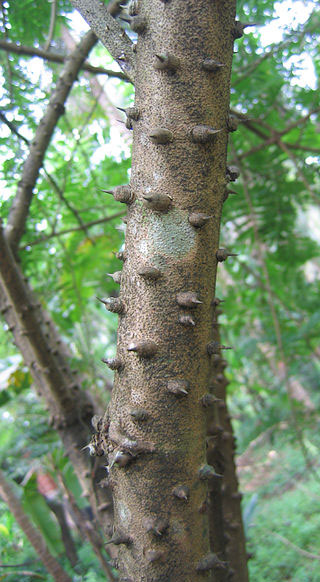
Sappanwood is a small to medium sized, thorny shrubby tree that normally grows about 6-9 m in height and 15-25 cm in trunk diameter with a few prickly branches. The plant is found growing in secondary forest, near roadsides, at the forest-edges and limestone hills. It is adaptable to clay soil and calcerous rocks but does not tolerate waterlogging. It grows well in all kinds of soil and lush growth is obtained in red soil. It endures any amount of drought. Bark is moderately hard, greyish-brown in color with distinct ridges and sharp prickles about 2.5 cm thick, dark brown on one surface and creamish-white on the other, and yellowish-orange in between. Odor and taste is not characteristic.
Leaves
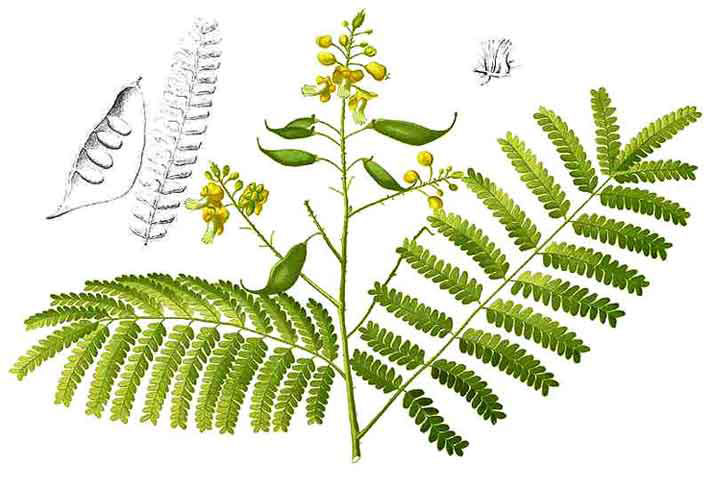
Leaves are double-compound, alternately arranged, 20-45 cm long and 10-20 cm broad, with 8-16 pairs of up to 20 cm long side-stalks. Side-stalks have prickles at the base and with 10-20 pairs of oblong, 10-20 mm x 6-10 mm long leaflets, very oblique at base, rounded to notched at the tip.
Flowers
Flowers are yellow in color which is arranged in terminal and axillary panicles, 30- 40 cm long, bracts lanceolate, 8 mm long and caduceus. Calyx is 11 mm long, leathery and glabrous. Corolla is 2 cm across. Petals are orbicular, sub equal; yellow the upper with a red spot at the base. Stamens are waxy-white. Filaments are densely wooly at the base. Ovary is gray or velvety colored. Flowering occurs in July- August and it is prolonged for 3-4 months. Flowers are cross-pollinated by bees, butterflies and insects. Flowering normally takes place in between May till October.
Fruits
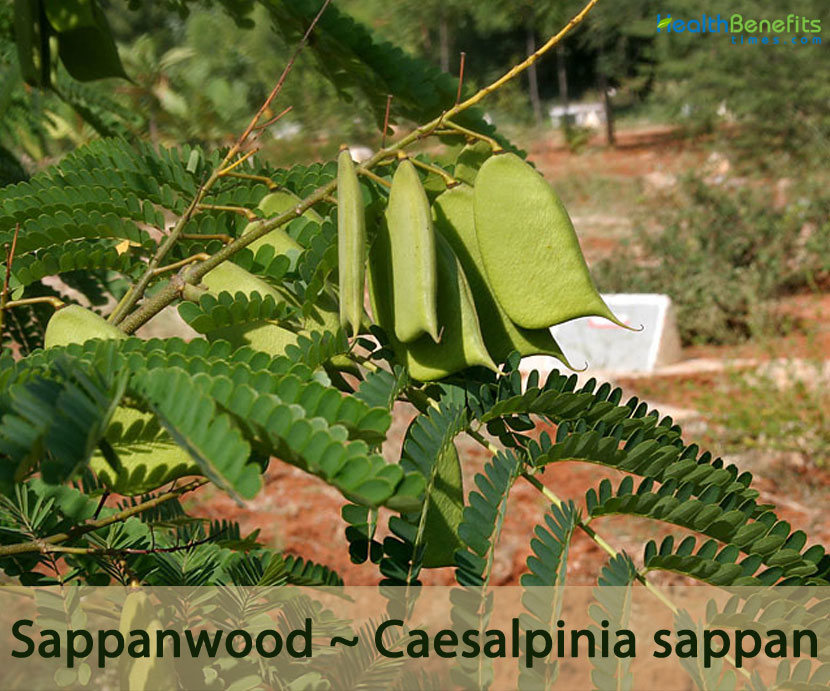
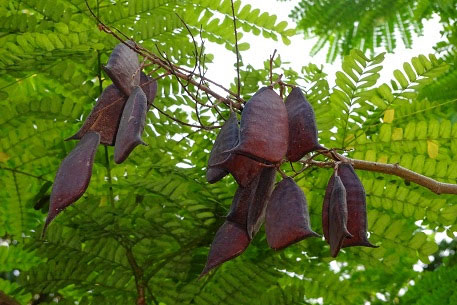
Though flowering occurs in first year, fruit setting and seed viability is poor. Fruit set starts after 5-15 days of flowering. They come to maturity in three months’ time. Only few seeds mature. Pods are woody sub- compressed with a hard re-curved short beak at the upper angle of the obtuse apex. Pods are 7.5 –10 cm long and 3.8 -8 cm in diameter. It is obliquely oblong, polished and indehiscent and 3-4 seeded. Seeds are ellipsoid and black. Mature pods are brown in color. Each pod contains 2-4 seeds. One kilogram of pods gives only about 200 seeds. About 1760 to 2260 numbers of seeds make a kilogram. Good seeds are brownish cream in color and plumby in appearance. Usually the yield of good quality seeds is as low as 50-60%. The pods contain 40 per cent tannin. They impart uniform tan and a soft touch to the leather. The seeds on extraction with petroleum ether yield an orange coloured fixed oil.
Wood
Wood is orange red, hard, very heavy, straight grained with a fine and even texture. The commercial samples vary considerably. There are two commercial varieties, viz., Singapore or Dhansari, and Ceylon sappan, the former being preferred. Wood occurs in red, hard, heavy pieces, or in orange-red chips. It is whitish when freshly cut, but becomes red on exposure to air. Transverse section exhibits well-marked, concentric rings, numerous narrow, medullary rays and large vessels. The drug has no odor, but an astringent taste.
 Bark-of-Sappanwood
 Mature-fruits-of-Sappanwood
 Plant-Illustration-of-Sappanwood
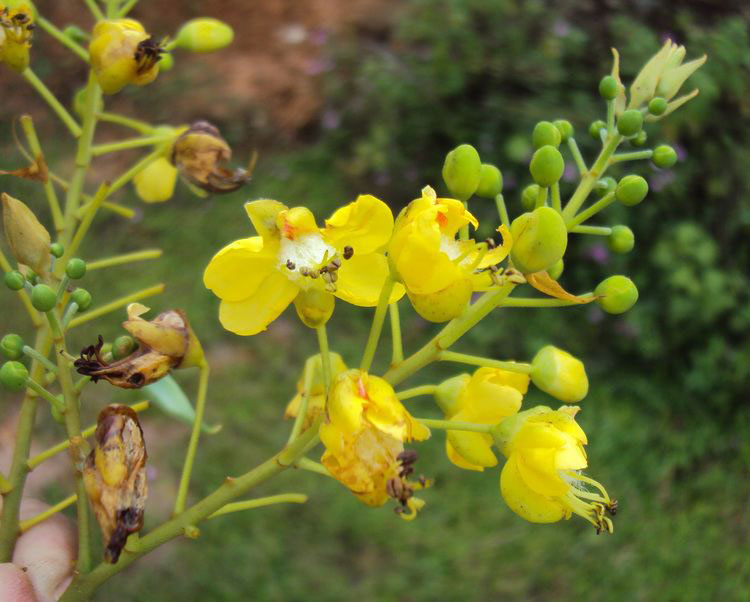 Flowers-of-Sappanwood
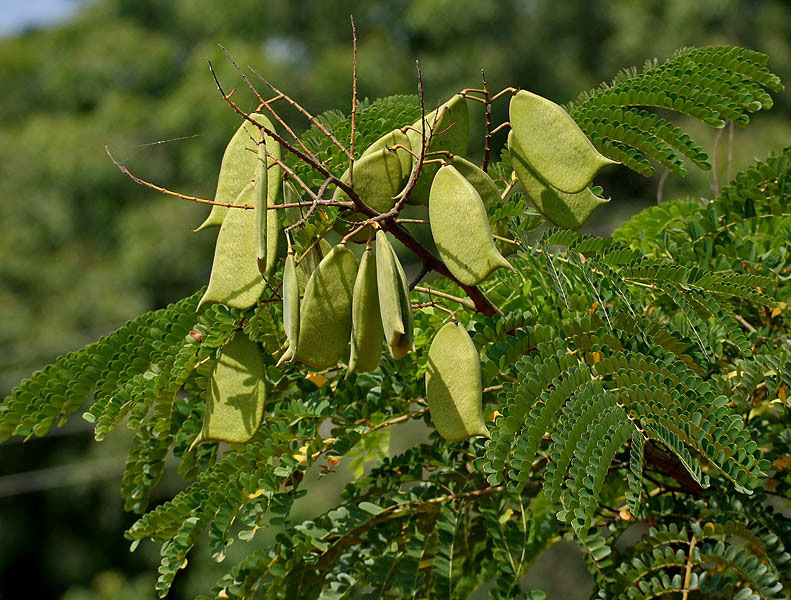 Immature-fruits-of-Sappanwood-on-the-tree
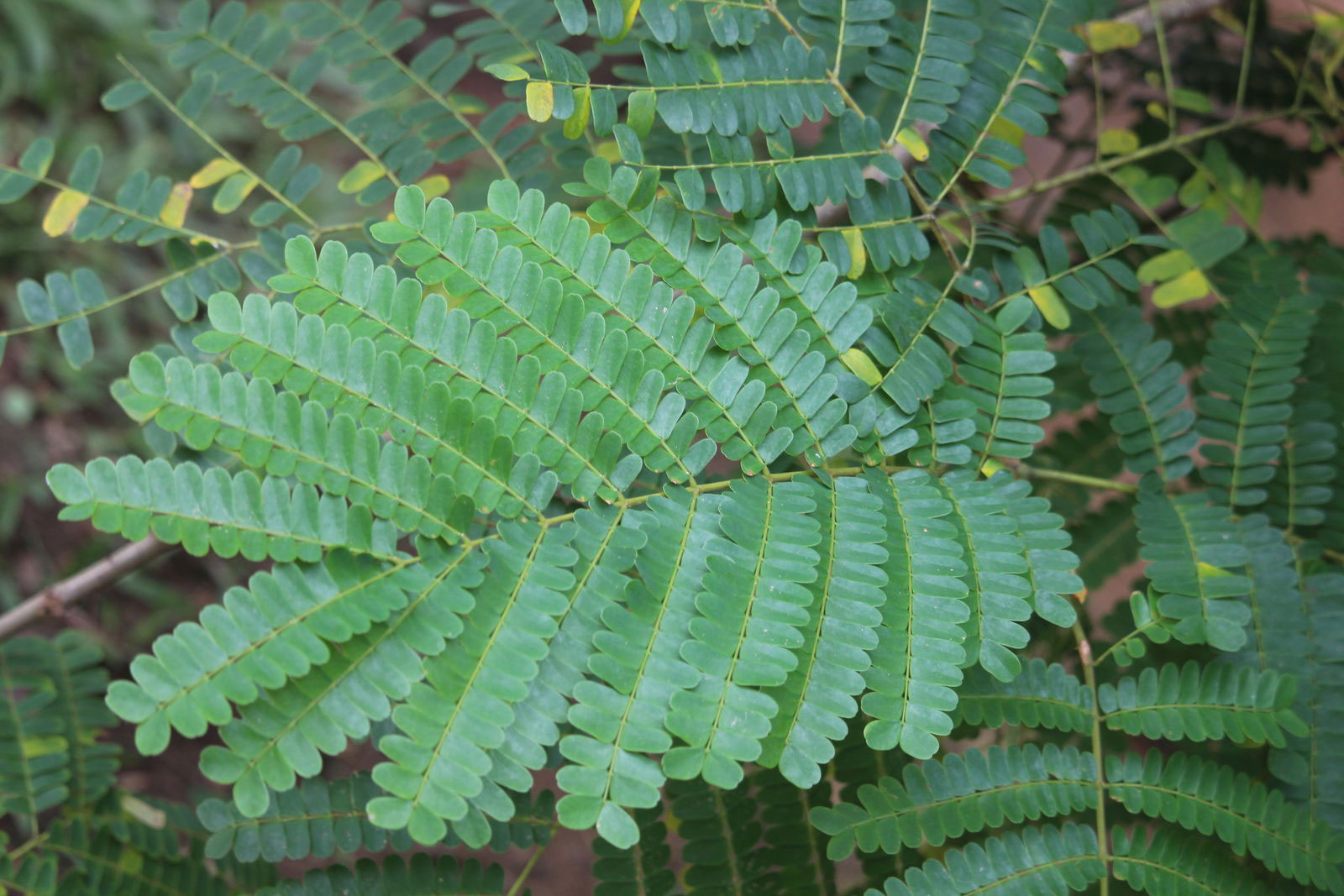 Leaves-of-Sappanwood
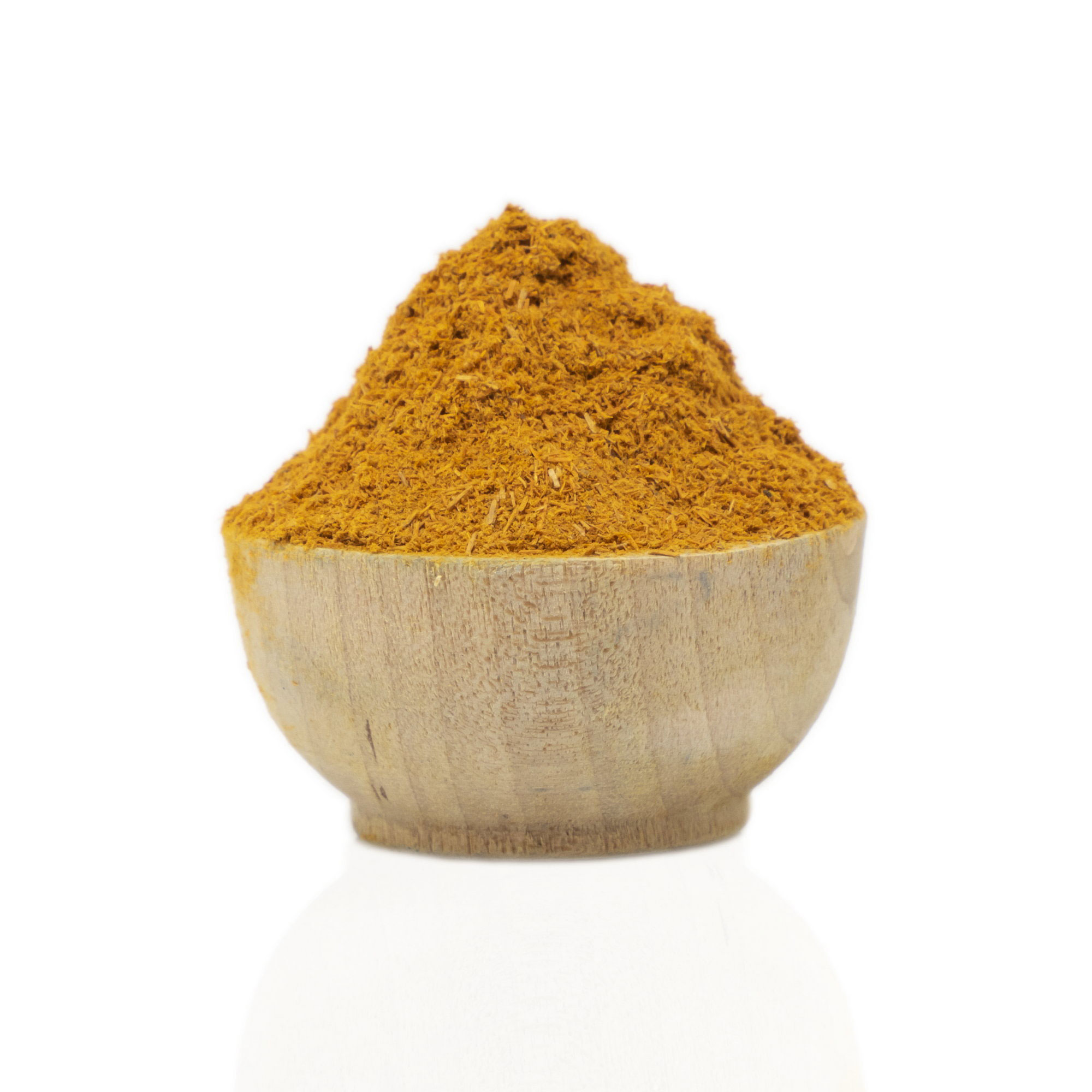 Sappanwood-powder
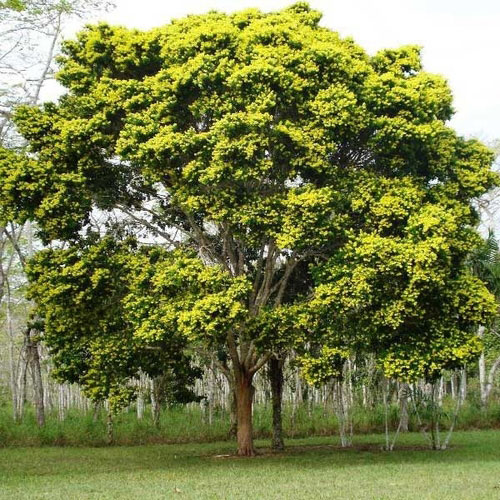 Sappanwood-tree
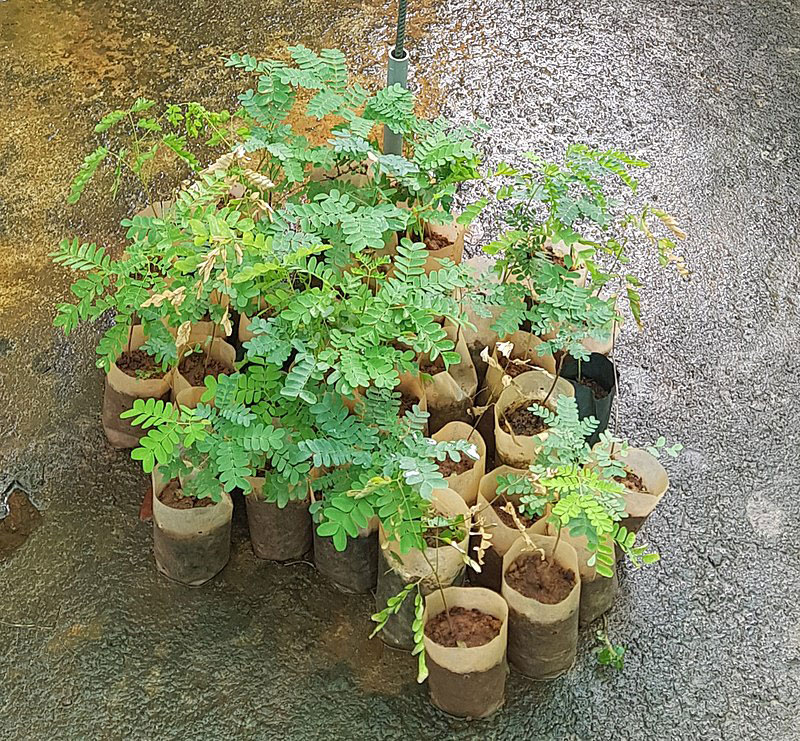 Sappanwood-Saplings
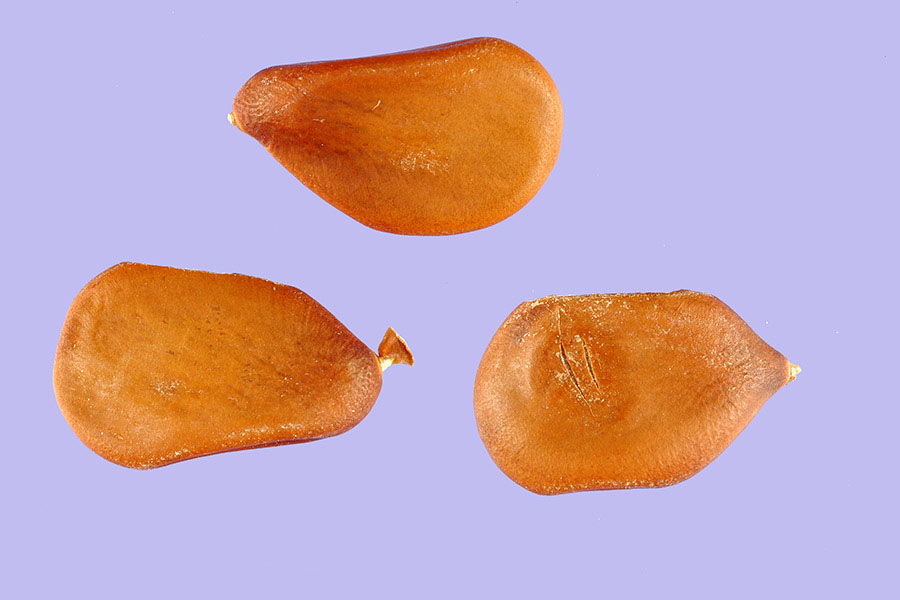 Seeds-of-Sappanwood
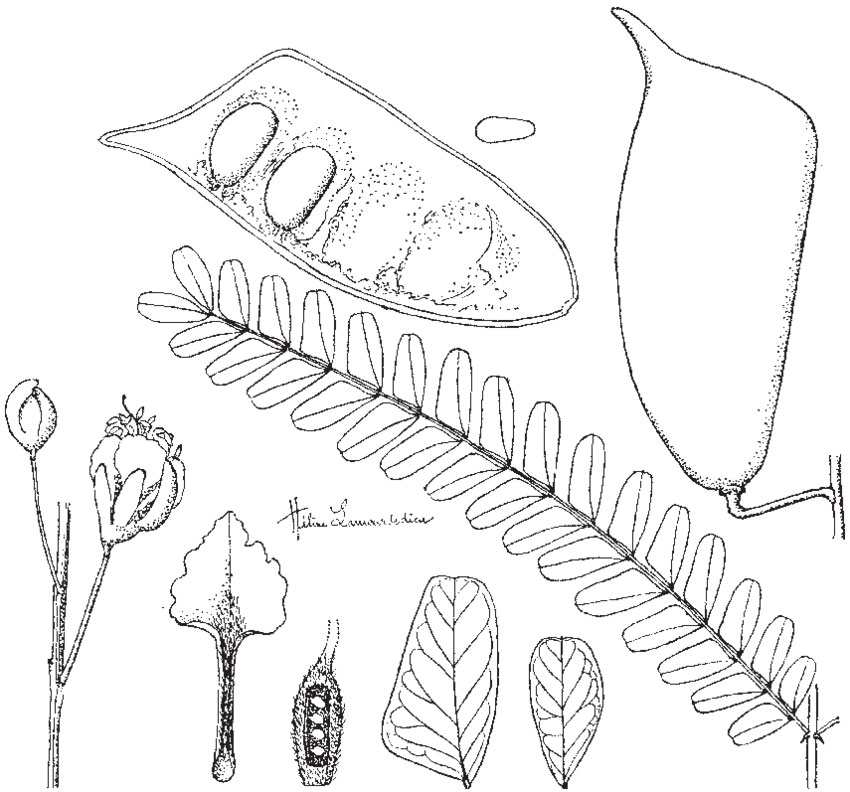 Sketch-of-Sappanwood
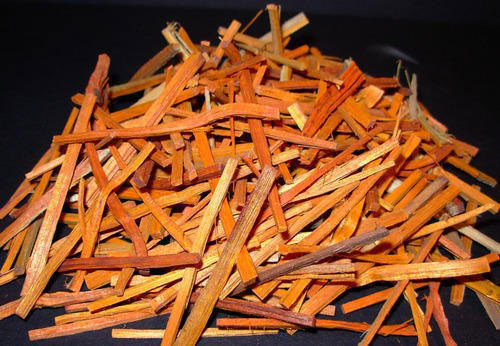 Wood-pieces-of-Sappanwood
Health benefits of Sappanwood
Listed below are some of the popular health benefits of using sappanwood
1. Antimicrobial properties
Water boiled with sappanwood shavings has antimicrobial properties. That’s because the wood itself has methanol which can prevent methicillin-resistant Staphylococcus aureus bacteria, which causes skin infections, food poisoning and joint infections.
2. Metabolic Diseases
Diabetes, hypertension and high cholesterol are considered metabolic diseases and pathimugam helps with all the three. Pathimugam extract helps reduce high blood sugar levels. In a study, 30 menopausal women had their blood sugar levels tested and were given pathimugam water. After giving pathimugam water, their blood glucose levels were checked again. The test results showed that there was significant difference between blood glucose levels before and after drinking the water. Since it also has vaso-relaxant properties, it helps with blood pressure too.
3. Rich in antioxidants
Tea lovers know that they get their daily dose of antioxidants from tea. But tea can also cause severe acidity and caffeine addiction. If you want a great tea substitute that will give you all the antioxidants minus its demerits, try sappanwood tea instead. Research has shown that sappanwood provides more antioxidants and better protection from free radicals than Quercetin found in antioxidant-rich foods like blueberries.
4. Anti-allergic properties
Those with allergy problems should drink down copious amounts of sappan wood water. Studies have shown that the compounds in sappan wood, particularly sappan chalcone have powerful anti-allergic properties.
5. Helps against seizures
Those who suffer from convulsions due to epilepsy and other disorders should reap the benefits of sappan wood. Research has concluded that extracts of pathimugam or has shown anticonvulsant activities.
6. Good for the heart
Drinking one cup of sappan wood water every day is right for your heart health. Research found that Brazilein, the red pigment in sappan wood, gives a positive effect, and keeps your heart more healthy. Its pale pink color gives an excellent look when we pour the water in the crystal clear glass. Squeeze a little lime in the sappan wood water, and if you want to enjoy the sweetness, add a drop of honey and have this drink. Hot or cold, having it every day can give many health benefits to you.
7. Controls Acne
If you have acne problems in your skin, then wash your face with sappan wood water. Wait for the result; you will get a better finish. The Brazilein found the red pigment in sappan wood extract shows that Propionibacterium fights acne and inflammation of the eyelids.
8. Antiulcer Properties
Pathimugam water has gastro-protective properties and has been traditionally used for treating ulcer. In a research, rats were fasted overnight and were given pathimugam water extract at the doses of 250 mg per kg and 500 mg per kg. The results showed that it has powerful antiulcer properties. If you are suffering from irritable bowel syndrome or ulcer, try including pathimugam water in your diet regularly.
9. Anticancer Properties
It is effective against many cancer cell lines including colorectal cancer. 3-DSC, a component present in pathimugam suppresses colon cancer cell growth. 3-DSC is also effective against human esophageal cancer cells. Brazilin causes cancer cell death and is effective against Glioblastoma multiforme (GBM), cancer of the nervous system. Brazilin is also effective against cervical, lung, breast and hepato cancer cell lines.
10. Skin Care
Studies have shown that brazilin protects skin against UV rays and the resulting UV induced skin photo aging. We can use pathimugam extract in face packs and serums regularly to protect our skin against UV damage and since it has antibacterial properties it will help treat acne too.
Traditional uses and benefits of Sappanwood
- Sappanwood is used in the traditional medicines of various Asiatic countries.
- Brazilin has been shown to have a positive effect on the immune functions; plus a hypo-glycemic action and increased glucose metabolism.
- Decoction of the wood has shown antibiotic activity against Staphylococcus, Salmonella typhi, Shigella flexneri, Shigella dysenteriae and Bacillus subtilis.
- An extract of Caesalpinia sappan was found to be a potent agent for inactivating human sperm in vitro; about 2.5 mg/ml is required to reduce motility to 50%.
- Decoction or infusion of the heartwood is generally considered a strong emmenagogue and astringent.
- It is also used to cure wounds (also with a plaster of macerated leaves and bark), tuberculosis, diarrhea and dysentery and is reported as having antioxidant, anti-inflammatory, hepato-protective, cytotoxic, hypo-glycemic and xanthine oxidase-inhibitory activities.
- In Thailand, the wood is used as a blood tonic, in the treatment of pulmonary diseases, as an expectorant and emmenagogue.
- It is recommended in hemoptysis and post-partum hemorrhages.
- Decoction of the bark is drunk as a tea to treat tuberculosis and lumbago in Sabah.
- Heartwood is used in traditional medicine as a treatment for contusion and thrombosis.
- Paste of the wood is used in curing rheumatism, hemorrhages, and wounds.
- Decoction of powder of stem used as a preventive against abortion and in leprosy.
- The Chinese use the heartwood to treat bruises and coughing of blood.
- It is generally given to women after labor.
- Decoction of the wood is used in many Asian countries to treat problems related to blood, because of its red color.
- Bark decoction is used to cure tuberculosis, atonic diarrhea, diarrhea, postpartum tonic, skin infections, wounds, ulcers, and anemia.
- Seeds of the sappanwood are used for abdominal pain and nervous disorders.
- Tree decoction is given as a tonic after baby birth, and they also used it to treat emesis and blood vomiting.
- Dry hardwood is used against inflammation.
- Seeds are used to treat stomach pain.
- Wood decoction is used as an emollient in Indo-China.
- It is used for complaints of arthritis, cancer, and inflammation in Thailand.
- Sappanwood is used to treat malignant conditions, such as pitta, burning sensations, wounds, ulcers, leprosy, skin diseases, dysentery, diarrhea, and diabetes in Ayurveda.
- It prevents bleeding from the chest and lungs, heals wounds, treats rheumatism, and increases complexion in Unani.
- It is mainly used to heal wounds, prevent bleeding, and heal psoriasis.
- For women, it is used to control menstruation after baby birth.
- In the case of hemoptysis (cough of blood or blood-stained mucus from the trachea, larynx, trachea or lungs) a decoction of the tree is provided.
- Hardwood decoction is also used to treat severe dysentery, diarrhea, intestinal, leucorrhoea, and uterine bleeding.
- Hardwood decoction can cure high fever, bile, and maintain body temperature.
- A bar of decoction increase kidney function.
- Take the bark paste with coconut milk; use this paste for itching, urticaria, and psoriasis.
- You can cook the bark with rice and have it. It can cure jaundice and biliary disorders. It is also used to treat herpes.
- Consuming hardwood decoction before bed can reduce thirst and urinary disorders due to diabetes.
- Seeds are used for stomach aches and nervous disorders.
- Roots, stems and seeds used as sedative and vulnerary.
- In Thailand, used for arthritis, cancer, and inflammatory complaints.
- It is used in the treatment of bacillary dysentery, diarrhea, tuberculosis, intestinal and uterine hemorrhages, post-partum hematomata, contusions, wounds, dysmenorrhea, colic, furunculosis, impetigo, leucorrhoea and parturient anemia.
- Macerated leaves and bark are used as a poultice in the treatment of wounds, impetigo etc.
Ayurvedic Health benefits of Sappanwood
- Diarrhea: Prepare a decoction with heartwood of Sappan Wood. Drink twice a day.
- Emmenagogue: Drink 100 ml wood decoction of Sappan Wood once a day.
- Anti-inflammatory: Cut Wood of Sappan Wood into small pieces. Boil them in water. Drink this decoction thrice a day.
- Dysentery: Prepare a decoction using bark of Sappan Wood. Drink 20 ml twice a day.
- Wounds: Crush dried seeds of Sappan Wood. Sprinkle it over Wounds.
Different Uses
Timber
The tree is the source of the commercial redwood or Brazilwood. Sappanwood is white, heartwood makes up to 90% of the total volume is yellow or deep orange when fresh turning to dark red. The wood is straight grained with a fine to moderately fine texture, fairly heavy (600-780kg/m3), hard and lustrous. It is difficult to dry and susceptible to warping and resistant to termite attack. It is used for inlaying work, cabinet making, violin bows and for walking sticks.
Gum or resin
The stem produces a gum.
Tannin or dyestuff
The heartwood yields a valuable red crystalline dye used on cotton, silk and wool fabrics. Bakam gives bright red and violet shades, and with garcine produces a chocolate tint. Bark and pods yield similar dyes, 40% tannin used for production of light leather goods.
Roots give a yellow dye. Sappan yields different shades of red with or without mordant. Natural mordant such as the bark of Lodhara and Ebenum are frequently used to increase the binding potential of the dye
Essential oil
Leaves consist of a pleasant smelling volatile oil.
Other Uses
- The tree is often planted as a living fence.
- It is used for defining the boundaries of land and for protecting plantations against grazing animals.
- Red dye is obtained from the wood.
- Silk, wool, cotton, matting and basket fibers can be dyed with it.
- Wood is ground into a coarse powder, moistened with water and allowed to ferment for a few weeks to increase the coloring power of the dye.
- Mordants are used (e.g. aluminum acetate, stannic salts, oxalic acid) determine the final color of the cloth, which can vary from shades of red to pink, violet and brown.
- Yellow dye is obtained from the bark.
- Fruits contain tannin and were used in the past to prepare a black dye in combination with an iron mordant.
- Seedpods are used, like those of several other related species, together with proto-sulphate of iron, to make an ink or black dye.
- Leaves can be used to hasten ripening of fruits such as bananas and mangoes.
- Gum is obtained from the stem.
- The leaves contain a pleasant smelling volatile oil.
- Wood is straight grained with a fine to moderately fine texture, fairly heavy, hard and lustrous.
- It is difficult to dry and is susceptible to warping and collapse, but moderately easy to work; it takes a high finish, and is tough and resistant to termite attack.
- It has been used in cabinet-making since mediaeval times, especially for inlay decoration.
- It is often used for carving.
- In Indonesia, the wood is also used for coloring drinks pink.
- Wood is a primary source of firewood in Philippines.
- One tree yields about 50 kg of wood as it attains an age of 7-8 years.
- It is used for inlaying work, small handicrafts, cabinet making, violin bows, and wooden nails and for walking sticks.
Precautions
- Avoid use during pregnancy and breastfeeding.
- Excessive dosage may leads to death.
- Sappan wood is not recommended for patients diagnosed with anemia.
- In South Korea, it is used for causing abortion.
- It is also not recommended when you are having heavy menstrual bleeding or any abdominal disease.
- Even excessive intake of this water can also cause nausea and dizziness.
References:
https://www.itis.gov/servlet/SingleRpt/SingleRpt?search_topic=TSN&search_value=506349#null
http://www.hear.org/pier/species/caesalpinia_sappan.htm
https://pfaf.org/user/Plant.aspx?LatinName=Caesalpinia+sappan
https://gd.eppo.int/taxon/CAESA
https://uses.plantnet-project.org/en/Caesalpinia_sappan_(PROSEA)
http://www.theplantlist.org/tpl1.1/record/ild-956
https://en.wikipedia.org/wiki/Biancaea_sappan
https://www.flowersofindia.net/catalog/slides/Sappan%20Wood.html
https://www.prota4u.org/database/protav8.asp?g=pe&p=Caesalpinia+sappan+L
https://plants.sc.egov.usda.gov/home/plantProfile?symbol=CASA28