

| Silverberry Quick Facts | |
|---|---|
| Name: | Silverberry |
| Scientific Name: | Elaeagnus commutata |
| Origin | Alaska and the Yukon Territory, east to the Great Slave Lake in the Northwest Territories, and south through Canada from British Columbia to Quebec to Minnesota, South Dakota, Colorado, and Utah |
| Colors | Smooth, burnt orange-colored skin covered in small white lentils or pores |
| Shapes | Oval to nearly round drupe anything between 9 mm and 12 mm long. The pit inside is elliptic, nearly as long as the drupe |
| Taste | Much sweeter when ripe and astringent when unripe |
| Health benefits | Anti-Inflammatory Benefits, Strengthens Bone and Teeth, May Improve Vision, May Prevent Anemia, May Help Lower Blood Pressure, May Protect Our Body against Cancer, Good for Skin, Increases Metabolism, Maintains Healthy Heart, Reduce Diabetics, Cures Liver Problems, Aids Digestion |
| Name | Silverberry |
|---|---|
| Scientific Name | Elaeagnus commutata |
| Native | Alaska and the Yukon Territory, east to the Great Slave Lake in the Northwest Territories, and south through Canada from British Columbia to Quebec to Minnesota, South Dakota, Colorado, and Utah |
| Common Names | Silverberry, Wolf-willow, American silverberry, Silver elaeagnus, Wolfberry |
| Name in Other Languages | Afrikaans: Silverberry Albanian: Silverberry Amharic: Biribērī (ብርቤሪ) Arabic: Alfidiy (الفضي) Armenian: Artsat’aguyn (արծաթագույն) Azerbaijani: Gümüşü oleaster Belarusian: Loch sierabrysty (лох серабрысты) Bengali: Silverberry (silvərˌberē) Bulgarian: Silverberry (silvərˌberē) Burmese: Ngway hpyauu (ငွေဖြူ) Chinese: Yín méi (银莓), Màn hú tuí zi (蔓胡颓子) Cree: Soniyawniyipsi Croatian: Silverberry Czech: Stříbro, hlošina stříbrná Danish: Silverberry, Almindelig sølvblad, Bredbladet sølvblad, Sølvblad, Dutch: Zilverbes, Zilverwilg English: Silverberry, Wolf-willow, American silverberry, Silver elaeagnus, Wolfberry Esperanto: Arĝento Estonian: Hõbehein, Läikiv hõbepuu Filipino: Pilak Finnish: Silverberry, hopeapensas, Lännenhopeapensas French: Silverberry, Chalef argenté, Chalef changeant, bois d’ argent, chalef changeant Georgian: Vertskhlisperi (ვერცხლისფერი) German: Silberbeere, Silber-Ölweide, Silber-Öweide, Amerika-Ölweide Greek: Asimí (ασημί) Gujarati: Silvarabērī (સિલ્વરબેરી) Hausa: Itacen gwal Hebrew: כסף Hindi: Silverberry (silvərˌberē) Hungarian: Ezüstfa, Barnás ezüstfa, amerikai ezüstfa Icelandic: Silfurber Indonesian: Silverberry Irish: Sú airgid Italian: Silverberry, Eleagno argenteo Japanese: Shirubāberī (シルバーベリー) Javanese: Perak Kannada: Silvarberi (ಸಿಲ್ವರ್ಬೆರಿ) Kazakh: Kümisjïdek (күмісжидек) Korean: Silbeo beli (실버 베리) Kurdish: Zîv Lao: Bai ngoen (ໃບເງິນ) Latin: Silverberry Latvian: Sudraba, Sudraba eleagns Lithuanian: Sidabražolė, Amerikinis žilakrūmis, sidabrinis žilakrūmis Macedonian: Srebrena boja (сребрена боја) Malagasy: Silverberry Malay: Silverberry Malayalam: Silvarbeṟi (സിൽവർബെറി) Maltese: Silverberry Marathi: Silberee (सिल्बेरी) Mongolian: Möngön mod (мөнгөн мод) Nepali: Silberee (सिल्बेरी) Netherlands: Zilverwilg Norwegian: Silverberry, Sølvbusk Oriya: ରୂପାବେରୀ | Pashto: سپينو زرو Persian: توت فرنگی Polish: Jeżyna, Oliwnik srebrzysty Portuguese: Silverberry Punjabi: Silavarabērī (ਸਿਲਵਰਬੇਰੀ) Romanian: Sălcioară Russian: Silverberry (silvərˌberē), Lokh serebristyy (Лох серебристый) Serbian: Srebro (сребро) Sindhi: Slurbi (سلوربي) Sinhala: Ridīberi (රිදීබෙරි) Slovak: Hlošina stříbrná Slovenian: Srebrnik Spanish: Silverberry Sundanese: Perak Swedish: Silverberry, (Lännen)hopeapensas, Silverbuske, Bredbladig silverbuske, Vanlig silverbuske Tajik: Nuqra (нуқра) Tamil: Cilvar perri (சில்வர் பெர்ரி) Telugu: Silverberry (silvərˌberē) Thai: Silverberry (silvərˌberē) Turkish: Silverberry Ukrainian: Sriblyastyy (сріблястий), maslynka sriblyasta (маслинка срібляста) Upper Sorbian: Slěborny dźiwi wolijowc Urdu: سلور بیری Uzbek: Kumushrang Vietnamese: Bạc Welsh: llus arian Zulu: Isilivaberry |
| Plant Growth Habit | An erect, unarmed, deciduous, long-lived perennial shrub or a small tree |
| Growing Climates | Dry calcareous slopes, boreal forest, mixed-grass prairie, tall grass prairie, shrub land, grassland, riparian, woodland thickets, along streams and near springs and seeps, meadows and steppes |
| Soil | Grows best in loamy soils, but is commonly found in dry, sandy or gravelly soils on exposed hillsides. Silverberry is adapted to soils with high susceptibility to erosion. It can tolerate moderately alkaline soils and is somewhat drought resistant |
| Plant Size | 2 to 4 meters tall and 2 to 5 meters wide |
| Root | Plants form shallow roots |
| Bark | Bark on young plants is gray or grayish-brown. On mature plants the bark becomes rough and scaly |
| Twigs | Slender, light brown and covered in reddish brown, scruffy scales; buds stalked with valvate scales, flower buds more round |
| Branches | First-year branches are densely covered with shiny, brown, bran-like scales. Second-year branches are ashy gray. There are no thorns |
| Leaf | Leaves are simple, deciduous, alternate, 1¼ to 2½ inches (2.54 – 5.08 cm) long, ½ to 1¼ inches (1.27- 2.54 cm) wide, toothless, often wavy around the edges, lance-elliptic, blunt at the tip, wedge-shaped to rounded at the base, on a stalk less than ½ inch long |
| Flowering season | Late May to early July |
| Flower | Flowers are funnel-shaped, ¼ to 3/8 inch long and about as wide, with 4 spreading, triangular, petal-like sepals that are yellow on the inner surface and silvery on the outer, and fused at the base forming a squarish tube about as long as the sepal lobes. |
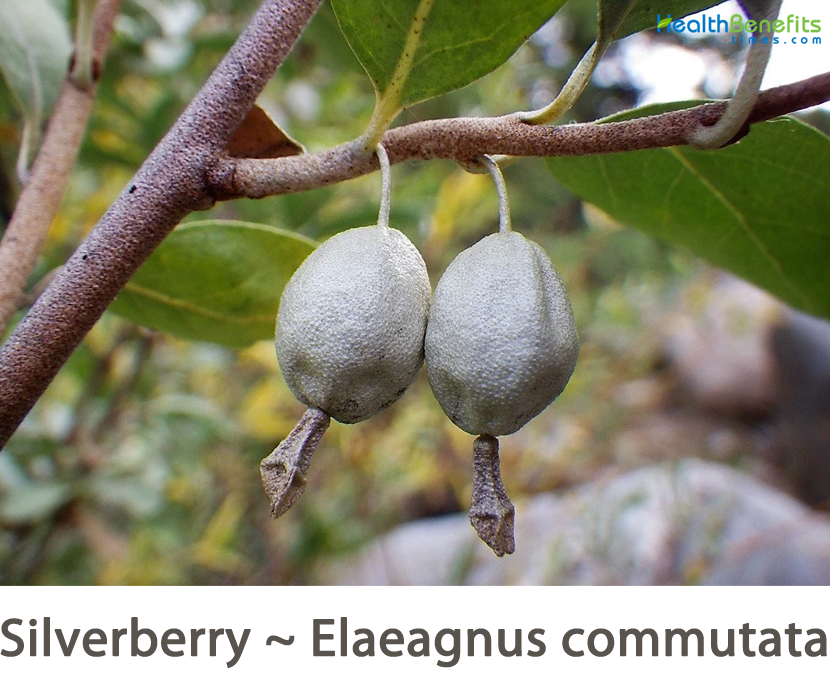
| Fruit Shape & Size | Dull, silvery to yellowish, oval to nearly round drupe anything between 9 mm and 12 mm long. The pit inside is elliptic, nearly as long as the drupe. Silver berries are small fruits that resemble elongated olives |
| Fruit Color | Smooth, burnt orange-colored skin covered in small white lentils or pores |
| Flesh | Juicy, mealy and has a flour-like texture |
| Taste | Much sweeter when ripe and astringent when unripe |
| Plant Parts Used | Bark, fruit, seed |
| Propagation | By layering, grafting, hardwood & root cuttings and by seed |
| Season | July to September |
| Health benefits |
|
| Precaustions |
|
Plant Description
Silverberry is an erect, unarmed, deciduous, long-lived perennial shrub or a small tree that normally grows about 2 to 4 meters tall and 2 to 5 meters wide and is a useful screen, hedge or windbreak. The plant is found growing in dry calcareous slopes, boreal forest, mixed-grass prairie, tall grass prairie, shrub land, grassland, riparian, woodland thickets, along streams and near springs and seeps, meadows and steppes. The plant grows best in loamy soils, but is commonly found in dry, sandy or gravelly soils on exposed hillsides. Silverberry is adapted to soils with high susceptibility to erosion. It can tolerate moderately alkaline soils and is somewhat drought resistant. The plant has shallow root system. The plant reproduces mainly by rhizomes, spreading by means of these underground stems from which single, erect aerial stems arise. The bark of young plants is gray or grayish-brown while bark becomes rough and scaly on mature plants.
Leaves and stems
Leaves are simple, deciduous, alternate, 1¼ to 2½ inches (2.54 – 5.08 cm) long, ½ to 1¼ inches (1.27- 2.54 cm) wide, toothless, often wavy around the edges, lance-elliptic, blunt at the tip, wedge-shaped to rounded at the base, on a stalk less than ½ inch long. Leaves are densely covered in silvery-white scales on both surfaces, as well as scattered rusty-brown scales on the lower, with both surfaces remaining silvery-green throughout the season. The margins are untoothed. The scales give the leaves a metallic appearance.
New leaves may have rusty-brown veins and edging. New twigs are densely covered in rusty-brown scales, becoming scaly gray the second year and eventually smooth reddish-brown with scattered pale lenticels (pores). Branches lack thorns. Older bark on the trunk is gray to gray-brown and rough or scaly. A mature shrub may reach 2½ inches near the base. Plants often form loose colonies from spreading rhizomes and root suckering.
Flower
Flowers are bisexual or unisexual, sweet-scented, short-stalked in lateral clusters of 1-3 flowers occur in the leaf axils of the current year’s new branches. Flowers are funnel-shaped, ¼ to 3/8 inch long and about as wide, with 4 spreading, triangular, petal-like sepals that are yellow on the inner surface and silvery on the outer, and fused at the base forming a squarish tube about as long as the sepal lobes. Inside the tube are 4 yellow stamens and a pale style. The stalk and outer surface of the sepals are densely covered in silvery scales. Flowers are very fragrant and appear in early June to early July.
Fruit
Fertile flowers are followed by a dull, silvery to yellowish, oval to nearly round drupe anything between 9 mm and 12 mm long. The pit inside is elliptic, nearly as long as the drupe. Silver berries are small fruits that resemble elongated olives. It has smooth, burnt orange-colored skin covered in small white lentils or pores. Beneath the thin skin of the Silverberry lies a very juicy, mealy and inedible inner flesh surrounding a center seed. The pit inside is elliptic, nearly as long as the drupe.
The fruits are also covered with silver-hued scales. The pulp of the fruit has a flour-like texture and it encloses a solitary seed. Silverberry fruits and seeds can be edible as raw or cooked. This fruit is pretty astringent unless it is fully ripe. It has a rich source of A, C, E and a fairly good source of fatty acids. The fruit ripens in early-August to early-September and is dispersed by birds and other animals.
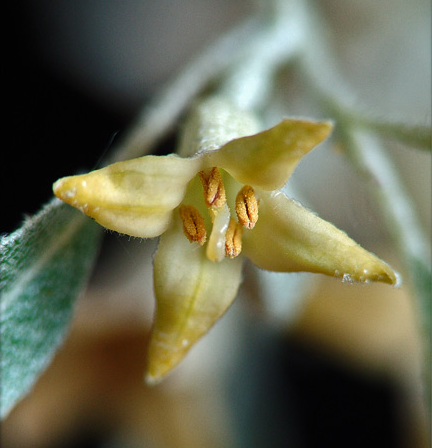 Closer-view-of-flower-of-Silverberry
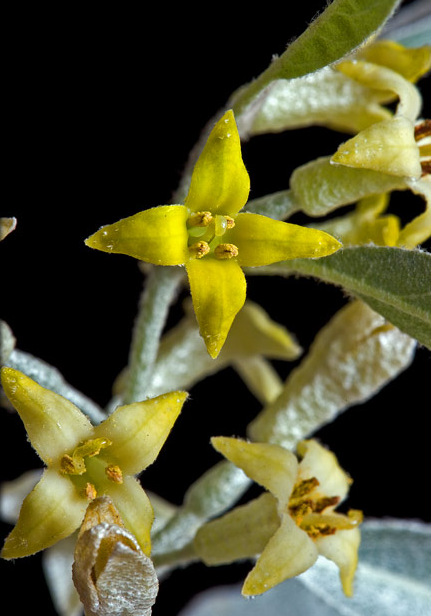 Flowers-of-Silverberry
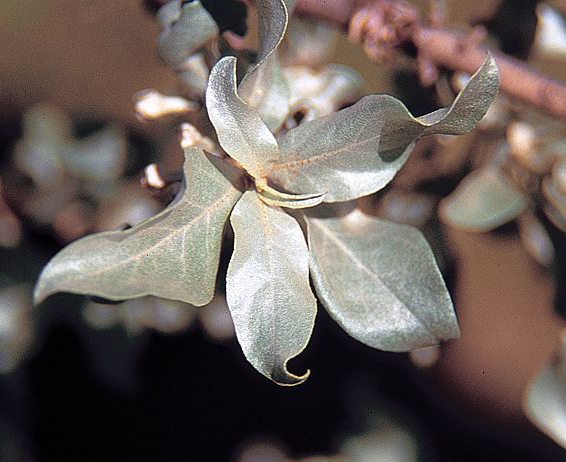 Leaves-of-Silverberry
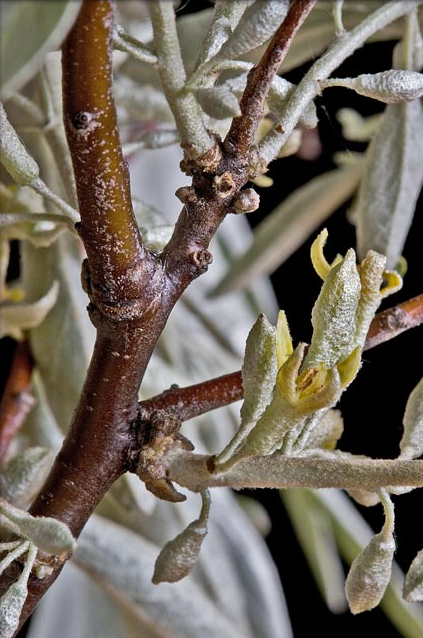 Branches-of-Silverberry
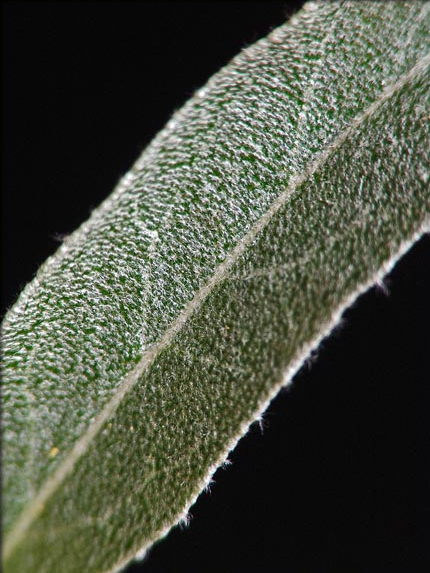 Closer-view-of-leaf-of-Silverberry
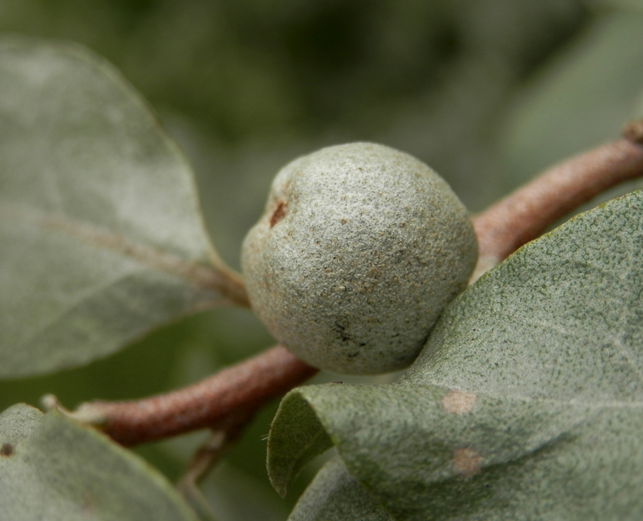 Immature-fruit-of-Silverberry
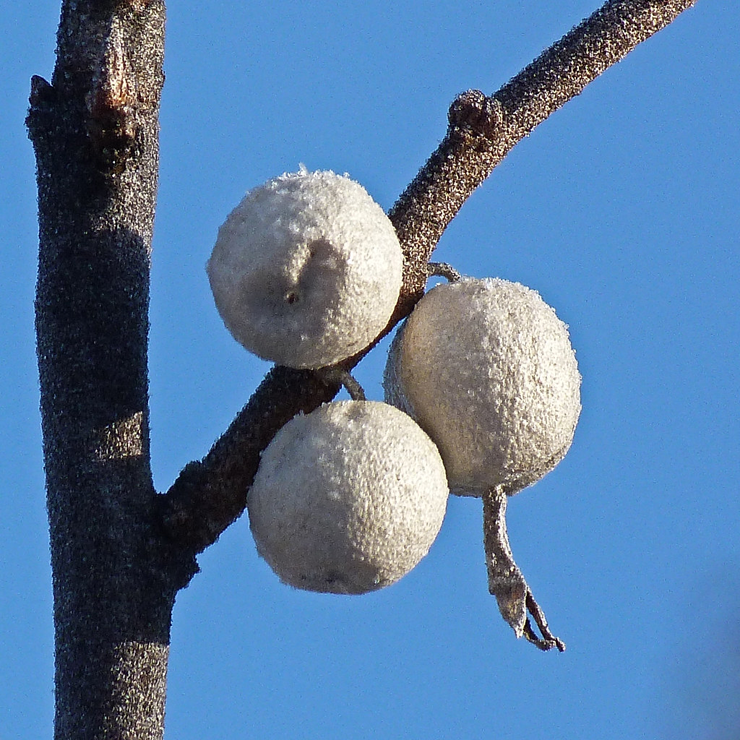 Mature-fruits-of-Silverberry
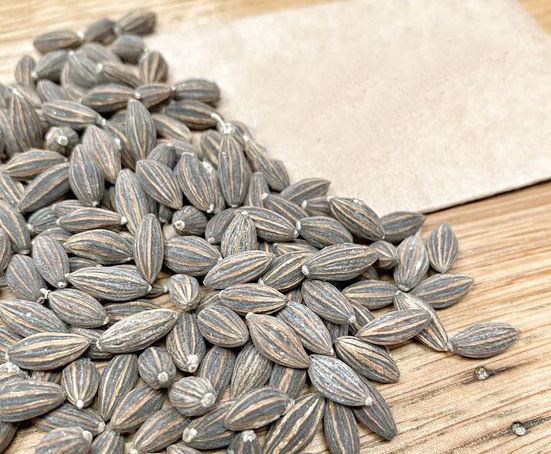 Seeds-of-Silverberry
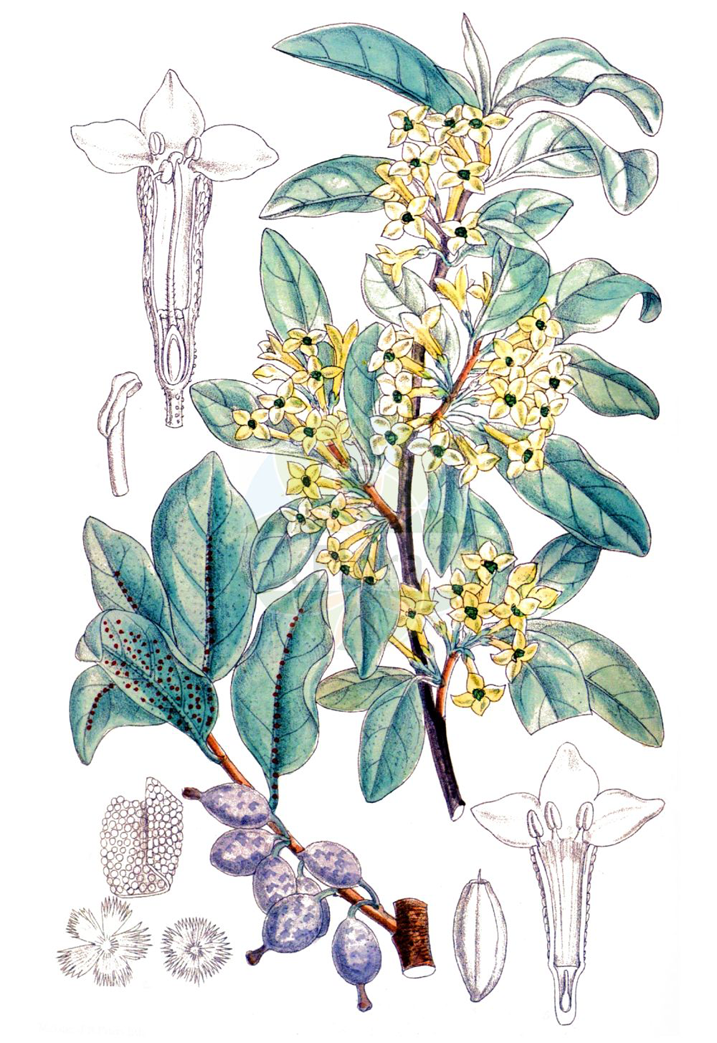 Plant-Illustration-of-Silverberry
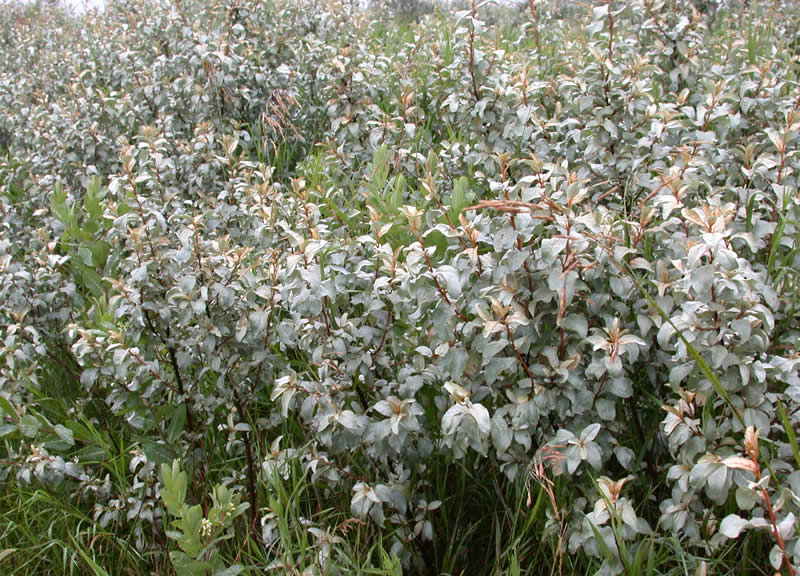 Silverberry-plant-growing-wild
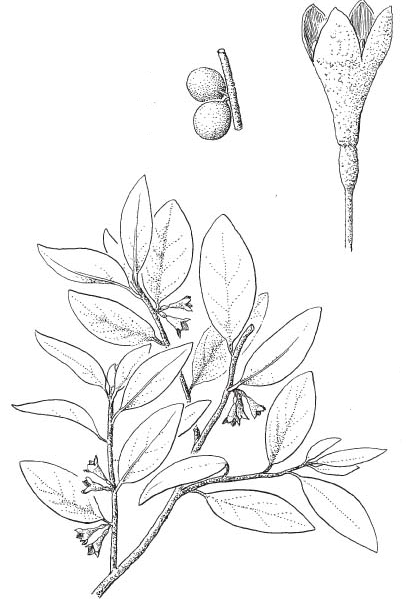 Sketch-of-Silverberry
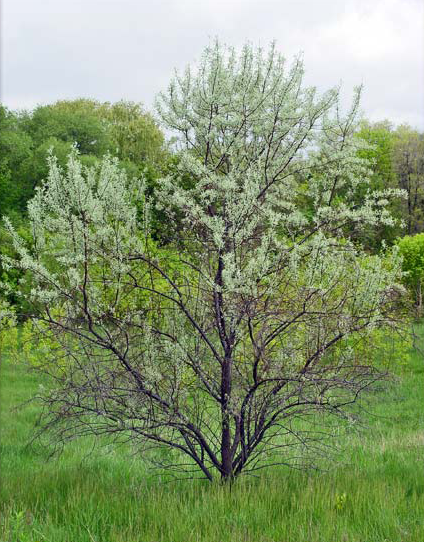 Silverberry-Plants
Health benefits of Silverberry
Silver Berry has an impressive amount of nutritional benefits. They hold a perfect amount of calories. It is calculated to be 68 Cal, 3.1 g carbohydrates, 0.23 g of protein, 0.36 g dietary fiber, and 0.04 g of fat in 18 g of Silverberries while it is rich in vitamins, minerals, and antioxidants. The per-day nutrients value percentage may vary from the process you eat them. Listed below are some of the common health benefits of using Silverberry
1. Anti-Inflammatory Benefits
Silver berries have strong anti-inflammatory properties, which can easily build up a defense against infection and injury. However, modern lifestyles may lead to long-term inflammation due to stress, unhealthy lifestyles: inappropriate sleep or physical activity, and unhygienic food choices.
These types of chronic inflammation can lead our body to have several diseases like diabetes, cholesterol issues, heart disease, and obesity. Studies have shown that having silver berries can successfully lower and control inflammatory issues.
2. Strengthens Bone and Teeth
Silver berry consists of Calcium mineral that makes our bones and teeth strong. It helps us grow into adults with strong bones and also helps our muscles and nerves to work properly.
3. May Improve Vision
Silver berries have beta-carotene and lycopene, which is helpful to lower the risk of macular degeneration, a leading cause of blindness among older aged people.
Researchers have found that lycopene can protect our eyes from vision loss from diabetes. Our eyes are exposed to sunlight which has UV rays. Beta-carotene is effective in reducing oxidative stress from lights.
Also, vitamin A from berries is beneficial for our eyes and immunity. It also sharpens the eye vision that actually gives you the ability to see in the darkness a little.
4. May Prevent Anemia
Low iron in the body is a common nutritional deficiency found worldwide. Iron deficiency anemia is a common condition that happens because of a lack of iron intake. Anemia has symptoms of fatigue, dizziness, and shortness of breath. However, more research is needed to know the ability of silverberry to treat anemia.
5. May Help Lower Blood Pressure
In the United States, closely 50% of adults suffer from high blood pressure, a huge risk for heart disease and stroke. Silver berries have natural compounds and antioxidants, which can be helpful to cure blood pressure levels naturally. Specifically, it can manage diabetes which is a chronic disease that occurs from high blood sugar levels. The beneficial effects of berries can control the sugar in your blood.
6. May Protect Our Body against Cancer
Several antioxidants in berries like anthocyanins, ellagic acid, and resveratrol may reduce the risk of cancer. Research has shown that it can be helpful to protect against cancer of the mouth, breast, colon, lung, and esophagus. The antioxidants of berries are great for preventing the growth of cancer cells and tumor growth.
7. Good for Skin
Several vitamins, minerals, and antioxidants are helpful for our body as they can control free radicals. Free radicals can cause skin damage and cause ageing issues like wrinkling. Researchers have found that berries are effective in enhancing the beauty of skin and reducing skin-related problems. Test tubes and animal studies also discovered that the antioxidant could protect the skin by blocking the production of enzymes that crack down from collagen in sun-damaged skin.
Collagens are known as a protein part of the skin’s structure which allows our skin to remain smooth, stretched, and firm. When the collagen is damaged, the aging issue as wrinkles can happen. Researchers also found that berries help to fight inflammation and infections associated with acne. The silverberry extract is effective in decreasing acne, but more studies are essential for this.
8. Increases Metabolism
Silver berry hold the list of B vitamins includes B1, B2, B6, B12, as well as niacin, biotin, folic acid, and pantothenic acid. All of these vitamins in silverberry work together to help body metabolic function processes make energy when your body needs it.
9. Maintains Healthy Heart
The mineral magnesium found in silver berry, may help regulate blood pressure, keep arteries from hardening. Iron, vitamin c rich in silver berry is an essential mineral that helps body build red blood cells.
10. Reduce Diabetics
Silverberry has found with Magnesium & Chromium nutrient that fight against diabetes. By using these nutrient diabetic patients may be able to lower their fasting glucose levels, decrease insulin levels and triglyceride levels, increasing HDL-cholesterol levels.
11. Cures Liver Problems
Vitamin C is an antioxidant –a key element that in silver berry helps to neutralize molecules known as free radicals. Silver berry with vitamin C also helps to limit fat accumulation in the liver and prevent fatty liver disease.
12. Aids Digestion
Silver berry have a high fiber content that might promote easy digestion. Vitamin A, potassium maintains healthy digestion by nourishing the mucosal tissue lining the digestive tract. The removal of waste is aided by potassium helps to keep bowel movements regular.
Traditional uses and benefits of Silverberry
- The fruit of many members of this genus is a very rich source of vitamins and minerals, especially in vitamins A, C and E, flavonoids and other bio-active compounds.
- This medicine was considered to be very poisonous and, if you survived it, you were likely to become sterile.
- It is also a fairly good source of essential fatty acids, which is fairly unusual for a fruit.
- It is being investigated as a food that is capable of reducing the incidence of cancer and also as a means of halting or reversing the growth of cancers.
- Traditionally people have been using a potent decoction prepared from the shrub’s bark blended with oil in the form of an ointment for children enduring frostbite.
- Traditionally, people belonging to a Thompson tribe used a decoction prepared with the roots of American silverberry and sumac roots internally with a view to cure syphilis.
- In Southeast Asia and India the fruits, as well as the leaves and roots are used for medicinal purposes to treat symptoms of indigestion and cough.
Culinary Uses
- Fruit can be consumed raw or cooked.
- Good when added to soups they also make an excellent jelly.
- Fruit must be fully ripe before it can be enjoyed raw, if even slightly under-ripe it will be quite astringent.
- Seed can be consumed raw or cooked.
- It can be eaten with the fruit though the seed case is rather fibrous.
- You can eat them raw or powdered versions and add them to your drinks, soups, and salads.
- Some Alaska natives fried the fruit in moose fat.
- The Tanana also cooked the berries in grease.
- The Blackfoot used peeled silverberries to make candy and cooked it into soups, as well as eating it raw.
- The Cree not only ate the raw berries, but made them into wine.
- Some tribes, like the Okanagan-Colville and some Montana natives, are only known to have eaten the berries raw, while other, like the Okanagan and the Paiute used the seeds for food.
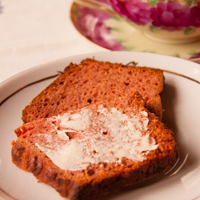
Silverberry Bread
Ingredients
- 1 stick unsalted butter, softened
- 3/4 cup sugar
- 1 egg
- 2 cups flour
- 1 tsp. baking powder
- 1 tsp. baking soda
- 1/2 tsp. salt
- 5 tsp. ground, dried spicebush berries (use a spice grinder to pulverize the berries; a mortar and pestle won’t give you a fine enough grind)
- 1 cup silverberry pulp
- 1 tsp. vanilla
Directions
To make the pulp
- Run three cups of silverberries through a food mill, using the plate with the middle-sized holes.
- Depending on the plumpness of the fruit, this will yield between 1 and 1.5 cups of pulp.
- You’ll need a cup for this recipe.
- If you have any extra pulp, swirl it into yogurt or oatmeal, or use it as a topping for ice cream.
To make the cake
- Preheat the oven to 375 F.
- Cream the butter and sugar, then add the egg and combine thoroughly. Set this aside.
- Combine the flour, baking powder, baking soda, salt, and ground spicebush berries and then blend them into the butter mixture.
- Add the silverberry pulp and vanilla to the other ingredients and mix thoroughly. The batter will be stiff.
- Remove the baked cake from the pan as soon as it’s cool enough to handle, and then let it cool on a rack.
- Silverberry quick bread is most delicious when lightly toasted and buttered: moist, spicy, and lightly sweet.
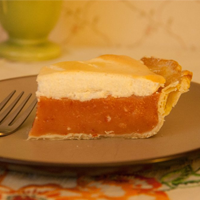
Silverberry Meringue Pie
Ingredients
For the meringue
- 3 egg whites
- 3/8 teaspoon cream of tartar
- 4 Tablespoons sugar
- 3/4 teaspoon vanilla
For the filling
- 1 1/2 cups sugar
- 6 Tablespoons corn starch
- 1/4 teaspoon salt
- 1 1/2 cups silverberries (for pulp)
- 1/2 cup water
- 3 egg yolks
- 1 1/2 cups boiling water
- 2 Tablespoons butter
- 1 pie crust
Directions
- First, whether it’s store bought or homemade, bake your pie crust. Place it in a pie pan and prick it in several places. Pour a layer of dry beans into the bottom of the crust, and bake at 450F for 8 minutes. Remove the beans and bake for 2-4 more minutes, or until the crust is lightly brown. (The pricking and the weighing-down-with-beans keep the crust from bubbling up and baking unevenly.) Let the crust cool.
- Next, prepare the meringue.
- Beat the egg whites until frothy, then add the cream of tartar and continue to beat until the whites are stiff and stand in peaks. Beat in the sugar, 1 Tablespoon at a time, then add the vanilla and thoroughly combine. Set the meringue aside.
- Run 1 1/2 cups of silverberries through your food mill and discard the seeds. You’ll need 1/2 cup of pulp for this pie. (If you have any extra, you can swirl it into some yogurt or pour it on top of vanilla ice cream.)
- In a saucepan combine the pulp, 1/2 cup water, sugar, corn starch, and salt. Set this aside.
- In a separate bowl, beat the egg yolks. Add them to the mixture in the saucepan and combine thoroughly.
- Stirring constantly, add the boiling water to the ingredients in the saucepan, slowly. The goal is to raise the temperature of the eggs without cooking them. If you add too much hot liquid, too quickly, the eggs will cook and solidify rather than form a silky, thickened liquid. Next, add the butter. Bring the mixture to a boil, stirring to melt the butter and to keep the mixture from sticking.
- When you notice the mixture beginning to thicken, reduce the heat and allow the filling to simmer for one minute. Remove it from the heat, and pour into the cooked pie crust.
- Spread the meringue on top of the filling and bake at 350 for 10-15 minutes or until golden on top.
- Congratulations, Silverberry Meringue Pie is ready.
Other Facts
- Plants can be grown as a hedge in exposed positions, tolerating maritime exposure.
- They have a rather open habit, however, and so do not afford a lot of wind protection.
- Because they fix atmospheric nitrogen, they enrich the soil and so make a very good companion hedge in orchards etc.
- Fibrous bark is used in weaving; it has been twisted to make strong ropes.
- Dried fruits are used as beads.
- The berries have been used to make soap.
- Silverberry is an important food for wildlife, particularly moose.
- It is used for rehabilitating mine spoils in British Columbia and Alberta.
- Its rhizomes help prevent soil erosion.
- In the Fort Yukon region of Alaska, native Gwich’in Athabaskan and Caucasian residents use the pits of silverberry fruits as beads for necklaces.
- The fruit is cooked in moose fat and eaten by some natives of Alaska.
- Traditionally the fibrous bark of this tree has been twisted to make strong ropes, and woven into clothing, blankets, baskets, headbands and mats.
- The silverberry has lots of other uses.
- Strong salve made of silverberry bark and grease was used to treat Blackfoot children with frostbite.
- The fruits of the American silverberry plant are a delicacy for songbirds and the sharp tailed grouse.
- During the winter months, this plant is an excellent source of food for the sharp tailed grouse.
- Tribes like Thompson, Blackfoot, Arapaho, Cree and Tanana employed the berries and the seeds of the herb to make beads.
- An extract from the small yellow aromatic flowers of the American silverberry is used to make perfumes as well as massage oils.
References:
https://www.itis.gov/servlet/SingleRpt/SingleRpt?search_topic=TSN&search_value=27771#null
https://pfaf.org/user/Plant.aspx?LatinName=Elaeagnus+commutata
https://www.cabi.org/isc/datasheet/20720
https://www.fs.usda.gov/database/feis/plants/shrub/elacom/all.html
http://www.theplantlist.org/tpl1.1/record/kew-2785017
http://www.worldfloraonline.org/taxon/wfo-0000663703
https://en.hortipedia.com/Elaeagnus_commutata
https://www.wildflower.org/plants/result.php?id_plant=elco
https://gd.eppo.int/taxon/ELGCO
https://en.wikipedia.org/wiki/Elaeagnus_commutata
https://www.wikidata.org/wiki/Q159188
https://plants.usda.gov/home/plantProfile?symbol=ELCO