

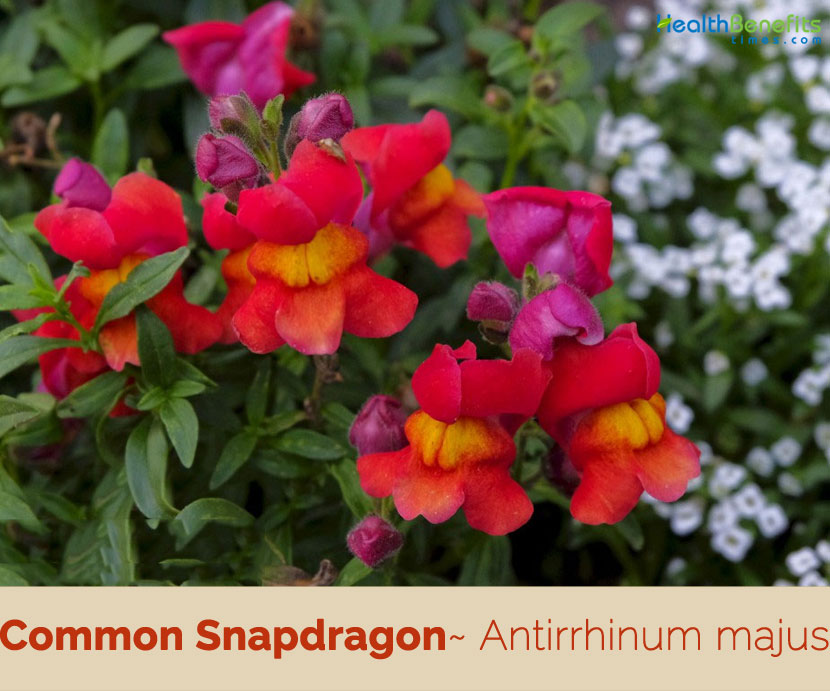
| Common Snapdragon Quick Facts | |
|---|---|
| Name: | Common Snapdragon |
| Scientific Name: | Antirrhinum majus |
| Origin | Mediterranean region, from Morocco and Portugal north to southern France, and east to Turkey and Syria |
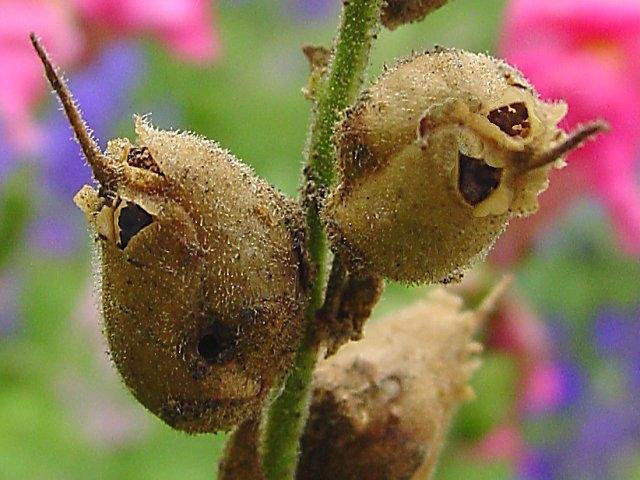
| Shapes | Ovoid capsule 10–14 mm diameter shaped like a skull, containing numerous small seeds |
| Health benefits | Relieves Urinary Tract Infections, Alleviates Minor Burns, Detoxifies the Blood, Treats Boils and Abscesses, Purifies the Liver, Helps Reduce Fever, Avoids occurrence of skin infection, Good for treating mild burn injuries, Useful in treatment of hemorrhoids |
| Name | Common Snapdragon |
|---|---|
| Scientific Name | Antirrhinum majus |
| Native | Mediterranean region, from Morocco and Portugal north to southern France, and east to Turkey and Syria |
| Common Names | Dragon Flower, Garden snapdragon, Snapdragon, Common snapdragon, Greater snapdragon, large snapdragon, dragon’s-mouth, great snapdragon |
| Name in Other Languages | Afrikaans: Leeuwenbek Albanian: Gojuku, gojasllani i madhë, gojëujk Arabic: Fam alsamakat alshshayie (فم السمكة الشائع), nabtat ‘anf aleijl (نبتة أنف العجل) Armenian: Snapdragon Azerbaijani: Aslanağzı Basque: Snapdragon Belarusian: l’vínuyu zyapa (львіную зяпа) Bengali: Sn’yāpaḍrāgana (স্ন্যাপড্রাগন) Bosnian: Zijevalica Brazil : Boca-De-Leão Bulgarian: kuchentse (кученце), lŭvska mutsunka (лъвска муцунка) Catalan: Boca de conill, Boca de drac, Cara de vedella, Conillets, Gatets, Gola, Gola de llop, Gossets, Mamaconill, Sabatetes, Vedells, badocs, boca d’ase, boca de conill, boca de dragó, boca de lleó, botons de gat, brams d’ase, cans, cara de vedella, cluques, cucut, dits, llops, morro de vedell, pets de llops, sabatetes de la Mare de Déu, vedeis Cebuano: Snapdragon Chichewa: Snapdragon Chinese: Jīnyú cǎo (金鱼草) Croatian: Zijevalica, velika zijevalica Czech : Hledík Větší, hledík Danish: Have-Løvemund, løvemund Dutch : Grote Leeuwebek, leeuwenbek English: Garden snapdragon, Snapdragon, Common snapdragon, Greater snapdragon, large snapdragon, dragon’s-mouth, great snapdragon Estonian : Suur Lõvilõug, Lõvilõuad Esperanto : Antirino Granda, Antirino Maja, Leonfaŭko Granda, anritino Filipino: Snapdragon Finnish : Iso Jalopeuran Kita, Leijonankita, isoleijonankita French : Grand Muflier, Gueule-De-Lion, Gueule-De-Loup, Muflier, Muflier Des Jardins, Muflier à grandes fleurs, Muflier commun, muflier à grandes fleurs Gaelic : Srubh Lao Galician: Herba Becerra, Snapdragon Georgian: Snapdragon German : Garten-Löwenmaul, Garten- Löwenmäulchen, Grosses Löwenmaul, Grosses Löwenmäulchen, Löwenmaul, Großes Löwenmaul Greek: Chaskousa, Skylaki (Σκυλάκι), antírrio (αντίρριο), antírrinon méga (αντίρρινον μέγα), skiláki (σκιλάκι) Gujarati: Snēpaḍrēgana māṁ (સ્નેપડ્રેગનમાં) Haitian Creole: Mufliye Hausa: Snapdragon Hebrew: לוע-ארי גדול, לוֹעַ הָאֲרִי, loa’=’ari gadol Hindi: Ajagar ka chitr (अजगर का चित्र) Hmong: Snapdragon Hungarian: Kerti oroszlánszáj, tátika, oroszlánszáj Icelandic: Snapdragon Igbo: Snapdragon Indonesian: Bunga Mulut Singa, Snapdragon Irish: Snapdragon Italian: Bocca Di Leone, Bocca Di Leone Commune, antirrino, capo di bue, copa di cane, muso di vitello Japanese: Kingyosō (キンギョソウ), Sunappudoragon (スナップドラゴン) Javanese: Snapdragon Kannada: Snāpḍrāgan (ಸ್ನಾಪ್ಡ್ರಾಗನ್) Kazakh: Snapdragon Khmer: Snapdragon Korean: Geum-eocho (금어초) Lao: Snapdragon Latin: Sesamum indicum Latvian: Snapdragon Lithuanian: Didysis žioveinis, Snapdragon Macedonian: Kuchentse (кученце) Malagasy: Snapdragon Malay: Snapdragon Malayalam: Snāpḍrāgaṇ (സ്നാപ്ഡ്രാഗൺ) Maltese: Isnapdragon Maori: Snapdragon Marathi: Ughaḍajhāpa karaṇāryā phulān̄cē ēka phulajhāḍa (उघडझाप करणार्या फुलांचे एक फुलझाड) Mongolian: Snapdragon Myanmar: Snapdragon Nepali: Snapdragon Norwegian : Prydløvemunn, Snapdragon Persian: گل میمون, Polish : Lwia Paszcza, Wyżlin Większy, Wyżlin Większy, Wyzlin Portuguese: Boca-de-leão, Snapdragon, bezerrinha, bocas-de-coelho, bocas-de-lobo, cabeça-de-bezerro, coelhinhos, erva-bezerra, erva-do-cão, erva-vedilhera, focinho-de-coelho, olho-de-gato, papões Romanian: Gura-leului Russian: l’vinyy zev (львиный зев), l’vinyy zev bol’shoy (львиный зев большой) Serbian: Zevalica (Зевалица) Sesotho: Snapdragon Sinhala: Snapdragon Slovak: Papuľka, papuľka väčšia, škľabinec väčši Slovašcina : Odolin Veliki, Veliki Odolin, Zajčki Slovencina : Papuľka Väčšia Slovenian: Navadnega odolina, veliki odolin, zajčki Somali: Snapdragon Spanish : Boca De Dragon, Boca De Sapo, Conejitos, Dragón, Dragoncillo, Hierba Becerra, Morros De Lobo, Perritos, Bocas-de-lobo, Coelhinhos, Erva-bezerra, Papoes, Conejillos, abrebocas, antirrino, Becerra, boca de león, cabeza de ternera, calzones de cuquiello, claveles, conejitos muertos, flor de la mortaja, flor de sapo, flor del desengaño, gallitos, garganta de lobo, gatos, morros de lobo, morros de ternero, muerta galana, muerte de estpañol, muerte de italiano, muerte de portugués, pan y queso, perritos, pirigallo, pitos, san juanes, tarasca de jardín, zapaticos de la Virgen, zapaticos del Niño Jesús Swahili: Snapdragon Swedish : Lejongap Tajik: Snapdragon Tamil: Snap (ஸ்னாப்) Telugu: Snāpḍrāgen (స్నాప్డ్రాగెన్) Thai: Phụ̄ch mị̂ chnid h̄nụ̀ng (พืชไม้ชนิดหนึ่ง) Turkish : Aslanağzı Ukrainian: Rotyky sadovi (Ротики садові), levynyy ziv (левиний зів) Urdu: سنیپ ڈریگن Uzbek: Snapdragon Vietnamese: Snapdragon Welsh: Trwyn y llo, Snapdragon Yiddish: Snapdragon (סנאַפּדראַגאָן) Yoruba: Snapdragon Zulu: Snapdragon |
| Plant Growth Habit | Annual, erect, Fast growing, long lived, herbaceous perennial chamaephyte |
| Growing Climates | Disturbed areas, woodlands, scrublands and on hard rock outcrops, Old walls, rocks and dry places |
| Soil | Thrives best in well-drained, moist, organic-rich, slightly acid soil in full sun. They are intolerant of subzero freezing temperatures and overwatering |
| Plant Size | Reach a height of 2-3 feet (0.6-0.9 m) in containers and the landscape. Some plants can attain a height of up to 6 feet (1.8 m) if planted in the landscape |
| Leaf | Spirally arranged, broadly lanceolate, 1–7 cm long and 2-2.5 cm broad. The upper glandular stalk is stalk-round, sometimes woody to the middle. The opposite leaves are simple, elliptic or ovate to broad-lanceolate, sometimes linear and usually bleak. Leaflets are missing |
| Flowering season | July to September |
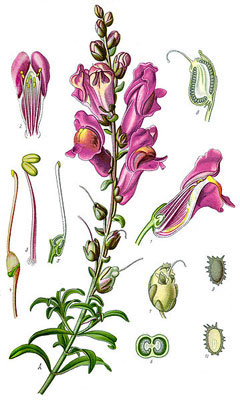
| Flower | Zygomorphic, bisexual, produced in erect, 10–20 flowered terminal racemes, violet, red, pink, yellow, or white, 3.5–4.5 cm long with ovate bracts and on 2–5 mm pedicels. Each flower has a calyx of five equal pubescent lobes |
| Fruit Shape & Size | Ovoid capsule 10–14 mm diameter shaped like a skull, containing numerous small seeds |
| Propagation | By seed or by cuttings |
| Plant Parts Used | Leaves |
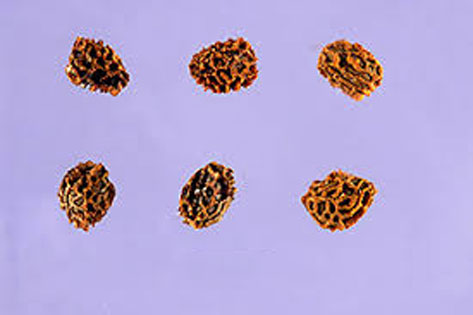
| Seed | Small, 0.8–1.1 mm, oblong–ovoid, reticulate and black seeds |
| Season | August to October |
| Health Benefits |
|
| Culinary Uses |
|
Plant Description
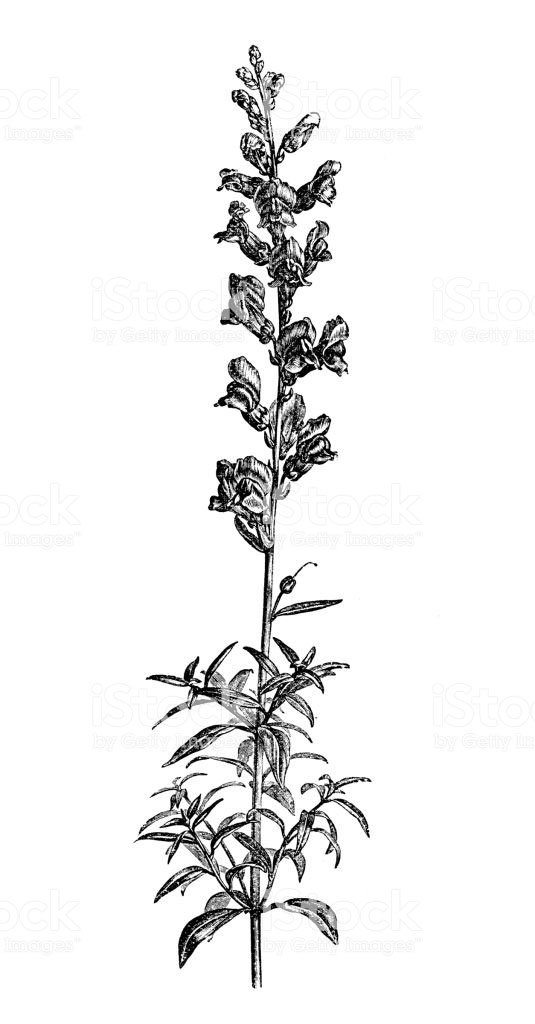
Common Snapdragon is an annual, erect, fast growing, long lived, herbaceous perennial chamaephyte that normally reach a height of 2-3 feet (0.6-0.9 m) in containers and the landscape. Some plants can attain a height of up to 6 feet (1.8 m) if planted in the landscape. The plant is found growing in disturbed areas, woodlands, scrub lands, on hard rock outcrops, old walls, rocks as well as dry places. The plant thrives best in well-drained, moist, organic-rich, slightly acid soil in full sun. They are intolerant of subzero freezing temperatures and over watering.
Leaves
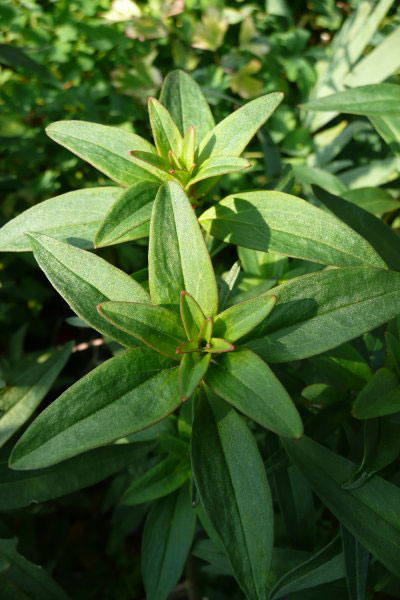
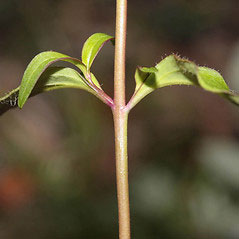
The leaves are spirally arranged, broadly lanceolate, 1–7 cm long and 2-2.5 cm broad. The upper glandular stalk is stalk-round, sometimes woody to the middle. The opposite leaves are simple, elliptic or ovate to broad-lanceolate, sometimes linear and usually bleak. Leaflets are missing.
| Leaf arrangement | Alternate |
| Leaf type | Simple |
| Leaf margin | Entire |
| Leaf shape | Oblong; spatulate |
| Leaf venation | None, or difficult to see |
| Leaf type and persistence | Not applicable |
| Leaf blade length | 2 to 4 inches |
| Leaf color | Green |
| Fall color | Not applicable |
| Fall characteristic | Not applicable |
Flower
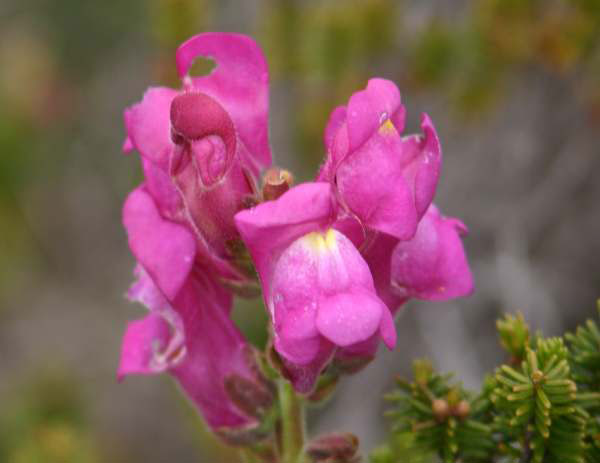
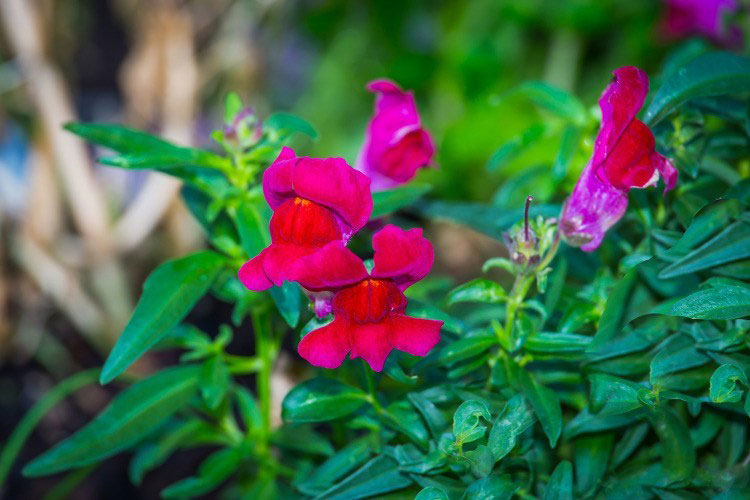
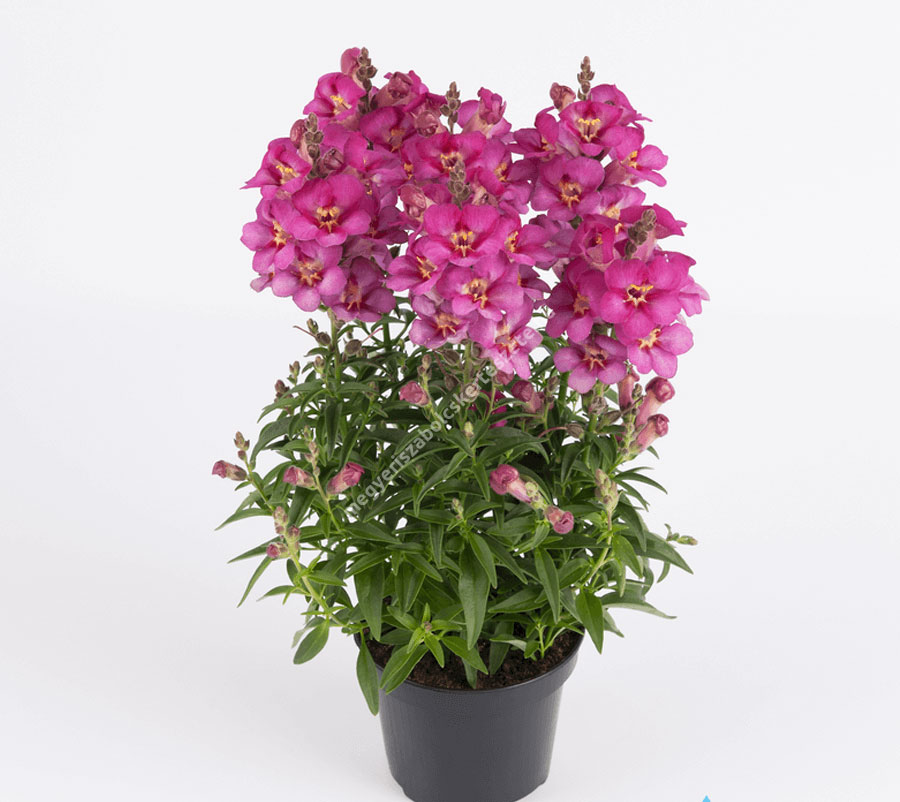
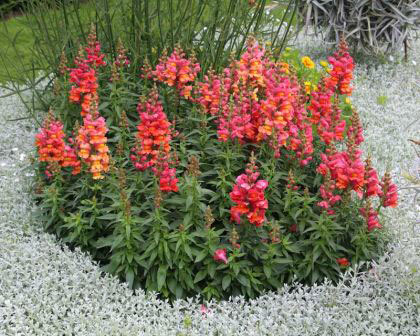
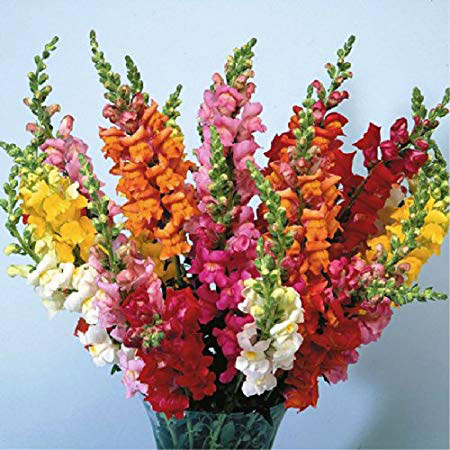
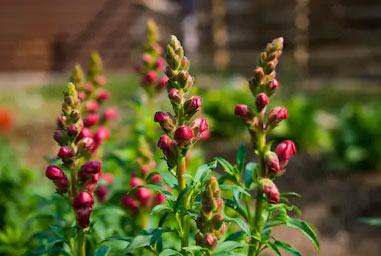
Flowers are produced on a tall spike, each flower is 3.5-4.5 cm long, zygomorphic, with two ‘lips’ closing the corolla tube lobed divided into three parts and is purple red, almost 5 cm long. Wild plants have pink to purple flowers, often with yellow lips. Most 8 to 30 short stalked flowers are in an inflorescence together; the inflorescence axis is glandular hairy. The crown is 25 to 45 (rarely to 70) millimeters long and in different colors (red, pink, and orange, yellow, white). The “maw” of the crown is closed by protuberance of the lower lip, one speaks here of “masked”, and everted baggy at the bottom. There is a circle with four stamens. The plants are pollinated by bumblebees, and the flowers close over the insects when they enter and deposit pollen on their bodies. Calyx is up to 8 mm long, with sepals of equal length, oblong to broad.
| Flower color | Yellow; white; pink; orange; salmon; lavender; purple |
| Flower characteristic | Showy |
Fruit
The ovary is supreme. The fruit is an ovoid capsule about 10–14 mm diameter shaped like a skull, containing numerous small seeds. Seeds are 0.8–1.1 mm, oblong–ovoid, reticulate and black.
| Fruit shape | No fruit |
| Fruit length | No fruit |
| Fruit cover | No fruit |
| Fruit color | Not applicable |
| Fruit characteristic | Inconspicuous and not showy |
Types
There are five subspecies:
- Antirrhinum majus subsp. majus. Southern France, northeast Spain.
- Antirrhinum majus subsp. cirrhigerum (Ficalho) Franco. Southern Portugal, southwest Spain.
- Antirrhinum majus subsp. linkianum (Boiss. & Reut.) Rothm. Western Portugal (endemic).
- Antirrhinum majus subsp. litigiosum (Pau) Rothm. Southeastern Spain.
- Antirrhinum majus subsp. tortuosum (Bosc) Rouy. Throughout the species’ range.
Health Benefits of Snapdragon Flowers
1. Useful in treatment of hemorrhoids
Hemorrhoids, generally known as piles are treatable using the snapdragon flower because of the latter’s herbal value. The Snapdragon flower reduces inflammation levels and promotes smooth blood circulation. The swollen blood vessels and painful areas in the anal region will be drastically decreased by this herb. (+)
2. Good for treating mild burn injuries
Snapdragon is quite popular for curing minor burn injuries. Poultice made from the snapdragon flower, when applied on the burn-affected areas of the body will give that soothing effect and relieves the skin from the burns. Snapdragon is also known to be very good at alleviating minor skin burns. The application of snapdragon decoction or poultice on the affected areas of the body helps provide relief from the throbbing pain that comes with burns. Needless to say, snapdragon is also good against sunburns.(+)
3. Avoids occurrence of skin infection
The poultice from snapdragon flower possesses astringent and anti-inflammatory properties wherein it can efficiently heal wounds and also decrease the inflammation caused by the wounds. This point clearly shows that skin-related infections are never given the space to enter the human body. (+)
4. Helps Reduce Fever
Another very popular use of snapdragon in traditional healing is for lowering the body temperature. Dried leaves and flowers of snapdragon are turned into decoction that a person with fever may take. Sometimes, the same decoction is recommended for those who are feeling weak because of its stimulating properties.
5.Relieves Urinary Tract Infections
Thanks to the mild diuretic properties of snapdragon, the herb is also sometimes used for the treatment of urinary tract infections (UTIs). It works by promoting urine production, thus flushing out bacteria in the urinary system before they have the chance to multiply and cause further damage.
6. Purifies the Liver
Aside from impurities in the blood, toxins that have collected in the liver may also be eliminated with special preparations out of snapdragon. It’s of utmost importance to keep ones liver in an excellent shape because the said organ carries out so many important roles, from neutralizing poisons to breaking down fat. (+)
7. Treats Boils and Abscesses
Traditional healers also rely on poultices out of the dried leaves and flowers of snapdragon in the management of boils and abscesses. Again, such is made possible by the herb’s impressive astringent and anti-inflammatory properties. With the help of snapdragon, it’s possible to ward off boil and abscess complications, some of which are serious. (+)
8. Detoxifies the Blood
When decoction out of snapdragon is consumed, urine production is increased. It’s exactly due to this reason why snapdragon is commonly used for the removal of waste products and poisonous substances that have gathered in the blood. Speaking of the blood, the diuretic properties of snapdragon helps lower blood pressure.
Traditional uses and benefits of Common Snapdragon
- Snapdragon leaves and flowers are anti-inflammatory, antiphlogistic, bitter, resolvent and stimulant.
- They have been used in poultices on tumors and ulcers and to treat different types of inflammations and hemorrhoids.
- It is effective in the treatment of all kinds of inflammation and is also used on hemorrhoids.
- The plant is harvested in the summer when in flower and is dried for later use.
- In Europe the plant’s leaves and flowers have been gathered in summer and dried for alter use, to be used in poultices in the treatment of tumors, abscesses and sores.
- This has also been used for piles and a decoction or infusion has been used to reduce fevers and inflammation.
- In Asia the leaves and flowers have been used for pain relief and to reduce inflammation.
- Poultices are used for burns, scalds, piles and skin eruptions.
Other Facts
- Snapdragon is popularly planted as garden ornamental for mass display, borders, bedding, containers, pots and cut flowers.
- Green dye is obtained from the flowers; it does not require a mordant.
- Dark green and gold can also be obtained if a mordant is used.
- In the language of flowers, Snapdragon flower symbolizes deceit.
- In Asia, Snapdragon Flower is nicknamed as “rabbit’s lips” while in Holland the flower is called as “lion’s lips”.
Pests and Diseases
Antirrhinum majus may suffer from some pests and diseases.
Pests
Insects are the primary pests that affect A. majus.
- Aphids: They target and consume the terminal growth and underside of leaves. Aphids consume the liquids in the plant and may cause a darkened or spotted appearance on the leaves.
- Frankliniella occidentalis: These insects affect even strong growing and healthy Antirrhinum; they are commonly seen in newly opened flowers. They will cause small lesions in the shoots and flower buds of A. majus as well as remove pollen from the anther. This case is difficult to treat, but may be kept manageable with the predatory mite Neoseiulus.
Diseases
Antirrhinum majus suffers mostly from fungal infections.
- Anthracnose: Disease caused by fungi of the genus Colletotrichum. This disease targets the leaves and stem causing them a yellow with a brownish border to the infected spot. It is recommended to destroy infected plants and space existing ones farther apart.
- Botrytis: Also known as Grey Mould, this infection occurs under the flower of A. majus. Botrytis causes wilting of the flower’s spikes and causes a light browning of the stem below the cluster of flowers. Botrytis causes quick and localized drying and browning in the flower, leaves, and shoots of A. majus. In warmer weather, Botrytis becomes more severe. Treatment of Botrytis involves cutting off the infected stock and clearing the surrounding area of A. majus from any of this debris.
- Pythium: Wilting in the plant may be caused by a Pythium species fungal infection if the plant is receiving adequate water.
- Rust: Another fungal disease that A. majus is susceptible to is rust. It can first be seen on the plant as light-green circles, on the stem or underside of its leaves that eventually turn brown and form pustules. Rust may cause A. majus to bloom prematurely, sprout smaller flowers, and begin decomposition earlier.
- Stem rot: A fungal infection, it can be seen as a cottony growth on the stem, low, near the soil. If infected, it is suggested the plant be destroyed.
References:
https://www.itis.gov/servlet/SingleRpt/SingleRpt?search_topic=TSN&search_value=33471#null
http://www.hear.org/pier/species/antirrhinum_majus.htm
https://npgsweb.ars-grin.gov/gringlobal/taxonomydetail.aspx?id=3665
https://pfaf.org/user/Plant.aspx?LatinName=Antirrhinum+majus
http://www.missouribotanicalgarden.org/PlantFinder/PlantFinderDetails.aspx?kempercode=a561
http://www.floracatalana.net/antirrhinum-majus-l
https://botanical.com/botanical/mgmh/s/snapdr58.html
https://plants.usda.gov/core/profile?symbol=ANMA3
https://en.wikipedia.org/wiki/Antirrhinum_majus
https://edis.ifas.ufl.edu/fp046
https://www.cabi.org/isc/datasheet/7707
http://luirig.altervista.org/schedenam/fnam.php?taxon=Antirrhinum+majus
http://en.hortipedia.com/Antirrhinum_majus
http://www.theplantlist.org/tpl1.1/record/kew-2642724
https://gd.eppo.int/taxon/ATHMM
http://extension.msstate.edu/publications/snapdragon-for-the-farmer-florist
https://indiabiodiversity.org/species/show/265887